Cary Grant Won't Eat You

Classic movies for phobics

  • About
  • eBooks
  • Previous Blogathons
Classic movies for phobics

1930s films

A Weeper for Those Who Love Jerks

05/13/2025 by leah@carygrantwonteatyou.com 18 Comments
John Boles and Irene Dunne in Back Street (1932)


Back Street (1932), directed by John Stahl, announces itself early on as belonging in the wronged illicit woman tearjerker canon. Charming Ray (Irene Dunne) enjoys befriending traveling salesmen at a beer hall in Cincinnati before the turn of the twentieth century, but all they do in return is try to bed her. Ray laughs at their efforts, expecting little else, but never giving in.

Spoilers ahead.

That is, until she meets Walter (John Boles), a flirt who steals her heart despite neon red flags, including:

  1. Dispensing cheesy pickup lines during their meet-cute.
  2. Suggesting she meet him at 10 pm on a random street for a date.
  3. Announcing he’s a mama’s boy.
  4. Admitting he’s engaged.

Ray sleeps with this worthless banker anyway, making the audience wonder just how little game those traveling salesmen had. Walter suggests she meet his mommy at the park one day. He’s hoping that said mommy will agree he should drop his fiancée if exposed to Ray’s considerable charm. (Apparently, he can’t break up without mama’s say-so.)

Unfortunately, Ray gets waylaid because her lovesick half-sister needs her help (because of course she does). Ray then wonders for the rest of her days what would have happened had she had made it to the park on time.

Walter’s response to her no-show is a red flag of its own: angry petulance. Instead of considering herself well rid of him, Ray is again smitten when she runs into him five years later in New York. She’s now a success at her firm, and he’s married to that fiancée and a father. He’s still obsessed with Ray, so they begin an affair. Without her permission, he gets her an apartment for their rendezvous.

As a kept woman, our bar-hopping extrovert resigns herself to solitaire and phone watching. We witness Ray helping her worthless lover with speeches and bank matters. Since he doesn’t want her considerable intelligence occupied with anything but him, she’s unemployed. He also doesn’t want her going out with friends; then she’d be unavailable for his stop-bys. In return, he misses their engagements and forgets to call her, mail her, or put any money in her bank for weeks on end.

We see Ray bemoaning her life to a neighbor in similar straits. Still, back she keeps going to this selfish jerk whose most discernible quality is neediness. She even turns down a chance to marry a sweet, successful former neighbor who loves her. What Ray needs, of course, is a good therapist. Too bad that isn’t really an option for her in this time.

Instead, we see her decades later, still lovely (it’s Irene Dunne, after all), still a mistress. She’s still beloved by Walter, but scorned by his adult children. When he has a stroke, she can only hear his voice on the phone. She can’t be by his side. When the stroke ends in death, his chastened son, finally realizing her true love for his father, offers to financially care for her.

Irene Dunne, who is amazing in this role, can make you weepy despite the unworthiness of her lover. We feel for her pain, even if we are mystified by its source. She looks at Walter’s photo at the end of the film, tells him she’s on her way, and dies. In her last moments, she wonders again if she would have had a better life if she’d shown up at the park.

Which leads me to wonder this: Would being the cheated-on wife (with kids) of this dolt be better? I mean, sure, it was a grim time for kept women. At least she wouldn’t be destitute or outcast if wedded to him. She’d also have the children she wanted.

Still, she’d be married to Walter, which means much more of her time with Walter. Why that doesn’t sound like a penance, I have no idea. Also, why wasn’t Ray regretting turning down her kindly neighbor in her last moments?

There are several curious things about this film. It’s pre-code, so it’s more sympathetic about her choices than the remakes (and there are several) probably are. There are moments (as at the end) the director, John Stahl, seems to give in to the soapy, romantic Romeo and Juliet of it all. But the director also gets the true tragedy: not only did Ray sacrifice a much happier fate to live in the “back streets” of a wealthy man’s life, but she did so for a singularly uninspiring man-boy played by John Boles.

If you’re gonna sacrifice everything, honey, at least let your lover be sexy. Who’d have guessed that Adolphe Menjou (in unacknowledged remake Forbidden) would come out the more attractive of the two leading men?

This is how Ray feels about her life:

Irene Dunne in Back Street (1932), looking devastated.


Oh, Ray. Imagine if you’d never slept with Walter. Maybe you’d have still turned down your neighbor. Maybe you’d have never married. Still, you’d be hanging out in the beer hall with salesmen, which means you’d at least have had some fun. If there’s a moral lesson in here, it seems to be not to avoid premarital sex, but to avoid letting your first lover be a Walter. That’s the kind of judgment-clouding decision that can topple the worthiest women.

Interestingly, the novelist who wrote the story (and Imitation of Life), Fannie Hurst, had her own illicit thing going: a secret marriage, with she and her spouse living in separate homes, and she too (seemingly) mourned him desperately after his death.

Let’s hope he was more worth it than the character she created.

See all the other entries in the Classic Movie Blog Association’s Cry Me a River: Tearjerkers Blogathon.

Share
Posted in: 1930s films, Anti-Romance films, Blogathons, Drama (film), Feminism, Romance (films) Tagged: Back Streets (1932), bad romance films, Irene Dunne films, John Boles, tearjerker films, tragedies, weeper films

Van Heflin’s Surprising First Role

05/19/2024 by leah@carygrantwonteatyou.com 12 Comments


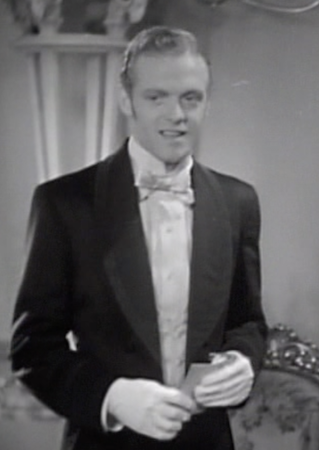
The first time you see Van Heflin (Lord Gerald Waring Gaythorne) in A Woman Rebels (1936), his debut role, you do a double take.


I had to look closer, to make sure it was indeed Van Heflin and not Leslie Howard. A word I never thought I’d apply to him is slight. He’s quite slender in it, but it’s not so much his form as his lack of presence–such a strange first impression of a gravely-voiced, burly sailor-turned actor who is riveting as a farmer in Shane, a suffering family man in 3:10 to Yuma, a powerful adventurer in Green Dolphin Street and hero in The Three Musketeers. The actor who would later fairly sing with physicality and gravitas seems so forgettable in his first moments onscreen, even timid. Luckily, he has a promising second act late in the film.

The story begins with Heflin playing the rake who tempts a Victorian heroine, Pamela Thistlewaite (Katharine Hepburn). We don’t see the charm and sex appeal that are so seductive and sinister in The Prowler and charming in The Strange Love of Martha Ivers. (It seemed fitting that the repeat scene of his seductions is literally Madame Tussauds wax museum.) Later love interest Thomas Lane (Herbert Marshall) comes across as more attractive than Heflin. Read that sentence again. Yeah, that bad.

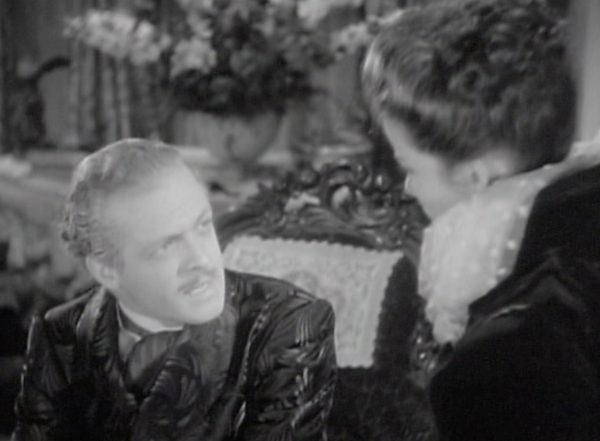
But late in the film, Lord Gaythorne returns as a bitter middle-aged man who despises his wife (who is not Pamela). And suddenly, in a lounging jacket of all things, you see it: THERE HE IS.


The slow confidence of Heflin’s stroll. HIs measured way of speaking. His intensity as he describes his hatred of his spouse. There is the compelling actor I fell hard for in The Strange Love of Martha Ivers. The always naturalistic performer whose moments onscreen are so believable, visceral and real. The man who isn’t conventionally attractive, yet is so sensual because he’s so confident and alive. The kind of actor he will be is not fully on the screen yet, but you see his promise.

The film itself is not great but ahead of its time, based on a 1930 novel by brave feminist Netta Syrett, who also had feminist artist sisters–or, as they were called then, “new women.” And while everyone around her is lackluster, Katharine Hepburn nails the role.

Pamela has a child out of wedlock, passes it for her sister’s, and then has a stunning career as an outspoken writer/editor speaking out for women’s rights and other issues. In between, she has a funny meet-cute scene with Thomas.

The film and many of the characters (I won’t reveal which) refuse to shame Pamela for her actions, even when her secret threatens her and her daughter’s happiness. The movie falls in the same camp as Hepburn’s other intriguing feminist roles from the 30s, such as Christopher Strong.

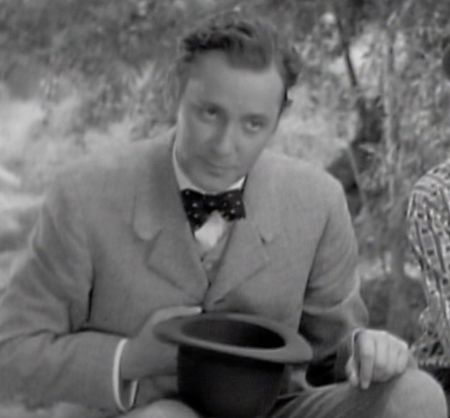
The story is unevenly told with some weird plot holes, and you have to suffer through some weak female performances and the aforementioned drags-down-everything Marshall. He doesn’t have quite as sleep-inducing of an effect as George Brent, but close. Sadly, this may be his most charming performance, and yet–look at this expression and tell me you don’t feel like you took a sedative.


You have to wonder with some smoother plotting and better acting around her whether the film could have really been something, as fascinating and unconventional as it was, instead of yet another bomb that got her in box-office-poison trouble. It doesn’t help that Hepburn has zero chemistry with either of her love interests.

Luckily, there’s enough in Hepburn’s performance and the surprises of the story to keep you watching. And to see that beginning of Heflin’s allure is quite fun. You have to love Hepburn recommending Heflin’s casting after seeing him in a play. (And how much would you have liked to have seen them perform on stage together with his version of the Jimmy Stewart character in The Philadelphia Story?) She knew even in the mid-30s what he had in him. Yet another of the thousand reasons to adore the great Kate.

Check out other striking debuts and final acting performances in the Classic Movie Blog Association’s Screen Debuts and Last Hurrahs blogathon this week!

Share
Posted in: 1930s films, Drama (film), Feminism, Romance (films), Romantic Comedies (film) Tagged: feminist films, Katharine Hepburn early roles, Van Heflin

Oscar Rant, Part 3: Flower Moon’s Many Missteps

03/04/2024 by leah@carygrantwonteatyou.com 4 Comments

Spoilers–but not as many as Scorsese’s


I knew I would struggle to warm to Martin Scorsese’s interpretation of a well-loved book. Killers of the Flower Moon is a heartbreaking, fascinating page turner. And it is a history book. I stayed up till 4 am to finish it. What I didn’t expect to do in watching Scorsese’s film of the same name was flinch. In trying to stay authentic and true to the Osage people, Scorsese walked into one of the oldest stereotypes. And the Academy is about to give his starring actress an Oscar for it.

The dignified, long-suffering man or woman of color is one of those stereotypes Hollywood has struggled to shake. There’s also a smug, self-satisfied attempt to award such films and performances with honors (Green Book, Driving Miss Daisy, The Help). When it comes to a group of people our country systematically oppressed, robbed, and killed–like the Osage and so many other American Indian tribes–granting the characters dignity can feel like a kind of reparation, minor as it may be. But it’s also dehumanizing to reduce a person to such a narrow set of traits.

I understand that Scorsese’s task was not easy. The American historical record is simply more complete when it comes to white men than for anyone else. Author/historian David Grann likely made FBI agent Thomas Bruce White Sr. his central character in part because he had so much information on him. Grann even includes a fascinating later history of his mercy toward prisoners who injured him in a prison break, which helps us understand the kind of man who would risk his life for others. And White was, indeed, a hero, and a fascinating one at that.

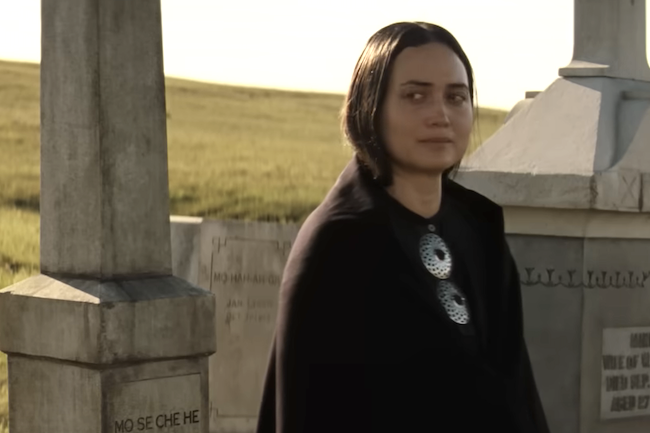
I get Scorsese’s attempt to avoid the white savior story he risked writing if White were his lead. But he had a dilemma: What do we know about Mollie Burkhart (Lily Gladstone)? We know she was rich. We know she lost many relatives to murder. That she believed in her husband, Ernest Burkhart (Leonard DiCaprio), far longer than she should have. We know that she was very sick. That’s not enough detail, if she’s your central figure. It was up to Scorsese to breathe life and complexity into her characterization, to make her wholly human in the way our 1920s racist, sexist historical record would not grant her–or lean on the descendants or family members who could tell him more.

Alas, Scorsese’s never been very good at female characters. This is no exception. Besides brief glimpses of a more complex woman during the courtship, he has her either sitting or in a sickbed looking resigned, sad, and stoic for 90% of the film. We don’t even feel the menace or experience her fear as she’s poisoned, as we would for a Alfred Hitchcock heroine, because we have little sense of her inner life.

We don’t get to see a sense of humor or any unique, humanizing quirks–we only know that she suffered. And with Eric Roth as his cowriter, whose credits include Forrest Gump (another film with underdeveloped female characters), what hope did he have of getting it right? Why, oh why, can’t this brilliant man recognize his limitations? There’s nothing wrong with specializing in dark white men as a genre. But this was not the subject matter for that focus. Why not let someone else write the screenplay? An Osage female writer would have been amazing; at the least, Scorsese could have chosen a woman.

Mollie’s is not the only half-baked characterization of the Osage in the film. The subtitles only occasionally translate the Osage language, which is used extensively. Instead, the subtitles spell out something like “speaking in Osage,” which was 1. evident 2. useless 3. distancing. Why not help us know the characters better by having them speak in English if you’re not going to bother to translate? (I kept hoping this was an issue with my streaming service, but I doubt it.) The occasional group scenes with Osage leaders stating the obvious didn’t help.

There was a fascinating real-life federal agent, John Wren (Tatanka Means), the only Native American who’d worked for the bureau by then. He assisted with the investigation and appears briefly in the film, and I kept thinking that Scorsese should have focused the narrative on him. What a fascinating angle that would have been! He was still an outsider to the Osage, but had more of an insider’s angle than the rest of the agents.

Instead, Scorsese doubles down on Leonardo DiCaprio’s Ernest, even minimizing the degree of his crimes by not covering his whole plan (or at least, tacit acceptance of the plan) to include his son and wife in the blow-up-the-house plot. Did he love Mollie? He seemed to in the book–and in how he handled the trial. But many dangerously abusive men have loved the women they attempt to murder. I’m not really interested in getting inside of their heads. Are you?

Also, where’s the excitement? We believe Ernest is pretty innocent for a long while in the book. We don’t know his uncle is a monster. The reveal is breathtaking in the book. Leaving out the suspense is a baffling choice.

It’s a shame to see all the wasted potential here: Robert De Niro is good in it and DiCaprio great (even if they are miscast; De Niro is no cowboy and both are at least two decades too old for their parts). Gladstone is very good with what she had to work with, and captures what we know of Mollie well. I enjoyed her subtlety.

There are so many beautifully shot scenes. That moment right before the bomb was especially powerful, as was the federal agents’ gathering scene. Scorsese shares the history and legal status of the Osage’s rights (or rather, lack of rights) without bogging down the narrative–not an easy thing to do. I thought the best part of the film was the start of the investigation by the private eyes: Whenever Scorsese feels comfortable, he does such great work. I loved how the movie helped me keep the characters straight, something I struggled with in an overpopulated book.

A lesser-known director might not have gotten this important story made into a film; I wanted so much to like it. Scorsese’s earnest attempt in that ending to finally give Mollie her due made me sad; I don’t think he succeeded. But maybe he’ll draw people back to the book, which does. I guess I’ll have to take some satisfaction in that.

Share
Posted in: 1930s films, 1940s films, 1950s films, 1990-current films, Drama (film), Oscars, Uncategorized Tagged: Alfred Hitchcock, Killers of the Flower Moon, movies not as good as books, Oscar nomination, overrated

Casting The Thin Man Remake

10/16/2023 by leah@carygrantwonteatyou.com 4 Comments
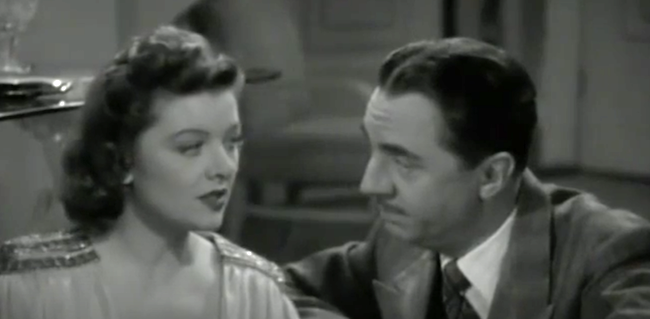
William Powell and Myrna Loy, The Thin Man


Brad Pitt and Margot Robbie are discussing a remake of The Thin Man, which has its longtime fans abuzz. While many ingredients are essential to an effective remake, the most important step is to take inspiration from the original pairing–cast the unexpected. After all, William Powell and Myrna Loy were dramatic actors. Manhattan Melodrama Director W.S. Van Dyke saw the two teasing each other on the set of his film and made a gamble: pair these two up in a rom-com/mystery, and see what happens.

What happened was comedy magic, the original film leading to FIVE sequels and the names Nick and Nora becoming shorthand for cool couple–even today. Who could be wittier, more stylish, more fun, more enviable than these two in action? No wonder Loy and Powell would ultimately be cast together in thirteen films.

So, of course, I’m thinking of what my casting would be. I wouldn’t object to Pitt and Robbie. Both have comedic talents, and even the age difference matches the source material (a book that is worth many rereads). But I want to spread my net a little wider. I love stories of actors playing unexpected parts: TV actress Mary Tyler Moore blowing us all away in Ordinary People, Malcolm in the Middle lead Bryan Cranston winning all the Emmys for the bleak Breaking Bad, the numerous dramatic actors chosen for comedy masterpiece Airplane!

Here are some possibilities I see. I’m borrowing people I love from TV and drama for this classic remake. I’m eager to hear your unexpected choices too….

William Jackson Harper & Awkwafina

Harper was a revelation as Chidi in The Good Place.

William Jackson Harper

I could watch his peeps-in-the-chili scene all day. I found Crazy Rich Asians nearly as boring as The Kardashians, but Awkwafina? Wow. More Awkwafina for me, please. Can’t wait to watch the film with her and Sandra Oh, Quiz Lady.

Awkwafina


Harper and Awkwafina both have a mixture of dry humor, unexpected timing, and perfect reaction shots in their repertoire. To see them play together would be a joy.

Jodie Comer & Aldis Hodge

Comer is a rising star for her dramas, an Emmy and Tony winner with a likely Oscar nod for The Bikeriders. But Killing Eve fans are eager to see her in a comedy given her stunningly funny facial expressions (and how long she holds them!) And wow, can that woman deliver a sarcastic line!

Jodie Comer

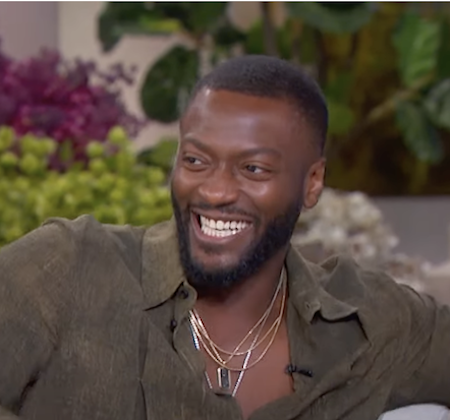
As for Hodge, he isn’t a big name yet since he rarely plays the starring role. Straight Outta Compton, Clemency, and One Night in Miami have demonstrated his dramatic skills, but we Leverage fans have seen this guy be FUNNY.

Aldis Hodge

He’s good at dead pan AND high-energy freakouts (Nicholas Cage style). I think I’d give Comer the Nick role, and Hodge the Nora role. He’s especially funny when he grumbles under his breath, which would be a fine accompaniment to Comer’s detective antics. (We need Comer to have a super-showy part.)

Michael B. Jordan & Annie Murphy

I’ve been a Jordan fan since his indelible role as Wallace in The Wire. He has PRESENCE.

Michael B. Jordan


I can see him at ease in a comedic role like Nick’s, a part that calls for being suave as well as funny. Sure, he’s done little to prove his comedy chops yet, but the complexity of his performances convinces me that comic mastery is in his wheelhouse. And he can be quite funny in interviews.

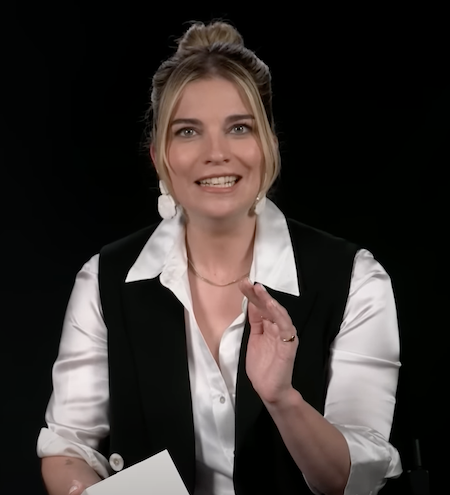
Annie Murphy hasn’t yet found a role to equal her star-making turn in Schitt’s Creek.

Annie Murphy


Her offbeat timing, slapstick gifts, and talent for improvisation (“A Little Bit Alexis” alone) would help her improve on the script. Given her generosity as an actress (she always highlights her partner’s skills), I think she’d help Jordan develop his comic potential.

Catherine O’Hara & Ted Danson

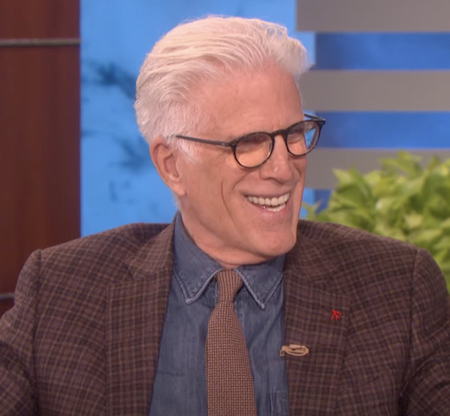
These humorous powerhouses are old for the parts, so it’s unlikely they’d win them. But can you imagine watching their combined talents in action? Danson would play a mean Nick, wouldn’t he? So debonair, and so funny.

Ted Danson


And O’Hara is so used to acting as a team–so good at playing off someone while holding her own.

Catherine O'Hara

I can dream….

Kristen Bell & Adam Scott

Adam Scott & Kristen Bell


Kristen Bell has already proven her ability to play a witty sleuth in Veronica Mars, and Adam Scott has always been a great straight man. These two have impressive chemistry in Party Down and The Good Place. Let’s give them a movie that’s worthy of them. Watch their mutual self-deprecation when she interviews him on Jimmy Kimmel Live.

Tatiana Maslany & Stephanie Beatriz

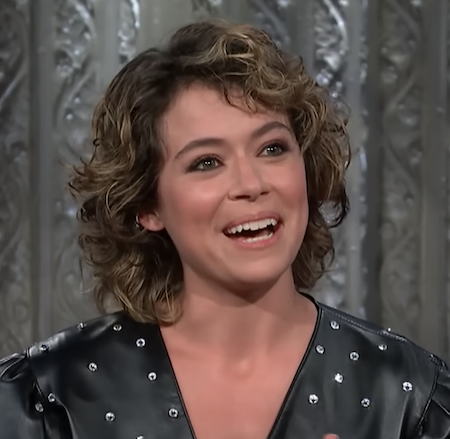
Anyone who has seen Maslany in Orphan Black knows that she can do anything.

Tatiana Maslany


The woman played five major clones in Orphan Black—and you could tell when one was pretending to be the other. She has a sense for the physical ticks of each character, their intonations, their accents. (In total, her clones were in the double digits.) She’d be an ideal actress for a con artist or spy role, but it would be entertaining to see her in a traditional detective part.

Maslany sure could fool anyone she interrogated as Nick, and the mysteries were often a weakness of The Thin Man series. A more inventive plot could take advantage of her versatility. As far as her humor? Some of her clones displayed some effective dark comedy–and she clearly has the ability to do some slapstick.

I would pair her with Stephanie Beatriz playing a version of her Rosa Diaz role in Brooklyn 99–stone-faced and dry, a great foil to Maslany’s ethereal presence.

Stephanie Beatriz


Beatriz’s tough-gal performance in her most famous role is especially admirable since she seems almost giddy in real life….

No one can shake the Powell-Loy pairing from its pedestal. Honestly, I wouldn’t want that. But if the remake is different enough, it’ll just feel like two very different takes on a brilliant novel, not a poor shadow of a classic film.

I’m eager to hear your dream pairings in the comments! If you’d like other posts on ideal casting, see my friend and podcast co-host Mike Gutierrez’s awesome guest post on Hitchcock remakes!

Share
Posted in: 1930s films, 1940s films, Comedies (film), Feminism, Film Noir/Crime/Thriller & Mystery, Romantic Comedies (film), Uncategorized Tagged: Brad Pitt, Dashiell Hammett, Myrna Loy, remakes, The Thin Man, William Powell

Mae West: The Unchanging Heroine

10/20/2021 by leah@carygrantwonteatyou.com 12 Comments

I grew up resenting a lot of the rom-com fare on television and film. Always, it felt, the woman had to change to find love. Sandy in Grease was just the start: Learn to strut. Show that cleavage. Pull your hair out of the bun! Relax! Be feminine! Learn to bake or something.

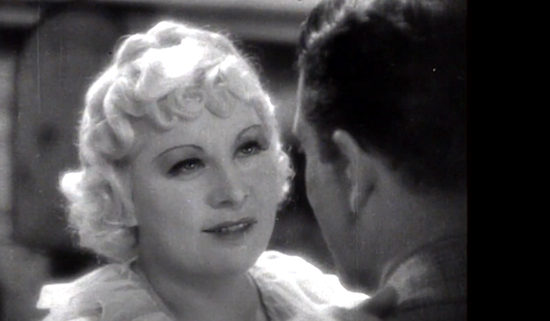
Maybe that’s why I love Mae West so much: In her films, she’s the only one who never has to change. Anyone who doesn’t get her? They better start, if they want Mae’s company. (And they ALWAYS want Mae’s company.)

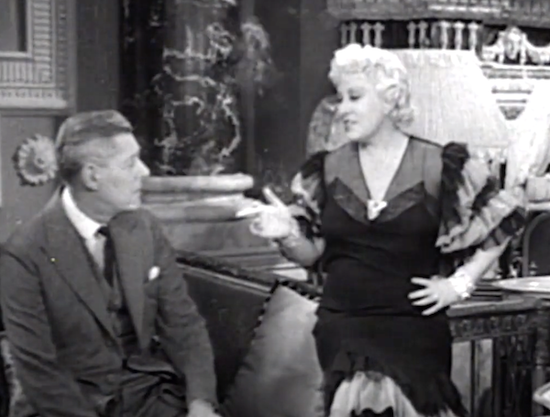
Mae’s unrepentant, very human, hilarious heroines are perfect, just as they are. Cleo from Goin’ to Town (1935) is just one example.

Cleo decides she wants a particular upper-crust guy. After her (literal) lassoing of him doesn’t win him, she decides to change herself over into a classy lady. Which pretty much means she convinces everyone she already is one.

**Some spoilers**

Oh sure, Cleo picks up some new hobbies: horse betting, husband collecting, and opera performances. But Cleo is Cleo. When she plots her rise, we all know she’s going to get there.

Favorite Moments

The fashionable ladies visit her after her fashionable marriage. Trying to insult her, they press her about her lineage:

Socialite: “Speaking of relatives, Mrs. Colton, have your ancestors ever been traced?”

Cleo: “Well, yes, but they were too smart, they couldn’t catch ’em.”

She says this, mind you, while intent on cracking nuts.

And, of course, who can forget the scene when Cleo plays Delilah? (Her description of Delilah is “one lady barber who made good.”)

While she sings in a high register (therefore, I assume, proving she has the pedigree to pull off opera), she does her va-voom hip shimmies between notes, proving that she’ll always be a dance hall girl.

And in a Mae West movie? There’s nothing better to be.

I’ve written before about how Mae can always pull me out of a bad mood. That’s why I chose to re-watch one of her films for the Classic Movie Blog Association’s fall blogathon, Laughter Is the Best Medicine. Don’t miss the other entries from my talented peers!

Share
Posted in: 1930s films, Blogathons, Childfree, Comedies (film), Romantic Comedies (film), Uncategorized Tagged: best rom-coms, class comedies, comedies, Goin to Town (1935), Mae West

Bette Davis Crushes Leslie Howard

04/04/2021 by leah@carygrantwonteatyou.com 7 Comments

I read Of Human Bondage as a preteen/teen and was moved by the story of a would-be artist who eventually discovered that a simpler life of helping others was his route to happiness. As a wannabe artist myself, Philip’s journey was meaningful, even enlightening. His time practicing medicine for a poor community won the respect of his patients and his gruff superior—even crushed the snootiness that had marred the rest of his life. While Philip’s extreme sensitivity (related to his club foot) was what drew me as an angsty young girl, it wasn’t his only trait. He was funny, self-aware, compassionate—a fully rounded character.

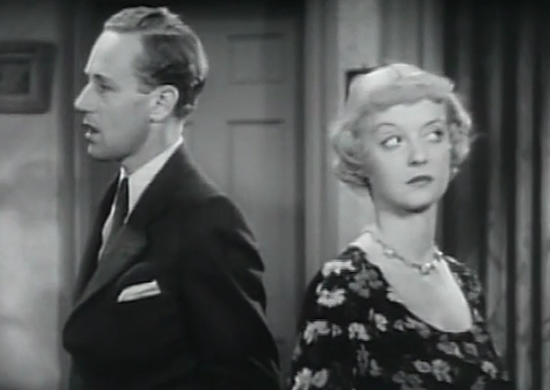
What Hollywood would do to William Somerset Maugham’s reflective character I had a right to fear, especially since the 1934 version was known as Bette Davis’s breakout role. She played the extremely unlikable Mildred, a mean-spirited waitress who detours Philip on his journey. Mildred traps him in his lust for her, but never pretends to like or be faithful to him. She sucks away his time, energy, and money, and he’s too weak to resist.

She is, in short, one of Maugham’s complex female characters: fascinating, headstrong, real—the kind of role actresses are craving now, almost a hundred years later. And with an ambitious young Davis at the helm, sick of her milksop roles and ready for something meaty, what chance did Leslie Howard have for any attention (his starring role notwithstanding)?

No one can stand up to Davis in full chewing-the-scenery mode.

She doesn’t nail the accent, but Davis does fully personify this selfish woman, particularly her flirtatious nature and prickly pride. She shows how Mildred’s self-interest–her primary trait–can’t stand up to her destructive passions. Except for her trademark burning magnetism, Davis is nearly unrecognizable in the role: she BECOMES Mildred.

She famously only got a write-in nomination that year, but won the Oscar the next, most say in compensation for the MIldred loss. Bette’s (Cockney?) accent is regrettable, but everything else about her characterization is perfect.

I’m not sure if writer Lester Cohen decided the movie would be the Philip-Mildred show, given that part of the book’s high drama, or if director John Cromwell saw what he had in Davis and switched it accordingly. But poor Philip’s spiritual journey is reduced to a few scenes, with conversations with Mildred and his later love Sally (Frances Dee) meant to explain his transformation.

Basically, fans of the book can enjoy the fine sensitivity of Philip on screen, which Howard carries off. But Philip’s growing devotion to his career is off the screen. Somerset Maugham was a genius at empathy, and his semi-autobiographical masterpiece shows how Philip’s extreme sensitivity, such a burden as a child, led to his success and happiness as a humble doctor (just as Maugham’s sensitivity to his stutter may have made him a great writer). That theme is totally lost in the don’t-date-women-like-Mildred messaging of the film.

So as far as capturing the book, this film fails. But the movie does nail William Somerset Maugham’s trend of giving female characters their due. I’ve written before about how frequently actresses in his stories are nominated for (and often win) Oscars once his films are screened—including Annette Bening, who should have won for Being Julia.

Look at Davis: wins her Oscar for Dangerous because of her performance as Mildred, then gets nominated for The Letter, another of Maugham’s most famous stories, just six years later.

If that isn’t an advertisement for the continual reading of William Somerset Maugham’s body of work, I don’t know what is. And that–in my eyes–is what makes for a successful film adaptation.

Check out Silver Screen Classics‘s Classic Literature on Film blogathon for more adaptations of your favorite books!

Share
Posted in: 1930s films, Anti-Romance films, Blogathons, Drama (film), Feminism, Uncategorized Tagged: Bette Davis, great female roles, Leslie Howard, Of Human Bondage, William Somerset Maugham

New Podcast on Conspiracy Films!

03/18/2021 by leah@carygrantwonteatyou.com Leave a Comment

Join my friends and me as we talk about conspiracy films in this conspiracy-laden moment in history! It’s such fun talking film with my witty partners, Michael Keenan Gutierrez and Brian Wilkins. And I think you’ll enjoy our strange journey–from an early Hitchcock to the present moment. The 39 Steps and Dr. Strangelove start us off. Check out our podcast, Nobody Knows Anything, or go directly to Spotify or Apple Podcasts to find us. We’ll be posting more in the coming days on our Twitter and Instagram accounts. We begin by thinking about the important things, like how attractive you have to be in order to seduce an international spy with haddock. (Answer: Robert-Donat-with-a-mustache attractive.) For excerpts from our conversation, click below!

Here’s a clip of our 39 Steps talk!
And here’s a clip of our Dr. Strangelove chat.
Share
Posted in: 1930s films, 1960s films, 1970s films, 1980s films, 1990-current films, Uncategorized Tagged: Bourne Identity, Captain America: The Winter Soldier, conspiracy movies, Dr. Strangelove, film reviews, films, podcast, The 39 Steps, They Live, Three Days of the Condor

Depressed Heroines & Classic Film: Three on a Match

09/19/2020 by leah@carygrantwonteatyou.com 4 Comments

Is there anything scarier than Bette Davis playing nice?

I see that sunny face, that sugary smile, and I’m just waiting for the other sledgehammer to drop. It’s unnerving in films like Three on a Match (1932) that she acts like a sweetheart throughout. It’s a terrible waste, of course. But early Hollywood didn’t know what they had in Bette. (Kind of like Amy Sherman-Palladino, who had Melissa McCarthy in her Gilmore Girls cast playing an annoying, bubbly local instead of, I dunno, someone funny. But I digress.)

Three on a Match is a peculiar, truly half-baked film in many ways. But it’s also a riveting one, and chock-full of stars. And its pace is breathless (it barely passes the hour mark). I’m not going to spoil the big plot developments near the end–too interesting–but I will spoil some of the earlier developments, so be warned.

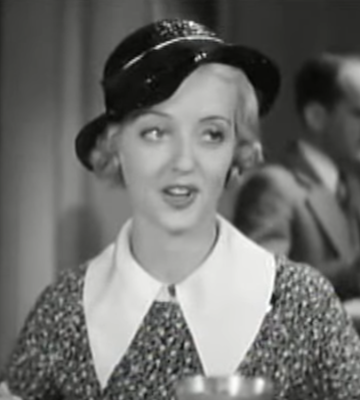
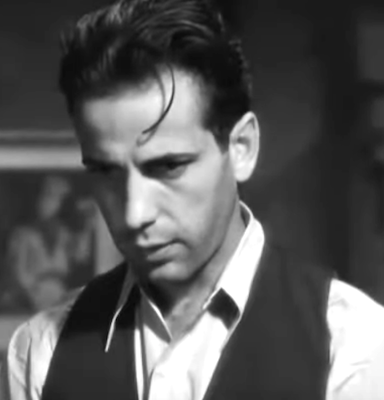
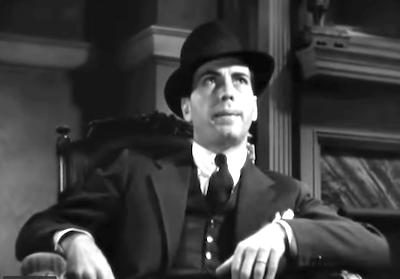
First of all, when you have Edward Arnold and young Humphrey Bogart playing scary gangsters, you know you’re in for a good time.

(Not that their danger combined holds a candle to the terror that is sweet Bette, but….)

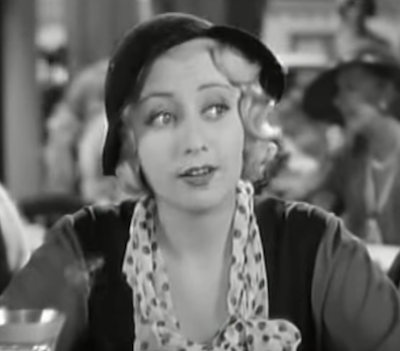
You have Joan Blondell, playing to type (which is always marvelous).

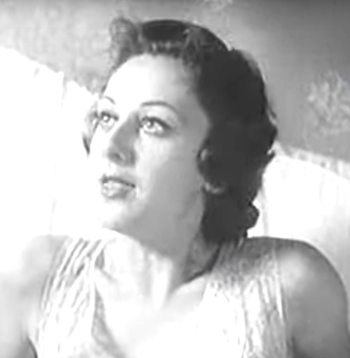
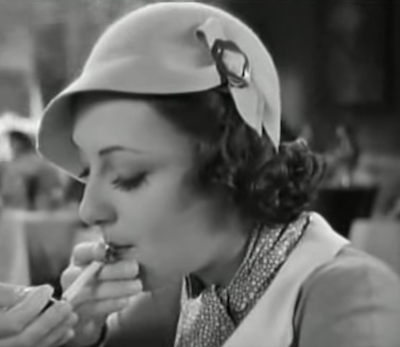
Warren William plays an unexpectedly bland part. And then there’s Ann Dvorak in a performance that should have secured her career, especially after her breakout in Scarface the same year.

The premise of the film is fascinating; it’s from an old WWI superstition about the danger of lighting three people’s cigarettes from the same match, an act said to doom one.

Three former schoolmates–played by Blondell, Dvorak, and Davis–get together to catch up on their lives and light that match, and soon one’s fate will rise, the other’s will fall, and the third’s (Davis) will be largely irrelevant, her presence simply for the sake of the film’s title.

The doomed character emerges early on because lovely Vivian (Dvorak) is unhappy despite a seemingly perfect husband, house, and kid, and while we modern viewers quickly identify her as depressed, no such word is uttered in the film. What’s fascinating is that though Vivian ditches her husband, starts sleeping with a gangster, neglects her child, and becomes a drug addict, the movie still extends sympathy for her, just as The Hours would do years later for women dissatisfied with their roles. “Pre-Code,” you remind yourself. “Pre-Code.” Vivian’s lust for the gangster is startlingly evident, as is her later addiction.

But where the film excels in a nuanced portrayal of a complicated woman, it stumbles with the supposed bond between the three schoolmates. When Vivian hooks up with the gangster, she hides from her husband, who is desperate to find her and their son. Mary (Blondell) gives her away. We understand that betrayal, given the squalor the son is living in. But then Mary takes Vivian’s place at her husband’s side. This is a pretty shady act, calling her motives into question. Yet we’re not asked to see it that way. It’s like the film is saying, “Well, Vivian wasn’t taking advantage of this wealthy dad, so someone should.” Vivian’s lack of anger for Mary could have been very interesting–if the film had suggested that there should have been any. And as for the third schoolmate, Ruth (Davis), why is she in the film at all? All Ruth does is read while babysitting Vivian’s child. And smile. And smile some more. It’s unnerving and unnecessary, and if you were as terrified as I was by What Ever Happened to Baby Jane? and The Little Foxes, you’ll find it downright creepy.

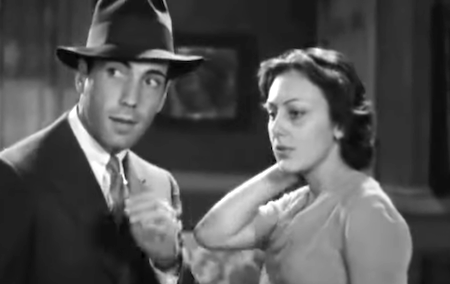
Just when you’re thinking this bizarre relationship between the women isn’t really working for you, the film turns sinister and you can’t turn away. Bogart gets his chance to shine in a truly evil role.

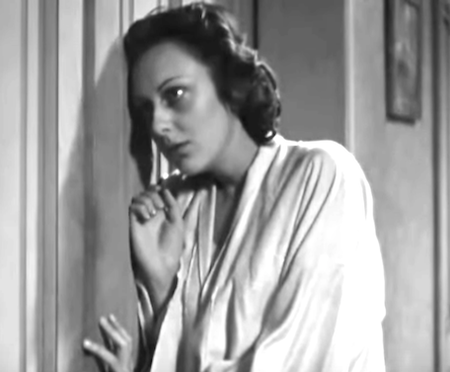
Vivian gets boxed into a hopeless situation, and you fear for her, wondering what she can do to retain some smidgen of the woman she was before addiction took hold.

Dvorak holds her own against Bogart in powerful scenes that make you wonder why you know so little of her.

Alas, it’s a familiar story: Dvorak ticked off the bosses. It turns out she objected to the studio’s choice to pay her the same amount as her (very forgettable) son in Three on a Match, but she did enjoy the year-long honeymoon she took with her husband instead of putting out films for them.

I like to imagine Dvorak taking off on that honeymoon, leaving behind the sexists who would soon censor sympathetic characterizations of complex women, like Vivian. It might not have been a long-lasting victory, but it makes me smile just the same. And if you watch her heartbreaking, memorable performance in Three on a Match, you’ll feel the same.

Share
Posted in: 1930s films, Drama (film), Film Noir/Crime/Thriller & Mystery Tagged: Ann Dvorak, Bette Davis, Bogart's early films, depression & classic film, Joan Blondell, Three on a Match

Beyond Melanie: Olivia de Havilland

07/27/2020 by leah@carygrantwonteatyou.com 6 Comments
Olivia de Havilland in My Cousin Rachel

It’s always bothered me that Olivia de Havilland; the passionate, strong-minded, long-lived Hollywood star; is best known for a meek maternal role.

Did she perform it well? Oh yes. She imbued Melanie with incredible strength, empathy, and grit. But to be best known for Gone with the Wind in your obituary isn’t exactly a selling point in 2020. The mawkishness of the role has always annoyed me, especially because Olivia de Havilland is most riveting when she’s hard boiled. (She would have been great in noir.)

This was, after all, not a meek woman, convincingly as she nailed that famous steel magnolia part. This is the actress who sued her studio for extending her contract—and won. (A stupefying victory, given the long list of actresses whose studio fights got them nowhere and killed their careers.) And so I’d like to highlight a few of my favorite roles, which bear no resemblance to Melanie.

The Heiress (1949). I’m not alone here. This film won her an Oscar, an award she richly deserved. She plays a shy, undervalued, vulnerable “spinster” wooed by a handsome man (Montgomery Clift) who is likely after her wealth. Her growing strength as she begins to suspect him and question her father is something to see. Wow.

My Cousin Rachel (1952). A sexually and socially confident, cosmopolitan widow (de Havilland) meets the naïve young cousin/heir (Richard Burton) of her dead husband. At first, he suspects her of murdering her husband, then he falls for her, and then he suspects her again. Did she, or didn’t she? The book version leaves the answer open, the movies less so. The 1952 film itself is a mixed bag, but when it comes to embodying a fascinating heroine, de Havilland knows what she’s doing. (You know I think so when I say Rachel Weisz, whom I love in everything, couldn’t hold a candle to her in the remake.)

Hush … Hush, Sweet Charlotte (1964). I love some bonkers Bette Davis-de Havilland banter. Is it as fun as Whatever Happened to Baby Jane? No, what could be? But it’s still a blast to watch, thanks in large part to de Havilland’s scheming character.

The Adventures of Robinhood (1938). OK, this is a bit of a sentimental choice, but de Havilland doesn’t play a weakling version of Maid Marian. She’s got some serious spirit, especially for the time this film was made. de Havilland’s stunning beauty in it explains the string of hearts she left in her Hollywood wake. And Errol Flynn’s and her dazzling chemistry, not to mention their ridiculously good looks, reveal why they were paired together so frequently. Plus, the film is just a hoot, with the cast clearly having Ocean’s 11-level fun on the set.

There’s much more to say about de Havilland. This list alone shows her incredible range as an actress. I don’t have the expertise to discuss her recent lawsuit, sister feud, or any of the myriad other topics that make her a compelling subject. I strongly recommend you check out some of my peers’ posts on The Classic Movie Blog Association’s blog roll (see right column). de Havilland has never been one of the stars I follow. Frankly, I find her a bit scary. Intimidating. Hard to know. (About as far from Melanie as it’s possible to be.) But you can’t ever discount her. And when she’s on the screen, you don’t want to watch anyone else.

Share
Posted in: 1930s films, 1940s films, 1950s films, 1960s films, Drama (film), Feminism, Romance (films), Romantic Comedies (film) Tagged: Olivia de Havilland, roles beyond Melanie, strong female roles, The Heiress, tribute

New Mae West Documentary!

05/29/2020 by leah@carygrantwonteatyou.com 4 Comments

PBS produced a new documentary on my favorite movie wordsmith and feminist rebel, Mae West. Dirty Blonde is coming. Check out the preview to see the subjects talking about her (some welcome surprises), and to hear some of your favorite Mae West quips.

Mae West Documentary and Trailer

I can’t wait! Check it out on June 16 at 8/7c on PBS and on their site.

Share
Posted in: 1930s films, 1940s films, 1970s films, Childfree, Feminism, Humor, Mae West Moments, Uncategorized Tagged: Mae West documentaries
1 2 3 4 5 6 7 8 9 Next »

Recent Posts

  • 100 Years Later, Still Scary: Dr. Caligari
  • Escaping Out of the Past (1947)
  • A Weeper for Those Who Love Jerks
  • Thank You, Academy, for Not Infuriating Me
  • Challengers (2024) Is a Bad Movie

Subscribe to Blog via Email

Enter your email address to subscribe to this blog and receive notifications of new posts by email.

Categories

  • 1920s films
  • 1930s films
  • 1940s films
  • 1950s films
  • 1960s films
  • 1970s films
  • 1980s films
  • 1990-current films
  • 2020s films
  • Action & Sports Films
  • Anti-Romance films
  • Blogathons
  • Childfree
  • Comedies (film)
  • Drama (film)
  • Feminism
  • Femme fatales
  • Film Noir/Crime/Thriller & Mystery
  • Gloriously Silly Scenes
  • Horror
  • Humor
  • Mae West Moments
  • Musicals and dancing films
  • Oscars
  • Random
  • Romance (films)
  • Romantic Comedies (film)
  • The Moment I Fell for
  • Turn My Sister into Classic Movie Fan
  • TV & Pop Culture
  • Uncategorized
Share
Classic Movie Blog Hub Member

Recent Comments

  • leah@carygrantwonteatyou.com on Meg Ryan’s Fate Foretold in Joe Versus the Volcano
  • Ryan on Meg Ryan’s Fate Foretold in Joe Versus the Volcano
  • leah@carygrantwonteatyou.com on 100 Years Later, Still Scary: Dr. Caligari
  • The Classic Movie Muse on 100 Years Later, Still Scary: Dr. Caligari
  • leah@carygrantwonteatyou.com on 100 Years Later, Still Scary: Dr. Caligari

Archives

  • November 2025
  • September 2025
  • May 2025
  • March 2025
  • January 2025
  • November 2024
  • August 2024
  • July 2024
  • May 2024
  • March 2024
  • February 2024
  • December 2023
  • November 2023
  • October 2023
  • September 2023
  • August 2023
  • July 2023
  • May 2023
  • April 2023
  • March 2023
  • January 2023
  • December 2022
  • November 2022
  • September 2022
  • July 2022
  • May 2022
  • April 2022
  • March 2022
  • February 2022
  • October 2021
  • September 2021
  • April 2021
  • March 2021
  • February 2021
  • December 2020
  • October 2020
  • September 2020
  • July 2020
  • May 2020
  • April 2020
  • March 2020
  • February 2020
  • December 2019
  • October 2019
  • September 2019
  • June 2019
  • May 2019
  • April 2019
  • February 2019
  • January 2019
  • November 2018
  • September 2018
  • July 2018
  • June 2018
  • May 2018
  • April 2018
  • March 2018
  • February 2018
  • January 2018
  • November 2017
  • September 2017
  • August 2017
  • July 2017
  • June 2017
  • May 2017
  • April 2017
  • March 2017
  • February 2017
  • January 2017
  • December 2016
  • November 2016
  • October 2016
  • August 2016
  • July 2016
  • June 2016
  • May 2016
  • April 2016
  • March 2016
  • February 2016
  • January 2016
  • December 2015
  • November 2015
  • October 2015
  • September 2015
  • August 2015
  • July 2015
  • June 2015
  • May 2015
  • April 2015
  • March 2015
  • February 2015
  • January 2015
  • December 2014
  • November 2014
  • October 2014
  • September 2014
  • August 2014
  • July 2014
  • June 2014
  • May 2014
  • April 2014
  • March 2014
  • February 2014
  • January 2014

Meta

  • Log in
  • Entries feed
  • Comments feed
  • WordPress.org

Copyright © 2025 Cary Grant Won't Eat You.

Church WordPress Theme by themehall.com