Cary Grant Won't Eat You

Classic movies for phobics

  • About
  • eBooks
  • Previous Blogathons
Classic movies for phobics

Humor

Silly Scenes: Joe vs. the Volcano
11/04/2024 by leah@carygrantwonteatyou.com 4 Comments


Today I’m starting a new series for this blog for all of us who haven’t slept in months and fear we won’t for some time: Gloriously Silly Scenes. We all need some sweetness and light right now, and luckily for all of you, I have been self-medicating on fluffy joy in movie form since two of my aunts, Betty and Ellen, introduced me to Teddy in Arsenic and Old Lace as a child. My two sisters and I would run around my aunt’s room, shouting “Charge!!” with one arm aloft as we watched the film, giggling hysterically.

My effort to seek silly films became a fully deliberate act due to two life-changing events in my teens: 1. My discovery of USA Up All Night. 2. The moment my good friend Carrie and I went to see Joe Versus the Volcano (1990) in the theater. To all of you who love cry-laughing in silent rooms, to all of you amused by what was never intended to be funny at all, and to all of you who embrace deeply weird and/or unabashedly ridiculous humor, you will understand that the impossibly grim opening credits of Joe versus the Volcano were a revelation to me. The choice of “Sixteen Tons.” The mud. The one flower. The evocation of old labor folklore (I kept thinking of John Henry). It wasn’t just silly. It was thrillingly so.

The whole film is a treasure. I could write a poem about the suitcase shopping sequence alone. But for this moment, I’d like to pause on comic gem Dan Hedaya, who would crack up an entirely different generation as the affectionate father/terrifying litigator/threatener of potential dates in Clueless. In Joe vs. the Volcano, he is the boss of three employees: one dour, but expressive silent man; the despondent Joe (Tom Hanks); and the almost deflated but somehow still chipper-while-sniffling assistant (Meg Ryan).

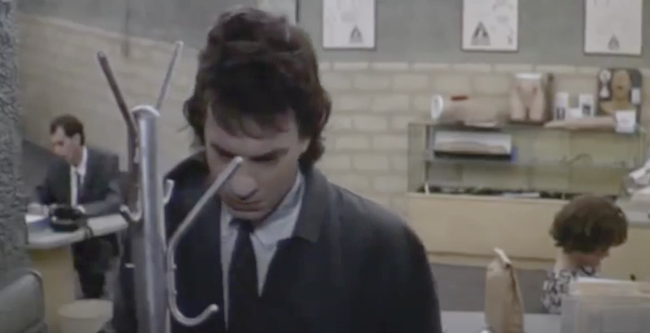
The office scene opens with the clatter of a typewriter and the buzz of failing overhead lights. The whole scene is bathed in sickening shades of yellow and blue. As you take in the comically awful office, with decor that brings back my impressions of “break rooms” in fast food restaurants in the 80s or those airport smoking lounges when the bans started taking effect, you hear the boss (Hedaya) in the background, talking on the phone:

“I know he can get the job, but can he do the job? Harry. Yeah, Harry, but can he do the job? I know he can get the job, but can he do the job? I’m not arguing that with you. I’m not arguing that with you. I’m not arguing that with you. I’m not arguing that with you, Harry! Harry, Harry, yeah Harry, but can he do the job? I know he can get the job, but can he do the job? I’m not arguing that with you….Who said that? I didn’t say that. If I said that, I would have been wrong….I’m not arguing that with you. Yeah, Harry. I know he can get the job….”

As his boss talks, Joe walks in and tries to hang his hat on the coat rack, but it breaks. He attempts to make coffee with that awful chalky powdered creamer, empty cups everywhere.

The boss’s infuriating refrain (awesomely comic, thanks to Hedaya’s delivery) couples perfectly with Joe’s return from his lunch break, where he received dire news about his health. We aren’t surprised that Joe finds his workplace repellant afterward (he describes it as a “sink”). What’s ridiculous is that it took him four and half years to recognize it.

After he quits and the boss belittles him in response, Joe says, “I should say something,” the catalyst for the film. The fact that Joe says this aloud, the fact that anyone who spent five minutes in that room would need a moment of insight to leave, the boss’s and assistant’s befuddlement that anyone would quit–any one of these things would be hilarious. In concert, they are genius.

There really is nothing like Tom Hanks in breakdown mode, as anyone who has seen The Money Pit knows. And after Joe decides to quit, he begins a funny rant about his job, claiming that the fluorescent “zombie” lights are “sucking the juice” out of his eyeballs and that the coffee “tastes like arsenic.” His transition from lethargy to energy is exhilarating, as is his combination of giddy physical comedy and dry, understated truth-telling.

In case you don’t have time for the whole film and need the laughs, here’s the start of the scene and the moment Joe quits. This was my pre-Office Space bad job film, and it has never been supplanted in my affections.

If you can, watch the whole film. It’s an oddly philosophical story (written by the man who penned Doubt). The Ossie Davis cameo is amazing. It’s that rare film that lets Ryan flex her full comic muscles instead of making her ride on charm. And the film reveals Hanks at his comic best.

As for the rest of the film, airtight suitcases, orange soda, and brain clouds. What’s not to love?

(If you have any gloriously silly scene requests, let me know!)

Share
Posted in: 1990-current films, Comedies (film), Drama (film), Gloriously Silly Scenes, Humor Tagged: Dan Hedaya, Joe versus the Volcano, Meg Ryan, Tom Hanks, work movies, workplace comedies

Glenn Close’s Most Stunning Role

07/25/2024 by leah@carygrantwonteatyou.com Leave a Comment


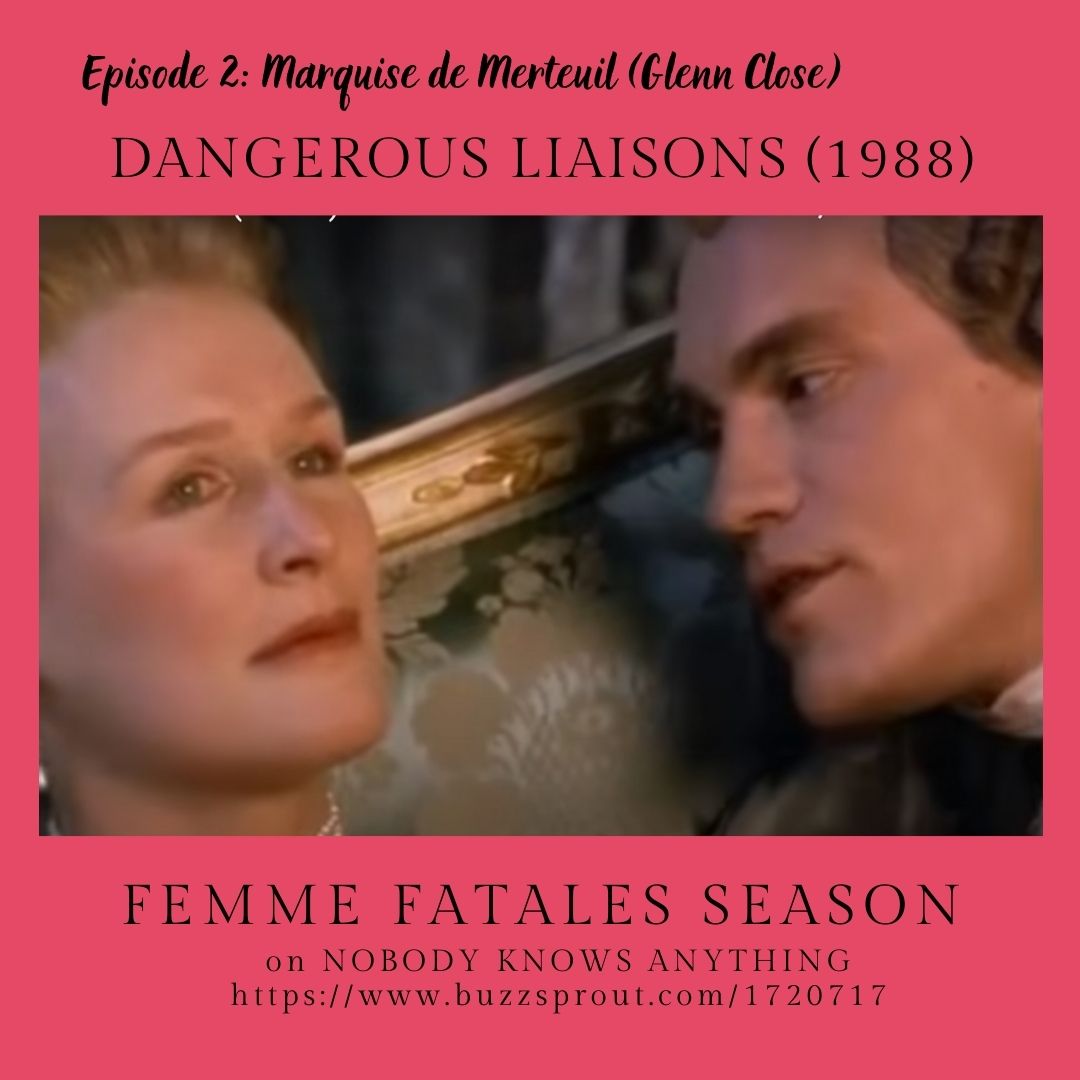
Episode 2 of the femme fatales season of Nobody Knows Anything is up!! Dangerous Liaisons, a film that pits the dueling wits of Glenn Close and John Malkovitch against each other in a fight over love and power . . . . and also, Keanu Reeves is there, being strangely perfect in eighteenth-century dress. We ask this critical question: Can the femme fatale ever win? (Just why Close didn’t get the Oscar for this is a big mystery.)

See the link in the image above!

Share
Posted in: 1980s films, Anti-Romance films, Drama (film), Feminism, Femme fatales, Film Noir/Crime/Thriller & Mystery, Humor, Romance (films), Romantic Comedies (film) Tagged: Dangerous Liaisons, Glenn Close, Glenn Close's best roles, great leading roles for women, John Malkovitch, Keanu Reeves, Michelle Pfeiffer, Oscar snubs

The 10 Funniest Xmas Movies

12/22/2023 by leah@carygrantwonteatyou.com 4 Comments

In no particular order except for #1, my favorite to rewatch:


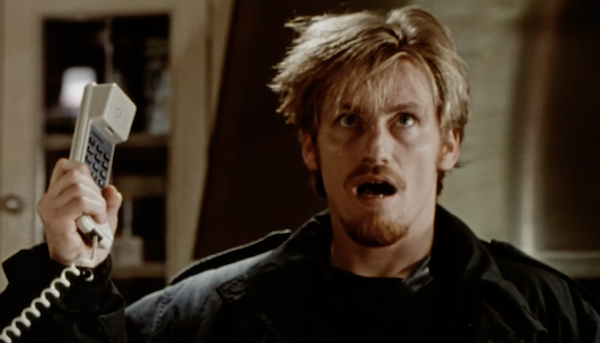
1. The Ref (1994). The non-sentimental xmas movie I love most. The real question is who is the funniest here: Denis Leary, who has taken a family hostage? Judy Davis and Kevin Spacey, as The War-of-the-Roses-worthy combatants who make us feel sorry for the criminal? Christine Baranski as the outrageously funny sister-in-law? Or Glynis Johns, the mother-in-law from hell?


2. A Christmas Story (1983). It’s brilliant. It’s beloved. And it’s a great translation of a witty author’s style (Jean Shepherd) with excellent performances all round.


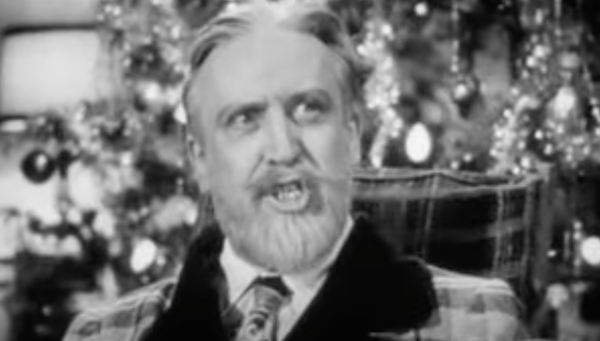
3. The Man Who Came to Dinner (1942). A grumpy, hilarious, ba-humbug house guest (Monty Woolley) treating his host family like serfs. Shenanigans with Ann Sheridan. Bette Davis playing a normal woman and still enjoying herself. Get this set of writers: Julius and Philip Epstein (yes, of Casablanca fame) adapting a play by George Kaufman and Moss Hart. What’s not to love?


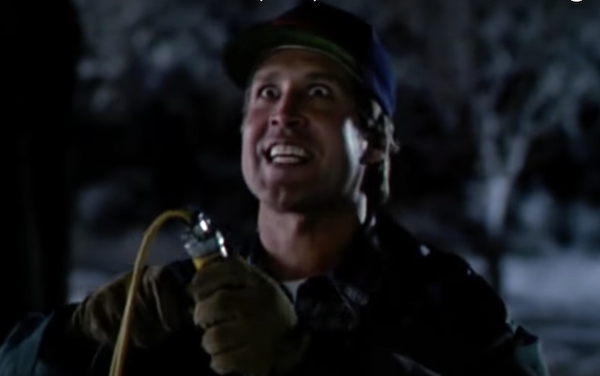
4. National Lampoon’s Christmas Vacation (1989). I’m a huge fan of the Griswalds. Clark’s (Chevy Chase’s) xmas lights alone keep me in stitches.


5. Bad Santa (2003). Because Billy Bob Thornton does surly so very well.


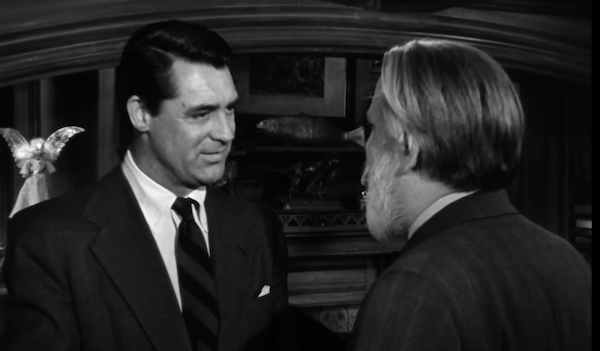
6. The Bishop’s Wife (1947). Cary Grant plays an angel as well as Thornton plays a grump. The angel’s methods are so charming and funny. My favorite scenes include watching everyone (realistically) falling over themselves in Grant’s presence, and his magic liquor-filling skills with Monty Woolley.


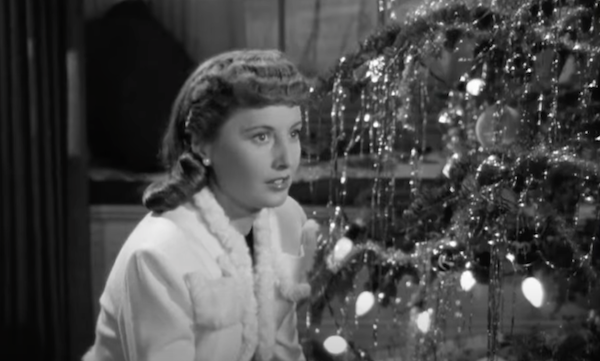
7. Christmas in Connecticut (1945). We have a double-charm offensive in Barbara Stanwyck and S. Z. Sakall (aka Cuddles). And Sydney Greenstreet adds some nice bluster. I could lose the smarmy love interest (Dennis Morgan), but who cares? Give me Stanwyck tossing pancakes with her eyes shut every time.

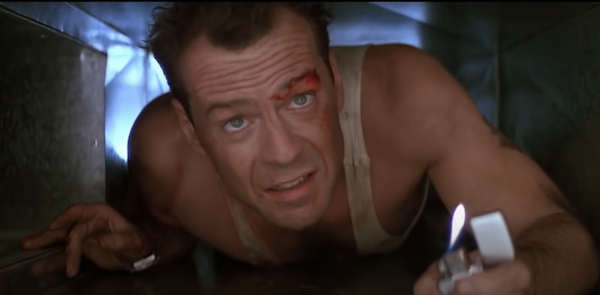
8. Die Hard (1988). As a Gen Xer, I couldn’t leave this out. Also, I adore Bruce Willis’s humor.


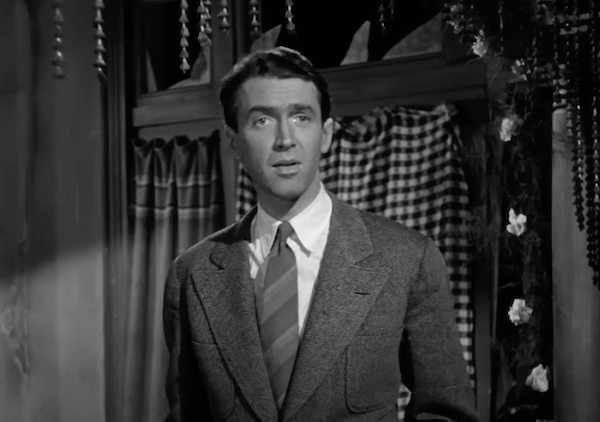
9. It’s a Wonderful Life (1946). Nearly a perfect film. As many heartrending as comedic scenes, but funny all the same.


10. Remember the Night (1940). Another dramedy with an empathetic heart that doesn’t sell out. Plus, Preston Sturges’s writing and dynamic duo Barbara Stanwyck and Fred MacMurray without a corpse.

Almost Made the Cut: Elf (2003). Cute, but not an annual viewing for me.
Bonus: Home for the Holidays (1995). A Christmas-vibey Thanksgiving movie, so it counts. Hilarious and true family dynamics, and Holly Hunter at her most adorable.

Share
Posted in: 1940s films, 1980s films, 1990-current films, Comedies (film), Humor Tagged: A Christmas Story, Bad Santa, best xmas movies, Christmas in Connecticut, Die Hard, funniest xmas movies, Home for the Holidays, It's a Wonderful Life, National Lampoon's Christmas Vacation, Remember the Night, The Bishop's Wife, The Man Who Came to Dinner, The Ref

The 8 Movie Characters I’d Bring to See Barbie

08/06/2023 by leah@carygrantwonteatyou.com 6 Comments

If I could bring any film characters with me to the Barbie movie, this crew would come along. We would shout, complain, and advise (quite loudly), and so an empty theater–and an earlier viewing by me–would be critical. But just try to imagine with me, how perfect this party would be….(Mild spoilers ahead.)

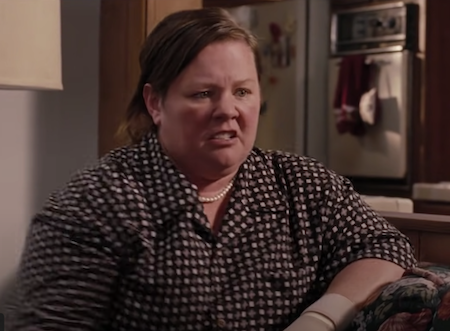
1: Megan (Melissa McCarthy) from Bridesmaids (2011)


This confident, hilarious, non-nonsense woman needs to give Barbie a pep talk. I did love Gloria (America Ferrera)’s speech, but Megan’s would be one for the ages.

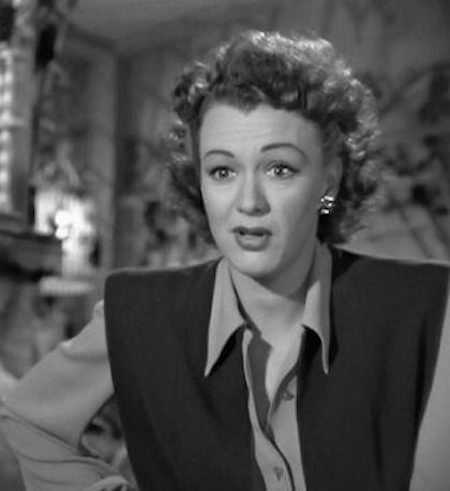
2: Ida (Eve Arden) from Mildred Pierce (1945)


What Megan can do with yelling and pounding, Ida can do with an eyebrow. Ida’s dry, blistering one liners about Ken’s power grab would be epic.

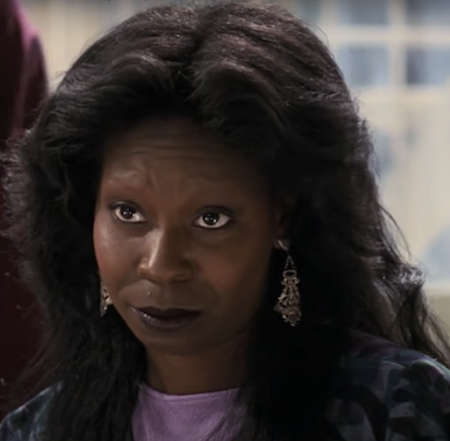
3: Oda Mae Brown (Whoopi Goldberg) from Ghost (1990)


I’ll be honest–this may be just because I want her to say, “Barbie, you in danger, girl,” when the doll puts on fluorescent rollerblading gear.

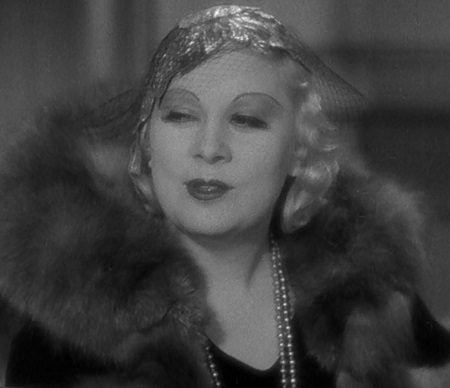
4: Tira (Mae West) from I’m No Angel (1933)


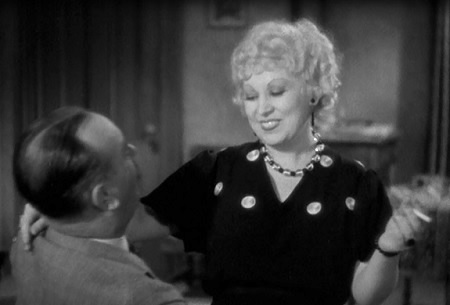
Tira’s running commentary on Ryan Gosling’s abs and what she’d do to his character on the beach would have everyone in the theater howling with laughter. I’d love to hear her tell Barbie to keep relishing that many Kens in her life. And how much I’d anticipate her reaction to the ending!

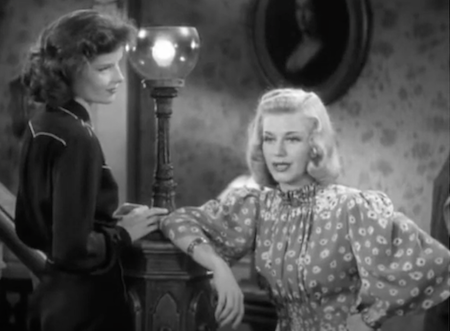
5 & 6: Stage Door (1937) Roommates Terry (Katharine Hepburn) & Jean (Ginger Rogers)


Obviously, I’d want the ENTIRE Footlights Club to accompany me, since there simply is no wittier all-female repartee on film (the famously catty The Women ensemble can’t compare). Don’t believe me? Lucille Ball is in the supporting cast. These sexual-harassment-fighting, badass feminists would be FABULOUS commentators, and I’m so sad I can’t follow their pop culture podcast right now.

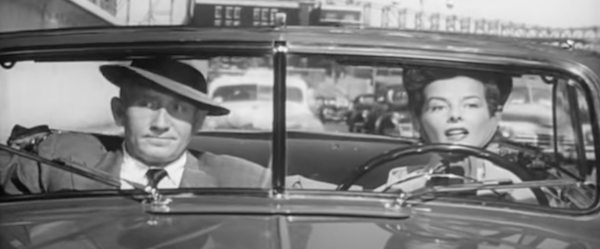
7 & 8: Adam (Spencer Tracy) and Amanda (Katharine Hepburn) from Adam’s Rib (1949)


What could be better than to hear a brilliant couple with perfect dialogue critique the work of screenwriting couple Greta Gerwig and Noah Baumbach? And with the way Amanda just slays in arguing women’s rights in the courtroom, I long to hear what she’d say to those fools in the Mattel boardroom.

There you have it. My eight favorite Barbie movie companions. Who would yours be?

Share
Posted in: 1990-current films, Childfree, Comedies (film), Feminism, Humor, Uncategorized Tagged: Adam's Rib, Barbie movie, Eve Arden, feminism, Ginger Rogers, Katharine Hepburn, Mae West, Melissa McCarthy, Whoopi Goldberg

The Comic Magic of Confess, Fletch

03/16/2023 by leah@carygrantwonteatyou.com 4 Comments

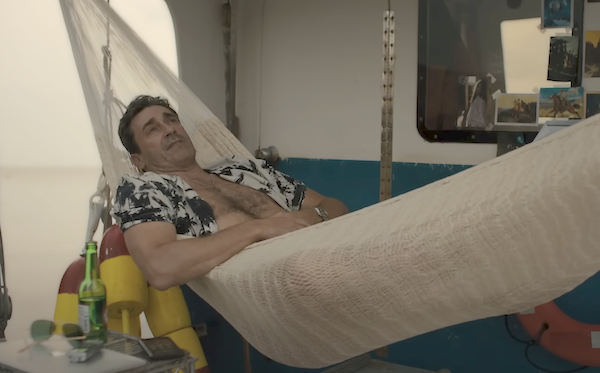
I’ve now watched the Jon Hamm-helmed remake of Fletch three times. This may surprise those of you who adored the original Fletch series–and Chevy Chase’s performance in it–as much as I did. But the film is a different animal and defies comparison; it also contains enough quirky humor to create nostalgia for those earlier films while making you eager for a new franchise with Hamm in the lead–one that would resemble the original novels more than Chase’s version did.

Jon Hamm is BRILLIANT in this new version of Fletch, and I will watch the film again. And again. And again. The opening–which begins with a shocking discovery of a dead body–is magic thanks to Hamm’s deadpan delivery. But it’s the scene with Annie Mumolo that I find myself watching on repeat.

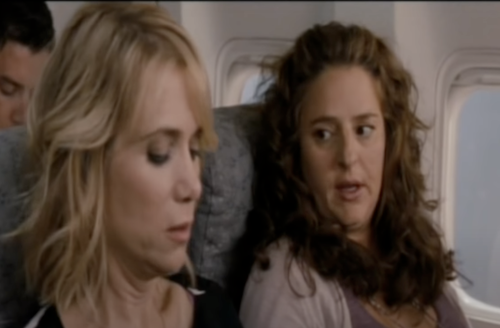
You may not recall Mumolo’s name, but you’ll know you’ve seen her somewhere. You have. She’s the nervous plane passenger from Bridesmaids.

She’s also the co-screenwriter of that film with Kristin Wiig, and has a host of other credits. And as in that short but indelible plane scene, this woman cannot say an unfunny line.

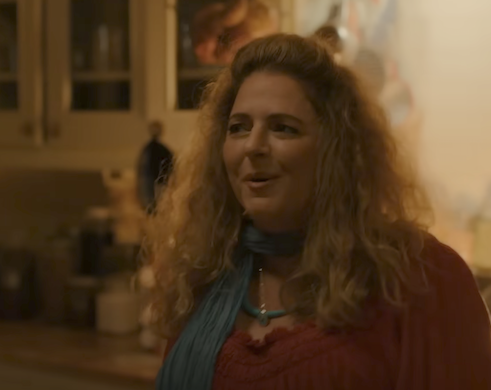
In my favorite Confess, Fletch scene, former investigative reporter, now art-journalist Fletch is asking his neighbor, Eve (Mumolo), about her relationship with his landlord/a murder suspect. Standing in her kitchen, Eve proceeds to create a blizzard of poor hygiene, kitchen appliance hazards, and ill-advised confessions, all with zero awareness of the consequences of her actions. Fletch looks on and responds to Eve with various levels of repugnance, politeness, and shock.

The scene is a master class on comic delivery from both actors, and if you don’t watch it, you’re missing out.

That’s just one scene in SUCH a fun film, one that didn’t receive enough fanfare from its studio, and therefore escaped everyone’s notice. Cameos abound, including an appearance from Hamm’s former Mad Men buddy, John Slattery; Marcia Gay Harden in an unexpectedly daffy role; and the always game Lucy Punch as an influencer who could use a dictionary.

Spoil yourself; we could all use a little Confess, Fletch time right now.

Share
Posted in: 1990-current films, Comedies (film), Film Noir/Crime/Thriller & Mystery, Humor Tagged: Annie Mumolo, best comedies of 2022, Bridesmaids screenwriter, Confess Fletch, Fletch, Jon Hamm, nervous passenger scene

The Banshees of Inisherin: NOT a Comedy

01/02/2023 by leah@carygrantwonteatyou.com 16 Comments

I watched a tragedy the other day. It got under my skin. Its characters wouldn’t let me be. But I was also a bit sorry I’d seen it. A friend used a perfect word for it: grim.

The film, The Banshees of Inisherin, is being called a black comedy, and some strange critics are calling it hilarious.

Hilarious?????

I love black comedies. I will howl at Shaun of the Dead and Serial Mom and Dr. Strangelove. But what Martin McDonagh’s new film makes me want to do is weep.

Have we forgotten Yorick in Hamlet? Or the dying Mercutio’s quip in Romeo and Juliet, “Ask for me tomorrow, and you shall find me a grave man”? Moments of humor do not make a tragedy a comedy. They highlight and accentuate the tragedy, make us feel for those who’ve suffered and make our sense of their losses heavier, more acute.

If you want to tell a story about a friend dying in the hospital, you don’t ONLY show that friend in the hospital. You show her lively and funny and nimble—help us see the distance between her then and now. Otherwise, all we audience members feel is a kind of generic sadness. We don’t think of your friend as an individual. We don’t understand the extent of the loss of this one amazing human being.

The Banshees of Inisherin is—on the surface–about the demise of a friendship for trivial reasons. But what it shows is how little it takes for one simple, everyday man’s life to spiral, for his days to go from easygoing to heartbreaking. And how that change brings out the worst in him. (The story is also a rather obvious metaphor about pointless warfare.)

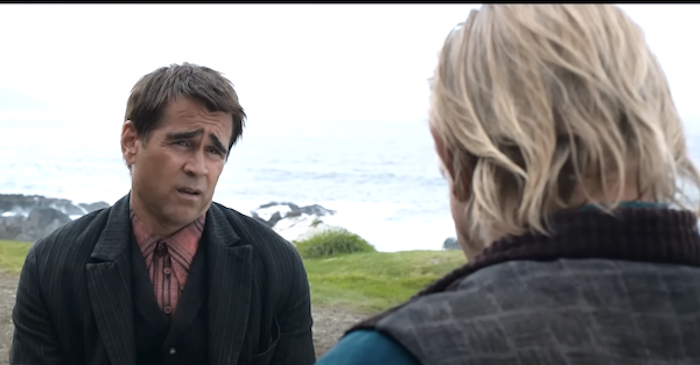
I find Martin McDonagh’s work fascinating. I agree that many of his films are black comedies. But not this film. It’s not ridiculous and theatrical or over the top in the way Seven Psychopaths or In Bruges or even Three Billboards and other black comedies are. The story is too simple, and the pain of Padraic’s (Colin Farrell’s) now broken life is far too minutely and intimately told for the humor to do anything but make us feel for his losses. (And yes, his friend’s actions are over the top, but so are Romeo’s.)

If you want to see just how talented Farrell is, watch the movie. If you’re in the mood for a sad tale about the destructiveness of poor decisions, watch.

But don’t view this film on one of your vacation days, like I did. And stop listening to those critics who think a few jokes make something a comedy.

If you want to weep afterward, it’s not a comedy.

Share
Posted in: 1990-current films, Drama (film), Humor Tagged: Brendan Gleeson, Colin Farrell, not a black comedy, The Banshees of Inisherin

“The Funnier Sex” with No Mae?

12/22/2022 by leah@carygrantwonteatyou.com 2 Comments

I just watched “The Funnier Sex,” an episode from CNN’s The History of Comedy. The segment features numerous current comediennes celebrating their groundbreaking predecessors. They highlight the sexism that marred their predecessor’s progress—especially that ridiculous view that women can’t be funny—and expressed how much harder it was for an attractive woman to also be considered funny. Lucille Ball—as usual—was singled out as the pretty woman who changed that for everyone.

Sigh.

Look, I love Lucy—we all do—and I get that most people’s sense of history is as developed as an ant’s. But are we going to ignore the vaudevillians entirely? Those women who used their sexiness to get away with cultural commentary? Who—like the standup artists who followed them—used live audience’s reactions to fine-tune their jokes, over and over again? You know, like STAND-UP COMICS??

In other words, WHERE IS MAE WEST?

West was not, of course, the first female comedienne in America. But as someone who starred in vaudeville, broke out in film, made appearances on TV, and then produced a live Vegas show with Chippendale-like men, she was hardly an invisible influence on the comediennes who followed her. And her humor was MUCH more like that of the stand-up stars celebrated in the series than Lucy’s ever was—and far more risqué.

And Mae wrote her own material, managed to be a rom-com star into her 40s, and even saved a studio. Mae peddled and exploited her own attractiveness in her jokes. She was known as a bombshell, even if some of her snarky male contemporaries—and ours—use their own sexist views of curvy women’s bodies to question it.

Let’s review just one incident—on the smash second day of her play Sex in 1926, which she records in her autobiography, Goodness Had Nothing to Do with It: Only 85 people appeared for the first performance, disappointing the star and the manager, who blamed the scandalous title for ticket sales. But at the next day’s matinee, Mae observed lines of men from the naval base “two and three deep.” The house manager was scrambling for extra seats for his theater. “And you said it was a bad title,” noted Mae. And he replied, “I forgot about the sailors.”

Sound like a woman who wasn’t using her sex appeal for humor?

I understand that standup is not the same as vaudeville, but the latter was clearly a forerunner, certainly more than scripted TV.

Look, I enjoyed the episode from The History of Comedy. It featured some of my own heroes, including Joan Rivers and Rachel Bloom. But why, after all these years, are TV historians still ignoring the extraordinary impact of Mae West?

What other comedian wrote lines we still repeat 100 years later, such as one of the all-timers?:

“It’s not the men in my life that count, it’s the life in my men.”

I suspect I know the reason she’s bypassed—the same reason early groundbreakers are so often forgotten: Because the wave of female comediennes would take years to follow in her wake. Because she was so ahead of her time that she wasn’t even part of the same generation who would supposedly “change everything.”

But all the more reason to own her. All the more reason to celebrate her. All the more reason, CNN, to give the sexy, groundbreaking, hilarious woman her due.

Share
Posted in: Childfree, Humor, Mae West Moments Tagged: feminism, groundbreakers, Mae West, The Funnier Sex, The History of Comedy, women in stand-up

The (Strange, Silly) Guest (2014)

09/17/2022 by leah@carygrantwonteatyou.com 4 Comments

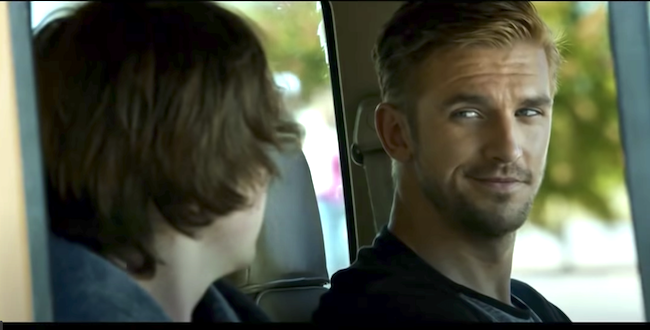
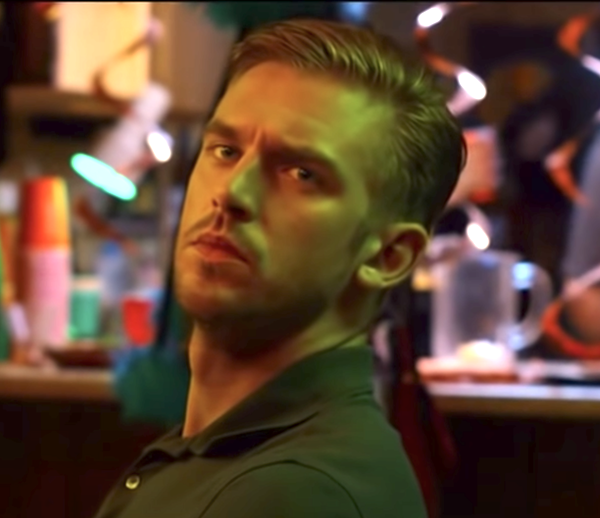
You have to hand it to Dan Stevens. Two years after his dramatic Downton Abbey exit, he starred in the camp treasure, The Guest, putting behind him one type of ponderous silliness for a decidedly lighter-weight version.

The Guest bears all the hallmarks of Lifetime fare in the first half: a mysterious, ridiculously attractive stranger. Hints that his motives—and past—might not be as innocent as his southern charm and “ma’am” courtesy would suggest.

A young woman who suspects him despite her parents’ trust (and her dad’s overeagerness to have a drinking buddy). And a young brother too pleased by the stranger’s help with his bullying problem to fear the degree of the man’s violence. Had that been all that The Guest was, I would have been happy enough.

But oh no, The Guest is much more. Because halfway through, it takes an abrupt 90 degree turn into campish horror/slapstick, without bothering to clarify basic character motives or anything else. In so doing, it gave me the best burst of unquenchable laughter I’ve experienced in some time.

Dan Stevens just OWNS this film, reveling in his goofy role as only an actor with a deep-seated love for black humor could do. His tiniest gesture is hilarious. The film even pays tribute to a famous scene in one of my favorite noirs from the 40s—which I’ll link to, but won’t reveal. Because to give anything away in the second half would be a mistake. Instead, I’ll just give you the basic premise:

David (Stevens) visits the parents of his dead army buddy. They ask him to stay. Because of course they do. The mother (Sheila Kelley) plays Debbie Hunt in Singles, and she has always expected the best.

Soon, David’s actions become suspicious, and then the plot turns downright bonkers. Because of course it does. The actor playing the father, Leland Jones Orser, starred in the (deeply dark) black comedy Very Bad Things, which should have foretold it for me.

The viewing pleasure isn’t hurt by just how sexy Dan Stevens is in the role. He has clearly spent a lot of gym time in preparation, and his lean, beautiful body is a nice complement to those riveting blue eyes. One can hardly blame the daughter/heroine (Maika Monroe) for waiting until his behavior goes truly off the rails to seek help.

And one can hardly blame you for enjoying every minute of this eye-candy-filled, ridiculous romp of a film.

Share
Posted in: 1990-current films, Action & Sports Films, Anti-Romance films, Comedies (film), Film Noir/Crime/Thriller & Mystery, Humor Tagged: black comedy, camp, Dan Stevens films, Downton star, The Guest

In Praise of USA Up All Night

04/12/2022 by leah@carygrantwonteatyou.com 10 Comments

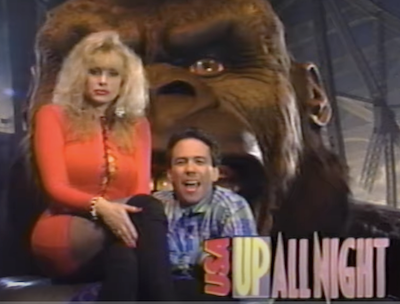
Today I felt a pang on hearing about Gilbert Gottfried’s death. Of course I found him annoying, but I also loved him. He–and Rhonda Shear–gave me USA Up All Night just when I needed it, a show that taught me valuable lessons that have stayed with me ever since. Here’s what I learned from that weekend stalwart, which, for the uninitiated, basically consisted of terrible, terrible movies playing from 11 pm /12 am till the wee hours on Fridays and Saturdays, with interludes of jokes, skits, and commentaries from the hosts.

  1. You Can Find Amusement in So Many Things. Camp was always appreciated in my family: my Uncle Ed’s running commentary on Slugs was a family reunion highlight. But in between those beloved family visits, I had Gottfried and Rhonda, poking fun of absurdly terrible B movies that no other channel would even play. Even Rhonda’s ridiculously perky enunciation of UP could make me laugh. To this day, I find enjoyment in so much pop culture that others don’t, and that’s partly thanks to USA Up All Night.
  2. Don’t Take Your Job Too Seriously. True, it’s hard to not laugh about your job when you’re commenting on Cheerleaders Beach Party. But Gottfried’s constant amusement (you could definitely see “This is my job?” in his expression) reminded me that every job doesn’t have to be a forever-career or vocation. Sometimes, you pay the bills doing something silly, and that’s OK. (And most of us do have absurd tasks even in the most serious of jobs.)
  3. Binging Movies Is Fun. Oh, you poor souls who didn’t learn this fact until Netflix. Gottfried and Rhonda (and the earlier host I never watched, Caroline Schlitt) taught us Gen Xers this back in the early 90s. Think of all the years of joy you missed!
  4. Embrace Your Awkward Self. Gottfried and Rhonda were never cool. They were goofy and absurd and nerdy and silly. But because they clearly didn’t care WHAT they were, they reminded me, an awkward teenage girl, that I didn’t have to be cool to have fun.
  5. Make Solitary Friday Nights an Occasion. In my twenties and early thirties, I moved states several times, each time alone. I was always either single or dating someone long distance, so Friday nights were rough on me. I hated the time it took to be moved from new friends’ weekday to their weekend rituals. To stave off the loneliness, I’d splurge on Fridays: wine, chocolate, good bread, and cheese. Maybe even takeout. I’d grab that remote and begin my movies, and all was right with the world. Sometimes, my preparations led to unhelpful comments by store clerks. (“Oooh-hoooh, honey, you’re having a romantic night tonight, huh?”) But in time, these Fridays became so peaceful and cathartic that I missed them when I had plans. (A bit of a foretaste of middle age, huh?) Would I have known to make an occasion of movie binging each Friday, without Gottfried and Rhonda’s example?
  6. You Never Know What Your Impact Will Be. I don’t think Gottfried could have anticipated that he’d be celebrated by a writer for USA Up All Night when he died thirty years later, do you? You just never know.

Share
Posted in: 1970s films, 1980s films, 1990-current films, Comedies (film), Humor, Random, TV & Pop Culture, Uncategorized Tagged: camp movies, Gilbert Gottfried, in memoriam, Rhonda Shear, USA Up All Night

Orphaning Carrie Killed And Just Like That

02/17/2022 by leah@carygrantwonteatyou.com Leave a Comment

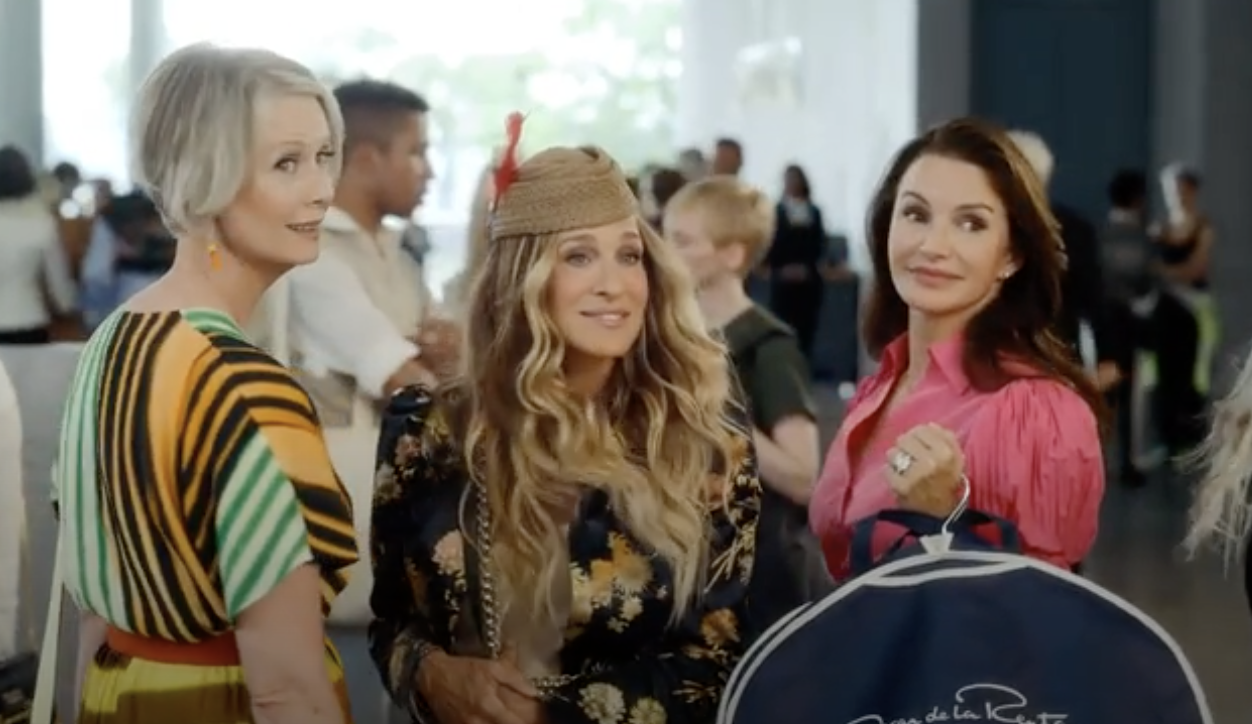
Sex and the City had this odd way of pretending its heroines were parentless. Sure, there was a reference or two, and that lovely episode about Miranda dealing with her mother’s death. But overall, the show just pretended the women had no moms or dads. For six seasons and two movies, the lack of parents enabled the show to stick with sunnier, lighter fare, favoring romance over family drama.

And then the reboot came, presenting the show’s writers with a conundrum: how do you talk about women in their fifties—especially childfree ones—without dealing with aging parents?

Unfortunately, the writers’ solution was to conflate the fifties and eighties, giving the ladies hip replacements and their husbands hearing issues and farmers’-market-forgetfulness. Even the elderly parents of the new characters are pressuring their kids to get married or use their time differently—in other words, things parents of 30-year-olds do.

And how grim these writers make aging seem! Look how much more measured—and funny—Grace and Frankie is in tackling the same ground—and for much older women.

What Carrie, Miranda, and Charlotte would really be doing if they were in their fifties is worrying about their parents’ minds, limbs, and ailments. And for those of us who have been living with the slow-burn terror that our parents will catch COVID—or grieving the loss of those who died of it—the fear of parental aging is what’s keeping us up (not partying neighbors or mysterious dinging sounds). That’s why the erasure of our worry from the experience of 50-year-old women is infuriating in a franchise that used to get us.

What important things this show could have covered about what single, childfree women face in their fifties! What if Carrie’s married siblings with children had expected her to move home to take care of their sick mother or father? How would she have dealt with that as a single woman whom they assumed had time they didn’t?

The parentless state of our heroines also killed so many avenues for humor, like mothers’ attempts to comfort their daughters’ PMS worsening with age by saying, “Don’t worry. You don’t have long to worry about that.” (Just my mom? OK, the cheese stands alone.) Or dads bluffly cheering daughters after bad Bumble dates by saying, “Aren’t you about ready for Our Time? That’s much better.”

Of course, those weren’t the only humorous avenues And Just Like That neglected. Exactly how much did your frugal friend invest in wrinkle cream once she spotted Zoom’s skill for highlighting neck skin sagging? What collection of ring lights has your single buddy amassed to ensure she looks young for those selfies of her breasts for Hinge dates?

And the thing is, your friends in their 50s will confess these acts openly to strangers. That’s one of the beauties of aging: you don’t care what others think. We are ALL Samantha now. I remember the joy of canceling plans for the first time because I didn’t feel like taking a shower. Or the admission that yes, I was watching Lifetime reruns on a Saturday night, or organizing my earrings instead of going to a party. How much I would have loved Carrie dropping by Miranda’s because the latter couldn’t tear herself away from a marathon binging of Tiger King! (An update on the rabbit episode. LOL.) Remember when Carrie struggled to get her friends together? Now THAT’s a struggle for your 50s.

A podcast for Carrie never made much sense to me either—not for a woman who loves being seen (especially not a 90s-era radio show masquerading as a podcast). What does our former sex columnist think of Love Is Blind? Or 90-Day Fiancé? What if she hosted some cheesy reality dating show, like Love Island? That could have been so funny, unlike Che’s humorless standup.

And what silly notions about being woke these AJLT writers have! Is this an after-school special from 1985? What women in their fifties are suddenly realizing they have no non-white friends? I know these characters aren’t as reflective as they could be, but I do believe they have eyes.

What would these women be facing? Well, these characters might be worrying about terminology they use when it comes to race, ethnicity, and gender. Miranda would not have blundered as much as she did in class. But I could see her using a term from five years ago. Or Charlotte, Carrie, or Miranda could be chided by BIPOC friends for a clueless privilege moment. If AJLT wanted to address race in a more organic way, why not have Lily recovering from the trauma of the racism she dealt with during COVID, or Charlotte appalled by other parents fighting critical race theory?

(About midway through the series, I began to wonder whether Michael Patrick King was paying us all back for calling Carrie an unlikeable narcissist by making Charlotte and Miranda so much worse. Why else reinvent history, and make Carrie suddenly the most tolerant and understanding of the bunch? You think Miranda should have been the star? he might have said. I’ll show you…..)

I was, of course, happy to see Miranda, who is played by a public-school advocate, re-inventing her life to do something she found meaningful. That’s what women in their 50s do: Try to find new purpose in their lives. But AJLT had her dump that idealism to play fangirl to a bad comic (how like Carrie that decision was). Che was a missed opportunity, of course. I would have liked Carrie recognizing in Che’s struggles some similarities between what she had dealt with in feeling isolated as a single woman. Their experiences would never be quite the same. But empathy is born of comparison. Carrie didn’t have to fully get it. But she could have begun….

I didn’t expect much of the reboot, I admit, despite my love for Sex and the City. The movies, after all, had already done damage. Samantha’s absence, I knew, would do more. Still, I didn’t expect to be this disappointed. I’m younger than these women, but they always echoed some measure of my experience—and some measure of my future.

Until now.

Parents couldn’t have saved And Just Like That entirely. But it would have been a start.

Share
Posted in: 1990-current films, Anti-Romance films, Childfree, Comedies (film), Feminism, Humor, Romantic Comedies (film), TV & Pop Culture Tagged: And Just Like That, childfree women, middle-aged women and TV, Sex and the City
1 2 3 4 5 6 7 8 Next »

Recent Posts

  • 100 Years Later, Still Scary: Dr. Caligari
  • Escaping Out of the Past (1947)
  • A Weeper for Those Who Love Jerks
  • Thank You, Academy, for Not Infuriating Me
  • Challengers (2024) Is a Bad Movie

Subscribe to Blog via Email

Enter your email address to subscribe to this blog and receive notifications of new posts by email.

Categories

  • 1920s films
  • 1930s films
  • 1940s films
  • 1950s films
  • 1960s films
  • 1970s films
  • 1980s films
  • 1990-current films
  • 2020s films
  • Action & Sports Films
  • Anti-Romance films
  • Blogathons
  • Childfree
  • Comedies (film)
  • Drama (film)
  • Feminism
  • Femme fatales
  • Film Noir/Crime/Thriller & Mystery
  • Gloriously Silly Scenes
  • Horror
  • Humor
  • Mae West Moments
  • Musicals and dancing films
  • Oscars
  • Random
  • Romance (films)
  • Romantic Comedies (film)
  • The Moment I Fell for
  • Turn My Sister into Classic Movie Fan
  • TV & Pop Culture
  • Uncategorized
Share
Classic Movie Blog Hub Member

Recent Comments

  • leah@carygrantwonteatyou.com on Meg Ryan’s Fate Foretold in Joe Versus the Volcano
  • Ryan on Meg Ryan’s Fate Foretold in Joe Versus the Volcano
  • leah@carygrantwonteatyou.com on 100 Years Later, Still Scary: Dr. Caligari
  • The Classic Movie Muse on 100 Years Later, Still Scary: Dr. Caligari
  • leah@carygrantwonteatyou.com on 100 Years Later, Still Scary: Dr. Caligari

Archives

  • November 2025
  • September 2025
  • May 2025
  • March 2025
  • January 2025
  • November 2024
  • August 2024
  • July 2024
  • May 2024
  • March 2024
  • February 2024
  • December 2023
  • November 2023
  • October 2023
  • September 2023
  • August 2023
  • July 2023
  • May 2023
  • April 2023
  • March 2023
  • January 2023
  • December 2022
  • November 2022
  • September 2022
  • July 2022
  • May 2022
  • April 2022
  • March 2022
  • February 2022
  • October 2021
  • September 2021
  • April 2021
  • March 2021
  • February 2021
  • December 2020
  • October 2020
  • September 2020
  • July 2020
  • May 2020
  • April 2020
  • March 2020
  • February 2020
  • December 2019
  • October 2019
  • September 2019
  • June 2019
  • May 2019
  • April 2019
  • February 2019
  • January 2019
  • November 2018
  • September 2018
  • July 2018
  • June 2018
  • May 2018
  • April 2018
  • March 2018
  • February 2018
  • January 2018
  • November 2017
  • September 2017
  • August 2017
  • July 2017
  • June 2017
  • May 2017
  • April 2017
  • March 2017
  • February 2017
  • January 2017
  • December 2016
  • November 2016
  • October 2016
  • August 2016
  • July 2016
  • June 2016
  • May 2016
  • April 2016
  • March 2016
  • February 2016
  • January 2016
  • December 2015
  • November 2015
  • October 2015
  • September 2015
  • August 2015
  • July 2015
  • June 2015
  • May 2015
  • April 2015
  • March 2015
  • February 2015
  • January 2015
  • December 2014
  • November 2014
  • October 2014
  • September 2014
  • August 2014
  • July 2014
  • June 2014
  • May 2014
  • April 2014
  • March 2014
  • February 2014
  • January 2014

Meta

  • Log in
  • Entries feed
  • Comments feed
  • WordPress.org

Copyright © 2025 Cary Grant Won't Eat You.

Church WordPress Theme by themehall.com