Cary Grant Won't Eat You

Classic movies for phobics

  • About
  • eBooks
  • Previous Blogathons
Classic movies for phobics

1930s films

Women Who Love Too Much in Film

09/09/2018 by leah@carygrantwonteatyou.com 2 Comments

I had another fun talk with Grace Collins of True Stories of Tinseltown! We chatted about women who love too much–from Tierney’s character in Leave Her to Heaven to Irene Dunne’s in Back Street (1932 version). Grace is a wonderful host and we had so much to say, especially about the dreadful narcissists John Boles liked to play, and how Bette Davis could really be a post of her own on this topic.

Clearly, this is a subject that needs much, much more discussion! Check it out here:

And definitely check out Grace’s other posts and other podcasts. She’s so witty and so knowledgeable about so many things!

https://www.inyourfacewithdonnieandgrace.com/news

http://www.truestoriesoftinseltown.com/

Share
Posted in: 1930s films, Anti-Romance films, Comedies (film), Drama (film), Romance (films) Tagged: Back Street (1932), bad romances in film, Bette Davis, Gene Tierney, Gilda, Grace, Irene Dunne, John Boles, Leave Her to Heaven, Mildred Pierce, Now Voyager, Rita Hayworth, rom-coms, The Women, True Stories of Tinseltown podcast

My Podcast Talk on True Stories Of Tinseltown

07/05/2018 by leah@carygrantwonteatyou.com Leave a Comment

It was a riot talking with Grace Collins of True Stories of Tinseltown about Stella Dallas, William Powell, The Blue Gardenia, and Brief Encounter. We had fun comparing loves and gripes about classic films, particularly our united dislike for the husband in Stella Dallas and the supposedly romantic male lead of Brief Encounter. You can find the podcast here. I hope you will also check out her other podcasts. The one on Mary Astor’s diary is especially brilliant! Thanks to Grace for being such a great host and for taking the time to listen to me rant:)

Share
Posted in: 1930s films, 1940s films, 1950s films, Anti-Romance films, Mae West Moments Tagged: Barbara Stanwyck, Blue Gardenia, Brief Encounter, John Boles, Stella Dallas, terrible husbands in film, terrible lovers in film, William Powell

In Love with Nick Charles

06/10/2018 by leah@carygrantwonteatyou.com 21 Comments


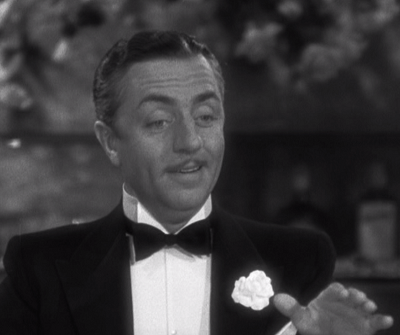
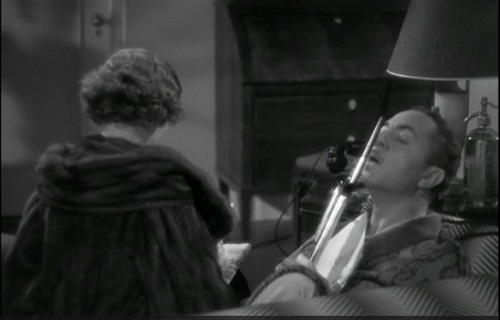
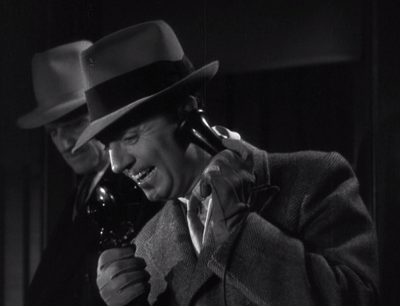
When asked to pick a swoon-worthy character for the Reel Infatuation blogathon, I assumed Nick Charles would already be taken. But this year, my fellow bloggers, you were too slow on the uptake. He’s all mine. How do I love thee, Nick? Let me count the ways. You are….

  1. Quick with a quip.
  2. The perfect mixture of man and kid.
  3. A generous host, especially to strange characters and party crashers.
  4. An excellent judge of canines.
  5. Averse to pretensions.
  6. Able to explain martini mixing via dance moves.
  7. Smarter than everyone, but without ever taking yourself seriously,
  8. Easygoing and relaxed when exposed to danger or annoying relatives.
  9. Supportive of the weaker types around you.
  10. Owner of a confident swagger and sexy voice.
  11. Appreciative of Nora’s charms, even enough to tolerate late-night breakfast requests.
  12. Entertaining–on every occasion, in every place, in every decade.

Sigh. Who could be better?

Thanks to Maedez of Font and Frock and A Small Press Life and Ruth of Silver Screenings for hosting! Check out other entries here.

Share
Posted in: 1930s films, 1940s films, Blogathons Tagged: films, Myrna Loy, Nick Charles, Nora Charles, The Thin Man, William Powell

Dancing Lady: A Film that Subsists on Chemistry Alone

05/27/2018 by leah@carygrantwonteatyou.com 4 Comments


Let’s consider the reasons Joan Crawford is a terrible choice to star in Dancing Lady (1933), one of those films about an aspiring hoofer, Janie, who is willing to do anything but trade sexual favors to get on the stage, and who is so talented she actually makes it.

1. So talented at dancing? Look, I know about Crawford’s Charleston wins and what they did for her career. But Janie (Crawford) is supposed to be talented enough to impress a stage manager, Patch (Clark Gable), whose job is working with dancers. Any woman FRED ASTAIRE can’t make look talented ain’t anything special in the footwork department, my friends. Astaire looks flat-out bored in this film, and it’s not just because those wannabe Busby Berkeley numbers are unwatchable.

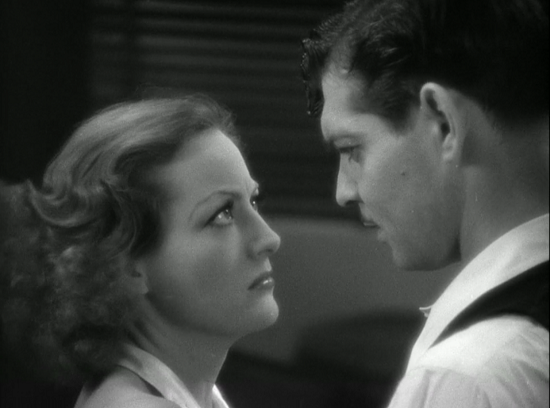
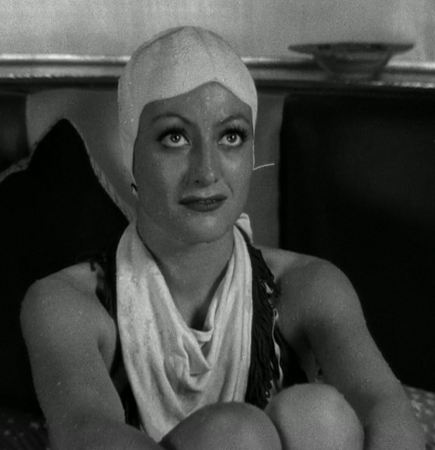
2. Torn between a man and her career? The film’s plot is pretty basic: Tod, a playboy (Franchot Tone), gives Janie an in with a show put on by Patch in hopes she’ll grant him sexual favors. Janie denies him because she wants to be a star. Check out those sexy glances when Crawford flirts with her future husband (Tone), and ask yourself: Wouldn’t this woman just go ahead and take both?


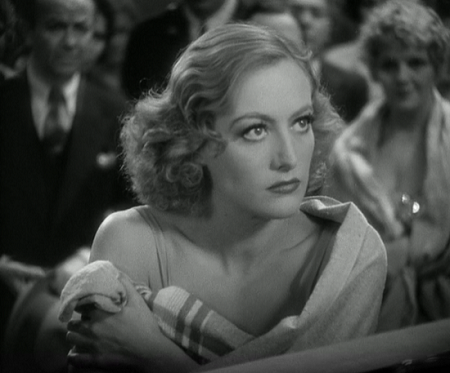
Aurora of Once Upon a Screen had it right when she wrote about a different dancing film, “Crawford had heat with most everybody it seems in the early 1930s. She seems to flirt with the typewriter in this movie….” Admittedly, with those looks, Crawford appears sexy all the time, especially when she’s angry. Check out her eyes when a judge demeans her ambitions:


Luckily, Crawford wasn’t cast as Janie because her role–or for that matter, the plot–makes sense. She was cast to make eyes at her frequent real-life lover, Clark Gable, the stage manager pining for her. MGM had already witnessed their chemistry in their three films together before this one (not to mention had to deal with their off-screen behavior), and knew the money was in exploiting it.

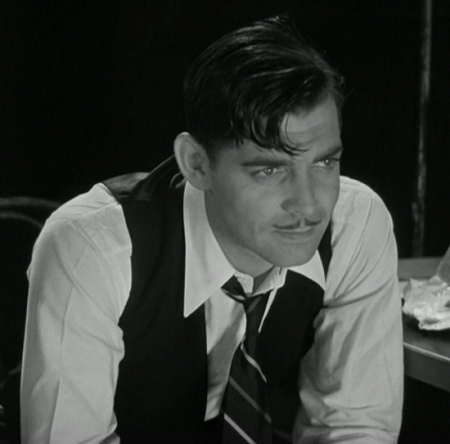
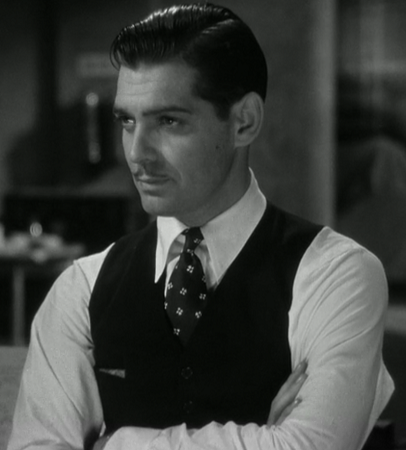
Because Patch (Gable) thinks Janie’s gonna take up the playboy’s offer, we get many scenes of him brooding. And seriously, who is a more sensual brooder than Clark Gable?


And like his co-star, Gable looks–if possible–even sexier when he’s angry.


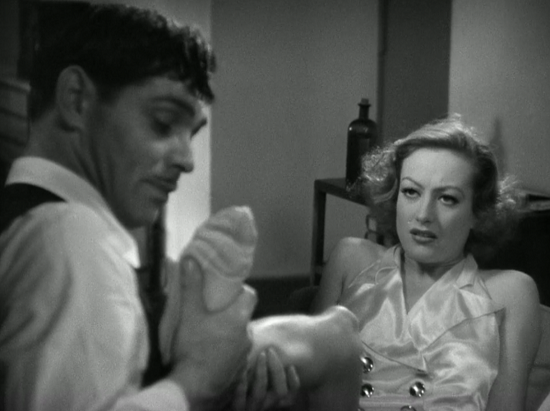
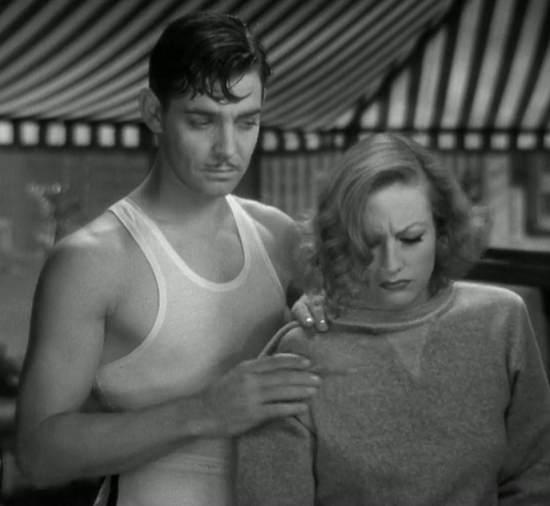
After fewer than 5 minutes of dancing practice, Janie usually has a cramp, twists her ankle, etc. Of course this kind of injury-prone behavior would make her too big of a risk to helm a musical, but the screenwriters know where their bread is buttered: not with logic, that’s for sure. Instead, with scenes of Gable massaging Crawford’s muscles.


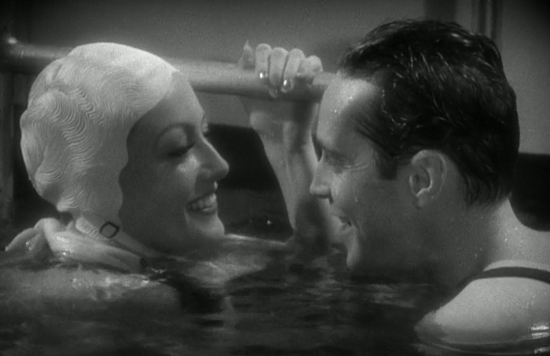
And then you get these stares of Crawford’s at Gable, and you realize those swimming scenes with Tone are kid stuff compared to the smoke she’s emitting at Gable. Makes you wonder why Tone even bothered to show up for the film.


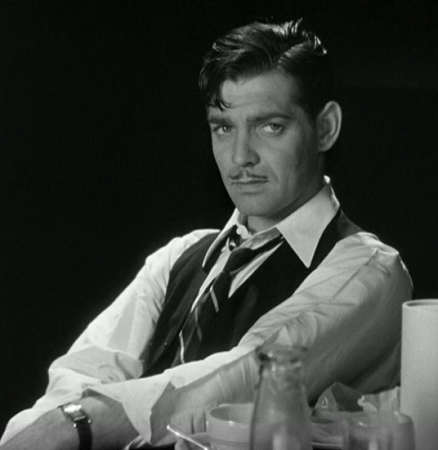
If you’re looking for a good dancing movie, do yourself a favor and look elsewhere, or do what I do: walk away during the numbers. But if you want to see two ridiculously hot actors burning the screen into cinders, enjoy. And just for your viewing enjoyment, I’m going to give you a final shot of Gable brooding.


You’re welcome.

Share
Posted in: 1930s films, Musicals and dancing films, Romance (films) Tagged: best onscreen chemistry, Clark Gable, dancing films, early Fred Astaire films, Franchot Tone, Gable and Crawford films, Joan Crawford, onscreen chemistry

Girl 27: The Rape Case MGM Covered Up–and the Woman Who Fought Back

01/17/2018 by leah@carygrantwonteatyou.com 2 Comments


It’s hard to watch Girl 27 (2007). I first heard Patricia Douglas’s story on You Must Remember This podcast, then read the famous Vanity Fair article about it. That a movie extra was raped by an MGM salesperson, that the studio besmirched her reputation and hushed up the story–none of that is hard to believe happened in 1937. What’s shocking is that at twenty, the victim fought back in court. When the DA dismissed the case, she took it to federal court, calling it an issue of civil rights, and holding both the alleged rapist and studio at fault. Girl 27 documents a writer’s efforts to discover what happened at MGM and in the court cases, and what became of Douglas.

The incredible courage it took for such a young woman to stand up against a studio as all-powerful as MGM was in the 1930s is difficult to fathom today; the director compares it to going against the mob. Of course, the cases ended unsuccessfully, thanks to a handsomely paid-off witness (whose daughters admit it now), a DA funded by the studio, a doctor who destroyed any possible evidence after her rape, and shadiness between the girl’s own lawyer and mother, who seem to have colluded to end the second case. The newspaper’s publication of even her address demonstrate just how thoroughly she was shamed, while the man and studio she accused remained protected.

As a film, Girl 27 assumes too much knowledge from its audience. Had I not already known the details, I would have been very confused on the court cases and the timeline, and baffled that the full story of the rape* doesn’t even come up until very late in the film. But it’s true that hearing the story for the first time from the victim was powerful: How she was lured to entertain salesmen at a stag party (clothed as a convention), when she and her peers thought they were auditioning for a film. That the women were basically presented as gifts by Louis B. Mayer for a job well done to his sales force: “These lovely girls—and you have the finest of them—greet you…” How those drunken salesmen forcibly plied Douglas with alcohol until she vomited. How one salesman then attacked and raped her in a car, and those few brave enough to verify her story took it all back.*

Writer/director David Stenn may go overboard with film clips illustrating 1930s attitude toward rape, and may include too much of himself in the film. But it’s hard to fault him too much when his story obviously brought this forgotten hero back into the limelight (he wrote the article as well), this time to appreciation and outrage at her treatment instead of public shaming. Shortly before her death, the film and Vanity Fair story seem to have given her and her estranged daughter some closure. And perhaps more importantly, the director helped ensure that her story continues. Watching Douglas report her experience shows how visceral the attack still is for her, and how thoroughly it destroyed her life.


She admits that it chilled her ability to trust or love anyone, turning her into a fearful recluse. Somehow, the saddest moments are when she talks about her skill as a dancer (her role at MGM), one more thing she left behind after that awful night. Douglas’s silence on the experience was unbroken until Stenn slowly gained her trust, 65 years after the event.

Recently, the Weinstein scandal and the #MeToo movement have given new attention to Girl 27 (which is the number on the casting list for Douglas for that infamous party). While it’s hard to imagine any justice to be gained now, at the very least the story is now doing what it should have in the 30s: celebrating the bravery of a young woman who sacrificed so much to stand up for herself and for the others who’d been tricked and damaged by powerful men.

*Since it was never tried, we will never know the alleged perpetrator’s side of the story. But certainly, the evidence given, the no-win situation she faced, and Douglas’s accounts are very convincing. But even had it not taken place, the cover-up clearly did.

Share
Posted in: 1930s films, Feminism Tagged: #MeToo, Girl 27, MGM, Patricia Douglas, studio cover-up

Spielberg Needs a Better Editor–or These Classic Films

01/14/2018 by leah@carygrantwonteatyou.com 16 Comments


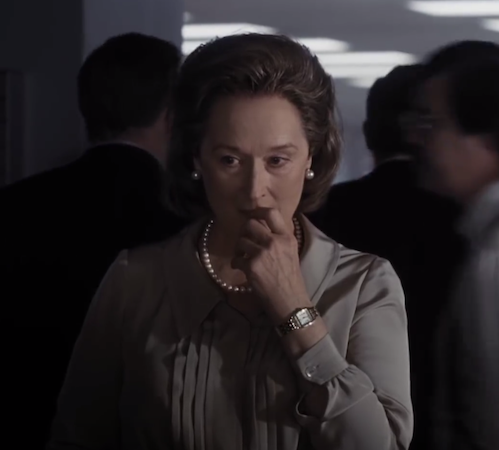
I just watched The Post, and as usual with a Steven Spielberg film, I was thoroughly enjoying it, hoping, “Maybe he’s avoided it this time!” And then WHAM! There it is: The schmaltzy, on-the-nose scenes and/or musical selections that undo the magic he has so skillfully woven. And so again, I must wonder, Why?

All creators have worst instincts: tendencies to overdramatize, to underdramatize, to love terrible actresses only because they’re icy blondes. If they’re wise, they find a collaborator or editor to curb their worst impulses. If they’re not, they double down, find others who encourage or exaggerate those impulses. Spielberg clearly thinks his work needs no counter-voice (like his similar editing-averse peer, Martin Scorsese), and as a result, we get scenes in The Post like Meryl Streep walking down the stairs with young women gazing at her in admiration, and a Supreme Court judgment read aloud dramatically. And then Spielberg gets folks like me, a lowly blog reviewer in a $7 matinee, grumbling to herself, “Come on, Steven. This is not Lifetime. Cut it out.” Which is not to say that I disliked The Post. That’s the problem. I love Spielberg’s work. I just wish he’d stop ruining it.

Here’s what I wish Spielberg would watch for inspiration:

The “Win One for the Gipper” Speech from Knute Rockne All American
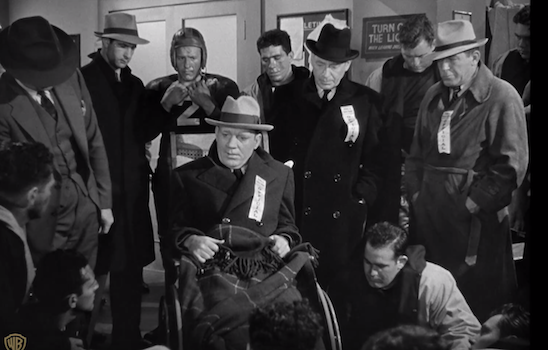

Rockne’s invocation of a previous player’s (George Gipp’s) dying wish to rev up his team would seem, on the surface, hopelessly manipulative. Onscreen at least, it’s anything but. Because it’s a highly charged moment, I was expecting some annoying inspirational music (I’m looking at you, Steven. Amistad’s ruined-by-treacle potential still haunts me.) Instead, the scene is quiet, with only background noise from the game. Pat O’Brien delivers the deathbed wish (that a losing Notre Dame team will go against the odds and pull out a win) as an obligation. He’s fulfilling a promise, nothing more. His voice is quiet; his face reserved, somber. As a result, the moment seems authentic. He’s delivered his sad charge, and it’s up to the players to make what they will of it, to win or not. The scene is, as a result of these decisions, deeply moving. And inspirational.

It’s an elementary writing practice: heightened moments require understatement. Why then must we viewers be subjected to John Williams overplaying the score in every dramatic Spielberg scene? (I don’t doubt Williams’s talent, but he too likes melodrama, doubling the bad impulse.*) Why show us a row of young women fawning over Graham instead of a single smile of a single person? I don’t get it. Nor should Steven.

Meet John Doe & Mr. Smith Goes to Washington
Critics often reference Spielberg’s emulations of/similarities to Frank Capra. I see what they mean. There’s an optimism to Capra’s work, a hope in government and humanity, that is echoed in Spielberg’s films. And in the Capra movie I dislike most, You Can’t Take It With You, I see the same lack of subtlety and complexity Spielberg is sometimes prone to. But there’s a darkness and cynicism to Capra’s work that enriches and tempers his idealism, which is beautifully rendered in Meet John Doe and even in It’s a Wonderful Life. In Capra’s best work, the hero/heroine is compromised.

Take the newspaper story, Meet John Doe. Ann Mitchell (Barbara Stanwyck) fabricates a story about a disillusioned everyman, John Doe, and then leads the campaign to lionize a man who agrees to play the part (Gary Cooper). She plies the man to give speeches repeating her father’s wholesome maxims about humanity. Her idealism–and desire to influence her society with it–blind her to how little control she’ll have over the outcome of this experiment, and the life she’s risking with her carelessness. Note that Joe, the innocent here, is NOT the hero. Why? Because he’s not as interesting to watch or as human a character as Ann.

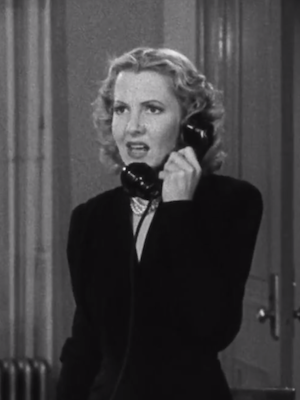
Consider Mr. Smith Goes to Washington. Jefferson Smith (Jimmy Stewart) may be the focus of the film, but Saunders (Jean Arthur); the wised up, cynical DC staffer; is our lens on the story, a woman who is complicit in a culture that destroys naive idealists like Jefferson.

Spotlight understood this necessity for compromised heroes. It derived its energy from the guilt The Boston Globe reporters felt about the coverup of priests’ sexual crimes. Obviously, the paper was not responsible for the child abuse, but they felt they fell short in their watchdog duties by not connecting the dots/seeing the extent of the issue earlier. Without this guilt, the movie would just be bad priests versus noble reporters, the kind of simplistic storytelling we expect out of Superman, not Oscar winners.

Unfortunately, The Post includes no such complexity. While we see that Katherine Graham (Meryl Streep) worries about losing her paper and betraying a friend should she publish the Pentagon Papers, we don’t care about her kids/her family’s legacy/the other stories that might never get told without her paper if it folds. Nixon and his White House are portrayed in comically bad terms, which obviously resonates with those of us who feel the White House is in similar peril now. But we’re talking film making. And while in life there are clear right-versus-wrong conflicts, they don’t make for good cinema. If we at least got what it cost her just to carry on with that paper in the face of her husband’s loss, we’d understand more of Graham’s potential sacrifice. But Spielberg relies on Meryl Streep to deliver too much of this import, and a few throwaway lines don’t cut it.

Perhaps there IS no way to tell this specific story without it appearing so black and white, or at least it seems so in 2018. But I think the key was to let us see more of Graham’s history or even guilt–even if that guilt was considering NOT publishing, however briefly. By acting as if all of her concerns weigh on her equally (the revenue of the publication, her friendship with McNamara, her family’s legacy, soldiers in Vietnam dying), Spielberg may play up the drama of the decision, but he cheapens her thought process, doesn’t allow us to see the struggle against self-interest and rationalization. We therefore see her as more of cypher, and her decision as waffling and random.

That said, it’s a tribute to Spielberg that he still makes the film–and her–so fun to watch. But with a little more Capra viewing, maybe he’d make his heroes and heroines just a little less glowing, just a little more like the rest of us: rusty people, with great potential for more.

The Ending of Casablanca
Typically, Spielberg has a beautiful ending about a half hour before the actual conclusion of his movies, and instead of stopping there, he just keeps going. The peak excitement in The Post is in the decision to print, not in the aftermath, so why does the film continue? A few lines on the screen would have worked better. (Although the VERY end of The Post is too on point, I do appreciate the humor.)

I wish Spielberg would rewatch Casablanca: The hero says his final words; the heroine expresses hers.
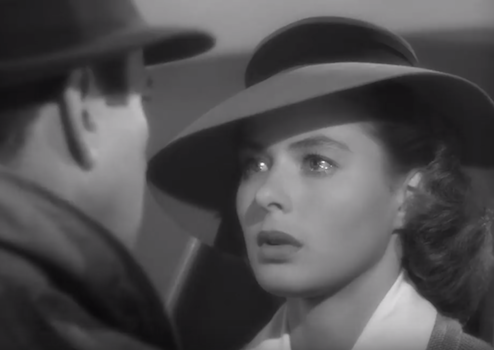

The heroine gets on the plane, it takes off, and the hero gets a funny final line. Done. Bows are unnecessary.

Why can’t Spielberg trust his viewers to get it, as director Michael Curtiz did? Why must Spielberg underline, add exclamation points? I don’t need extreme subtlety, but I don’t need words across the sky either.

The Post is still so good–fascinating, rousing, entertaining, a great history lesson, beautifully acted. I loved both Tom Hanks and Meryl Streep in it. I wanted to dwell longer in this world, wanted more time with Ben Bradlee (Hanks) in particular. I loved the mechanics of the press, the feel of the newsroom. The film is a pleasure to watch, and so meaningful in its message. Yes, it’s good. But with Spielberg at the helm, with a harsher red pen, it could have been so much more.

The Color Purple
Before I conclude, there is one final film I’d like Spielberg to view, if I got my wish.
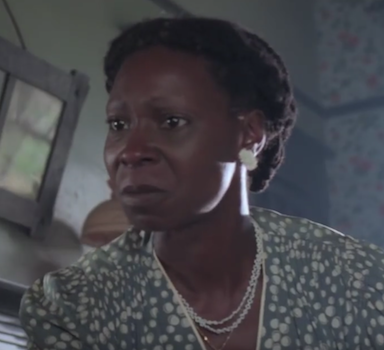

The Color Purple is perfect. No false notes. All complexity (even the bad guy has some heart, and redemption). No extra half hour of cheesiness. (And talk about #MeToo!) Please, Steven. Watch it. See what you got right when you directed it. Replicate.

*I should say that The Post is an unusually restrained film for Spielberg music-wise, for which I’m grateful.
Share
Posted in: 1930s films, 1940s films, 1980s films, 1990-current films, Drama (film), Oscars Tagged: Casablanca, Knute Rockne: All American, Meet John Doe, Meryl Streep, Mr. Smith Goes to Washington, newspaper movies, potential Oscar nominees, The Post, Tom Hanks

One Liberal’s 2018 Distraction Guide

01/04/2018 by leah@carygrantwonteatyou.com 6 Comments


I assume those of you horrified by 2017 headlines have been fighting back with the help of political action sites. But sometimes what you need is to reset your equilibrium just so that you can get through the day, and if that’s what you’re looking for, here are my current (admittedly often silly) survival routines. (Note: I don’t expect my suggestions to be yours, but maybe your disagreement about mine will lead to suggestions of your own, which I’d love to hear.) Here are mine:

Enjoy a Little Snark
Tom and Lorenzo are this fashion police duo who are hilariously harsh. As someone who hasn’t been knowledgeable about fashion since middle school, and never any good at it, I’m not sure why I find fashion critiques so funny. My shoes alone would give them years of fodder. But I love them anyway, and their TV reviews, which originally brought me to their site (Mad Men and Downton Abbey tributes/slams in particular), are always on point.

When I can’t find the sarcasm I need, I head over to someecards or bad reviews on Metacritic. Go to the most negative reviews, and try not to laugh, such as those giving 0% ratings for Collateral Beauty. How about this from the usually affable Peter Travers?: “The unholy mess that director David Frankel and screenwriter Allan Loeb have unleashed for the holidays strands an all-star cast…on a sinking ship that churns the waters from absurd to zombified with frequent stops at pretentious.”

Ask Friends/Family for a Cute Photo of the Day—Over Email
On terrible news days, I now demand, “Cute photos needed!” of my sister with young toddlers, and presto! They arrive. Seriously, what parents will say no to sharing how adorable their children are? On Facebook or Instagram, you need to wade through other things you should avoid, so stick with Old School, my friends: Email. If you’re not a fan of children, you will find friends and family equally willing to share cute pet snapshots. Get to it.

Celebrate a Pal for No Reason
My friend Kerry once stopped by my door with a package and a smile, and announced, “It’s Leah Appreciation Day!” I burst out laughing, as she knew I would. I can remember few times I was so amused and touched, and I made a mental note at the time: This is a fabulous idea. I can’t say I do it enough, or with the aplomb Kerry—a master of silly joy—has mastered, but it’s surprisingly recuperative on a day you’ve watched too much news to buy a dumb card or film for a pal, and announce how much you appreciate him/her with over-the-top fanfare. Birthdays you may feel pressure to get it right. Random days? It’s just fun.

Break Out Some Silly TV
I thought the Psych movie was a remarkably timely gift, but now Amazon has put all the episodes on Prime! Score!

Other light favorites (given Netflix’s recent trends of show ditching, these are only true as of Jan 2018):

Netflix:

  • Arrested Development
  • Schitt’s Creek
  • The Good Place
  • Master of None
  • The IT Crowd
  • Sirens
  • The Office (British & American)

Hulu:

  • 30 Rock
  • Parks and Recreation
  • Party Down

Amazon Prime:

  • Leverage (Prime, Season 1)
  • Head Case (with Alexandra Wentworth; pay only)
  • Psych, of course! (Prime)

Invest in Some Cinematic Feminism
It’s easy to just cry at the #MeToo movement; instead, seek inspiration. Check out some awesome blogathons to discover feminist icons of film. Check out the The Anti-Damsel Blogathon from 2015, as just one example. Commit to discovering the work of female filmmakers, as did Girls Do Film two years ago for her New Year’s resolution.

And if you haven’t yet encountered some of the fantastic feminist TV series out there, do so now. Here are a few from Netflix (The Handmaid’s Tale is obviously next for me):

  • Jessica Jones (a superhero who survived rape and combats her rapist and those he’s harming)
  • Miss Fisher’s Murder Mysteries (a woman in her 40s in 1920s Australia who is portrayed as both sexy and empowered)
  • Alias Grace (an intriguing fictionalization of a true-life 1840s murder, and the male treatment that may have contributed to it)
  • Crazy Ex-Girlfriend (a musical comedy that breaks boundaries in its portrayal of romance, feminism, and mental illness)

Tune out Everything But Your Pets
Guess who doesn’t know what’s going on out there? Guess who isn’t too blame? Too often I am watching TV or my computer while petting my cat, but when I give my high-spirited feline my full attention, there’s no low-grade stress accompanying my actions, and he’s more likely to cuddle and comfort. Also, he’s less angry.

View Silly YouTube Clips
My favorite clips are Key and Peele’s, and if you’ve experienced the brilliance of Get Out! or found yourself falling for Obama’s Anger Translator, Luther, during that White House Correspondents Dinner, you’ll know why I love this amazing comic duo. My personal favorite is the substitute teacher episode, but there are so many.

If you’re a fan of Issa Rae and her HBO hit, Insecure, you’ll love her earlier webisodes, The Misadventures of Awkward Black Girl. “The Hallway” (fewer than 6 minutes) may be my favorite illustration of social awkwardness ever. If all else fails, you’ve got cat videos.

Dust off Those Stamps
Lately, I’ve been getting cards and books in the mail, with thoughtful notes from friends and family. Maybe we’re just so Internet and texting crazy that we forget how wonderful it is to see something that’s NOT a bill or junk in that mailbox. For a while, I’ll forget this need, and stop sending anything, and when I do again, I remember, I love mail. So does everyone else. I believe this need is one of the unspoken reasons for the rise of Amazon. Too lazy for cards? Grumpy Cat postcards. 5 minutes.

Reread Favorite Books and Discover New Comic Ones
Jane Austen is restorative for me; in fact, she knows I’m stressed before I do. Usually, she’s my canary in a coal mine; when I have a strong desire to read her, I know I need to consider some serious downtime or therapy or re-examination of my existence. Lately, she’s just a news recovery mechanism, as have been my favorite mysteries. Walter Mosley’s insightful detective, Easy Rawlins, is on my bedside table now, right next to some new (not depressing) memoirs I can’t wait to read: Lindy West’s, Adrian Shirk’s, and Amy Tan’s.

Put that Phone Down at Night
You know you shouldn’t read news before you go to sleep. Put that phone far enough from your hands that you can’t access it if you’re sleepless. You can read the headlines and delve into those depressing articles in the morning, when work will soon take you away. Not at night, when you’ll dwell and toss and turn. There are even studies on how that glare keeps you up. Move the phone.

Go to a Ridiculous Festival/Museum/Parade
There’s a museum down the street from me that is just full of things hoarders have offloaded. Last time I visited, there was a room full of dolls. It was vaguely horrifying, with old Troll dolls and Cabbage Patches. Yeah, I was freaked out, but it was also magic. See a poutine or bacon festival in your area? Sure, it’s about as healthy as mainlining Crisco, but it’s one day: Go.

Set a New Friend/Family Ritual—and Keep to It
A weekly karaoke night? A Stranger Things viewing party? A regular football watching ritual at the bar? It doesn’t matter. We need company right now. Make sure you have it.

Listen to Awesome Podcasts
If you’re a classic movie fan and haven’t been listening to Karina Longworth’s You Must Remember This (Podcast), what are you waiting for? Her series on the blacklist alone is enough to enthrall, and there’s so much more. The Atlantic includes a long list of awesome podcasts for those with any and all interests.

Watch Depression-Era Comedies
This is a movie blog after all, and I’ve found both eerily prescient warnings and relief from stress in classic favorites. I know some of you classic movie doubters think we’ve evolved so much that there’s no way those almost a 100 years ago were like you. But during the Depression, people were watching some decadently clothed folks doing silly things, just like you are now. Fred Astaire and Ginger Rogers were wowing with their fancy footwork and quick barbs, and then easing their fans into a little romance. Mae West, pioneering screenwriter and star, was sashaying her way across the stage and then the screen, seducing men almost half her age with lines so funny we’re quoting them now. I highly recommend these two options as regular fare, and you can search through this site for much more, but if you’re smart, you’ll find the work of my peers at the Classic Movie Blog Association and discover new favorite film recs from those much more knowledgeable than I. It’s no accident that film comedies from the 30s are among the best ever made: They were needed.

Share
What strategies are helping you get through the news? Post here, or share with others. Let’s get by, as the Beatles have told us in my least favorite of their songs (but a wise one nonetheless), with a little help from one another.

Share
Posted in: 1920s films, 1930s films, Comedies (film), Humor, Random, TV & Pop Culture Tagged: #MeToo, distractions from politics, feminist films, liberal distraction guide, lightening your mood, silly classic films

Sexual Predators in Film: Weinstein, 1937

11/10/2017 by leah@carygrantwonteatyou.com 8 Comments


All this talk of Harvey Weinstein and now Louis C.K. has me thinking about Stage Door (1937), that fascinating film featuring a dormitory of smart-talking women clamoring for parts on the stage, and suffering the sexist overtures of a very slimy producer along the way. The film was produced the same year the words “casting couch” were first published in Variety, according to Matthew Dessem. How the film got made is clear: it’s a feminist anthem against sexual predation, yes, but it’s carefully camouflaged as one of the funniest comedies of its era. Critics praised the witty, fabulous dialogue, ignoring or underplaying the blatant warning directed at female aspirants to stage or screen.

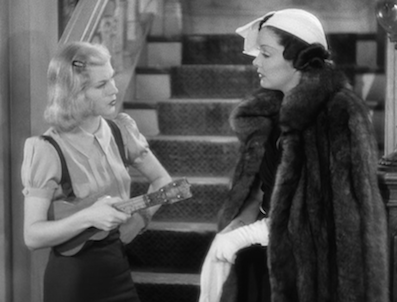
The story begins with Jean Maitland (Ginger Rogers) trying to oust roommate Linda Shaw (Gail Patrick). Jean’s a sarcastic gal from the wrong side of the tracks, too proud and ethical to give into seductions in exchange for parts or furs. Her roommate, however, is an opportunist, and has given up her reputation in exchange for gifts from her wealthy keeper, sables and sapphires she rubs in Jean’s face.


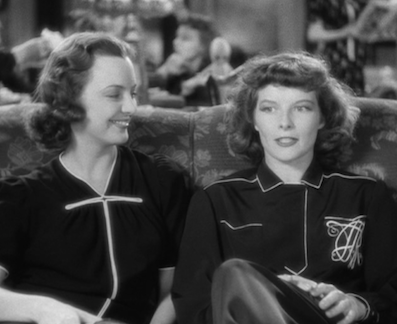
The two separate to achieve peace, but Jean isn’t long for a solitary room; enter her new roommate, heiress Terry (Katharine Hepburn), who wants to star on the stage too. She thinks her peers haven’t made it big yet because they lack ambition. Her slow recognition of her own privilege will become the axis around which the plot revolves. Initially mocked by the dorm residents who resent her for slumming, she does make one friend, Kay Hamilton (Andrea Leeds), the acknowledged talent of the bunch.


Sympathy and admiration for Kay will lead Terry to understand that her poverty-stricken companions aren’t slackers, but cynics battered by experience. They face obstacles she doesn’t, and have no safety net if they fall.

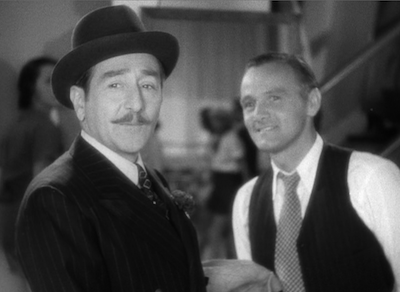
While Katharine Hepburn’s Terry is learning how the hungry half lives, Jean encounters Linda’s lover, Anthony Powell (Adolphe Menjou), who eyes her in an audition. The fact that finding prey is his goal in being a producer is clear, as when he says to a dancing school director, “I very likely won’t produce anything unless I can find an angel. You haven’t seen any flying around, have you?” After an uncomfortable amount of leering at a dancing pair, he asks about “the little blonde.” His pal obligingly offers the information, of course, and soon Jean has unwittingly taken a job given to her so that Powell has access to her charms. We can see in all of these moves a clear pattern: he’s after/has sex with the girl, she gets the role. Jean’s response when she sees Powell and Linda at the club where she’s been hired says everything:


Jean’s barbs at Powell (and at his choice of a mistress) have no effect.


But then Jean decides it’s time to teach her former roommate Linda a lesson, steal her guy. Jean doesn’t plan to have sex with him, but what’ll it hurt her to drink a little champagne, have a meal or two that isn’t stew?

But the bigger reason for dating an undesirable man is evident: If Jean doesn’t play nice, what happens to her job? Her dancing partner, Annie, suggests as much multiple times. When Jean complains about his creepiness, saying she needs a “tin overcoat” as protection, her partner responds, “You should be glad he looked at you at all.”  Jean doesn’t need her partner’s pestering; she knows full well that “…if I don’t go out with him, I’ll probably lose my job, and so will Ann, and I’ll be right back where I started from.”

Of course, Powell has plans of his own: ply Jean with alcohol, tell her a sob story about his life, talk about her name in lights and himself as the reason, and get what he wants. If she isn’t exactly sober enough to consent, what does he care? Creepily, his butler knows just how to disappear. As Linda warns her (to protect her meal ticket), the butler is “deaf,” so she “really won’t have to bother to scream for help.”

Luckily, Jean gets too sad-drunk on the first trip to his penthouse to make his “seduction” fun. He decides she isn’t worth the trouble, but she (too buzzed to catch the drift of their last talk) thinks she’s beginning to like the guy. The next night, when Terry is having an actual business meeting with him in the penthouse (as Weinstein’s actresses thought), Jean charges in.


Terry fakes drunkenness and sexiness to keep Jean away from the predator, and it works.


Jean realizes he’s as worthless, creepy, and unfaithful as she initially thought, and leaves. The audience is grateful for Jean’s escape, having seen the disaster Powell leaves in his wake: poor Linda has nothing but trinkets in exchange for sexual favors–gifts not even sizable enough to get her out of that dorm. (How thin is her arrogance!) We know how short Jean’s casting-couch career would be after her favors, given that roving eye. The actress in the story with true talent (Kay) who doesn’t succumb to (and apparently was never offered) the producer’s embraces is literally starving as he puts off her auditions for his dalliances, and will soon reach an even sadder fate.

I kept thinking of Terry when the Weinstein revelations came out, not just because she was brave in the story, but because she could be. Of course, Terry too is the object of male manipulation. The only reason she’s up for a part is her father’s secret meddling (He’s finagled her starring role so that she’ll fail and realize she should come home and marry a rich boy like a good little girl. Nice support, huh?) Although she does have a disgustingly condescending father, Terry is safe. That money gives her power of her own, and she can afford to confront the Anthony Powells of this world. It’s really the lesson of the Weinstein story, isn’t it? Predators go after those with no power, so those with it have to be the ones to stand up. And not just men, but female stars, the Meryl Streeps, who have status of their own and can be immune from predators’ hushing machinations. Several media outlets have justifiably called out the male actors and directors who did nothing about Weinstein, and the employees, like that pal in Stage Door, who abetted the behavior. But I’m disappointed too in the prominent women, those who weren’t personally affected, but could have done something…and didn’t. (Streep claims she didn’t know; even if she didn’t, others with star power did.)

At first I thought that the sexual predator storyline and feminist response to it were from Edna Ferber, a friend of Hepburn’s and the original play’s cowriter. Ferber may have been inspired by memories from childhood, I reasoned. According to Janet Burstein, Ferber learned about men’s less pleasant side in her youth, when everyday wants meant she “had to run a gauntlet of anti-Semitic abuse from adult male loungers, perched on the iron railing at the corner of Main Street, who spat, called her names, and mocked her in Yiddish accents.” That disgust on Jean’s face when she spots the way Powell looks at her? Yeah, that’s written by an author who knows. But the play Ferber cowrote was completely redone for the screen by Morrie Ryskind and Anthony Veiller. And according to some sources, the movie’s verisimilitude has less to do with the screenwriters than with Gregory La Cava, who sought the stories of and the funny dialogue of the women he directed, and encouraged improvisation. But then again, the stories of such men were everywhere, then and now, and needed no writer to reveal the behavior. Anyone watching and listening–as La Cava apparently did–could hear and expose them.

I hope one day this film–and La Cava–get more credit for the kind of heroic feminism we see so rarely on the screen or in life. Eighty years ago, this film exposed the terrible repercussions of sexual predation, and instead of suggesting that victims should be blamed for not standing up–as even current headlines do–put the responsibility squarely on the man at fault. More, it gave a path for correction, by showing who could do something to fight back, and revealing the privilege that might blind him/her to what was really going on. How many films in the decades since have done the same?

Share
Posted in: 1930s films, Comedies (film), Drama (film), Feminism Tagged: classic film, films about sexual predators, Ginger Rogers, Harvey Weinstein, Katharine Hepburn, Louis C.K., Stage Door, the casting couch

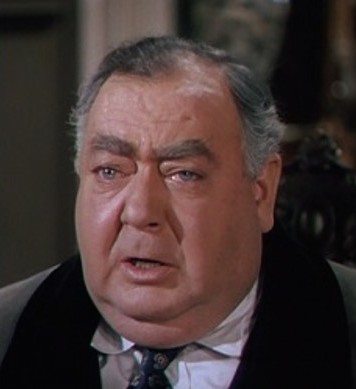
Eugene Pallette’s Birthday: All Hail His Froggy Voice

07/08/2017 by leah@carygrantwonteatyou.com 8 Comments


I’m a sucker for a good voice, and no voice was as memorable and amusing as Eugene Pallette’s deep & froggy timbre. His is the kind of voice that startles you when he joins the national anthem/a church congregation’s chorus–the unmistakable, unbelievably harsh and scratchy wonder that we’d call awful if it didn’t make us laugh so much.

On others, perhaps, such a gift would be wasted, but Pallette had the impeccable comic timing and delivery to go with that glorious voice, making everything he did onscreen a wonder to behold.

I think the test of a good character actor is this: How big is your smile when he/she enters the room? Answer this: Can you watch Eugene’s mouth open without grinning?

I saw Pallette as Friar Tuck in The Adventures of Robin Hood and knew I’d love the flick. I didn’t care what happened afterward, how fun it was (and of course, it was) because once Pallette entered the picture, I was sold.

My favorite Pallette scenes are when his character is in tantrum mode. I’m not a fan of My Man Godfrey, but oh, to watch him rip on his entitled family in it! To watch him pouting for his breakfast by slamming tray lids together in The Lady Eve. To laugh over his immaturity as he battles his wife over comic strip ownership in Heaven Can Wait!

On Pallette’s birthday, I hope we’ll all celebrate the lovable curmudgeony men in our own lives. We all are the better for them.

Share
Posted in: 1930s films, 1940s films, Comedies (film) Tagged: best voices, comedies, Eugene Pallette, froggy voice, Heaven Can Wait dad, My Man Godfrey dad

Five Favorite Classic Movie Stars

05/16/2017 by leah@carygrantwonteatyou.com 26 Comments

To celebrate National Classic Movie Day, I’m joining Rick’s Five Stars blogathon by sharing some of my favorite classic movie stars. And though I can’t quite say they’re my favorites ALL of the time (of course, that shifts), they are always on my list. Since my favorite character actors deserve their own post, I’m focusing on those who frequently star in their vehicles. Here we go. In no particular order:

1: Barbara Stanwyck


Because her acting was superlative and ageless. Because she got her scenes in one take, her emotions so visceral you always feel immersed in her characters’ lives. Because her crews loved her. Because she could be funny,  dramatic, or both at once. She was marvelous.

2: Van Heflin


Because his acting was so natural. Because he didn’t demand attention or the starring role, but the authenticity of his acting and his easy confidence made him riveting anyway. Because he singlehandedly changed my mind about westerns with his understated performance in 3:10 to Yuma. Because he never got the credit he deserved, which somehow makes me love him more.

3: Cary Grant


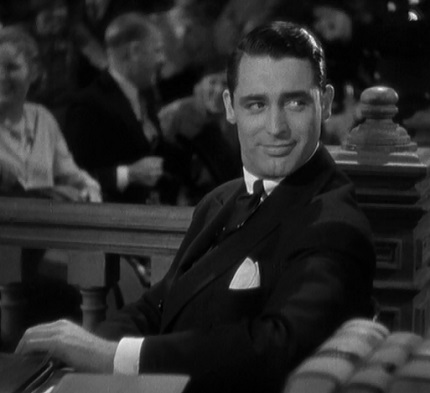
Because he had the all-time best smirk. Because he could be sexy or goofy, usually both at once. Because his acrobatics were truly impressive. Because in spite of his unfailing glamour, his characters were always real. Because he knew how to share the screen with a canine. Because he was adept at self-creation. Because he gave me a name for my blog.

4: William Powell


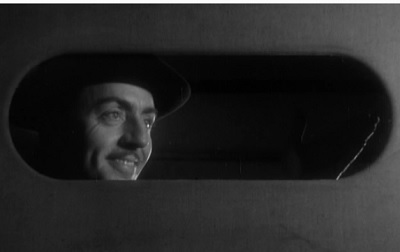
Because I wouldn’t typically consider his looks attractive, but his personality onscreen was so assured and wonderful and silly that I find him sexy just the same. Because I want to befriend most of his characters, and am sad I can’t. Because I could listen to that voice all day. Because I’ll watch anything he’s in, just to fall for him again.

5: Mae West


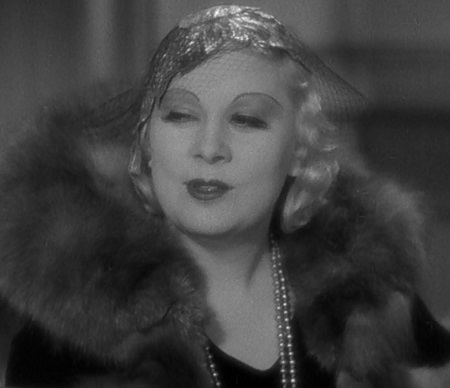
Because she wrote her own lines and dictated her own role–onscreen and off. Because those lines were so well written that people know them almost 100 years later, without knowing where they’re from or who she was. Because she was combustible onscreen, and always hilarious. Because she was a feminist, whether she admitted it or not. Because she had impeccable timing. Because of that walk. Because her movies are utter joy. Because there will never be another like her.

Check out other bloggers’ favorites at Five Stars blogathon!

Share
Posted in: 1930s films, 1940s films, Blogathons, Drama (film), Feminism, Mae West Moments Tagged: Barbara Stanwyck, Cary Grant, favorite classic movie stars, lists, Mae West, Van Heflin, William Powell
« Previous 1 2 3 4 5 6 7 8 9 Next »

Recent Posts

  • 100 Years Later, Still Scary: Dr. Caligari
  • Escaping Out of the Past (1947)
  • A Weeper for Those Who Love Jerks
  • Thank You, Academy, for Not Infuriating Me
  • Challengers (2024) Is a Bad Movie

Subscribe to Blog via Email

Enter your email address to subscribe to this blog and receive notifications of new posts by email.

Categories

  • 1920s films
  • 1930s films
  • 1940s films
  • 1950s films
  • 1960s films
  • 1970s films
  • 1980s films
  • 1990-current films
  • 2020s films
  • Action & Sports Films
  • Anti-Romance films
  • Blogathons
  • Childfree
  • Comedies (film)
  • Drama (film)
  • Feminism
  • Femme fatales
  • Film Noir/Crime/Thriller & Mystery
  • Gloriously Silly Scenes
  • Horror
  • Humor
  • Mae West Moments
  • Musicals and dancing films
  • Oscars
  • Random
  • Romance (films)
  • Romantic Comedies (film)
  • The Moment I Fell for
  • Turn My Sister into Classic Movie Fan
  • TV & Pop Culture
  • Uncategorized
Share
Classic Movie Blog Hub Member

Recent Comments

  • leah@carygrantwonteatyou.com on Meg Ryan’s Fate Foretold in Joe Versus the Volcano
  • Ryan on Meg Ryan’s Fate Foretold in Joe Versus the Volcano
  • leah@carygrantwonteatyou.com on 100 Years Later, Still Scary: Dr. Caligari
  • The Classic Movie Muse on 100 Years Later, Still Scary: Dr. Caligari
  • leah@carygrantwonteatyou.com on 100 Years Later, Still Scary: Dr. Caligari

Archives

  • November 2025
  • September 2025
  • May 2025
  • March 2025
  • January 2025
  • November 2024
  • August 2024
  • July 2024
  • May 2024
  • March 2024
  • February 2024
  • December 2023
  • November 2023
  • October 2023
  • September 2023
  • August 2023
  • July 2023
  • May 2023
  • April 2023
  • March 2023
  • January 2023
  • December 2022
  • November 2022
  • September 2022
  • July 2022
  • May 2022
  • April 2022
  • March 2022
  • February 2022
  • October 2021
  • September 2021
  • April 2021
  • March 2021
  • February 2021
  • December 2020
  • October 2020
  • September 2020
  • July 2020
  • May 2020
  • April 2020
  • March 2020
  • February 2020
  • December 2019
  • October 2019
  • September 2019
  • June 2019
  • May 2019
  • April 2019
  • February 2019
  • January 2019
  • November 2018
  • September 2018
  • July 2018
  • June 2018
  • May 2018
  • April 2018
  • March 2018
  • February 2018
  • January 2018
  • November 2017
  • September 2017
  • August 2017
  • July 2017
  • June 2017
  • May 2017
  • April 2017
  • March 2017
  • February 2017
  • January 2017
  • December 2016
  • November 2016
  • October 2016
  • August 2016
  • July 2016
  • June 2016
  • May 2016
  • April 2016
  • March 2016
  • February 2016
  • January 2016
  • December 2015
  • November 2015
  • October 2015
  • September 2015
  • August 2015
  • July 2015
  • June 2015
  • May 2015
  • April 2015
  • March 2015
  • February 2015
  • January 2015
  • December 2014
  • November 2014
  • October 2014
  • September 2014
  • August 2014
  • July 2014
  • June 2014
  • May 2014
  • April 2014
  • March 2014
  • February 2014
  • January 2014

Meta

  • Log in
  • Entries feed
  • Comments feed
  • WordPress.org

Copyright © 2025 Cary Grant Won't Eat You.

Church WordPress Theme by themehall.com