Cary Grant Won't Eat You

Classic movies for phobics

  • About
  • eBooks
  • Previous Blogathons
Classic movies for phobics

Oscars

Thank You, Academy, for Not Infuriating Me

03/02/2025 by leah@carygrantwonteatyou.com 4 Comments
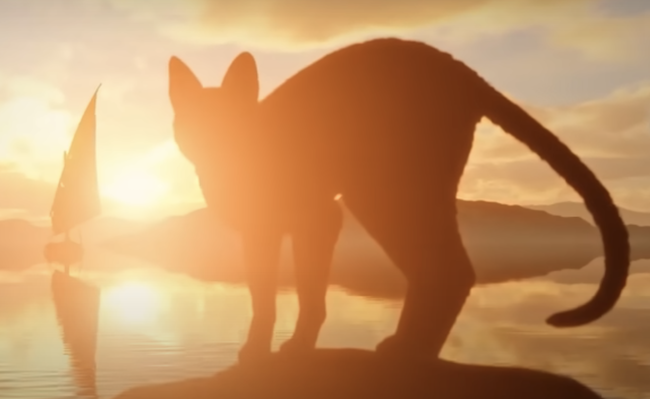
Picture of cat from the animated movie Flow.

Tonight I am not mad after the Oscars. I do not feel compelled to read movie reviews that share my negative view of the winner. I do not feel the need to read anything. I feel at peace. Tonight after the first Oscars in some time, I can actually sleep.

I liked Anora. I loved Flow. While I didn’t agree with all the choices, nothing (from my knowledge of the films I did see) was an out-an-out horrible choice.

Thank you, Academy, for not pissing me off this year. I really need the sleep.

Share
Posted in: 2020s films, Oscars Tagged: Oscars

Challengers (2024) Is a Bad Movie

01/23/2025 by leah@carygrantwonteatyou.com 2 Comments
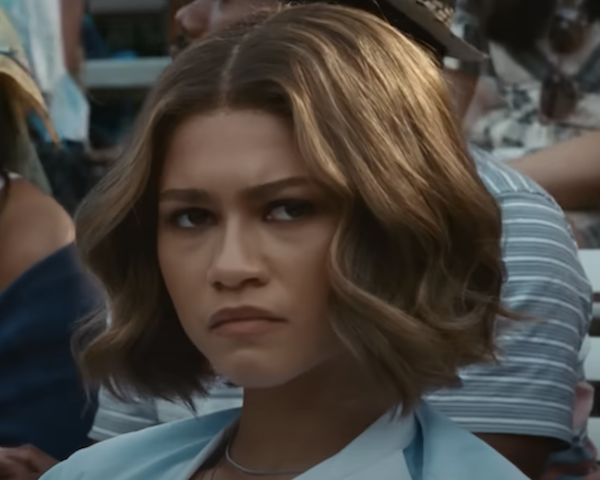
Zendaya in Challengers (2024)

Sometimes you see an Oscars list, and you’re happy to see not what IS on it, but what isn’t. Some idealistic prognosticators theorized that this buzzy little tennis film called Challengers (2024) would get a bid. After all, its music had won a Golden Globe.

The only thing more annoying than the film, I can safely say, is that music.

I watched the movie out of lethargy. Anora (2024) had just completed, and Challengers started playing. I watched for a bit, idly thinking, “This has to get more interesting.”

Forty-five minutes in, I thought, “No, it really doesn’t” and turned it off.

I turned the movie on again a week later, committed to discovering what others saw in it, and can now say I liked it–the last five minutes, that is. I yawned through every minute of the rest.

So here’s what I saw:

There are some scenes of tennis, in which I had no stake.

There were some characters, so thinly developed I felt nothing for them–not even dislike. They reminded me of the fly that got into my home the other day after surviving the cold. It buzzed here. It buzzed there. No one could say why. I did watch it. I watched Zendaya too. She’s pretty. I liked her clothes. She flitted here; she flitted there. She frowned a lot, sometimes in sunglasses.

There are two other characters. There’s some implication they all want to have sex. The preview suggests that, as does the brief scene it captures. Actually, they don’t. They don’t seem to like anything, including sex. A sandwich is eaten with more relish than they gaze at each other. The sandwich was my second favorite part.

The tennis was at least more active than the characters’ faces. Right when I would wonder, “What is the point of this?” some loud, abrupt, terrible music would come in, but only after a very awkward pause, kind of like an angry teenager turning on speakers full blast to drown out parents, but a teenager unaccustomed to how speakers work. Then the music would go away for no reason, and then come back. Much like my fly. EDM is bad enough at any time, but I’ve never experienced a less artful use of music in any film, at any time. Apparently, this is what wins an original score award at the Golden Globes these days.

And besides the last five minutes, which I did enjoy?

I preferred my fly.

Share
Posted in: 2020s films, Action & Sports Films, Anti-Romance films, Drama (film), Oscars, Romance (films) Tagged: bad films, Challengers, Overrated films, Razzie potential, tennis films, Zendaya

Oscar Tribute: The Noms They Got Right

03/10/2024 by leah@carygrantwonteatyou.com 2 Comments

I’ve ranted about the films I didn’t watch–and didn’t want to–but three of the films nominated for Oscars this year are great films.

NO spoilers.


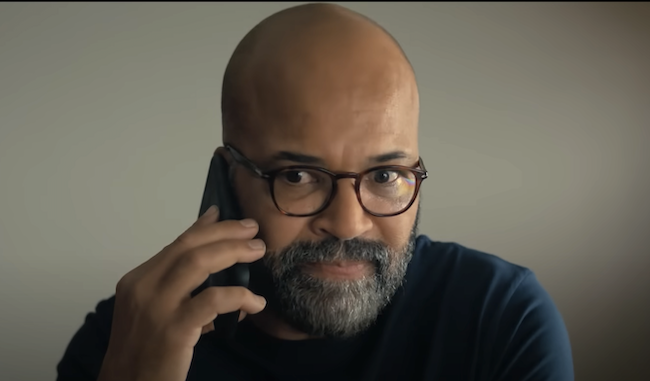
American Fiction. Clever, funny, and original, this satire/dramedy delivers genuine laughs while also addressing heartbreak. We also experience a mature commentary on race we so rarely see on film. Great performances: Jeffery Wright is dead on, nuanced and believable; Issa Rae is fun; and Sterling Brown is compelling. I particularly loved that scene when he dances with his mom. Great acting all through. I still haven’t seen Rustin and suspect Colman Domingo definitely deserves the Oscar. But of those I have seen who are nominated, I wish Wright would get it for his subtle, winning performance. Of course, it won’t happen.

As someone who has been in higher ed, writing, and publishing, I loved the way the film skewered these professions. Clearly, Cord Jefferson knows what he is talking about. I kept wondering how the film would end–there’s no real way to tie this one in a bow without trivializing the problems with racism that are aired, so I liked that Jefferson didn’t take the easy way out. This one is likely to be a film I watch over and over. Obviously, Jefferson should have been up for best director. I suspect of all the films up for Oscars this year, this one will endure the longest.


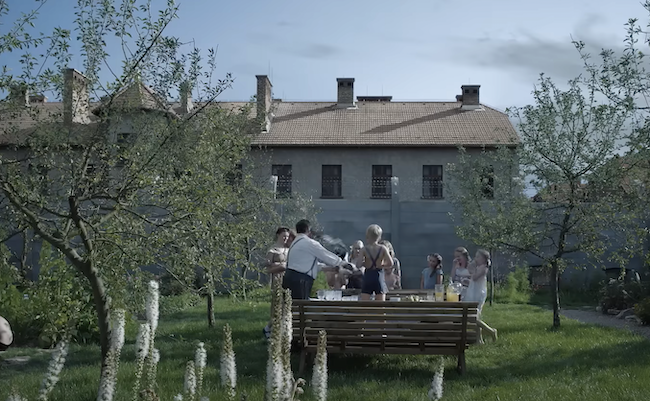
The Zone of Interest. How clever to focus a Holocaust film not on the evil doers’ atrocities, but on the simpler, more everyday trait of turning a blind eye to others’ tragedies. There’s an uneasy feeling as you watch, of how many times you shut off the news, how many times you try not to think about others’ suffering throughout the world. This film, unlike the bloated movies that are nominated for best editing, is VERY well edited, with perfect, often unexpected choices. It’s relentless in its focus and powerful in its impact. It has a documentary feel to it, and I love how true director Jonathan Glazer, made the choice to fictionalize less than the source material, relying on actual letters and histories to authentically capture this horrifying family.


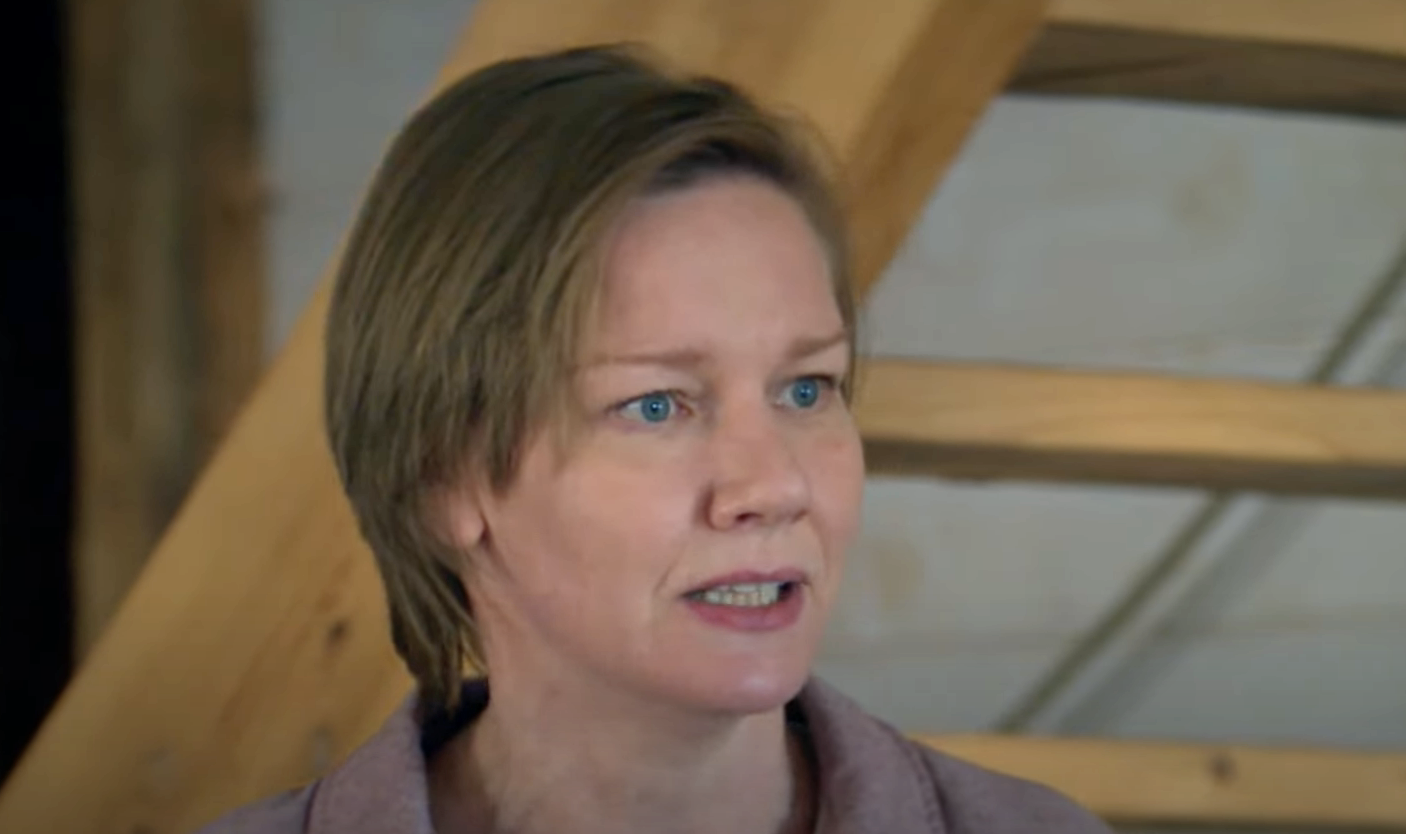
Anatomy of a Fall. First of all, Sandra Hüller deserves an Oscar for this role. What a performance! Many people have said that this film is really about a marriage. And it is–a very complicated, intensely believable marriage. If that were all that this movie did, it would deserve an Oscar nomination. But it does something more. This film is truly about a child and what he lives with, not knowing if his mother might be guilty of killing his father. This is a perspective we too rarely see on film (or even on documentary coverages of crime), and it’s devastatingly captured here. Wow. Also, this kid is something. The director, Justine Triet, definitely deserves this nomination.

And, while I’m here, one final wish denied: Andrew Scott gave a stunning performance in All of Us Strangers. Actually, Claire Foy deserved a nod for that film too. Definitely worth the watch if you can take a little weirdness.

Share
Posted in: 1990-current films, Comedies (film), Drama (film), Oscars Tagged: American Fiction, Anatomy of a Fall, Oscar nominations, Zone of Interest

Oscar Rant, Part 3: Flower Moon’s Many Missteps

03/04/2024 by leah@carygrantwonteatyou.com 4 Comments

Spoilers–but not as many as Scorsese’s


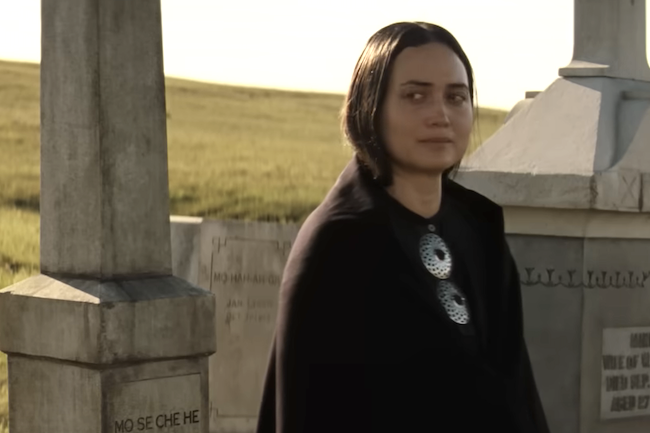
I knew I would struggle to warm to Martin Scorsese’s interpretation of a well-loved book. Killers of the Flower Moon is a heartbreaking, fascinating page turner. And it is a history book. I stayed up till 4 am to finish it. What I didn’t expect to do in watching Scorsese’s film of the same name was flinch. In trying to stay authentic and true to the Osage people, Scorsese walked into one of the oldest stereotypes. And the Academy is about to give his starring actress an Oscar for it.

The dignified, long-suffering man or woman of color is one of those stereotypes Hollywood has struggled to shake. There’s also a smug, self-satisfied attempt to award such films and performances with honors (Green Book, Driving Miss Daisy, The Help). When it comes to a group of people our country systematically oppressed, robbed, and killed–like the Osage and so many other American Indian tribes–granting the characters dignity can feel like a kind of reparation, minor as it may be. But it’s also dehumanizing to reduce a person to such a narrow set of traits.

I understand that Scorsese’s task was not easy. The American historical record is simply more complete when it comes to white men than for anyone else. Author/historian David Grann likely made FBI agent Thomas Bruce White Sr. his central character in part because he had so much information on him. Grann even includes a fascinating later history of his mercy toward prisoners who injured him in a prison break, which helps us understand the kind of man who would risk his life for others. And White was, indeed, a hero, and a fascinating one at that.

I get Scorsese’s attempt to avoid the white savior story he risked writing if White were his lead. But he had a dilemma: What do we know about Mollie Burkhart (Lily Gladstone)? We know she was rich. We know she lost many relatives to murder. That she believed in her husband, Ernest Burkhart (Leonard DiCaprio), far longer than she should have. We know that she was very sick. That’s not enough detail, if she’s your central figure. It was up to Scorsese to breathe life and complexity into her characterization, to make her wholly human in the way our 1920s racist, sexist historical record would not grant her–or lean on the descendants or family members who could tell him more.

Alas, Scorsese’s never been very good at female characters. This is no exception. Besides brief glimpses of a more complex woman during the courtship, he has her either sitting or in a sickbed looking resigned, sad, and stoic for 90% of the film. We don’t even feel the menace or experience her fear as she’s poisoned, as we would for a Alfred Hitchcock heroine, because we have little sense of her inner life.

We don’t get to see a sense of humor or any unique, humanizing quirks–we only know that she suffered. And with Eric Roth as his cowriter, whose credits include Forrest Gump (another film with underdeveloped female characters), what hope did he have of getting it right? Why, oh why, can’t this brilliant man recognize his limitations? There’s nothing wrong with specializing in dark white men as a genre. But this was not the subject matter for that focus. Why not let someone else write the screenplay? An Osage female writer would have been amazing; at the least, Scorsese could have chosen a woman.

Mollie’s is not the only half-baked characterization of the Osage in the film. The subtitles only occasionally translate the Osage language, which is used extensively. Instead, the subtitles spell out something like “speaking in Osage,” which was 1. evident 2. useless 3. distancing. Why not help us know the characters better by having them speak in English if you’re not going to bother to translate? (I kept hoping this was an issue with my streaming service, but I doubt it.) The occasional group scenes with Osage leaders stating the obvious didn’t help.

There was a fascinating real-life federal agent, John Wren (Tatanka Means), the only Native American who’d worked for the bureau by then. He assisted with the investigation and appears briefly in the film, and I kept thinking that Scorsese should have focused the narrative on him. What a fascinating angle that would have been! He was still an outsider to the Osage, but had more of an insider’s angle than the rest of the agents.

Instead, Scorsese doubles down on Leonardo DiCaprio’s Ernest, even minimizing the degree of his crimes by not covering his whole plan (or at least, tacit acceptance of the plan) to include his son and wife in the blow-up-the-house plot. Did he love Mollie? He seemed to in the book–and in how he handled the trial. But many dangerously abusive men have loved the women they attempt to murder. I’m not really interested in getting inside of their heads. Are you?

Also, where’s the excitement? We believe Ernest is pretty innocent for a long while in the book. We don’t know his uncle is a monster. The reveal is breathtaking in the book. Leaving out the suspense is a baffling choice.

It’s a shame to see all the wasted potential here: Robert De Niro is good in it and DiCaprio great (even if they are miscast; De Niro is no cowboy and both are at least two decades too old for their parts). Gladstone is very good with what she had to work with, and captures what we know of Mollie well. I enjoyed her subtlety.

There are so many beautifully shot scenes. That moment right before the bomb was especially powerful, as was the federal agents’ gathering scene. Scorsese shares the history and legal status of the Osage’s rights (or rather, lack of rights) without bogging down the narrative–not an easy thing to do. I thought the best part of the film was the start of the investigation by the private eyes: Whenever Scorsese feels comfortable, he does such great work. I loved how the movie helped me keep the characters straight, something I struggled with in an overpopulated book.

A lesser-known director might not have gotten this important story made into a film; I wanted so much to like it. Scorsese’s earnest attempt in that ending to finally give Mollie her due made me sad; I don’t think he succeeded. But maybe he’ll draw people back to the book, which does. I guess I’ll have to take some satisfaction in that.

Share
Posted in: 1930s films, 1940s films, 1950s films, 1990-current films, Drama (film), Oscars, Uncategorized Tagged: Alfred Hitchcock, Killers of the Flower Moon, movies not as good as books, Oscar nomination, overrated

Oscar Rant, Part II: Barbie

02/26/2024 by leah@carygrantwonteatyou.com 2 Comments


I walked into Barbie with sky-high expectations. I had been tracking the career of its co-screenwriter (and Greta Gerwig’s spouse) Noah Baumbach since 1995’s Kicking and Screaming played on my VCR in college. My roommates and I–and my sister–had fallen deeply and completely into lifelong loyalty with him the moment we pressed play. Baumbach GOT us.

Far more than Reality Bites or other Gen X standards, Kicking and Screaming captured my life and my friends’ and siblings’–not in a literal sense, of course, most of us being female and at large state schools. We were certainly not young, privileged men at a small New England college. But in spirit. He got our reluctance to move on with our lives, our fear of door-to-door salespeople, our reluctance to complain to servers, our laziness (putting a sign stating “broken glass” on the floor instead of cleaning a mess up), all our ridiculous rituals we couldn’t break.

I remember the year I paid roommates for their time if I told a bad story or joke, thanks to the film’s influence. I recall my excitement when The Squid and the Whale (2005) finally showed me others had recognized the writer-director’s brilliance. (Though I don’t think he’s equaled either of those films since; I’m not a huge fan of Marriage Story, for example, and thought Margot at the Wedding cold and half-baked.)

Gerwig won my admiration–though to a lesser extent–with Ladybird and by capturing Little Women‘s Jo so well. She pictured the heroine’s future as Louisa May Alcott would have, had the times she’d lived in been less sexist than they were.

To have THESE TWO creating a funny Barbie movie? I was in–especially with Ryan Gosling starring. I admit I had some apprehension, given Baumbach’s caving to Wes Anderson in The Life Aquatic with Steve Zissou. (Where WAS he in that?)

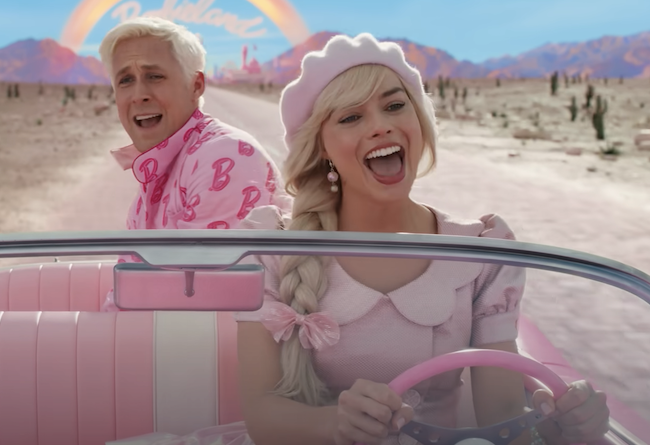
There is A LOT to like about Barbie: The opening scene is brilliant–& the first half is so funny. “Beach” as Ken’s theme for life and his joy at realizing he’s the beneficiary of the patriarchy are so amazing. The costumes and production design are so well done, and Kate McKinnon’s Weird Barbie is an inspiration.

But then, there’s that by-the-book speech delivered by America Ferrara and the muddled second half. Until the ending, which I loved, the film lost its focus.

I don’t question the lack of an Oscar nomination for Margot Robbie. Best actor/actress awards rarely go to men or women in comedies. (It’s all about supporting with comedy nods; this year’s two best actor comedy nods are the exception, not the rule, and both men are starring in dramedies, not comedies, like Barbie.) In addition, the male characters in this film are better written and thus the men have better roles, which is hardly surprising, since Noah Baumbach, the better writer of the pair, has been perfecting this kind of arrested-development male (aka, Ken) since Skippy of Kicking and Screaming. (Actually, arrested-development male describes nearly every character in that film.)

I do think–given its innovative spirit and how much it had to offer–Barbie deserved to be in the best picture mix, especially with undeserving films like The Holdovers, Past Lives, and Oppenheimer on the roster.

Did Gerwig deserve an Oscar nomination for director? It depends on how you look at it. If I ask, “Do I think this film, with its muddled second half, deserves a directing Oscar nomination?” I would answer no. But does she deserve it MORE than Christopher Nolan for his poorly developed, uninspiring borefest? You better believe it.

In the end, I realize Gerwig just tried to please too many audiences with Barbie. And given that, I’m grateful for what I got, and for the joy I felt in wearing pink with Barbie-loving peers at the theater (my first theater return post-COVID). But I hope she and her spouse streamline their styles a bit more because what amazing potential that duo has. We’ve seen what they can do (in Barbie) if they get it half-right. Can you imagine what they can accomplish, once they get it right?

Share
Posted in: 1990-current films, Anti-Romance films, Comedies (film), Oscars, Romance (films), Romantic Comedies (film) Tagged: Barbie, Greta Gerwig, Kicking and Screaming (1995), Little Women, Margot Robbie, Noah Baumbach, Oscar snubs, Ryan Gosling, The Squid and The Whale

My Oscar Rant, Part 1: Snark

02/19/2024 by leah@carygrantwonteatyou.com 9 Comments


It’s that time again–my chance to rant about the films that shouldn’t have been nominated and moan about better films that weren’t. Next time, I’ll discuss Oscar nominees I loved or at least liked. But for this post, I’m going to embrace the snark.

Undeserving Nominations

Past Lives. If the little boy who used to chase me down after we raced on our big wheels and then kiss me were to re-enter my life 20 years later, would that have been a meaningful, maybe-romance? No. Neither was this.

Oppenheimer. This film has far less to say about our past than an episode of Drunk History. Here are the not-so-insightful themes I gleaned after three hours: dropping bombs leads to regret, and politicians are political. Calling a man a genius ten times in the first hour without showing a single scene of what made him so—or what made him charismatic, a leader or interesting—is not characterization. Jumping in time without reason is not artful; it’s confusing. Usually strong actors mimicking, but not inhabiting real-life characters is painful to watch (Robert Downey Jr. being the exception). Dismissing the reflective president who had to decide whether to drop the bomb in a five-minute, misleading scene is irresponsible. If this film wins, the producers better thank Barbie because that’s the only reason Academy voters viewed it. Give it a year, and none of them will remember watching it. Christopher Nolan is too talented to have created something this bad.

The Holdovers. Mediocre and an hour too long. Solid, but not standout acting? Yes. Occasional clever, funny moments? Yes. But generally lazy writing–a teacher who is a hard grader must be a jerk, all students hate their studies, a teacher has to be self-sacrificial to earn respect. Any of you heard all this nonsense before? Me too. Best moment: the kid barely thanks him. That scene was real and funny, capturing what it’s like to be a young, careless teen (tell me you don’t see your young self in that moment); I only wish there had been more moments like it.

Overlooked Gems & Performances

Air. The most entertaining film of the year. Perfect cast, great writing, smart editing. Every moment counted. Zero nominations. The lack of an editing nomination hurts most; three too-long movies are nominated for best editing. Academy voters apparently don’t appreciate the most difficult role of an editor: cutting.

Eileen. An eerie, truly original mystery. Strong performances from the two lead actresses, a memorable one from a supporting (always reliable) character actor and a brilliant one from a supporting actress. Great editing choices for the adaptation of the book, including some difficult cuts by the novel’s author and screenplay co-writer. Zero nominations.

Blackberry. Clever take on the difficulty of running a business with creative, nerdy types. Where is Glenn Howerton’s best supporting actor nomination, I ask you? He plays an amazing villain; his comic timing is unmatched, and his portrayal is nuanced, believable and always surprising. Oh, how much all those award-granting types underestimate anyone involved in It’s Always Sunny in Philadelphia….
,

Would Rather Pluck My Eyebrows than Watch

Maestro. I am done with movies more interested in artists’ romances than their work. (I’m looking at you, Walk the Line, Bohemian Rhapsody, Blonde.) John Carney, please direct a biopic so that I can again enjoy a film about an artist. Give me a Once (2007) or Begin Again (2013) based on a true story, please.

Poor Things. I can’t take this director anymore. My sister and I refer to his film The Lobster in verb form: Lobstering is when you recommend a film you can’t stand to someone as a joke. She lobstered me with The Judge (2014); I lobstered a mutual friend with The Shape of Water (2017). I didn’t despise The Lobster, as my sister did. The Favourite (2018) was alright (likely only because Nicholas Hoult excels in odd roles). But Yorgos Lanthimos has a knack for squandering a fascinating premise with meaningless grossness or weirdness, and Poor Things looks like he’s upped the ante on that trend. I’m out.

So there you have it. Stay tuned for next time, when I will be far less harsh, but no less opinionated.

Share
Posted in: Comedies (film), Drama (film), Oscars, TV & Pop Culture Tagged: Air, Blackberry, Glenn Howerton, Oppenheimer, Oscars, Overrated films, Past Lives, The Holdovers, underrated films

Aftersun: Too Intimate for the Oscars, Rant Part II

01/29/2023 by leah@carygrantwonteatyou.com 4 Comments

Aftersun deserved best picture & directing Oscars this year, but it had no shot. The Academy doesn’t like to award intimate little stories about relationships. They like loud message films, and loud action films, and stories about men being men. And when they (rarely) pivot their patterns (Moonlight), it’s never for a woman helmer: It’s no accident that the only females who’ve won directing Oscars did so for stories about war, community job loss, and cowboys.

Academy voters like to throw a screenplay bone at the original, lovely intimate stories–though they occasionally alter that with acting (as with Aftersun) or song nominations/wins (as with Once). Even when a quiet, intimate little film like Il Postino is nominated for best picture, it wins for something else (in its case, score). That’s why when I’m searching for good films I don’t know from past Oscars, I go straight to the screenplay category. There I can find films that weren’t about the Academy trying to prove something, or the fact that many of them are too lazy to view all but blockbusters and movies with their friends in them.

What strikes me most about Academy voters is their fear. They’re afraid of being seen as racist, as they should be (#OscarsSoWhite), but they actually prove they are with nominations for movies like The Blind Side and Crash and Green Book. The pernicious roots of racism don’t lie in big headlines or loud messages or overt acts, but in the everyday moment, and the everyday moment is where all of us make mistakes of every kind. We are vulnerable there. Academy voters don’t like that space.

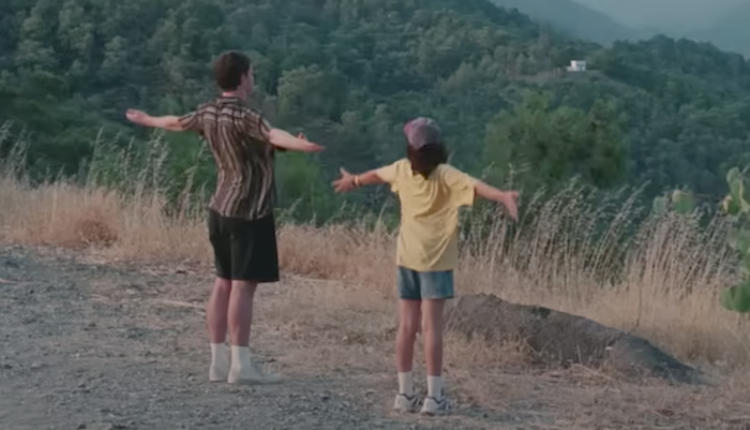
To nominate Aftersun for best picture or its writer-director Charlotte Wells would take guts. It’s not Oscar bait, and at first appears far less skillfully managed than it is. It fools you, posing as a student film, or just a kid’s camcorder records of her vacation with her dad. It’s slow. If you’re inattentive, you might find it boring. You don’t know at first the reasons for pauses; for impressionist shots; for quick flashes. You must be patient. But if you let the film in, you are caught up in the relationship between a charming young girl, Sophie (Frankie Corio), and her sweet dad, Calum (Paul Mescal). You soon sense, as when reading a book by Marilynne Robinson, that every little choice by the writer-director counts, that each choice has layers of meaning that build upon one another, and that the very everyday nature of the story is the point of the film. That’s what our relationships are about, our love, our pain, our loss, our joy. It’s missing the details of moments that haunt us later if the relationship is lost or even if it alters over time.

Aftersun is poignant because it’s about that, but more. About looking back and examining what you were too young or focused on understanding your own growing-up moments to understand, to see your father as human, with needs, pain, and insecurities. And Paul Mescal’s understated performance is much of what makes the film unforgettable.

This movie will stay with me a long time, will remind me to cherish the loved ones in my life, to try to be a more understanding person. I wonder how many people could say that about Avatar: The Way of Water.

Share
Posted in: 1990-current films, Drama (film), Feminism, Oscars Tagged: Aftersun, female director snubs, Frankie Corio, Oscar snubs, Paul Mescal, sexist Oscars

The Leo Grande Snub & More Oscar-Related Reasons I’m Pissed Off, Part I

01/25/2023 by leah@carygrantwonteatyou.com 8 Comments

Good Luck to You, Leo Grande. An enjoyable, meaningful film about a woman dealing with sex and her self-worth in middle age. A nuanced story, with a sympathetic portrait of sex workers. It gets nada from the Academy. A subtle, star-making turn by Daryl McCormack–ignored. And Emma Thompson not only snubbed, but not even listed as an Oscar snub. People couldn’t shut up about JLO not getting a nomination for Hustlers, but we’re going to forget that two-time-Oscar winner Emma Thompson was overlooked for one of her finest performances?

Viola Davis and Danielle Deadwyler Get No Nominations, and Ana de Armas Does for Razzie-Nominated Blonde. I read the book Blonde by Joyce Carol Oates, even liked it. I am not sure the director did. That film? Oh no. No. No. No. Was de Armas good in it? For what she had to work with, which was not much. That’s not an Oscar nomination. Look, I’m a Marilyn fan. That woman had some serious chops as a comedienne. But that tired trope of fragile waif Marilyn again, with some gross additions thrown into the mix? That film deserves NOTHING. I am sick.

Tár. It seemsTodd Haynes makes a movie every decade, and with the best of materials and actresses, manages to turn wonderful storylines and potential into snores.

Triangle of Sadness. A fight over a check that should have taken five minutes being stretched to such ludicrous proportions that I forgot what the movie was about. A diarrhea-puke-&-other gross bodily-function scene that takes excruciating amounts of time for NO REASON (and doesn’t make me laugh once). And, of course, the earth-shattering message that power and money corrupt? This is some shit, people. Literal and figurative. NO FEMALE DIRECTORS were chosen so that this gem could make it into the best-directing category.

Top Gun Maverick. I admit it: I didn’t see the thing. I couldn’t bear it after I found out Kelly McGillis wasn’t invited back. I’ll watch this, that Avatar sequel (please), and other action extravaganzas nominated for Oscars once a female blockbuster gets a berth on the list. In the meantime, please everyone, stop bellyaching that crowd pleasers never make it, while nominating male-only fare like Master and Commander and Gladiator. Why is everyone so forgetful? Crowd pleasers OFTEN make it, and even win. What the hell was Braveheart? A subtle indie film? What about Jaws? The Greatest Show on Earth (1952)? I mean, NO ONE saw those, right?

And I’m just getting started. Rant, Part I over. Stay tuned for Part II….

Share
Posted in: 1990-current films, Comedies (film), Drama (film), Feminism, Oscars, Uncategorized Tagged: Daryl McCormack, Emma Thompson, Good Luck to You Leo Grande, no female directors Oscars, Oscar snubs 2023, Razzies, Triangle of Sadness terrible, Viola Davis

90s Films

09/13/2021 by leah@carygrantwonteatyou.com Leave a Comment

Have you ever wondered why Winona Ryder’s character in Reality Bites has friends? Or why Julia Delpy doesn’t have legions of men following her off the train in Before Sunrise? Or why every person in customer service doesn’t watch Clerks? So have we. Join my friends’ and me for our second series on our podcast, Nobody Knows Anything.

Share
Posted in: 1990-current films, Comedies (film), Drama (film), Oscars, Romance (films), Romantic Comedies (film), Uncategorized Tagged: 90s, Before Sunrise, Bottle Rocket, Clerks, coming of age films, Reality Bites, Romeo + Juliet

The Gender Gap in Film

02/05/2020 by leah@carygrantwonteatyou.com Leave a Comment

Check out these two articles, both of which show the gap between awards for women and men in the Oscars over time in visual format.

“The Oscars’ 92-year gender gap, visualised”

“Maybe Those Are Just the Best Movies This Year”: #WhiteMan’s Oscar in Context.”

The Guardian‘s statistic about the lack of awards for female cinematographers was particularly illuminating.

In addition to showing what female-driven films could have been honored but weren’t over the years, Relatively Entertaining covers the diversity of voices in film, how we’ve regressed since a high point in the 40s in honoring women’s stories–even if told by men. The post also highlights how seldom black actresses are repeatedly honored for their work: “For that matter, it’s a strange quirk of Oscar that of the 35 times a black woman has received acting Oscar nomination, only three (Whoopi Goldberg, Viola Davis and Octavia Spencer) have been nominated more than once, and only Spencer has been nominated after winning her award.”

I wonder how long Academy voters could sustain the fiction that women’s films just haven’t been good enough yet to get awards after viewing the articles’ startling graphics. I wonder if the lack of repeat nominations for women (and women of color in particular) will finally bring home just how much has to change.

Share
Posted in: 1920s films, 1930s films, 1940s films, 1950s films, 1960s films, 1970s films, Feminism, Oscars, Uncategorized Tagged: black women and the Oscars, gender gap, representation in film
1 2 3 Next »

Recent Posts

  • 100 Years Later, Still Scary: Dr. Caligari
  • Escaping Out of the Past (1947)
  • A Weeper for Those Who Love Jerks
  • Thank You, Academy, for Not Infuriating Me
  • Challengers (2024) Is a Bad Movie

Subscribe to Blog via Email

Enter your email address to subscribe to this blog and receive notifications of new posts by email.

Categories

  • 1920s films
  • 1930s films
  • 1940s films
  • 1950s films
  • 1960s films
  • 1970s films
  • 1980s films
  • 1990-current films
  • 2020s films
  • Action & Sports Films
  • Anti-Romance films
  • Blogathons
  • Childfree
  • Comedies (film)
  • Drama (film)
  • Feminism
  • Femme fatales
  • Film Noir/Crime/Thriller & Mystery
  • Gloriously Silly Scenes
  • Horror
  • Humor
  • Mae West Moments
  • Musicals and dancing films
  • Oscars
  • Random
  • Romance (films)
  • Romantic Comedies (film)
  • The Moment I Fell for
  • Turn My Sister into Classic Movie Fan
  • TV & Pop Culture
  • Uncategorized
Share
Classic Movie Blog Hub Member

Recent Comments

  • leah@carygrantwonteatyou.com on Meg Ryan’s Fate Foretold in Joe Versus the Volcano
  • Ryan on Meg Ryan’s Fate Foretold in Joe Versus the Volcano
  • leah@carygrantwonteatyou.com on 100 Years Later, Still Scary: Dr. Caligari
  • The Classic Movie Muse on 100 Years Later, Still Scary: Dr. Caligari
  • leah@carygrantwonteatyou.com on 100 Years Later, Still Scary: Dr. Caligari

Archives

  • November 2025
  • September 2025
  • May 2025
  • March 2025
  • January 2025
  • November 2024
  • August 2024
  • July 2024
  • May 2024
  • March 2024
  • February 2024
  • December 2023
  • November 2023
  • October 2023
  • September 2023
  • August 2023
  • July 2023
  • May 2023
  • April 2023
  • March 2023
  • January 2023
  • December 2022
  • November 2022
  • September 2022
  • July 2022
  • May 2022
  • April 2022
  • March 2022
  • February 2022
  • October 2021
  • September 2021
  • April 2021
  • March 2021
  • February 2021
  • December 2020
  • October 2020
  • September 2020
  • July 2020
  • May 2020
  • April 2020
  • March 2020
  • February 2020
  • December 2019
  • October 2019
  • September 2019
  • June 2019
  • May 2019
  • April 2019
  • February 2019
  • January 2019
  • November 2018
  • September 2018
  • July 2018
  • June 2018
  • May 2018
  • April 2018
  • March 2018
  • February 2018
  • January 2018
  • November 2017
  • September 2017
  • August 2017
  • July 2017
  • June 2017
  • May 2017
  • April 2017
  • March 2017
  • February 2017
  • January 2017
  • December 2016
  • November 2016
  • October 2016
  • August 2016
  • July 2016
  • June 2016
  • May 2016
  • April 2016
  • March 2016
  • February 2016
  • January 2016
  • December 2015
  • November 2015
  • October 2015
  • September 2015
  • August 2015
  • July 2015
  • June 2015
  • May 2015
  • April 2015
  • March 2015
  • February 2015
  • January 2015
  • December 2014
  • November 2014
  • October 2014
  • September 2014
  • August 2014
  • July 2014
  • June 2014
  • May 2014
  • April 2014
  • March 2014
  • February 2014
  • January 2014

Meta

  • Log in
  • Entries feed
  • Comments feed
  • WordPress.org

Copyright © 2025 Cary Grant Won't Eat You.

Church WordPress Theme by themehall.com