Cary Grant Won't Eat You

Classic movies for phobics

  • About
  • eBooks
  • Previous Blogathons
Classic movies for phobics

Film Noir/Crime/Thriller & Mystery

Rebecca Got a Bad Rep

06/29/2019 by leah@carygrantwonteatyou.com 8 Comments

**Spoilers abound**

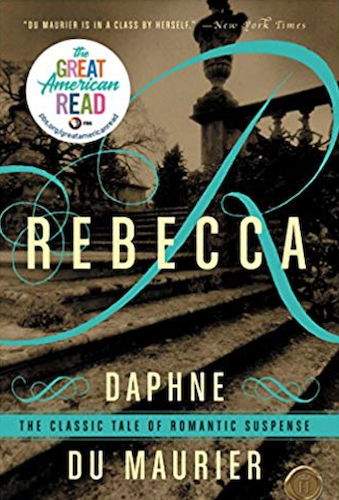
Of all the femme fatales on film and in print, Rebecca may top them all. The woman isn’t even alive at the start of the book or the Hitchcock film that resulted from it, yet the narrator of the story is so haunted by her husband’s previous wife (and Du Maurier is so skilled at freaking readers out) that Rebecca’s reputation as the evil femme fatale endures.

But when we look at Rebecca’s life a little closer, it’s hard to ignore just how much of our impressions of this woman are based on her former husband’s hatred and his second wife’s jealousy. Although I was totally with the narrator in fearing and loathing Rebecca on my first reading of Daphne Du Maurier’s classic gothic novel/thriller/mystery, my opinion of Rebecca has radically shifted in time, and the blame moved from her to the much more questionable Max de Winter.

Since the film sanitizes the hero due to the Production Code, I’m sticking with the book as I ask all of you Du Maurier lovers this question: Who is worse, Rebecca or her husband Max?

Let’s count it down trait by trait, shall we?

Behavior toward Friends & Acquaintances. Rebecca. Tries to suit others’ moods and appeal to their interests—this according to her detractor, Max. Everyone loves her, Maxim admits, including all of her employees. He claims she is fake, a backstabber. It’s easy to discount the tales of her insincerity altogether, given those blunt admissions to Max at the start of their marriage and his own dubious motives in smearing her. But we do hear Ben describing her cruelty toward him, a serious count against her.

Max: Rude to and arrogant toward: his sister, his brother-in-law, attorneys, party guests, servants, Mrs. Van Hopper, his second wife. He does seem to usually treat Frank well, and perhaps the dog. He expects to be thought above the law despite his suspicious actions and has no compunction about the boat maker’s profit losses thanks to his lies. Why? Presumably his class and status.

Personality Points: Rebecca 1; Max 0
Villain Points: Max 1; Rebecca 1

Social Skills. Max is the very definition of prim, spending his days abstaining from most people and food (while strangely expecting an untouched feast on a daily basis). And, there’s that slight issue with his temper and moods. Good company? I think not.

Rebecca’s style intimidates the narrator; she has garnered Manderley fame with her exquisite taste and the elegance, creativity, and humor she exhibits as a hostess. Even the “R” of her name is written with panache.

Personality Points: Rebecca: 1; Max: 0

Treatment of Spouse. Let’s admit from the start that these two are hardly an altruistic pair. A tight race!
Max: Wife 1. Marries Rebecca without loving her but planning to be faithful. Keeps the secret of her affairs, but for his own pride. Does tolerate her behavior within limits. (It was a different age.) Seemingly polite to her in public but based on his general actions (see above), I’m guessing she needed to find affection elsewhere. Wife 2. Marries the narrator because she’s chaste and has no relatives (Mrs. Van Hopper isn’t far wrong there). Shows little passion for her, most of that passion being extended to his house. Treats her like a daughter/servant/enemy, depending on the day. Marries her knowing that his limelight-averse spouse will be destroyed if his crime is revealed and the scandal rags come a-knocking while her protector is in jail. Exposes her to Mrs. Danvers, the suicide pusher.

Rebecca: Marries Max for his money and status, planning to cheat on him from the start and admitting as much. Seemingly has multiple affairs. Apparently enjoys some “unspeakable” behavior (though given prim Max’s ways, I’m guessing we’re not talking Roman orgies). May, if the love of Mrs. Danvers is any indication, indulge in affairs with women as well as men, which in this time period would have harmed her husband’s reputation. Shaming her husband with alcohol and drug consumption? Perhaps in private. Meanwhile, spends her days being delightful to all and making his treasured house the talk of the country.

I’m going to leave out Max’s crime for this one, as it deserves its own category. But in terms of behavior up to their final night together, Rebecca’s is worse since Max’s biggest fear is public shame, and she doesn’t seem to care much that he’s a bore and has no fidelity impulses/regard for his pride whatsoever. However, his behavior to his second wife is appalling.

Villain Points: Rebecca 1; Max 1

The Murder. Max shot his wife because she suggested she might be pregnant with another man’s baby. Max demonizes her, calling her not even “human,” to (a) justify his action, (b) keep his wife’s love, and (c) be considered a civilized member of society. The narrator, so pleased he didn’t ever love Rebecca, actually goes along with his version of events, even though he’s not exactly trustworthy because he’s a killer who murdered his last wife, idiot. RUN!!!!

Rebecca. Enjoys her husband’s distress at her infidelity and taunts him. He now says she wanted him to kill her (given her health). Kinda convenient, right?

Personality Points: Rebecca, 1—some considerable moxie revealed in this last fight; Max, 0. Villain Points: Max, a gazillion; Rebecca, 0.

And the Verdict Is….
Personality Points: Rebecca 3; Max 0
Villain Points: Max, a gazillion and 2; Rebecca, 1.

Like I said, Rebecca might not be an angel, but a femme fatale? Not so much. And is Max, the cold-blooded murderer and awful husband a homme fatale? You better believe it.

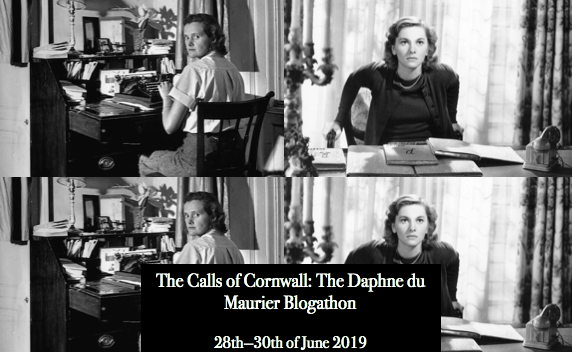
This post is part of the Calls of Cornwall blogathon by Pale Writer on Du Maurier’s work. Check out the other entries!
Share
Posted in: 1940s films, Blogathons, Feminism, Femme fatales, Film Noir/Crime/Thriller & Mystery, Humor, Romance (films), Uncategorized Tagged: Daphne du Maurier, femme fatales, Max de Winter, Rebecca, romances, thrillers, unfair reputation, unnamed narrator

The Femme Fatale Who Wasn’t: In a Lonely Place

04/16/2019 by leah@carygrantwonteatyou.com 25 Comments

spoilers ahead.

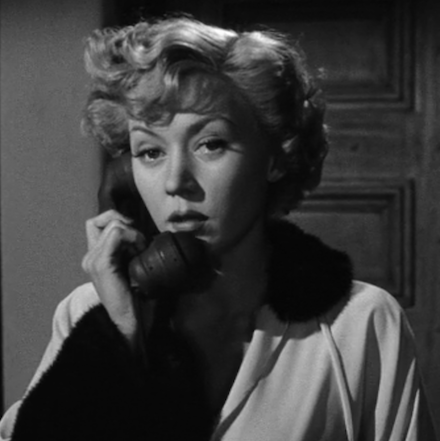
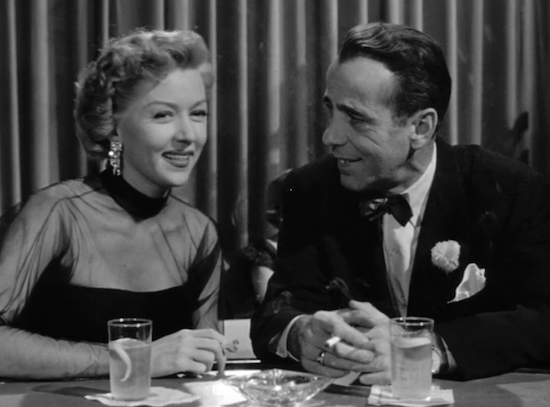
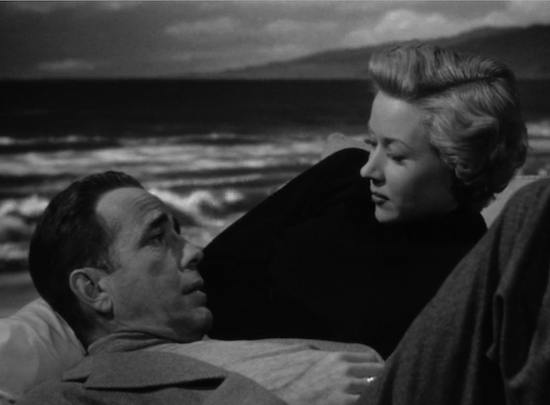
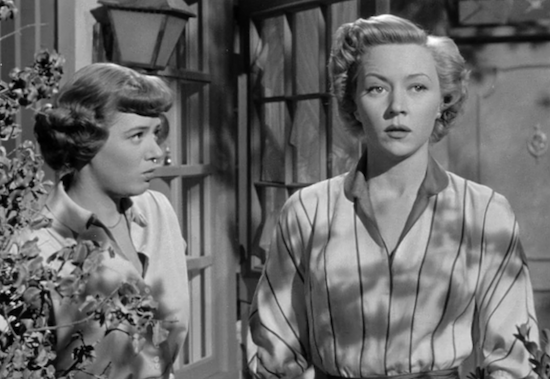
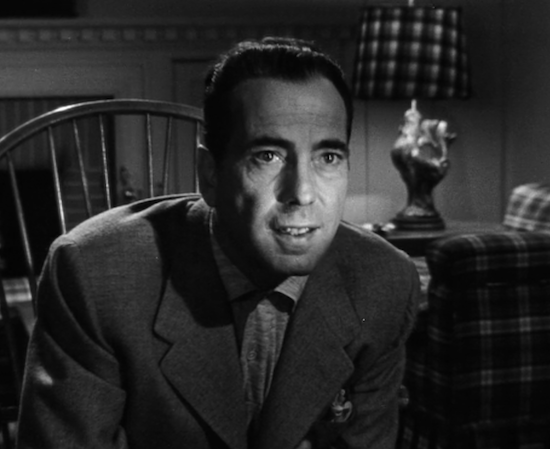
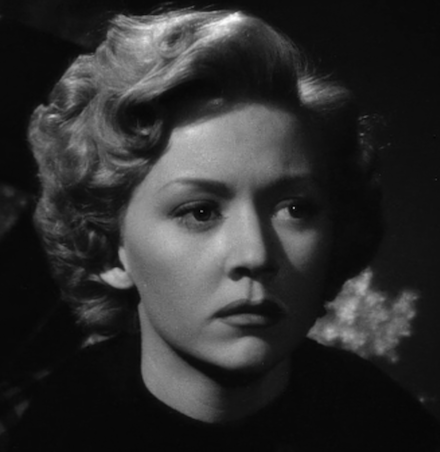
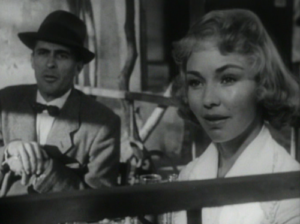
I was wowed by Nicholas Ray’s In a Lonely Place. The film, it seemed to me, was ahead of its time in its powerful portrayal of domestic abuse. On the surface, the film explores whether the hero, Dix (Humphrey Bogart), murdered an innocent woman. His girlfriend, Laurel (Gloria Grahame), begins their relationship in romantic euphoria.

But, as in Suspicion, Laurel begins to suspect he might have done it.

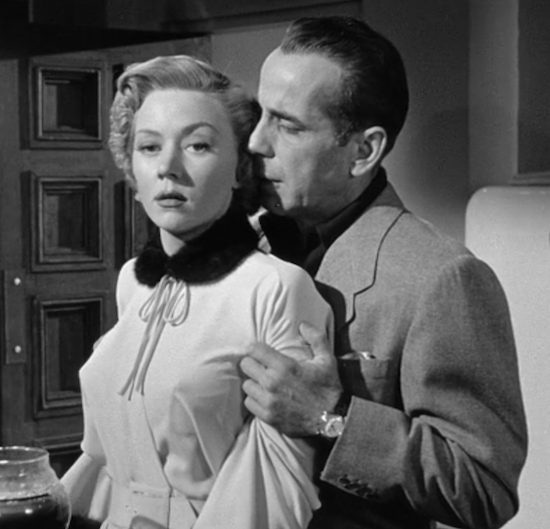
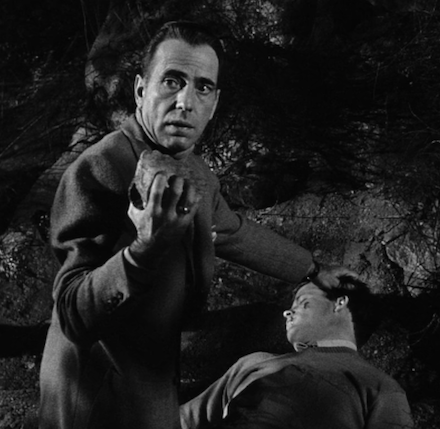
The did-he, didn’t-he soon becomes a “Don’t worry which, Lady. Run.” After all, Dix likes to act out murder scenarios and then mimics the same movements when smoking with Laurel. He won’t allow her to receive a phone call or prescription he doesn’t monitor. He keeps her economically dependent on him. He justifies beating people up and actually considers bashing heads in with rocks.

And just in case she has any doubts about how this is all going to end for her, his former girlfriend reported Dix for breaking her bones.

The story is cast from Laurel’s (Gloria Grahame’s) point of view, and haunts the viewer because Dix can be charming, can be loving, can be apologetic. He does come back with “armloads of gifts” after his scary behavior, not just for her, but for victims of his violence. He is sweet to an alcoholic ex-actor, shows more compassion for him than anyone else. The film sympathizes rather than judges Laurel for staying, reminding audiences that an abuser can be contrite and thus leave the woman who loves him off-balance, uncertain whether to trust he’s changed. And though Laurel’s friend cautions her against him, his friends urge her to stay, to understand, to give him a chance. Meanwhile, we get glimpses of his mind: he can only see unquestioning faith in him–which would be difficult, given his actions–as acceptable. After a near-homicide, he coins a line for a screenplay describing his love for Laurel: “I was born when she kissed me, I died when she left me, I lived a few weeks while she loved me.”

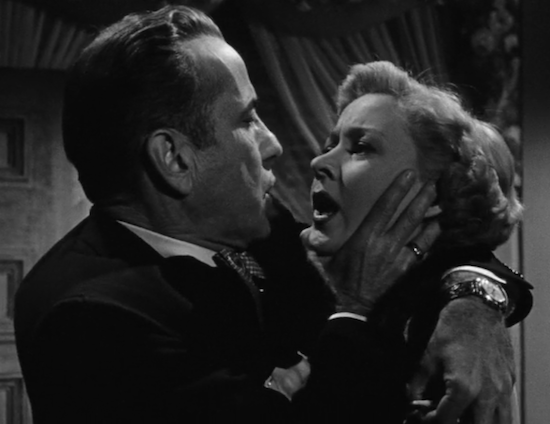
Personally, I found this line chilling. Yet the director, Nicholas Ray–who was experiencing stresses in his marriage to Grahame at the time–gives a romantic packaging to not just that line, but to the final scenes of the film. He seems to imply–even after Dix strangles Laurel and nearly kills her–that this all would have turned out well had there not been that whole did-he-murder-the-woman doubts. And more disturbing yet, both current and contemporary reviewers frequently characterize this toxic relationship movie as a “tragic love story,” and certainly many scenes in the movie would seem to back up that assumption.

I turned to the source material to understand the confusion in tone, and was in for a shocker. Dorothy Hughes wrote In a Lonely Place as a kind of The Killer Inside Me of its time; we know from day 1 that Dix hates women, that he kills them regularly, that he thinks he’s justified because after he came back from the war, women saw through his hustling ways; they didn’t fall all over him, as they had when he was in uniform. His former Air Force friend is now a cop and has married a woman, Sylvia (Jeff Donnell), whom Dix distrusts and (we soon learn) underestimates.

She quickly sees through Dix’s veneer of humanity.

Dix hates her for it in the novel, and plots her death. Think of Dana Andrews in The Best Years of Our Lives, if on encountering his wife’s disappointment in him, he decided to go on a murderous vendetta against anyone who shared her gender.

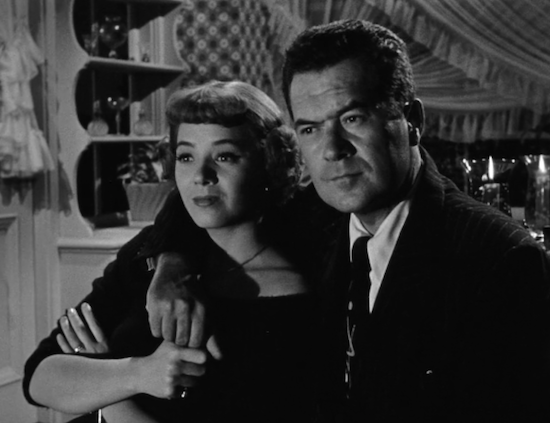
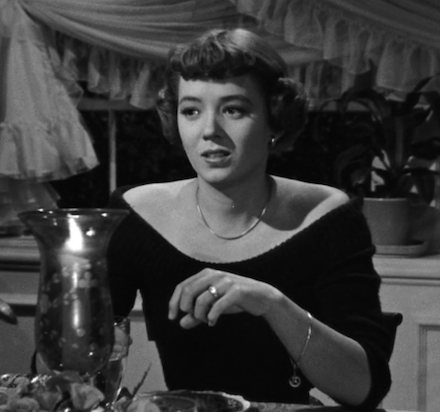
The best scenes in Ray’s film are moments that capture the stark feminism in the book, in which only the women see Dix for who he is, and only they can succeed in stopping him. In a sharply rendered scene in the film, Laurel and Sylvia are honest with one another: Laurel in her doubts about Dix’s character, Sylvia, in confirming (reluctantly) that Laurel should have them.

In the book, Dix’s demeaning treatment of women–especially Laurel–is accompanied by a conviction that Laurel is taunting him, trying to make him jealous, when she’s simply putting the brakes on a relationship that he’s taken too seriously, too quickly. As writer Megan Abbott so brilliantly put it: “After reading In a Lonely Place, you find yourself looking, with a newly gimlet eye, at every purported femme fatale, every claim of female malignancy and the burning need of noir heroes to snuff that malignancy out.”

In Dix’s eyes in the book and film, Laurel is a femme fatale. She gave her love, then she took it away–all because she didn’t trust him enough. But in our eyes, she’s just fallen for the wrong guy; calling a man you love a “madman” doesn’t usually suggest a relationship is headed for sunshine and rainbows. Whether Dix killed a woman or not, Laurel isn’t wrong to ask, “There is something strange about Dix, isn’t there?” after he bloodies a fellow driver to a pulp or “What can I say to him–I love you but I’m afraid of you?” when he looks at her in the scary fashion Bogart had mastered since The Petrified Forest.

At some point you gotta ask, Is any guy you’re relieved and surprised didn’t kill someone worth sticking around for?

I admire both the book and film because they make me look back at so many of the noir novels and movies I’ve admired, and ask that question Abbott challenges me to consider: Was this woman a femme fatale? Or was she just an independent woman who didn’t say yes?

This is part of the Classic Movie Blog Association’s Femme/Homme Fatales of Film Noir blogathon. Check out so many great entries here.


Share
Posted in: 1950s films, Anti-Romance films, Blogathons, Feminism, Femme fatales, Film Noir/Crime/Thriller & Mystery, Uncategorized Tagged: #meToo classic films, femme fatale, Gloria Grahame, homme fatale, Humphrey Bogart, In a Lonely Place

The Long Goodbye Film: It’s All about the Cat

01/20/2019 by leah@carygrantwonteatyou.com 2 Comments

**spoilers***

I was afraid to watch The Long Goodbye. It’s a favorite book, so much so that I starting drinking gimlets for a couple years, even though I hate gin*. It was an odd affectation. Even I knew drinking a grandpa concoction wouldn’t impress anyone, and would only mystify bartenders. But it gave me some secret romantic joy to drink one, even on non-memorable nights (and many nights in my late 20s were just that). With its appreciation for short-lived and missed connections, Raymond Chandler’s masterpiece is great stuff for those in transition, those who are watching peers’ lives move on without them. And what could the film do, but ruin my book? Who could make sense of such a meandering, mood-based affair, with more characters and tangents than any two-hour film could master? And The Long Goodbye (1973) wasn’t exactly produced in my favorite film era.

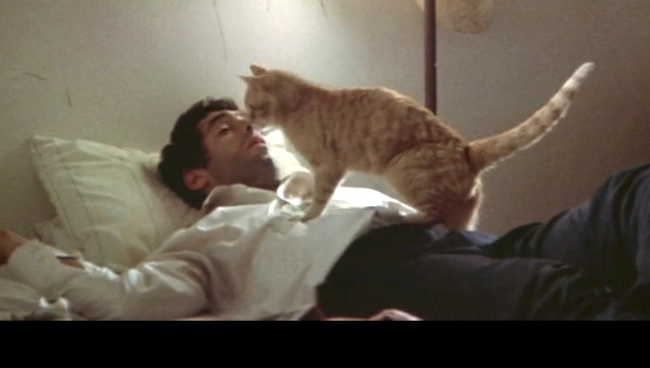
But I’d heard there was a cool cat scene in the opening of the film, and since Chandler loved cats (which of course, I knew), I thought there might be something there. And with Leigh Brackett listed as a screenwriter, I had hope. For the first half hour, I was grinning. Any cat owner has to love Marlowe’s (Elliott Gould’s) demanding animal, and any cat owner will sympathize with the the way Marlowe tries to fake the cat out with a different brand of cat food than he/she expects with a can switch.

Marlowe’s scene with the cops when he’s refusing to give his friend Terry up is so funny (those fingerprint ink antics!), and the way the story is updated for current viewers wowed me. Something about the dreamy landscape and shots, the way Marlowe doesn’t fit in with the crooks and the hippies (including his gratuitously topless neighbors) around him really captures the loneliness of Chandler’s famous character and the “mean streets” he inhabits. His loyalty to his cat captures his sweetness, his romanticism, and his befuddlement with the world around him. That’s why at first I bought into the film’s characterization, as Marlowe mutters to himself and treats most people around him well in spite of poor treatment. There’s always something sad and noble about him. As Chandler wrote, his PI “must be the best man in his world and a good enough man for any world.”

In terms of acting, Gould is lovable in this movie. He doesn’t embody Marlowe’s pain, as Humphrey Bogart did. But unlike Dick Powell’s annoyingly slick Marlowe in Murder, My Sweet, he’s believable and much more compelling than I expected (even if his toughness in the face of violence isn’t quite convincing).

But my mood toward the movie began to change about a third of the way in. Part of seeing the world through Marlowe’s eyes is finding something redeemable in those others have dismissed–Wade’s honesty, Eileen’s idealism, Mendy’s loyalty, Terry’s quaint good manners. Yet none of these characters are anything but one-notes in the film; none of them are even remotely redeemable. Altman’s violent take on The Big Heat‘s (1955) girlfriend treatment felt like a rip-off rather than a homage, and Marlowe’s lack of sympathy for her was baffling. I understood dispensing with the Linda character, but why not that sweet, yet hopeless tribute to Terry in the bar? Marlowe could have just had a conversation with the bartender. It would have SET UP that ending. Just knowing he was friends with Terry for a long time (a change from the book) wasn’t enough.

As for the plot, well, Chandler was famous for admitting to the convoluted nature of his plotting (though as anyone who reads The Big Sleep knows, censorship is a far greater reason for the plot’s confusing nature in the film.) Perhaps Chandler’s alleged plot aversion is what attracted Altman. As far as I was concerned, Altman could play with the plot all he wanted if he made it interesting. But he didn’t. And turning Mendy into such a loathsome bad guy made the story feel derivative in a boring way.

The ending was undoubtedly shocking and clever, and I liked that the cat became a symbol of Marlowe’s treatment and expectations, but look, if you want Marlowe this resentful about others’ treatment of him, you’re going to have to do more to foreshadow it. Marlowe is pretty much ALWAYS treated poorly in Chandler’s books–by nearly everyone. That isn’t enough to make him crack. And Gould doesn’t seem resentful as Marlowe; he seems naïve and stupid instead.

For Marlowe to betray his knight errant traits (what makes him admirable), and instead focus only on his own resentments, to have him flat out MURDER a former friend, you have to do more to make that betrayal convincing. What’s so lovable about him in the book is that he knows Terry’s pretty worthless, but cares about and defends him anyway, just as the crooks do. Terry’s war record (completely absent here) also makes him more sympathetic. Marlowe is not–as in the movie–shocked to discover Terry’s even more worthless as a friend than he thought–even if he’s not (in the book) a murderer. Marlowe is RESIGNED, expects little of others. In the film, Marlowe is anything but.

There is, of course, something fascinating in Altman essentially killing off the former PI character Chandler (and his peers) made famous. To take away his ethics is truly to murder the man. But I’m not going to believe (as Altman argues in this film) that such a character is unrealistic in today’s world without a better cinematic argument than the character floundering around (as Marlowe always did for a bit). The same year as this film came out, Robert Parker introduced Spenser to the world, a clear homage to Marlowe (so much so that Parker would later complete Chandler’s unfinished novel). And the 80s TV show of the Spenser character was still a decade after Altman’s film. Parker made a Marlowe type a modern man quite successfully (though Spenser was a significantly happier character than his predecessors).

Is it worth it to watch the film? Yes. But how I wish Altman had used that cat like he should have. The cat’s addition was, after all, brilliant. What if Marlowe had shown more love for the cat throughout? Shouldn’t the cat have come up more than a couple times after the beginning, given how crucial Marlowe’s devotion becomes at the end? I felt like Billy Madison as I watched Marlowe in the film. (In that dopey movie, Adam Sandler is outraged that a dog owner would wait for a lost dog’s return rather than making even a cursory effort to find it.)

What if the cat had starved while Marlowe was in jail for Terry, and the detective found out? Then that ending would be not about himself, but about the cat, the only connection he really had—just as Marlowe (in the book) is so lonely that Terry’s chance connection with him means more than anyone understands. Throughout the book and movie, Marlowe insists that Terry could have murdered his wife, but not as brutally as she’d been killed. Like him, I contend that Marlowe wasn’t the type to kill someone over his own hurts. But over his cat’s? Maybe.

*Gimlets symbolize Marlowe’s relationship with Terry.

Share
Posted in: 1970s films, Anti-Romance films, Drama (film), Film Noir/Crime/Thriller & Mystery, Uncategorized Tagged: cats in film, Elliott Gould, Marlowe, Raymond Chandler, Robert Altman, Robert Parker, The Long Goodbye

Men Who Love Too Much in Classic Film

11/18/2018 by leah@carygrantwonteatyou.com Leave a Comment

Continuing our theme on characters who love too much, Grace Collins of True Stories of Tinseltown and I turned our attention from women to men, especially Edward G. Robinson’s sad sap Chris in Scarlet Street, Claude Rains’s hoodwinked Alexander in Notorious and bad con artist Johnny of Suspicion (whose love runs to money rather than females). Of course, we took some detours too, commenting on the newest A Star Is Born and how much we’d suck as spies.

Check out the podcast here, here, or here.

And definitely enjoy Grace’s other wonderful posts and other podcasts:

www.facebook.com/truestoriesoftinseltown/?ref=br_rs
www.inyourfacewithdonnieandgrace.com/news
www.truestoriesoftinseltown

Share
Posted in: 1940s films, Film Noir/Crime/Thriller & Mystery, Humor Tagged: Cary Grant, Claude Rains, Edward G. Robinson, film review, Grace Collins, men who love too much in film, Notorious, Scarlett Street, Suspicion, True Stories of Tinseltown podcast

Comic Relief: A Simple Favor & Can You Ever Forgive Me?

09/29/2018 by leah@carygrantwonteatyou.com Leave a Comment

Need comic respite? I’m happy to report that two new dramedies featuring strong women are even better than you’ve heard.

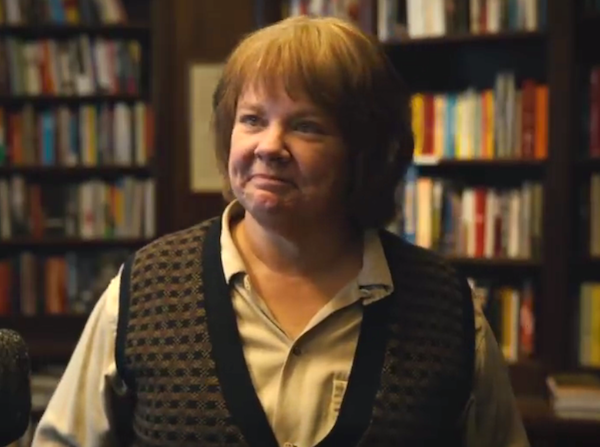
Can You Ever Forgive Me?, starring national treasure Melissa McCarthy, is based on the memoir of real-life writer Lee Israel, who became a con artist to pay the vet bills (out in wide release on Oct. 19th). Unable to get anyone to care about the subject of her new biography, Fanny Brice, much less her dwindling finances, Israel turns to stealing letters of famous movie stars and writers, and soon begins penning fake ones herself. Classic movie lovers and bibliophiles will sympathize with her alienation from those who don’t spend their days reading Noël Coward and Dorothy Parker. (And you’ll enjoy a line about Louise Brooks, a nod to classic movie fans.)


Appreciators of one-liners will ask themselves why they haven’t bought Israel’s memoir yet: this woman could WRITE. There’s a reason she was successful at mimicking Parker and Coward. Brought to caustic life by Melissa McCarthy, Israel is sympathetic even at her darkest and lowest. Despite the depth of her despair and loneliness, she is relentlessly funny in the film. Israel and her similarly lost companion (and later conspirator), Jack Hock (Richard Grant), engage in so much snarky, on-point banter that you wish the two could have had an Algonquin Round Table of their own.


These two boozy companions are simply joyful company for anyone who doesn’t mind a bit of darkness in their humor. And McCarthy deserves the awards buzz she’s getting for a riveting performance.

McCarthy’s frequent director Paul Feig has a film of his own out this month. Feig, who has a George Cukor flair for creating great vehicles for female stars, is at it again. The only question is whether Blake Lively or Anna Kendrick gets a meatier, more complex part in A Simple Favor, a story that is tonally closer to the light cynicism of Young Adult (2011) or the campiness of Serial Mom (1994) than to the darkness of Gillian Flynn’s Gone Girl (2014), to which it’s being compared. I’m hearing references to Double Indemnity from classic movie fans due to the film’s humor. Beat the Devil (1953) is more like it. Though A Simple Favor is a bit more controlled than that messy Truman Capote delight, there’s a bit of Mrs. Gwendolen Chelm (Jennifer Jones) in both of these heroines.

Feig; the director of Bridesmaids, The Heat, Spy, and Ghostbusters (the reboot); is so open about preferring female leads and so appreciative of their comedic skills that it’s unsurprising to see both stars so funny and magnetic in his film. Their profane banter is hilarious, and the casual cruelty, self-interest, and denial of these particular frenemies are a blast to watch. I won’t spoil the surprise of what becomes of Emily (Lively), whose disappearance spurs mommy blogger Stephanie (Kendrick) into amateur detective/life-stalker mode.
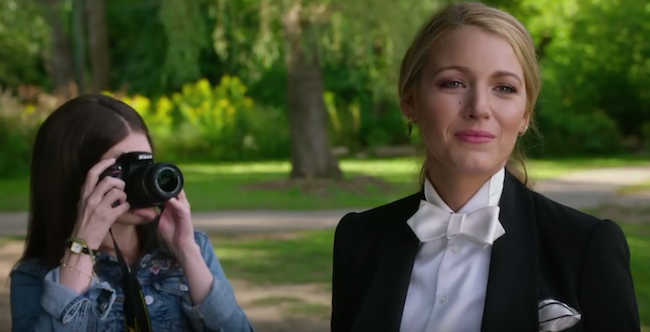
There are some seriously batty plot developments that seem more like old-school soap operas than big screen fare (again, like Beat the Devil). But anyone paying attention knows plausibility is not the point. Just sit back and enjoy this dark comedy fun. (And don’t miss the recent titles and commentary on Stephanie’s bizarrely eclectic blog.) Those of us who have been following Feig since his brilliant creation, Freaks and Geeks, will be glad to see his first female lead, Linda Cardellini, in a scene-chewing, funny bit part. Let’s hope the films to follow these two this fall are half as fun.
Share
Posted in: 1940s films, 1950s films, 1990-current films, Anti-Romance films, Drama (film), Film Noir/Crime/Thriller & Mystery, Humor Tagged: A Simple Favor, Anna Kendrick, Blake Lively, Can You Ever Forgive Me?, film review, for Beat the Devil fans, George Cukor, Louise Brooks, Melissa McCarthy, noir, Paul Feig, strong female leads

Two Critics Pan Hitchcock’s Torn Curtain

07/06/2018 by leah@carygrantwonteatyou.com 16 Comments


Friends and fellow film buffs: Brian Wilkins and Mike Gutierrez have written wonderful guest posts here at Cary Grant Won’t Eat You—Brian, on fighting in Sword and Sandals films, and Mike, on his ideal casting for Hitchcock remakes. Today they’re joining the second annual Alfred Hitchcock blogathon to consider what the famous director could have been thinking with Torn Curtain (1966).

B: This all started because I had a memory of a movie where a drunken Paul Newman, at the Nobel Ceremony in Stockholm, chats up beautiful blondes and a physicist who may or may not be trying to defect to East Germany. So when Torn Curtain was still available, I texted Mike and said we should grab it.

There’s only one problem.

Torn Curtain is a Paul Newman and Julie Andrews vehicle, about a conference in Copenhagen that ends in a physicist possibly defecting to East Germany. And it’s not the movie I remembered. That movie is The Prize directed by Mark Robson. This was Torn Curtain, and as Mike put it…

M: Torn Curtain is a deeply stupid movie.

And it shouldn’t be.

It’s 1966.  Newman and Andrews are two of the biggest stars in the world. It’s true that Hitchcock was winding down by then, but he’d only done The Birds three years earlier. The three of them coming together for some Cold War intrigue sounds like a sure-fire hit, or at least a fun two hours. But that’s not what happened. And, frankly, I’m not sure what happened during the film.

Newman is “defecting,” but no one believes that for a minute. Andrews is his doting girlfriend who follows him to East Germany and decides to stay with him–betraying her country for a guy who has been lying to her. The East German secret police announce themselves as the “secret police,” which doesn’t seem like something the secret police should do. It’s not clear if Newman is working with the US government or is going completely rogue, but somehow he has ties to the resistance even though he’s just a scientist.

I could keep going–the plot is inane, the characters inconsistent, and Newman and Andrews seemed to have lost their charms on the flight to Berlin–but you get the point. So, Brian, what do you see as the reason this movie went off the rails?

B: They squeezed all the fun out of the movie. In every single case where you could find a joke or a bit of dash, they threw a lead blanket on it. I’m mostly blaming the writer.

But here’s the thing: I didn’t think it was humanly possible to have zero chemistry with Paul Newman. I’m pretty sure even inanimate objects have chemistry with Paul Newman. Even his crutch in Cat on a Hot Tin Roof looks into being leaned on. Julie Andrews looks like he started every take by mansplaining parliamentary procedure.

M: Do you think they took out the fun or had no intention of making a fun movie? I’m thinking the writer considered this his grand epic about a deadly serious topic and wanted to make a bold statement about love and patriotism and the threat of the Soviets; that he believed it was high art, Oscar-bait.

And tonally, it keeps shifting from a romance to faux-intrigue to, well, we should probably talk about how Paul Newman and some farmer’s wife re-imagined Sylvia Plath’s death on the Stasi officer. That scene manages the incredible trick of being both disturbing and boring.

B: Let me do some research <looks at Wikipedia for 2 minutes>…oh, shit, this was a hot mess. Hitchcock shopped the idea to Nabokov, who turned it down (genius) then gave the script to Brian Moore (shortlisted 3 three times for the Booker prize) who really should have known better. Moore complained Hitch had no sense of characters. Hitchcock complained Moore wasn’t funny. So Hitchcock thought he was making North by Northwest and Moore thought he was writing…a boring version of The Spy Who Came in From the Cold?

But to the murder. Listen, I hate to get all professional about this, but there are a million things to murder someone with in a kitchen other than a gas stove. It’s almost like the house frau in question was like, “Do you know how hard it is to get Stasi brains out of a cast iron pan? I just seasoned it!”

M: I just spent five minutes re-imagining this film as if Nabokov wrote it. Then I started imagining if he’d written The Sound of Music. “No, you cannot sing the Nazi’s away, Julie Andrews. No.” I digress.

B: Rolling pin. Cleaning chemicals. Towel garrote. Meat hammer. Fork.

M: Ice pick?

B: Only if he’s a real Communist (yes, that’s a Trotsky joke, David Ives fans).

M: This was one of the big set pieces, the one that shows us that Newman isn’t just a dainty scientist but a badass with a Ph.D. Now, you’re married to a scientist–who I’m certain would have used a paring knife—

B: Correct. Or poison.

M: …and you’ve met scores of scientists in your life: is there anything about Newman’s character that seems the least bit authentic? Or, a better question, what do you think Newman thought he was supposed to be? He’s never been so charmless. He has that great, knowing smirk in everything he does. What movie did he think he was in?

B:  I think Newman read the character as a boring CIA agent the whole time. His character “starts in Washington” and ends with a “teaching position.” He’s just a physicist who couldn’t actually cut it, but as a bureaucrat briefing real spies on what to steal, he’s sort of useful. And I think Paul Newman would hate that man intensely. I’m guessing he needed to fund some sort of charity for kids with horrific cancer. Seriously, that man is a sexy, sexy saint.

M: I’m not sure the first Mrs. Paul Newman would agree. There is a voodoo doll of Joanne Woodward out there floating in the aether.

B: I started wondering if Joanne Woodward would be better casting than Julie Andrews, but, honestly, I don’t think anyone could have chewing gum and twined a performance from this script. Is there any trace of Hitchcock at all with the escape scene?

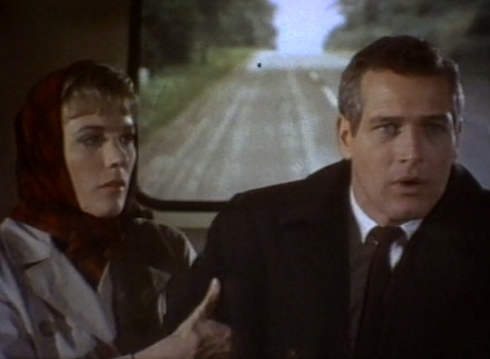
M: Sure. It’s an elaborate set piece–a bus chase before sneaking onto a ship–that’s supposed to be Hitchcock’s version of how he’d escape past the Berlin Wall. But it feels like a knock-off version of a Hitchcock climax, sort of like how 2 Days in the Valley ripped off Tarantino. The problem is that Andrews and Newman are passive characters in the escape. They’re sitting on a bus driven by someone else, and then shuffled onto a boat where they are shoved into baskets to sit in their own filth for days (weeks?) while someone else pilots the ship. Passive. It’s like Hitchcock forgot what made for great Hitchcock.

B: I never even thought of how this would be Hitchcock’s personal fantasy of how to get away: “Well, I’m certainly not going to run. And riding a motorcycle sounds sweaty. Perhaps I could just drift peacefully into freedom?”

M: Here’s the thing: Cary Grant kills a dude and saves the girl in North by Northwest.

Paul Newman sits in the back of the bus and hopes no one hurts him.

B: I think this film needs more dynamite, there, Butch. I tried to think of something I liked about this film but I’m coming up as empty as a housefrau looking for a murder weapon in a gun closet.

M: Yeah, I’ve got nothing. In the end, I found myself rooting for the Stasi.

B: Well, thank you for your patience, kind readers. I hope you’ve enjoyed being warned off what has to be in my top 5 worst movies of all time. See The Prize instead for all your Paul Newman Cold War-related hijinks. And …oh! Bear Island with Julie Andrews. It’s got the UN, it’s set off the coast of Norway, and there’s a possibly gold-filled U-Boat.

M: That sounds awesome. I’ve never seen it. Let me do some research <looks at Wikipedia for 2 minutes>…. You did it again: You got Julie Andrews confused with Vanessa Redgrave.

B: That’s more telling about my fantasy life than I would like. MEA CULPA!

Check out the other posts in Maddy Loves Her Classic Film‘s The Second Annual Alfred Hitchcock Blogathon, including her post on Rebecca!

Share
Posted in: 1960s films, Drama (film), Film Noir/Crime/Thriller & Mystery, Humor Tagged: Alfred Hitchcock, Paul Newman and Julie Andrews, Torn Curtain, What was he thinking films, worst films by good directors

Sexy Con Man: John Garfield

03/05/2017 by leah@carygrantwonteatyou.com 14 Comments


Even my classic-movie-hating sister, who is seldom willing to admit ANYTHING positive about my beloved black and whites, had to admit, there’s just something about John Garfield. Some sensuality, magnetism that escalates him far beyond his seemingly average looks. I mean, if the guy were standing still, I’d maybe compare him to Matt Damon: ordinary enough to slip from notice (as a man playing a superspy should be). But Garfield rarely stays still. And once he moves, his look intensifies, his fluid athleticism kicks into gear, and all that ordinariness is gone: this guy is crazy hot.

I realize his looks are far from the best thing about Garfield. This superb actor is among my favorites, can make me root even for the often disreputable characters he so thoroughly inhabits and humanizes. But it’s undeniable that if a guy plays a con man who can get any woman, he needs to either have Cary Grant’s looks, or be a guy like John Garfield, whose intensity and confidence make you ignore every other man, woman, dog, cat, and chair in the room.

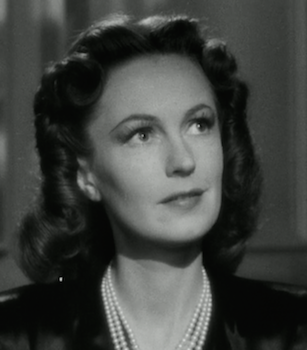
Take Nobody Lives Forever (1946). When Nick approaches his mark, Gladys (Geraldine Fitzgerald), you feel a kind of pity, even though Nick is the hero: she doesn’t stand a chance. We know from the script she’s a lonely and bored widow. Her financial manager is giving her an unutterably boring description of his golf game. Here’s her expression before Nick arrives:


Nick approaches, and the effort not to swoon–how does she manage it? Notice the intensity of this expression:


And here’s how she looks after five minutes with him:


He walks away, and the formerly abstaining Gladys orders a brandy.

**some spoilers–but not how it all ends**

In most films, it’s hard not to despise the mark. Even if he/she is sweet, the level of stupidity is so pronounced you root for the con artist, as the screenwriter wants you to do. The fact that you’d never feel that way in real life is irrelevant: for the space of an hour or two, you’re all for cleverness over heart. Nobody Lives Forever is that rare film that makes you respect both con artist and mark because there’s a kind of maturity and world-weariness to Gladys, despite her blindness to Nick’s motives; clearly, her former husband’s long illness has taken away some of her illusions.

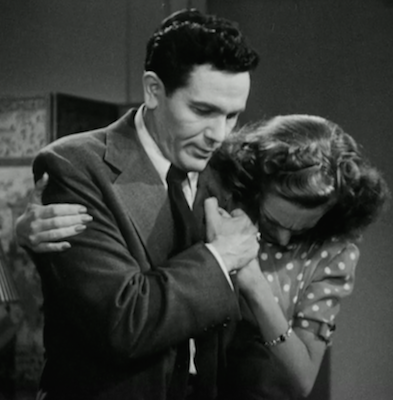
Nick’s recent war experience makes his change of heart believable, and her desire for him, even when she discovers his true character, seems not the reaction of a sap but of a woman who has had enough experience not to expect perfection in her man. Part of that is the role; part of that is Fitzgerald’s convincing performance. But most of it is Garfield. I mean, how the hell do you say goodbye to that man? Clearly, Gladys is not ready to; just check out that grip:


Since this is noir, of course, we don’t know how it’s all going to end. Nick has two frightening foes in his ex and a shaky co-conspirator. The ending is suspenseful, and involves large doses of Nick’s friend, Pop (the wonderful Walter Brennan), so I obviously won’t spoil it for you.

I will say as a huge fan of con artist movies that any cleverness is utterly absent. Nick makes up a career that would be so easy to disprove, with little effort to give it substance. There’s no satisfaction for my Ocean 11’s-, The Sting-loving gene, no big reveal or sleight of hand. But there is some of that sweetness I’ve come to love in Leverage, and like that highly satisfying TV show, the film gives us the toll such a life takes on its players (especially since these grifters aren’t the do-gooders of that small-screen team). Overall, I had a mixed reaction to the film as a story. But as a vehicle for Garfield, it’s wonderful. He’s so believable in the role, so intense and mesmerizing. And as always, so sexy.

This post is part of Phyllis Love’s Classic Movies’s John Garfield: The Original Rebel blogathon. Check out the wonderful entries!

Share
Posted in: 1940s films, Blogathons, Film Noir/Crime/Thriller & Mystery, Uncategorized Tagged: classic con movies, con artist films, Geraldine Fitzgerald, grifter falls for mark film, John Garfield, Leverage TV, Nobody Lives Forever, Ocean's 11, sexy leading men

Loving Asta, the Canine Film Star

02/09/2017 by leah@carygrantwonteatyou.com 6 Comments


I’ve been dogsitting this week, which has me thinking about my favorite canine of classic film. I have to admit, I’m not an original at all: I love Skippy, of Asta fame. It doesn’t matter that I’m not a wire-haired terrier fan, or actually a terrier fan period. That dog runs the show, and I love him for it. So, apparently, did everyone who watched him. According to his IMDB bio, William Powell fell for him so hard in The Thin Man that he tried to adopt him. (Now we know that chemistry wasn’t just for show).

My favorite performance of Skippy’s, however, is not in my favorite sleuth film, wonderful as he is in it, and fantastic as his acrobatics as Asta are.


(By the way, that dog has a SERIOUS list of credits). No, my favorite role is his take on Mr. Smith in The Awful Truth.

There’s so much to love: His character’s name: the mister, and all it implies. His exposure of Lucy’s (Irene Dunne’s) shenanigans through his love for mirrors and hats.


Impressive hide and seek face hiding. And best of all, his role in Jerry’s (Grant’s) needling of his soon-to-be-ex (Dunne), first in the trial’s custody battle, and then on canine custody visits. Mr. Smith’s integral role in the couple’s lives is as much a part of the script as their jealousy and insecurities, and so closely models the dog love exhibited by so many couples I know.

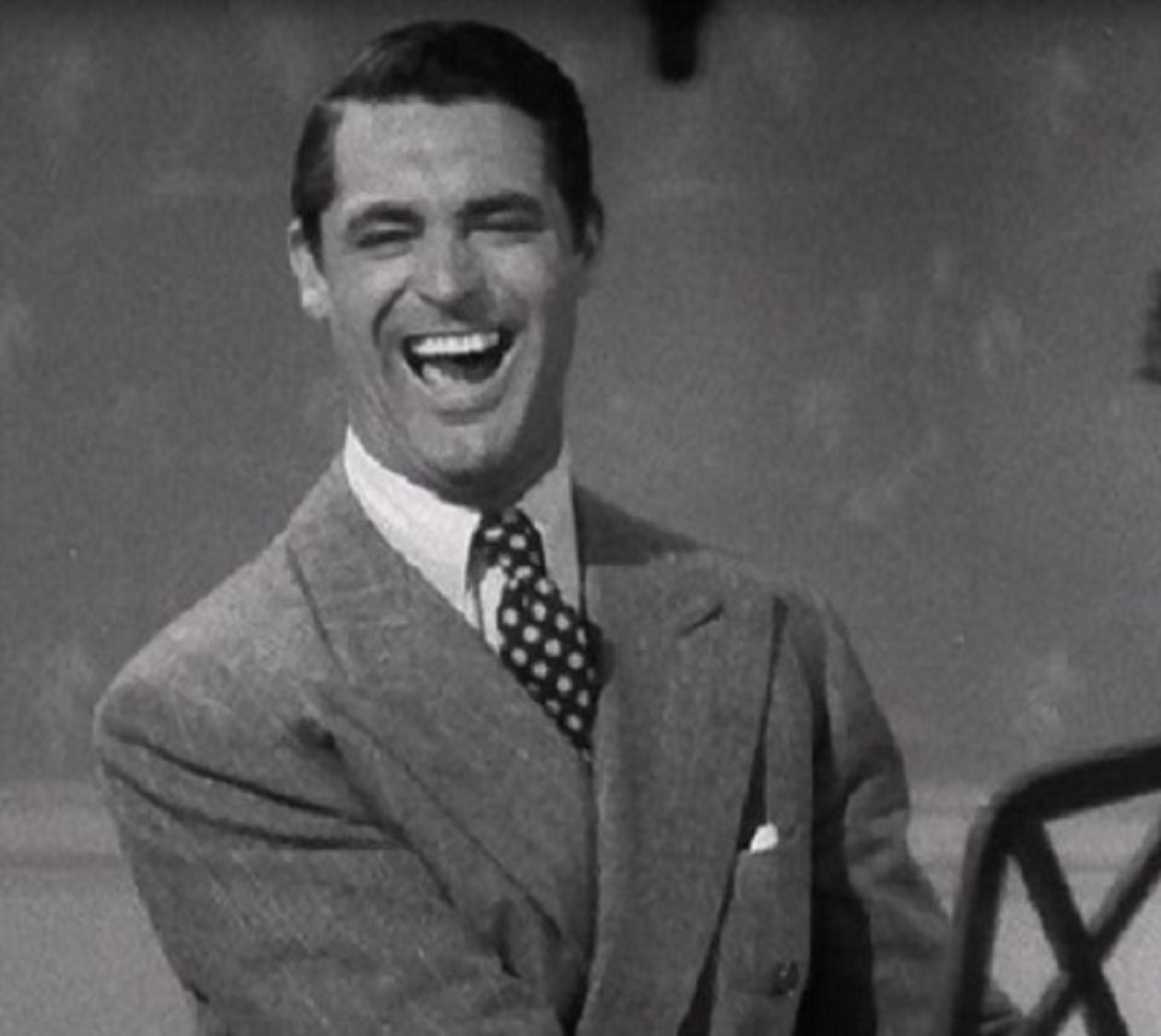
Lest you doubt my love, take a look at the image on my blog: That’s Grant, laughing with Skippy in their incomparable The Awful Truth duet. You can watch this thrilling, lovable dog in action thanks to a marvelous YouTube tribute (forgive the song choice).

Share
Posted in: 1930s films, 1940s films, Comedies (film), Film Noir/Crime/Thriller & Mystery Tagged: Asta, best dogs in film, Bringing Up Baby, Nick and Nora dog, Skippy the dog, The Awful Truth, The Thin Man

In Defense of Netflix: Jessica Jones & OITNB

08/18/2016 by leah@carygrantwonteatyou.com 10 Comments

I’ve been flirting with dumping Netflix for some time: That terrible customer service debacle a few years back. The fact that despite their extensive classic movie DVD library, their classic movie streaming choices are tired, and frequently movie-of-the-week bad. The prices I have to pay to watch two of my favorite current shows–Veep and The Americans–elsewhere.

But Netflix retains me with the television fare they DO have. Many of my beloved comedies still play there, including Psych (yes, I embrace my juvenile side) and It’s Always Sunny (which I would argue had the best satires on both gun control arguments and our treatment of the mentally ill in recent seasons). And then there are its foreign TV shows, which are fascinating and frequently feminist, as with Miss Fisher’s Murder Mysteries.

So do I stay, or do I go?

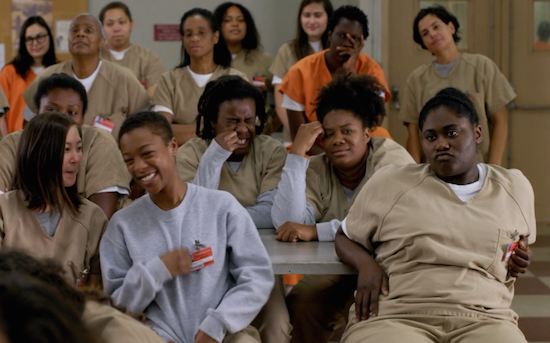
My flirtation ended last night. My loyalty is secured. Orange Is the New Black‘s season 4 finale was not only brilliant, but important. The final images from that and the penultimate show are lingering, as riveting stories do, helping me recognize nuances I missed on the first pass. I’m not sure whether Netflix execs are enlightened, or its creators masters of spin, but either way, I don’t care: Marvel’s Jessica Jones and OITNB had more to say about rape culture and racism, respectively, than almost anything else I’ve read or watched in the last few years.

Marvel’s Jessica Jones

JessicaJones
Let’s start with Jessica. The weird thing is that I watched the show at all. I have never bought a comic book. My 80s nostalgia for the Hulk and Wonder Woman notwithstanding, I have little interest in comics, graphic novels, anime, video games, or superhero stories.

I’d never heard of Jessica Jones, and wasn’t impressed by her dull name (this from a Williams, but I digress). The ads and reviews, however, kept saying noir, catnip to the classic movie fan, so yes, I gave it a try.

How to explain it? More eloquent voices have already chimed in on its influence, so I’ll just say that its portrayal of the aftermath of rape was devastating. The show captures the heroine (and victim’s) trauma and the insidious reactions of others around her to it: The lack of belief in what happened to her. The ignorant assumptions that a domestic violence victim can easily leave his/her abuser. The belief of the monstrous villain that she could love him. The wider society’s privileging of his viewpoint over hers. The terrifying use of smiling, and all it implies about how women are treated.

The intensity and darkness of the show are lightened by Jessica’s (Krysten Ritter’s) snarky sarcasm and wit. She is, indeed, like the noir private investigators before her.

Fascinatingly, the show uses enough of its superhero trappings (and is so suspenseful) that you don’t realize how thoroughly it’s portraying its message until you mull on it afterward. And how moving that message is: that the victim who fights for others like her is as superheroic as they come.

Orange Is the New Black, Season 4

OITNB
The diverse cast alone is reason to watch: when else will you see women of so many shapes, sizes, colors, ethnicities in starring roles? Forget the main character, Piper. She’s just there as an introduction, and functions only to remind us that white privilege doesn’t die behind prison doors. By focusing on a minimum security prison, with inmates often there for foolish, momentary (and sadly frequently, bad romantic) choices, the show enables us to put ourselves in the women’s place. And once there, we are hooked on their stories, soon relating even to those who have committed grave crimes.

Previous seasons focus on other villains, but this season firmly placed the private prison system in its crosshairs, to devastating effect. People argue whether this show is a comedy or drama (when it’s of course both), but the drama definitely trumps this season, the comedy only there to relieve it. Jenji Kohan, the show’s creator, clearly wanted to indict the immorality of this privatization, and how it furthers the prejudice already inherent in the prison system. At first I thought the primary focus was on our criminalization of mental illness, and indeed, that is one of the saddest arcs of the season. But ultimately, the focus is on race: how it affects the corrections officers’ actions, how even well-meaning white prisoners (and by extension, the wider society) miss the significance of Black Lives Matter. I don’t think you can miss that significance after watching Season 4. Of course, you can’t fully feel the season’s impact if you haven’t fallen for the show and its characters over Seasons 1-3. But that just means you have more good material in front of you….

Are either of the shows perfect? No. But the flaws don’t take away from what they’re accomplishing in terms of messages and storytelling.

Of course, it’s possible Netflix will later lose its way. But while these are its choices for original programming, they’ve got me.


**Note: the Justice Dept. just said they’d end the use of private prisons.

Share
Posted in: Feminism, Film Noir/Crime/Thriller & Mystery, TV & Pop Culture, Uncategorized Tagged: Black Lives Matter, critiques, feminism, Jessica Jones, Marvel, Netflix original programming, OITNB, Orange Is the New Black, race, rape culture, review, Season 4, TV

Sympathetic Liars: The Book of Mormon & Beat the Devil

06/26/2016 by leah@carygrantwonteatyou.com 2 Comments

BeattheDevil-JenniferJones
Kooky. Bizarre. Silly. Odd. Original. It’s difficult to sum up the strange charm of Beat the Devil (1953), that Truman Capote-penned film* that fits no genre and makes no sense. You have the feeling as you watch that Capote must have been tripping, but his quirky personality, not to mention the strange antics that took place on the set–arm wrestling competitions between him and Humphrey Bogart, celebrity drop-ins who dictated costuming, etc.–may do something to explain its odd mishmash of mystery, comedy, and social commentary. I’ve never been a fan of Jennifer Jones, but she won me here as Mrs. Gwendolen Chelm, a seemingly ordinary wife who has the imagination of Capote, and no compunction about confusing her fantasies with reality. She is truly the director of the show. Just ask this question: “What would a film be like if a compulsive, whimsical fantasist got to rule the plot?” Your answer is Beat the Devil.

The film’s heroine reminds me of Arnold from the hilarious musical The Book of Mormon, and his twisting of the Mormon faith to convert Ugandans. (Minor spoiler: If you haven’t seen it, Elder Arnold Cunningham adds Boba Fett and some unfortunate AIDS-curing frogs to his faith’s origin story.) While an everyday liar provides little narrative interest, Chelm’s degree of imagination, as with Wes Anderson’s many heroes, seems to color the world with such an enormous brush that it’s hard not to become enthralled by her, as Bogart’s character is throughout Beat the Devil.

I dare not attempt to explain the plot to you, what little there is of one. It’s better if you simply start watching and see where it takes you. That’s clearly what Capote intended, and as any casual reader of his life knows, hanging out with Capote on a boring, rainy Sunday was probably thrilling. Watch the film. It’s as close to experiencing the mind of that fascinating socializer and entertainer, that creator of world-famous parties and disastrous scandals, as any of us are now likely to get.

*According to Gerald Clarke, Truman’s biographer, John Huston’s screenplay contribution was probably negligible.

Share
Posted in: 1950s films, Comedies (film), Film Noir/Crime/Thriller & Mystery, Humor, TV & Pop Culture Tagged: Arnold Cunningham, Beat the Devil, compulsive liars on film, Film, Jennifer Jones, review, The Book of Mormon, Truman Capote
« Previous 1 2 3 4 5 6 Next »

Recent Posts

  • 100 Years Later, Still Scary: Dr. Caligari
  • Escaping Out of the Past (1947)
  • A Weeper for Those Who Love Jerks
  • Thank You, Academy, for Not Infuriating Me
  • Challengers (2024) Is a Bad Movie

Subscribe to Blog via Email

Enter your email address to subscribe to this blog and receive notifications of new posts by email.

Categories

  • 1920s films
  • 1930s films
  • 1940s films
  • 1950s films
  • 1960s films
  • 1970s films
  • 1980s films
  • 1990-current films
  • 2020s films
  • Action & Sports Films
  • Anti-Romance films
  • Blogathons
  • Childfree
  • Comedies (film)
  • Drama (film)
  • Feminism
  • Femme fatales
  • Film Noir/Crime/Thriller & Mystery
  • Gloriously Silly Scenes
  • Horror
  • Humor
  • Mae West Moments
  • Musicals and dancing films
  • Oscars
  • Random
  • Romance (films)
  • Romantic Comedies (film)
  • The Moment I Fell for
  • Turn My Sister into Classic Movie Fan
  • TV & Pop Culture
  • Uncategorized
Share
Classic Movie Blog Hub Member

Recent Comments

  • leah@carygrantwonteatyou.com on Meg Ryan’s Fate Foretold in Joe Versus the Volcano
  • Ryan on Meg Ryan’s Fate Foretold in Joe Versus the Volcano
  • leah@carygrantwonteatyou.com on 100 Years Later, Still Scary: Dr. Caligari
  • The Classic Movie Muse on 100 Years Later, Still Scary: Dr. Caligari
  • leah@carygrantwonteatyou.com on 100 Years Later, Still Scary: Dr. Caligari

Archives

  • November 2025
  • September 2025
  • May 2025
  • March 2025
  • January 2025
  • November 2024
  • August 2024
  • July 2024
  • May 2024
  • March 2024
  • February 2024
  • December 2023
  • November 2023
  • October 2023
  • September 2023
  • August 2023
  • July 2023
  • May 2023
  • April 2023
  • March 2023
  • January 2023
  • December 2022
  • November 2022
  • September 2022
  • July 2022
  • May 2022
  • April 2022
  • March 2022
  • February 2022
  • October 2021
  • September 2021
  • April 2021
  • March 2021
  • February 2021
  • December 2020
  • October 2020
  • September 2020
  • July 2020
  • May 2020
  • April 2020
  • March 2020
  • February 2020
  • December 2019
  • October 2019
  • September 2019
  • June 2019
  • May 2019
  • April 2019
  • February 2019
  • January 2019
  • November 2018
  • September 2018
  • July 2018
  • June 2018
  • May 2018
  • April 2018
  • March 2018
  • February 2018
  • January 2018
  • November 2017
  • September 2017
  • August 2017
  • July 2017
  • June 2017
  • May 2017
  • April 2017
  • March 2017
  • February 2017
  • January 2017
  • December 2016
  • November 2016
  • October 2016
  • August 2016
  • July 2016
  • June 2016
  • May 2016
  • April 2016
  • March 2016
  • February 2016
  • January 2016
  • December 2015
  • November 2015
  • October 2015
  • September 2015
  • August 2015
  • July 2015
  • June 2015
  • May 2015
  • April 2015
  • March 2015
  • February 2015
  • January 2015
  • December 2014
  • November 2014
  • October 2014
  • September 2014
  • August 2014
  • July 2014
  • June 2014
  • May 2014
  • April 2014
  • March 2014
  • February 2014
  • January 2014

Meta

  • Log in
  • Entries feed
  • Comments feed
  • WordPress.org

Copyright © 2025 Cary Grant Won't Eat You.

Church WordPress Theme by themehall.com