Cary Grant Won't Eat You

Classic movies for phobics

  • About
  • eBooks
  • Previous Blogathons
Classic movies for phobics

Feminism

The Femme Fatale Who Wasn’t: In a Lonely Place

04/16/2019 by leah@carygrantwonteatyou.com 25 Comments

spoilers ahead.

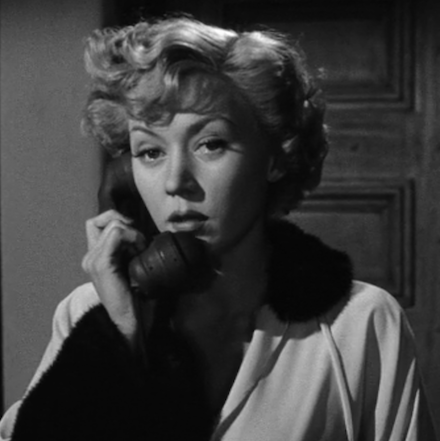
I was wowed by Nicholas Ray’s In a Lonely Place. The film, it seemed to me, was ahead of its time in its powerful portrayal of domestic abuse. On the surface, the film explores whether the hero, Dix (Humphrey Bogart), murdered an innocent woman. His girlfriend, Laurel (Gloria Grahame), begins their relationship in romantic euphoria.
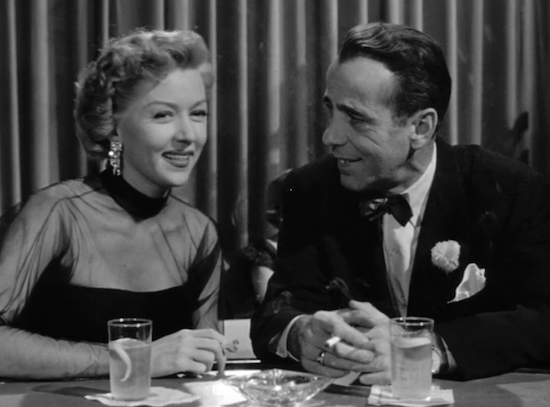
But, as in Suspicion, Laurel begins to suspect he might have done it.
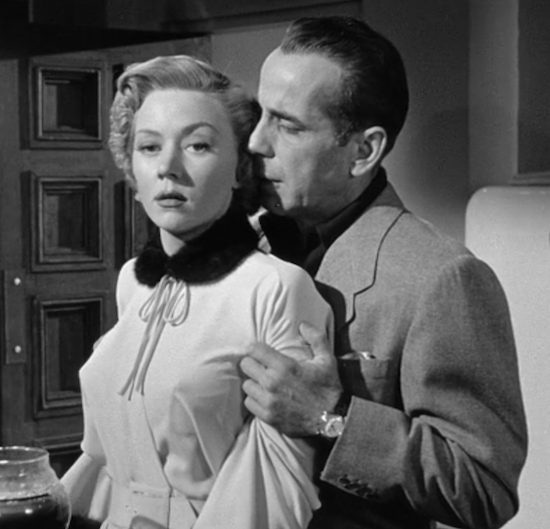
The did-he, didn’t-he soon becomes a “Don’t worry which, Lady. Run.” After all, Dix likes to act out murder scenarios and then mimics the same movements when smoking with Laurel. He won’t allow her to receive a phone call or prescription he doesn’t monitor. He keeps her economically dependent on him. He justifies beating people up and actually considers bashing heads in with rocks.
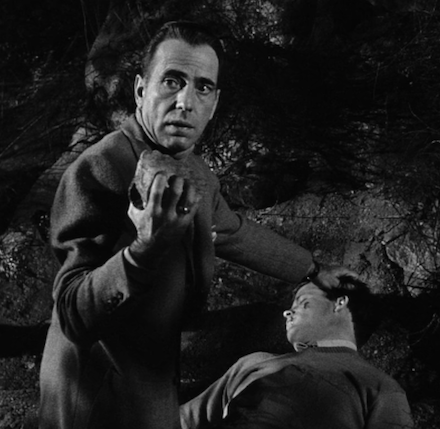
And just in case she has any doubts about how this is all going to end for her, his former girlfriend reported Dix for breaking her bones.

The story is cast from Laurel’s (Gloria Grahame’s) point of view, and haunts the viewer because Dix can be charming, can be loving, can be apologetic. He does come back with “armloads of gifts” after his scary behavior, not just for her, but for victims of his violence. He is sweet to an alcoholic ex-actor, shows more compassion for him than anyone else. The film sympathizes rather than judges Laurel for staying, reminding audiences that an abuser can be contrite and thus leave the woman who loves him off-balance, uncertain whether to trust he’s changed. And though Laurel’s friend cautions her against him, his friends urge her to stay, to understand, to give him a chance. Meanwhile, we get glimpses of his mind: he can only see unquestioning faith in him–which would be difficult, given his actions–as acceptable. After a near-homicide, he coins a line for a screenplay describing his love for Laurel: “I was born when she kissed me, I died when she left me, I lived a few weeks while she loved me.”

Personally, I found this line chilling. Yet the director, Nicholas Ray–who was experiencing stresses in his marriage to Grahame at the time–gives a romantic packaging to not just that line, but to the final scenes of the film. He seems to imply–even after Dix strangles Laurel and nearly kills her–that this all would have turned out well had there not been that whole did-he-murder-the-woman doubts. And more disturbing yet, both current and contemporary reviewers frequently characterize this toxic relationship movie as a “tragic love story,” and certainly many scenes in the movie would seem to back up that assumption.
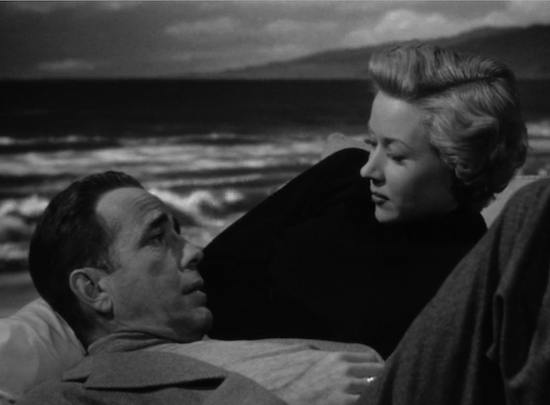
I turned to the source material to understand the confusion in tone, and was in for a shocker. Dorothy Hughes wrote In a Lonely Place as a kind of The Killer Inside Me of its time; we know from day 1 that Dix hates women, that he kills them regularly, that he thinks he’s justified because after he came back from the war, women saw through his hustling ways; they didn’t fall all over him, as they had when he was in uniform. His former Air Force friend is now a cop and has married a woman, Sylvia (Jeff Donnell), whom Dix distrusts and (we soon learn) underestimates.
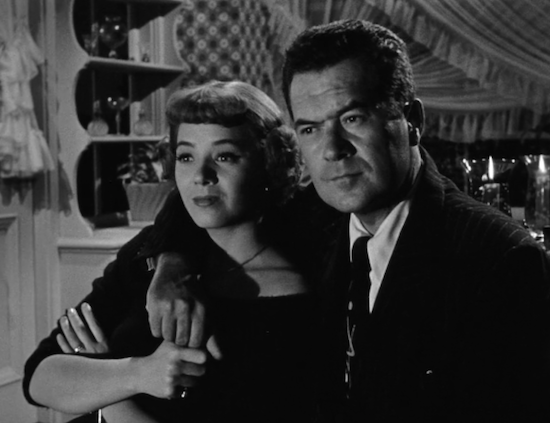
She quickly sees through Dix’s veneer of humanity.
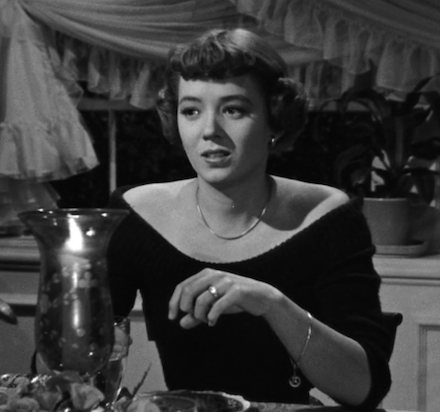
Dix hates her for it in the novel, and plots her death. Think of Dana Andrews in The Best Years of Our Lives, if on encountering his wife’s disappointment in him, he decided to go on a murderous vendetta against anyone who shared her gender.

The best scenes in Ray’s film are moments that capture the stark feminism in the book, in which only the women see Dix for who he is, and only they can succeed in stopping him. In a sharply rendered scene in the film, Laurel and Sylvia are honest with one another: Laurel in her doubts about Dix’s character, Sylvia, in confirming (reluctantly) that Laurel should have them.
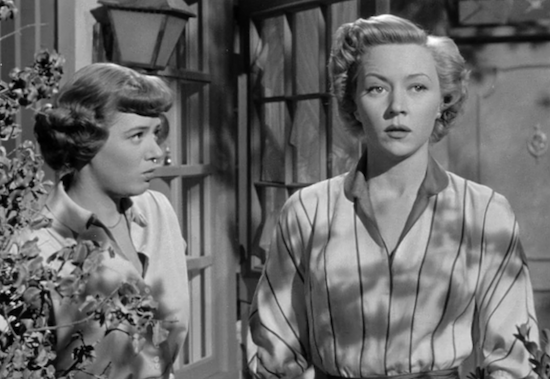
In the book, Dix’s demeaning treatment of women–especially Laurel–is accompanied by a conviction that Laurel is taunting him, trying to make him jealous, when she’s simply putting the brakes on a relationship that he’s taken too seriously, too quickly. As writer Megan Abbott so brilliantly put it: “After reading In a Lonely Place, you find yourself looking, with a newly gimlet eye, at every purported femme fatale, every claim of female malignancy and the burning need of noir heroes to snuff that malignancy out.”

In Dix’s eyes in the book and film, Laurel is a femme fatale. She gave her love, then she took it away–all because she didn’t trust him enough. But in our eyes, she’s just fallen for the wrong guy; calling a man you love a “madman” doesn’t usually suggest a relationship is headed for sunshine and rainbows. Whether Dix killed a woman or not, Laurel isn’t wrong to ask, “There is something strange about Dix, isn’t there?” after he bloodies a fellow driver to a pulp or “What can I say to him–I love you but I’m afraid of you?” when he looks at her in the scary fashion Bogart had mastered since The Petrified Forest.
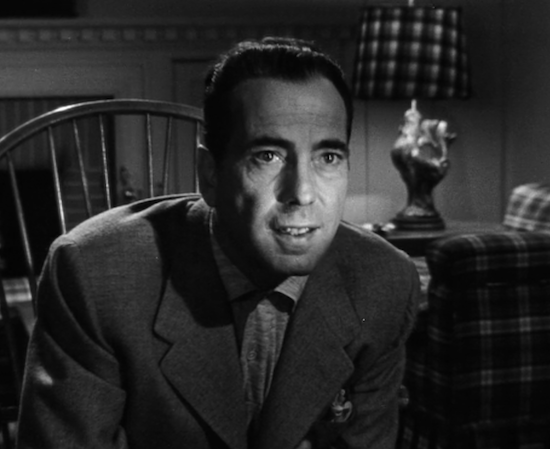
At some point you gotta ask, Is any guy you’re relieved and surprised didn’t kill someone worth sticking around for?
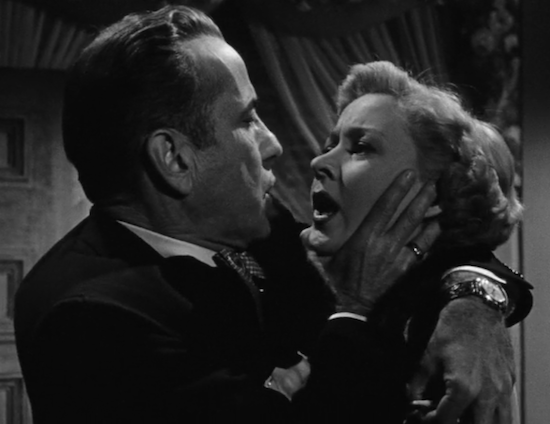
I admire both the book and film because they make me look back at so many of the noir novels and movies I’ve admired, and ask that question Abbott challenges me to consider: Was this woman a femme fatale? Or was she just an independent woman who didn’t say yes?
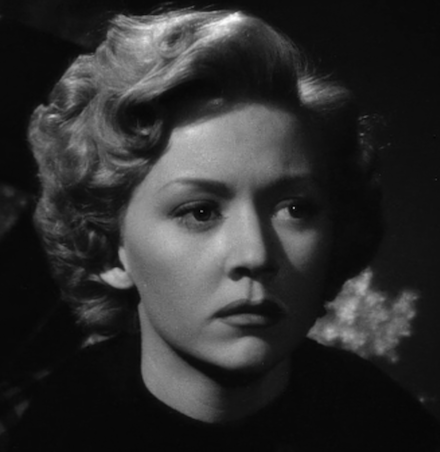
This is part of the Classic Movie Blog Association’s Femme/Homme Fatales of Film Noir blogathon. Check out so many great entries here.

Share
Posted in: 1950s films, Anti-Romance films, Blogathons, Feminism, Femme fatales, Film Noir/Crime/Thriller & Mystery, Uncategorized Tagged: #meToo classic films, femme fatale, Gloria Grahame, homme fatale, Humphrey Bogart, In a Lonely Place

Mae West as the Outlaw: My Little Chickadee

11/17/2018 by leah@carygrantwonteatyou.com 11 Comments


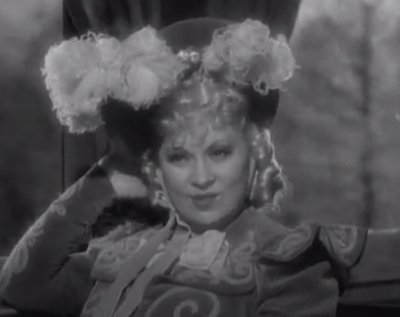
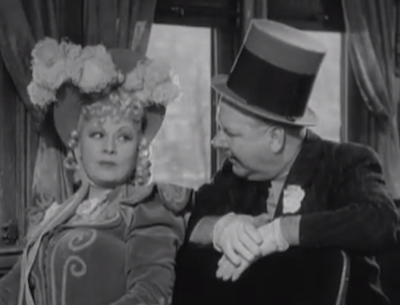
When asked what outlaw I wanted to feature for the Classic Movie Blog Association’s Outlaws blogathon, I immediately thought of Mae West’s character in My LIttle Chickadee. I know Mae West’s siren ways and bumpy pairing with W.C. Fields are more frequently associated with the film, but it’s hard to miss how West’s Flower Bell Lee flouts the law–not to mention convention–in this 1940s flick. And of course, being co-written by West, the film includes plenty of hilarious one liners and shimmying.

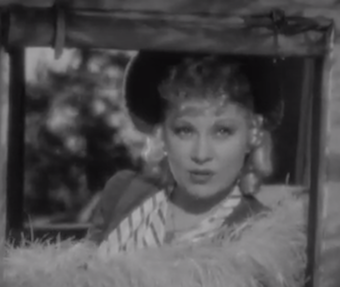
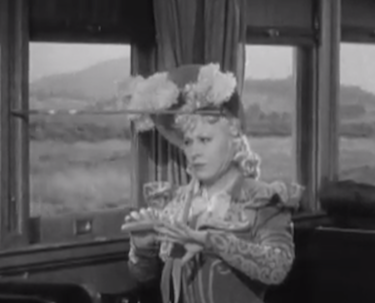
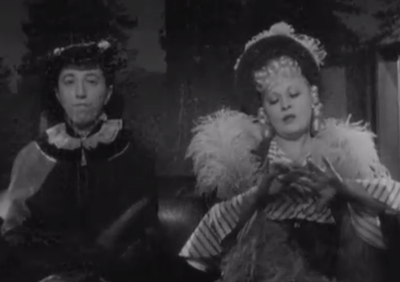
The story begins with Flower Bell (West) traveling by stagecoach to visit (and presumably settle with) her aunt and uncle in a Western town. She’s buffing her nails as the male passengers gawk and an accompanying woman, Mrs. Gideon (played by Margaret Hamilton, of witchy Wizard of Oz Fame), looks on disapprovingly.


Suddenly, a masked robber stops the coach to rob it of its gold. The rest of the passengers race out of the coach with their arms up. Flower Bell just sits there, sure it has nothing to do with her, and more interested in her nails.


The “Masked Bandit” (as he’ll later be called) threatens to kill the others if she doesn’t budge, so she reluctantly does. She doesn’t mind being “held up” she informs the masked bandit, but doesn’t like to be inconvenienced. And thus the delightful double entendres begin.

Of course the bandit notices Flower Bell’s beauty and abducts her. He returns her to her new town outskirts soon after, but clearly, she enjoyed her time away. He comes to visit her in her room at night, Romeo style, and kisses her while still hiding his identity. Unfortunately, her former stagecoach companion, Mrs. Gideon, spies the two in Flower Bell’s bedroom, and informs the town. Flower Bell is forced to defend her actions in court and identify the marauder. She refuses to tell anyone a thing, and gets kicked out of her new town, told she has to stay away till she’s married and respectable. The inflamed Mrs. Gideon also spreads the word to the ladies of the nearby town where Flower Bell is going, Greasewood City, saying Flower Bell won’t even be allowed to get off the train. But Flower Bell doesn’t care, as she makes clear with her parting words to the judge, when he asks if she’s trying to show contempt for his court: “I was doin’ my best to hide it.”

Since this is West, we audience members know she will not only get off the train, but have all of the townsmen in her thrall as well. And that happens. But first she has to fight off Indians attacking the train. Again, she’s buffing her nails, and when arrows almost hit her, she slowly pulls them out of the side of the rail car, rolling her eyes as she does so. Why must these pesky outlaws get in the way of her manicure?


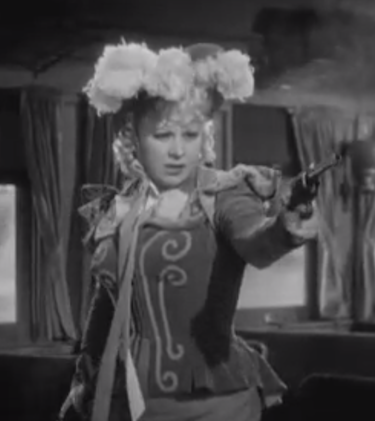
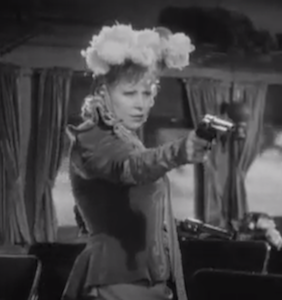
But when a fellow passenger dies, she takes up his two guns, shoots a bunch of Indians with obvious relish, saying she’s dispensed them in a “shower of feathers.” She’s angry because they’ve dared to “intimidate” her (sounds like a typical outlaw response, huh?) Flower Bell’s nonchalance and bravery are hilarious to witness in this strange scene. Even as we viewers flinch at the Indian stereotyping, we know that Flower Bell doesn’t care about race (more on that later). She just doesn’t like any bother, and agrees to be a hero–but only if she must.


Meanwhile, a flirtatious passenger, Twillie (W.C. Fields), has been cozying up to her, and since she sees he has a bag of money, she doesn’t mind, and flirts right back.


He too plays his part in fending off the Indians, but mainly that part is yelling at them for assaulting a private car and bumbling in Fields’s typical physical-comedy way. Twillie has no problem with Indians; his best friend/servant/gambling partner is one (their strange interaction, and the film’s odd combination of racist terms and stereotypes and yet ahead-of-its-time treatment deserves a post of its own).

But even though Twillie doesn’t mind Indians attacking OTHER trains, he does object to being annoyed, much like Flower Bell, though he’s far less accomplished than she in fighting back. Once the danger has passed, the two get closer, as his marriage proposal gives Flower Bell a way to exit the train in peace. She soon ropes another gambling friend on the train into acting as minister. That friend uneasily performs the marital vows. Flower Bell has no intention of sleeping with Twillie, only using him to get a free room and the blameless rep she needs to keep seeing her outlaw and whomever else she pleases. Even Mrs. Gideon, again a fellow passenger, smiles her approval.

Once in Greasewood’s best shady saloon/hotel, a number of antics ensue as Flower Bell keeps Twillie out of her room while helping him with his gambling and lies. When he brags that he saved the train, she lets him take the credit. The town makes him the sheriff, but as the last few have died within months, this honor has more to do with Badger (Joe Calleia), the unscrupulous bar/hotel owner, wanting Flower Bell widowed than any conviction that Twillie has guts. Flower Bell then proceeds to flirt with the muckraking local reporter, even acting as a teacher to help him out in a classic West scene.

Flower Bell enjoys the reporter’s idealism and Badger’s dangerousness, and it’s very unclear which man (if either) will get her in the end. Meanwhile, the Masked Bandit continues his courting, and Twillie, finding out his “wife” likes a man in costume, pretends he’s the bandit himself. Naturally, she discovers the fraud, but can’t save him from the town posse, who is now convinced he’s the villain. Well, she can’t save him at first. Just as she defended him when he lied and cheated gambling, Flower Bell comes to his aid again. She claims he’s no bandit, and after getting put in jail for defending him and her own shady associations, she busts out and saves the day, without giving away her lover.

Of course, we find out who the bandit is, and there are no surprises there. The fact that the bandit’s accent makes it clear he’s Latino (even if the actor isn’t) doesn’t bother West’s Flower Bell. She may be portraying a woman from the last century, but West doesn’t even bother to defend interracial romance in the film, which clearly condones it. The fact that Flower Bell repeatedly breaks the law—in harboring the bandit, in escaping from jail, etc.–never gives the heroine (or her creator) a moment’s worry. In fact, Flower Bell takes the bandit’s gold with pleasure as a reward for her kisses, and encourages the town (when he leaves a bundle of goodies for them) to do the same.
But the transgressive nature of this film goes so much further. The female lead is the hero, the brave town leader and both defender against and abettor of outlaws. W.C. Fields at points seems to be in his own movie (and from what we know of how little the two got along, and how much they wrote their own parts, he basically was). But in all of their interactions, she bests him with no more effort than pushing back a cuticle. Her character’s name highlights her extreme femininity, which clearly doesn’t stop her from having mad skills with guns or enough bravery to face TWO towns full of people eager to attack her. Flower Bell does everything without a trace of fear; in fact, she performs dangerous acts with BOREDOM, proving, lest any males doubt it, that Mae West will always be the biggest, baddest outlaw of them all.


Check out all the fun outlaw entries at the Classic Movie Blog Association’s site.

Share
Posted in: 1940s films, Childfree, Comedies (film), Feminism, Mae West Moments, Romantic Comedies (film) Tagged: feminist films, Mae West, My Little Chickadee (1940), W.C. Fields

Girl 27: The Rape Case MGM Covered Up–and the Woman Who Fought Back

01/17/2018 by leah@carygrantwonteatyou.com 2 Comments


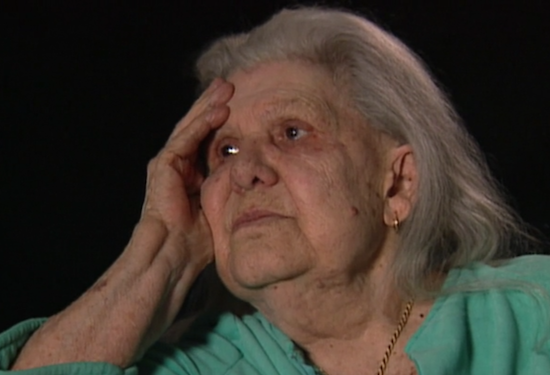
It’s hard to watch Girl 27 (2007). I first heard Patricia Douglas’s story on You Must Remember This podcast, then read the famous Vanity Fair article about it. That a movie extra was raped by an MGM salesperson, that the studio besmirched her reputation and hushed up the story–none of that is hard to believe happened in 1937. What’s shocking is that at twenty, the victim fought back in court. When the DA dismissed the case, she took it to federal court, calling it an issue of civil rights, and holding both the alleged rapist and studio at fault. Girl 27 documents a writer’s efforts to discover what happened at MGM and in the court cases, and what became of Douglas.

The incredible courage it took for such a young woman to stand up against a studio as all-powerful as MGM was in the 1930s is difficult to fathom today; the director compares it to going against the mob. Of course, the cases ended unsuccessfully, thanks to a handsomely paid-off witness (whose daughters admit it now), a DA funded by the studio, a doctor who destroyed any possible evidence after her rape, and shadiness between the girl’s own lawyer and mother, who seem to have colluded to end the second case. The newspaper’s publication of even her address demonstrate just how thoroughly she was shamed, while the man and studio she accused remained protected.

As a film, Girl 27 assumes too much knowledge from its audience. Had I not already known the details, I would have been very confused on the court cases and the timeline, and baffled that the full story of the rape* doesn’t even come up until very late in the film. But it’s true that hearing the story for the first time from the victim was powerful: How she was lured to entertain salesmen at a stag party (clothed as a convention), when she and her peers thought they were auditioning for a film. That the women were basically presented as gifts by Louis B. Mayer for a job well done to his sales force: “These lovely girls—and you have the finest of them—greet you…” How those drunken salesmen forcibly plied Douglas with alcohol until she vomited. How one salesman then attacked and raped her in a car, and those few brave enough to verify her story took it all back.*

Writer/director David Stenn may go overboard with film clips illustrating 1930s attitude toward rape, and may include too much of himself in the film. But it’s hard to fault him too much when his story obviously brought this forgotten hero back into the limelight (he wrote the article as well), this time to appreciation and outrage at her treatment instead of public shaming. Shortly before her death, the film and Vanity Fair story seem to have given her and her estranged daughter some closure. And perhaps more importantly, the director helped ensure that her story continues. Watching Douglas report her experience shows how visceral the attack still is for her, and how thoroughly it destroyed her life.


She admits that it chilled her ability to trust or love anyone, turning her into a fearful recluse. Somehow, the saddest moments are when she talks about her skill as a dancer (her role at MGM), one more thing she left behind after that awful night. Douglas’s silence on the experience was unbroken until Stenn slowly gained her trust, 65 years after the event.

Recently, the Weinstein scandal and the #MeToo movement have given new attention to Girl 27 (which is the number on the casting list for Douglas for that infamous party). While it’s hard to imagine any justice to be gained now, at the very least the story is now doing what it should have in the 30s: celebrating the bravery of a young woman who sacrificed so much to stand up for herself and for the others who’d been tricked and damaged by powerful men.

*Since it was never tried, we will never know the alleged perpetrator’s side of the story. But certainly, the evidence given, the no-win situation she faced, and Douglas’s accounts are very convincing. But even had it not taken place, the cover-up clearly did.

Share
Posted in: 1930s films, Feminism Tagged: #MeToo, Girl 27, MGM, Patricia Douglas, studio cover-up

Sexual Predators in Film: Weinstein, 1937

11/10/2017 by leah@carygrantwonteatyou.com 8 Comments


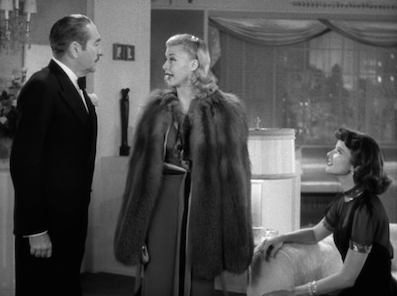
All this talk of Harvey Weinstein and now Louis C.K. has me thinking about Stage Door (1937), that fascinating film featuring a dormitory of smart-talking women clamoring for parts on the stage, and suffering the sexist overtures of a very slimy producer along the way. The film was produced the same year the words “casting couch” were first published in Variety, according to Matthew Dessem. How the film got made is clear: it’s a feminist anthem against sexual predation, yes, but it’s carefully camouflaged as one of the funniest comedies of its era. Critics praised the witty, fabulous dialogue, ignoring or underplaying the blatant warning directed at female aspirants to stage or screen.

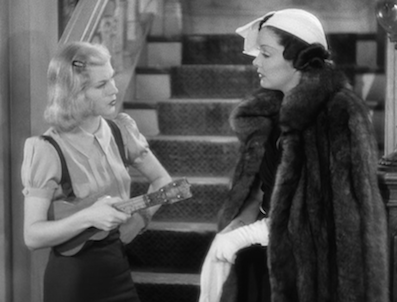
The story begins with Jean Maitland (Ginger Rogers) trying to oust roommate Linda Shaw (Gail Patrick). Jean’s a sarcastic gal from the wrong side of the tracks, too proud and ethical to give into seductions in exchange for parts or furs. Her roommate, however, is an opportunist, and has given up her reputation in exchange for gifts from her wealthy keeper, sables and sapphires she rubs in Jean’s face.


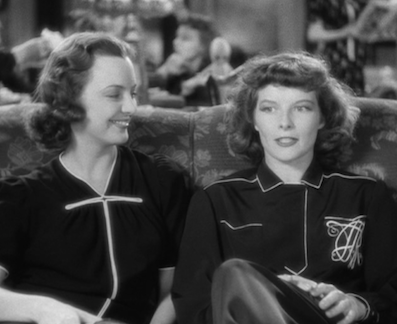
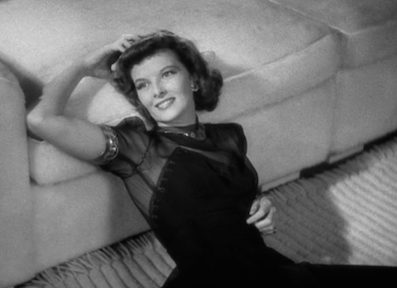
The two separate to achieve peace, but Jean isn’t long for a solitary room; enter her new roommate, heiress Terry (Katharine Hepburn), who wants to star on the stage too. She thinks her peers haven’t made it big yet because they lack ambition. Her slow recognition of her own privilege will become the axis around which the plot revolves. Initially mocked by the dorm residents who resent her for slumming, she does make one friend, Kay Hamilton (Andrea Leeds), the acknowledged talent of the bunch.


Sympathy and admiration for Kay will lead Terry to understand that her poverty-stricken companions aren’t slackers, but cynics battered by experience. They face obstacles she doesn’t, and have no safety net if they fall.

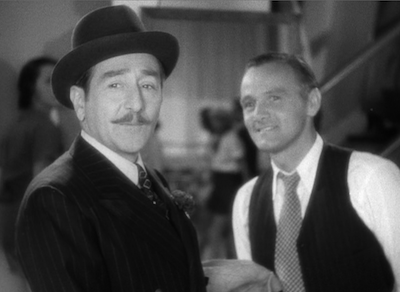
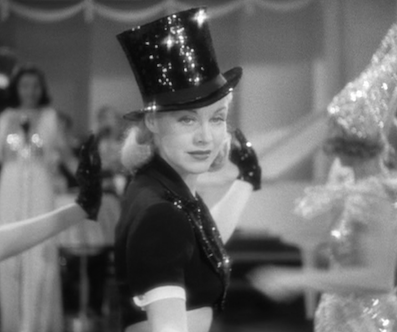
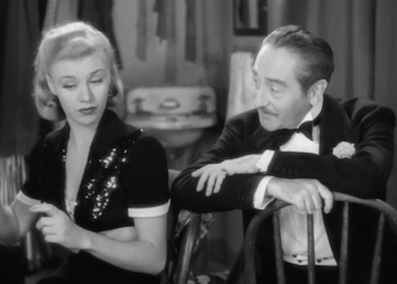
While Katharine Hepburn’s Terry is learning how the hungry half lives, Jean encounters Linda’s lover, Anthony Powell (Adolphe Menjou), who eyes her in an audition. The fact that finding prey is his goal in being a producer is clear, as when he says to a dancing school director, “I very likely won’t produce anything unless I can find an angel. You haven’t seen any flying around, have you?” After an uncomfortable amount of leering at a dancing pair, he asks about “the little blonde.” His pal obligingly offers the information, of course, and soon Jean has unwittingly taken a job given to her so that Powell has access to her charms. We can see in all of these moves a clear pattern: he’s after/has sex with the girl, she gets the role. Jean’s response when she sees Powell and Linda at the club where she’s been hired says everything:


Jean’s barbs at Powell (and at his choice of a mistress) have no effect.


But then Jean decides it’s time to teach her former roommate Linda a lesson, steal her guy. Jean doesn’t plan to have sex with him, but what’ll it hurt her to drink a little champagne, have a meal or two that isn’t stew?

But the bigger reason for dating an undesirable man is evident: If Jean doesn’t play nice, what happens to her job? Her dancing partner, Annie, suggests as much multiple times. When Jean complains about his creepiness, saying she needs a “tin overcoat” as protection, her partner responds, “You should be glad he looked at you at all.”  Jean doesn’t need her partner’s pestering; she knows full well that “…if I don’t go out with him, I’ll probably lose my job, and so will Ann, and I’ll be right back where I started from.”

Of course, Powell has plans of his own: ply Jean with alcohol, tell her a sob story about his life, talk about her name in lights and himself as the reason, and get what he wants. If she isn’t exactly sober enough to consent, what does he care? Creepily, his butler knows just how to disappear. As Linda warns her (to protect her meal ticket), the butler is “deaf,” so she “really won’t have to bother to scream for help.”

Luckily, Jean gets too sad-drunk on the first trip to his penthouse to make his “seduction” fun. He decides she isn’t worth the trouble, but she (too buzzed to catch the drift of their last talk) thinks she’s beginning to like the guy. The next night, when Terry is having an actual business meeting with him in the penthouse (as Weinstein’s actresses thought), Jean charges in.


Terry fakes drunkenness and sexiness to keep Jean away from the predator, and it works.


Jean realizes he’s as worthless, creepy, and unfaithful as she initially thought, and leaves. The audience is grateful for Jean’s escape, having seen the disaster Powell leaves in his wake: poor Linda has nothing but trinkets in exchange for sexual favors–gifts not even sizable enough to get her out of that dorm. (How thin is her arrogance!) We know how short Jean’s casting-couch career would be after her favors, given that roving eye. The actress in the story with true talent (Kay) who doesn’t succumb to (and apparently was never offered) the producer’s embraces is literally starving as he puts off her auditions for his dalliances, and will soon reach an even sadder fate.

I kept thinking of Terry when the Weinstein revelations came out, not just because she was brave in the story, but because she could be. Of course, Terry too is the object of male manipulation. The only reason she’s up for a part is her father’s secret meddling (He’s finagled her starring role so that she’ll fail and realize she should come home and marry a rich boy like a good little girl. Nice support, huh?) Although she does have a disgustingly condescending father, Terry is safe. That money gives her power of her own, and she can afford to confront the Anthony Powells of this world. It’s really the lesson of the Weinstein story, isn’t it? Predators go after those with no power, so those with it have to be the ones to stand up. And not just men, but female stars, the Meryl Streeps, who have status of their own and can be immune from predators’ hushing machinations. Several media outlets have justifiably called out the male actors and directors who did nothing about Weinstein, and the employees, like that pal in Stage Door, who abetted the behavior. But I’m disappointed too in the prominent women, those who weren’t personally affected, but could have done something…and didn’t. (Streep claims she didn’t know; even if she didn’t, others with star power did.)

At first I thought that the sexual predator storyline and feminist response to it were from Edna Ferber, a friend of Hepburn’s and the original play’s cowriter. Ferber may have been inspired by memories from childhood, I reasoned. According to Janet Burstein, Ferber learned about men’s less pleasant side in her youth, when everyday wants meant she “had to run a gauntlet of anti-Semitic abuse from adult male loungers, perched on the iron railing at the corner of Main Street, who spat, called her names, and mocked her in Yiddish accents.” That disgust on Jean’s face when she spots the way Powell looks at her? Yeah, that’s written by an author who knows. But the play Ferber cowrote was completely redone for the screen by Morrie Ryskind and Anthony Veiller. And according to some sources, the movie’s verisimilitude has less to do with the screenwriters than with Gregory La Cava, who sought the stories of and the funny dialogue of the women he directed, and encouraged improvisation. But then again, the stories of such men were everywhere, then and now, and needed no writer to reveal the behavior. Anyone watching and listening–as La Cava apparently did–could hear and expose them.

I hope one day this film–and La Cava–get more credit for the kind of heroic feminism we see so rarely on the screen or in life. Eighty years ago, this film exposed the terrible repercussions of sexual predation, and instead of suggesting that victims should be blamed for not standing up–as even current headlines do–put the responsibility squarely on the man at fault. More, it gave a path for correction, by showing who could do something to fight back, and revealing the privilege that might blind him/her to what was really going on. How many films in the decades since have done the same?

Share
Posted in: 1930s films, Comedies (film), Drama (film), Feminism Tagged: classic film, films about sexual predators, Ginger Rogers, Harvey Weinstein, Katharine Hepburn, Louis C.K., Stage Door, the casting couch

Why I Was Happy to See So Many Teen Boys at Wonder Woman

06/12/2017 by leah@carygrantwonteatyou.com 6 Comments


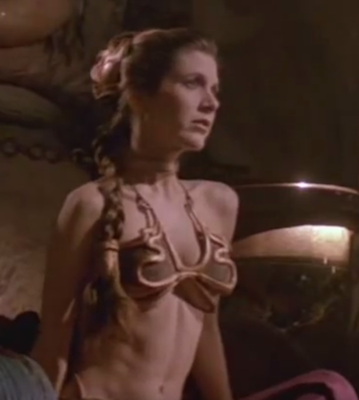
When I was a kid, boys fantasized about Carrie Fisher as Princess Leia, half-naked and chained to Jabba the Hutt. While I might flinch at the fact that the slave scene was the peak of adolescent fantasy, I was always happy that my male peers were lusting after a woman who was tough, a warrior, a hero in her own right, someone who ultimately triumphed over her attacker.


It’s been disappointing in the years since, to not only have so few such women in film to idolize myself, but that the objects of male fantasy have so rarely been strong: too many female heroines, even in DC Comics and Marvel franchises, have assisted rather than truly partnered with or exceeded male peers. And for every strong woman, there have been so many Mary Janes and Lois Lanes waiting for heroes to save them, their strengths always inferior to those of their men.

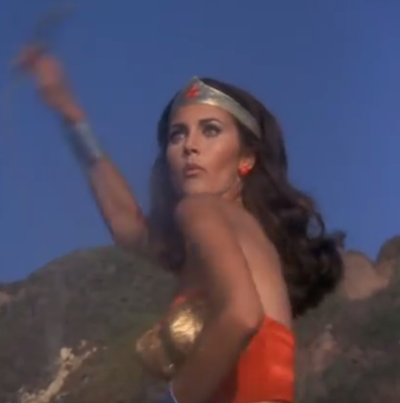
And then there was Wonder Woman. How I admired Lynda Carter as a kid: her stunning beauty, her awesome metal accessories, her spin, that cheesy music that accompanied her. But most of all, I loved that Wonder Woman stood on her own, was stronger than men, and that her power never subtracted from her sensuality. In fact, her superhuman skills ADDED to her sexiness. She didn’t even seem like much of an athlete till the special effects kicked in. (That running style, my friends, for all their similar fashion sense, was not Flo Jo’s.) For the feminine, klutzy girl I was, that was an important message: you can be strong AND girly.


When I read Slate author Christina Cauterucci’s objections to the seductive clothing of new Wonder Woman Gal Gadot, my first reaction was to defend: What about the need for sales, how essential it was for this film to succeed to set the stage for other female leading-franchises? But I think director Patty Jenkins was doing more than bowing to necessity; she was building her own feminist messages: Hey, young men. Strong women are hot. And if they’re stronger than you, charging down the battlefield without you, that’s EVEN HOTTER. Hey, young women, your strengths will make you desirable. Fight to retain and build them.

My friend and I at the movie theater, both born in the 70s, began by enjoying the funny, entertaining, empowering film, and ended it by laughing about the groups of young men we spotted in the rows behind us when the lights went up. “A whole island of hot women?” my friend said. “No wonder they’re here.”

But that’s just it: Gadot’s and her fellow Amazons’ sexiness got male teens through the door.


It’s hard to imagine that our country would be quite where it is today, so backward with women’s rights, if more adolescent boys had fantasized about such powerful women. It’s hard to believe we’d be where we are had more women grown up believing that power and desirability don’t have to compete.

At least we have her our heroine now. Thank you, Patty Jenkins. Keep ’em coming.

Share
Posted in: 1990-current films, Action & Sports Films, Drama (film), Feminism, TV & Pop Culture Tagged: Gal Gadot, Lynda Carter, Princess Leia, sex appeal and feminism, teen boys attending Wonder Woman, teen boys fantasies, Wonder Woman

What’s in a Name?: Together Again (1944)

05/17/2017 by leah@carygrantwonteatyou.com 20 Comments


I have a sophisticated theory about why the Irene Dunne vehicle Together Again (1944) is never on any best-of, favorites, or romantic comedy lists despite the many joys of viewing it: the title sucks.

And when I say it sucks, I mean it’s the WORST TITLE I CAN IMAGINE. It’s so forgettable that every time I think of it, I have to look up Dunne’s IMDB site to find it. I cannot for the life of me remember it at all. And I’m a fan of the film! What does that say?

The title isn’t mysterious, as in The Natural, an aptly named, but box-office-ignorant choice. It’s not annoying, as in Mr. Deeds Goes to Town. It’s just so impossibly blah and vague. Together Again. As in a remarriage? As in partners who re-team? As in peanut butter and jelly? WHAT does it mean? I’ve seen the film and any possible answer to that question is not a good one.

Of course, if I’d had my druthers, I would have named it this way: Charles Coburn, Matchmaker. Because any classic movie fan familiar with his work would run to see it then. But as I don’t have naming rights, I can just tell you this: Ignore the title; watch the film.

Why? I’ve posted a longwinded tribute to it, with comparisons to Veep, should you have time to kill. But here, I’ll give you the brief but essential rundown of why so many of you will love it:

  1. It’s Such a Feminist Flick. A female mayor, people. Who rips on men who belittle her. Who makes fun of romance, and yet (despite herself) is itching for it after her husband’s death. Her father-in-law (Coburn) keeps trying to sway her to take things easier, to find a new man and stop worshipping his son. Hooked yet?
  2. Irene Dunne. Oh she’s great. That odd, fluttery voice dishes out sarcasm with verve. Her on-point timing and ease of movement make her mesmerizing to hear and watch.
  3. The Romance. I’m not a big fan of Charles Boyer’s, but the two actors have chemistry together. And I’ve always been a fan of the straightlaced gal and bohemian/relaxed guy meet-cute, probably because I was such a nerd as a kid.Unnecessary Aside and Spoiler of Other Films: I prefer Boyer’s & Dunne’s Love Affair (1939) to the more beloved An Affair to Remember (1957) remake, partially because Boyer & Dunne are more in sync and believable as a couple than Kerr and Grant, despite the latter’s extreme charm in his film. But mainly because Deborah Kerr seems such an inert actress to me, making the tragedy that befalls her less moving than that of the highly energetic Dunne. I mean, ask yourself: Which actress can you imagine in a gym? I rest my case. (The fact that I’m more like Kerr, gym-devotion wise, doesn’t alter my point narratively speaking.)
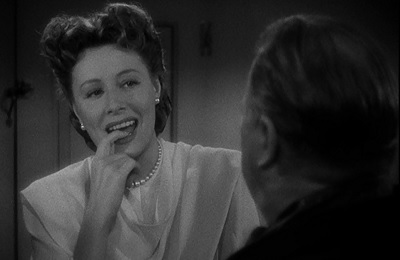
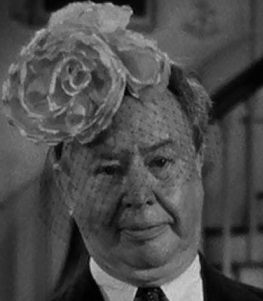
  4. Coburn-Dunne Magic. I love these two together. You could ditch the romance and just enjoy Dunne & Coburn sparring, and never miss a thing. These two are so witty, have such a great rhythm together. And his expression when he rips on her for a frivolous hat purchase is so good I’m going to have to post it again (I believe this is post 3):


Alas, the only reason I discovered this film at all is because it was paired with the more famous Theodora Goes Wild in a Netflix two-set; to my surprise, I was disappointed with the comparatively famous madcap film, and fell hard for Together Again. If only the smart folks who’d named the former had taken a crack at the latter.

This post is part of the Classic Movie Blog Association’s blogathon on Underseen and Underrated films. If you haven’t checked out the other entries yet, go see them now!


Share
Posted in: 1940s films, Comedies (film), Feminism, Humor, Romantic Comedies (film) Tagged: Charles Boyer, Charles Coburn, Irene Dunne, matchmaker films, underrated rom-coms

Five Favorite Classic Movie Stars

05/16/2017 by leah@carygrantwonteatyou.com 26 Comments

To celebrate National Classic Movie Day, I’m joining Rick’s Five Stars blogathon by sharing some of my favorite classic movie stars. And though I can’t quite say they’re my favorites ALL of the time (of course, that shifts), they are always on my list. Since my favorite character actors deserve their own post, I’m focusing on those who frequently star in their vehicles. Here we go. In no particular order:

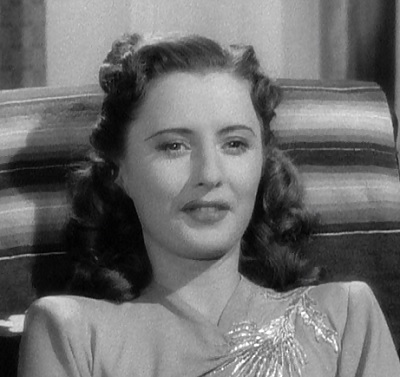
1: Barbara Stanwyck


Because her acting was superlative and ageless. Because she got her scenes in one take, her emotions so visceral you always feel immersed in her characters’ lives. Because her crews loved her. Because she could be funny,  dramatic, or both at once. She was marvelous.

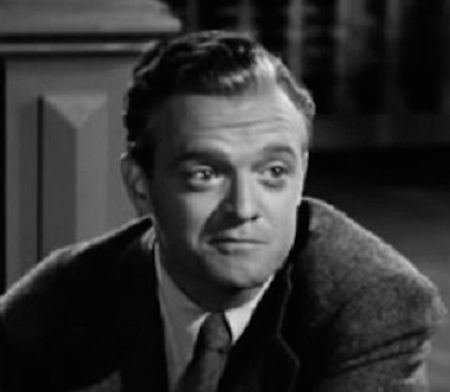
2: Van Heflin


Because his acting was so natural. Because he didn’t demand attention or the starring role, but the authenticity of his acting and his easy confidence made him riveting anyway. Because he singlehandedly changed my mind about westerns with his understated performance in 3:10 to Yuma. Because he never got the credit he deserved, which somehow makes me love him more.

3: Cary Grant


Because he had the all-time best smirk. Because he could be sexy or goofy, usually both at once. Because his acrobatics were truly impressive. Because in spite of his unfailing glamour, his characters were always real. Because he knew how to share the screen with a canine. Because he was adept at self-creation. Because he gave me a name for my blog.

4: William Powell


Because I wouldn’t typically consider his looks attractive, but his personality onscreen was so assured and wonderful and silly that I find him sexy just the same. Because I want to befriend most of his characters, and am sad I can’t. Because I could listen to that voice all day. Because I’ll watch anything he’s in, just to fall for him again.

5: Mae West


Because she wrote her own lines and dictated her own role–onscreen and off. Because those lines were so well written that people know them almost 100 years later, without knowing where they’re from or who she was. Because she was combustible onscreen, and always hilarious. Because she was a feminist, whether she admitted it or not. Because she had impeccable timing. Because of that walk. Because her movies are utter joy. Because there will never be another like her.

Check out other bloggers’ favorites at Five Stars blogathon!

Share
Posted in: 1930s films, 1940s films, Blogathons, Drama (film), Feminism, Mae West Moments Tagged: Barbara Stanwyck, Cary Grant, favorite classic movie stars, lists, Mae West, Van Heflin, William Powell

Goin’ to Town: Feel-Good Classic

12/10/2016 by leah@carygrantwonteatyou.com Leave a Comment


How do you explain the joy of Mae West after a long hiatus? I’ve saved Goin’ to Town for a rough day, and it had the hoped-for effect. I may not get everything in my life right, but I have an instinct for good medicine: Mae had me grinning within seconds.

Cleo (West) first appears in an embrace with a guy we know isn’t the boyfriend obsessed with her. She’s, of course, some kind of dance hall singer. We see the boyfriend asking for her, and then the film cuts to the guy she’s kissing:

Lover: “Now I’d like to take you away from all this.”

Cleo: “All this? Oh, I get you. Yeah, for a long time I was ashamed of the way I live.”

Lover: “You mean to say you reformed?”

Cleo: “No, I got over bein’ ashamed.”

(Spoilers) West wasn’t exactly a fan of realistic plots, but this one is a doozy: Cleo’s boyfriend has promised her an oil ranch after they marry, and seemingly within minutes is dead, and the ranch hers. (“Well, that’ll help pay for my feelings.”) She falls for a British high-class type who runs her oil fields, and shoots off his hat and lassoes him to express her attraction (her definition of “coaxing”). He doesn’t think she’s classy enough, so she heads to Buenos Aires to buy her way into society and impress this snob.

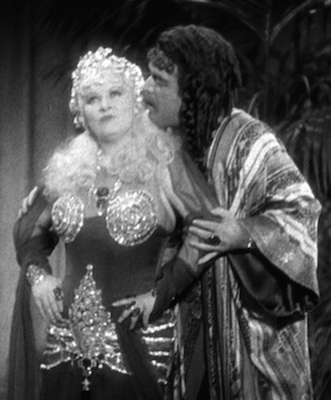
Entrée into society, in West’s world, includes winning a horse race and performing as an unlikely soprano in a Samson and Delilah opera. Her outfit in the latter, with sequins highlighting breasts and hips, is hilariously provocative, seeming to confirm her scandalous background rather than winning respect from the elite.


The elite, of course, are so worthless in this film—including her boring object of desire, Edward Carrington (Paul Cavanagh)—that Cleo’s fight for status, even going so far as a marriage of convenience to well-born Fletcher Colton (Monroe Owsley), makes little sense. Of course, even in this conventional, post-Code desire to set aside a colorful past, West subverts the screenplay formula: Cleo’s utterly unashamed of hers:

Socialite: “Speaking of relatives, Mrs. Colton, have your ancestors ever been traced?

Cleo: “Well, yes, but they were too smart, they couldn’t catch ’em.”

Critics, both West’s contemporaries and ours, attack the film’s silliness, her toned-down innuendos, the reduced number of her beaus. It’s not West at her peak, they say. Low on the list of West films, they report. Something’s lost, they carp. You know what? Get over it. The film’s fun, and her victorious final song a riot. While West’s magic in She Done Him Wrong might be enough to fuel a steam engine, I’ll take enough to fuel a car. It’s still West. It’s still entertaining. The plot moves at a crazy clip, so just when you fear a sad/dramatic plot twist is going to overtake the action, poof! It’s gone. And in the meantime, you get enough of her slow stroll, enough hilarious comments, and enough silliness to break through a day’s doldrums, and make  you smile again.

Share
Posted in: 1930s films, Comedies (film), Feminism, Mae West Moments Tagged: comedies, feel-good movie, Goin' to Town, Mae West, review

Meg Ryan’s Fate Foretold in Joe Versus the Volcano

10/01/2016 by leah@carygrantwonteatyou.com 17 Comments

megryanjoevsvolcano
Meg Ryan has had a peculiar career: America’s darling after When Harry Met Sally (1989), she has struggled to avoid typecasting as the perky cute girl ever since, and largely failed, settling for a saccharine portrayal in Sleepless in Seattle (1993), and veering into downright parody of her persona in the remakes You’ve Got Mail (1998) and The Women (2008), with brief moments of authenticity (When a Man Loves a Woman) in between. While some of the blame must rest with Ryan, it’s clear that Hollywood producers failed to recognize (or thought audiences would) the depth in When Harry Met Sally, instead plying the poor actress with cane sugar ever since. That’s why it’s so fascinating to peer earlier into Ryan’s career, when the exploration of character was (at least partially) her own to make. Joe Versus the Volcano (1990) is particularly fascinating since she plays three roles, which curiously foretell her fate.

The plot is strange, so I’ll just begin with the basics: Joe’s (Tom Hanks’) fears–especially for his health–keep him mired in a dreadful job, until a dire prognosis unexpectedly snaps him out of depression and leads him on a journey to an island where an odd fate awaits him. He goes on a date with coworker DeDe (Ryan) before he departs, then meets half-sisters Angelica (Ryan) and Patricia (Ryan) on his journey. Attracted to all three (he keeps saying they look familiar), Hanks falls for only one, Patricia, who captains the boat to his destination, and plays a part in what awaits him there.
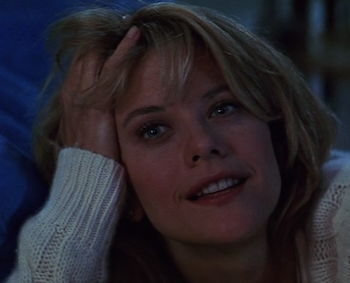
In DeDe, Ryan channels Easy Living‘s (1937) Mary Smith (Jean Arthur). Naïve and sweet and just a little lost, DeDe disperses–at least a little–the heavy gloom of the office, where she and Joe suffocate under fluorescent lighting and the repetitive yelling of their boss (Dan Hedaya, in a darkly funny turn).

megryan-dede-joevsvolcano
When Joe quits the job and asks DeDe out, it’s an act of salvation, and you can’t help but laugh at her startled, perky response to finding the dead weight in her office come to vivid life. Like Arthur, Ryan performs this role with relish and charm, with a chirpy voice that doesn’t quite grate in the small time we’re listening to it. Much more time spent with this character would start to wear audiences thin (as Arthur does for me–uncharacteristically–in Easy Living).

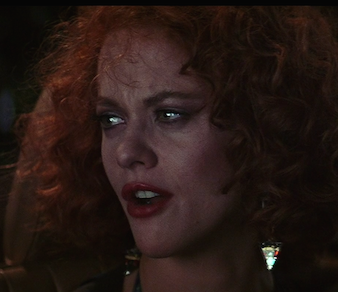
Next Joe encounters oddball Angelica (Ryan), who calls herself a flibbertigibbet.

megryanangelica-joevsvolcano
We viewers soon question her characterization, realizing that this woman has no idea who she is. She’s donned a pretentious, flat delivery and tired expressions culled from movies in her LA home. Her clothes likewise seem costumish, as does her carefully stylish smoking. She’s a combination of affectations she’s adopted, none of which can delay for long the depression and fragility just beyond her careful poise. If DeDe recalls the cute head bobbing and springy step Ryan deployed too consciously by the point of You’ve Got Mail, Angelica conveys her pain at the impersonation, her relief at capturing her fuller self in movies such as When a Man Loves a Woman.

megryanangelicajoevsvolcano-crying
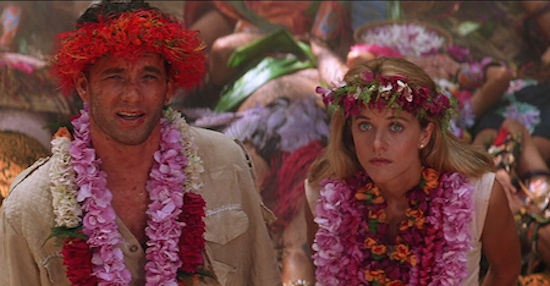
And of course, in Patricia, Joe’s last Ryan encounter, we find our heroine. Healthy besides being “soul sick” for taking her father’s money, Patricia is smart and strong and brave, our Jean (Barbara Stanwyck) of The Lady Eve (1941). Like Jean, she’s an “adventuress on the high seas” and wise enough to guide Joe on the final steps of his self-discovery.

megryan-patricia-joevsvolcano
This is the Ryan we love: cute, yes, but only in moments of glee; she’s bold and womanly and fun, yet vulnerable and flawed. It’s the type of role Ryan excelled at. While the two other parts feel like conscious acts (and should be, as the roles are archetypes rather than fully sketched-out characters), this last she fully embodies. And we see the Stanwyck type of performer she could have consistently been, had When Harry not doomed her to full-on cuteness.

As for the film itself, what to say? It’s about redemption and faith, journeys physical and spiritual, but is most remembered for orange soda and hypochondria jokes.

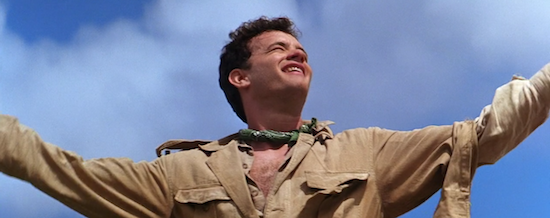
tomhanksjoevsvolcano
The fact is, Joe versus the Volcano (1990) is an odd duck of a film. Its uneven tone and quirky storytelling won it both mockery and box office failure, and a trail of cult devotees ever since. Frank Capra and Preston Sturges fans will adore it, especially those who admire those directors’ darker-tinged fare, Sullivan’s Travels (1941) and Meet John Doe (1941) and The Miracle Woman (1931). But snooty film types will scoff (tellingly, Roger Ebert loved it); they’ll say it’s silly. And they’re right–it is silly. Fundamentally so.

joevsvolcanoisland
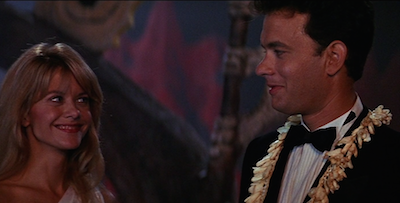
But, as one devotee pointed out, you need to remember that the writer/director is John Patrick Shanley, who also helmed and wrote Doubt (2008) and penned Moonstruck (1987); this guy may be consumed with issues of faith and hope, but he also loves distracting diatribes about fake hands voiced by Nicholas Cage. If you’re not open to that kind of genre blending, you’ll hate the movie. But if you agree with me that Shanley’s work has a peculiar beauty and insight, you’ll find yourself riveted and laughing, admiring Tom Hanks’ finest performance, and one of the funniest portrayals of both fashion (thanks to Ossie Davis) and workplace culture in any medium. It’s even romantic, with the two leads’ chemistry revealing what a better script and direction could have made of You’ve Got Mail.

megryantomhanksjoevsvolcano|
And the soundtrack is so unbelievably fun and fitting that you won’t ever hear one of those songs again without picturing the story.

For me, this movie was life altering. I watched it first in the theater, and couldn’t stop laughing at the opening scene of work drudgery. But no one else was laughing. Surprised, I turned to my buddy, Carrie, and saw that she was enjoying it too. We called our sicknesses after that “brain clouds” (you have to see the film), and the movie represented for me that wonderful thing between friends: a joke you get that others don’t, a bond you share that others don’t understand. Something that in snobby moments makes you feel special, and in more enlightened ones makes you appreciative. I was in high school then, still finding my way, and it was lovely to find through Joe a compatriot in Carrie, to realize that quirkiness need not be isolating, that it can be, in fact, a source of joy. My loud laughter in silent theaters has been a constant ever since.

I’ve been watching the film again today for my entry in the wonderful Dual Roles blogathon, hosted by Christina Wehner and Silver Screenings. (Check out great entries here!) And as I view the movie, I find myself hoping, like Joe: I hope Ryan stops stalling on DeDe and Angelica, and instead gets her Patricia back, gives us in future performances that authenticity that was so wholly hers at the start. She should watch the film again, remember that Joe, like her, lost his way for years, and found it again. Maybe if she watches it she’ll rediscover that energy and spirit and realness that charmed us all, and are still hers to reclaim.

megryan-wonderfuljoevsvolcano

Share
Posted in: 1980s films, 1990-current films, Blogathons, Comedies (film), Feminism, Romantic Comedies (film) Tagged: America's sweetheart, Film, flops, Hollywood typecasting, Joe versus the Volcano, Meg Ryan, roles

In Defense of Netflix: Jessica Jones & OITNB

08/18/2016 by leah@carygrantwonteatyou.com 10 Comments

I’ve been flirting with dumping Netflix for some time: That terrible customer service debacle a few years back. The fact that despite their extensive classic movie DVD library, their classic movie streaming choices are tired, and frequently movie-of-the-week bad. The prices I have to pay to watch two of my favorite current shows–Veep and The Americans–elsewhere.
But Netflix retains me with the television fare they DO have. Many of my beloved comedies still play there, including Psych (yes, I embrace my juvenile side) and It’s Always Sunny (which I would argue had the best satires on both gun control arguments and our treatment of the mentally ill in recent seasons). And then there are its foreign TV shows, which are fascinating and frequently feminist, as with Miss Fisher’s Murder Mysteries.
So do I stay, or do I go?

My flirtation ended last night. My loyalty is secured. Orange Is the New Black‘s season 4 finale was not only brilliant, but important. The final images from that and the penultimate show are lingering, as riveting stories do, helping me recognize nuances I missed on the first pass. I’m not sure whether Netflix execs are enlightened, or its creators masters of spin, but either way, I don’t care: Marvel’s Jessica Jones and OITNB had more to say about rape culture and racism, respectively, than almost anything else I’ve read or watched in the last few years.

Marvel’s Jessica Jones

JessicaJones
Let’s start with Jessica. The weird thing is that I watched the show at all. I have never bought a comic book. My 80s nostalgia for the Hulk and Wonder Woman notwithstanding, I have little interest in comics, graphic novels, anime, video games, or superhero stories.

I’d never heard of Jessica Jones, and wasn’t impressed by her dull name (this from a Williams, but I digress). The ads and reviews, however, kept saying noir, catnip to the classic movie fan, so yes, I gave it a try.

How to explain it? More eloquent voices have already chimed in on its influence, so I’ll just say that its portrayal of the aftermath of rape was devastating. The show captures the heroine (and victim’s) trauma and the insidious reactions of others around her to it: The lack of belief in what happened to her. The ignorant assumptions that a domestic violence victim can easily leave his/her abuser. The belief of the monstrous villain that she could love him. The wider society’s privileging of his viewpoint over hers. The terrifying use of smiling, and all it implies about how women are treated.

The intensity and darkness of the show are lightened by Jessica’s (Krysten Ritter’s) snarky sarcasm and wit. She is, indeed, like the noir private investigators before her.

Fascinatingly, the show uses enough of its superhero trappings (and is so suspenseful) that you don’t realize how thoroughly it’s portraying its message until you mull on it afterward. And how moving that message is: that the victim who fights for others like her is as superheroic as they come.

Orange Is the New Black, Season 4

OITNB
The diverse cast alone is reason to watch: when else will you see women of so many shapes, sizes, colors, ethnicities in starring roles? Forget the main character, Piper. She’s just there as an introduction, and functions only to remind us that white privilege doesn’t die behind prison doors. By focusing on a minimum security prison, with inmates often there for foolish, momentary (and sadly frequently, bad romantic) choices, the show enables us to put ourselves in the women’s place. And once there, we are hooked on their stories, soon relating even to those who have committed grave crimes.

Previous seasons focus on other villains, but this season firmly placed the private prison system in its crosshairs, to devastating effect. People argue whether this show is a comedy or drama (when it’s of course both), but the drama definitely trumps this season, the comedy only there to relieve it. Jenji Kohan, the show’s creator, clearly wanted to indict the immorality of this privatization, and how it furthers the prejudice already inherent in the prison system. At first I thought the primary focus was on our criminalization of mental illness, and indeed, that is one of the saddest arcs of the season. But ultimately, the focus is on race: how it affects the corrections officers’ actions, how even well-meaning white prisoners (and by extension, the wider society) miss the significance of Black Lives Matter. I don’t think you can miss that significance after watching Season 4. Of course, you can’t fully feel the season’s impact if you haven’t fallen for the show and its characters over Seasons 1-3. But that just means you have more good material in front of you….

Are either of the shows perfect? No. But the flaws don’t take away from what they’re accomplishing in terms of messages and storytelling.

Of course, it’s possible Netflix will later lose its way. But while these are its choices for original programming, they’ve got me.


**Note: the Justice Dept. just said they’d end the use of private prisons.

Share
Posted in: Feminism, Film Noir/Crime/Thriller & Mystery, TV & Pop Culture, Uncategorized Tagged: Black Lives Matter, critiques, feminism, Jessica Jones, Marvel, Netflix original programming, OITNB, Orange Is the New Black, race, rape culture, review, Season 4, TV
« Previous 1 2 3 4 5 6 7 Next »

Recent Posts

  • 100 Years Later, Still Scary: Dr. Caligari
  • Escaping Out of the Past (1947)
  • A Weeper for Those Who Love Jerks
  • Thank You, Academy, for Not Infuriating Me
  • Challengers (2024) Is a Bad Movie

Subscribe to Blog via Email

Enter your email address to subscribe to this blog and receive notifications of new posts by email.

Categories

  • 1920s films
  • 1930s films
  • 1940s films
  • 1950s films
  • 1960s films
  • 1970s films
  • 1980s films
  • 1990-current films
  • 2020s films
  • Action & Sports Films
  • Anti-Romance films
  • Blogathons
  • Childfree
  • Comedies (film)
  • Drama (film)
  • Feminism
  • Femme fatales
  • Film Noir/Crime/Thriller & Mystery
  • Gloriously Silly Scenes
  • Horror
  • Humor
  • Mae West Moments
  • Musicals and dancing films
  • Oscars
  • Random
  • Romance (films)
  • Romantic Comedies (film)
  • The Moment I Fell for
  • Turn My Sister into Classic Movie Fan
  • TV & Pop Culture
  • Uncategorized
Share
Classic Movie Blog Hub Member

Recent Comments

  • leah@carygrantwonteatyou.com on Meg Ryan’s Fate Foretold in Joe Versus the Volcano
  • Ryan on Meg Ryan’s Fate Foretold in Joe Versus the Volcano
  • leah@carygrantwonteatyou.com on 100 Years Later, Still Scary: Dr. Caligari
  • The Classic Movie Muse on 100 Years Later, Still Scary: Dr. Caligari
  • leah@carygrantwonteatyou.com on 100 Years Later, Still Scary: Dr. Caligari

Archives

  • November 2025
  • September 2025
  • May 2025
  • March 2025
  • January 2025
  • November 2024
  • August 2024
  • July 2024
  • May 2024
  • March 2024
  • February 2024
  • December 2023
  • November 2023
  • October 2023
  • September 2023
  • August 2023
  • July 2023
  • May 2023
  • April 2023
  • March 2023
  • January 2023
  • December 2022
  • November 2022
  • September 2022
  • July 2022
  • May 2022
  • April 2022
  • March 2022
  • February 2022
  • October 2021
  • September 2021
  • April 2021
  • March 2021
  • February 2021
  • December 2020
  • October 2020
  • September 2020
  • July 2020
  • May 2020
  • April 2020
  • March 2020
  • February 2020
  • December 2019
  • October 2019
  • September 2019
  • June 2019
  • May 2019
  • April 2019
  • February 2019
  • January 2019
  • November 2018
  • September 2018
  • July 2018
  • June 2018
  • May 2018
  • April 2018
  • March 2018
  • February 2018
  • January 2018
  • November 2017
  • September 2017
  • August 2017
  • July 2017
  • June 2017
  • May 2017
  • April 2017
  • March 2017
  • February 2017
  • January 2017
  • December 2016
  • November 2016
  • October 2016
  • August 2016
  • July 2016
  • June 2016
  • May 2016
  • April 2016
  • March 2016
  • February 2016
  • January 2016
  • December 2015
  • November 2015
  • October 2015
  • September 2015
  • August 2015
  • July 2015
  • June 2015
  • May 2015
  • April 2015
  • March 2015
  • February 2015
  • January 2015
  • December 2014
  • November 2014
  • October 2014
  • September 2014
  • August 2014
  • July 2014
  • June 2014
  • May 2014
  • April 2014
  • March 2014
  • February 2014
  • January 2014

Meta

  • Log in
  • Entries feed
  • Comments feed
  • WordPress.org

Copyright © 2025 Cary Grant Won't Eat You.

Church WordPress Theme by themehall.com