Cary Grant Won't Eat You

Classic movies for phobics

  • About
  • eBooks
  • Previous Blogathons
Classic movies for phobics

Drama (film)

Airplane!: The Joy of Recognizing Classic Movie References

03/11/2017 by leah@carygrantwonteatyou.com 2 Comments

**Spoilers about George Gipp ahead**

The other day I was watching Airplane! with some friends. For the first time, I caught that the film includes a hilarious spoof of Knute Rockne’s “Win One for the Gipper” speech, that speech leaders of underdogs everywhere like to imitate. Popularized by Knute Rockne-All American (1940), the speech was given by the famous Notre Dame football coach when his team was losing against Army in 1928. In the speech he references his former player, George Gipp, the National Football Hall of Famer who died tragically in his mid-twenties. Pat O’Brien plays Rockne beautifully in the movie, capturing some of the cadence of his words, and using understated sadness where another would have gone for drama. Eight years after his famous player’s death, Rockne discusses Gipp’s last words with his losing team (in real life, and in the film):

“I’m going to tell you something I’ve kept to myself for years,” says Rockne (O’Brien). “None of you ever knew George Gipp (Ronald Reagan). It was long before your time. But you know what a tradition he is at Notre Dame… And the last thing he said to me: ‘Rock,’ he said ‘sometime, when the team is up against it — and the breaks are beating the boys — tell them to go out there with all they got and win just one for the Gipper…’ I don’t know where I’ll be then, Rock,’ he said – ‘but I’ll know about it – and I’ll be happy.'”

Of course, the team wins, and history is made.

Ronald Reagan’s deathbed scene in the film, of course, meant he was associated with the name George Gipp, as different as they were. Gipp, phenomenally talented as a football player, was very modest about his accomplishments. He was an interesting man, too: actually preferred another sport, spent time gambling with out-of-towners who thought South Bend hicks could never beat them (afterward secretly giving his winnings to charity). Always, Gipp displayed an allergy to limelight.

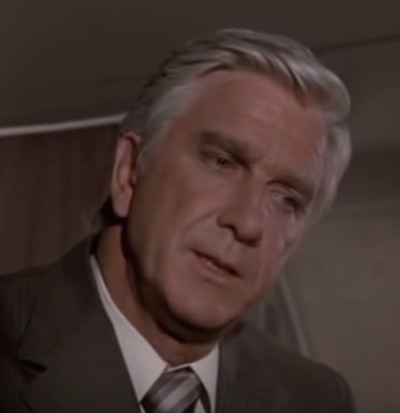
Once I learned Gipp’s true story, I became horrified that Reagan’s presidency had turned Gipp’s legacy into a promotion campaign. Of course, Airplane! (1980) would capitalize on the humor of this discrepancy. The movie came out before Ronald Reagan’s first White House term, but the politician had made two runs for the Republican nomination before getting it in 1980; there are digs on his acting in the film. And then the perfect parody: In a moment when Ted Striker (Robert Hays) is despairing about his poor chances of landing the plane, with death certain for all if he doesn’t, in comes Dr. Rumack-Don’t-Call-Me-Shirley (Leslie Nielsen) to give Striker a hilarious pep talk. Almost word for word, it’s Rockne’s speech. Nielsen even captures the coach’s understated style. To give a football speech in such a moment is very tacky–in even more ways that most viewers might suspect: Rockne died in a plane crash. Screenwriters Jim Abrahams, David Zucker, and Jerry Zucker capture inappropriate uses of Gipp’s name and of his coach’s tribute by using both inappropriately in their own film.

But I wasn’t thinking of any of those details as I watched. What I felt was a thrill, that delightful shock of recognition every classic film fan feels when she sees or hears a reference to an old favorite. And I didn’t think it was possible, but Airplane! is even funnier than I thought. How marvelous.

Share
Posted in: 1940s films, 1980s films, Action & Sports Films, Comedies (film), Drama (film), Humor, TV & Pop Culture Tagged: Airplane!, Film, George Gipp, Knute Rockne, Knute Rockne: All American, Leslie Nielsen, review, Ronald Reagan, Win One for the Gipper

Never Considered: Jake Gyllenhaal’s Repeated Oscar Snubs

02/18/2017 by leah@carygrantwonteatyou.com 6 Comments

I’m tired of the assumption that there must be buzz about a star before he/she can be considered “snubbed” by the Academy. Let’s look at the term, shall we?

Oxford Dictionary: snub: ” rebuff, ignore, or spurn disdainfully.”

“Ignore disdainfully” includes not noticing one’s performance at all, doesn’t it? In fact, wouldn’t that be a more insulting snub? As in, we don’t even consider you worthy of DISCUSSION?

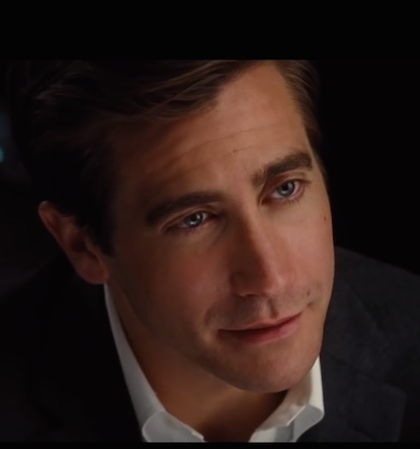
Take Jake Gyllenhaal, whom The Verge describes as the “best actor alive.” His performance in Nocturnal Animals was riveting. He played two vastly different characters in one film. The one is a study in innocence and naiveté.


The other is a subtle take on suffering, the weight apparent in limbs, gesture, look—a role that most others would play with histrionics. In every frame, you can feel the way the character’s combating his own weakness in trying to be strong.

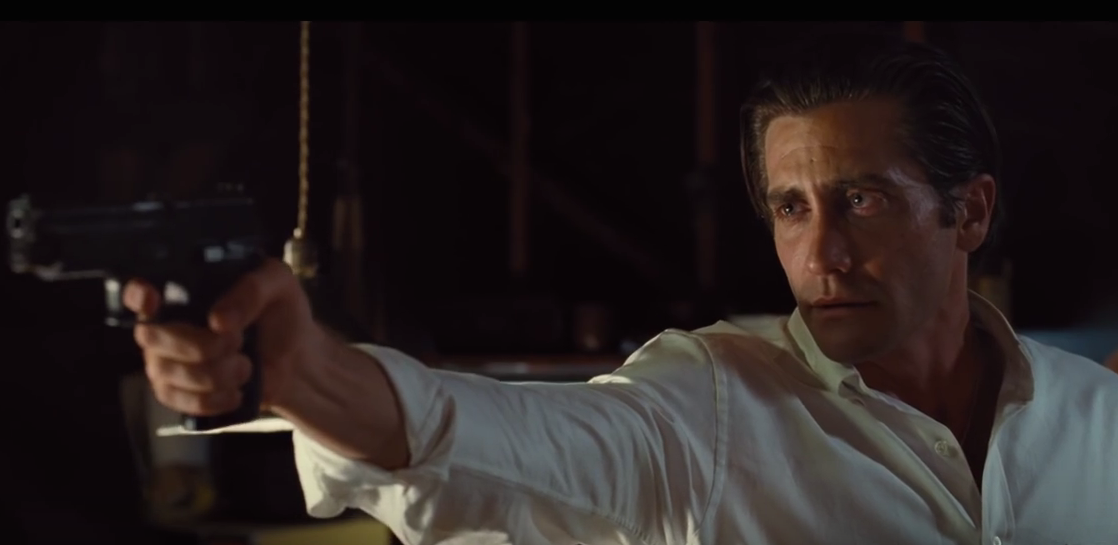
Both of these parts required versatility, and does Gyllenhaal have that skill down: In End of Watch, a headstrong young cop; in Nightcrawler, an animalistic creep; in Zodiac, an obsessive; in Brokeback Mountain, a romantic. (Uproxx‘s Steven Hyden called his Nightcrawler snub the worst of the decade; I know I’ve seen few performances to compete with it). Each time, Gyllenhaal moves beyond the stereotype, managing to imbue each character with such a singular, unique presence that you can’t look away, even when (as so often with Gyllenhaal’s choices) you want to.

I haven’t seen all the nominated performances this year, but I know Ryan Gosling’s part demanded a fraction of the skills of Gyllenhaal’s this year (much as I love the guy), and this is Denzel Washington’s worst performance since The Book of Eli. 

Of course, I could offer the usual bromide–that the best actors are so seldom recognized. Take my beloved Cary Grant, and all of those perfect, Oscarless performances. (And yet if I asked 100 people who know nothing of classic films to name one classic film star, which name do you think they know?)

My sister suspects a possible family bias, as neither Gyllenhaal’s sister, nor brother-in-law (Peter Sarsgaard) ever get their due either. Yet BAFTA values him. Catch up, Academy. Listen to the way Jake talks about his work–and how modest, funny, fascinating he can be. Pay attention to the complex vulnerability in his characters, the intensity, the quietness and the strength. Each of the men he plays are fully human, weird and disturbing as they so often are. Watch him pushing himself, over and over again, in roles other actors with his looks would avoid. Risk taking, funny, odd, so talented, Jake Gyllenhaal deserves some Oscar love. (The man himself, with typical modesty, actually claimed it was Ryan Reynolds who shouldn’t have been overlooked this year.)

But all you commentators out there, even if the Academy does keep snubbing him, let’s call it what it is. We have enough folks trying to deny reality this year, and change the definitions of basic words. Let’s all try some honesty instead: A snub by any other name still sucks.

This post is part of the 31 Days of Oscar blogathon, hosted by Aurora of Once Upon a Screen, Kellee of Outspoken & Freckled and Paula of Paula’s Cinema Club. Check out the first day of entries here.

Share
Posted in: 1990-current films, Blogathons, Drama (film), Oscars Tagged: Jake Gyllenhaal, Nightcrawler, Nocturnal Animals, Oscars, snubs

The Little Foxes (1941): the Melodrama for Our Political Moment

01/28/2017 by leah@carygrantwonteatyou.com 5 Comments


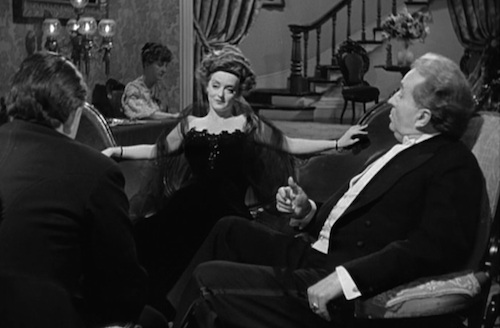
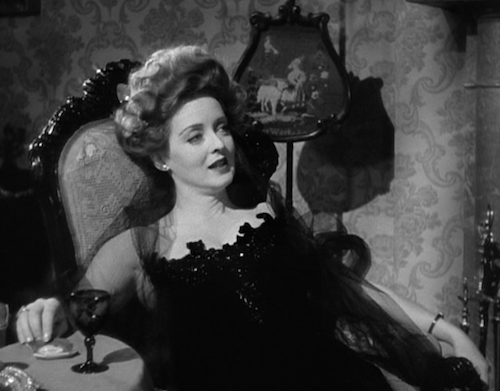
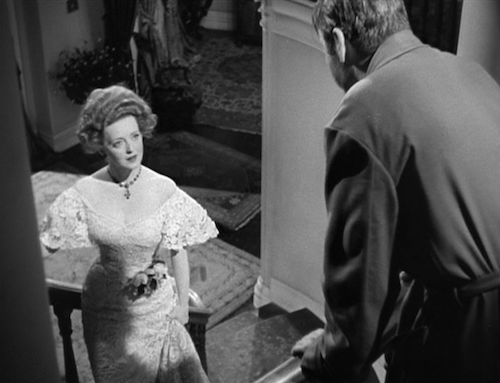
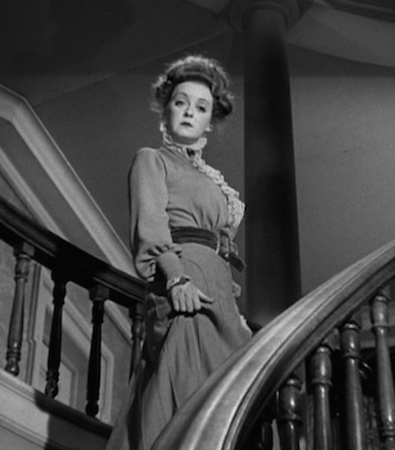
I found it eerie watching Regina (Bette Davis) plotting with her brothers in a story described by a contemporary reviewer as a “grim and malignant melodrama.” Certain themes kept surfacing that read like today’s headlines: mistreatment of minorities, disregard for others’ health, promoting an unlivable wage, business trumping decency to others. I was in the mood for a soapy melodrama, and naturally sought out a Davis flick. Usually, there’s no one I’d rather see in the role of a ruthless schemer. But she played the part too well; I didn’t expect to recognize so much. If it was escape I was after, The Little Foxes was a remarkably poor choice.

That isn’t to say I felt no sympathy for Regina Giddens (Davis). Anyone married to the sleep-inducing characters Herbert Marshall unfailingly plays; this time an ailing, upright man named Horace; deserves a bit of sympathy. Especially a character as vibrant and smart as Regina. It is fun to watch her messing with her brothers, in full control, before her husband enters the picture.


But he does, and her satisfaction is therefore short-lived: To watch her husband not only refusing to join a business venture so sure of success, but then condescendingly explaining her powerlessness to stop him, doesn’t sit well with Regina, but neither does it with those of us accustomed to more equitable romantic relationships.


While her role as wife to Horace is hardly as pitiable as that of her sister-in-law, Birdie (Patricia Collinge), the victim of neglect and domestic abuse, Regina’s not exactly free. It’s 1900, after all. While a Southern state might have initiated women’s marital rights in the US, it’s clear from Regina’s and Horace’s behavior that she has no power over their money, which clearly originated with his family rather than hers. Her daughter (Theresa Wright) is right that berating her dying husband is wrong, but what other move (besides submission) does Regina have? We don’t like her, but it’s hard to watch her brothers (who control the venture if her husband is out) triumph over her, given their sexism and treatment of Birdie.

Of course, Regina doesn’t warrant much sympathy, and her self-destructiveness is hard to witness: it’s not exactly politic or wise to explain to your mortally ill spouse (who holds all the power) that you kinda hate his guts. Then there’s her desire to get more than her fair share of the spoils from the business. And of course, there’s the real crux of the matter: her utter lack of concern over the unlivable-wage-for-employees-thing, which is motivating her husband’s refusal to buy in. Regina takes rejection personally, unable to view any scruples about heartless business practices as anything but stupidity or pretension.

While viewing the ruthlessness of Regina and her brothers as they plot to build their cotton mill, I found myself thinking “realism” far more than “melodrama.” We know these people, their goals, their casual cruelties. We’ve seen them in action. That’s why you’re getting daily emails from political action groups urging you to call Congress members right now. Regina’s avarice may take her farther than we predict. But is it so hard to believe that in a moment of passion, greed would triumph over humanity?

I kept remembering as I watched the film that Lillian Hellman, who penned the original play, didn’t have the sunniest view of her fellow beings (a viewpoint which couldn’t have improved when her Blacklist-targeted boyfriend went to jail for refusing to name names years later). But unfortunately, I can’t help but believe her cynicism justified. The hope we do get—the ethical love interest for the daughter showing some spunk—is muted, his victories offscreen. Regina may look a little scared in the big bad house as the story closes, but she still looks victorious.


Needless to say, I’m watching a comedy next week.

Share
Posted in: 1940s films, Drama (film) Tagged: Bette Davis, inequality, Lillian Hellman, movies about business, The Little Foxes

Gut Reactions to the Oscar Noms: The Good, the Bad, and the Ugly

01/24/2017 by leah@carygrantwonteatyou.com 2 Comments

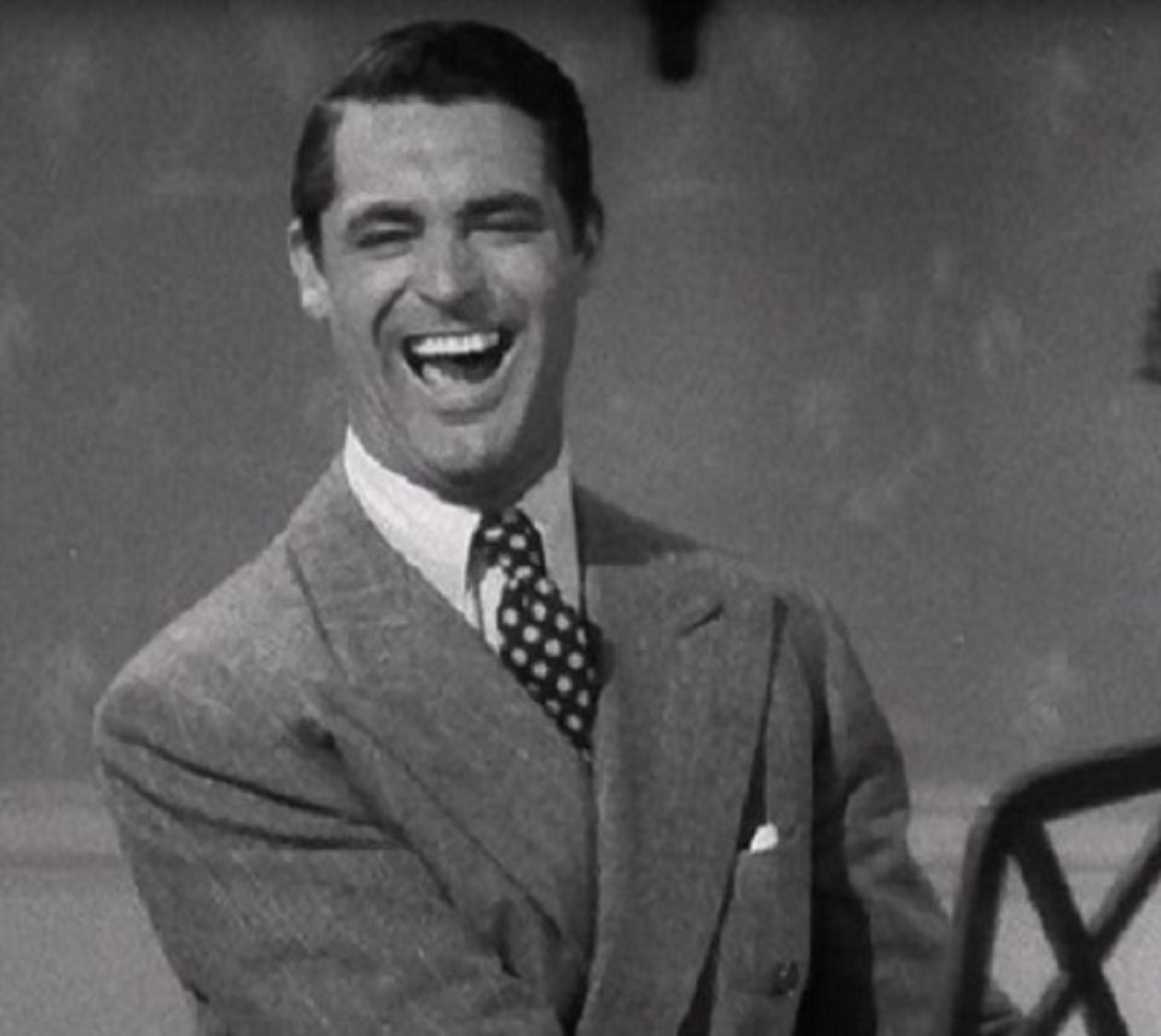
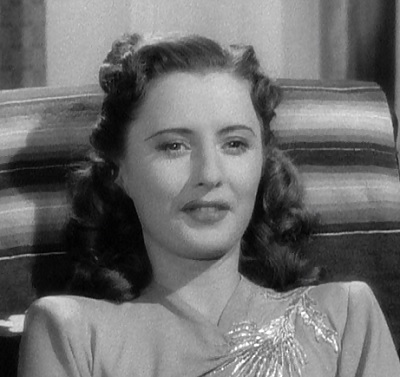
Oscar nominations are out, and as usual, my first reaction is outrage. But there are some good choices in the supporting category, so I’ll tone down some initial snark, and try to give credit where it’s due. So far, I’ve seen only four of the nominated films, so I’ll wait till I’ve seen more for additional commentary. Here we go:

Best Picture (of those I’ve seen):

The Good

Hell or High Water: Deserves the nomination, and the win (of the nominees I’ve seen). Understated, nuanced, beautifully written and acted.

La La Land: Deserves the nomination, not the win. Charming, creative, fun. A blast for those of us who love the classics. I’m glad it’s getting so much credit. But ultimately, no musical deserves the top prize with such forgettable songs. Crazy Ex-Girlfriend has more memorable tunes in each episode than this film in its whole running time.

Moonlight: Deserves the nomination, possibly the win. Focused, touching story of one boy and his struggles with his sexuality and family. Points for subtlety. An unexpectedly nuanced depiction of a sensitive, quiet kid. Great acting too.

Thank you, Academy, for passing on the execrable Jackie, which was so wretched I almost left the theater 20 minutes in. Aside from jarring music, awful plotting, and a cruel portrayal of its heroine, its sum insight was this: Jackie O liked history, and losing her husband so tragically really sucked. Yeah, I kinda got that.

The Ugly

GLARING OMISSION: Where is Nocturnal Animals? Tightly edited, riveting, meaningful, beautifully acted, memorable, each frame relevant. Best film I’ve seen in years, and not even a nod.

Fences: I challenge a first-year film student to do a worse job converting a play to a film than Denzel in this unwatchable turkey. Gabriel and a literal horn? Are you kidding me? Clichés writ large, full earnestness, awkward closeups, dialogue that translates poorly to film, and histrionic acting almost all round. Larry McMurty, in a funny, humble essay, wrote that Hud would have been better if the filmmakers had diverged more from his original story. Denzel needed that lesson.

Lead Actor

The Good
Ryan Gosling anchors La La Land, which wouldn’t have been nominated without him. The man has comic skills; it’s good to see a role requiring both drama and comedy chops get some credit.

The Bad
Where is Jake? Jake Gyllenhaal, who gets (unlike Denzel did in this year’s film) that sadness can be about weighty limbs and haunted eyes, not screeching?

Where is Joel Edgerton? I’m wondering if the Academy hadn’t seen enough of his work to know what a departure this role was for him. Watching his restraint, the pain he shows in every limb at being unable to protect his wife, is powerful.

The Ugly
Instead, we get one of the best actors of our generation in his hammiest performance ever. Worst I’ve seen since The Book of Eli. You’re not in a theater, Denzel! Stop shouting down the house, making unfunny jokes, and smirking. It’s not the role. It’s you. You’re so, so much better than this.

Lead Actress

The Good and Bad
I suspect Annette Bening deserved the award this year, but I haven’t seen her film yet, and The Academy would probably just have passed her over for inferior performances, as they usually do. Emma Stone was very good, not great, and Ruth Negga just solid in Loving. But where is Amy Adams? She was memorable in Nocturnal Animals, and apparently even better in Arrival. But she’s a subtle actress, and the Academy likes to wait until the mid-golden years to award that quality (I’m looking at you, Jeff Bridges). Bring it on, Natalie. Shouts and painful closeups win.

The Ugly
Oh, Natalie. It’s funny that comics get no nominations for mimicry, and the Academy falls over itself to nominate dramatic performances for the same skill. Portman does imitate Jackie’s voice well, but in a distracting way (especially when she slips), and her histrionic, Black Swanish take on the first lady was disturbing, one-note and insulting. Weirdest of all was her awkward, hands stiffly held penguin walk. I guess when she was observing footage of her subject she missed the poise and grace. Cause you know, those don’t come up that often when we’re talking about Jackie….

Supporting Actor and Actress:

The Good
Very happy about Mahershala Ali for Moonlight. A magnetic, yet still understated performance. Likewise Jeff Bridges deserves the nod, though I wish he’d mumbled a bit less in the role. Had to watch it twice to catch all of his great dialogue. I think I was one of the few who preferred Michael Shannon’s performance in Nocturnal Animals to Aaron Taylor-Johnson’s.

Naomie Harris was very convincing in a small, but pivotal role. I hate to give credit to anything in Fences, but Viola Davis was tremendous, and unlike her costar, modulated her performance to suit the film. Give this woman an Oscar already, even if it should have been for best actress.

The Bad
I’m upset about the lack of love for Ben Foster in Hell or High Water. Even the reviews credit Chris Pine more, but Foster enlivens and gives depth to a role that in lesser hands could have been cartoonish. He sells the bond between the brothers, which keeps us hooked on this rather slowly spooling story. And he adds comedy as well as pathos.

OK, that’s it for now. When I’ve seen more, I’m sure I’ll gripe some more…:) (I’m posting more fully about Jake later this month for an Oscar blogathon, and will, of course, want to discuss the screenplays soon….)
Share
Posted in: 1990-current films, Comedies (film), Drama (film), Oscars Tagged: #OscarsSoWrong, Amy Adams snub, Ben Foster snub, Denzel undeserved nomination, Fences sucked, Jake Gyllenhaal snub, Joel Edgerton snub, Nocturnal Animals snub, Oscar snubs

Defeat Future Trumps: Teach Humor

11/16/2016 by leah@carygrantwonteatyou.com 4 Comments

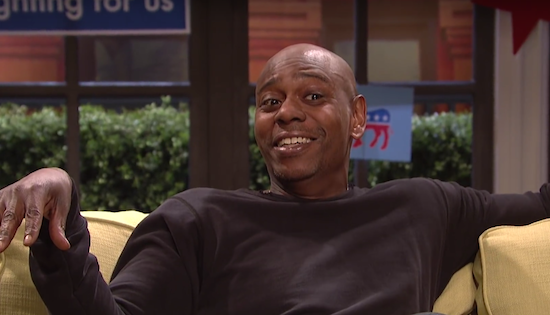
davechappelle-electionparody
“The human race has one really effective weapon, and that is laughter.” —Mark Twain

When Trump clinched the nomination in Indiana, I felt betrayed not by my fellow citizens, but by my art. I teach humor, write humor, believe in humor. And I couldn’t deny it: Trump’s skill with a joke was exactly what had enabled everyone to dismiss his threat, to not take (or pretend not to) his words about minorities and women as genuine. Humor had concealed the truth of Trump, like some fearsome Larry “Lonesome” Rhodes without Patricia Neal.

Of course I have always known there’s a brand of humor that’s not about empathy, but divisiveness: Tina Fey’s evil stepbrother. It’s the kind we learn the first time a bully mocks an outsider on the playground, and we laugh along. But I’ve always believed the most effective humor stems from the truths of being human: our common insecurities, foolishness, fears, and faults. In American, of course, humor is also about optimism, the kind of self-delusion that fills gyms January 1st with those who actually believe they’re going to change—this time.

What I’d never recognized was the danger of the appalling lack of empathetic humorists in the conservative camp. I’d gloried, in fact, that I could claim all the Jon Stewarts and Stephen Colberts and Chris Rocks and Tina Feys. And conservatives had only the worthless, sniping, sexist Bill O’Reillys and Rush Limbaughs, the ones who enjoyed belittling others.

The Daily Show got me through the horror of November 2004, gave me release in laughter and hope. It’s a power humorists have always provided: enabling us to cope, cutting the anger, making us believe again. The show gave me exactly what it was clear Trump supporters have not gotten: relief—and power.

As Twain recognized, laughter is a weapon, whether it’s used for bonding or separating. Give a man or woman who feels hopeless a way to laugh, and triumph comes with it. But when there’s no unifying humor, and a cruel substitute takes its place, what weapon is there to smash it out?

For many years colleagues have told me humor is “tricky” to teach, that only certain students “have it,” and I’ve grumbled under my breath, and kept teaching it on my own. But it’s exactly this kind of thinking that has led us to where we are now, with humor represented by the few, and so many feeling voiceless. No wonder Trump felt so fresh and empowering to so many.

I regret all the years I didn’t push humor, didn’t at least teach it to my own graduate students. Because what we need now are empathetic conservative humorists—not only to fight those bullies out there, but because let’s face it, liberals: we need to be mocked too. And it’s only in seeing what we have in common—especially our flaws and fellow suffering—that we can unify again. (In fact, Trump’s lack of ability to laugh at himself was what scared me most.)

So teachers, let me assure you: Humor is EASY to teach. And talk about making students like writing! I once taught a section of creative nonfiction focused on humor. Several students realized they’d signed up for it by mistake; some, who stared at me in horror, dropped it immediately; others took a chance. Very few actually thought they’d be any good at it. But by semester’s end, every one of those self-proclaimed unfunny people was writing humor with confidence and pride. Students LOVE writing comedy if you give them just a little encouragement; for many students, you have to do little more than give them permission. My students reflected that being funny was just being honest about what they felt and observed: their thoughts when stuck in a class or on a date they didn’t enjoy, the horrors of parking etiquette.

Most of all, my students had discovered that humor is about owning your own vulnerability, or as Carol Burnett puts it, “Comedy is tragedy plus time.” Instructors, if you can teach drama, why can’t you teach humor?

In most courses, I just teach humor for one class period. I screen a table on the board, showing that most humor is about contrast: inflated expectations versus realty, hopes for the self versus how things turned out, lessons you should have learned versus ones you did, how you hoped others would act versus how they did. This subject matter can be tragic or comic. Those of us reeling from last Tuesday are focused on the tragedy. But Chris Rock and Dave Chappelle took the same subject matter and spun it into humor. They used contrasts; they used truth. I know they made me laugh, really laugh, for the first time since I woke up to Trump’s win. Would you really want to deny your students that kind of relief? Consider carefully before you do: Comedy is power. And dismissing it—as we all have so painfully learned—can be anything but funny.

Share
Posted in: Comedies (film), Drama (film), Humor Tagged: comedy, empathy, humor, recovery from election, relief in humor, teaching humor, Trump

The Lure of the Selfish Genius

10/19/2016 by leah@carygrantwonteatyou.com 10 Comments

kirkdouglasbadandbeautiful
The Bad and the Beautiful
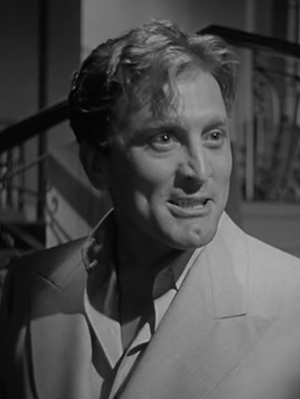
(1952) presents that classic question: what are you willing to put up with, to be under the direction of a genius? Whiplash (2014) did the same just a couple years ago, conductor Fletcher (J.K. Simmons) compelling his protégé drummer to dangerous extremes for his art. The question has obviously lost none of its potency in the last 60 years. But this classic Hollywood version begins with the victims of brilliant producer Jonathan Shields’ (Kirk Douglas’). You see the damage first, and it colors how you view the rest of the film.

And yet….It’s the start of the film, and while you’re soon treated to flashbacks of what treatment led Shields to get such cold shoulders from former pals, you can’t help wondering how they’ll answer the question—and how you would too.

Shields, it appears, is destitute in Paris. But he has an idea for a film, and three victims of his ruthless ambition would be perfect for it: Georgia (Lana Turner), the actress he romanced to improve her performance, then dumped; Fred Amiel (Barry Sullivan), the director/best friend whose work he stole; and screenwriter James Lee Bartlow (Dick Powell), whose life he destroyed. Shields sends proxy Harry Pebbel (Walter Pidgeon) to lure them. And Pebbel, who has forgiven Shields for his own wrongs, gathers them together, hoping they’ll stick around long enough for Shields’ call about the film. And so the flashbacks of each betrayal begin, ranging from egregious to abominable.

Douglas is predictably mesmerizing in the role, which was supposedly loosely based on producer and studio exec David O. Selznick, best known now for Gone with the Wind. In fact, Douglas is so good in such roles that I found myself actually expecting worse behavior from Shields, bad as it was (Ace in the Hole being the last film of his I viewed).

What I found fascinating about the film this time around is the horrifying cruelty of Pebbel.

walterpidgeonthebadandthebeautiful
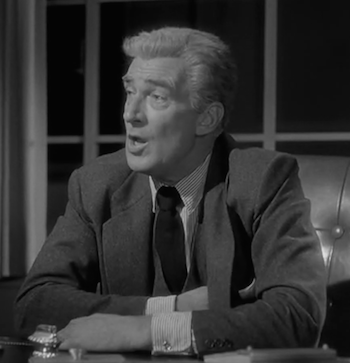
He actually pooh-poohs the three victims over their healthy desire to avoid the psychological damage Shields excels at inflicting, as if their heartbreaks are merely scraped knees. Pebbel’s argument—that human losses are inconsequential in comparison to accolades—is terrifying, and his calmness in expressing these views chilling. Shields may have a monstrous side, but he’s nothing compared to his Machiavellian helper.

But it is a question, whether for some the pursuit of greatness is worth human costs (though it would be hard to argue James’ was). Certainly, many artists we celebrate today have said yes to such a question. Many do now. The kindhearted instincts within you may urge such artists, “Leave!! Leave!” But the part of you who cherishes excellence secretly whispers, “Stay….”

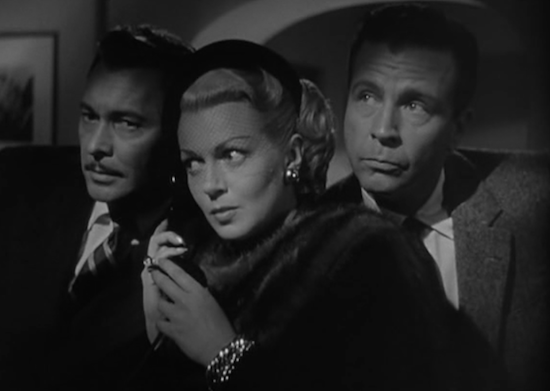
The call from Shields comes, of course. And of course, they all refuse to remain. But then Georgia picks up the phone connection in another room, and the others lean in to hear, and we see them listening, lured back.

thebadandthebeautiful
Will they, won’t they?

This post is part of the Hollywood on Hollywood fall blogathon hosted by the Classic Movie Blog Association. Check out the wonderful entries here.

Share
Posted in: 1950s films, 1990-current films, Anti-Romance films, Blogathons, Drama (film), Uncategorized Tagged: genius in film, The Bad and the Beautiful, Whiplash

The Dark Humor of High Noon (1952)

06/12/2016 by leah@carygrantwonteatyou.com 6 Comments

HighNoon
**Contains spoilers**

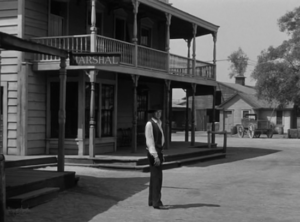
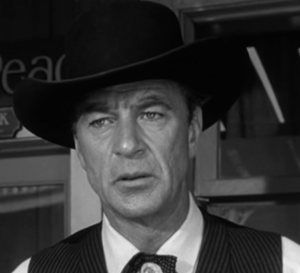
When I watched High Noon many years ago, I was struck by its pacing, its intensity, its seriousness. This time, I kept laughing. There’s something comic about watching Marshal Will Kane (Gary Cooper) aimlessly tread around the town, waiting for someone, anyone to assist him. I found myself curious (having forgotten most of the details) not whether he’d find aid, but just what methods of bailing on responsibility his fellow townspeople would employ.

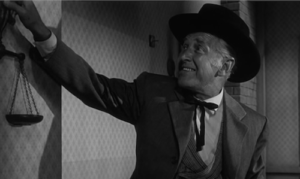
The judge (Otto Kruger) is, of course, is my favorite. Having passed sentence on Frank Miller (Ian MacDonald), a killer who has now been freed and is headed to town for revenge, the judge opts for exiting pronto. He tells Kane, the marshal who caught Miller, to do the same. His advice is a cynical history lesson about how little one can rely on civilian ethics when danger is afoot–an account of Athenians who welcomed a tyrant they’d once banished, and watched as he executed their government; an incident much like one that recently occurred in a nearby town. The judge shares these accounts as he casually packs away his flag and scales of justice.

ScalesofJusticeOttoKruger
His assessment about the value of the people he’s leaving to the mercy of an outlaw is almost as breathtakingly cold as the clock speech in The Third Man: “This is just a dirty little village in the middle of nowhere. Nothing that happens here is really important. Now get out.” The former marshal (Lon Chaney, Jr.), Kane’s mentor, is likewise a ray of light: “People got to talk themselves into law and order..down deep, they don’t care. They just don’t care.” Poor Kane is asking for just a bit of support before he takes on a posse, and these are his cheerleaders.

Of course, it’s hard not to love Kane, even as you wonder whether there’s a better way to overcome Miller than the one he’s devised (i.e., shoot it out).

Cooper-HighNoon
“I’ve got lots to do,” Kane keeps saying as the minutes creep by. But really, he doesn’t. He has to warn Helen Ramirez (former lover to both him and Miller), ask for volunteer deputies, and write a brief will. But this is a small town, easily navigated, and these tasks are quickly accomplished. What he really has to do is busy himself to avoid dwelling on the cowardice of his companions and his own slim chances for survival if he stays in town until noon, when Miller is arriving.

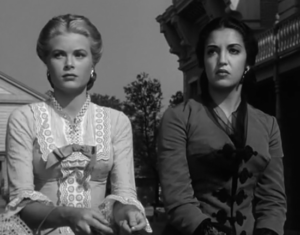
While Ramirez (Katy Jurado) is the most interesting character, it’s clearly Kane’s new bride, Amy (Grace Kelly), who brings on the dark humor.

JuradoandKelly
First, there’s the fact that she’s just had the biggest bummer of a wedding day ever. Then there’s the small detail that she’s a Quaker who has married a marshal. I don’t think I have to tell you that she may not be the wisest of women. Sure, he’s retiring; the new marshal is arriving the next day, and the newlyweds are planning to leave town and to run a store elsewhere before they hear about Miller. But surely five minutes of Kane’s obdurate behavior during courtship would have enlightened Amy that this whole conversion business–of both faith and career–wasn’t going to work so well. (Admittedly, given the pickings we see of the townspeople during the film, she may still have made the best choice of a mate she could.) And of course, it’s quite amusing that a woman who has to overcome her beliefs–not dodge them–is the only helper Kane receives. No wonder Kane throws his star on the ground after besting Miller.

That the film would include such darkness isn’t surprising from a screenwriter (Carl Foreman) who had been blacklisted before High Noon even came out. What he was witnessing of former friends and those he must have once respected couldn’t have led to idealism. Apparently, John Wayne scorned the film as anti-American, and Rio Bravo is a reinterpretation, with more admirable townspeople. While I agree with the movie’s distance from Wayne’s optimism, I think Foreman’s (and the original story’s) cynicism goes much deeper than any individual country, any specific belief system. It’s a simple, sadly humorous morality tale about human nature: while there may be rare moments of heroism (like Kane’s), typically, when the going gets tough, the “tough” scatter.

Share
Posted in: 1950s films, Action & Sports Films, Drama (film), Humor Tagged: best Westerns, dark humor, Gary Cooper, Grace Kelly, High Noon, movie, review

The Klutziest Bonnie & Clyde Ever: Gun Crazy (1950)

06/06/2016 by leah@carygrantwonteatyou.com Leave a Comment

GunCrazy
**Only very minor, preliminary spoilers here**

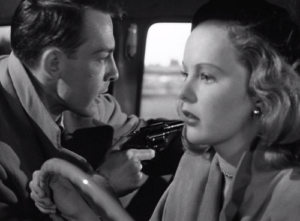
Gun Crazy begins with a boy getting caught for stealing a gun because he trips. The kid, Barton Tare, has a mysterious attraction to guns he can neither explain nor control. Others try to defend him, given that he has no desire to harm and isn’t a good thief. But he’s sent to reform school anyway, and after that and a bout in the army, the young man returns home and falls for a carnival sharpshooter, Annie Laurie Starr (Peggy Cummins). The two are both skilled in their expertise with weaponry and in their seduction of one another (clearly what brings them together), but their limbs just go haywire in all other contexts. When they turn to crime to satisfy Laurie’s lust for excitement and cash, the two can’t stop themselves from tripping, falling, and dropping the payroll.

The chief delight of this famous noir is Laurie’s ruthlessness; she’s one of the most fascinating femme fatales; the whole movie, you’re just waiting to see if her attraction to her now-husband, Bart (John Dall), will trump her self-interest.

LaurieGunCrazy
Bart’s a little screwy (as when he brings a gun to school as a kid and refuses to give it to teacher or superintendent). But there’s an aw-shucks, Jimmy-Stewartist innocence to his love for his wife, making her single-mindedness and easy manipulation of him both sinister and completely believable. When the going gets tough, you know Bart will save Laurie. What you don’t know is whether Laurie will lose a nail to save him.

Their gun skills, of course, make them a dangerous pair when they start to rob. But in peak moments, the pair keep FALLING, making you wonder how many capers they could have actually pulled off. Call me cynical, but I think some grace might help in a getaway. This lack of finesse might dissatisfy viewers looking for slick criminals in action, but being anything but nimble myself, I found their lack of coordination endearing–an unexpected trait that made me worry for their chances, and realize that I’ve seen this trait in cinematic bank robbers too seldom. Far too many action stars have amazing reflexes without Jason Bourne’s training; more of us stumble in real life, as the Darwin Awards and local news so often prove. I know I’m not alone in loving the pratfallers, even in a noir. (Usually, only minor characters make such silly mistakes.)

Of course, there’s a lot more to recommend the movie: its stylishness, the costumes of Cummins (clearly an inspiration for Faye Dunaway’s in Bonnie and Clyde), the many artfully composed shots. But its lack of predictability (thanks to screenwriters, blacklisted Dalton Trumbo and MacKinlay Kantor) is what kept me watching and wondering. I expected some hairy getaways, but not the twists I got. I expected a dastardly female, but couldn’t predict her moves. And I certainly didn’t expect–but loved–all the great moments like this, Bart’s first tripping incident, which led to all the rest:

Bartsfirstfall-GunCrazy

Share
Posted in: 1950s films, Anti-Romance films, Drama (film), Femme fatales, Film Noir/Crime/Thriller & Mystery, Romance (films) Tagged: best femme fatales, Claire Underwood, Dalton Trumbo blacklisted, film noir, films glorifying crime, Gun Crazy, John Dall, Peggy Cummins

New TV Show on Bette Davis and Joan Crawford!!

05/06/2016 by leah@carygrantwonteatyou.com 2 Comments

BetteandJoanWhateverHappenedtoBabyJane
FX is bringing classic movie buffs’ favorite sparring partners, Bette and Joan, to the screen. And the leads for the pair? Susan Sarandon and Jessica Lange. How lucky are we? The show, aptly titled Feud, will also feature some amazing costars. The only downside? We have to wait until 2017.

Join me as I watch What Ever Happened to Baby Jane? on repeat to rev up excitement for its debut!

Share
Posted in: Drama (film), Feminism, Humor, TV & Pop Culture Tagged: Bette Davis, Jessica Lange, Joan Crawford, rivalry, Whatever Happened to Baby Jane?

1946’s The Razor’s Edge: The Good, the Bad, and the Ugly

04/13/2016 by leah@carygrantwonteatyou.com 12 Comments

RazorsEdge
This is my contribution to the Classic Movie Blog Association‘s Words! Words! Words! blogathon. Some of the entries have been collected into an eBook, which is free on Smashwords or .99 on Amazon, with all proceeds going to the National Film Preservation Fund. I hope you’ll get the book or go here to read the words of my talented peers.

When I learned that CMBA’s spring blogathon would be devoted to writing and film, I decided to tackle one of my oldest literary phobias (of twenty years duration): watching The Razor’s Edge, an adaptation of one of my favorite novels. W. Somerset Maugham’s cynicism and lack of judgment about human behavior have always won me, and his Larry is a fascinating hero: elusive and religious, known for his evasions, gentle but of strong will, a scholar without pretension.

I’ve always loved how the story is told. The narrator, an unveiled W. Somerset Maugham, simply ties together a series of Larry encounters (both his own and others’), trying to explain why someone he barely knew had such an impact. Many believe Larry was someone the author actually knew, and have speculated on his identity.

Larry is an unusual character.

Larry-RazorsEdge
He is disillusioned after his time in WWI, looking for something to believe in, and wanders around Paris, through Europe, and eventually to India to find it, a quest he calls “loafing,” which actually means intense intellectual pursuits. He decides to let go of his love, Isabel, when she won’t join in his journey, and she never gets over him. While he finds what he needs (faith), Isabel pines for him even after her marriage to a millionaire (Gray Maturin). I shuddered at what Hollywood would do with such a religious quest–probably turn it into a romance.

PowerandTierneyromance-RazorsEdge
Alternatively, the movie could focus on Isabel’s uncle, Elliott, and his high society ambitions–a better option, given how delightful that character is, but still not the story I knew.

I wanted to give the screenwriter some slack, since creating a good movie from such a story was a pretty tough aim. Lamar Trotti managed better than I would have thought, and has moments of real mastery. But alas, much of the film tips toward tedium. I’ll start with what works, and lead into the atrocious.

The Good.

Elliott (Clifton Webb).

CliftonWebb-RazorsEdge
A lot of the credit for the characterization of literature’s most endearing snob goes to the actor. (After all, he excelled at this role in Laura and Titanic.) But much goes to Trotti too: he retains great lines from the novel, which capture the snobbery and yet the sweetness of the man. I like how occasionally Trotti uses him as a stand-in for the narrator, as when Isabel (Gene Tierney) thinks of luring Larry (Tyrone Power) to bed to trap him with a pregnancy, and her uncle rips on her for it.

WebbandTierney-RazorsEdge
This moment was much livelier than the narrator’s conversation with her in the novel. Maugham and Elliott share a sardonic humor and lack of pretense about human behavior; it’s not at all surprising that they’re friends (in Elliott’s case, of course, he is quite blind about his own). This switch works much better than (oh horror!) when the writer exchanges the narrator and Larry later (see “The Ugly.”)

Isabel’s Selfishness. I was afraid the writer would take the cruelty out of Isabel, soften her up to earn sympathy. High marks to Lamar Trotti for letting her be who she is; her self-centered behavior is one of the highlights of the novel and the film.

GeneTierney-RazorsEdge
She comes across as real, like Maugham’s other fascinating heroines: charming and fun, but judgmental, conniving, and occasionally ruthless. As the narrator says of her, “You only lack one thing to make you completely enchanting…tenderness.”

Montages of Larry’s Actions. What a stroke of brilliance to pair Elliott’s guesses about Larry’s likely debauchery and high-class life in Paris with scenes of his real actions (hanging out on a steamer with a bunch of guys rather than the glamorous voyage Elliott would have booked, reading books rather than finding a mistress).

Powermontage-RazorsEdge
The juxtaposition made me laugh aloud. Beautifully done.

The Narrator. While his absence in much of the first half makes little sense, when he appears, Maugham is quite similar to his character in the book, though (thanks to the casting of Herbert Marshall) less animated.

MarshallandTierney-RazorsEdge

The Bad

The Strange Opening about Larry. The writer falters with his introduction. Instead of trusting his scenes to show Larry’s originality and holiness, he preaches it to us by lifting a whole passage from the book. Since we don’t see the many encounters between Larry and the narrator or the narrator and Isabel that appear in the novel, this knowledge of and admiration for Larry are puzzling, as is Maugham’s later intimacy with the Maturin family.

Sophie (Anne Baxter).

Baxter-RazorsEdge
True, the girl had her romantic side, but what happened to the dry cynic we saw in those early scenes in the book? The cool-headed observer of her peers? She was passionate about her husband, yes, but theirs was a kind of exclusive love; they weren’t exactly the social butterflies we get in the film. Nor was she ever a fan of Isabel’s. She was an outsider from the start, which made her tragedy all the more acute. Baxter does a good job (though her Oscar was a stretch), but she’s given a far less interesting character to work with than in the novel; the character’s lack of boldness in the film also took away the dark humor of her reactions to Isabel’s superficiality.

The Absence of Suzanne Rouvier. What this film really needs is some comic relief, and the sensual artist offered a trove of it in the novel. A one-time lover of Larry, she is an unapologetic, sensual woman who made a career of being an artist’s model/mistress. Her frankness about her life is hilarious, and her insights about Larry’s kindness (he only took her in because she was sick and destitute) fascinating. True, the majority of her words and actions wouldn’t make it through the censors. But surely a toned-down version could have been attempted?

The Ugly

When Larry Talks about His Faith. Those ponderous religious speeches!

TyronePower-faithRazorsEdge
So much more could have been accomplished with wit, with expressions, and with Larry’s dodges when asked direct questions (which we see frequently in the book). In fact, his mystery was one of Larry’s biggest appeals, and is utterly absent from this characterization. He also took himself far less seriously than we see here, and only rarely talked about his beliefs.

Instead, the camera freezes on Power’s intense expressions; we hear his words about doubts and faith. The melodramatic music and shots of clouds don’t help, but I doubt those are the fault of the screenwriter. I know some will blame the boredom of these speeches on Power, but honestly, he does seem like the joyful Larry when in motion. Just when he’s still do I roll my eyes and try to avoid drifting off to sleep.

Larry’s Sanctimony. What happened to his “aloof” quality, which is mentioned in the movie? His lack of judgment? His desire not to have a hold on others–or to let them have a hold on him? Now he’s lecturing Isabel about Sophie? What? By taking the narrator’s scenes and putting Larry in his place, the writer has turned Larry into a stuffy character I’ve no interest in knowing. And this is one of my favorite characters in literature.

The Holy Man. Until this man said, “We Indians,” I wasn’t sure if this was the Benedictine monk from earlier in the book, or the Hindu who helps Larry find his faith. After all, the latter was described in the book as someone who “didn’t talk very much” and mainly meditated.

PowerandYogi-RazorsEdge
This strange bearded guy is the chattiest of yogis ever seen on film and perhaps the most European looking. He also is guilty of some serious close talking. Come on. I know this wasn’t exactly a racially/ethnically enlightened time in American film, but surely some understanding of the faith being displayed was required? In a film about faith?

I can’t decide if I’m happy I saw the film or not. It certainly didn’t ruin the book for me, and I enjoyed the scenes with Isabel when Larry wasn’t present, and Elliott with everyone. I’m curious what others think who haven’t read the novel. Did you just fast forward through Larry’s religious scenes to get to the juicy ones, as I wished I had?  Now that I’ve gotten over my phobia, maybe I can give Bill Murray’s version a chance; he’s a softer presence than Power, and supposedly really fought for the role. Maybe it’s a bit closer to the novel, and at the very least, it’s more time with Murray….

Share
Posted in: 1940s films, Blogathons, Drama (film), Romance (films) Tagged: Clifton Webb, Gene Tierney, religion and film, screenwriter, The Razor's Edge, Tyrone Power, W. Somerset Maugham
« Previous 1 2 3 4 5 6 7 8 9 10 Next »

Recent Posts

  • 100 Years Later, Still Scary: Dr. Caligari
  • Escaping Out of the Past (1947)
  • A Weeper for Those Who Love Jerks
  • Thank You, Academy, for Not Infuriating Me
  • Challengers (2024) Is a Bad Movie

Subscribe to Blog via Email

Enter your email address to subscribe to this blog and receive notifications of new posts by email.

Categories

  • 1920s films
  • 1930s films
  • 1940s films
  • 1950s films
  • 1960s films
  • 1970s films
  • 1980s films
  • 1990-current films
  • 2020s films
  • Action & Sports Films
  • Anti-Romance films
  • Blogathons
  • Childfree
  • Comedies (film)
  • Drama (film)
  • Feminism
  • Femme fatales
  • Film Noir/Crime/Thriller & Mystery
  • Gloriously Silly Scenes
  • Horror
  • Humor
  • Mae West Moments
  • Musicals and dancing films
  • Oscars
  • Random
  • Romance (films)
  • Romantic Comedies (film)
  • The Moment I Fell for
  • Turn My Sister into Classic Movie Fan
  • TV & Pop Culture
  • Uncategorized
Share
Classic Movie Blog Hub Member

Recent Comments

  • leah@carygrantwonteatyou.com on Meg Ryan’s Fate Foretold in Joe Versus the Volcano
  • Ryan on Meg Ryan’s Fate Foretold in Joe Versus the Volcano
  • leah@carygrantwonteatyou.com on 100 Years Later, Still Scary: Dr. Caligari
  • The Classic Movie Muse on 100 Years Later, Still Scary: Dr. Caligari
  • leah@carygrantwonteatyou.com on 100 Years Later, Still Scary: Dr. Caligari

Archives

  • November 2025
  • September 2025
  • May 2025
  • March 2025
  • January 2025
  • November 2024
  • August 2024
  • July 2024
  • May 2024
  • March 2024
  • February 2024
  • December 2023
  • November 2023
  • October 2023
  • September 2023
  • August 2023
  • July 2023
  • May 2023
  • April 2023
  • March 2023
  • January 2023
  • December 2022
  • November 2022
  • September 2022
  • July 2022
  • May 2022
  • April 2022
  • March 2022
  • February 2022
  • October 2021
  • September 2021
  • April 2021
  • March 2021
  • February 2021
  • December 2020
  • October 2020
  • September 2020
  • July 2020
  • May 2020
  • April 2020
  • March 2020
  • February 2020
  • December 2019
  • October 2019
  • September 2019
  • June 2019
  • May 2019
  • April 2019
  • February 2019
  • January 2019
  • November 2018
  • September 2018
  • July 2018
  • June 2018
  • May 2018
  • April 2018
  • March 2018
  • February 2018
  • January 2018
  • November 2017
  • September 2017
  • August 2017
  • July 2017
  • June 2017
  • May 2017
  • April 2017
  • March 2017
  • February 2017
  • January 2017
  • December 2016
  • November 2016
  • October 2016
  • August 2016
  • July 2016
  • June 2016
  • May 2016
  • April 2016
  • March 2016
  • February 2016
  • January 2016
  • December 2015
  • November 2015
  • October 2015
  • September 2015
  • August 2015
  • July 2015
  • June 2015
  • May 2015
  • April 2015
  • March 2015
  • February 2015
  • January 2015
  • December 2014
  • November 2014
  • October 2014
  • September 2014
  • August 2014
  • July 2014
  • June 2014
  • May 2014
  • April 2014
  • March 2014
  • February 2014
  • January 2014

Meta

  • Log in
  • Entries feed
  • Comments feed
  • WordPress.org

Copyright © 2025 Cary Grant Won't Eat You.

Church WordPress Theme by themehall.com