They Live: Best Conspiracy Film?
Join my friends’ and my new podcast! Tomorrow we feature the gum-chewing, sunglass-wearing Roddy Piper as he breaks through all the conventions of conspiracy films we’ve discussed so far. Don’t miss it.

Join my friends’ and my new podcast! Tomorrow we feature the gum-chewing, sunglass-wearing Roddy Piper as he breaks through all the conventions of conspiracy films we’ve discussed so far. Don’t miss it.
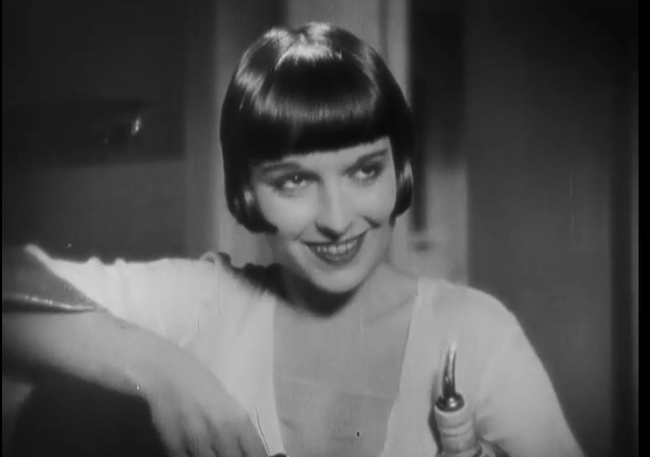
Its not surprising that the actress who made her mark as a partially nude Ziegfeld Follies girl would star in one of the most seductive films of the 20s.
That the great German director G. W. Pabst would find it worthwhile to draw this star from American isn’t surprising either. The heroine of his 1929 Pandora’s Box had to be sexy enough to lure everyone around her, and heedless enough to rebel against the powerful without considering consequences….and that was kind of Louise Brooks’s forte.
The Kansas-born actress would make a point of ticking people off, refusing to conform to Hollywood expectations of her—or follow the directions of her bosses. In terms of roles, she didn’t really make a big splash, with few starring roles and many bit ones. But that didn’t stop her from demanding her rights. She expected more of her parts. She asked for promotions. She wasn’t much for punctuality. Most damagingly, she refused to do retakes of The Canary Murder Case (1929) to convert it from a silent to a talkie. She DID enjoy Hollywood social life–she was a regular at William Randolph Hearst’s and Marion Davies’s San Simeon, even romancing the latter’s niece, Pepi Lederer.
Her independent spirit ensured Louise Brooks didn’t make it far in Hollywood, but it’s also why we know her name still today. We like that she was who she was, and she didn’t apologize. Louise Brooks’s authenticity comes through in everything she did, especially in her acting. Her naturalistic performances might not have impressed all viewers back in 1929, but today they make her acting accessible to modern viewers–much more so than her contemporaries who followed the day’s more stylized acting trend.
And don’t we all love her rebellious soul? That flapper haircut, the partying all night after days on the set, the love affairs with men and some women that cut short her success. (Who turns down The Public Enemy to be with a guy?) And without that rebellion, we wouldn’t have her tripping off to Germany to make Pandora’s Box or Diary of a Lost Girl with a man who turned out to be one of the most impressive German directors of his time, whose films are still powerful enough to survive on best-of lists while those silents that had far higher box office draw are forgotten.
Of course, her legacy might still have disappeared, but Louise Brooks, as it happened, wasn’t just a good actress; she was talented at telling her own stories as well. The witty book of her movie reviews/Hollywood history in later life, Lulu in Hollywood, gave her a second burst of fame–and ensured that fame would endure. For many of us, she and Clara Bow are the face of the flapper.
I found myself instantly mesmerized by her in Pandora’s Box. Not since Angelina Jolie in Mr. and Mrs. Smith and Marilyn Monroe in Niagara have I seen an actress in such full command of her sexuality.
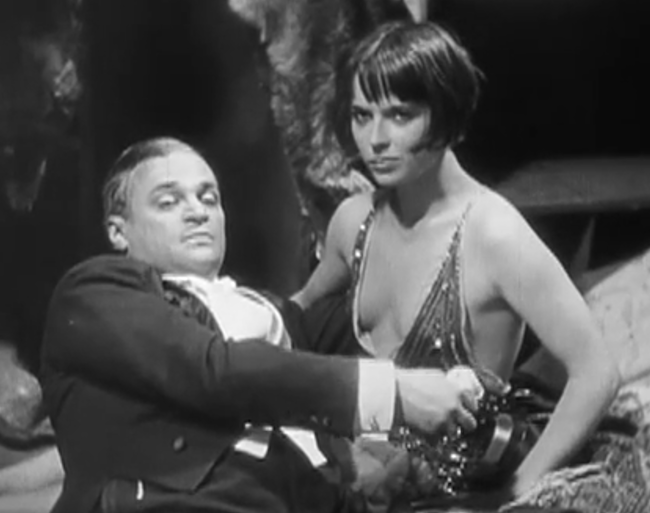
The way Brooks moves from archness to innocence, from manipulation to fun as the character Lulu is a thrill to view. She seduces EVERYONE in Pandora’s Box. I mean, is this how you act with your lover’s son?
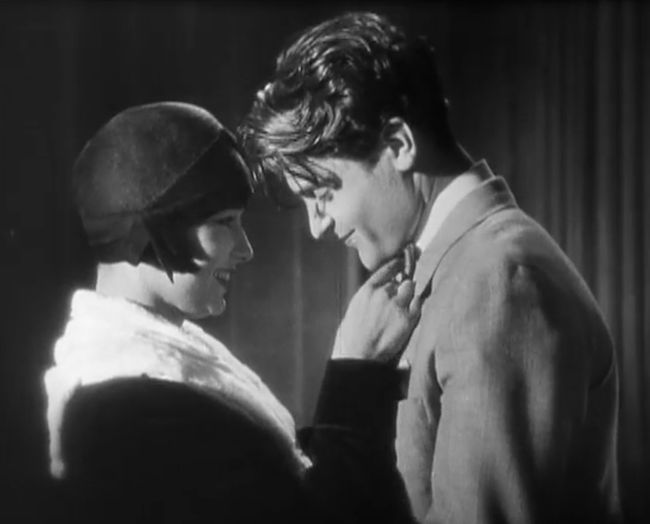
But the son, Alwa (Franz Lederer), is not alone. Every delivery person, businessman, and lawyer gets Lulu’s seductive treatment—most thrillingly, given the time period, Countess Anna Geschwitz (Alice Roberts), a rich lesbian friend, gets Lulu’s full-press sexy attack. Watch as Anna stares at Lulu with stark hunger….
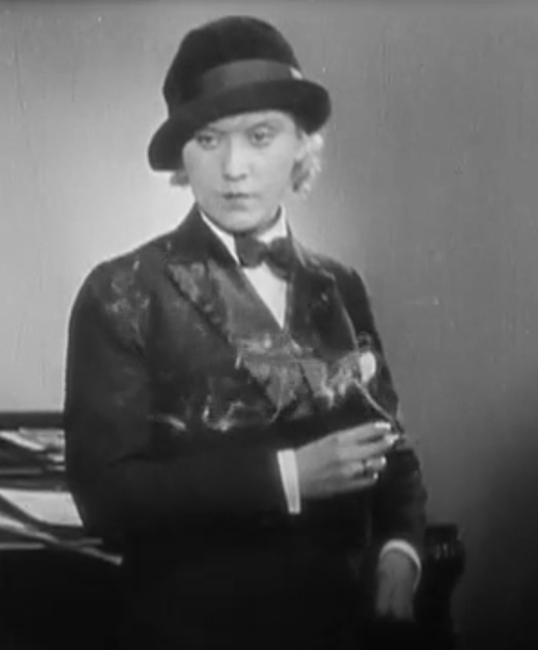
….and dances with her in a sensual sequence….
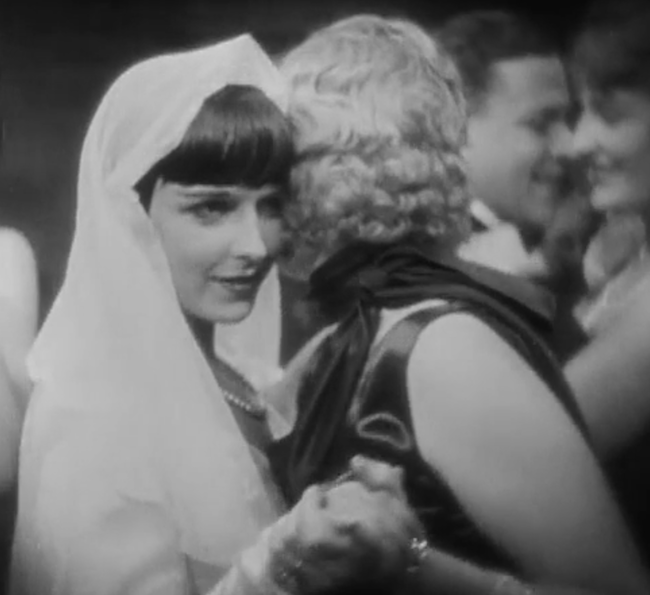
and expresses her longing to do more at Lulu’s bedroom door….
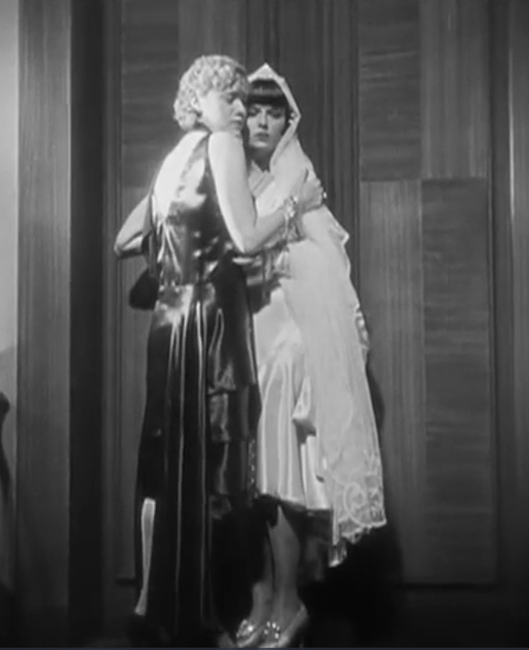
Wow! I kept checking the date. Was this film really made in 1929? (Of course, the censors butchered it after its initial release, erasing this maybe-maybe-not consummated love affair entirely.)
I’m avoiding all but minor & very vague spoilers, so the plot summary that follows will not be precise, especially after the first acts.
The untampered-with version of the film begins with Lulu hanging out at the apartment where her lover, Dr. Ludwig Schön (Fritz Kortner), is putting her up. She’s flirting and drinking with a deliveryman/mailman when a friend arrives. Lulu calls the new arrival, Schigolch (Carl Goetz), her “patron,” but it will be unclear from later events whether he is her first john, pimp, or father. Whatever he is to her, Schigolch is clearly an unsavory type, so Lulu hides him on her balcony when Ludgwig comes home unexpectedly. Ludwig has bad news for Lulu: he has to marry a respectable girl, not her. Lulu comforts her despondent lover on her bed.
Of course, Ludwig discovers Schön on the balcony and takes off, but Lulu doesn’t seem concerned for long. Nevermind that her lover/income source has now disappeared. Schigolch has another offer for her, a chance to return to the stage. And after all, this woman will have NO issues getting a new lover. Just look at these typical reactions to a Lulu encounter:
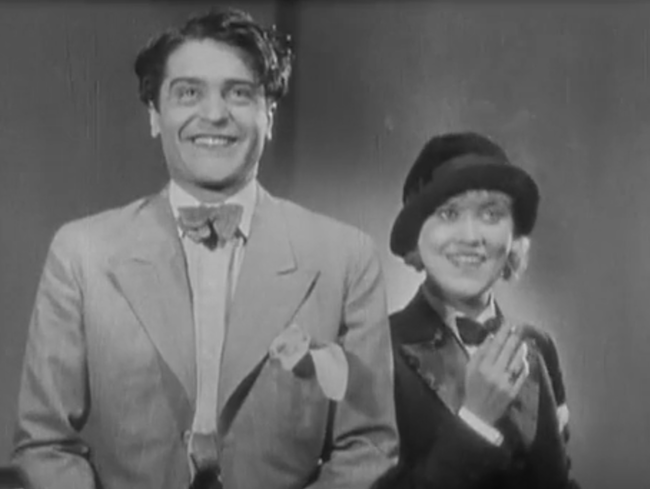
Whether Lulu’s flirty nature is mainly a result of calculation, high spirits, or just innocent fun is always unclear. What IS clear is that she always must have everyone in her thrall. Her supposed nonchalance at Ludwig’s loss doesn’t keep her from getting him back when she gets the chance (and what a great scene it is when she does).
After she reunites with her lover, things will go horribly wrong for everyone in the story, justifying one prognosticator’s claim that Lulu is Pandora, the mythical character who unleashed society’s ills into the world. Of course, this pronouncement about her Pandora nature annoys a modern woman to no end, as it’s clear that the man who says so assumes the jealousy Lulu inspires and whatever results from it are all her fault. Forget that the men who surround her are (a) weak, (b) dark/controlling/abusive, (c) silly alcoholics, and/or (d) con men. Forget too that any man who spends five minutes with her knows that fidelity probably isn’t Lulu’s strong suit.
Of course, Lulu isn’t exactly an innocent. The way she repeatedly uses and betrays her lesbian friend is disturbing, and it doesn’t seem the result of any bigotry–just desperation and selfishness. Lulu’s lack of compassion about others’ suffering as she casually checks out magazine fashions is chilling. I like that we’re not merely asked to condemn her actions, but what we ARE to make of her isn’t entirely clear.
The production itself is sophisticated and effective, way ahead of its time. Her clothes are a joy to view. But the script is…odd. The first five acts are memorable, well-written, funny, and exciting, with clear plot development. But after the first five acts, I thought, “this is probably where the film ends.” And then another act would follow and I’d assume it was ending again, and another, and another. The story soon feels like a series of set pieces/vignettes pulled together rather than a coherent story, which is particularly evident in the last act. I guess I would have been OK with this if the story had been framed as a series of Lulu adventures, but there’s a morality play bent to it that just doesn’t work—because you can’t help but enjoy rather than judge Lulu thanks to her considerable charisma, and because you can’t really find a morality play effective without a clearer narrative arc/characterization.
For example, I think we’re meant to pity Ludgwig’s man-boy son, Alwa, for his hopeless passion for Lulu, but his actions throughout the narrative are weak, disloyal, and despicable, so I’m not sure why I’m meant to root for him. I mean, sure, he’s obsessed with Lulu, and Lulu, though she calls him her best friend, isn’t exactly empathetic toward him. But then again, she cheerfully puts up with his dour, leech-like company, and clearly could find a more congenial and ambitious companion. There has to be some strain of kindness and loyalty in Lulu to make her tolerance for him possible. (Think about the suitor she chooses over him/to help him late in the film, and you will see just how bad of company she considers Alwa.)
I also find it hard to understand why this woman, with such a magnetic personality and such great beauty, couldn’t find another well-heeled protector who would conceal her shady past AND help her support her two hangers-on. Her poverty late in the film–given her earlier adeptness with reinvention—isn’t well explained.
This film is often called a masterpiece, and in its first few acts, I think it is. After that, I’d argue that the film falls apart, though I know MANY would disagree with me.
But here’s the thing: It doesn’t matter. The first few acts have already seared into your memory. Your impression of Louise Brooks is already powerful given her electric performance and unforgettable beauty. And your admiration for Pabst’s technical proficiency and daring have already been won. What does it matter if the logic and narrative thread and even Lulu’s character are all a bit of a mystery to you in the end?
This film can be hard to track down at times, but luckily, it’s streaming on Kanopy, which is available for free to most library patrons. (Even if you don’t have a card, some temporary ones are being given during this pandemic.) You may not end up watching the whole thing, but don’t miss Acts 1-5! The court scene alone is worth the viewing.
This post is part of a Ziegfeld blogathon. Click here for fun-to-read entries in the Great Ziegfeld Blogathon, hosted by Hollywood Genes.
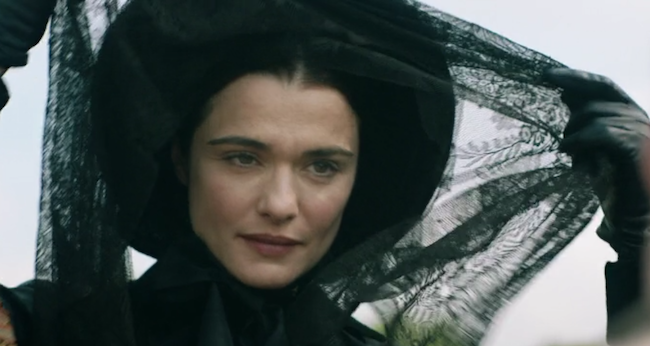
I had hopes for My Cousin Rachel (2017). I don’t know why. I’d already discovered–despite my enjoyment of the 50s version–that the book wouldn’t translate well to film without a big overhaul. I guess I hoped a director smart enough to cast Rachel Weisz in the key role would know to make such changes. (She had added complexity to Definitely, Maybe for crying out loud. Who better to take on the mysterious, unreadable Rachel?) But within minutes, it was evident this director of slight rom-coms lacked the imagination to even equal the previous film’s quality. The 2017 take is incomprehensible, just short of laughably bad. I had flashbacks of Season 3 of Bloodline. What the ksljfkjslkfj! is even going on?
***Mild spoilers–I won’t give away the end. Here’s the plot: a sheltered young man, Philip, is taught to hate women by his cousin/foster father Ambrose. He discovers his cousin has fallen in love with and married a woman while abroad in Italy. Philip’s jealous, angry, anxious. Then he receives strange letters indicating Ambrose is afraid of his wife and quite ill. On arriving in Italy to save his beloved cousin, Philip discovers him dead, with shady characters delivering the news.
Back home in England, he vows revenge on the widow, just on time for her arrival for a visit. The story takes off from there, as Philip falls for the widow and acts completely besotted right away.

Unfortunately, he can’t determine whether Ambrose died of a brain tumor (making his suspicions delusions) or by his wife’s hand. Is the widow just mercenary in this visit, trying to get her late husband’s estate by wooing Philip? Or is she an independent woman who means well but is reluctant to yoke herself to a silly boy who can’t distinguish between sex and marriage? And regardless of which she is, is that dreaded tea she’s making poisonous? And when he’s ill, will she help Philip get well, or attempt to slowly kill him off?
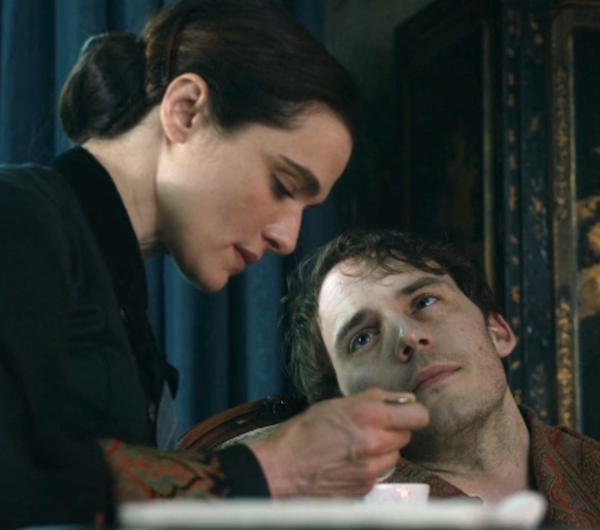
The lure of the book is the constant back and forth of the reader’s (and Philip’s) suspicions about whether she’s a killer. The did-she, didn’t she is brilliantly developed by Du Maurier. Philip, the narrator, is, by any definition, a dupe. Suspecting Rachel as he does, offering her all of his worldly possessions because she smiles at him isn’t exactly a bright move. What redeems the narrator for the reader is that he’s telling this story AFTER THE FACT, and we understand he’s not quite so foolhardy now. We also get inside his head, understanding why he trusts when he does. We also know more of the sheltered background that explains (as it turns out) his dangerous lack of experience with women. How else could we understand his dogged pursuit of a woman who is not attracted to him?
Without this context, the narrator comes across on film as not only unlikable, but unhinged. In the 1952 version, he acts like a dangerous stalker after Rachel stops allowing his seductions.
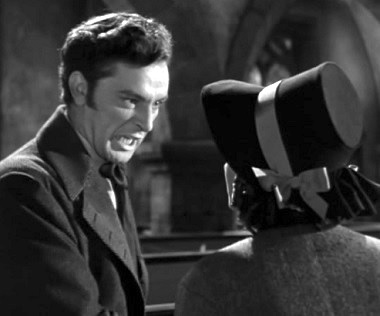
Luckily, the role is played with such relish by Richard Burton that you enjoy it even as you know the book’s intent has been completely overthrown. (Philip HAS to be the enemy, with behavior like this.) In the 2017 version, far less ably played by Sam Claflin, Philip is so pathological in his pursuit of Rachel that you see her possible poisoning of him as an act of self-defense. How else can she ensure he won’t kill her, he’s so obsessed? That attack on her throat is just the beginning!
With this upending of villain roles, the did-she, didn’t-she becomes, “Who cares what you did, lady. RUN!!” I don’t have a problem with changing a book’s focus, but as it turns out, that uncertainty about Rachel was also the narrative’s greatest appeal. Without it, we’re stuck watching an unlikable dupe turn into a psycho, which isn’t interesting viewing. I also don’t think voiceover from Philip would have worked; the story needs more nuance and he’s not intelligent enough to provide it.
As I see it, the only way of salvaging the story on film was to change the lead. What about his godfather’s daughter, who likes Philip for some unaccountable reason? We’d see Rachel’s behavior more clearly from her eyes; she may be biased, but she’s perceptive. Again, no need for voiceover, but she’d notice different details, like Rachel’s manipulative ways. (Though let’s stop the anachronisms, please, 2017 version; I can’t see this young lady frankly talking about homosexuality with Philip.) Or what about the godfather as the lead? He’s protective and smart.
Or you could go full-tilt into unreliable narrator mode, and make Rachel–the most interesting character–the lead. She could be like the riveting James Cain narrator in The Cocktail Waitress. With Rachel, I wouldn’t even mind a bit of voiceover.
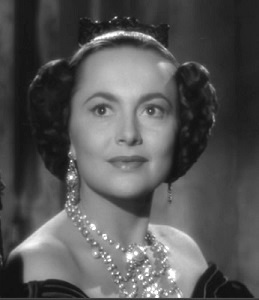
It’s funny that the 2017 version completely dropped the notion that Rachel was foreign in her ways—and yet that foreignness helps explain her greater independence, her unknowability to Philip, and her tenuous status in the community (who, like Philip, are a bit entrenched in their xenophobia and rigid biases).
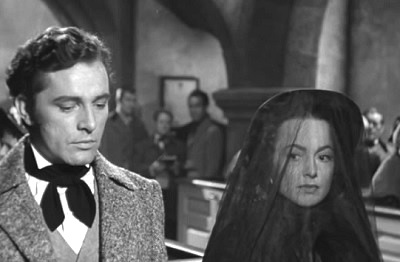
And it also helps show her confusion. She’s lived a cosmopolitan life in Italy, and Philip’s (and his community’s) rigid morals about sexuality don’t make sense to her. With more of her character unfiltered through Philip’s perspective, we viewers might come to understand her better.
As it is, the 1952 version is entertaining at least. The 2017 version, alas, is not, with Claflin making even histrionics dull to watch. Only some pretty cinematography redeems it at all. The 2017 version adds a dumb ending and strips away much of the questioning of Rachel’s motives. Rachel seems delicate rather than arch at all times and her character is so terribly underdeveloped that Weisz–for once–is tedious to watch. View the 1952 version for Burton’s high drama and Olivia de Havilland’s riveting confidence as Rachel. But if you love the book, be prepared for disappointment: your beloved psychological thriller is now a crush-gone-bad procedural.
This post is part of the Classic Literature On Film Blogathon, hosted by Silver Screen Classics. Check out all the great posts!
spoilers ahead.
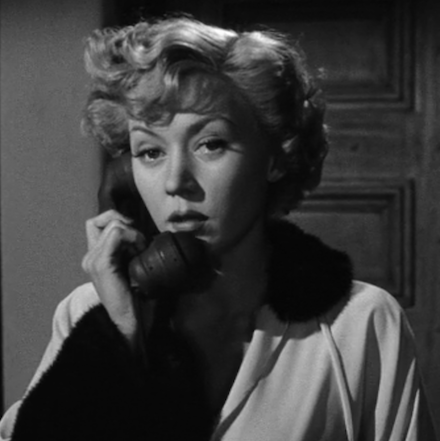
I was wowed by Nicholas Ray’s In a Lonely Place. The film, it seemed to me, was ahead of its time in its powerful portrayal of domestic abuse. On the surface, the film explores whether the hero, Dix (Humphrey Bogart), murdered an innocent woman. His girlfriend, Laurel (Gloria Grahame), begins their relationship in romantic euphoria.
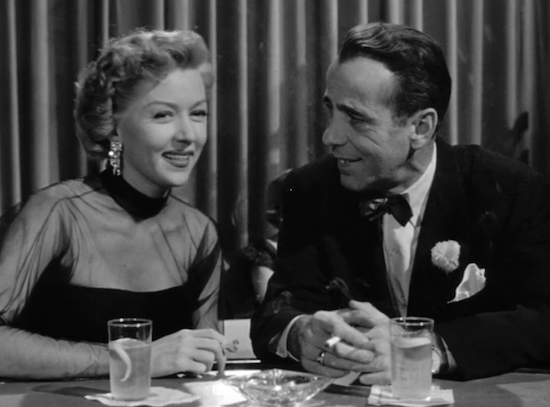
But, as in Suspicion, Laurel begins to suspect he might have done it.
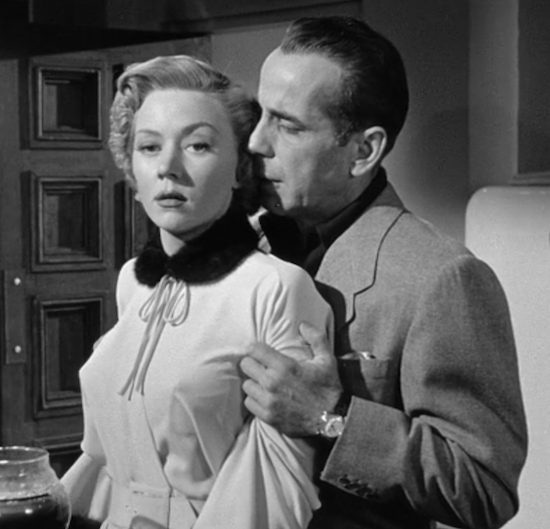
The did-he, didn’t-he soon becomes a “Don’t worry which, Lady. Run.” After all, Dix likes to act out murder scenarios and then mimics the same movements when smoking with Laurel. He won’t allow her to receive a phone call or prescription he doesn’t monitor. He keeps her economically dependent on him. He justifies beating people up and actually considers bashing heads in with rocks.
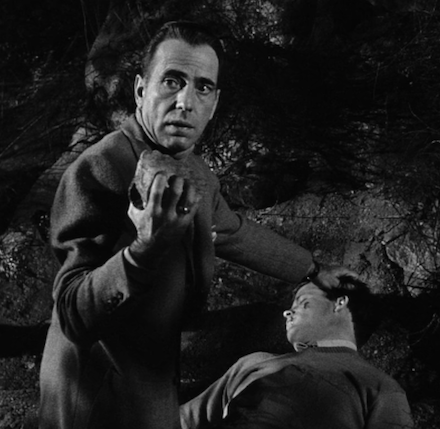
And just in case she has any doubts about how this is all going to end for her, his former girlfriend reported Dix for breaking her bones.
The story is cast from Laurel’s (Gloria Grahame’s) point of view, and haunts the viewer because Dix can be charming, can be loving, can be apologetic. He does come back with “armloads of gifts” after his scary behavior, not just for her, but for victims of his violence. He is sweet to an alcoholic ex-actor, shows more compassion for him than anyone else. The film sympathizes rather than judges Laurel for staying, reminding audiences that an abuser can be contrite and thus leave the woman who loves him off-balance, uncertain whether to trust he’s changed. And though Laurel’s friend cautions her against him, his friends urge her to stay, to understand, to give him a chance. Meanwhile, we get glimpses of his mind: he can only see unquestioning faith in him–which would be difficult, given his actions–as acceptable. After a near-homicide, he coins a line for a screenplay describing his love for Laurel: “I was born when she kissed me, I died when she left me, I lived a few weeks while she loved me.”
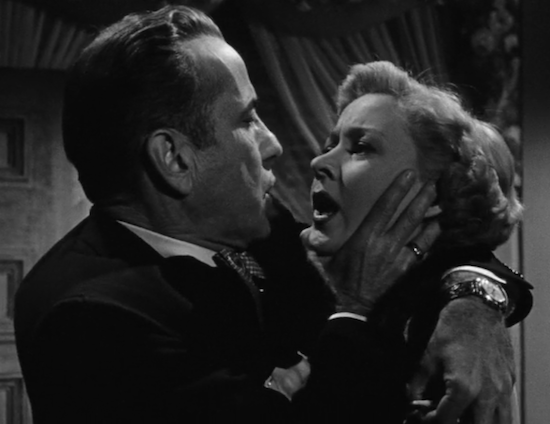
Personally, I found this line chilling. Yet the director, Nicholas Ray–who was experiencing stresses in his marriage to Grahame at the time–gives a romantic packaging to not just that line, but to the final scenes of the film. He seems to imply–even after Dix strangles Laurel and nearly kills her–that this all would have turned out well had there not been that whole did-he-murder-the-woman doubts. And more disturbing yet, both current and contemporary reviewers frequently characterize this toxic relationship movie as a “tragic love story,” and certainly many scenes in the movie would seem to back up that assumption.
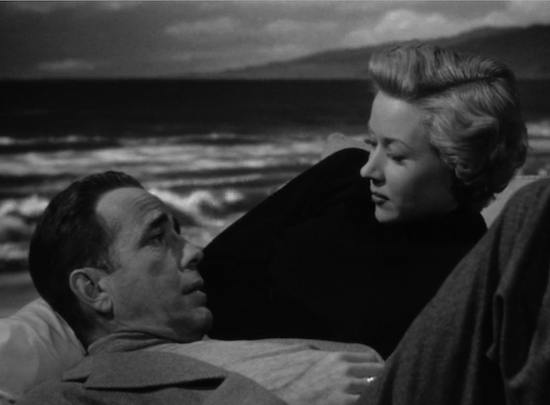
I turned to the source material to understand the confusion in tone, and was in for a shocker. Dorothy Hughes wrote In a Lonely Place as a kind of The Killer Inside Me of its time; we know from day 1 that Dix hates women, that he kills them regularly, that he thinks he’s justified because after he came back from the war, women saw through his hustling ways; they didn’t fall all over him, as they had when he was in uniform. His former Air Force friend is now a cop and has married a woman, Sylvia (Jeff Donnell), whom Dix distrusts and (we soon learn) underestimates.
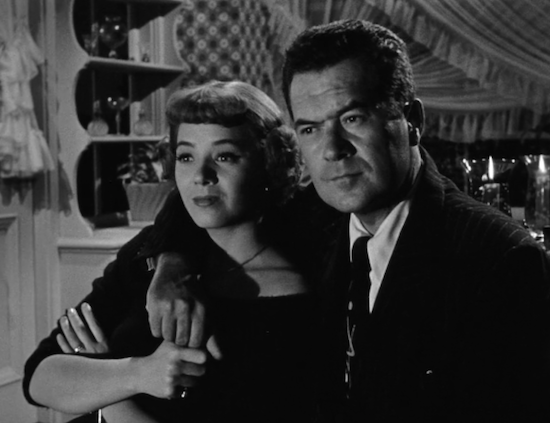
She quickly sees through Dix’s veneer of humanity.
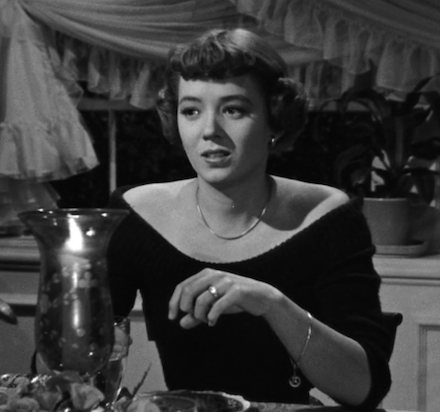
Dix hates her for it in the novel, and plots her death. Think of Dana Andrews in The Best Years of Our Lives, if on encountering his wife’s disappointment in him, he decided to go on a murderous vendetta against anyone who shared her gender.
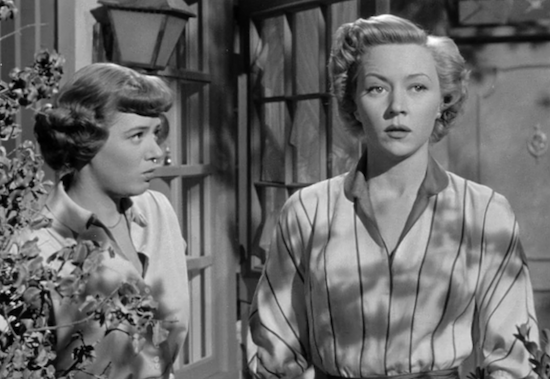
The best scenes in Ray’s film are moments that capture the stark feminism in the book, in which only the women see Dix for who he is, and only they can succeed in stopping him. In a sharply rendered scene in the film, Laurel and Sylvia are honest with one another: Laurel in her doubts about Dix’s character, Sylvia, in confirming (reluctantly) that Laurel should have them.
In the book, Dix’s demeaning treatment of women–especially Laurel–is accompanied by a conviction that Laurel is taunting him, trying to make him jealous, when she’s simply putting the brakes on a relationship that he’s taken too seriously, too quickly. As writer Megan Abbott so brilliantly put it: “After reading In a Lonely Place, you find yourself looking, with a newly gimlet eye, at every purported femme fatale, every claim of female malignancy and the burning need of noir heroes to snuff that malignancy out.”
In Dix’s eyes in the book and film, Laurel is a femme fatale. She gave her love, then she took it away–all because she didn’t trust him enough. But in our eyes, she’s just fallen for the wrong guy; calling a man you love a “madman” doesn’t usually suggest a relationship is headed for sunshine and rainbows. Whether Dix killed a woman or not, Laurel isn’t wrong to ask, “There is something strange about Dix, isn’t there?” after he bloodies a fellow driver to a pulp or “What can I say to him–I love you but I’m afraid of you?” when he looks at her in the scary fashion Bogart had mastered since The Petrified Forest.
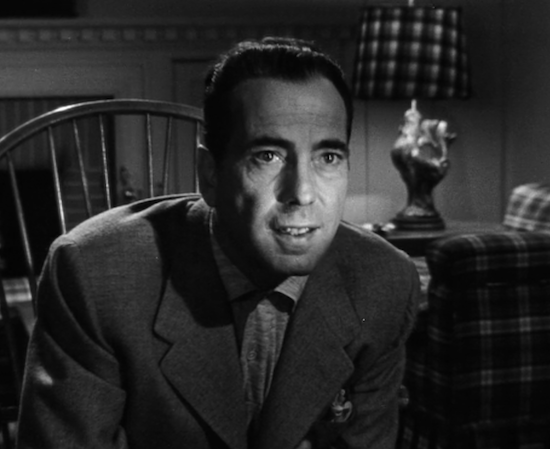
At some point you gotta ask, Is any guy you’re relieved and surprised didn’t kill someone worth sticking around for?
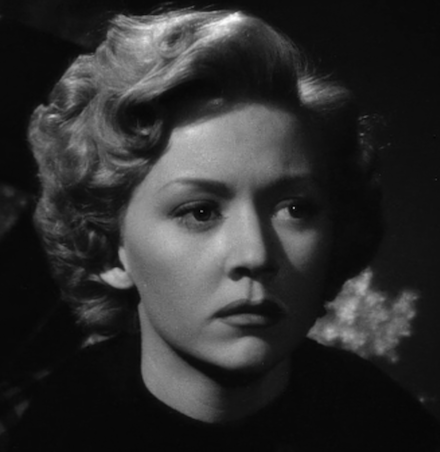
I admire both the book and film because they make me look back at so many of the noir novels and movies I’ve admired, and ask that question Abbott challenges me to consider: Was this woman a femme fatale? Or was she just an independent woman who didn’t say yes?
This is part of the Classic Movie Blog Association’s Femme/Homme Fatales of Film Noir blogathon. Check out so many great entries here.
**spoilers***
I was afraid to watch The Long Goodbye. It’s a favorite book, so much so that I starting drinking gimlets for a couple years, even though I hate gin*. It was an odd affectation. Even I knew drinking a grandpa concoction wouldn’t impress anyone, and would only mystify bartenders. But it gave me some secret romantic joy to drink one, even on non-memorable nights (and many nights in my late 20s were just that). With its appreciation for short-lived and missed connections, Raymond Chandler’s masterpiece is great stuff for those in transition, those who are watching peers’ lives move on without them. And what could the film do, but ruin my book? Who could make sense of such a meandering, mood-based affair, with more characters and tangents than any two-hour film could master? And The Long Goodbye (1973) wasn’t exactly produced in my favorite film era.
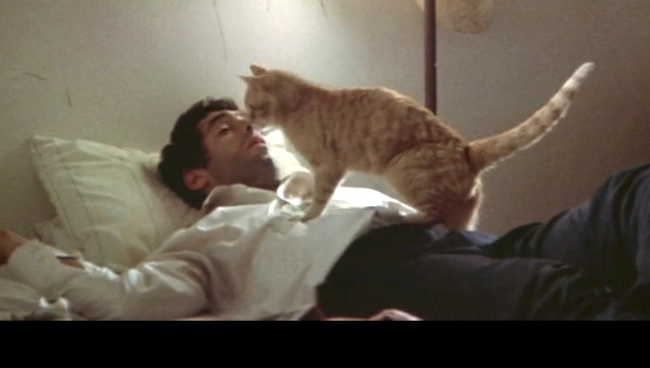
But I’d heard there was a cool cat scene in the opening of the film, and since Chandler loved cats (which of course, I knew), I thought there might be something there. And with Leigh Brackett listed as a screenwriter, I had hope. For the first half hour, I was grinning. Any cat owner has to love Marlowe’s (Elliott Gould’s) demanding animal, and any cat owner will sympathize with the the way Marlowe tries to fake the cat out with a different brand of cat food than he/she expects with a can switch.
Marlowe’s scene with the cops when he’s refusing to give his friend Terry up is so funny (those fingerprint ink antics!), and the way the story is updated for current viewers wowed me. Something about the dreamy landscape and shots, the way Marlowe doesn’t fit in with the crooks and the hippies (including his gratuitously topless neighbors) around him really captures the loneliness of Chandler’s famous character and the “mean streets” he inhabits. His loyalty to his cat captures his sweetness, his romanticism, and his befuddlement with the world around him. That’s why at first I bought into the film’s characterization, as Marlowe mutters to himself and treats most people around him well in spite of poor treatment. There’s always something sad and noble about him. As Chandler wrote, his PI “must be the best man in his world and a good enough man for any world.”
In terms of acting, Gould is lovable in this movie. He doesn’t embody Marlowe’s pain, as Humphrey Bogart did. But unlike Dick Powell’s annoyingly slick Marlowe in Murder, My Sweet, he’s believable and much more compelling than I expected (even if his toughness in the face of violence isn’t quite convincing).
But my mood toward the movie began to change about a third of the way in. Part of seeing the world through Marlowe’s eyes is finding something redeemable in those others have dismissed–Wade’s honesty, Eileen’s idealism, Mendy’s loyalty, Terry’s quaint good manners. Yet none of these characters are anything but one-notes in the film; none of them are even remotely redeemable. Altman’s violent take on The Big Heat‘s (1955) girlfriend treatment felt like a rip-off rather than a homage, and Marlowe’s lack of sympathy for her was baffling. I understood dispensing with the Linda character, but why not that sweet, yet hopeless tribute to Terry in the bar? Marlowe could have just had a conversation with the bartender. It would have SET UP that ending. Just knowing he was friends with Terry for a long time (a change from the book) wasn’t enough.
As for the plot, well, Chandler was famous for admitting to the convoluted nature of his plotting (though as anyone who reads The Big Sleep knows, censorship is a far greater reason for the plot’s confusing nature in the film.) Perhaps Chandler’s alleged plot aversion is what attracted Altman. As far as I was concerned, Altman could play with the plot all he wanted if he made it interesting. But he didn’t. And turning Mendy into such a loathsome bad guy made the story feel derivative in a boring way.
The ending was undoubtedly shocking and clever, and I liked that the cat became a symbol of Marlowe’s treatment and expectations, but look, if you want Marlowe this resentful about others’ treatment of him, you’re going to have to do more to foreshadow it. Marlowe is pretty much ALWAYS treated poorly in Chandler’s books–by nearly everyone. That isn’t enough to make him crack. And Gould doesn’t seem resentful as Marlowe; he seems naïve and stupid instead.
For Marlowe to betray his knight errant traits (what makes him admirable), and instead focus only on his own resentments, to have him flat out MURDER a former friend, you have to do more to make that betrayal convincing. What’s so lovable about him in the book is that he knows Terry’s pretty worthless, but cares about and defends him anyway, just as the crooks do. Terry’s war record (completely absent here) also makes him more sympathetic. Marlowe is not–as in the movie–shocked to discover Terry’s even more worthless as a friend than he thought–even if he’s not (in the book) a murderer. Marlowe is RESIGNED, expects little of others. In the film, Marlowe is anything but.
There is, of course, something fascinating in Altman essentially killing off the former PI character Chandler (and his peers) made famous. To take away his ethics is truly to murder the man. But I’m not going to believe (as Altman argues in this film) that such a character is unrealistic in today’s world without a better cinematic argument than the character floundering around (as Marlowe always did for a bit). The same year as this film came out, Robert Parker introduced Spenser to the world, a clear homage to Marlowe (so much so that Parker would later complete Chandler’s unfinished novel). And the 80s TV show of the Spenser character was still a decade after Altman’s film. Parker made a Marlowe type a modern man quite successfully (though Spenser was a significantly happier character than his predecessors).
Is it worth it to watch the film? Yes. But how I wish Altman had used that cat like he should have. The cat’s addition was, after all, brilliant. What if Marlowe had shown more love for the cat throughout? Shouldn’t the cat have come up more than a couple times after the beginning, given how crucial Marlowe’s devotion becomes at the end? I felt like Billy Madison as I watched Marlowe in the film. (In that dopey movie, Adam Sandler is outraged that a dog owner would wait for a lost dog’s return rather than making even a cursory effort to find it.)
What if the cat had starved while Marlowe was in jail for Terry, and the detective found out? Then that ending would be not about himself, but about the cat, the only connection he really had—just as Marlowe (in the book) is so lonely that Terry’s chance connection with him means more than anyone understands. Throughout the book and movie, Marlowe insists that Terry could have murdered his wife, but not as brutally as she’d been killed. Like him, I contend that Marlowe wasn’t the type to kill someone over his own hurts. But over his cat’s? Maybe.
*Gimlets symbolize Marlowe’s relationship with Terry.
Need comic respite? I’m happy to report that two new dramedies featuring strong women are even better than you’ve heard.
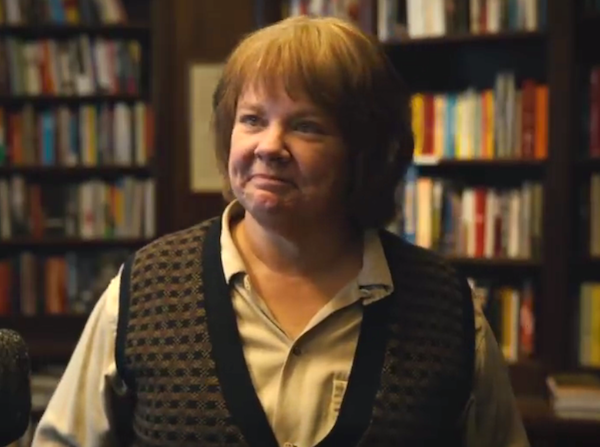 Can You Ever Forgive Me?, starring national treasure Melissa McCarthy, is based on the memoir of real-life writer Lee Israel, who became a con artist to pay the vet bills (out in wide release on Oct. 19th). Unable to get anyone to care about the subject of her new biography, Fanny Brice, much less her dwindling finances, Israel turns to stealing letters of famous movie stars and writers, and soon begins penning fake ones herself. Classic movie lovers and bibliophiles will sympathize with her alienation from those who don’t spend their days reading Noël Coward and Dorothy Parker. (And you’ll enjoy a line about Louise Brooks, a nod to classic movie fans.)
Appreciators of one-liners will ask themselves why they haven’t bought Israel’s memoir yet: this woman could WRITE. There’s a reason she was successful at mimicking Parker and Coward. Brought to caustic life by Melissa McCarthy, Israel is sympathetic even at her darkest and lowest. Despite the depth of her despair and loneliness, she is relentlessly funny in the film. Israel and her similarly lost companion (and later conspirator), Jack Hock (Richard Grant), engage in so much snarky, on-point banter that you wish the two could have had an Algonquin Round Table of their own.
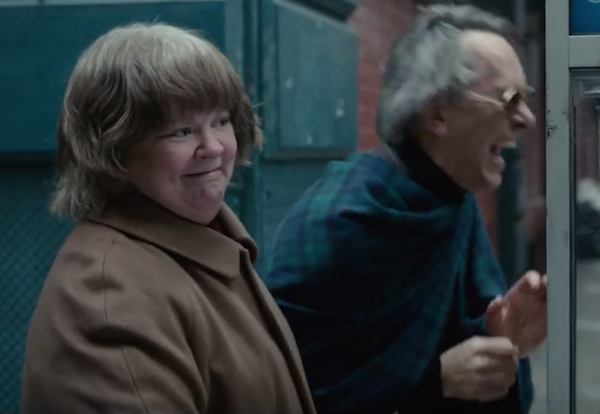
These two boozy companions are simply joyful company for anyone who doesn’t mind a bit of darkness in their humor. And McCarthy deserves the awards buzz she’s getting for a riveting performance.
McCarthy’s frequent director Paul Feig has a film of his own out this month. Feig, who has a George Cukor flair for creating great vehicles for female stars, is at it again. The only question is whether Blake Lively or Anna Kendrick gets a meatier, more complex part in A Simple Favor, a story that is tonally closer to the light cynicism of Young Adult (2011) or the campiness of Serial Mom (1994) than to the darkness of Gillian Flynn’s Gone Girl (2014), to which it’s being compared. I’m hearing references to Double Indemnity from classic movie fans due to the film’s humor. Beat the Devil (1953) is more like it. Though A Simple Favor is a bit more controlled than that messy Truman Capote delight, there’s a bit of Mrs. Gwendolen Chelm (Jennifer Jones) in both of these heroines.
 Feig; the director of Bridesmaids, The Heat, Spy, and Ghostbusters (the reboot); is so open about preferring female leads and so appreciative of their comedic skills that it’s unsurprising to see both stars so funny and magnetic in his film. Their profane banter is hilarious, and the casual cruelty, self-interest, and denial of these particular frenemies are a blast to watch. I won’t spoil the surprise of what becomes of Emily (Lively), whose disappearance spurs mommy blogger Stephanie (Kendrick) into amateur detective/life-stalker mode.
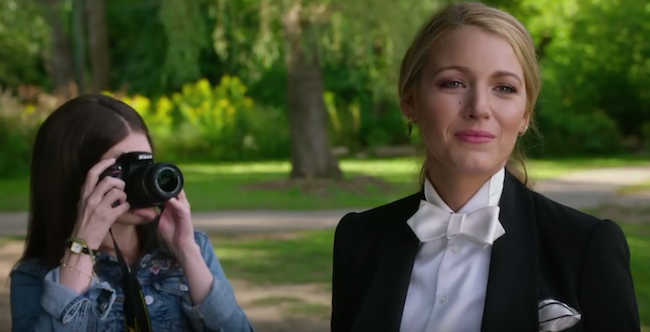 There are some seriously batty plot developments that seem more like old-school soap operas than big screen fare (again, like Beat the Devil). But anyone paying attention knows plausibility is not the point. Just sit back and enjoy this dark comedy fun. (And don’t miss the recent titles and commentary on Stephanie’s bizarrely eclectic blog.) Those of us who have been following Feig since his brilliant creation, Freaks and Geeks, will be glad to see his first female lead, Linda Cardellini, in a scene-chewing, funny bit part. Let’s hope the films to follow these two this fall are half as fun.
I had another fun talk with Grace Collins of True Stories of Tinseltown! We chatted about women who love too much–from Tierney’s character in Leave Her to Heaven to Irene Dunne’s in Back Street (1932 version). Grace is a wonderful host and we had so much to say, especially about the dreadful narcissists John Boles liked to play, and how Bette Davis could really be a post of her own on this topic.
Clearly, this is a subject that needs much, much more discussion! Check it out here:
And definitely check out Grace’s other posts and other podcasts. She’s so witty and so knowledgeable about so many things!
It was a riot talking with Grace Collins of True Stories of Tinseltown about Stella Dallas, William Powell, The Blue Gardenia, and Brief Encounter. We had fun comparing loves and gripes about classic films, particularly our united dislike for the husband in Stella Dallas and the supposedly romantic male lead of Brief Encounter. You can find the podcast here. I hope you will also check out her other podcasts. The one on Mary Astor’s diary is especially brilliant! Thanks to Grace for being such a great host and for taking the time to listen to me rant:)
Oh honey. The reporters are telling you the police are closing in. Every black and white outfit has you jumping. You’re burning your dress in an incinerator in the backyard.
Let’s refresh why. The date is 1953. You, our heroine of The Blue Gardenia, are played by Anne Baxter. The actress, having shredded every scheming expression from three years before, is now you, the dewy fiancee of a soldier abroad who works at the phone company. As you celebrate your birthday on your own with his (absent) and hers (present) champagne, you take out your soldier’s glorious, cherished letter to find, SURPRISE: He’s fallen for a nurse.
What to do? Well, get drunk with the local cad who has just called to invite your roommate to a place called The Blue Gardenia.
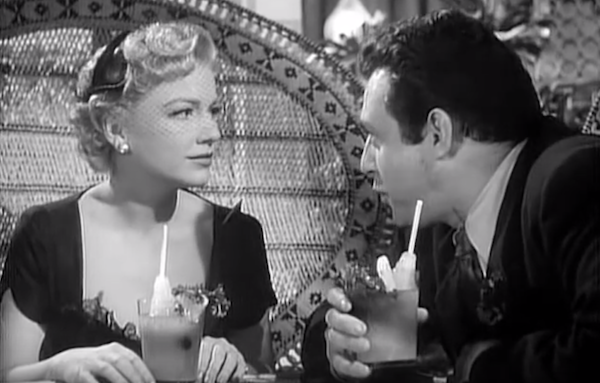
Go to his place after he gets you drunk. After all, you’re too intoxicated to realize “blue gardenia” is a cheap pseudonym for “black dahlia” and therefore a sign of danger; you’re too intoxicated to even realize there will be no “party” at his pad. (Have you seen no films? Raymond Burr is playing the cad! Run!) So of course, you get in a mess, have to fight off his attempts to rape you by grabbing a poker, and then you black out to find him dead.
(Before we get to the rest of the plot, there’s a haunting moment in the bar when you had a chance to walk away. There’s handsome Nat King Cole singing “Blue Gardenia,” and somehow his soulful sincerity doesn’t start you sobbing OR walking away from the lying playboy before the mess starts? King’s notes sear through me, more than half a century later. How is it possible they leave you unmoved? But I digress.)
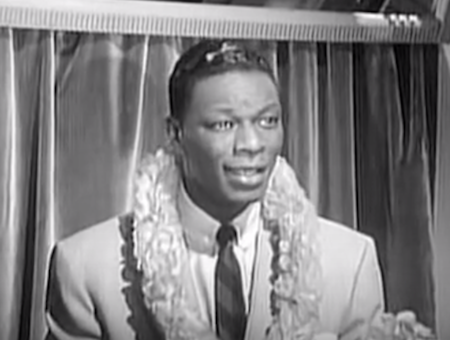
The question of the film–Did you murder the guy?–isn’t that interesting to me, as I’m not sure how anyone in this circumstance could be called a “murderess” anyway. It’s an accident IF it happened, and the need for self-defense evident. But the local crime beat reporter has you convinced your only salvation is to seek refuge in the protection of his newspaper’s arms. And he—the surely not self-interested sleaze reporter—will save you from the big bad police about to knock on your door.
What’s strange to the modern viewer, accustomed to far too much crime TV, true crime books, and novels galore, is that they have NOTHING on you, my friend. A dress. A shoe size. A hair color. Some thoughts about your mannerisms from a flower seller and waiter. All that they really have on you—besides a call to your house that wasn’t even for you (and won’t hurt your friend since she has an alibi)—is that you are a MESS. Calm down, friend. Call over your wisecracking friend, Crystal (Ann Southern); ask for help. Keep that reporter out of your thoughts; honey, heaven help you, he’s almost as gullible as you are proving to be. Instead, put on your Nancy Drew heels. This case is something even that black-and-white thinker could manage. Heck, Encyclopedia Brown would have it down in two minutes.
And then you won’t be dependent on sad sack double crossers who treat your friend like a whore because she was once married, who only like you IF you’re not someone who would defend yourself from an abusive attacker. Then you can solve the crime, put on Nat King Cole’s record, sing along as you mourn your lost love, and then dance your way back to happiness with your hilarious roommates.
Alas, it’s still 1953 for you, my friend. And so the final thoughts in the film are the new cad’s, who is soon to be your love. And all we can do is watch, and pity.
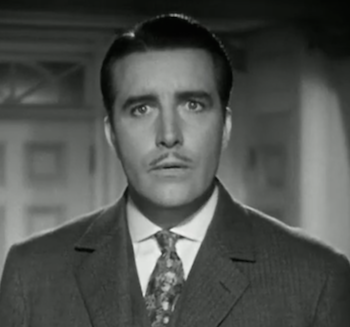
When most people think of villains, they’re envisioning cloven hoofs and murderous intents. Stephen Dallas (John Boles), the husband of self-sacrificial mother, Stella Dallas (1937), would be unlikely to appear on any list of classic villains. Some might even consider him a nice guy—if they weren’t paying attention.
But on my latest viewing of the tearjerker, I wasn’t struck, as I usually am, by Stella’s modernity and her society’s desire to punish her for it. No, this time I kept observing just how completely AWFUL this man is, and how with a less monstrous husband, Stella (Barbara Stanywck) would have spent her middle age in daughter Laurel’s (Anne Shirley’s) sweet company, instead of off on her lonely, destitute own. Let’s review just how villainous this creep is:
Sure, Stephen splurges on his daughter, but only when she’s with him. When Stella and Laurel are on their own, their homespun clothing and Stella’s frequent repairs to it make evident they’re just scrimping by on the arrears of his salary, despite the fact that Stella and he never divorced.
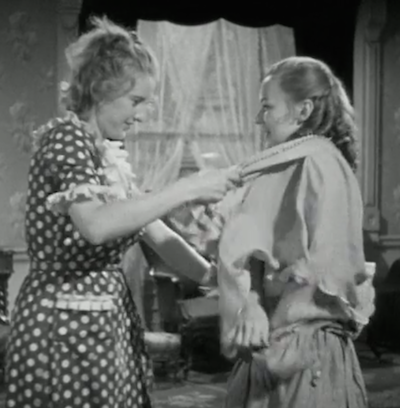
Meanwhile, he’s living it up in fine clothes with his wealthy girlfriend in New York, with his daughter only looking smart when she’s with him.
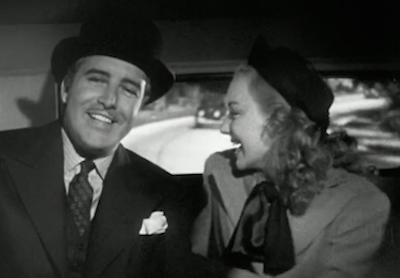
When Stella decides to experience the high life for a weekend, it’s not just her daughter’s embarrassment at her gauche behavior that’s crushing. It’s that she doesn’t get to enjoy the one time she gets something from her still-married-to-her husband. Watch her satisfaction as she takes care of herself after years of only spending money on her daughter:
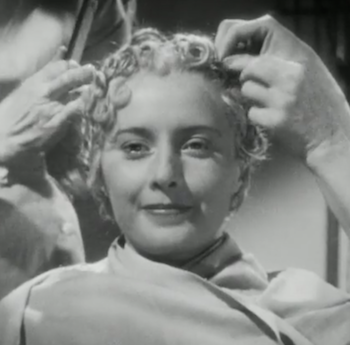
And it’s all going to end with her shame, and her loss.
Maybe going dancing right after childbirth was pushing it, but Stella’s efforts to enjoy herself afterward stem from her love for company and music and fun. Stephen; acting disgusted by the lack of refinement of others, but really stung with jealousy; can’t keep himself from looking down on those who entertain his wife.
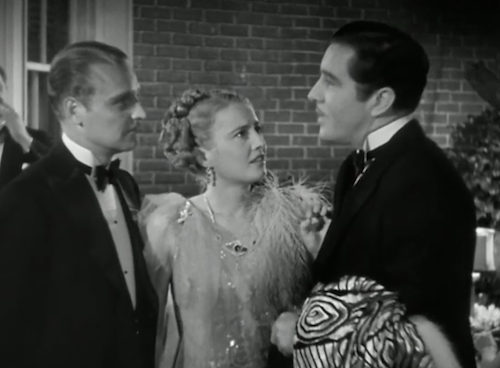
The fact that he makes zero effort to amuse her himself doesn’t seem to cross his mind; apparently, his tedious business acquaintances are the only company he’ll allow his wife. Instead, he wants to correct her manners, her clothes, her wording. “I’ll take my usual lecture,” she says when she returns from the brief dance he allows her. As she rightly points out, he could use some correction himself. Surely, everyday kindness is good etiquette, right spoilsport? As she points out after he starts condescending to her (saying she needs to correct herself, “adapt” in order to be someone), apparently treatment she’s been enduring since their marriage: “How would it be for you to do a little adapting for a change? I don’t see you giving up anything.”
Dressed up in finery and wealth or not, Helen Morrison (Barbara O’Neil) is romancing a married man. Her little boys being around may be intended to make her overtures to adulterer Stephen more palatable, but I found it creepy. And how about the surprise of springing the mistress on his daughter, saying where they were going was a secret, but this place (her home) was “the most beautiful place in the world,” and letting his daughter just take the invitation as a nice time with a nice lady?
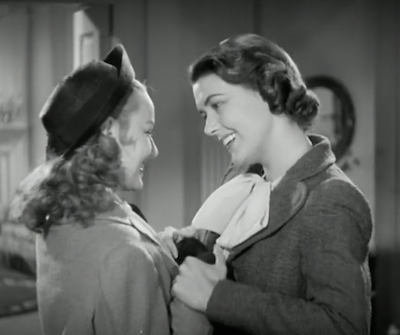
Laurel’s utter obliviousness to the inappropriateness of the arrangement just makes her seem naïve, and her gushing about it to her mother afterward unbelievably (if unintentionally) cruel. I’ll admit to some puzzlement here; I don’t know what Stephen and Stella’s arrangement was, and of course I know straying husbands didn’t suffer the societal wrath a woman’s betrayal would cause. But why exactly are we to believe the surrounding society is cool with Helen’s actions, thinks her refined and classy? It’s a mystery to me. Even if her wealth is enough to make her survive the gossip, gossip there surely would be–much more than for Stella after some itching powder jokes! Are Stella and Stephen officially separated? Stella doesn’t seem to act as if they are. Regardless, springing a girlfriend and her kids on a visiting daughter is sketchy at best.
Stephen shows up for a surprise Christmas visit to lure his daughter away with an hour’s notice, leaving Stella alone. He has a second of compassion for his wife, even admits he’s selfish.
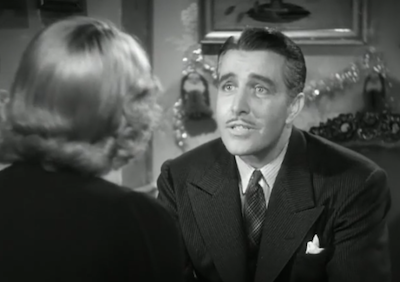
But then his nemesis Ed (Alan Hale) shows up, and he’s too pissed to be kind anymore, assuming Stella is hooking up with him. Cause Stephen isn’t, I dunno, living with his mistress or anything himself, which is where he’s taking his daughter for the holidays, as he unashamedly admits to his wife. Wow.
Laurel may be more refined in dress and manners than her mother, but she’s got a beating heart, unlike her lizard father. And sooner or later, the smugness of this beyond boring classy family she’s marrying into (and seriously, is it possible for these people to be more clichéd and dull?) is going to get to someone who was reared in a very different way. She’ll need her mom then to rip on their airs, and where will that mom be? Gone. Because Stella’s husband has so crushed his wife’s self-esteem over the years, evaluating her for her lack of fashion knowledge and proper deportment rather than for the more important qualities of love and empathy. (Her decision not to move to NYC with this jerk is the only thing that enabled her to retain her self-worth.)
The fact that only his new woman even gets Stella’s stupid lie to conceal her self-sacrificial motives says so much about his small-minded soul. I think psychologists would agree abandonment ain’t exactly for the good of a kid, even an adult one, and Stephen ought to know Laurel well enough to recognize how well Stella’s raised her. But why would we expect that? Or that he’d care? He’s got a pretty daughter on his arm. Why should he bother figuring out what makes her happy, much less spare an once of sympathy for his long-suffering ex-wife?
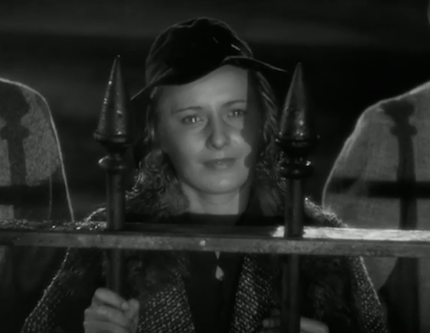
A villain, plain and simple.
For great posts on villains, check out entries in the Great Villain blogathon, hosted by Ruth of Silver Screenings, Karen of Shadows & Satin and Kristina of Speakeasy.
