Cary Grant Won't Eat You

Classic movies for phobics

  • About
  • eBooks
  • Previous Blogathons
Classic movies for phobics

1940s films

Escaping Out of the Past (1947)
09/01/2025 by leah@carygrantwonteatyou.com 6 Comments
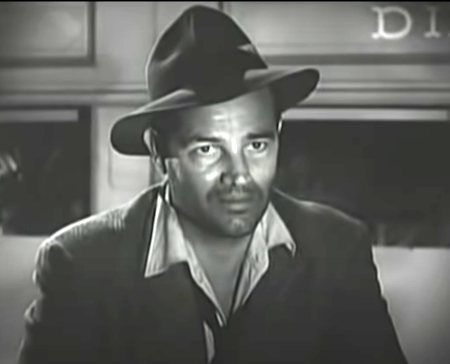
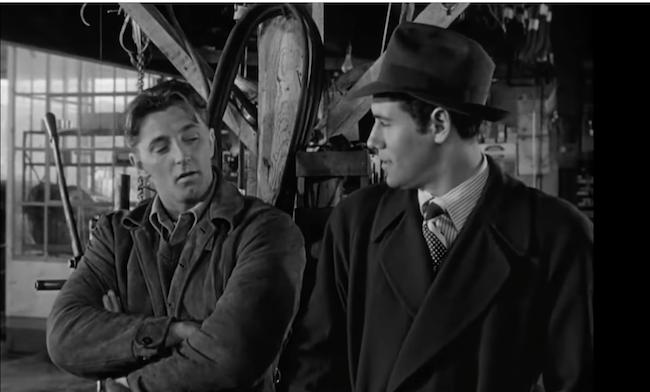
Jeff (Robert Mitchum) talking to a henchman in Out of the Past.


Spoilers coming.

Oh Jeff, I get why you fell for Kathie (Jane Greer). That sexy voice, her air of mystery, those all-white get-ups, vacation drinks, and her nonchalant response to your chase. You really had no hope, did you? Especially once she started toweling you off from the rain.

Yeah, you were a goner, my friend. That was a given.

But I give you credit. You saw her shoot your former partner and realized too much siren for me. You viewed her clearly after that. When your new, sweeter lady love defended her by saying, “She can’t be all bad. No one is,” you (justifiably) answered, “She comes the closest.”

You are right that you were a chump, falling for a homicidal moll’s lies, but honey, in the world of noir suckers, you are Albert Einstein. You learned. You improved your life and your dating judgment (a lot of us don’t make it that far).

Problem is, my friend, you need to work on your shadiness. The detective career is not one in which fisticuffs save you from a bent former partner. You don’t have to kill, but you must learn some trickery and bluffing. To be honest, I’m not sure how you’ve remained above ground this long. I might not approve of Kathie’s answer, but I understand why she thought your self-defense inadequate.

You said it yourself when Ann’s wannabe boyfriend threatened, “I was going to kill you.” You quipped, “Who isn’t?” In those two words, you captured the gumshoe life, in which craftiness and sketchiness are survival requisites.

Luckily, you do have a key asset, Jeff. You are a planner. I need you to remember that neither Whit, nor Kathie, nor any of the henchmen involved have this basic quality. They live on spur-of-the-moment, unerringly bad decision making.

Let’s take your nemesis, Whit. He hired you, a ridiculously attractive man with sleepy eyes and a sultry voice, to retrieve his already traitorous girlfriend. (As my sister says, “That’s like sending Cindy Crawford to get your boyfriend.”)

You soon discovered she was a viper, didn’t you? Whit did too. She’d already nearly killed him. So what did he do when he discovered all the additional murderous shenanigans she’d been up to? He forced this woman into a corner, thinking what? She’d say, “Okay, honey. Off to jail I go”?

I know he looked like he was intelligent, Jeff. But he really wasn’t. And his surviving buddies are even dumber. They just outnumbered you with this tax killing plot. They didn’t — in any way — outsmart you.

Why then, Jeff, after some unlucky moves and bad timing, have you let the fatalism get to you? When Kathie said, “Let’s get out of here” after killing Whit, what did you mean by asking, “There’s someplace left to go?”

Of course there is, Jeff! You surely can double-cross a sociopath with no impulse control. This is no Phyllis Dietrichson, my friend. She’s not going to out-connive you. And do you honestly have a problem setting her up for the three killings she is either solely or jointly responsible for? Is calling the police so that you and she will die in a shootout a more ethical plan? Do you think any of the henchmen left care enough about Whit’s honor or have brains enough between them to hunt you down?

I know you think you can’t escape your past — that once you get into bed (in your case, literally) with evil, you don’t have a shot unless you go full-scale monstrous yourself and outsmart them all, Red Harvest (or its imitator, Miller’s Crossing)-style. And you’re too good of a person to go that route.

But do you need to? Most of your enemies are dead. Your fate is not as determined as you think. Your odds are far better than Kathie’s were in her gambling efforts in Acapulco. Her fingerprints are all over that home, and angel face or not, she is a gun-loving gangster’s moll (in a terribly sexist age), which doesn’t make for the best defense.

I know this is the noir way, Jeff: You must play the man defeated. You must see killing her (even indirectly) as the only escape from her wiles and the only protection for the woman and friend you love. I get it, Jeff. It makes for a good movie.

But you said it yourself, Jeff: “There’s a way to lose more slowly.”

And in this case, you actually had a chance to win.

Share
Posted in: 1940s films, Drama (film), Femme fatales, Film Noir/Crime/Thriller & Mystery Tagged: best femme fatales, film noir, Jane Greer, Kathie Moffat, Out of the Past, Robert Mitchum

Laura (1944): Haunted by Dopes

11/11/2024 by leah@carygrantwonteatyou.com 18 Comments

**Spoilers coming**

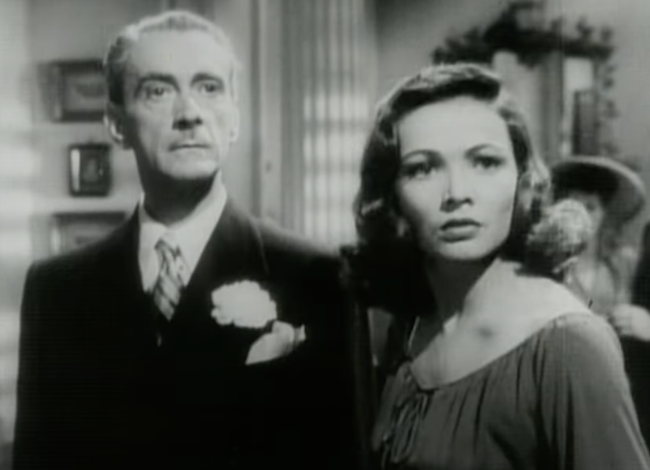
Clifton Webb and Gene Tierney in Laura (1944).


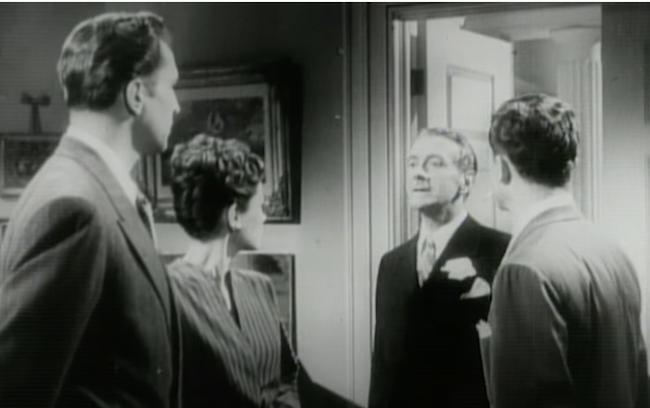
Laura is a curious film. I always think of it as the male gaze on steroids, as we know so little of the heroine apart from the versions we get from the men who surround her: the portrait artist, the boyfriend, the best friend and the cop. All are obsessed with her, and all want their version of the murdered heroine to supersede the others.’

Laura's (Gene Tierney's) admirers, played by Vincent Price, Clifton Webb and Dana Andrews.


That’s why I chose the film for A Haunting Blogathon: In the Afterlife, hosted by the Classic Movie Blog Association. Crime writer James Ellroy once said something about Laura being the ultimate film for cops, and I think he’s right: the victim you only learn of from diaries, from photos, from others’ words. You never quite know who she was.

Surely, it would be easy for those driven to solve a homicide (especially one that remains out of reach) to become possessive about what they know and haunted by what they don’t. (Ellroy, whose mother was murdered, explores his own haunting in My Dark Places, a fascinating read, as is the book that inspired him: Joseph Wambaugh’s true-crime masterpiece, The Onion Field.)

It’s not hard to imagine becoming enamored with and fascinated by a victim who looks like Gene Tierney. In this particular story, however, the hauntings turn from reasonable to pathological.

What I love about the film is that the versions of Laura these men (and one woman) tell don’t quite add up. Her housekeeper, Bessie (Dorothy Adams), describes Laura as the sweetest lady on earth, and certainly Gene Tierney’s perfect face and that sentimental theme song seem to confirm those impressions.

But would such an angel be best friends with Waldo Lydecker, enjoying his poisonous remarks about her admirer and fellow party guests, as we see her do (in his version of her story, of course)?

Is she really a woman who, as fiancé Shelby Carpenter (Vincent Price) claims, will indulge any visitor, day or night? He has treated his bride-to-be like a doormat. Since he wants to continue to do so, this tenderhearted version of Laura is convenient for him. But Laura does, in fact, dump him, and despite occasional remarks seems little affected by the poor woman (cheater or not) who got killed in her doorway. Not exactly the heart-on-her-sleeve, always-forgiving softie he takes her for.

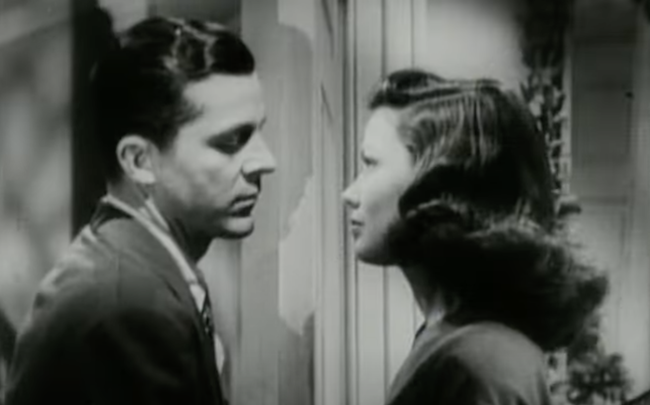
Of course, Lydecker isn’t wrong in accusing Det. Lt. Mark McPherson (Dana Andrews), Laura’s most recent admirer, of being a creep. McPherson wants to buy a portrait of her when she’s dead and becomes instantly possessive of her after she returns to life.

Who instantly hits on a stranger (worse than that, assumes she’s already his) while she’s still in shock?

Dana Andrews and Gene Tierney in Laura

Even if she is vulnerable enough to think she’s in love too, it would be wise and kind to wait–I dunno–48 hours? He also chooses for the moment of his wooing a party during which the following things are happening to his new love:

  • Her fiancé has basically just said to her, “Yeah, I know you killed my lover, and that’s cool,” after inviting said lover into Laura’s home and into her clothes during the latter’s wedding week.
  • Someone has just been murdered in Laura’s home, and this cop/admirer has invited people over to it for a gathering before she’d had time to sage it, obsessively clean it, or call a real estate agent to put it on the market.
  • Her aunt, Ann Treadwell (Judith Anderson), has confessed–casually, I might add–that she’s toyed with murdering Laura herself.
  • And oh yeah, our heroine is still in grave danger from the best friend who tried to off her.

Our infatuated cop follows up this uproariously fun party by pretending he’s arresting her, ruining her reputation in front of her friends, because he can’t control his feelings without taking her into the police station. Ummm, what?

McPherson is right that Laura has surrounded herself by “dopes”–if by dopes he means a heartless group of friends and lovers, with some sociopathy in the mix. He’s just wrong not to include himself in the description. Andrews is quite handsome and feigns calm (with his trusty toy), so it’s easy to think of this detective as the hero in the beginning, but that impression soon wanes.

Right after returning home and shocking Bessie, Laura says gently, “I’m not a ghost, really,” and then jokes, “Have you ever heard a ghost ask for eggs?” But her claims ring hollow. Though she’s physically in the room, I would argue Laura still is a ghost through no fault of her own. Real/imagined impressions of her haunt her admirers and herself.

Actual men are also looming in her life, refusing to let her be who she wants to be, love whom she wants to love, or take five minutes to recover from life-altering trauma. And then there’s the method her best friend chose to kill her with: buckshot (interesting that Waldo doesn’t even reconsider that method during his second attempt). It’s not bad enough he wants to kill her. He wants to obliterate her.

If I were Laura’s true friend (or her therapist), I’d say, “Hey, honey. It time to hightail it out of town. A transfer overseas would be ideal. Also, you may want to keep that phone number unlisted.”

For more on the haunters and haunted, visit my peers’ excellent posts by going here: A Haunting Blogathon: In the Afterlife.

Share
Posted in: 1940s films, Anti-Romance films, Blogathons, Drama (film), Femme fatales, Film Noir/Crime/Thriller & Mystery, Romance (films) Tagged: Clifton Webb, femme fatales, film noir, Gene Tierney, hauntings, Laura, obsession, Vincent Price

Chatting about Leave Her to Heaven

07/11/2024 by leah@carygrantwonteatyou.com Leave a Comment

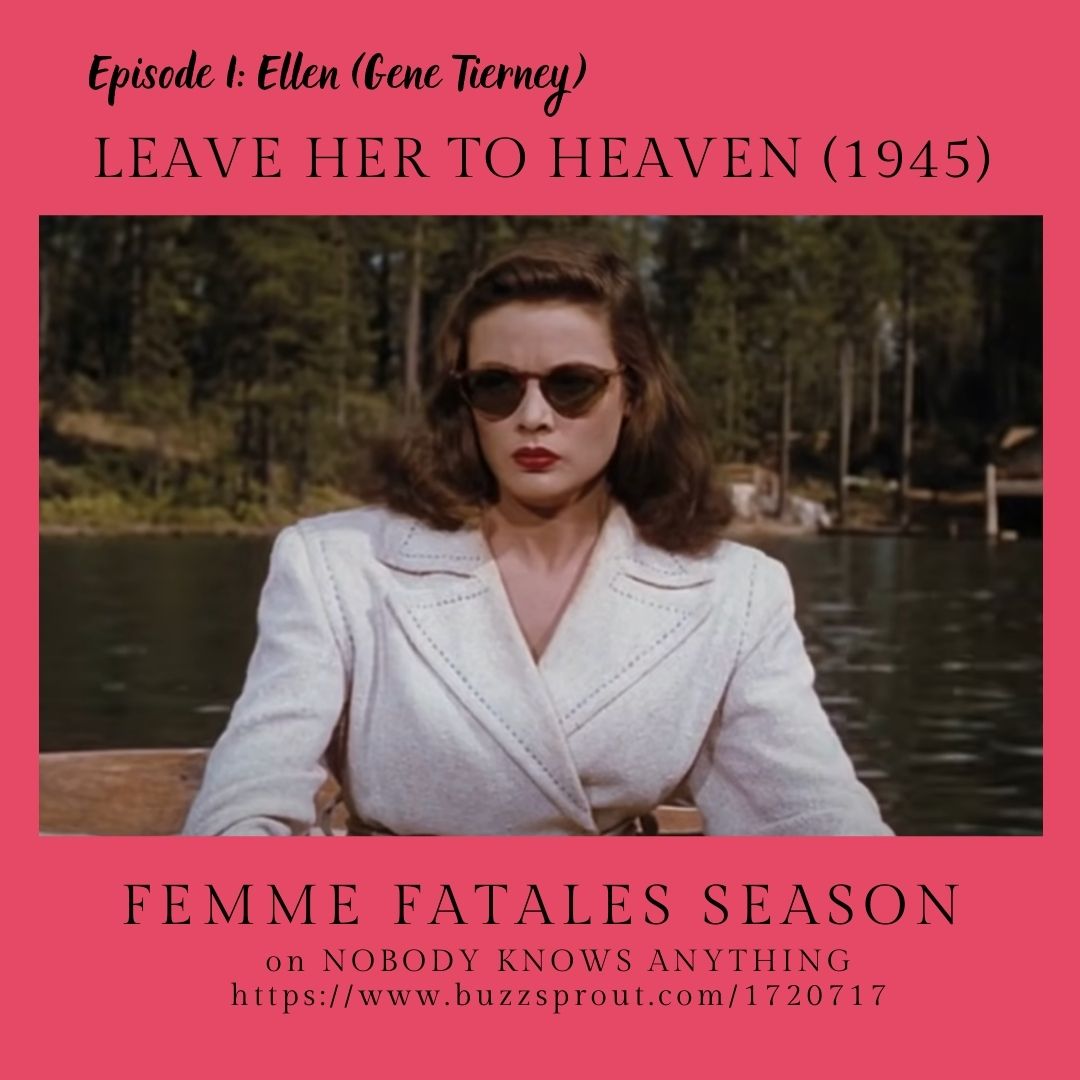
My new podcast season on femme fatales with Brian Wilkins and Michael Gutierrez releases today, and we begin with one of my favorite films, Leave Her to Heaven.

We chat about the strange canoe launch that begins the film, Tierney’s impossible beauty, the unfathomable hero–who wanted to marry this brilliant, fascinating beauty but never share her bed–and her troubling response to that marital issue. Join us here!

Share
Posted in: 1940s films, Feminism, Femme fatales, Film Noir/Crime/Thriller & Mystery Tagged: ahead-of-their-time films, feminism, femme fatales, Gene Tierney, Leave Her to Heaven, podcast

Oscar Rant, Part 3: Flower Moon’s Many Missteps

03/04/2024 by leah@carygrantwonteatyou.com 4 Comments

Spoilers–but not as many as Scorsese’s


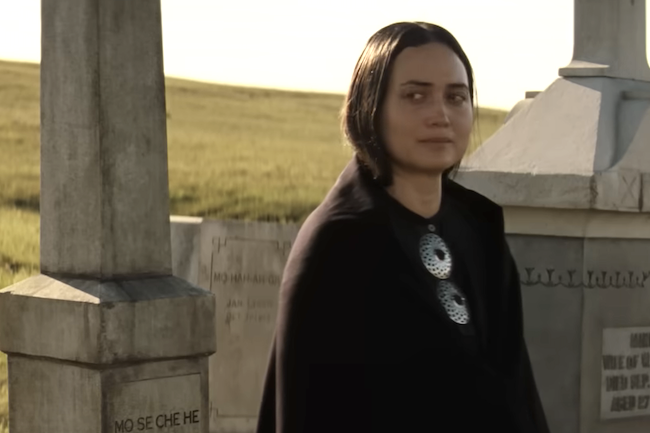
I knew I would struggle to warm to Martin Scorsese’s interpretation of a well-loved book. Killers of the Flower Moon is a heartbreaking, fascinating page turner. And it is a history book. I stayed up till 4 am to finish it. What I didn’t expect to do in watching Scorsese’s film of the same name was flinch. In trying to stay authentic and true to the Osage people, Scorsese walked into one of the oldest stereotypes. And the Academy is about to give his starring actress an Oscar for it.

The dignified, long-suffering man or woman of color is one of those stereotypes Hollywood has struggled to shake. There’s also a smug, self-satisfied attempt to award such films and performances with honors (Green Book, Driving Miss Daisy, The Help). When it comes to a group of people our country systematically oppressed, robbed, and killed–like the Osage and so many other American Indian tribes–granting the characters dignity can feel like a kind of reparation, minor as it may be. But it’s also dehumanizing to reduce a person to such a narrow set of traits.

I understand that Scorsese’s task was not easy. The American historical record is simply more complete when it comes to white men than for anyone else. Author/historian David Grann likely made FBI agent Thomas Bruce White Sr. his central character in part because he had so much information on him. Grann even includes a fascinating later history of his mercy toward prisoners who injured him in a prison break, which helps us understand the kind of man who would risk his life for others. And White was, indeed, a hero, and a fascinating one at that.

I get Scorsese’s attempt to avoid the white savior story he risked writing if White were his lead. But he had a dilemma: What do we know about Mollie Burkhart (Lily Gladstone)? We know she was rich. We know she lost many relatives to murder. That she believed in her husband, Ernest Burkhart (Leonard DiCaprio), far longer than she should have. We know that she was very sick. That’s not enough detail, if she’s your central figure. It was up to Scorsese to breathe life and complexity into her characterization, to make her wholly human in the way our 1920s racist, sexist historical record would not grant her–or lean on the descendants or family members who could tell him more.

Alas, Scorsese’s never been very good at female characters. This is no exception. Besides brief glimpses of a more complex woman during the courtship, he has her either sitting or in a sickbed looking resigned, sad, and stoic for 90% of the film. We don’t even feel the menace or experience her fear as she’s poisoned, as we would for a Alfred Hitchcock heroine, because we have little sense of her inner life.

We don’t get to see a sense of humor or any unique, humanizing quirks–we only know that she suffered. And with Eric Roth as his cowriter, whose credits include Forrest Gump (another film with underdeveloped female characters), what hope did he have of getting it right? Why, oh why, can’t this brilliant man recognize his limitations? There’s nothing wrong with specializing in dark white men as a genre. But this was not the subject matter for that focus. Why not let someone else write the screenplay? An Osage female writer would have been amazing; at the least, Scorsese could have chosen a woman.

Mollie’s is not the only half-baked characterization of the Osage in the film. The subtitles only occasionally translate the Osage language, which is used extensively. Instead, the subtitles spell out something like “speaking in Osage,” which was 1. evident 2. useless 3. distancing. Why not help us know the characters better by having them speak in English if you’re not going to bother to translate? (I kept hoping this was an issue with my streaming service, but I doubt it.) The occasional group scenes with Osage leaders stating the obvious didn’t help.

There was a fascinating real-life federal agent, John Wren (Tatanka Means), the only Native American who’d worked for the bureau by then. He assisted with the investigation and appears briefly in the film, and I kept thinking that Scorsese should have focused the narrative on him. What a fascinating angle that would have been! He was still an outsider to the Osage, but had more of an insider’s angle than the rest of the agents.

Instead, Scorsese doubles down on Leonardo DiCaprio’s Ernest, even minimizing the degree of his crimes by not covering his whole plan (or at least, tacit acceptance of the plan) to include his son and wife in the blow-up-the-house plot. Did he love Mollie? He seemed to in the book–and in how he handled the trial. But many dangerously abusive men have loved the women they attempt to murder. I’m not really interested in getting inside of their heads. Are you?

Also, where’s the excitement? We believe Ernest is pretty innocent for a long while in the book. We don’t know his uncle is a monster. The reveal is breathtaking in the book. Leaving out the suspense is a baffling choice.

It’s a shame to see all the wasted potential here: Robert De Niro is good in it and DiCaprio great (even if they are miscast; De Niro is no cowboy and both are at least two decades too old for their parts). Gladstone is very good with what she had to work with, and captures what we know of Mollie well. I enjoyed her subtlety.

There are so many beautifully shot scenes. That moment right before the bomb was especially powerful, as was the federal agents’ gathering scene. Scorsese shares the history and legal status of the Osage’s rights (or rather, lack of rights) without bogging down the narrative–not an easy thing to do. I thought the best part of the film was the start of the investigation by the private eyes: Whenever Scorsese feels comfortable, he does such great work. I loved how the movie helped me keep the characters straight, something I struggled with in an overpopulated book.

A lesser-known director might not have gotten this important story made into a film; I wanted so much to like it. Scorsese’s earnest attempt in that ending to finally give Mollie her due made me sad; I don’t think he succeeded. But maybe he’ll draw people back to the book, which does. I guess I’ll have to take some satisfaction in that.

Share
Posted in: 1930s films, 1940s films, 1950s films, 1990-current films, Drama (film), Oscars, Uncategorized Tagged: Alfred Hitchcock, Killers of the Flower Moon, movies not as good as books, Oscar nomination, overrated

The 10 Funniest Xmas Movies

12/22/2023 by leah@carygrantwonteatyou.com 4 Comments

In no particular order except for #1, my favorite to rewatch:


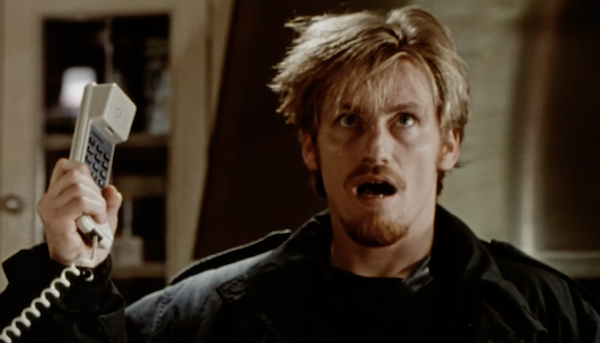
1. The Ref (1994). The non-sentimental xmas movie I love most. The real question is who is the funniest here: Denis Leary, who has taken a family hostage? Judy Davis and Kevin Spacey, as The War-of-the-Roses-worthy combatants who make us feel sorry for the criminal? Christine Baranski as the outrageously funny sister-in-law? Or Glynis Johns, the mother-in-law from hell?


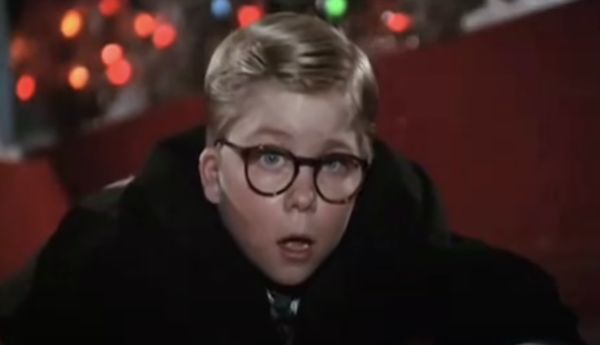
2. A Christmas Story (1983). It’s brilliant. It’s beloved. And it’s a great translation of a witty author’s style (Jean Shepherd) with excellent performances all round.


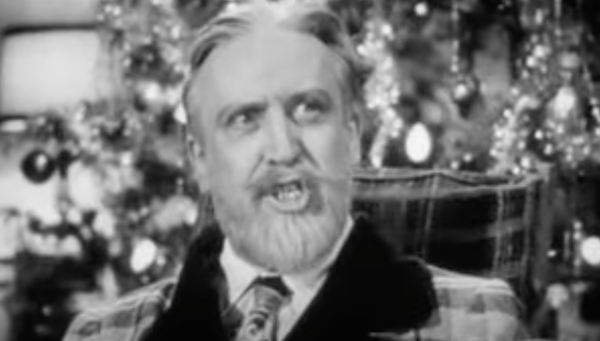
3. The Man Who Came to Dinner (1942). A grumpy, hilarious, ba-humbug house guest (Monty Woolley) treating his host family like serfs. Shenanigans with Ann Sheridan. Bette Davis playing a normal woman and still enjoying herself. Get this set of writers: Julius and Philip Epstein (yes, of Casablanca fame) adapting a play by George Kaufman and Moss Hart. What’s not to love?


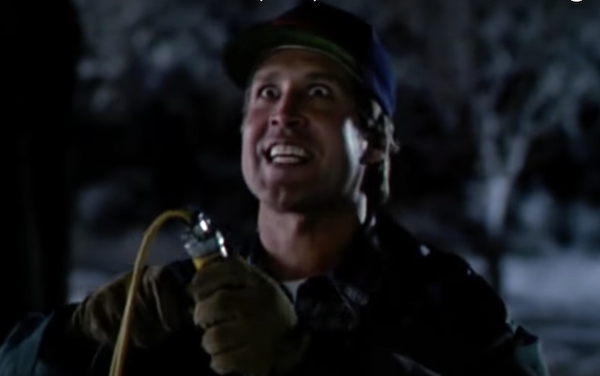
4. National Lampoon’s Christmas Vacation (1989). I’m a huge fan of the Griswalds. Clark’s (Chevy Chase’s) xmas lights alone keep me in stitches.


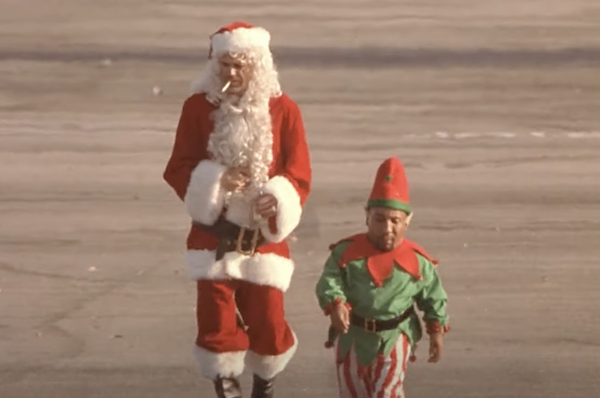
5. Bad Santa (2003). Because Billy Bob Thornton does surly so very well.


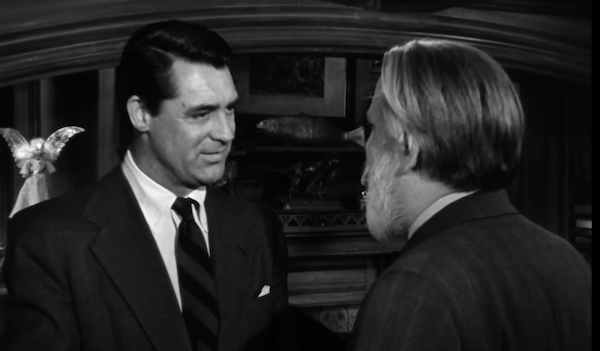
6. The Bishop’s Wife (1947). Cary Grant plays an angel as well as Thornton plays a grump. The angel’s methods are so charming and funny. My favorite scenes include watching everyone (realistically) falling over themselves in Grant’s presence, and his magic liquor-filling skills with Monty Woolley.


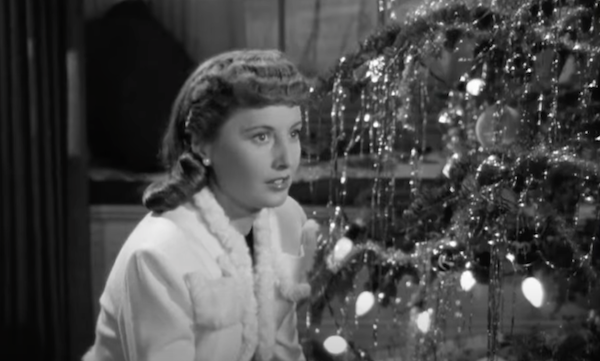
7. Christmas in Connecticut (1945). We have a double-charm offensive in Barbara Stanwyck and S. Z. Sakall (aka Cuddles). And Sydney Greenstreet adds some nice bluster. I could lose the smarmy love interest (Dennis Morgan), but who cares? Give me Stanwyck tossing pancakes with her eyes shut every time.

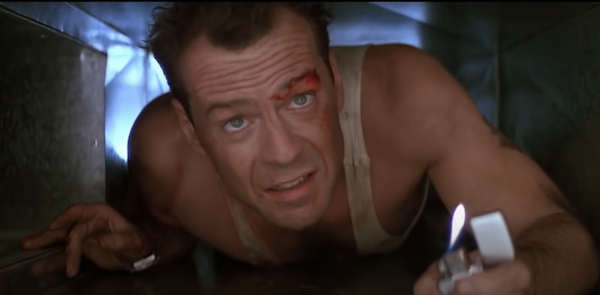
8. Die Hard (1988). As a Gen Xer, I couldn’t leave this out. Also, I adore Bruce Willis’s humor.


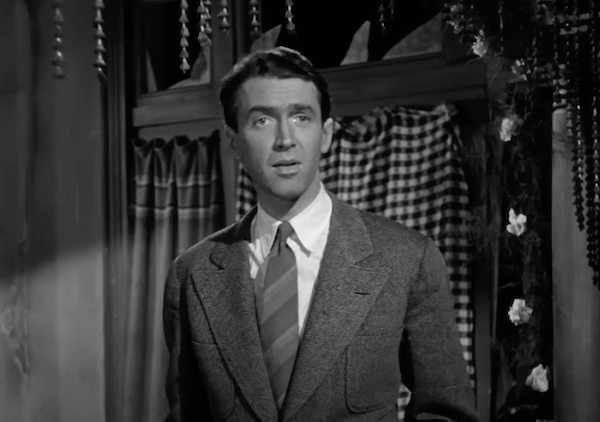
9. It’s a Wonderful Life (1946). Nearly a perfect film. As many heartrending as comedic scenes, but funny all the same.


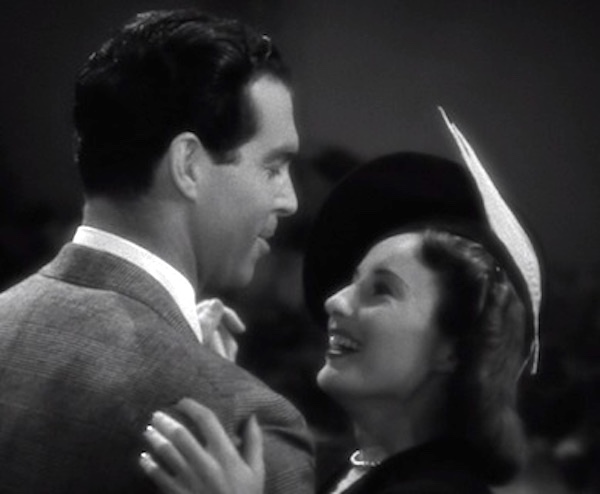
10. Remember the Night (1940). Another dramedy with an empathetic heart that doesn’t sell out. Plus, Preston Sturges’s writing and dynamic duo Barbara Stanwyck and Fred MacMurray without a corpse.

Almost Made the Cut: Elf (2003). Cute, but not an annual viewing for me.
Bonus: Home for the Holidays (1995). A Christmas-vibey Thanksgiving movie, so it counts. Hilarious and true family dynamics, and Holly Hunter at her most adorable.

Share
Posted in: 1940s films, 1980s films, 1990-current films, Comedies (film), Humor Tagged: A Christmas Story, Bad Santa, best xmas movies, Christmas in Connecticut, Die Hard, funniest xmas movies, Home for the Holidays, It's a Wonderful Life, National Lampoon's Christmas Vacation, Remember the Night, The Bishop's Wife, The Man Who Came to Dinner, The Ref

The Charming Shop Around the Corner

12/14/2023 by leah@carygrantwonteatyou.com 6 Comments


Last month, I wrote about Jimmy Stewart playing a monster in Vertigo. It seems only fair that I cover one of his gentlest roles next, that of lovelorn salesman Alfred Kralik in holiday favorite The Shop Around the Corner (1940). For those unfamiliar with the film, it was later remade as the horrible You’ve Got Mail (1998), which I despised only slightly less than the man behind me in the theater, who complained, “You’ve got to be kidding me” to his girlfriend after it ended.

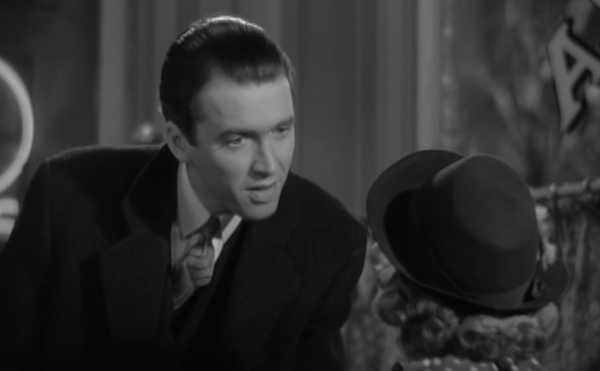
The Shop Around the Corner is superior to its remake for many reasons. Since this is a Ernst Lubitsch film, there’s a sophisticated touch to the little dramedy throughout; the plot is nuanced, funny, heartwarming, and occasionally heartbreaking.

The hardworking salespeople of the little Hungarian gift store are likable and driven and funny and loyal to one another.


They’re also struggling to get by, as in the moment when Alfred asks his colleague Pirovitch (Felix Bressart) if he’s ever gotten a bonus and gets a wistful “…once…” in response. The film often reminds me of workplace comedies, especially Brooklyn 99 and The Office, because the little family of coworkers commit to their work and vie for status with their boss. Shop experiences take up far more time than the romance.

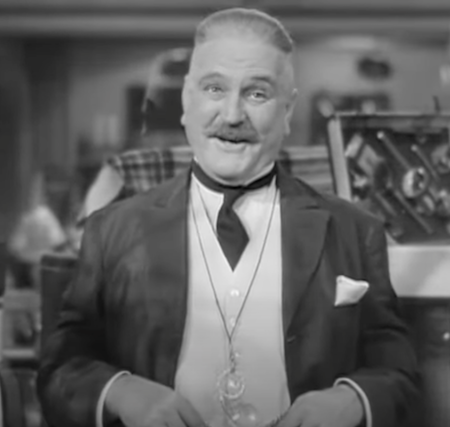
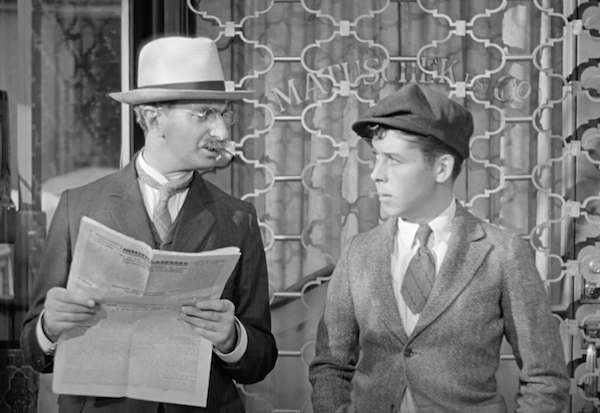
The irascible, sensitive owner, Hugo Matuschek (Frank Morgan), is entertaining.


One of my favorite moments is watching Pirovitch dart out of sight when Hugo, trying to explain a specialty cigarette box, says to Felix’s colleagues, “All I want is your honest opinion.” We soon find out just how unwise it is to express your feelings to this particular boss.

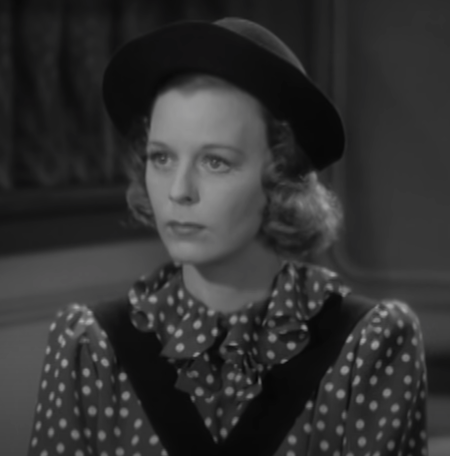
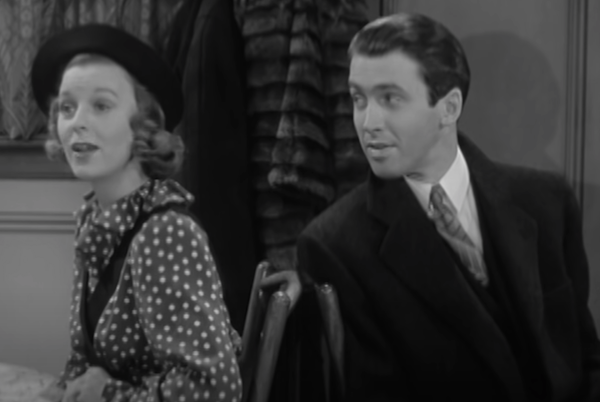
Meanwhile, Alfred, the hero (Stewart), is writing love letters to an unknown respondent, who happens to be Klara (Margaret Sullavan), the prickly salesgirl the shop just hired.


She, unaware he’s her pen pal, treats Alfred with disdain. Her attitude is partially the result of misunderstandings, but also because she’s a snob who sneers at him for his job. Even though she can be conniving and even cruel, there’s something so sad about the little airs she puts on, and about how fragile her thin veneer of confidence is.
And what a savvy salesgirl! She actually convinces a customer the cigarette box the owner loves, with its terrible music, is actually a candy box that is intentionally annoying so that it prevents overindulgence. Brilliant. I can’t help but root for her even if I think Alfred is too good for her. And their dialogue is so funny, clever, and entertaining.


What a doll Alfred is. He’s so tender toward Klara once he knows who she is and is sympathetic toward the owner, who wrongs him. He bears with both of their treatment with a warmth and understanding that reveal he’s made of much finer stuff than either of them. He’s also so modest despite being the most admired worker in the shop. I love the moment he fears his pen pal will be beautiful. “Well not too beautiful, no . . . what chance does a fellow like me..?….just a lovely average girl, that’s all I want.”

Comic relief Pepi Katona (William Tracy), the confident delivery boy, doesn’t appear much until the second half, but what a joy he is every time he shows up. I particularly enjoy him teasing a doctor and the new delivery boy. He and Pirovitch are both by turns funny and warm–an unusual combination for a comedy:

You’ve Got Mail, in contrast, dials up the time spent on the romance, eliminates any humor, makes the modest hero (Tom Hanks) a big box store magnate and forces the heroine (Meg Ryan) to be bop-her-head cutesy and snarky at the same time. I’d tell you more, but I’ve blocked the rest from my memory.

Do yourself a favor, and watch The Shop Around the Corner instead.

Share
Posted in: 1940s films, 1990-current films, Comedies (film), Drama (film), Romantic Comedies (film), Uncategorized Tagged: Ernst Lubitsch, Frank Morgan, Jimmy Stewart, Margaret Sullavan, Meg Ryan, Pirovitch, remake, The Shop Around the Corner, Tom Hanks, William Tracy, You've Got Mail

Casting The Thin Man Remake

10/16/2023 by leah@carygrantwonteatyou.com 4 Comments
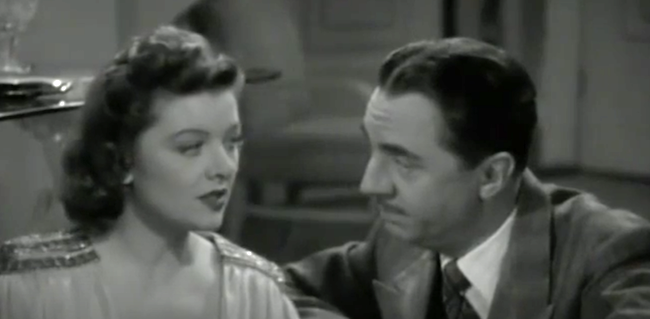
William Powell and Myrna Loy, The Thin Man


Brad Pitt and Margot Robbie are discussing a remake of The Thin Man, which has its longtime fans abuzz. While many ingredients are essential to an effective remake, the most important step is to take inspiration from the original pairing–cast the unexpected. After all, William Powell and Myrna Loy were dramatic actors. Manhattan Melodrama Director W.S. Van Dyke saw the two teasing each other on the set of his film and made a gamble: pair these two up in a rom-com/mystery, and see what happens.

What happened was comedy magic, the original film leading to FIVE sequels and the names Nick and Nora becoming shorthand for cool couple–even today. Who could be wittier, more stylish, more fun, more enviable than these two in action? No wonder Loy and Powell would ultimately be cast together in thirteen films.

So, of course, I’m thinking of what my casting would be. I wouldn’t object to Pitt and Robbie. Both have comedic talents, and even the age difference matches the source material (a book that is worth many rereads). But I want to spread my net a little wider. I love stories of actors playing unexpected parts: TV actress Mary Tyler Moore blowing us all away in Ordinary People, Malcolm in the Middle lead Bryan Cranston winning all the Emmys for the bleak Breaking Bad, the numerous dramatic actors chosen for comedy masterpiece Airplane!

Here are some possibilities I see. I’m borrowing people I love from TV and drama for this classic remake. I’m eager to hear your unexpected choices too….

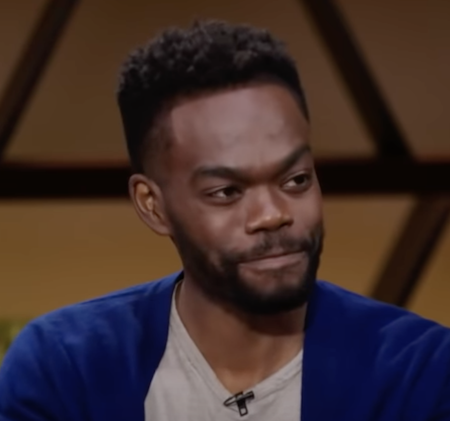
William Jackson Harper & Awkwafina

Harper was a revelation as Chidi in The Good Place.

William Jackson Harper

I could watch his peeps-in-the-chili scene all day. I found Crazy Rich Asians nearly as boring as The Kardashians, but Awkwafina? Wow. More Awkwafina for me, please. Can’t wait to watch the film with her and Sandra Oh, Quiz Lady.

Awkwafina


Harper and Awkwafina both have a mixture of dry humor, unexpected timing, and perfect reaction shots in their repertoire. To see them play together would be a joy.

Jodie Comer & Aldis Hodge

Comer is a rising star for her dramas, an Emmy and Tony winner with a likely Oscar nod for The Bikeriders. But Killing Eve fans are eager to see her in a comedy given her stunningly funny facial expressions (and how long she holds them!) And wow, can that woman deliver a sarcastic line!

Jodie Comer

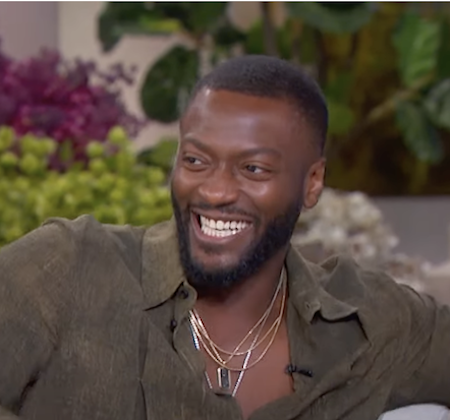
As for Hodge, he isn’t a big name yet since he rarely plays the starring role. Straight Outta Compton, Clemency, and One Night in Miami have demonstrated his dramatic skills, but we Leverage fans have seen this guy be FUNNY.

Aldis Hodge

He’s good at dead pan AND high-energy freakouts (Nicholas Cage style). I think I’d give Comer the Nick role, and Hodge the Nora role. He’s especially funny when he grumbles under his breath, which would be a fine accompaniment to Comer’s detective antics. (We need Comer to have a super-showy part.)

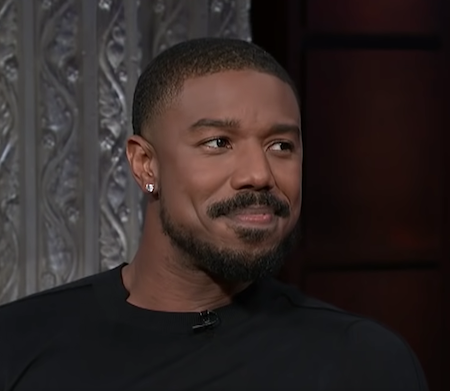
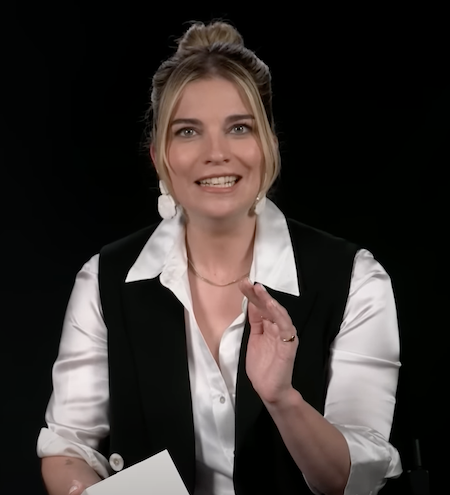
Michael B. Jordan & Annie Murphy

I’ve been a Jordan fan since his indelible role as Wallace in The Wire. He has PRESENCE.

Michael B. Jordan


I can see him at ease in a comedic role like Nick’s, a part that calls for being suave as well as funny. Sure, he’s done little to prove his comedy chops yet, but the complexity of his performances convinces me that comic mastery is in his wheelhouse. And he can be quite funny in interviews.

Annie Murphy hasn’t yet found a role to equal her star-making turn in Schitt’s Creek.

Annie Murphy


Her offbeat timing, slapstick gifts, and talent for improvisation (“A Little Bit Alexis” alone) would help her improve on the script. Given her generosity as an actress (she always highlights her partner’s skills), I think she’d help Jordan develop his comic potential.

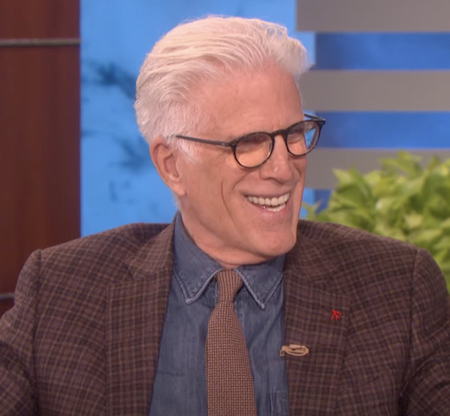
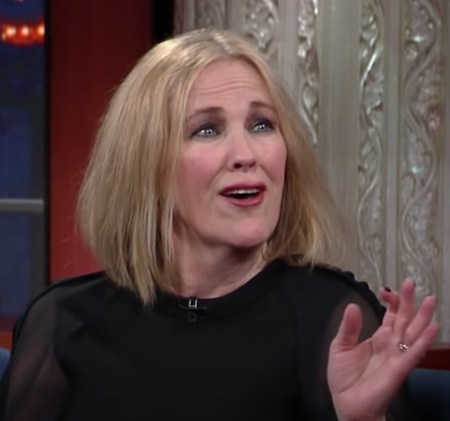
Catherine O’Hara & Ted Danson

These humorous powerhouses are old for the parts, so it’s unlikely they’d win them. But can you imagine watching their combined talents in action? Danson would play a mean Nick, wouldn’t he? So debonair, and so funny.

Ted Danson


And O’Hara is so used to acting as a team–so good at playing off someone while holding her own.
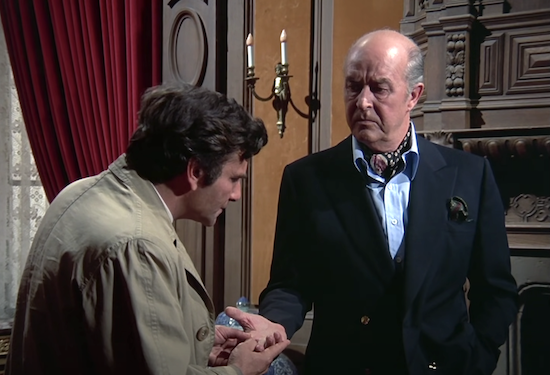
Catherine O'Hara

I can dream….
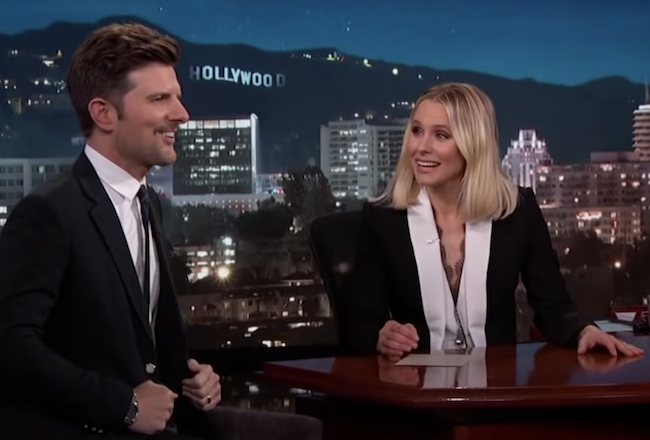
Kristen Bell & Adam Scott

Adam Scott & Kristen Bell


Kristen Bell has already proven her ability to play a witty sleuth in Veronica Mars, and Adam Scott has always been a great straight man. These two have impressive chemistry in Party Down and The Good Place. Let’s give them a movie that’s worthy of them. Watch their mutual self-deprecation when she interviews him on Jimmy Kimmel Live.

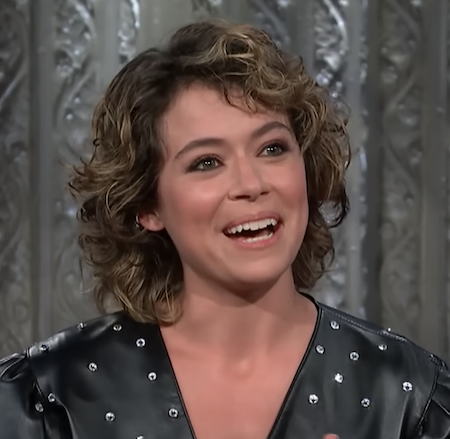
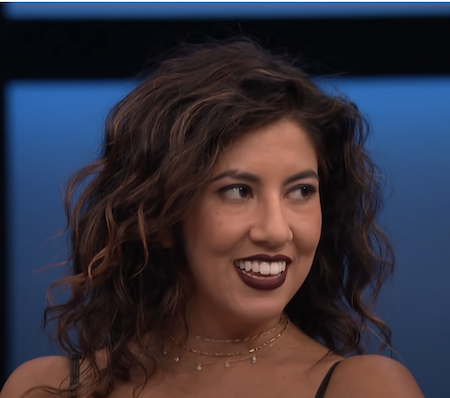
Tatiana Maslany & Stephanie Beatriz

Anyone who has seen Maslany in Orphan Black knows that she can do anything.

Tatiana Maslany


The woman played five major clones in Orphan Black—and you could tell when one was pretending to be the other. She has a sense for the physical ticks of each character, their intonations, their accents. (In total, her clones were in the double digits.) She’d be an ideal actress for a con artist or spy role, but it would be entertaining to see her in a traditional detective part.

Maslany sure could fool anyone she interrogated as Nick, and the mysteries were often a weakness of The Thin Man series. A more inventive plot could take advantage of her versatility. As far as her humor? Some of her clones displayed some effective dark comedy–and she clearly has the ability to do some slapstick.

I would pair her with Stephanie Beatriz playing a version of her Rosa Diaz role in Brooklyn 99–stone-faced and dry, a great foil to Maslany’s ethereal presence.

Stephanie Beatriz


Beatriz’s tough-gal performance in her most famous role is especially admirable since she seems almost giddy in real life….

No one can shake the Powell-Loy pairing from its pedestal. Honestly, I wouldn’t want that. But if the remake is different enough, it’ll just feel like two very different takes on a brilliant novel, not a poor shadow of a classic film.

I’m eager to hear your dream pairings in the comments! If you’d like other posts on ideal casting, see my friend and podcast co-host Mike Gutierrez’s awesome guest post on Hitchcock remakes!

Share
Posted in: 1930s films, 1940s films, Comedies (film), Feminism, Film Noir/Crime/Thriller & Mystery, Romantic Comedies (film), Uncategorized Tagged: Brad Pitt, Dashiell Hammett, Myrna Loy, remakes, The Thin Man, William Powell

The Stunning Talent in Stormy Weather (1943)

08/13/2023 by leah@carygrantwonteatyou.com 2 Comments


How ridiculous is the amount of talent in Stormy Weather (1943)?

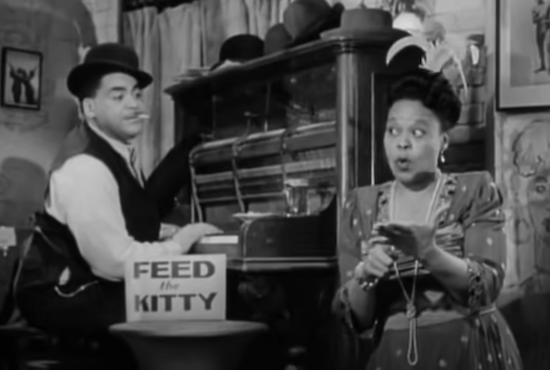
You’ve got Fats Waller and Ada Brown performing “That Ain’t Right,” a scene that obviously inspired Aretha Franklin’s “Think” in The Blues Brothers (1980).


My favorite lines in a hilarious call and response song about his greed for her money are Ada’s: “I took you to a nightclub. I bought you pink champagne. You rode home in a taxi while I caught that subway train, that ain’t right.” His responses include admissions that she’s correct; he does just want her money.

And as if that weren’t enough of a cameo, jazz legend Waller follows it up with a rousing “Ain’t Misbehavin.'”

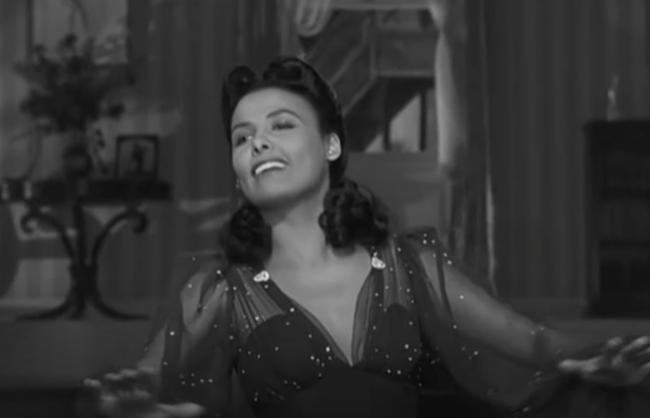
The movie stars the dazzling Bill “Bojangles” Robinson, perhaps best known now for his tap sequences with Shirley Temple. Lena Horne costars. Her performance of “Stormy Weather” is only slightly lovelier than her duet with Robinson of “I Can’t Give You Anything but Love.” She’s at the top of her game, and he’s in the late stages of his career, but his magnetism and skill are still impossible to ignore.

And then there’s the dance sequence during “Stormy Weather” by Katherine Dunham and her troop, which is both mesmerizing and marked by a degree of smoking sensuality I can’t believe made it past the censors. (Seriously, how did anyone miss those gyrations?)

Cab Calloway is his usual charismatic, velvet-voiced self, especially in the exhilarating “The Jumpin’ Jive” (years before he’d charm Gen Xers with the rendition of his hit “Minnie the Moocher” in The Blues Brothers).

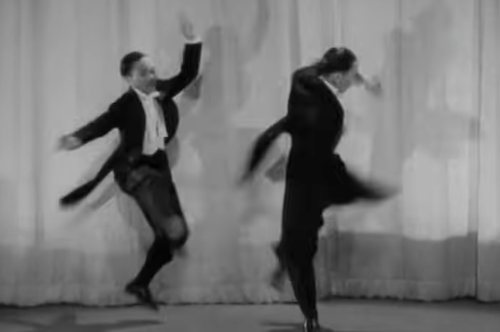
And then of course, we have the coup de grâce during “The Jumpin’ Jive”: the Nicholas brothers’ awe-inducing dance number, which Fred Astaire called the best dance performance on film.


Fayard and Harold Nicholas would wow such luminaries as George Balanchine, Gene Kelly, and Mikhail Baryshnikov. Their students would include Michael and Janet Jackson. (If you get a chance, watch fan Gregory Hines’s befuddled description of their impossible dance sequence in Stormy Weather. You can understand. Can two humans DO that???)

Sadly, it’s easy to guess why Stormy Weather is so chockfull of those at the top of their field: there were so few leading roles for black musicians, actors, and dancers in the 1940s. You can imagine why casting directors would stack that film and the other 1943 all-black musical, Cabin in the Sky, with all the big names they could get.

But that knowledge doesn’t stop you from experiencing shock the whole way through: At the flood of famous people you’ve heard of showing up on the screen. At music and performances that are far too good for a Hollywood musical. And by dancing that would have you in tears if you weren’t so busy smiling. The Nicholas brothers’ breathtaking grace and athleticism are nothing short of miraculous. And watching geniuses fully enjoy their art with that level of exuberance?

Try not to rewind and watch it again.

Share
Posted in: 1940s films, Musicals and dancing films Tagged: Ada Brown, best dance sequences, best musicals, Bill Robinson, Cab Calloway, Fats Waller, Fayard and Harold Nicholas, Lena Horne, Nicholas brothers, Stormy Weather (1943)

Ray Milland & the Columbo Surge

05/15/2023 by leah@carygrantwonteatyou.com 12 Comments

I adore that Columbo is experiencing a renaissance with younger audiences. Gabrielle Sanchez attributes it to youth’s “clamor for more murder mysteries that skewer the rich.” Not hard to believe given the dominance of The White Lotus and Succession.

Columbo’s viewership had already been climbing steadily during quarantine, thanks to its soothing appeal. Then Rian Johnson embraced his own Columbo fandom with the Natasha-Lyonne helmed tribute series, Poker Face, this year, guaranteeing that his many young Knives Out fans would follow his wake back to the short man in the long raincoat the rest of us have been loving for decades. (I knew anyone who created Brick would be a classics fan.)

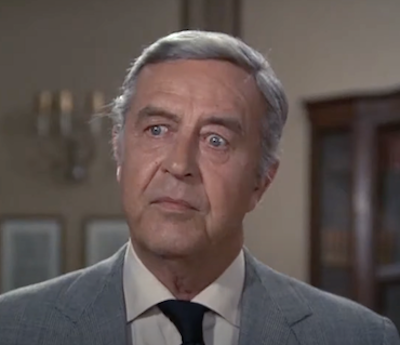
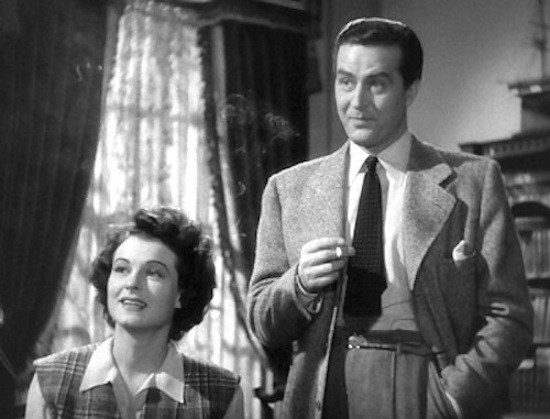
All of this fervor in turn brings new audiences to the classic movie stars we bloggers love, from Janet Leigh to Faye Dunaway to Myrna Loy to Celeste Holm. Even Don frickin Ameche (I’m a big fan of 1939’s Midnight). And of course, this fervor brings us to the suave, compelling Ray Milland, who appeared in two Columbo episodes—both early in the show’s run, when it was at its best.

I’ve often been curious about Milland. “The poor man’s Cary Grant” I read once in reference to him (though it might have been Melvyn Douglas). The dig was especially unfair since Milland was sometimes preferred to Grant: in the casting of Bringing Up Baby, for example. He was chosen over Grant for Dial M for Murder, due to salary or villain-casting worries. But the dig is fair in one sense: Grant was an icon everyone knows still today, and Milland?

“Who is that?” said my mother (echoing every other person I asked).

And yet, even those who don’t know Milland will catch a whiff of Grant. Close your eyes when watching a Ray Milland film, and for a minute, you’ll mistake the Welsh actor’s Mid-Atlantic accent for my favorite Bristol-born actor’s. Watch, for a moment, Milland move, and his easy grace and debonair expressions will trick your eyes too—as will his sharp wit and self-amusement.

And his slim build, height, dark hair, and air of confidence and wealth will throw you. As a Matinee and Mustache tumblr poster brilliantly put it, “Ray Milland looks like if Cary Grant and Jimmy Stewart had a son together after the Philadelphia Story.”

No wonder when The Awful Truth was remade as a musical in 1953, Milland was chosen to play Grant’s role.

But the Oscar-winning star of The Lost Weekend deserves to be remembered for more than just a Grant resemblance. I’ve never thought he ought to be appreciated as much for the good, but miserable-to-watch film that won him his greatest honor as for the comedies and dramas to which he leant such a light comic touch or thrilling suspense. I loved him in The Major and the Minor (1942) with Ginger Rogers, despite the issues with that subject matter. I loved him in The Uninvited, where he’s a charming, funny companion to sister Pamela (Ruth Hussey), grounding a gothic tale that otherwise would have gone too far off the rails.

And of course, I love him as the coldblooded plotter in Dial M for Murder. In fact, that film is one of my least favorite Hitchcocks but for his performance. The superiority and cool assurance he displays in that story make him an especially riveting villain. I particularly admire his character’s appraisal of the hitman’s situation, and how coolly he explains to the poor man that he simply has no choice but to kill his wife.

So it fits then, that in his Columbo appearances, Milland tries his hand at two different kinds of roles: in the second episode of season 1, he plays the beloved husband of the victim, displaying the charm and intelligence that made him such a draw to women in his movies.

And in the second episode of season 2, “The Greenhouse Jungle,” he’s a version of his scheming Dial M for Murder villain, killing his nephew after an audacious kidnapping plot.

These episodes are such fun to watch. The first, “Death Lends a Hand,” features Robert Culp as the blackmailing private detective who accidentally kills the cheating wife of an influential newspaper owner, Arthur Kennicutt (Milland), after she refuses to give into his schemes. Columbo is a DELIGHT in this episode, playing his usual, I’m-harmless game in some of my favorite scenes. In an early moment, he not only walks into a closet instead of out a front door, but pretends to be a big believer in palmistry with a straight face. Wonderful. We get hints of Columbo’s rapscallion past. And throughout, Milland plays the grieving widower with a dignity that makes us feel for his loss. His growing appreciation for Columbo is subtly shown. The quick, almost impressionistic shots of the killing and cleanup are cleverly done. And Culp is at his irascible best.

“The Greenhouse Jungle” is a bit lengthy for me, with too many shots of cars driving, but the plot is fun to watch and the humor intense throughout thanks to an ambitious young police officer who thinks he’s outsmarting Columbo. In a wonderful scene, the young officer shows off expensive tech equipment he’s bought himself, and our favorite lieutenant quips that he must be a bachelor. I also enjoyed Columbo’s hilarious ploy of disarming Milland, an orchid aficionado, by asking that he repair his wife’s 90-percent-dead African violet. Milland has a blast playing a supercilious, judgmental, superior snob who thinks he’s come up with a genius plot. He is not as clever as the Dial M for Murder schemer, but thinks he is. Milland approaches, but doesn’t quite veer into, hamminess in the role, which makes him riveting. But my favorite aspect of both episodes is–not shockingly–Columbo’s insight and empathy.

In “Death Lends a Hand,” he shows such understanding for the man who had an affair with Kennicutt’s wife. He is surprisingly blunt with him, admitting his suspicions about the relationship right away, but also assuring him he’s not a suspect (and this time, he means it). The golf pro seems like such a nice guy, and it warms us to see Columbo treat him with so much understanding. The lieutenant is also adorably kind to the villain’s minion, right after fooling him to expose his boss.

In “The Greenhouse Jungle,” the wife of the victim is in an open relationship–which makes Milland’s character despise her and his nephew. But Columbo says he admires her for her honesty about who she is, and we believe him. It’s this lack of judgment and lack of the kind of he-man attitude toward women so familiar in other cop shows (then and now) that make Columbo always feel so modern and fresh and lovable.

And how lovely it is to see Ray Milland, an underrated actor in this day (if not in his), playing on a show that is all about the dangers of underestimating others.

This post is part of the Classic Movie Blog Association (CMBA)’s blogathon, Big Stars on the Small Screen: In Support of National Classic Movie Day! Definitely check out the other entries!

For fantastic Columbo episode breakdowns, go to Columbophile!

Share
Posted in: 1940s films, 1950s films, Blogathons, Comedies (film), Film Noir/Crime/Thriller & Mystery, TV & Pop Culture, Uncategorized Tagged: Columbo. Ray Milland, Peter Falk, Poker Face

The Misunderstood Femme Fatale of Detour

11/07/2022 by leah@carygrantwonteatyou.com 12 Comments
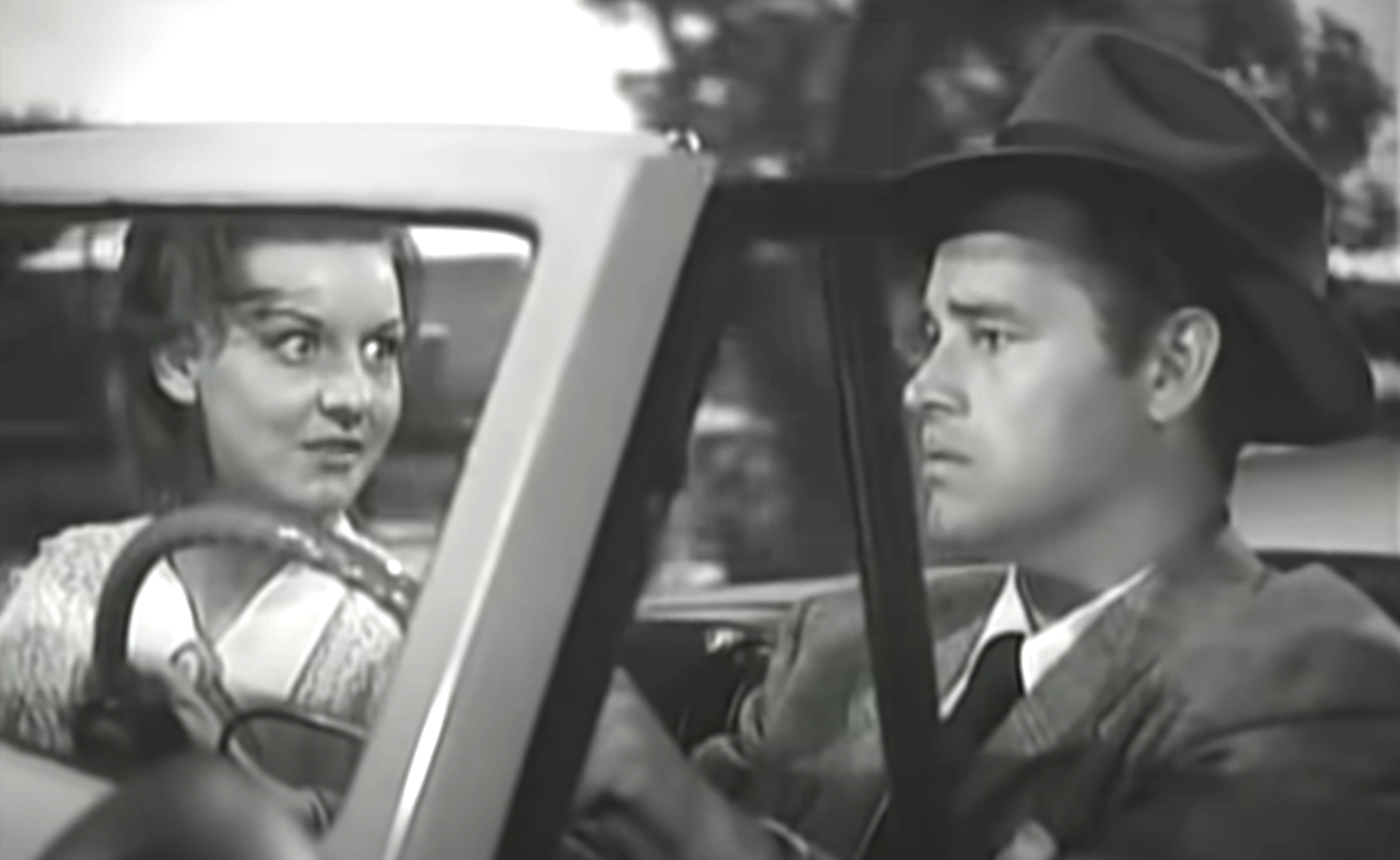
Ann Savage and Tom Neal in Detour (1945).


The common line on Detour (1945) is that it features one of the nastiest of femme fatales—a fascinating, feral creature. It’s true that Ann Savage as Vera is a powerhouse, and I can’t stop watching her. But is she really all that bad?

**Some plot reveals.***

So many reviewers skim over the incident that made Vera so raw in the first place. Yet to me, her reaction to that incident is what makes this B film worth watching. Can anyone honestly say they root for the sad-sack, self-pitying musician, Al Roberts (Tom Neal)?

Tom Neal, the sad hero of Detour


What a dud this hero is. The movie is nothing until Vera enters the screen, and it’s nothing after she’s gone.

As far as her dangerousness, let’s review, shall we? Vera is a hitchhiker picked up by Charles Haskell Jr (Edmund MacDonald). We learn about her secondhand from Charles, who is complaining to his current passenger, Al, about the deep scratches on his hand. Charles says an “animal” inflicted the wounds on his body. “You know there ought to be a law against dames with claws,” he complains.

The reason for their disagreement is soon clear: “Give a lift to a tomato, you expect her to be nice, don’t you?….After all, what kind of dames thumb rides, Sunday school teachers?”

In other words, he thought she should be forced into sex with him because she must be that kind of girl. This dude felt entitled to rape her because she’s a hitchhiker. He assumes all men will agree with him (as Al does) that she’s nasty because she hurt him defending herself.

What’s intriguing—and unusual—about Detour for its time is that it gives voice to this assaulted woman. As soon as we meet Vera, we know she’s suffering from PTSD and doesn’t know how to manage her pain. Even Al, hardly an empath, says, “Man, she looked as if she’d just been thrown off the crummiest freight train in the world.”

Her angry words soon reveal that Charles is hardly the first man who has felt entitled to mistreat her: “I’ve been around,” she tells Al, looking at him intently, “and I know a wrong guy when I see one.”

Ann Savage strikes out at Tom Neal in Detour.


That she lashes out at Al might be because of what she thinks he’s done—but it’s not the only reason.

Now Al is not the smartest dude, as Vera quickly realizes: “…You don’t have any brains.” He picks up a stranger right after he accidentally killed Charles and exchanged identities with him. If he were a smooth-talking liar, you could see him getting away with this move. If he were quick, you could see it too. But Al is not smooth. He is not quick. He is not smart. And he lies with all the skill of a toddler. He’s also unlucky because whom should he invite for a ride, but the only one who knows his identity is false? While many of his grievances are self imposed, it’s hard to argue with him that when it comes to encounters like his with Vera, fate was putting “out a foot to trip you.”

Vera’s instantly brutal to Al, whom she thinks killed her attacker. But she feels kinship with him too. She’s aiming for connection, an us-against-the-rich plan. She’s Bonnie and this idiot won’t be her Clyde. It pisses her off.

Ann Savage, the mistreated, angry heroine of Detour.


She wants him to recognize that they’re both presumed bad, that they don’t have a chance, so why not go for a con? Why not enjoy the advantages they have before everything goes to hell, as it certainly will, for people the deck is stacked against, like themselves? And when he won’t give in, she tries blackmail.

Her plan is not nice. She’s not nice. But I don’t find her nasty—even if some of her actions (and plans) are cruel. I find her tragic. She believes Charles’s wealth is part of what made him feel entitled to rape a poor girl, like her. She’s met a lot of men who act that way. Unfortunately, she didn’t find a man who could empathize with her suffering, or even enjoy a drink with her. She looked for something approximating an ally, and all she got was Al.

Oh Al. What a worthless character. He is a homme fatale BY ACCIDENT. He falls to pieces when a woman yells at him. He breaks into hives when he tries to sell a stolen car. Some theorize that he’s an unreliable narrator, deluding himself that he didn’t kill. Personally, I think he’s just deluded himself that his girlfriend wants him back. I don’t find Al’s psychology complex enough for any more sophisticated delusions.

But Vera? We lose her far too soon. If this film were the revenge fantasy this character deserves, she’d be living it up in Charles’s family mansion, smiling archly at the family as they bemoaned the loss of their heir.

“Oh yes,” she’d say, holding up champagne and affecting a snooty tone, “Wasn’t it a shame for Charles, all those women who did him wrong?”

This post is part of the Movies are Murder! blogathon hosted by the Classic Movie Blog Association (CMBA). Go check out all of the great entries.

Share
Posted in: 1940s films, Blogathons, Drama (film), Femme fatales, Film Noir/Crime/Thriller & Mystery Tagged: Ann Savage, Detour, femme fatale, homme fatale
1 2 3 4 5 6 7 8 9 10 Next »

Recent Posts

  • 100 Years Later, Still Scary: Dr. Caligari
  • Escaping Out of the Past (1947)
  • A Weeper for Those Who Love Jerks
  • Thank You, Academy, for Not Infuriating Me
  • Challengers (2024) Is a Bad Movie

Subscribe to Blog via Email

Enter your email address to subscribe to this blog and receive notifications of new posts by email.

Categories

  • 1920s films
  • 1930s films
  • 1940s films
  • 1950s films
  • 1960s films
  • 1970s films
  • 1980s films
  • 1990-current films
  • 2020s films
  • Action & Sports Films
  • Anti-Romance films
  • Blogathons
  • Childfree
  • Comedies (film)
  • Drama (film)
  • Feminism
  • Femme fatales
  • Film Noir/Crime/Thriller & Mystery
  • Gloriously Silly Scenes
  • Horror
  • Humor
  • Mae West Moments
  • Musicals and dancing films
  • Oscars
  • Random
  • Romance (films)
  • Romantic Comedies (film)
  • The Moment I Fell for
  • Turn My Sister into Classic Movie Fan
  • TV & Pop Culture
  • Uncategorized
Share
Classic Movie Blog Hub Member

Recent Comments

  • leah@carygrantwonteatyou.com on Meg Ryan’s Fate Foretold in Joe Versus the Volcano
  • Ryan on Meg Ryan’s Fate Foretold in Joe Versus the Volcano
  • leah@carygrantwonteatyou.com on 100 Years Later, Still Scary: Dr. Caligari
  • The Classic Movie Muse on 100 Years Later, Still Scary: Dr. Caligari
  • leah@carygrantwonteatyou.com on 100 Years Later, Still Scary: Dr. Caligari

Archives

  • November 2025
  • September 2025
  • May 2025
  • March 2025
  • January 2025
  • November 2024
  • August 2024
  • July 2024
  • May 2024
  • March 2024
  • February 2024
  • December 2023
  • November 2023
  • October 2023
  • September 2023
  • August 2023
  • July 2023
  • May 2023
  • April 2023
  • March 2023
  • January 2023
  • December 2022
  • November 2022
  • September 2022
  • July 2022
  • May 2022
  • April 2022
  • March 2022
  • February 2022
  • October 2021
  • September 2021
  • April 2021
  • March 2021
  • February 2021
  • December 2020
  • October 2020
  • September 2020
  • July 2020
  • May 2020
  • April 2020
  • March 2020
  • February 2020
  • December 2019
  • October 2019
  • September 2019
  • June 2019
  • May 2019
  • April 2019
  • February 2019
  • January 2019
  • November 2018
  • September 2018
  • July 2018
  • June 2018
  • May 2018
  • April 2018
  • March 2018
  • February 2018
  • January 2018
  • November 2017
  • September 2017
  • August 2017
  • July 2017
  • June 2017
  • May 2017
  • April 2017
  • March 2017
  • February 2017
  • January 2017
  • December 2016
  • November 2016
  • October 2016
  • August 2016
  • July 2016
  • June 2016
  • May 2016
  • April 2016
  • March 2016
  • February 2016
  • January 2016
  • December 2015
  • November 2015
  • October 2015
  • September 2015
  • August 2015
  • July 2015
  • June 2015
  • May 2015
  • April 2015
  • March 2015
  • February 2015
  • January 2015
  • December 2014
  • November 2014
  • October 2014
  • September 2014
  • August 2014
  • July 2014
  • June 2014
  • May 2014
  • April 2014
  • March 2014
  • February 2014
  • January 2014

Meta

  • Log in
  • Entries feed
  • Comments feed
  • WordPress.org

Copyright © 2025 Cary Grant Won't Eat You.

Church WordPress Theme by themehall.com