Cary Grant Won't Eat You

Classic movies for phobics

  • About
  • eBooks
  • Previous Blogathons
Classic movies for phobics

Author: leah@carygrantwonteatyou.com

Kimmel & the Great Gaffe: Why Comedians MUST Host the Oscars

02/28/2017 by leah@carygrantwonteatyou.com 10 Comments

Here’s the typical Oscar hosting scenario:

Year 1: A comedian hosts, performs well and with confidence, then is trashed in the press.

Year 2: The Academy chooses an actor/actors for the hosting gig. The script fails; the actor (not being a writer) panics and keeps trying the script anyway/hides backstage/whoops. We all flinch in sympathy, long for the ceremony to end.

Year 3: One of the previous comedian hosts is asked back, and is trashed a little less.

Year 4: The Academy chooses an actor/actors…..

Strangely, the Academy fails to recognize exactly why comedians perform better. Not being comedians themselves, Academy members mistake comedic actors for comics, assume song-and-dance types can roll with the inevitable botched entrances and exits. They’re forgetting the obvious: comedians IMPROVISE; actors PERFORM THE SCRIPT. And last night, the difference was written out so plainly I’m hopeful that they will finally, finally get it.

Let’s review:

Something unexpected happens (say a wrong card is given out):

  1. Actor’s response: panic, stare at the other actor next to you, read out/let your partner read out something you suspect is wrong, cast blame, ruin the Oscars for the mistaken winners and the real ones.
  2. Comedian’s response: riff on a another comic’s similar mistake, cast all blame on yourself in such a way that it diminishes the gaffe, makes the audience (and comic) laugh, and earns you thanks from the company that blew it in the first place.

Kinda obvious, isn’t it? A host needs to respond to the crowd, alter/rip on jokes if they don’t work, recover from mistakes by oneself and others, and relax. Comedians have suffered through brutal NYC stand-up crowds; Oscar crowd judgment? Easy. That’s why comedian hosts will often return to the gig even if unfairly attacked the first time around.

Let me be clear: I’m not saying what happened is Beatty’s fault; I’m saying it’s to be expected. Improvising is simply not a required skill for an actor (though arguably, more so for a stage performer). But let’s envision if instead of Kimmel, Neil Patrick Harris or James Franco were hosting. Imagine how much MORE botched that conclusion to the night would have been.

Jimmy Kimmel nailed it last night. As usual, the critics are already nitpicking, as they are wont to do. Were The Lion King bit or the name jokes the best calls? No. Though they weren’t nearly as offensive as some claimed (he’s no Seth MacFarlane), they were ill conceived. Comedians always struggle with that sensitivity vs. humor pull, especially when improvising. But the humorist who tries too hard to be PC is never going to make us laugh. (Would someone remind the critics please just how often they have attacked every previous host for being potentially offensive in one/more of his/her jokes?) No one will remember those comments/bits anyway; they weren’t funny.* But his Meryl Streep-talentless-Trump reference? His conscientious objector Mel Gibson slam? The Matt Damon attacks? Oh yes. We’ll remember those.

Kimmel was sarcastic and charming: the snark of Jon Stewart or Chris Rock with Billy Crystal’s crowd-pleasing style. And so confident. The crowd there and the audience at home both seemed to enjoy themselves, even during that halftime lull. Kimmel can be the host we’ve been waiting for, if the Academy just gives him the chance. Hopefully, they’ll beg him back despite his hilarious parting promise never to return. For those of us still vainly attempting to have faith in a show that so often blows it, let’s hope Oscar planners catch on.

*For a great spoof on white people’s mispronunciation of minority names, check out Key and Peele’s brilliant role reversal clip.

Share
Posted in: Humor, Oscars, TV & Pop Culture Tagged: Faye Dunaway, Great Oscar Gaffe, Jimmy Kimmel great Oscar host, Jimmy Kimmel kills it at Oscars, rank Oscar host, Warren Beatty

Never Considered: Jake Gyllenhaal’s Repeated Oscar Snubs

02/18/2017 by leah@carygrantwonteatyou.com 6 Comments

I’m tired of the assumption that there must be buzz about a star before he/she can be considered “snubbed” by the Academy. Let’s look at the term, shall we?

Oxford Dictionary: snub: ” rebuff, ignore, or spurn disdainfully.”

“Ignore disdainfully” includes not noticing one’s performance at all, doesn’t it? In fact, wouldn’t that be a more insulting snub? As in, we don’t even consider you worthy of DISCUSSION?

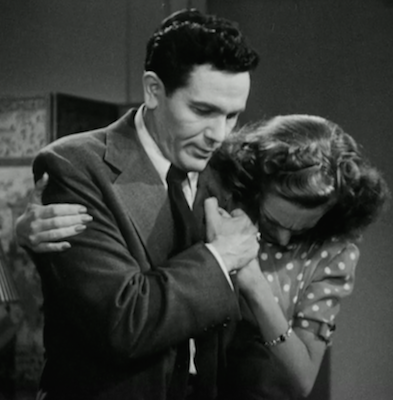
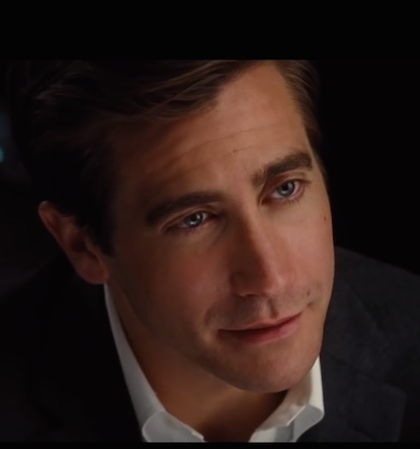
Take Jake Gyllenhaal, whom The Verge describes as the “best actor alive.” His performance in Nocturnal Animals was riveting. He played two vastly different characters in one film. The one is a study in innocence and naiveté.


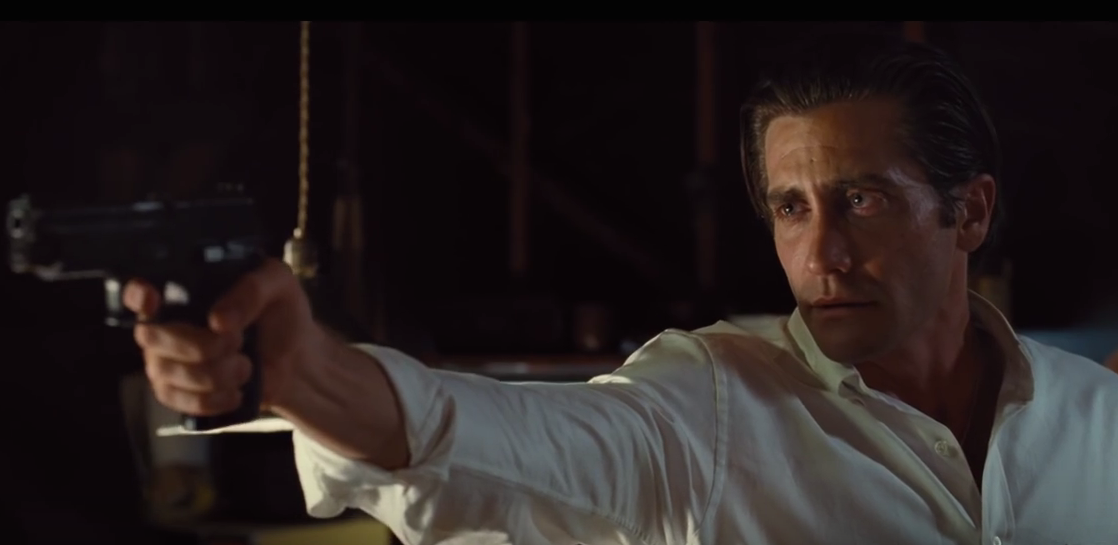
The other is a subtle take on suffering, the weight apparent in limbs, gesture, look—a role that most others would play with histrionics. In every frame, you can feel the way the character’s combating his own weakness in trying to be strong.

Both of these parts required versatility, and does Gyllenhaal have that skill down: In End of Watch, a headstrong young cop; in Nightcrawler, an animalistic creep; in Zodiac, an obsessive; in Brokeback Mountain, a romantic. (Uproxx‘s Steven Hyden called his Nightcrawler snub the worst of the decade; I know I’ve seen few performances to compete with it). Each time, Gyllenhaal moves beyond the stereotype, managing to imbue each character with such a singular, unique presence that you can’t look away, even when (as so often with Gyllenhaal’s choices) you want to.

I haven’t seen all the nominated performances this year, but I know Ryan Gosling’s part demanded a fraction of the skills of Gyllenhaal’s this year (much as I love the guy), and this is Denzel Washington’s worst performance since The Book of Eli. 

Of course, I could offer the usual bromide–that the best actors are so seldom recognized. Take my beloved Cary Grant, and all of those perfect, Oscarless performances. (And yet if I asked 100 people who know nothing of classic films to name one classic film star, which name do you think they know?)

My sister suspects a possible family bias, as neither Gyllenhaal’s sister, nor brother-in-law (Peter Sarsgaard) ever get their due either. Yet BAFTA values him. Catch up, Academy. Listen to the way Jake talks about his work–and how modest, funny, fascinating he can be. Pay attention to the complex vulnerability in his characters, the intensity, the quietness and the strength. Each of the men he plays are fully human, weird and disturbing as they so often are. Watch him pushing himself, over and over again, in roles other actors with his looks would avoid. Risk taking, funny, odd, so talented, Jake Gyllenhaal deserves some Oscar love. (The man himself, with typical modesty, actually claimed it was Ryan Reynolds who shouldn’t have been overlooked this year.)

But all you commentators out there, even if the Academy does keep snubbing him, let’s call it what it is. We have enough folks trying to deny reality this year, and change the definitions of basic words. Let’s all try some honesty instead: A snub by any other name still sucks.

This post is part of the 31 Days of Oscar blogathon, hosted by Aurora of Once Upon a Screen, Kellee of Outspoken & Freckled and Paula of Paula’s Cinema Club. Check out the first day of entries here.

Share
Posted in: 1990-current films, Blogathons, Drama (film), Oscars Tagged: Jake Gyllenhaal, Nightcrawler, Nocturnal Animals, Oscars, snubs

Loving Asta, the Canine Film Star

02/09/2017 by leah@carygrantwonteatyou.com 6 Comments


I’ve been dogsitting this week, which has me thinking about my favorite canine of classic film. I have to admit, I’m not an original at all: I love Skippy, of Asta fame. It doesn’t matter that I’m not a wire-haired terrier fan, or actually a terrier fan period. That dog runs the show, and I love him for it. So, apparently, did everyone who watched him. According to his IMDB bio, William Powell fell for him so hard in The Thin Man that he tried to adopt him. (Now we know that chemistry wasn’t just for show).

My favorite performance of Skippy’s, however, is not in my favorite sleuth film, wonderful as he is in it, and fantastic as his acrobatics as Asta are.


(By the way, that dog has a SERIOUS list of credits). No, my favorite role is his take on Mr. Smith in The Awful Truth.

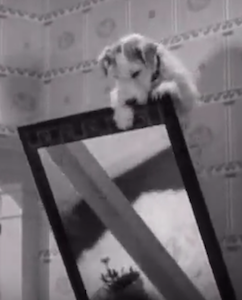
There’s so much to love: His character’s name: the mister, and all it implies. His exposure of Lucy’s (Irene Dunne’s) shenanigans through his love for mirrors and hats.


Impressive hide and seek face hiding. And best of all, his role in Jerry’s (Grant’s) needling of his soon-to-be-ex (Dunne), first in the trial’s custody battle, and then on canine custody visits. Mr. Smith’s integral role in the couple’s lives is as much a part of the script as their jealousy and insecurities, and so closely models the dog love exhibited by so many couples I know.

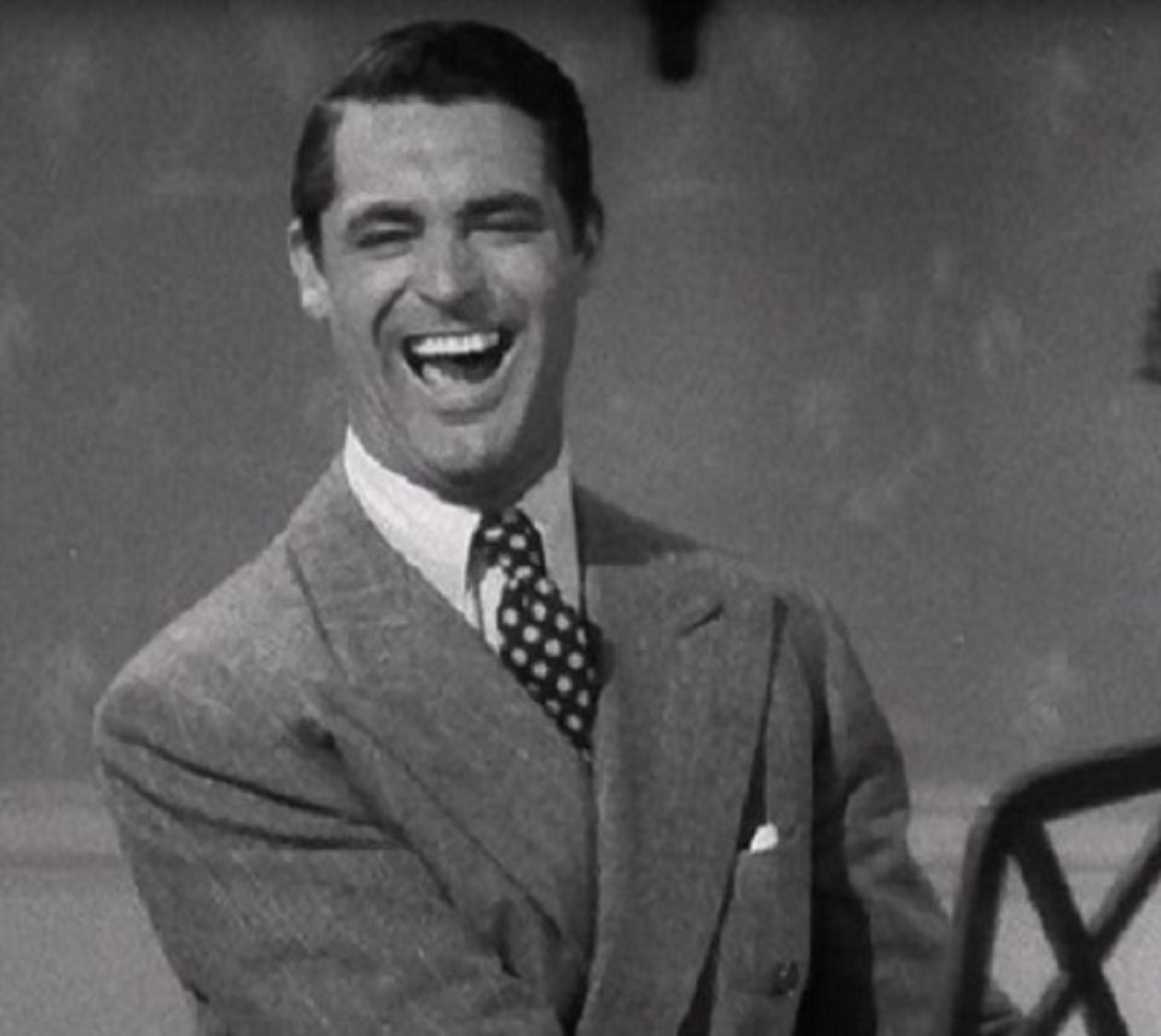
Lest you doubt my love, take a look at the image on my blog: That’s Grant, laughing with Skippy in their incomparable The Awful Truth duet. You can watch this thrilling, lovable dog in action thanks to a marvelous YouTube tribute (forgive the song choice).

Share
Posted in: 1930s films, 1940s films, Comedies (film), Film Noir/Crime/Thriller & Mystery Tagged: Asta, best dogs in film, Bringing Up Baby, Nick and Nora dog, Skippy the dog, The Awful Truth, The Thin Man

The Little Foxes (1941): the Melodrama for Our Political Moment

01/28/2017 by leah@carygrantwonteatyou.com 5 Comments


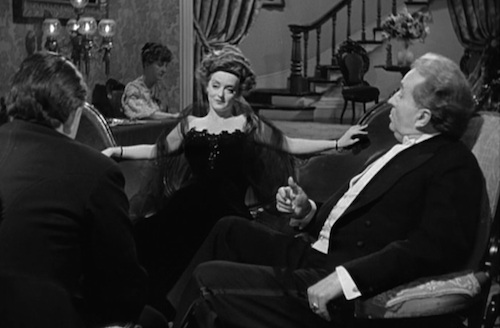
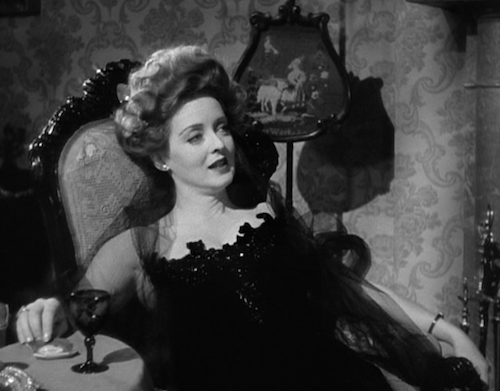
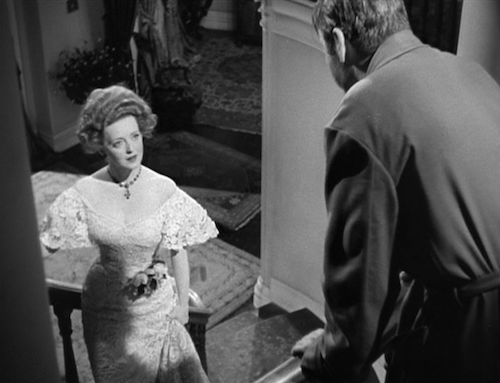
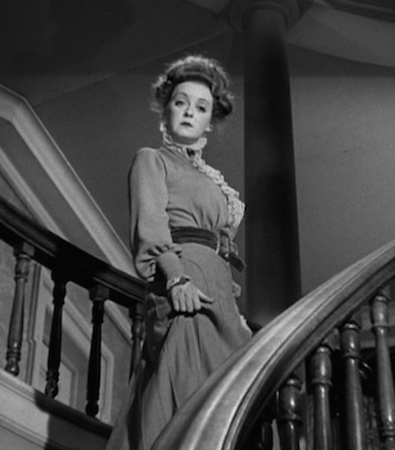
I found it eerie watching Regina (Bette Davis) plotting with her brothers in a story described by a contemporary reviewer as a “grim and malignant melodrama.” Certain themes kept surfacing that read like today’s headlines: mistreatment of minorities, disregard for others’ health, promoting an unlivable wage, business trumping decency to others. I was in the mood for a soapy melodrama, and naturally sought out a Davis flick. Usually, there’s no one I’d rather see in the role of a ruthless schemer. But she played the part too well; I didn’t expect to recognize so much. If it was escape I was after, The Little Foxes was a remarkably poor choice.

That isn’t to say I felt no sympathy for Regina Giddens (Davis). Anyone married to the sleep-inducing characters Herbert Marshall unfailingly plays; this time an ailing, upright man named Horace; deserves a bit of sympathy. Especially a character as vibrant and smart as Regina. It is fun to watch her messing with her brothers, in full control, before her husband enters the picture.


But he does, and her satisfaction is therefore short-lived: To watch her husband not only refusing to join a business venture so sure of success, but then condescendingly explaining her powerlessness to stop him, doesn’t sit well with Regina, but neither does it with those of us accustomed to more equitable romantic relationships.


While her role as wife to Horace is hardly as pitiable as that of her sister-in-law, Birdie (Patricia Collinge), the victim of neglect and domestic abuse, Regina’s not exactly free. It’s 1900, after all. While a Southern state might have initiated women’s marital rights in the US, it’s clear from Regina’s and Horace’s behavior that she has no power over their money, which clearly originated with his family rather than hers. Her daughter (Theresa Wright) is right that berating her dying husband is wrong, but what other move (besides submission) does Regina have? We don’t like her, but it’s hard to watch her brothers (who control the venture if her husband is out) triumph over her, given their sexism and treatment of Birdie.

Of course, Regina doesn’t warrant much sympathy, and her self-destructiveness is hard to witness: it’s not exactly politic or wise to explain to your mortally ill spouse (who holds all the power) that you kinda hate his guts. Then there’s her desire to get more than her fair share of the spoils from the business. And of course, there’s the real crux of the matter: her utter lack of concern over the unlivable-wage-for-employees-thing, which is motivating her husband’s refusal to buy in. Regina takes rejection personally, unable to view any scruples about heartless business practices as anything but stupidity or pretension.

While viewing the ruthlessness of Regina and her brothers as they plot to build their cotton mill, I found myself thinking “realism” far more than “melodrama.” We know these people, their goals, their casual cruelties. We’ve seen them in action. That’s why you’re getting daily emails from political action groups urging you to call Congress members right now. Regina’s avarice may take her farther than we predict. But is it so hard to believe that in a moment of passion, greed would triumph over humanity?

I kept remembering as I watched the film that Lillian Hellman, who penned the original play, didn’t have the sunniest view of her fellow beings (a viewpoint which couldn’t have improved when her Blacklist-targeted boyfriend went to jail for refusing to name names years later). But unfortunately, I can’t help but believe her cynicism justified. The hope we do get—the ethical love interest for the daughter showing some spunk—is muted, his victories offscreen. Regina may look a little scared in the big bad house as the story closes, but she still looks victorious.


Needless to say, I’m watching a comedy next week.

Share
Posted in: 1940s films, Drama (film) Tagged: Bette Davis, inequality, Lillian Hellman, movies about business, The Little Foxes

Gut Reactions to the Oscar Noms: The Good, the Bad, and the Ugly

01/24/2017 by leah@carygrantwonteatyou.com 2 Comments

Oscar nominations are out, and as usual, my first reaction is outrage. But there are some good choices in the supporting category, so I’ll tone down some initial snark, and try to give credit where it’s due. So far, I’ve seen only four of the nominated films, so I’ll wait till I’ve seen more for additional commentary. Here we go:

Best Picture (of those I’ve seen):

The Good

Hell or High Water: Deserves the nomination, and the win (of the nominees I’ve seen). Understated, nuanced, beautifully written and acted.

La La Land: Deserves the nomination, not the win. Charming, creative, fun. A blast for those of us who love the classics. I’m glad it’s getting so much credit. But ultimately, no musical deserves the top prize with such forgettable songs. Crazy Ex-Girlfriend has more memorable tunes in each episode than this film in its whole running time.

Moonlight: Deserves the nomination, possibly the win. Focused, touching story of one boy and his struggles with his sexuality and family. Points for subtlety. An unexpectedly nuanced depiction of a sensitive, quiet kid. Great acting too.

Thank you, Academy, for passing on the execrable Jackie, which was so wretched I almost left the theater 20 minutes in. Aside from jarring music, awful plotting, and a cruel portrayal of its heroine, its sum insight was this: Jackie O liked history, and losing her husband so tragically really sucked. Yeah, I kinda got that.

The Ugly

GLARING OMISSION: Where is Nocturnal Animals? Tightly edited, riveting, meaningful, beautifully acted, memorable, each frame relevant. Best film I’ve seen in years, and not even a nod.

Fences: I challenge a first-year film student to do a worse job converting a play to a film than Denzel in this unwatchable turkey. Gabriel and a literal horn? Are you kidding me? Clichés writ large, full earnestness, awkward closeups, dialogue that translates poorly to film, and histrionic acting almost all round. Larry McMurty, in a funny, humble essay, wrote that Hud would have been better if the filmmakers had diverged more from his original story. Denzel needed that lesson.

Lead Actor

The Good
Ryan Gosling anchors La La Land, which wouldn’t have been nominated without him. The man has comic skills; it’s good to see a role requiring both drama and comedy chops get some credit.

The Bad
Where is Jake? Jake Gyllenhaal, who gets (unlike Denzel did in this year’s film) that sadness can be about weighty limbs and haunted eyes, not screeching?

Where is Joel Edgerton? I’m wondering if the Academy hadn’t seen enough of his work to know what a departure this role was for him. Watching his restraint, the pain he shows in every limb at being unable to protect his wife, is powerful.

The Ugly
Instead, we get one of the best actors of our generation in his hammiest performance ever. Worst I’ve seen since The Book of Eli. You’re not in a theater, Denzel! Stop shouting down the house, making unfunny jokes, and smirking. It’s not the role. It’s you. You’re so, so much better than this.

Lead Actress

The Good and Bad
I suspect Annette Bening deserved the award this year, but I haven’t seen her film yet, and The Academy would probably just have passed her over for inferior performances, as they usually do. Emma Stone was very good, not great, and Ruth Negga just solid in Loving. But where is Amy Adams? She was memorable in Nocturnal Animals, and apparently even better in Arrival. But she’s a subtle actress, and the Academy likes to wait until the mid-golden years to award that quality (I’m looking at you, Jeff Bridges). Bring it on, Natalie. Shouts and painful closeups win.

The Ugly
Oh, Natalie. It’s funny that comics get no nominations for mimicry, and the Academy falls over itself to nominate dramatic performances for the same skill. Portman does imitate Jackie’s voice well, but in a distracting way (especially when she slips), and her histrionic, Black Swanish take on the first lady was disturbing, one-note and insulting. Weirdest of all was her awkward, hands stiffly held penguin walk. I guess when she was observing footage of her subject she missed the poise and grace. Cause you know, those don’t come up that often when we’re talking about Jackie….

Supporting Actor and Actress:

The Good
Very happy about Mahershala Ali for Moonlight. A magnetic, yet still understated performance. Likewise Jeff Bridges deserves the nod, though I wish he’d mumbled a bit less in the role. Had to watch it twice to catch all of his great dialogue. I think I was one of the few who preferred Michael Shannon’s performance in Nocturnal Animals to Aaron Taylor-Johnson’s.

Naomie Harris was very convincing in a small, but pivotal role. I hate to give credit to anything in Fences, but Viola Davis was tremendous, and unlike her costar, modulated her performance to suit the film. Give this woman an Oscar already, even if it should have been for best actress.

The Bad
I’m upset about the lack of love for Ben Foster in Hell or High Water. Even the reviews credit Chris Pine more, but Foster enlivens and gives depth to a role that in lesser hands could have been cartoonish. He sells the bond between the brothers, which keeps us hooked on this rather slowly spooling story. And he adds comedy as well as pathos.

OK, that’s it for now. When I’ve seen more, I’m sure I’ll gripe some more…:) (I’m posting more fully about Jake later this month for an Oscar blogathon, and will, of course, want to discuss the screenplays soon….)

Share
Posted in: 1990-current films, Comedies (film), Drama (film), Oscars Tagged: #OscarsSoWrong, Amy Adams snub, Ben Foster snub, Denzel undeserved nomination, Fences sucked, Jake Gyllenhaal snub, Joel Edgerton snub, Nocturnal Animals snub, Oscar snubs

Interview on CMBA Site

01/15/2017 by leah@carygrantwonteatyou.com 2 Comments

One of my favorite bloggers interviewed me for the Classic Movie Blog Association‘s profile. Check it out here. Such an honor. I feel like this:


For fantastic reading, view the author’s site, Silver Screenings. Her support, and that of other awesome veteran bloggers (such as Caftan Woman), has kept me going when it’s hard to continue with the blog.

While you’re at CMBA site, don’t neglect to check out the sites of my other wonderful peers at CMBA, whose recent posts are featured in the right-hand column.

Share
Posted in: Random Tagged: blogging community support, Caftan Woman, classic movie blog community, CMBA, Silver Screenings

Fred and Ginger Fans, Watch La La Land

01/12/2017 by leah@carygrantwonteatyou.com 6 Comments

Sometimes when I’m watching Gene Kelly, I’ve had to resist my urge to reach through the screen and push him into one of the puddles he’s leaping around.  I want to enjoy his joyful movements, his talent, but for me, the acting just kills it. His characters seem so smug, so sentimental, so cheesy, as if they were born to and continue to expect a cheering section. (Forgive me, Kelly fans. I can’t help it.)

Fred Astaire’s characters, in contrast, are cynical, world-weary, and as a result, often quite funny. Ginger Rogers, his most frequent sparring partner, is at her best when she’s delivering the snark too.


I’m willing to surrender to some sentimentality, but only if it’s tempered with some sarcasm; that’s why La La Land was an unexpectedly welcome surprise. Writer-director Damien Chazelle clearly gets that need for bite, and his own musician past is as evident here as it was in Whiplash. Thanks to him, my Ginger-and-Fred-loving peers will discover a bit of that magic they’ve missed in films since. Here’s how Chazelle pulls it off:

Witty Conversations
The plot is pretty simple: an aspiring jazz club owner and pianist, Sebastian (Gosling), and actress (Stone) fall in love and wrestle with the conflicts in their dreams and relationship. The previews are heavy on the cheesy side, but I should have trusted the actors, especially Gosling, whose  flight to indies after The Notebook revealed the level of his aversion to saccharine.


Emma Stone and Ryan Gosling excel at sarcastic banter. Their expressions are hilarious to witness. When Mia mocks Sebastian’s embarrassing keyboard gig by requesting an 80s abomination, I fell for the film, and for them. Astaire-Rogers films similarly begin with hostility: his character’s making a racket, tearing the heroine’s (Rogers’) dress, pretending to be Russian. Her characters’ (Rogers’) icy responses only begin to melt when the dancing brings the two together, and the self-protection their characters have constructed for themselves collapse.

Singing by Nonexpert Actors


Astaire and Rogers weren’t gifted in the choral department, but they sang their own tunes anyway, and as a result, there’s an authenticity to the chemistry between them, and the move from (relative) realism to song is less jarring. If I were watching a Broadway musical, I’d expect some serious pipes. But in a film, amateurism can work. As with Astaire and Rogers, Stone’s and Gosling’s lack of expertise works to highlight their characters’ insecurities and the fragility of their new bond. Their lack of professional music cred also helps give the impression that this singing is natural, just a way to express something that regular conversation can’t quite capture.

Dancing as Foreplay
Stone and Gosling are far better dancers than singers, and as with Astaire-Rogers, the dancing numbers are when their defenses dissolve, and they begin to fall in love.

My favorite moment is actually when the uber handsome Gosling approaches an older couple and starts dancing with the wife. The husband’s outraged response is so funny, but what’s lovely is the moment after: when we see the couple in the background, dancing with one another.

Characters Inspiring Each Other
I love in Shall We Dance (1937) that Petrov (Astaire) feels his dancing is so inspired by Linda (Rogers) that he must have actresses in his musical all don images of her face.


Petrov begins not with love, but professional admiration. And it’s fun to watch Mia (Stone) and Sebastian (Gosling) do the same: respect and promote one another’s art. As in Once, one of my favorite films of the past decade, the romance (or in Once‘s case, almost-romance) matters less than the impact the characters have on one another, the way they force one another to be honest about the decisions they’re making, the repercussions, and the inevitable conflicts an artistic life creates.

Talent
Astaire and Rogers are obviously finer dancers than their 2016 imitators. But Stone and Gosling are both fine actors, which Astaire was not.* Stone brings that effervescent charm she does to everything. She excels at mocking, as she has since Easy A. Her auditions for various terrible acting gigs are hilarious.

But it’s Gosling I couldn’t stop watching (and not just because of that ridiculously handsome face). Gosling’s timing, expressions, and posture deliver the humor, and the pathos of Sebastian’s unbending personality, his devotion to something others don’t love (jazz), is beautifully conveyed. Sebastian’s efforts to conceal his vulnerability are heartbreaking. A conversation late in the film when Mia calls him out on being a sellout is particularly tough to witness, as for Sebastian, giving in to some need for practicality demonstrates growth. Mia’s simply not been forced into the kind of compromises he has, and she doesn’t get what those decisions have cost him. I could see why Gosling–who has taken a long time to come around to big-budget films–was drawn to the role, and why the writer-director, a musician himself, knew just how to capture it. I don’t think it’s an accident that Sebastian is a far more developed character than is Mia.

Whimsy & Joy
What a pleasure it is, to watch actors with chemistry having fun with one another. It was always true for Astaire and Rogers, and is true for Stone and Gosling as well.


I didn’t find the music in La La Land that memorable, certainly not as strong as any of Astaire’s or Rogers’s outings. (Admittedly, that would be a bit unfair to expect, with Irving Berlin and the Gershwins at the helm.) Still, the enjoyment of singing, of dancing, of just playing around is there. At one point, in a surreal, An American in Paris kind of way, realism just leaves, and Mia and Sebastian act as if a departure from the rules of gravity is a natural result of their connection. In a way, it is. The moment conveys how art can transport a person away from reality, just as love can. That a director just over 30 can convey that sentiment so beautifully and lovingly–and with such humor–gives me excitement about whatever he’s cooking up next.

*Rogers, it could be argued, bests Stone in certain roles, but Gosling is a stronger actor than all of them.

Share
Posted in: 1930s films, 1940s films, 1990-current films, Comedies (film), Musicals and dancing films, Romantic Comedies (film) Tagged: Damien Chazelle, dancing films, Emma Stone, Fred Astaire, Ginger Rogers, happy films, La La Land, musicals for nonmusical fans, Ryan Gosling

The Odd Stew of Designing Woman

12/16/2016 by leah@carygrantwonteatyou.com 14 Comments


It’s surprising the screenplay for Designing Woman (1957) won George Wells an Oscar, given its strange stew of marital conflict, mob threats, brain damage, fashion, and acrobatic fight moves. But there is a cleverness to it, and some insights about marriage one doesn’t usually get in a comedy. So while not exactly an amazingly tasty stew, it’s curious enough in flavor to keep you watching, and the fourth-wall-breaking format leads to moments of humor throughout, especially through the thoughts of the ex-girlfriend.

Of course, being a fan of complex heroines, I hoped Designing Woman would have a double meaning, that Lauren Bacall’s fashion designer bride had sneaky moves up her perfectly tailored sleeves. Alas, no such luck. Marilla (Bacall) is a sophisticated businesswoman, but traditional when it comes to her sports reporter husband, Mike (Gregory Peck). The two have married after a very short affair, and much of the story hinges around his utterly unnecessary concealment of a former flame, Lori (Dolores Gray), and Marilla’s anxiety about it. The couple is so prickly over this conflict that they endanger Mike’s life as he hides from the mob. (Mike, it seems, is more truthful in reporting than in life, and has ticked off a boxing fixer with mob ties.)

So here are my thoughts on the memorable moments of this Vincente Minnelli-helmed comedy: the flavorful additions, the questionable spices, the discordant ingredient that nearly destroys the whole, and a wonderful final pinch of flavor.

The Flavorful Moments
Confession to the Ex
Mike’s former girlfriend, Lori (Dolores Gray), adds wonderful comedy to the plot, which has gotten a little too sweet in the opening meet-cute aftermath. Mike keeps not getting around to breaking his marriage to her, and she, sharing her reflections with us, reveals, “He was so pathetic I had to help him out.” She generously delivers the breakup news, and then adds a jab he completely misses: “I’d have probably done the same thing myself if I’d found the right man.”

After she relieves him from hurting her feelings, she observes him to be as “grateful as a Saint Bernard.” Her initial euphoria over her own maturity and strength soon dissolves: “But then I made a mistake. I asked him to tell me about her, and he made a bigger mistake, he told me.”


Rolling her eyes, she listens: “I heard all about her eyes, and her hair and her figure….I heard all about her fine sense of humor, and her clothes, and the cute way she had of tilting her head when she laughed….After a while I knew her like a sister.” And of course, she gets a thoroughly justified revenge with a strategic placement of his ravioli plate.

Party Scenes
The movie highlights the divisions between this high-class business leader and her working-class husband in various ways, most successfully with their apartments: his small and messy; hers refined, large, and including what he calls an “outside flunky.” Before he’s had time to look around his new place, all her friends arrive and rush her, barely registering his presence as he tries to excuse the embarrassingly short pants he’s wearing (his own being smeared with ravioli). Even when he leaves the room to change and returns, her distracted friends ignore him. And she is oblivious to his annoyance and embarrassment as she dons and then leaves behind his handsome form. The scene is perfectly orchestrated to reveal his disconnection and loneliness, and the way she’s suddenly made him feel alienated and extraneous in his own home and marriage.

In the aftermath, she’s dismissive of her career to soothe his ego, the embodiment of a bride worried about losing her new man. Luckily, she’s humbled herself enough to ease his insecurity (sigh, at least she doesn’t give up the career). The later party scene, with her rehearsal and his poker game colliding, is so cacophonous it’s actually hard to watch, but perfectly captures just how unalike their work lives are. Both of them are occasionally petty and jealous as they try to navigate in one another’s worlds, and yet come back together through their feelings for one another. The movie never suggests this union will be easy, and there’s something refreshing about that, and–unlike many romantic comedies–very honest.

The Fight Scene
The hilarious antics of the final fight scene make for good comedy. It’s well orchestrated, especially a brilliant final touch (see below). In a favorite moment, Mike observes that his wife doesn’t know how to help, as she can’t identify who is on Mike’s side, and who is not. I loved this reflection, as it echoes my reaction to every bad action sequence I’ve seen in the past decade. I so often can’t tell characters apart once the fists or legs start flying.

The Rotten
I don’t expect PC treatment of subject matter in my 50s films, but usually, I can cringe a bit at unfortunate touches and move on. Unfortunately, much of the comedy of Designing Woman hinges around making fun of a former boxer’s brain damage. Yes, you read that correctly. Maxie (Mickey Shaughnessy) is tasked with protecting Mike from the mob, but can never quite figure out what town he’s in, or what it is he’s supposed to do. Mike is by turns exasperated with him and condescending toward him. Marilla’s not much better, and sometimes worse. Mickey Shaughnessy’s performance is, unfortunately, often convincing, making his character’s brain damage poignant when the actor’s going for funny. The only way to enjoy this comedy is to block out whenever he’s on the screen, which is often.

The Brilliant Final Touch
Early in the film, in a typical bro kind of way, Mike objects to the effeminate dancing style of Marilla’s friend and colleague, musical director Randy (Jack Cole). You can just hear the homophobic chains in Mike’s mind churning as he watches those fluid, flamboyant movements, even before he imitates him to Marilla. But when the mob is beating up Mike and his friends, Randy appears and starts taking out half of them with his dance moves. I haven’t seen dance fighting this fun since Kevin Bacon’s in Footloose.

https://carygrantwonteatyou.com/wp-content/uploads/2016/12/DesigningWomanClips.mp4

It’s in this moment of brilliance that you know Minnelli’s at the helm, and you’re so glad. I only wish we’d  seen more such flourishes of his style because I could watch that clip over and over again. There, as elsewhere, I was more interested in the musical Marilla was designing for, than the marriage she was trying to save. The problem is, I think Minnelli was too. Luckily, there’s enough of the lovely costumes (and how Bacall wears them), enough of the self-absorption of those running the musical (who find the mob fight merely distracting) to intrigue and entertain. And of course, you can always rewatch Randy….

Hope you’ll enjoy the many other contributions to this Minnelli blogathon hosted by the marvelous Michaela of Love Letters to Old Hollywood.

Share
Posted in: 1950s films, Comedies (film), Musicals and dancing films, Romantic Comedies (film) Tagged: Designing Woman, Gregory Peck, Lauren Bacall, review, Vincente Minnelli films

Goin’ to Town: Feel-Good Classic

12/10/2016 by leah@carygrantwonteatyou.com Leave a Comment


How do you explain the joy of Mae West after a long hiatus? I’ve saved Goin’ to Town for a rough day, and it had the hoped-for effect. I may not get everything in my life right, but I have an instinct for good medicine: Mae had me grinning within seconds.

Cleo (West) first appears in an embrace with a guy we know isn’t the boyfriend obsessed with her. She’s, of course, some kind of dance hall singer. We see the boyfriend asking for her, and then the film cuts to the guy she’s kissing:

Lover: “Now I’d like to take you away from all this.”

Cleo: “All this? Oh, I get you. Yeah, for a long time I was ashamed of the way I live.”

Lover: “You mean to say you reformed?”

Cleo: “No, I got over bein’ ashamed.”

(Spoilers) West wasn’t exactly a fan of realistic plots, but this one is a doozy: Cleo’s boyfriend has promised her an oil ranch after they marry, and seemingly within minutes is dead, and the ranch hers. (“Well, that’ll help pay for my feelings.”) She falls for a British high-class type who runs her oil fields, and shoots off his hat and lassoes him to express her attraction (her definition of “coaxing”). He doesn’t think she’s classy enough, so she heads to Buenos Aires to buy her way into society and impress this snob.

Entrée into society, in West’s world, includes winning a horse race and performing as an unlikely soprano in a Samson and Delilah opera. Her outfit in the latter, with sequins highlighting breasts and hips, is hilariously provocative, seeming to confirm her scandalous background rather than winning respect from the elite.


The elite, of course, are so worthless in this film—including her boring object of desire, Edward Carrington (Paul Cavanagh)—that Cleo’s fight for status, even going so far as a marriage of convenience to well-born Fletcher Colton (Monroe Owsley), makes little sense. Of course, even in this conventional, post-Code desire to set aside a colorful past, West subverts the screenplay formula: Cleo’s utterly unashamed of hers:

Socialite: “Speaking of relatives, Mrs. Colton, have your ancestors ever been traced?

Cleo: “Well, yes, but they were too smart, they couldn’t catch ’em.”

Critics, both West’s contemporaries and ours, attack the film’s silliness, her toned-down innuendos, the reduced number of her beaus. It’s not West at her peak, they say. Low on the list of West films, they report. Something’s lost, they carp. You know what? Get over it. The film’s fun, and her victorious final song a riot. While West’s magic in She Done Him Wrong might be enough to fuel a steam engine, I’ll take enough to fuel a car. It’s still West. It’s still entertaining. The plot moves at a crazy clip, so just when you fear a sad/dramatic plot twist is going to overtake the action, poof! It’s gone. And in the meantime, you get enough of her slow stroll, enough hilarious comments, and enough silliness to break through a day’s doldrums, and make  you smile again.

Share
Posted in: 1930s films, Comedies (film), Feminism, Mae West Moments Tagged: comedies, feel-good movie, Goin' to Town, Mae West, review

Defeat Future Trumps: Teach Humor

11/16/2016 by leah@carygrantwonteatyou.com 4 Comments

davechappelle-electionparody
“The human race has one really effective weapon, and that is laughter.” —Mark Twain

When Trump clinched the nomination in Indiana, I felt betrayed not by my fellow citizens, but by my art. I teach humor, write humor, believe in humor. And I couldn’t deny it: Trump’s skill with a joke was exactly what had enabled everyone to dismiss his threat, to not take (or pretend not to) his words about minorities and women as genuine. Humor had concealed the truth of Trump, like some fearsome Larry “Lonesome” Rhodes without Patricia Neal.

Of course I have always known there’s a brand of humor that’s not about empathy, but divisiveness: Tina Fey’s evil stepbrother. It’s the kind we learn the first time a bully mocks an outsider on the playground, and we laugh along. But I’ve always believed the most effective humor stems from the truths of being human: our common insecurities, foolishness, fears, and faults. In American, of course, humor is also about optimism, the kind of self-delusion that fills gyms January 1st with those who actually believe they’re going to change—this time.

What I’d never recognized was the danger of the appalling lack of empathetic humorists in the conservative camp. I’d gloried, in fact, that I could claim all the Jon Stewarts and Stephen Colberts and Chris Rocks and Tina Feys. And conservatives had only the worthless, sniping, sexist Bill O’Reillys and Rush Limbaughs, the ones who enjoyed belittling others.

The Daily Show got me through the horror of November 2004, gave me release in laughter and hope. It’s a power humorists have always provided: enabling us to cope, cutting the anger, making us believe again. The show gave me exactly what it was clear Trump supporters have not gotten: relief—and power.

As Twain recognized, laughter is a weapon, whether it’s used for bonding or separating. Give a man or woman who feels hopeless a way to laugh, and triumph comes with it. But when there’s no unifying humor, and a cruel substitute takes its place, what weapon is there to smash it out?

For many years colleagues have told me humor is “tricky” to teach, that only certain students “have it,” and I’ve grumbled under my breath, and kept teaching it on my own. But it’s exactly this kind of thinking that has led us to where we are now, with humor represented by the few, and so many feeling voiceless. No wonder Trump felt so fresh and empowering to so many.

I regret all the years I didn’t push humor, didn’t at least teach it to my own graduate students. Because what we need now are empathetic conservative humorists—not only to fight those bullies out there, but because let’s face it, liberals: we need to be mocked too. And it’s only in seeing what we have in common—especially our flaws and fellow suffering—that we can unify again. (In fact, Trump’s lack of ability to laugh at himself was what scared me most.)

So teachers, let me assure you: Humor is EASY to teach. And talk about making students like writing! I once taught a section of creative nonfiction focused on humor. Several students realized they’d signed up for it by mistake; some, who stared at me in horror, dropped it immediately; others took a chance. Very few actually thought they’d be any good at it. But by semester’s end, every one of those self-proclaimed unfunny people was writing humor with confidence and pride. Students LOVE writing comedy if you give them just a little encouragement; for many students, you have to do little more than give them permission. My students reflected that being funny was just being honest about what they felt and observed: their thoughts when stuck in a class or on a date they didn’t enjoy, the horrors of parking etiquette.

Most of all, my students had discovered that humor is about owning your own vulnerability, or as Carol Burnett puts it, “Comedy is tragedy plus time.” Instructors, if you can teach drama, why can’t you teach humor?

In most courses, I just teach humor for one class period. I screen a table on the board, showing that most humor is about contrast: inflated expectations versus realty, hopes for the self versus how things turned out, lessons you should have learned versus ones you did, how you hoped others would act versus how they did. This subject matter can be tragic or comic. Those of us reeling from last Tuesday are focused on the tragedy. But Chris Rock and Dave Chappelle took the same subject matter and spun it into humor. They used contrasts; they used truth. I know they made me laugh, really laugh, for the first time since I woke up to Trump’s win. Would you really want to deny your students that kind of relief? Consider carefully before you do: Comedy is power. And dismissing it—as we all have so painfully learned—can be anything but funny.

Share
Posted in: Comedies (film), Drama (film), Humor Tagged: comedy, empathy, humor, recovery from election, relief in humor, teaching humor, Trump
« Previous 1 2 3 4 5 … 8 9 10 11 12 13 14 15 16 … 23 24 25 26 27 Next »

Recent Posts

  • 100 Years Later, Still Scary: Dr. Caligari
  • Escaping Out of the Past (1947)
  • A Weeper for Those Who Love Jerks
  • Thank You, Academy, for Not Infuriating Me
  • Challengers (2024) Is a Bad Movie

Subscribe to Blog via Email

Enter your email address to subscribe to this blog and receive notifications of new posts by email.

Categories

  • 1920s films
  • 1930s films
  • 1940s films
  • 1950s films
  • 1960s films
  • 1970s films
  • 1980s films
  • 1990-current films
  • 2020s films
  • Action & Sports Films
  • Anti-Romance films
  • Blogathons
  • Childfree
  • Comedies (film)
  • Drama (film)
  • Feminism
  • Femme fatales
  • Film Noir/Crime/Thriller & Mystery
  • Gloriously Silly Scenes
  • Horror
  • Humor
  • Mae West Moments
  • Musicals and dancing films
  • Oscars
  • Random
  • Romance (films)
  • Romantic Comedies (film)
  • The Moment I Fell for
  • Turn My Sister into Classic Movie Fan
  • TV & Pop Culture
  • Uncategorized
Share
Classic Movie Blog Hub Member

Recent Comments

  • leah@carygrantwonteatyou.com on Meg Ryan’s Fate Foretold in Joe Versus the Volcano
  • Ryan on Meg Ryan’s Fate Foretold in Joe Versus the Volcano
  • leah@carygrantwonteatyou.com on 100 Years Later, Still Scary: Dr. Caligari
  • The Classic Movie Muse on 100 Years Later, Still Scary: Dr. Caligari
  • leah@carygrantwonteatyou.com on 100 Years Later, Still Scary: Dr. Caligari

Archives

  • November 2025
  • September 2025
  • May 2025
  • March 2025
  • January 2025
  • November 2024
  • August 2024
  • July 2024
  • May 2024
  • March 2024
  • February 2024
  • December 2023
  • November 2023
  • October 2023
  • September 2023
  • August 2023
  • July 2023
  • May 2023
  • April 2023
  • March 2023
  • January 2023
  • December 2022
  • November 2022
  • September 2022
  • July 2022
  • May 2022
  • April 2022
  • March 2022
  • February 2022
  • October 2021
  • September 2021
  • April 2021
  • March 2021
  • February 2021
  • December 2020
  • October 2020
  • September 2020
  • July 2020
  • May 2020
  • April 2020
  • March 2020
  • February 2020
  • December 2019
  • October 2019
  • September 2019
  • June 2019
  • May 2019
  • April 2019
  • February 2019
  • January 2019
  • November 2018
  • September 2018
  • July 2018
  • June 2018
  • May 2018
  • April 2018
  • March 2018
  • February 2018
  • January 2018
  • November 2017
  • September 2017
  • August 2017
  • July 2017
  • June 2017
  • May 2017
  • April 2017
  • March 2017
  • February 2017
  • January 2017
  • December 2016
  • November 2016
  • October 2016
  • August 2016
  • July 2016
  • June 2016
  • May 2016
  • April 2016
  • March 2016
  • February 2016
  • January 2016
  • December 2015
  • November 2015
  • October 2015
  • September 2015
  • August 2015
  • July 2015
  • June 2015
  • May 2015
  • April 2015
  • March 2015
  • February 2015
  • January 2015
  • December 2014
  • November 2014
  • October 2014
  • September 2014
  • August 2014
  • July 2014
  • June 2014
  • May 2014
  • April 2014
  • March 2014
  • February 2014
  • January 2014

Meta

  • Log in
  • Entries feed
  • Comments feed
  • WordPress.org

Copyright © 2025 Cary Grant Won't Eat You.

Church WordPress Theme by themehall.com