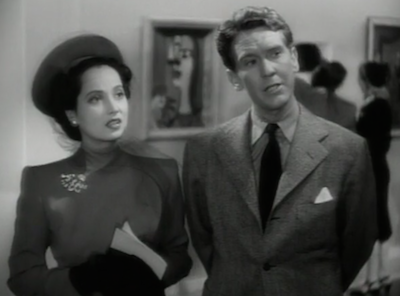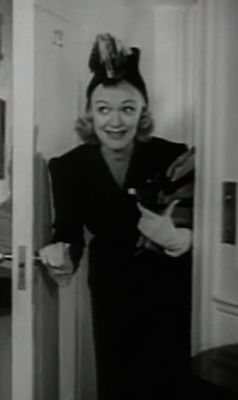
Cary Grant Won't Eat You

Classic movies for phobics

  • About
  • eBooks
  • Previous Blogathons
Classic movies for phobics

Author: leah@carygrantwonteatyou.com

Sexual Predators in Film: Weinstein, 1937

11/10/2017 by leah@carygrantwonteatyou.com 8 Comments


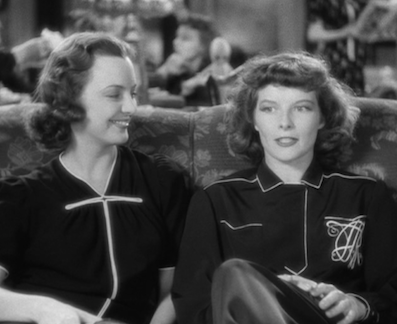
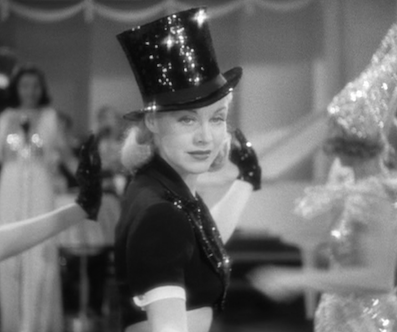
All this talk of Harvey Weinstein and now Louis C.K. has me thinking about Stage Door (1937), that fascinating film featuring a dormitory of smart-talking women clamoring for parts on the stage, and suffering the sexist overtures of a very slimy producer along the way. The film was produced the same year the words “casting couch” were first published in Variety, according to Matthew Dessem. How the film got made is clear: it’s a feminist anthem against sexual predation, yes, but it’s carefully camouflaged as one of the funniest comedies of its era. Critics praised the witty, fabulous dialogue, ignoring or underplaying the blatant warning directed at female aspirants to stage or screen.

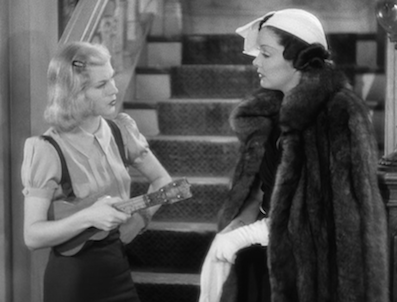
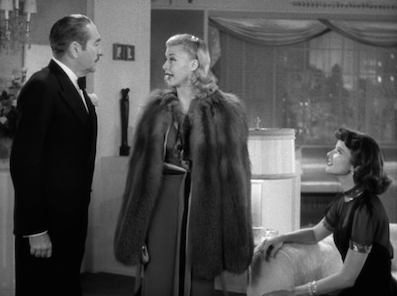
The story begins with Jean Maitland (Ginger Rogers) trying to oust roommate Linda Shaw (Gail Patrick). Jean’s a sarcastic gal from the wrong side of the tracks, too proud and ethical to give into seductions in exchange for parts or furs. Her roommate, however, is an opportunist, and has given up her reputation in exchange for gifts from her wealthy keeper, sables and sapphires she rubs in Jean’s face.


The two separate to achieve peace, but Jean isn’t long for a solitary room; enter her new roommate, heiress Terry (Katharine Hepburn), who wants to star on the stage too. She thinks her peers haven’t made it big yet because they lack ambition. Her slow recognition of her own privilege will become the axis around which the plot revolves. Initially mocked by the dorm residents who resent her for slumming, she does make one friend, Kay Hamilton (Andrea Leeds), the acknowledged talent of the bunch.


Sympathy and admiration for Kay will lead Terry to understand that her poverty-stricken companions aren’t slackers, but cynics battered by experience. They face obstacles she doesn’t, and have no safety net if they fall.

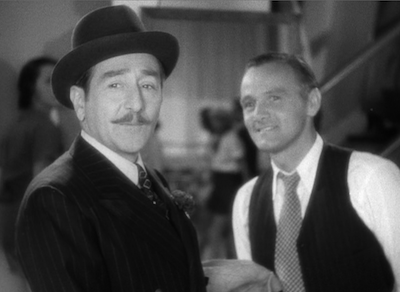
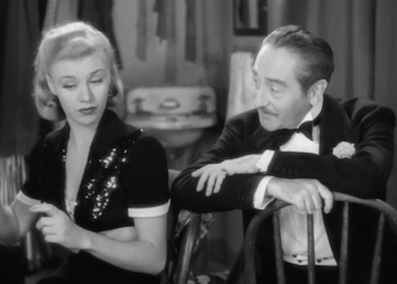
While Katharine Hepburn’s Terry is learning how the hungry half lives, Jean encounters Linda’s lover, Anthony Powell (Adolphe Menjou), who eyes her in an audition. The fact that finding prey is his goal in being a producer is clear, as when he says to a dancing school director, “I very likely won’t produce anything unless I can find an angel. You haven’t seen any flying around, have you?” After an uncomfortable amount of leering at a dancing pair, he asks about “the little blonde.” His pal obligingly offers the information, of course, and soon Jean has unwittingly taken a job given to her so that Powell has access to her charms. We can see in all of these moves a clear pattern: he’s after/has sex with the girl, she gets the role. Jean’s response when she sees Powell and Linda at the club where she’s been hired says everything:


Jean’s barbs at Powell (and at his choice of a mistress) have no effect.


But then Jean decides it’s time to teach her former roommate Linda a lesson, steal her guy. Jean doesn’t plan to have sex with him, but what’ll it hurt her to drink a little champagne, have a meal or two that isn’t stew?

But the bigger reason for dating an undesirable man is evident: If Jean doesn’t play nice, what happens to her job? Her dancing partner, Annie, suggests as much multiple times. When Jean complains about his creepiness, saying she needs a “tin overcoat” as protection, her partner responds, “You should be glad he looked at you at all.”  Jean doesn’t need her partner’s pestering; she knows full well that “…if I don’t go out with him, I’ll probably lose my job, and so will Ann, and I’ll be right back where I started from.”

Of course, Powell has plans of his own: ply Jean with alcohol, tell her a sob story about his life, talk about her name in lights and himself as the reason, and get what he wants. If she isn’t exactly sober enough to consent, what does he care? Creepily, his butler knows just how to disappear. As Linda warns her (to protect her meal ticket), the butler is “deaf,” so she “really won’t have to bother to scream for help.”

Luckily, Jean gets too sad-drunk on the first trip to his penthouse to make his “seduction” fun. He decides she isn’t worth the trouble, but she (too buzzed to catch the drift of their last talk) thinks she’s beginning to like the guy. The next night, when Terry is having an actual business meeting with him in the penthouse (as Weinstein’s actresses thought), Jean charges in.


Terry fakes drunkenness and sexiness to keep Jean away from the predator, and it works.


Jean realizes he’s as worthless, creepy, and unfaithful as she initially thought, and leaves. The audience is grateful for Jean’s escape, having seen the disaster Powell leaves in his wake: poor Linda has nothing but trinkets in exchange for sexual favors–gifts not even sizable enough to get her out of that dorm. (How thin is her arrogance!) We know how short Jean’s casting-couch career would be after her favors, given that roving eye. The actress in the story with true talent (Kay) who doesn’t succumb to (and apparently was never offered) the producer’s embraces is literally starving as he puts off her auditions for his dalliances, and will soon reach an even sadder fate.

I kept thinking of Terry when the Weinstein revelations came out, not just because she was brave in the story, but because she could be. Of course, Terry too is the object of male manipulation. The only reason she’s up for a part is her father’s secret meddling (He’s finagled her starring role so that she’ll fail and realize she should come home and marry a rich boy like a good little girl. Nice support, huh?) Although she does have a disgustingly condescending father, Terry is safe. That money gives her power of her own, and she can afford to confront the Anthony Powells of this world. It’s really the lesson of the Weinstein story, isn’t it? Predators go after those with no power, so those with it have to be the ones to stand up. And not just men, but female stars, the Meryl Streeps, who have status of their own and can be immune from predators’ hushing machinations. Several media outlets have justifiably called out the male actors and directors who did nothing about Weinstein, and the employees, like that pal in Stage Door, who abetted the behavior. But I’m disappointed too in the prominent women, those who weren’t personally affected, but could have done something…and didn’t. (Streep claims she didn’t know; even if she didn’t, others with star power did.)

At first I thought that the sexual predator storyline and feminist response to it were from Edna Ferber, a friend of Hepburn’s and the original play’s cowriter. Ferber may have been inspired by memories from childhood, I reasoned. According to Janet Burstein, Ferber learned about men’s less pleasant side in her youth, when everyday wants meant she “had to run a gauntlet of anti-Semitic abuse from adult male loungers, perched on the iron railing at the corner of Main Street, who spat, called her names, and mocked her in Yiddish accents.” That disgust on Jean’s face when she spots the way Powell looks at her? Yeah, that’s written by an author who knows. But the play Ferber cowrote was completely redone for the screen by Morrie Ryskind and Anthony Veiller. And according to some sources, the movie’s verisimilitude has less to do with the screenwriters than with Gregory La Cava, who sought the stories of and the funny dialogue of the women he directed, and encouraged improvisation. But then again, the stories of such men were everywhere, then and now, and needed no writer to reveal the behavior. Anyone watching and listening–as La Cava apparently did–could hear and expose them.

I hope one day this film–and La Cava–get more credit for the kind of heroic feminism we see so rarely on the screen or in life. Eighty years ago, this film exposed the terrible repercussions of sexual predation, and instead of suggesting that victims should be blamed for not standing up–as even current headlines do–put the responsibility squarely on the man at fault. More, it gave a path for correction, by showing who could do something to fight back, and revealing the privilege that might blind him/her to what was really going on. How many films in the decades since have done the same?

Share
Posted in: 1930s films, Comedies (film), Drama (film), Feminism Tagged: classic film, films about sexual predators, Ginger Rogers, Harvey Weinstein, Katharine Hepburn, Louis C.K., Stage Door, the casting couch

Movies to Combat Moving Blues

09/16/2017 by leah@carygrantwonteatyou.com 11 Comments


**Some spoilers, but then again, this is a comedy.***

I’ve been remiss in my blogging lately, due to my second move in a year. The last apartment resounded with construction noises next door, loud and consistent and close enough to drive me to repacking. So again I’ve been drowning in UHaul boxes, unsticking packing tape from my shoes, figuring out just how little I can get away with repurchasing, and wondering how few calls I can make changing my rental address.

Films about renting typically revolve around roommates, so to find characters to commiserate with (and limit the number of real-life sufferers from my complaints), I’ve turned to stories about much bigger headaches than mine: Walter’s (Tom Hanks) and Anna’s (Shelley Long) alternately endearing and hilarious breakdowns after they buy the lemon in The Money PIt (1986). The lovable Blandings (Cary Grant and Myrna Loy) as they sink their cash into first destroying one house, then building another in its place in Mr. Blandings Builds His Dream House (1948).

I like both films so much, but today, I’m going to discuss the original: Tired of fighting over mirrors and closets and other ills of close apartment living with a spouse and two kids, Jim Blandings (Grant) convinces his wife, Muriel (Loy), to move to Connecticut with him, to a big shambling old relic that’s just about to crumble. Comedy ensues, especially when Jim’s jealousy over his lawyer (who once dated Muriel) surfaces while he’s trying to tackle falling parts and failed wells and bad bathroom locks. Of course, Jim and Muriel soon find the costs building up and the issues with first the old, then the replacement house mounting. So much to love about this film. Let’s begin with:

The Realistic Depiction of Marriage
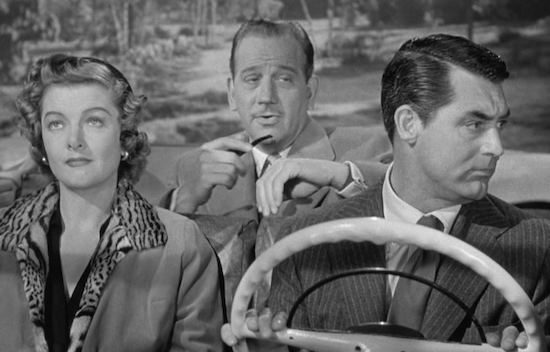
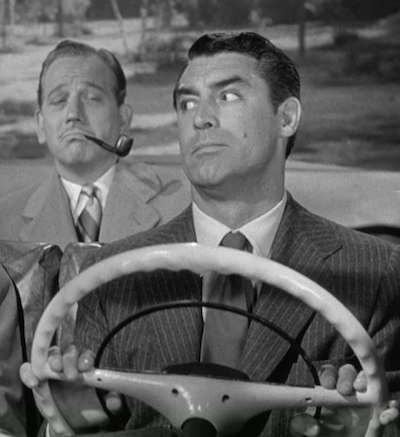
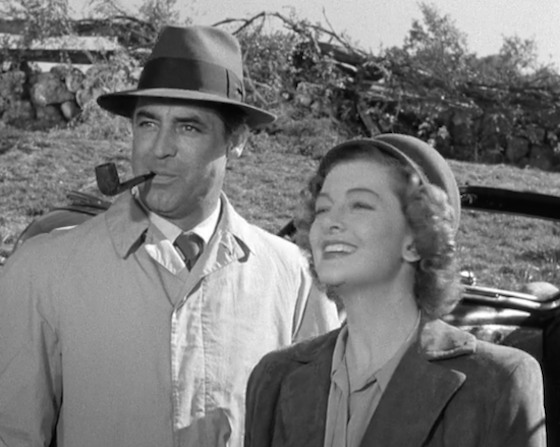
The Blandings frequently squabble about everyday annoyances, but my favorite moments are those that display patience with one another’s faults, as when Jim refuses to believe Muriel knows the directions to their new place, and she patiently waits out his acknowledgment of her correctness through multiple wrong turns, a quiet smile and gaze toward the sky revealing her amusement at how it’s all going to turn out:


Unlike most films that depict a husband jealous of his wife’s affections, Mr. Blandings Builds His Dream House does a subtle job conveying quietly brewing suspicions. While Jim’s jealous of his lawyer, Bill (Melyvn Douglas), throughout the film, the sentiment is understated, only boiling over when his stress level does, and therefore never failing to feel authentic. Weaker comedies play such weaknesses broadly instead; the sophisticated version of jealousy here matches that in so many more marriages, and therefore is funnier.

The (Meta) Supporting Actor Casting
The actor playing Grant’s object of jealousy is Melvyn Douglas, often viewed as a second-rate replacement for Grant in romantic comedies. He’s debonair and can be charming, but he’s no Grant.


But Douglas is always better as a supporting actor than as a hero, and does great work as the foil in this film. And some may say he did get the last laugh: he, unlike Grant, his romantic lead rival, would win not one, but two Oscars later in his career.

The Inspired Acting (and Chemistry) of Grant & Loy
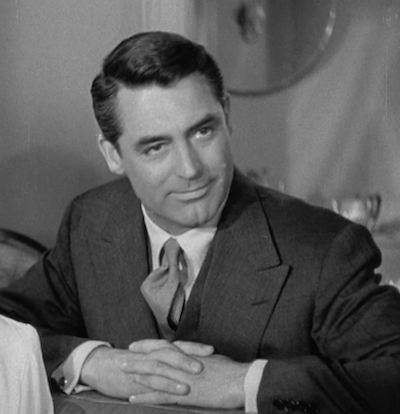
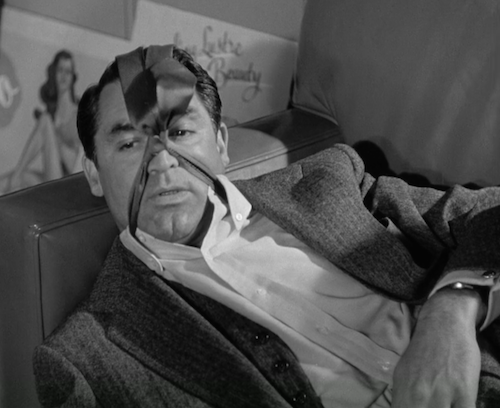
Every frame of the film conveys the joy of home ownership and the stress of building and moving so well, thanks to the stellar performances. Honestly, as mobile as these two stars’ faces are, this film could have easily been a silent. Just take these shots of Grant in smirk and self-embarrassment mode, respectively.


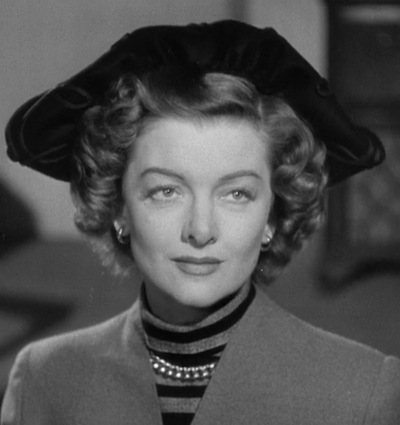
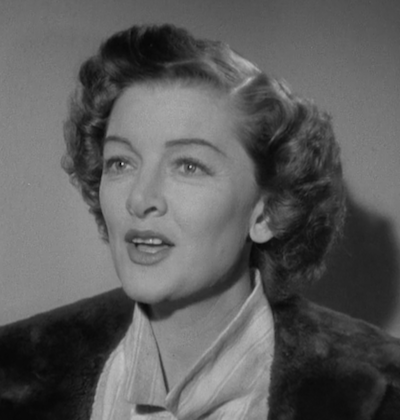
Or Loy’s face as she expresses love, mockery, and shocked anger in turn:


The actors’ best scene is after Jim expresses jealousy over his wife’s past relationship with Bill. His expressions–one part suspicion, one part hope, one part shame–are so nuanced and real.

When he pouts, asking why she married him, she fires back in a brilliantly worded (thanks to the script) rebuttal:

“I’m beginning to wonder….” she says. “Maybe I knew you were going to bring me out to this $38,000 icebox, with a dried-up trout stream and no windows…Or maybe I just happened to fall in love with you, but for heaven’s sake, don’t ask me why.”

The scene is pitch-perfect Loy. Only she could be so angry and endearing simultaneously.

Quibbles
Luckily, the voiceover narration, which is occasionally grating, is in short supply. It is used to great effect in the opening, which depicts decidedly unidyllic city living.

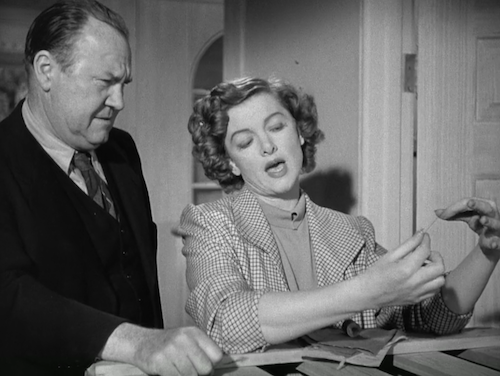
I’m not a big fan of the scene in the film most love, when Muriel gives a comic level of detail about the wall colors she wants, and the painters reduce her requirements to red, yellow, etc. as soon as she turns her back. It’s just so sexist, so “oh that silly woman” in its approach. In contrast, her sink mistake, which is also depicted as foolhardy, is treated as if it’s on the same level as Jim’s errors. But Loy is fabulous in the painting scene, sure she’ll be taken seriously and oblivious to the painters’ condescension.


While Jim’s work stress during the building is a little undercooked plotwise, there are comic gems, as when Grant’s creative process is depicted:


But the joy of these brief work scenes is undermined by the portrayal of Gussy (Louise Beavers), the housekeeper, who will later be featured, Aunt Jemima style, in Jim’s ad about some Spam-like product. He does offer her a $10 raise for coming up with the ad idea that saves his job, and she doesn’t come across as stereotypically as some black actresses at the time did (Gussy does, after all, originate the ad). But it sure would be cool to see more for Beavers (and Gussy), especially given how progressive Loy was, and given Beavers’s earlier star-making turn in Imitation of Life.

Of course, the film’s legacy, despite these weaknesses, comes down to….

Its Comic Writing & Pacing
Wry humor sparkles throughout, especially when Grant has a breakdown near the film’s close. When the couple is first purchasing the old house, others observe that it’s junk, as when Bill looks at the Blandings and observes, “It’s a good thing there are two of you. One to love it, and one to hold it up,” or when Jim asks for a structural engineer’s analysis of the house, and the man succinctly replies, “Tear it down,” a caution two other engineers repeat, word for word.

The film is so efficiently edited, so quickly paced, that there’s little time to dwell on one change before another is brewing, accurately echoing the hectic pace of changing a home.

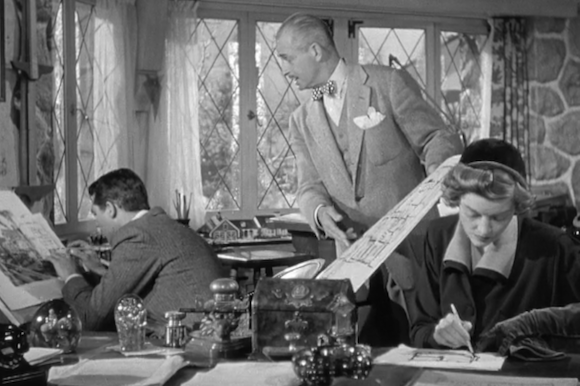
I love that so much goes wrong in the film that the move itself is briefly canvassed in order to get on to the bigger problems. Jim’s jealousy is also neatly addressed, without sidelining the story of the house. Unlike its indirect remake, Money Pit, the film doesn’t address the number of people swindling or lying to the Blandings (besides the house cost) so much, instead relying on ignorant decisions and accidents of nature. I love when the Blandings, with no knowledge of architecture, settle down to each add all their own cool features to the blueprints, as the architect looks on in dismay:


And yet, as unrealistic and financially reckless as the two prove to be, you also see why it’s worth it, to find the home they want, to set aside the troubles it took to get there. And in the moments they enjoy it, you’re proud of this idealistic couple. Proud that in spite of all their foolishness, they stubbornly hold on, and get what they wanted. It may not always be true, or even often be true, but sometimes, it’s just worth it to try for that dream home.

Share
Posted in: 1940s films, 1980s films, Comedies (film), Romantic Comedies (film) Tagged: Cary Grant and Myrna Loy, classic movie review, homebuilding movies, If you like Money Pit, moving movies, Shelley Long, Tom Hanks

Center Stage: Acting Misfire, Dancing Fun

08/05/2017 by leah@carygrantwonteatyou.com 3 Comments


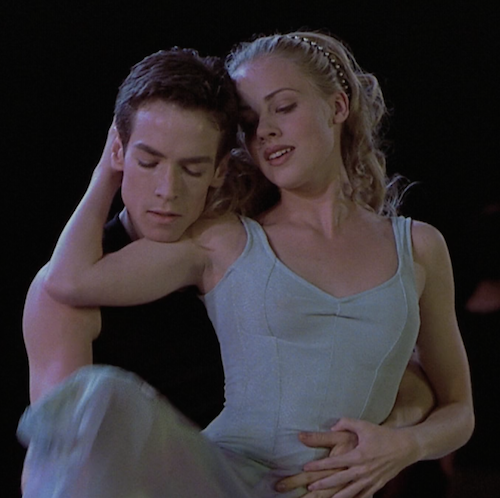
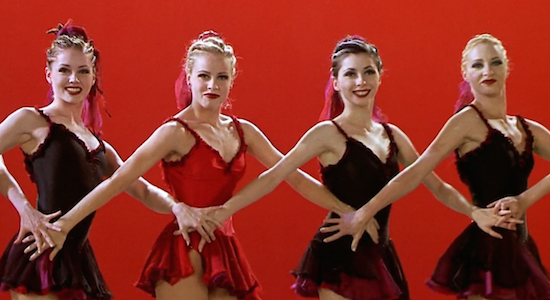
Center Stage is a blast: great dancing from real ballerinas, including a final performance I watch on repeat. A love triangle. And Donna Murphy and Peter Gallagher convincingly running the ballet company. We are rooting for heroine Jody (Amanda Schull), whose technique, feet, and turnout don’t measure up to those of her classmates,’ who have also won scholarships from the American Ballet Academy. But she’s an expressive dancer, and so dedicated. Will she make it, get kicked out, or get no show time in the final workshop, killing her chances for a ballet career? The actress who plays Jody was apparently handpicked from the San Francisco Ballet since she had the exact issues that she’s corrected for in the story, and while at best a decent actress, she convincingly plays up the vulnerability that makes you stay on her side.


The film is a fun watch. But make no mistake: I’m not saying this movie is good, not at all. The dialogue and some of the side plots are comically trite. You have to tune all that out, and focus on:

The Dancing
As Jody is trying to find her way in the academy, sweet fellow dancer Charlie (Sascha Radetsky) flirts with her, but she is drawn to the star of the company, aspiring choreographer Cooper (Ethan Stiefel). Cooper and she have a brief affair, which means something to her and nothing to him. Although it’s hard to imagine anyone mistaking Cooper’s shady selfish soul for anything like boyfriend material, she’s so clearly inexperienced you feel for her.

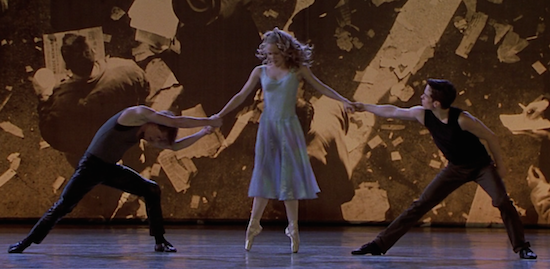
Luckily, this plot is just a set-up for the mesmerizing dance that ends the film, and Charlie and Cooper; played by American Ballet Theater’s soon-to-be-soloist Sascha Radetsky and then principal dancer, Ethan Stiefel, respectively; are beautiful in motion, even when their acting is stiff (Radetsky) or laughable (Stiefel). And given its progeny (choreographed by slimy Cooper), the narrative of the final dance is remarkably feminist as well: a woman torn by two overly grasping men discards both to fight for her own space.


You can see even from these scenes why I try to forget the….

Acting Dilemma
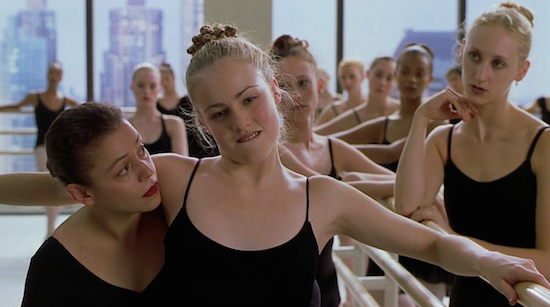
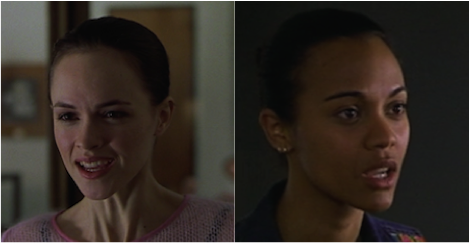
It’s the question of every dancing film, of course: cast actors, or cast dancers? With the former, you’ll need stand-ins for the harder dance moves; with the latter, you risk weak acting destroying the movie. That’s why Center Stage is such a curious film: there’s a mixture of dancers and actors, but inexpert as the dancer-actors are, the full-time actors are worse at acting than the dancers. Much worse. Zoë Saldana and Susan May Pratt were the “real” actors chosen to play Jody’s fellow dancers and friends/frenemies at the academy, and both excel at histrionics. As with Flashdance before it, Center Stage gives an unexpected answer to the actor/dancer dilemma: Why not choose someone who can’t do either?


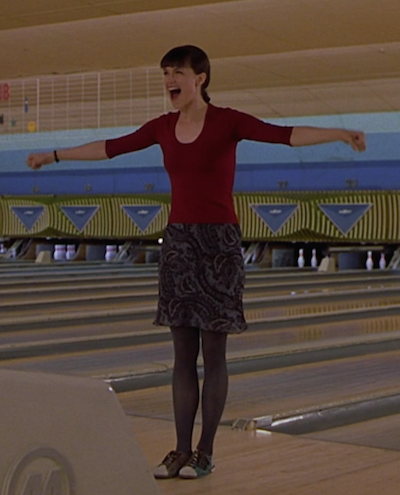
While Saldana can at least move, Pratt displays a level of physical awkwardness that makes her casting baffling. Take this screen shot of the actress, who was presumably cast to lure in fans of 10 Things I Hate about You. Her character, Maureen, is supposed to have the best technique of anyone in the academy. Having spent seven years of my life in ballet studios, I remember what grace looks like, and believe me, it never looks like this:


In fact, this pose is remarkably reminiscent of my own awkward 19-year-own self, who was put into dancing as a kid to overcome a lack of coordination. Not exactly future prima ballerina material, my friends.

Saldana is at least fun to watch, even when she overplays her lines, but oh Pratt. Every scene is painful, and I tend to just fast forward through her parts (though the script is largely at fault too, her delivery is abominable). Luckily, the acting in the film is comic rather than annoying overall, and occasionally decent. And really, who cares? This is a dancing film, with great final performances, convincing practices, and a wonderful dance class at the Broadway Dance Studio in between. When Schull’s dancing, she’s a different actress than the passable one she is in the rest of film–lovely, riveting, fun. And given the choice between even good acting from poor dancers and some weak performances from people who can move? Give me the good dancers, every time.


This post is part of the En Pointe: The Ballet Blogathon, hosted by two marvelous sites: Christina Wehner‘s and Michaela’s of Love Letters to Old Hollywood. (As a sidenote to fellow Hoosier Michaela, Schull studied ballet at Indiana University.) Check out the other blogathon entries here!

Share
Posted in: 1990-current films, Comedies (film), Drama (film), Humor, Musicals and dancing films, Romance (films), Romantic Comedies (film) Tagged: Amanda Schull, ballet films, Center Stage, lovable camp dance films

Eugene Pallette’s Birthday: All Hail His Froggy Voice

07/08/2017 by leah@carygrantwonteatyou.com 8 Comments


I’m a sucker for a good voice, and no voice was as memorable and amusing as Eugene Pallette’s deep & froggy timbre. His is the kind of voice that startles you when he joins the national anthem/a church congregation’s chorus–the unmistakable, unbelievably harsh and scratchy wonder that we’d call awful if it didn’t make us laugh so much.

On others, perhaps, such a gift would be wasted, but Pallette had the impeccable comic timing and delivery to go with that glorious voice, making everything he did onscreen a wonder to behold.

I think the test of a good character actor is this: How big is your smile when he/she enters the room? Answer this: Can you watch Eugene’s mouth open without grinning?

I saw Pallette as Friar Tuck in The Adventures of Robin Hood and knew I’d love the flick. I didn’t care what happened afterward, how fun it was (and of course, it was) because once Pallette entered the picture, I was sold.

My favorite Pallette scenes are when his character is in tantrum mode. I’m not a fan of My Man Godfrey, but oh, to watch him rip on his entitled family in it! To watch him pouting for his breakfast by slamming tray lids together in The Lady Eve. To laugh over his immaturity as he battles his wife over comic strip ownership in Heaven Can Wait!

On Pallette’s birthday, I hope we’ll all celebrate the lovable curmudgeony men in our own lives. We all are the better for them.

Share
Posted in: 1930s films, 1940s films, Comedies (film) Tagged: best voices, comedies, Eugene Pallette, froggy voice, Heaven Can Wait dad, My Man Godfrey dad

Crushing on The Cutting Edge’s Doug

06/25/2017 by leah@carygrantwonteatyou.com 10 Comments


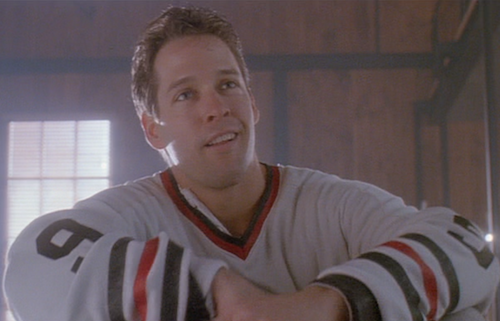
There’s a certain generation of women who still laugh when they hear “toe pick.”  Then they begin dreaming about a certain swoon-worthy character in the memorable scene when that line was first employed, and wonder why aren’t romantic leads like that now? Why can’t they all be like D.B. Sweeney’s Doug Dorsey: athletic, virile, funny, easygoing, ambitious, and more emotionally open than those traits might suggest?

The Cutting Edge (1992) never received the credit it deserved, but I hear the occasional reference to it in films and TV episodes, echoing the devoted following it obtained then and still now for its engaging sports narrative, its funny tone, and the sizzling chemistry between Sweeney and Moira Kelly.

In the story, Doug’s dreams of hockey stardom have been destroyed by an injury to his eye at the Olympics. Kate Moseley’s (Kelly’s) Olympic dreams have been dashed by a particularly ugly drop by her figure skating partner. The next Olympics is coming up, and no one wants to partner with the notoriously chilly Kate. Meanwhile, Doug has lost his scholarship and any chance at even a minor league hockey career. Then one day, Kate’s coach approaches Doug with some figure skates, and despite his (and her) hilariously expressed doubts, an unlikely professional pairing begins to form. Before long, Doug starts to realize he has feelings for her, and she, in spite of her engagement to another, begins to realize she is attracted to him too.

There are many differences between the two characters: he’s a stereotypical guy in many ways, and she’s a reserved, uptight, very wealthy and very feminine woman.


But you see the attraction too, especially their hyper-competitiveness and dedication. What I love so much about their union is that BOTH of them grow due to the influence of the other. It’s not just the punishment of the type A personality woman we so often see (though Kate is definitely–and deservedly–taken down a peg or two). (Actually, their dynamic is so similar to the one in It Happened One Night that I wrote about it in one of my earliest blog posts.)

My own love for Doug Dorsey was quite fervent. He was EVERYTHING I wanted in a partner in my late teens: Smart, relaxed, charismatic with an incredibly sexy smile. Confident but open, willing to admit mistakes. Promiscuous when he wasn’t in love, but when he was, not willing to go for Kate if she was still engaged or had too much to drink. Proud but mature enough to leave the pride behind when he had to. Ultimately willing to prioritize her even above his dreams. And, of course, there was his tolerance of her heinous (but enthusiastic) dance skills, which bore a strong resemblance to mine. His ability to throw a paper wad into a trashcan and make it. His skill with the cutting line, and reluctance to read Great Expectations (close to my least favorite book at the time).

My love for Doug Dorsey led me to seek D.B. Sweeney’s other work over the years, and believe me, it hasn’t been easy: Eight Men Out, a Leverage episode. Why his fully embodied, sensual, funny performance didn’t lead to stardom, I don’t know. But although he and I have aged, my opinion of Sweeney’s character hasn’t. What I realize now is that he was also what a teen’s heartthrob character so rarely is: an adult (with, admittedly, some rough edges). That’s why I can still enjoy the film now, when other teen loves have lost their allure. And besides all that? The Cutting Edge is such a fun sports film (another favorite genre of mine), and it’s full of comedy, especially when Doug confesses he’s become a figure skater to his working class, uber-masculine brother (and hometown).

When I heard Font and Frock & Silver Screenings were hosting a Reel Infatuation blogathon celebrating character crushes, I thought of others: obviously Nick of The Thin Man, Cary Grant’s hilarious The Awful Truth husband. But suddenly, D. B. Sweeney popped in my head, reminding me of Doug and the long-ago, but never-dead crush, and I figured some of the rest of you hadn’t had the joy of encountering him yet, and others would love the reminder. Hope if you haven’t seen the film yet, you’ll soon enjoy toe picks as much as I do.


For others’ wonderful posts on their film crushes, click here.

Share
Posted in: 1990-current films, Action & Sports Films, Comedies (film), Romantic Comedies (film), TV & Pop Culture, Uncategorized Tagged: best 90s romcoms, best chemistry romantic comedies, D.B. Sweeney, figure skating movies, Moira Kelly, The Cutting Edge

Happy Birthday to Classic Film’s Cupid, Charles Coburn

06/19/2017 by leah@carygrantwonteatyou.com 6 Comments


Today you need to embrace your love, ask out that crush, comfort your lovelorn friend, or play matchmaker yourself.

Why?

Because it’s Charles Coburn’s birthday. You know: the warm uncle/grandfather/parent type who plays the part of wing man, aiding couples in love. A Coburn character is the friend/relative you’ve always wanted, his cool common sense cutting through the neuroses, doubts, and faults that jeopardize a blooming love match or hinder an existing one. With such a friend, the couples always head to matrimony, or find new reasons to appreciate the spouses they have. So be a little kinder to those you love–or hope to love–today. In Coburn’s honor.

Share
Posted in: 1940s films, Random, Romantic Comedies (film) Tagged: best wingman in film, Charles Coburn, classic movie cupid, Heaven Can Wait, review, romantic sidekick, The More the Merrier, Together Again

Why I Was Happy to See So Many Teen Boys at Wonder Woman

06/12/2017 by leah@carygrantwonteatyou.com 6 Comments


When I was a kid, boys fantasized about Carrie Fisher as Princess Leia, half-naked and chained to Jabba the Hutt. While I might flinch at the fact that the slave scene was the peak of adolescent fantasy, I was always happy that my male peers were lusting after a woman who was tough, a warrior, a hero in her own right, someone who ultimately triumphed over her attacker.


It’s been disappointing in the years since, to not only have so few such women in film to idolize myself, but that the objects of male fantasy have so rarely been strong: too many female heroines, even in DC Comics and Marvel franchises, have assisted rather than truly partnered with or exceeded male peers. And for every strong woman, there have been so many Mary Janes and Lois Lanes waiting for heroes to save them, their strengths always inferior to those of their men.

And then there was Wonder Woman. How I admired Lynda Carter as a kid: her stunning beauty, her awesome metal accessories, her spin, that cheesy music that accompanied her. But most of all, I loved that Wonder Woman stood on her own, was stronger than men, and that her power never subtracted from her sensuality. In fact, her superhuman skills ADDED to her sexiness. She didn’t even seem like much of an athlete till the special effects kicked in. (That running style, my friends, for all their similar fashion sense, was not Flo Jo’s.) For the feminine, klutzy girl I was, that was an important message: you can be strong AND girly.


When I read Slate author Christina Cauterucci’s objections to the seductive clothing of new Wonder Woman Gal Gadot, my first reaction was to defend: What about the need for sales, how essential it was for this film to succeed to set the stage for other female leading-franchises? But I think director Patty Jenkins was doing more than bowing to necessity; she was building her own feminist messages: Hey, young men. Strong women are hot. And if they’re stronger than you, charging down the battlefield without you, that’s EVEN HOTTER. Hey, young women, your strengths will make you desirable. Fight to retain and build them.

My friend and I at the movie theater, both born in the 70s, began by enjoying the funny, entertaining, empowering film, and ended it by laughing about the groups of young men we spotted in the rows behind us when the lights went up. “A whole island of hot women?” my friend said. “No wonder they’re here.”

But that’s just it: Gadot’s and her fellow Amazons’ sexiness got male teens through the door.


It’s hard to imagine that our country would be quite where it is today, so backward with women’s rights, if more adolescent boys had fantasized about such powerful women. It’s hard to believe we’d be where we are had more women grown up believing that power and desirability don’t have to compete.

At least we have her our heroine now. Thank you, Patty Jenkins. Keep ’em coming.

Share
Posted in: 1990-current films, Action & Sports Films, Drama (film), Feminism, TV & Pop Culture Tagged: Gal Gadot, Lynda Carter, Princess Leia, sex appeal and feminism, teen boys attending Wonder Woman, teen boys fantasies, Wonder Woman

What’s in a Name?: Together Again (1944)

05/17/2017 by leah@carygrantwonteatyou.com 20 Comments


I have a sophisticated theory about why the Irene Dunne vehicle Together Again (1944) is never on any best-of, favorites, or romantic comedy lists despite the many joys of viewing it: the title sucks.

And when I say it sucks, I mean it’s the WORST TITLE I CAN IMAGINE. It’s so forgettable that every time I think of it, I have to look up Dunne’s IMDB site to find it. I cannot for the life of me remember it at all. And I’m a fan of the film! What does that say?

The title isn’t mysterious, as in The Natural, an aptly named, but box-office-ignorant choice. It’s not annoying, as in Mr. Deeds Goes to Town. It’s just so impossibly blah and vague. Together Again. As in a remarriage? As in partners who re-team? As in peanut butter and jelly? WHAT does it mean? I’ve seen the film and any possible answer to that question is not a good one.

Of course, if I’d had my druthers, I would have named it this way: Charles Coburn, Matchmaker. Because any classic movie fan familiar with his work would run to see it then. But as I don’t have naming rights, I can just tell you this: Ignore the title; watch the film.

Why? I’ve posted a longwinded tribute to it, with comparisons to Veep, should you have time to kill. But here, I’ll give you the brief but essential rundown of why so many of you will love it:

  1. It’s Such a Feminist Flick. A female mayor, people. Who rips on men who belittle her. Who makes fun of romance, and yet (despite herself) is itching for it after her husband’s death. Her father-in-law (Coburn) keeps trying to sway her to take things easier, to find a new man and stop worshipping his son. Hooked yet?
  2. Irene Dunne. Oh she’s great. That odd, fluttery voice dishes out sarcasm with verve. Her on-point timing and ease of movement make her mesmerizing to hear and watch.
  3. The Romance. I’m not a big fan of Charles Boyer’s, but the two actors have chemistry together. And I’ve always been a fan of the straightlaced gal and bohemian/relaxed guy meet-cute, probably because I was such a nerd as a kid.Unnecessary Aside and Spoiler of Other Films: I prefer Boyer’s & Dunne’s Love Affair (1939) to the more beloved An Affair to Remember (1957) remake, partially because Boyer & Dunne are more in sync and believable as a couple than Kerr and Grant, despite the latter’s extreme charm in his film. But mainly because Deborah Kerr seems such an inert actress to me, making the tragedy that befalls her less moving than that of the highly energetic Dunne. I mean, ask yourself: Which actress can you imagine in a gym? I rest my case. (The fact that I’m more like Kerr, gym-devotion wise, doesn’t alter my point narratively speaking.)
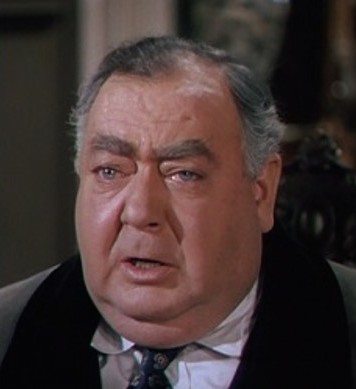
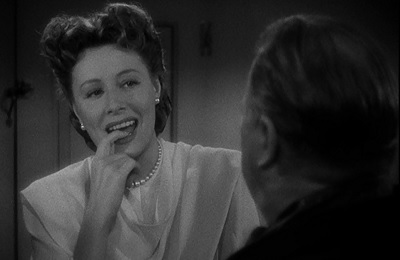
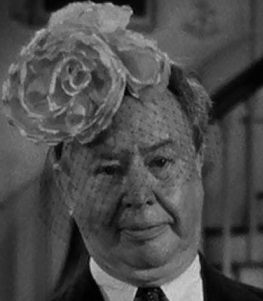
  4. Coburn-Dunne Magic. I love these two together. You could ditch the romance and just enjoy Dunne & Coburn sparring, and never miss a thing. These two are so witty, have such a great rhythm together. And his expression when he rips on her for a frivolous hat purchase is so good I’m going to have to post it again (I believe this is post 3):
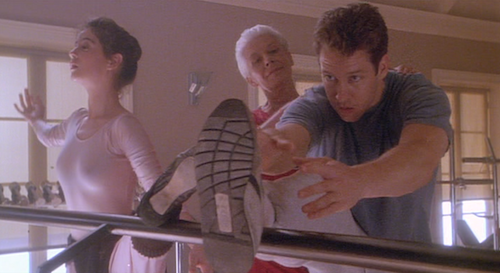

Alas, the only reason I discovered this film at all is because it was paired with the more famous Theodora Goes Wild in a Netflix two-set; to my surprise, I was disappointed with the comparatively famous madcap film, and fell hard for Together Again. If only the smart folks who’d named the former had taken a crack at the latter.
This post is part of the Classic Movie Blog Association’s blogathon on Underseen and Underrated films. If you haven’t checked out the other entries yet, go see them now!
 

Share
Posted in: 1940s films, Comedies (film), Feminism, Humor, Romantic Comedies (film) Tagged: Charles Boyer, Charles Coburn, Irene Dunne, matchmaker films, underrated rom-coms

Five Favorite Classic Movie Stars

05/16/2017 by leah@carygrantwonteatyou.com 26 Comments

To celebrate National Classic Movie Day, I’m joining Rick’s Five Stars blogathon by sharing some of my favorite classic movie stars. And though I can’t quite say they’re my favorites ALL of the time (of course, that shifts), they are always on my list. Since my favorite character actors deserve their own post, I’m focusing on those who frequently star in their vehicles. Here we go. In no particular order:

1: Barbara Stanwyck


Because her acting was superlative and ageless. Because she got her scenes in one take, her emotions so visceral you always feel immersed in her characters’ lives. Because her crews loved her. Because she could be funny,  dramatic, or both at once. She was marvelous.

2: Van Heflin


Because his acting was so natural. Because he didn’t demand attention or the starring role, but the authenticity of his acting and his easy confidence made him riveting anyway. Because he singlehandedly changed my mind about westerns with his understated performance in 3:10 to Yuma. Because he never got the credit he deserved, which somehow makes me love him more.

3: Cary Grant


Because he had the all-time best smirk. Because he could be sexy or goofy, usually both at once. Because his acrobatics were truly impressive. Because in spite of his unfailing glamour, his characters were always real. Because he knew how to share the screen with a canine. Because he was adept at self-creation. Because he gave me a name for my blog.

4: William Powell


Because I wouldn’t typically consider his looks attractive, but his personality onscreen was so assured and wonderful and silly that I find him sexy just the same. Because I want to befriend most of his characters, and am sad I can’t. Because I could listen to that voice all day. Because I’ll watch anything he’s in, just to fall for him again.

5: Mae West


Because she wrote her own lines and dictated her own role–onscreen and off. Because those lines were so well written that people know them almost 100 years later, without knowing where they’re from or who she was. Because she was combustible onscreen, and always hilarious. Because she was a feminist, whether she admitted it or not. Because she had impeccable timing. Because of that walk. Because her movies are utter joy. Because there will never be another like her.

Check out other bloggers’ favorites at Five Stars blogathon!

Share
Posted in: 1930s films, 1940s films, Blogathons, Drama (film), Feminism, Mae West Moments Tagged: Barbara Stanwyck, Cary Grant, favorite classic movie stars, lists, Mae West, Van Heflin, William Powell

Stella Dallas’s Everyday Villain: The Husband

04/29/2017 by leah@carygrantwonteatyou.com 18 Comments


When most people think of villains, they’re envisioning cloven hoofs and murderous intents. Stephen Dallas (John Boles), the husband of self-sacrificial mother, Stella Dallas (1937), would be unlikely to appear on any list of classic villains. Some might even consider him a nice guy—if they weren’t paying attention.

But on my latest viewing of the tearjerker, I wasn’t struck, as I usually am, by Stella’s modernity and her society’s desire to punish her for it. No, this time I kept observing just how completely AWFUL this man is, and how with a less monstrous husband, Stella (Barbara Stanywck) would have spent her middle age in daughter Laurel’s (Anne Shirley’s) sweet company, instead of off on her lonely, destitute own. Let’s review just how villainous this creep is:

  1. Ummm, Child Support?

Sure, Stephen splurges on his daughter, but only when she’s with him. When Stella and Laurel are on their own, their homespun clothing and Stella’s frequent repairs to it make evident they’re just scrimping by on the arrears of his salary, despite the fact that Stella and he never divorced.


Meanwhile, he’s living it up in fine clothes with his wealthy girlfriend in New York, with his daughter only looking smart when she’s with him.


When Stella decides to experience the high life for a weekend, it’s not just her daughter’s embarrassment at her gauche behavior that’s crushing. It’s that she doesn’t get to enjoy the one time she gets something from her still-married-to-her husband. Watch her satisfaction as she takes care of herself after years of only spending money on her daughter:


And it’s all going to end with her shame, and her loss.

  1. He Wants to Change His Wife’s Character, But Thinks His Own Stuffy Self Perfect

Maybe going dancing right after childbirth was pushing it, but Stella’s efforts to enjoy herself afterward stem from her love for company and music and fun. Stephen; acting disgusted by the lack of refinement of others, but really stung with jealousy; can’t keep himself from looking down on those who entertain his wife.


The fact that he makes zero effort to amuse her himself doesn’t seem to cross his mind; apparently, his tedious business acquaintances are the only company he’ll allow his wife. Instead, he wants to correct her manners, her clothes, her wording. “I’ll take my usual lecture,” she says when she returns from the brief dance he allows her.  As she rightly points out, he could use some correction himself. Surely, everyday kindness is good etiquette, right spoilsport? As she points out after he starts condescending to her (saying she needs to correct herself, “adapt” in order to be someone), apparently treatment she’s been enduring since their marriage: “How would it be for you to do a little adapting for a change? I don’t see you giving up anything.”

  1. He Invites His Daughter to Stay with Him & His Mistress

Dressed up in finery and wealth or not, Helen Morrison (Barbara O’Neil) is romancing a married man. Her little boys being around may be intended to make her overtures to adulterer Stephen more palatable, but I found it creepy. And how about the surprise of springing the mistress on his daughter, saying where they were going was a secret, but this place (her home) was “the most beautiful place in the world,” and letting his daughter just take the invitation as a nice time with a nice lady?


Laurel’s utter obliviousness to the inappropriateness of the arrangement just makes her seem naïve, and her gushing about it to her mother afterward unbelievably (if unintentionally) cruel. I’ll admit to some puzzlement here; I don’t know what Stephen and Stella’s arrangement was, and of course I know straying husbands didn’t suffer the societal wrath a woman’s betrayal would cause. But why exactly are we to believe the surrounding society is cool with Helen’s actions, thinks her refined and classy? It’s a mystery to me. Even if her wealth is enough to make her survive the gossip, gossip there surely would be–much more than for Stella after some itching powder jokes! Are Stella and Stephen officially separated? Stella doesn’t seem to act as if they are. Regardless, springing a girlfriend and her kids on a visiting daughter is sketchy at best.

  1. He Steals His Daughter away at Christmas

Stephen shows up for a surprise Christmas visit to lure his daughter away with an hour’s notice, leaving Stella alone. He has a second of compassion for his wife, even admits he’s selfish.


But then his nemesis Ed (Alan Hale) shows up, and he’s too pissed to be kind anymore, assuming Stella is hooking up with him. Cause Stephen isn’t, I dunno, living with his mistress or anything himself, which is where he’s taking his daughter for the holidays, as he unashamedly admits to his wife. Wow.

  1. He Doesn’t Dissuade Stella from Giving Up Her Daughter

Laurel may be more refined in dress and manners than her mother, but she’s got a beating heart, unlike her lizard father. And sooner or later, the smugness of this beyond boring classy family she’s marrying into (and seriously, is it possible for these people to be more clichéd and dull?) is going to get to someone who was reared in a very different way. She’ll need her mom then to rip on their airs, and where will that mom be? Gone. Because Stella’s husband has so crushed his wife’s self-esteem over the years, evaluating her for her lack of fashion knowledge and proper deportment rather than for the more important qualities of love and empathy. (Her decision not to move to NYC with this jerk is the only thing that enabled her to retain her self-worth.)

The fact that only his new woman even gets Stella’s stupid lie to conceal her self-sacrificial motives says so much about his small-minded soul. I think psychologists would agree abandonment ain’t exactly for the good of a kid, even an adult one, and Stephen ought to know Laurel well enough to recognize how well Stella’s raised her. But why would we expect that? Or that he’d care? He’s got a pretty daughter on his arm. Why should he bother figuring out what makes her happy, much less spare an once of sympathy for his long-suffering ex-wife?


A villain, plain and simple.

For great posts on villains, check out entries in the Great Villain blogathon, hosted by Ruth of Silver Screenings, Karen of Shadows & Satin and Kristina of Speakeasy.

Share
Posted in: 1930s films, Anti-Romance films, Blogathons, Drama (film) Tagged: bad husbands in film, Barbara Stanywck, movie review, Stella Dallas
« Previous 1 2 3 4 5 … 7 8 9 10 11 12 13 14 15 … 24 25 26 27 28 Next »

Recent Posts

  • Colbert’s Midnight (1939), Rom-Com Magic
  • Say Anything Is The Sure Thing’s Lame Younger Brother
  • Wallace Got an Oscar
  • Oscar Noms 2025: Gems & Duds
  • 100 Years Later, Still Scary: Dr. Caligari

Subscribe to Blog via Email

Enter your email address to subscribe to this blog and receive notifications of new posts by email.

Categories

  • 1920s films
  • 1930s films
  • 1940s films
  • 1950s films
  • 1960s films
  • 1970s films
  • 1980s films
  • 1990-current films
  • 2020s films
  • Action & Sports Films
  • Anti-Romance films
  • Blogathons
  • Childfree
  • Comedies (film)
  • Drama (film)
  • Feminism
  • Femme fatales
  • Film Noir/Crime/Thriller & Mystery
  • Gloriously Silly Scenes
  • Horror
  • Humor
  • Mae West Moments
  • Musicals and dancing films
  • Oscars
  • Random
  • Romance (films)
  • Romantic Comedies (film)
  • The Moment I Fell for
  • Turn My Sister into Classic Movie Fan
  • TV & Pop Culture
  • Uncategorized
Share
Classic Movie Blog Hub Member

Recent Comments

  • leah@carygrantwonteatyou.com on Colbert’s Midnight (1939), Rom-Com Magic
  • leah@carygrantwonteatyou.com on Colbert’s Midnight (1939), Rom-Com Magic
  • leah@carygrantwonteatyou.com on Colbert’s Midnight (1939), Rom-Com Magic
  • 960 A Avenue Coronado CA on Colbert’s Midnight (1939), Rom-Com Magic
  • Jonathan Cowles on Colbert’s Midnight (1939), Rom-Com Magic

Archives

  • May 2026
  • March 2026
  • November 2025
  • September 2025
  • May 2025
  • March 2025
  • January 2025
  • November 2024
  • August 2024
  • July 2024
  • May 2024
  • March 2024
  • February 2024
  • December 2023
  • November 2023
  • October 2023
  • September 2023
  • August 2023
  • July 2023
  • May 2023
  • April 2023
  • March 2023
  • January 2023
  • December 2022
  • November 2022
  • September 2022
  • July 2022
  • May 2022
  • April 2022
  • March 2022
  • February 2022
  • October 2021
  • September 2021
  • April 2021
  • March 2021
  • February 2021
  • December 2020
  • October 2020
  • September 2020
  • July 2020
  • May 2020
  • April 2020
  • March 2020
  • February 2020
  • December 2019
  • October 2019
  • September 2019
  • June 2019
  • May 2019
  • April 2019
  • February 2019
  • January 2019
  • November 2018
  • September 2018
  • July 2018
  • June 2018
  • May 2018
  • April 2018
  • March 2018
  • February 2018
  • January 2018
  • November 2017
  • September 2017
  • August 2017
  • July 2017
  • June 2017
  • May 2017
  • April 2017
  • March 2017
  • February 2017
  • January 2017
  • December 2016
  • November 2016
  • October 2016
  • August 2016
  • July 2016
  • June 2016
  • May 2016
  • April 2016
  • March 2016
  • February 2016
  • January 2016
  • December 2015
  • November 2015
  • October 2015
  • September 2015
  • August 2015
  • July 2015
  • June 2015
  • May 2015
  • April 2015
  • March 2015
  • February 2015
  • January 2015
  • December 2014
  • November 2014
  • October 2014
  • September 2014
  • August 2014
  • July 2014
  • June 2014
  • May 2014
  • April 2014
  • March 2014
  • February 2014
  • January 2014

Meta

  • Log in
  • Entries feed
  • Comments feed
  • WordPress.org

Copyright © 2026 Cary Grant Won't Eat You.

Church WordPress Theme by themehall.com