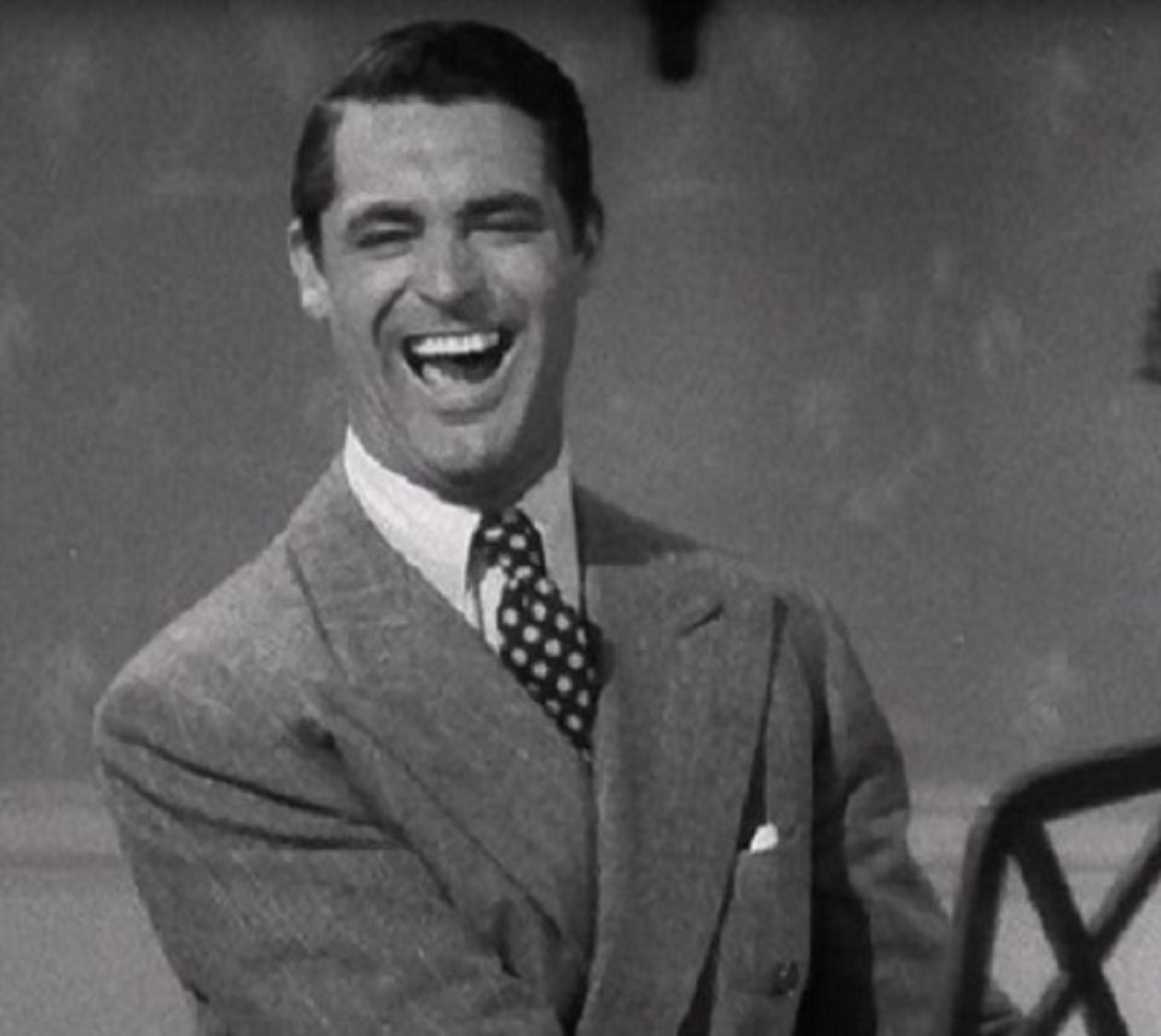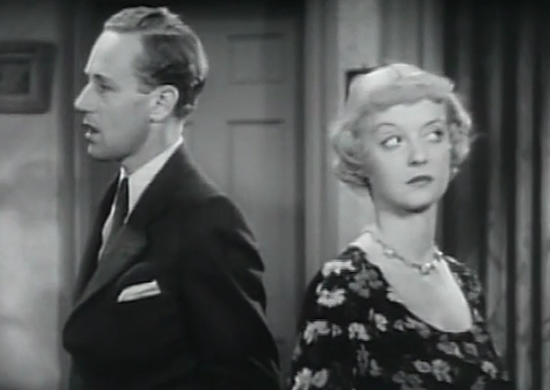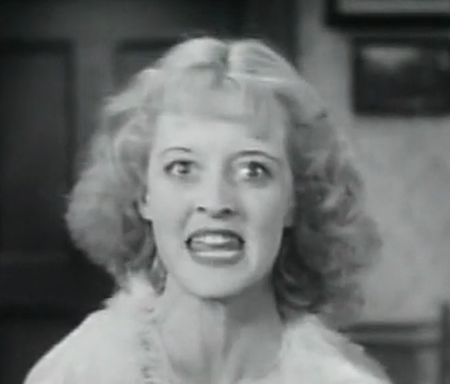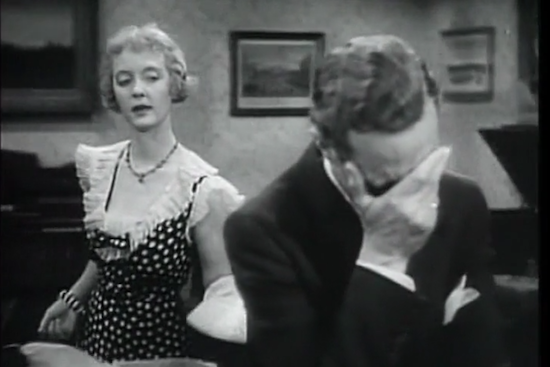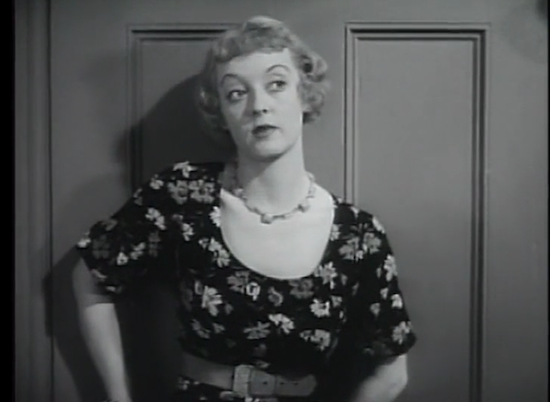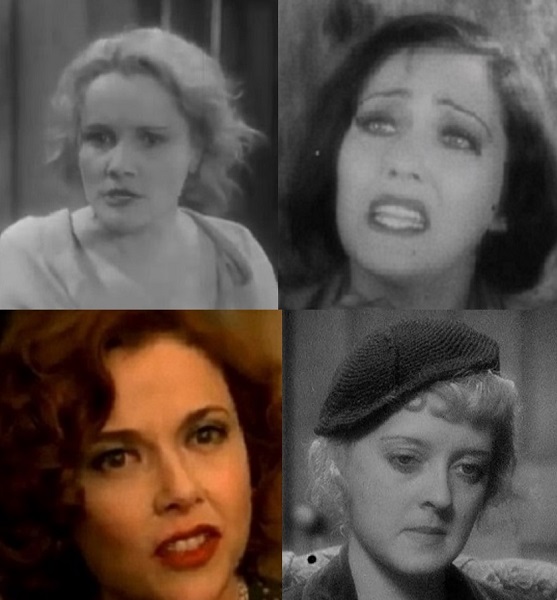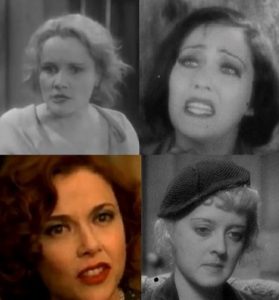
I’ve read many glowing tributes to the stars of The Letter, Being Julia, Of Human Bondage, and Sadie Thompson over the years. While I’ve never questioned the talents of these actresses, I have always credited much of their brilliance in these parts to William Somerset Maugham. Their strengths are on display largely because of the characters he created in his stories, plays, and novels: women so complex, morally conflicted, modern, and real that 130 years after his birth, Annette Bening was Oscar nominated for playing one of them.
And she’s not alone. Before I get into the reasons, let’s start with the data. Here’s a list of Oscar nods to women in his films; if I’ve missed any, please let me know. It’s quite possible. The number of his film credits, and of stars listed in those movies, is astonishing. Here we go:
Academy Award Nominations for Actress in a Leading Role:
- Gloria Swanson: Sadie Thompson (1928), based on the short story, “Rain”
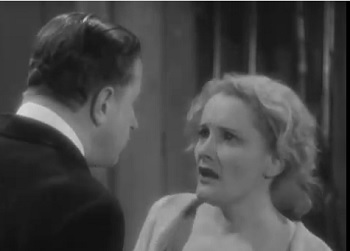
- Jeanne Eagels (first posthumous nomination), The Letter (1929), based on the short story and play. (She also made her name in the play version of “Rain.”)
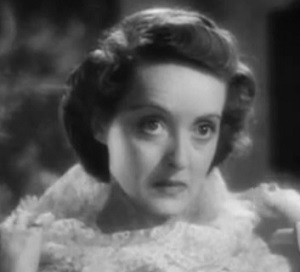
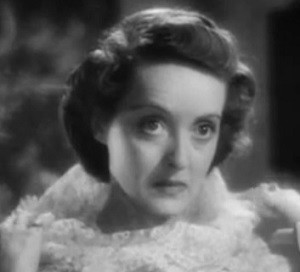
- Bette Davis, two nods: Of Human Bondage (1934; by write-in vote), based on the novel, and The Letter (1940)
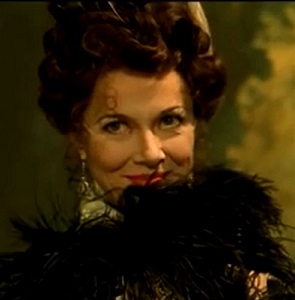
- Annette Bening, Being Julia (2004), based on the novel Theatre.
Other notable female roles include Gene Tierney’s in the Oscar-nominated The Razor’s Edge (a novel), Greta Garbo’s and Naomi Watts’s in The Painted Veil (a novel), and Madeleine Carroll’s in Alfred Hitchcock’s Secret Agent, based on Ashenden, a collection of stories.
Even fine actresses need a vehicle, and in the last fifteen years, one of the few amazing leading roles I’ve seen for a woman over the age of 30—Bening’s—was written by Maugham in 1937. I wasn’t surprised. He specialized in complex characters making immoral decisions: They cheat on and leave spouses and children, prostitute themselves, admit to irreligious or cruel behavior without guilt, contribute to or directly cause the death of others. Since Maugham resists moral judgments, his women are free to react to the traumas they’ve created rather than simply being punished for them. No wonder they’re so fascinating to watch on the screen.
In fact, Maugham is as likely to admire as condemn. As his (seemingly autobiographical) narrator in The Razor’s Edge explains, “My dear, I’m a very immoral person….When I’m really fond of anyone, though I deplore his wrongdoing it doesn’t make me less fond of him.” Thus the attention given to selfish characters such as Mildred in Of Human Bondage. Certainly, her character would have been less nuanced—giving Davis less to work with—had Maugham not empathized with Mildred and therefore made her traits and actions so interesting and believable.
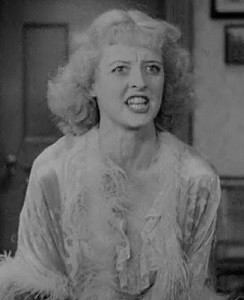
Davis is Davis, but it took a number of roles before she reached this breakout one.
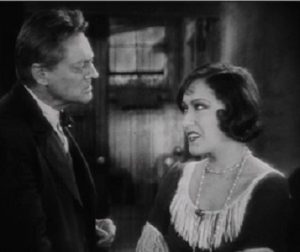
Maugham frequently explored the contrasts between how men and women seek to appear and who they are. While he may be gentle on others’ immoral actions, he can be scathing about their hypocritical ones. Sadie Thompson is a prostitute, but it’s the reformer trying to condemn her, unwilling to admit his own sexual appetite, whom we are led to despise. Sadie, gradually moved by the reformer, ultimately learns to appreciate her own values over his—an unexpected ending for the type of character who is usually just a one-note in a film. Swanson, not surprisingly, captures the flair, passion, and contradictions of this woman.
In Being Julia, we root for the heroine in spite of (or even because of) her extramarital affair with a younger man because we enjoy her confidence. Despite her vanity and delusions, she owns and even enjoys most of her flaws. The surprises in her behavior are quite funny, and Bening takes full advantage of the humor.
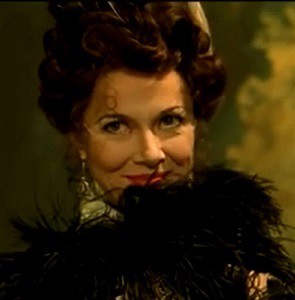
How wonderful is it, how gloriously human, that in the midst of her midlife crisis, Julia is obsessed with breaking her diet? How much do we love that she wants to savor her victory over a younger wannabe actress in solitude, since it’s a private triumph? What a feminist scene it is when she does, and how interesting that a man created it so very long ago. Curious to see how much the film differed from the source material, I reread Theatre, only to find it was even closer to the movie than I’d remembered: the dialogue, the focus, the character, the morality, even the final scene—all the same.
And Leslie in The Letter? Most authors would have focused on the murder and the passion leading up to it. It would have been a fairly typical noir, with an unremarkable femme fatale. But Maugham again proved to have a deeper interest in human nature than his peers, wondering not just about the crime itself, but Leslie’s efforts to conceal it, to retain that image she wants to present to the world. She is an interesting character because of her willingness to reside in her own lies, a trait that Maugham, with his typical regard for truth, seems to find more blameworthy than the murder. Thanks to his interest in motives, Davis and Eagels were granted a woman of enormous complexity to work with, which contributed to each’s stunning performance.
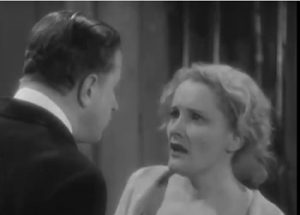
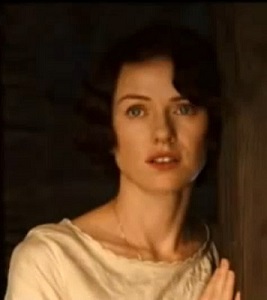
Of his roles that have yet to win actresses Oscar nods, I find Kitty in The Painted Veil the most intriguing. Kitty’s husband Walter catches her cheating, and forces her to travel with him to a cholera-infested region of China as punishment. He offers her an out if her lover will marry her, knowing it won’t happen. Rejected by the man she loves and facing a death sentence from the one she doesn’t, Kitty spends much of her time alone, reflecting on her actions as Walter heals patients—quite a departure from her youth as a superficial beauty. She learns to admire Walter’s generosity, even as she pities the love for her that has turned to hatred. She wants to forgive him, and for him to do the same for her, but she can’t bring herself to love him.
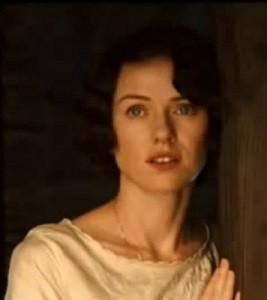
What did Hollywood do with this story (Garbo’s and Watts’s versions)? Turned it into a love story. We’re meant to root for a reconciliation between the two, whether they both survive cholera or not. I don’t know about you, but once a guy tried to kill me via a deadly epidemic, I can’t imagine thinking, “Yeah, but I cheated on him; we’re cool now.” These plot alterations might have helped with commercial viability, but the result was to diminish realism and a powerful female part.
Kitty’s disappointment in herself for continuing to desire her vain, worthless lover is an essential part of the story. In the book we see enough of her life beyond the epidemic to discover that her enhanced self-awareness doesn’t lead to moral behavior. The self-deprecation and compassion she develops as a result of her failures are intriguing to witness. While Watts captured Kitty’s vulnerability beautifully, I suspect had the screenwriter more faithfully rendered the character’s complexity, he would have netted Watts the Oscar nomination, as with so many women in Maugham’s roles before her.
Maugham’s skill with character development is often attributed to his history: he stuttered in his childhood and struggled with his homosexuality. Did feeling like an outsider and being morally out of favor in his time contribute to his empathy for others? Probably. He gives another possibility, crediting his early medical training for giving him access to “life in the raw,” saying the work enabled him to see “pretty well every emotion of which man is capable.” While I suspect both of these reasons are relevant, I’ve always preferred to take as autobiographical his narrator’s confession in The Moon and Sixpence: “the fear of not being able to carry it through effectively has always made me shy of assuming the moral attitude.” Ultimately, perhaps in spite of himself, Maugham is amused by human behavior, in all of its foolish and ugly iterations, and therefore captivated by it. No wonder, with an author who claims he is “more likely to shrug his shoulders than to condemn,” that four of the women in his films have been nominated for Oscars, one twice. Let’s hope other gifted actresses take note, and give his excellent stories another run.