Cary Grant Won't Eat You

Classic movies for phobics

  • About
  • eBooks
  • Previous Blogathons
Classic movies for phobics

Pre-Code

Mae West Quote of the Month: No Evidence

07/23/2015 by leah@carygrantwonteatyou.com 2 Comments

MaeWestSheDoneHimWrong
Lady Lou (Mae West) is the heroine of She Done Him Wrong (1933), the hilarious Oscar-nominated, pre-Code movie based on West’s play, Diamond Lil. The film opens in a Bowery bar in the Gay Nineties. Many of the customers are discussing Lou’s attractions, thanks to a new nude portrait of her on the wall.

Lou rides up in a carriage, with women staring at her disapprovingly, and men staring at her very approvingly.

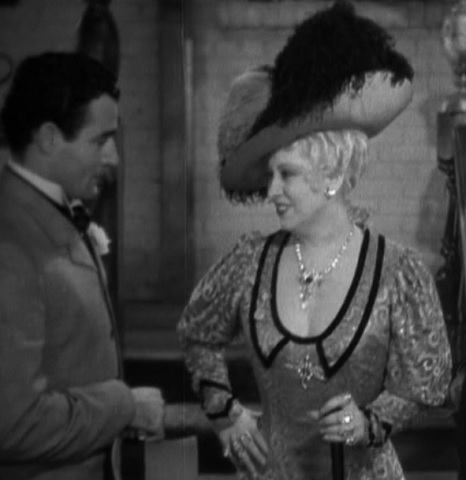
She enters the bar with the customary West strut, and is quickly introduced to Serge (Gilbert Roland) by her boyfriend, Gus. She reflects on Serge’s good manners in kissing her hand and smiles at him alluringly, as West is wont to do.

“I’m delighted,” Serge (Gilbert Roland) says. “I have heard so much about you.”

“Yeah,” Lou quips, “but you can’t prove it.”

If that line can’t get you through the day smiling, no worries. Just watch five minutes more of the film.

Share
Posted in: 1930s films, Comedies (film), Feminism, Mae West Moments, Romantic Comedies (film) Tagged: Diamond Lil, Lady Lou, Mae West, Pre-Code

Mae West as a Deadpan Plaintiff in I’m No Angel

06/26/2015 by leah@carygrantwonteatyou.com 11 Comments

I'mNoAngel-CourtroomScene
This post is part of the The “…And Scene!” Blogathon. Check out the other entries here.

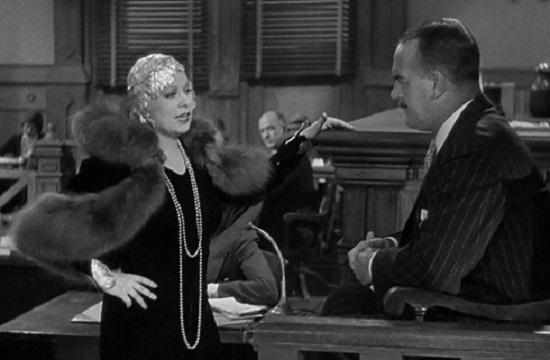
There are very few scenes in film as funny as when Mae West is talking about the number of men in her life, or, as she famously put it after the courtroom scene in I’m No Angel, the much more important amount of “life in your men.”

I’m a sucker for courtroom scenes in general, but most are thrilling, dramatic. I admit that a few are funny–From the Hip, Seems Like Old Times–but there’s nothing like Mae West on a roll, and every second of the courtroom scene of this glorious pre-Code wonder is the actress (and writer) at her best.

Tira, a circus performer, is suing her wealthy fiancé (Cary Grant) for breach of promise. He broke off their wedding because he saw another man in her place while she was out, not knowing it was a set-up by her boss, who didn’t want to lose her successful act to matrimony.

Unsurprisingly, the defense attorney immediately tries to besmirch Tira’s reputation, suggesting she gets around, that she has a “colorful past.”

In another movie, we might expect shame, embarrassment, hostility at such an attack. But this isn’t just any movie.

“Well, I gotta admit, I’ve been the love interest in more than one guy’s life,” Tira agrees. “I don’t see what my past has got to do with my present.”

“We shall show that to the satisfaction of the court, I believe,” the attorney primly responds. “Nevertheless, the fact remains that you’ve been on friendly terms with several men.”

“Alright, I’m the sweetheart of Sigma Psi. So what?”

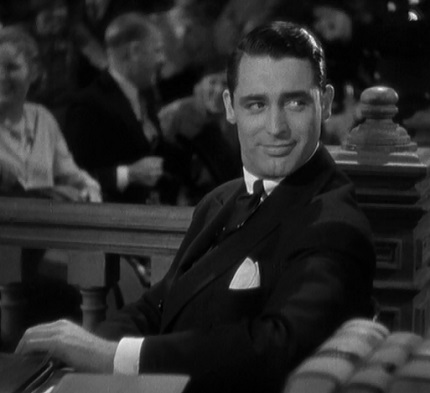
The audience in the courtroom aren’t the only ones laughing at her quip. Even the defendant can’t resist.

CaryGrantI'mNoAngel
When she’s scolded by the judge for not answering the question, she coos at him in response. (He will later take her on a date.)

MaeWest-judge
The attorney presses on, undeterred, referencing a bunch of (obviously married) men by name, asking if she knows them.

“I do recall their faces,” she answers, “but them ain’t the names they gave me.”

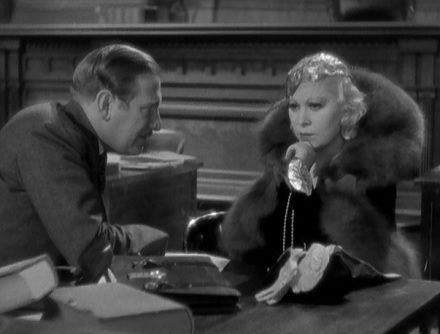
Appalled, her own lawyer asks for a recess and chides her for admitting to such an active dating life.

Tira is unrepentant: “Why shouldn’t I know guys? I’ve been around. I travel from coast to coast. A dame like me can’t make trips like that without meeting some of the male population.”

He explains that she can’t win the case. She considers her options.

MaeWest-court-strategy
And then asks if she can question witnesses herself.

It’s at this point that West really hits her stride–literally. Because she gets to walk up and down past the jury box, practicing her famous strut repeatedly, flirting with everyone in the courtroom.

She treats her accusers with disdain, slamming their efforts to make her look bad, and saying, “OK, I’m through with you,” after she completes her questioning. Between witnesses, she asks the jury, “How ‘m I doin, hmmmmnnnn?”

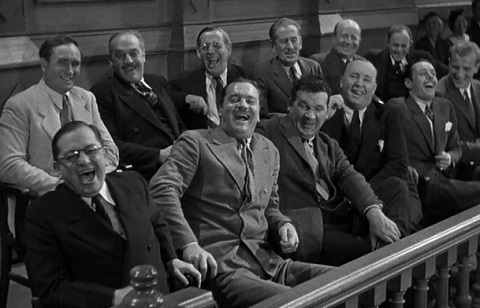
For once, jury duty has proven to be a blessing. Just look at their reactions to her performance:

I'mNoAngel-jury
As Tira concludes, her lover (Cary Grant) can’t handle it anymore and admits defeat. He’s fallen more in love with her than ever, as we have. Who cares if she’s the sweetheart of Sigma Psi? She’s Mae West, idiot. Catch her while you can. Case closed.

Share
Posted in: 1930s films, Blogathons, Mae West Moments, Romantic Comedies (film), Uncategorized Tagged: best courtroom scenes, Cary Grant, I'm No Angel, Mae West, Pre-Code

Love It, Love It Not?: Waffling over Lubitsch’s Design for Living

06/13/2015 by leah@carygrantwonteatyou.com 2 Comments

DesignforLiving
I hoped to love Design for Living. After all, the director was Ernst Lubitsch, who had helmed such witty, cynical comedies about relationships, movies that usually feel as insightful and controversial now as they probably did back in the 20s and 30s. And many reviewers I respect had praised its humor and star.

But….

I found myself teetering back and forth throughout the film—This is wonderful! This is bad!—so, like a gal tearing apart a flower over a crush, I’m going to explain its effects the best way I can:

Love It #1: Subject Matter & Morality

Gildasthreesome-DesignforLiving
Design for Living features a threesome—surely interesting coverage for a film of our time, much less in 1933. (An underrated film I watched in college, Threesome, got a lot of heat back in 1994 for its coverage, even though it was far less flip about the results of the tripling than Lubitsch’s.) I find stories about unusual relationships intriguing, and this is certainly one of them.

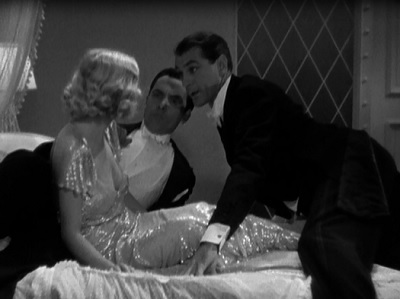
Knowing two roommates want her, Gilda tries to remain platonic with them. She attempts to preserve their friendship and guide their artistic successes (one is a playwright, the other a painter). Her catch phrase is “No sex.” Of course, she gives in to her own desire and theirs, repeatedly.

What’s interesting about the film is the utter lack of judgment about the heroine having sex with both men (in turn, rather than together), or later, wanting to leave her husband to resume the romance. Lubitsch’s touch is so incredibly light that we never blame Gilda (Miriam Hopkins) or her lovers, even though it would be easy to think of her actions, and theirs, as betrayal. Instead, we root for Gilda to stay with both men, as their happiness and hers seems most assured when their playful, sexually charged unit is intact.

Love It # 2: Its Opening
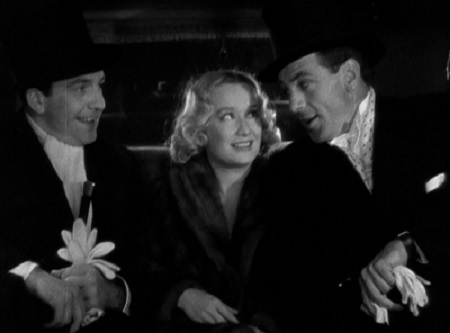
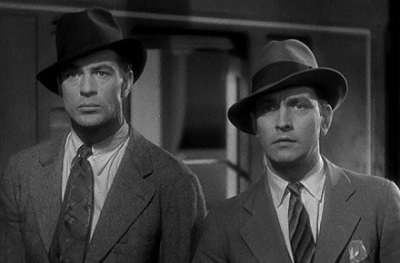
The plot begins with Gilda drawing a rather merciless caricature of two strangers in her train car, Tom (Fredric March) and George (Gary Cooper). Her humor and confidence are breathtaking. Her casual decision to put her legs up on their seat, her amused reaction to their annoyance at her picture, and their own exuberant attraction to her are a pleasure to watch. Although the development is almost too quick, their move from prickly insecurity to joy in each other’s company is funny, and such a convincing depiction of youthful spirits that it made me laugh.

Love It #3: Its Heroine
The film stars Miriam Hopkins, whom I’ve always thought I should like more than I do, which was confirmed by persuasive defenses of her work in a recent blogathon.

MiriamHopkinsDesignforLiving-2
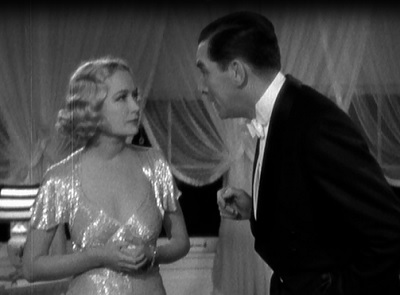
Although she can be dramatic in the film, my usual objection to her, that theatricality suits Gilda’s personality. After all, Gilda imagines herself the driving force behind multiple men’s artistic successes—not to mention their sexual satisfaction. I love that Gilda has utter confidence in her own role as a lover and commercial artist, but quickly sets about fixing the two men’s wobbly self-esteem. Her defense of a woman’s need to try out men like hats is hilarious, and amazingly ahead of its time. Her assurance and energy made me a fan of hers throughout, and always curious what she’d do next.

But….here’s the thing: Despite my enjoyment of these aspects of the film, I didn’t laugh that much, and had to wonder why, which brings me to…

Love It Not #1: Gary Cooper
Oh Gary. He just wasn’t formed for comedy. While his gawky, unnatural goofiness in Ball of Fire seemed to capture his academic persona, the same portrayal here rings very false. He is not convincing as a painter, as a lover, or as a spirited friend. I just wanted to hide my eyes or send him to acting class every time he was on the screen.

Love It Not #2: Edward Everett Horton as Deus Ex Machina
Whereas Cooper pains me in comedy, Horton delights me. But here, his role as Gilda’s boss and competing love interest was laughable—at best. The chemistry between Hopkins and Horton was so nonexistent that I felt like one of them was green screened in every time they were together.

HortonandHopkins

Threatened by...Horton?

Threatened by…Horton?

In addition, the mood between the three lovers is so light and Gilda’s own personality so ebullient that her desperate decision to throw herself at her boss to avoid Tom and George felt like the plot twist of a first-time playwright (which Noël Coward, the story’s creator, was not; apparently, the film barely resembled the play).

Speaking of poor playwrights….

Love It Not #3: These Three—Artists?
I can’t say I’m expecting realism in my comedies, but Hopkins’ drawing in the first few minutes of the story was so patently fake that it took my attention away from the film. (Why not an actress? Gilda definitely has that temperament.)

MiriamHopkins-DesignforLiving
But she’s Degas compared to Cooper, who may be the most unlikely painter ever to grace the screen, and Fredric March is not much more convincing as an author.

I get that a threesome seems Bohemian, and failed artistic aspirations are glamorous in the way poverty only can be in Hollywood portrayals, but come on. Making them artists felt like a cheap way for the writers and director to avoid the audience’s questioning of the characters’ behavior. (Those artists with their loose morals!) And the script is so thin that some truly adept performances were required. Unfortunately, not one of these casting choices fit the material fully. March reminded me so much of Gene Kelly that I could have believed in a little tap dancing. But he looked about as uncomfortable with that typewriter as Cooper did just being there.

In Conclusion….
So some loves, some nots. In the end, I’m glad I saw the film. The unabashed approval of this very untraditional relationship is breathtaking. There are some marvelous lines (my favorite, the “gentlemen’s agreement” to not hook up). The conclusion is a blast to watch. And Hopkins is riveting throughout. Just don’t expect that usual Lubitsch magic, and you’ll enjoy it.

Share
Posted in: 1930s films, Feminism, Romantic Comedies (film) Tagged: Design for Living, Ernst Lubitsch, Fredric March, Gary Cooper, Miriam Hopkins, Pre-Code, review, threesome

Pre-Code Fun: The Jewel Robbery (1932)

04/03/2015 by leah@carygrantwonteatyou.com 19 Comments

JewelRobbery-OpeningShot
This post is part of the Pre-Code blogathon hosted by Pre-Code and Shadows and Satin. Click here to see the other entries!

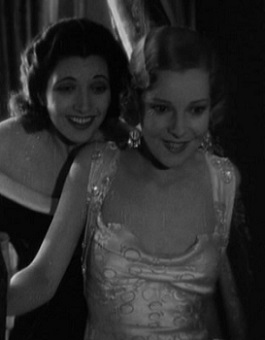
Jewel Robbery has much to recommend it: a debonair thief; a bored, beautiful housewife; marijuana cigarettes adding comic relief; and of course, a host of diamonds. Along the way, we witness a faux kidnapping, a baked police chief, and a rooftop escape. And, of course, we get to hear some killer lines.

This is a pre-Code film—in other words, the kind of film you didn’t think your grandmother watched, but then, you didn’t know her all that well, did you? In the few years before censorship, there was a lot of scandalous footage on the screen, and much rooting for those engaged in immoral behavior. In this film, we are, of course, meant to root for the affair between the wife and thief, but I confess that this time I felt for the wronged husband, probably because the poor guy had so much stacked against him. First of all, Baron Franz (Henry Kolker) is not a looker:
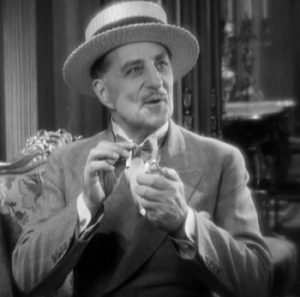
Henry Kolker
He already has a friend, Paul, making assignations with his wife, Baroness Teri (Kay Francis), and then calling her a “coquette” when she doesn’t keep them. Luckily, most of his fellow politicians are too intimidated by Franz’s position to seduce her, but clearly, an undersecretary or two will slip through the cracks when a wife is as tired of her pampered, quiet life as Teri is. And then, of all weapons aimed against him, it just had to be with one:
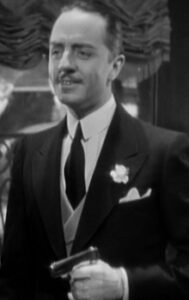
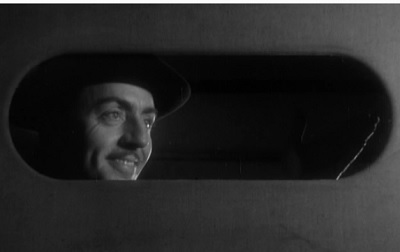
WilliamPowellthief
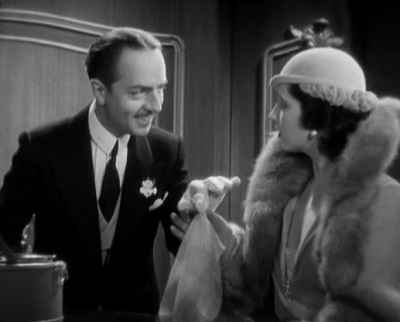
I think you’ll agree that the gun is not the threat here. This is not any thief. This is a robber played by William Powell with the grace, sophistication, and wit that would immortalize him two years later in The Thin Man. Describing his stealing method as a “drawing room style,” the robber plays music and converses with Teri as he and his henchmen snatch every trinket in the store she’s visiting after hours with her husband. He even explains his methods in great detail, including positioning a “very alluring blonde on each corner” to distract policemen.
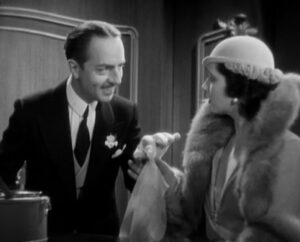
flirtationPowellandFrancis
To keep the atmosphere light (and prevent retaliation), the thief compliments the shop owner’s taste and hands him a marijuana cigarette, which keeps him laughing through the trauma.

marijuanaprecode-JewelRobbery
After such a thrilling experience, the fickle wife is quickly in love, refusing to be locked up in the safe with either her husband or Paul, as she’d rather continue to be charmed by the thief. With such a man in her sights, what hope does a bureaucrat have to keep her interested?

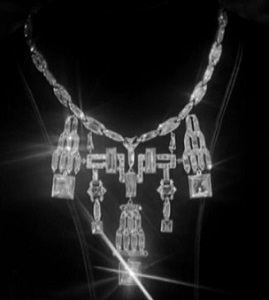
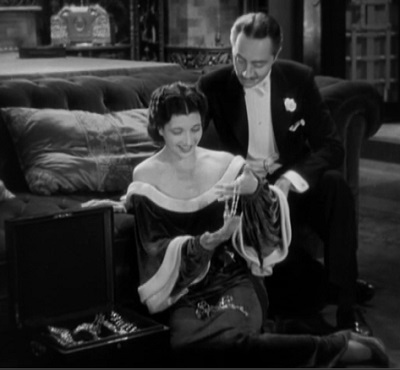
The one weapon Franz has in his arsenal is Teri’s love for sparkling beauties like this one:
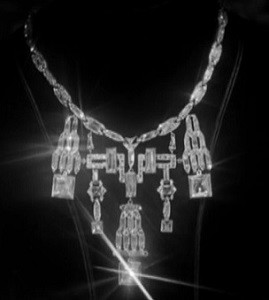
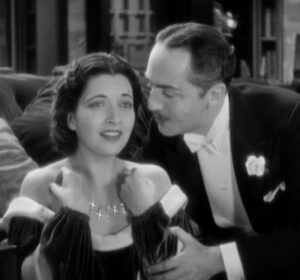
Diamondnecklace
The couple is in the shop to purchase a 28-carat whopper, the Excelsior diamond, a ring Teri literally worships.

KayFrancis-Ring
“What wouldn’t a woman do for such a treasure?” she says when she sees it.

“Anything. I’d deceive my husband, with pleasure,” her sidekick Marianne (Helen Vinson) answers.

“A woman would do much more than that,” Terry explains. “She would tolerate her husband.”

But all such motivation is gone when the handsome distraction in question steals jewels for a living, can give her far more than even her multimillionaire spouse can. Franz tries to convince his “incurably romantic” wife out of her lust, but her expression really says it all:

dreamingKayFrancis
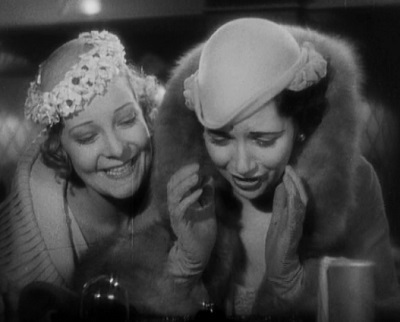
The thief’s attraction dims a bit once he catches sight of—and steals—her new treasure. But he returns it to her house while her husband is out. Teri’s friend Marianne is initially thrilled by the prospect of the robber on the premises.

VinsonandFrancis
But when Teri declares her intention to keep the ring in spite of its risks to her (given that she reported it stolen), Marianne is so spooked she announces her intention to leave to avoid being implicated in a scandal, declaring, “This is one night I shall be very glad to be with my husband.”

**Spoilers ahead**

Of course, this departure gives the besotted thief a chance to ask Teri to flee with him to Nice. He begins his seduction by taking her to his place. When she claims he should be more forceful (to match her romantic images of this moment), he carries her to the bed. She doesn’t deny him, only asking that they not hurry, with “so many pleasant intervening steps” before they get there.

BedKayFrancis
The thief reveals just how well he’s gotten to know her next. Could any foreplay work better on a woman who claims a diamond’s purity made her rethink her frivolous life than this display of riches?
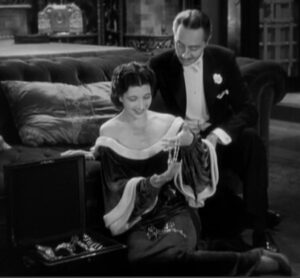
foreplayPowellandFrancis
In spite of her feelings for him, Teri waffles on whether to leave the comforts of her position for a dangerous future. Unfortunately, she has no time for indecision, as the police have arrived. The robber ties her up to save her reputation, employing his usual panache in his daring exit across the roofs and into a waiting cop car his buddy has stolen.
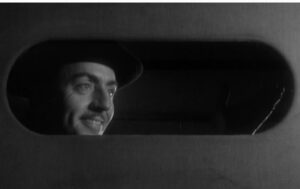
WilliamPowellgbye
Teri tells her husband she needs to take a long rest in Nice to recover from the trauma of the kidnapping. She approaches the camera with one final gesture to ensure we are in no doubt about her intent:

KayFrancisforcamera
If this plot doesn’t convince you to watch the film, there are other gems: Helen Vinson is hilarious throughout the film, there’s a subplot about a guard who is both comically gullible and quickly becoming a fan of marijuana, and some nice rooftop action. Give it a try! And while you’re at it, read about many other funny, scandalous, fascinating pre-Code films.

Share
Posted in: 1930s films, Blogathons, Romantic Comedies (film), Uncategorized Tagged: Kay Francis, Pre-Code, robber, Romance, William Powell

Unexpectedly Romantic: The Mistress Giving the Wife Advice in The Smiling Lieutenant

02/12/2015 by leah@carygrantwonteatyou.com 4 Comments

ColbertHopkins-SmilingLieutenant
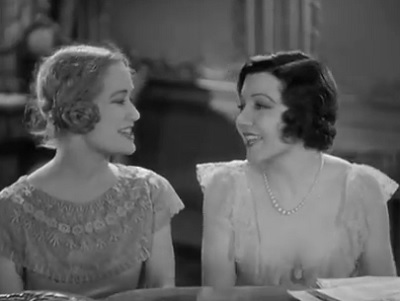
There’s something both charming and shocking about the song between Franzi (Claudette Colbert) and Princess Anna (Miriam Hopkins) in The Smiling Lieutenant. The two are unexpected friends in this moment, after all; the film begins with Franzi’s passionate love affair with Niki (Maurice Chevalier), which is interrupted by Anna’s royal prerogative in choosing spouses. Once married to Anna against his will, Niki continues to see Franzi, but when they’re discovered, the latter makes the surprising decision to help Anna win his regard.

An alliance between a mistress and a wife usually involves plots against the erring husband. The Other Woman with Cameron Diaz is simply the latest example. Since Niki was there first, and no marriage would have taken place had Anna been less public in her regal affection, we feel for both women, and appreciate Franzi’s sacrifice for the happiness of these two who are now bound together. (And honestly, why fight for the guy? I’ve never found Chevalier bearable. The man mugged from his twenties to his Gigi days.)

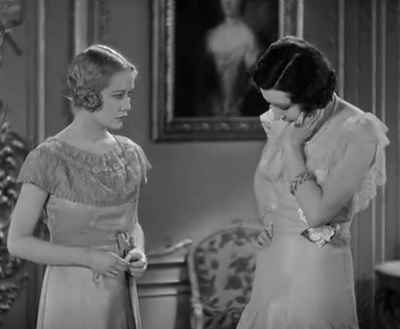
A wonderful union forms between the two women when Franzi goes through Anna’s music (including “Cloister Bells” and “Maiden’s Prayer”). Franzi’s disdain in evident as she pronounces each song’s name, and her next comment illustrates the indecent train of her thought: “Let me see your underwear.”

ColbertandHopkins-underwearrequest
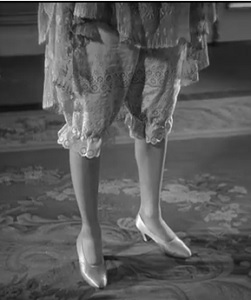
Meekly, Anna complies:

HopkinsunderwearSmilingLieutenant
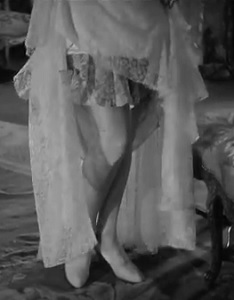
“Cloister bells,” responds Franzi; she then shows her own:

ColbertunderwearSmilingLieutenant
And says, “That’s the kind of music you should play.”

Franzi goes to the piano and begins to sing her advice, with words that could have come from the front page of Cosmo. Wanna win your man? Franzi has the answer: “Jazz Up Your Lingerie.” In fact, I checked. Sure enough, Cosmo’s Valentine’s-inspired photo gallery last spring: “Sexy Lingerie Your Guy Will Love.”

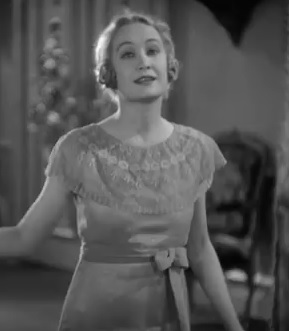
Thankfully, this is a pre-Code Ernst Lubitsch film, and we know that, funny as this start may be, we have much more suggestion in store. First, we see Anna in her formal everyday clothing and stance.

StraightlacedAnna-SmilingLieutenant
Then we see her loosening up.

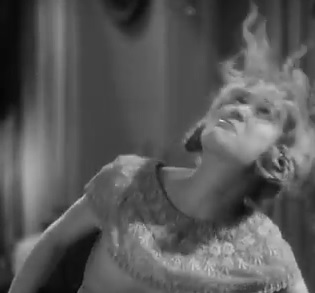
MiriamHopkins-hairtwirling
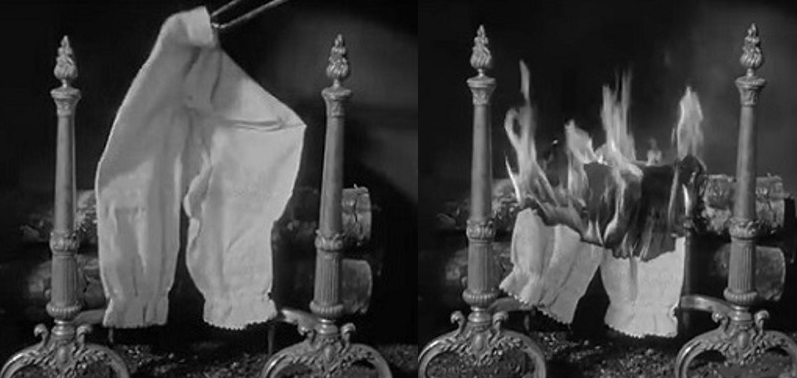
Bits of her old-fashioned hair pile up in a basket just before we’re treated to this wonderful depiction of what’s become of her prudish underwear:

LingerieFireMiriamHopkinsSL
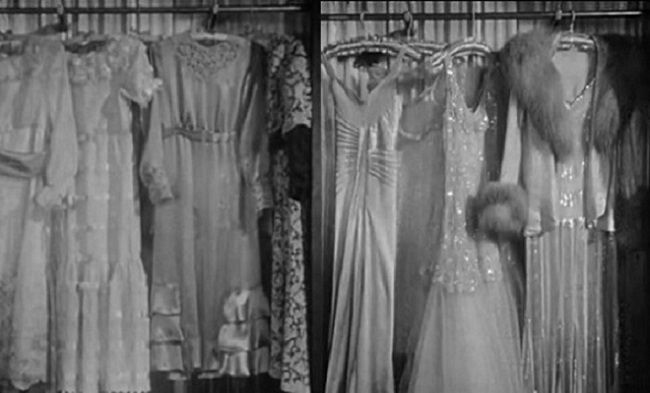
Her frumpy nightgown then dissolves into barely-there lingerie, her ugly shoes into fetching heels. And just look at the change in her wardrobe!

Closet-SmilingLieutenantGowns
I don’t think I have to tell you what happens next. Where else can Anna’s love life go but up, with sexy Franzi as her guide? Honestly, with the kind of chemistry these two women have together, it’s a shame they don’t hook up and leave annoying Niki behind. But improving her ex’s love life—and bringing happiness to his wife—are what this mistress does instead. Kind of romantic, isn’t it?  (You can see the whole clip here.)

Share
Posted in: 1930s films, Feminism, Humor, Romantic Comedies (film) Tagged: Claudette Colbert, Lubitsch, Miriam Hopkins, Musical, Pre-Code, Romance, sexy lingerie, Valentine's

Recent Posts

  • 100 Years Later, Still Scary: Dr. Caligari
  • Escaping Out of the Past (1947)
  • A Weeper for Those Who Love Jerks
  • Thank You, Academy, for Not Infuriating Me
  • Challengers (2024) Is a Bad Movie

Subscribe to Blog via Email

Enter your email address to subscribe to this blog and receive notifications of new posts by email.

Categories

  • 1920s films
  • 1930s films
  • 1940s films
  • 1950s films
  • 1960s films
  • 1970s films
  • 1980s films
  • 1990-current films
  • 2020s films
  • Action & Sports Films
  • Anti-Romance films
  • Blogathons
  • Childfree
  • Comedies (film)
  • Drama (film)
  • Feminism
  • Femme fatales
  • Film Noir/Crime/Thriller & Mystery
  • Gloriously Silly Scenes
  • Horror
  • Humor
  • Mae West Moments
  • Musicals and dancing films
  • Oscars
  • Random
  • Romance (films)
  • Romantic Comedies (film)
  • The Moment I Fell for
  • Turn My Sister into Classic Movie Fan
  • TV & Pop Culture
  • Uncategorized
Share
Classic Movie Blog Hub Member

Recent Comments

  • leah@carygrantwonteatyou.com on Meg Ryan’s Fate Foretold in Joe Versus the Volcano
  • Ryan on Meg Ryan’s Fate Foretold in Joe Versus the Volcano
  • leah@carygrantwonteatyou.com on 100 Years Later, Still Scary: Dr. Caligari
  • The Classic Movie Muse on 100 Years Later, Still Scary: Dr. Caligari
  • leah@carygrantwonteatyou.com on 100 Years Later, Still Scary: Dr. Caligari

Archives

  • November 2025
  • September 2025
  • May 2025
  • March 2025
  • January 2025
  • November 2024
  • August 2024
  • July 2024
  • May 2024
  • March 2024
  • February 2024
  • December 2023
  • November 2023
  • October 2023
  • September 2023
  • August 2023
  • July 2023
  • May 2023
  • April 2023
  • March 2023
  • January 2023
  • December 2022
  • November 2022
  • September 2022
  • July 2022
  • May 2022
  • April 2022
  • March 2022
  • February 2022
  • October 2021
  • September 2021
  • April 2021
  • March 2021
  • February 2021
  • December 2020
  • October 2020
  • September 2020
  • July 2020
  • May 2020
  • April 2020
  • March 2020
  • February 2020
  • December 2019
  • October 2019
  • September 2019
  • June 2019
  • May 2019
  • April 2019
  • February 2019
  • January 2019
  • November 2018
  • September 2018
  • July 2018
  • June 2018
  • May 2018
  • April 2018
  • March 2018
  • February 2018
  • January 2018
  • November 2017
  • September 2017
  • August 2017
  • July 2017
  • June 2017
  • May 2017
  • April 2017
  • March 2017
  • February 2017
  • January 2017
  • December 2016
  • November 2016
  • October 2016
  • August 2016
  • July 2016
  • June 2016
  • May 2016
  • April 2016
  • March 2016
  • February 2016
  • January 2016
  • December 2015
  • November 2015
  • October 2015
  • September 2015
  • August 2015
  • July 2015
  • June 2015
  • May 2015
  • April 2015
  • March 2015
  • February 2015
  • January 2015
  • December 2014
  • November 2014
  • October 2014
  • September 2014
  • August 2014
  • July 2014
  • June 2014
  • May 2014
  • April 2014
  • March 2014
  • February 2014
  • January 2014

Meta

  • Log in
  • Entries feed
  • Comments feed
  • WordPress.org

Copyright © 2025 Cary Grant Won't Eat You.

Church WordPress Theme by themehall.com