Cary Grant Won't Eat You

Classic movies for phobics

  • About
  • eBooks
  • Previous Blogathons
Classic movies for phobics

femme fatales

Laura (1944): Haunted by Dopes

11/11/2024 by leah@carygrantwonteatyou.com 18 Comments

**Spoilers coming**

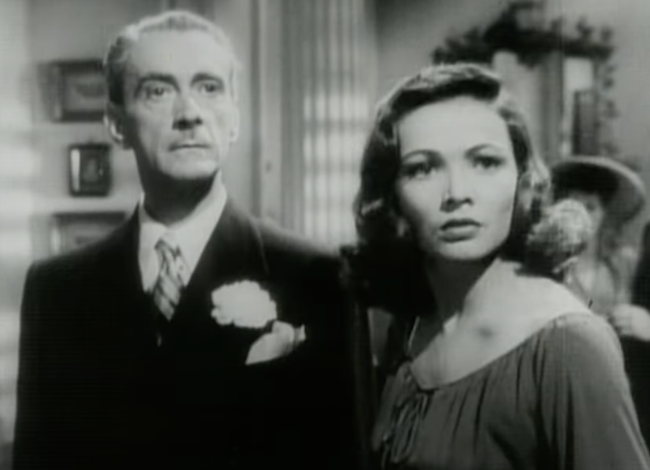
Clifton Webb and Gene Tierney in Laura (1944).


Laura is a curious film. I always think of it as the male gaze on steroids, as we know so little of the heroine apart from the versions we get from the men who surround her: the portrait artist, the boyfriend, the best friend and the cop. All are obsessed with her, and all want their version of the murdered heroine to supersede the others.’
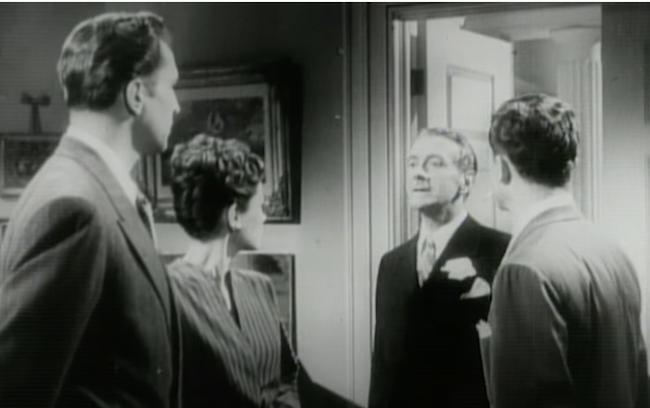
Laura's (Gene Tierney's) admirers, played by Vincent Price, Clifton Webb and Dana Andrews.


That’s why I chose the film for A Haunting Blogathon: In the Afterlife, hosted by the Classic Movie Blog Association. Crime writer James Ellroy once said something about Laura being the ultimate film for cops, and I think he’s right: the victim you only learn of from diaries, from photos, from others’ words. You never quite know who she was.

Surely, it would be easy for those driven to solve a homicide (especially one that remains out of reach) to become possessive about what they know and haunted by what they don’t. (Ellroy, whose mother was murdered, explores his own haunting in My Dark Places, a fascinating read, as is the book that inspired him: Joseph Wambaugh’s true-crime masterpiece, The Onion Field.)

It’s not hard to imagine becoming enamored with and fascinated by a victim who looks like Gene Tierney. In this particular story, however, the hauntings turn from reasonable to pathological.

What I love about the film is that the versions of Laura these men (and one woman) tell don’t quite add up. Her housekeeper, Bessie (Dorothy Adams), describes Laura as the sweetest lady on earth, and certainly Gene Tierney’s perfect face and that sentimental theme song seem to confirm those impressions.

But would such an angel be best friends with Waldo Lydecker, enjoying his poisonous remarks about her admirer and fellow party guests, as we see her do (in his version of her story, of course)?

Is she really a woman who, as fiancé Shelby Carpenter (Vincent Price) claims, will indulge any visitor, day or night? He has treated his bride-to-be like a doormat. Since he wants to continue to do so, this tenderhearted version of Laura is convenient for him. But Laura does, in fact, dump him, and despite occasional remarks seems little affected by the poor woman (cheater or not) who got killed in her doorway. Not exactly the heart-on-her-sleeve, always-forgiving softie he takes her for.

Of course, Lydecker isn’t wrong in accusing Det. Lt. Mark McPherson (Dana Andrews), Laura’s most recent admirer, of being a creep. McPherson wants to buy a portrait of her when she’s dead and becomes instantly possessive of her after she returns to life.

Who instantly hits on a stranger (worse than that, assumes she’s already his) while she’s still in shock?
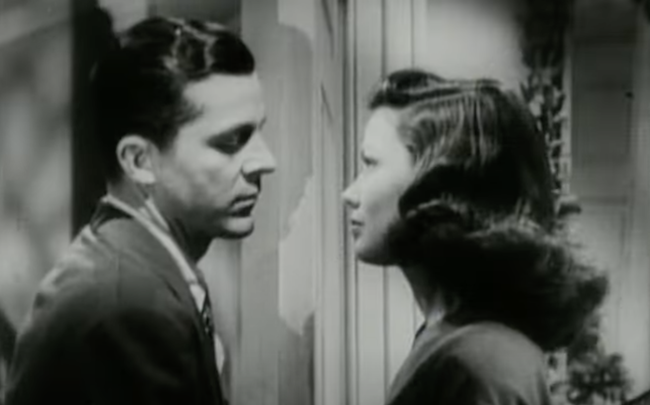
Dana Andrews and Gene Tierney in Laura

Even if she is vulnerable enough to think she’s in love too, it would be wise and kind to wait–I dunno–48 hours? He also chooses for the moment of his wooing a party during which the following things are happening to his new love:

  • Her fiancé has basically just said to her, “Yeah, I know you killed my lover, and that’s cool,” after inviting said lover into Laura’s home and into her clothes during the latter’s wedding week.
  • Someone has just been murdered in Laura’s home, and this cop/admirer has invited people over to it for a gathering before she’d had time to sage it, obsessively clean it, or call a real estate agent to put it on the market.
  • Her aunt, Ann Treadwell (Judith Anderson), has confessed–casually, I might add–that she’s toyed with murdering Laura herself.
  • And oh yeah, our heroine is still in grave danger from the best friend who tried to off her.

Our infatuated cop follows up this uproariously fun party by pretending he’s arresting her, ruining her reputation in front of her friends, because he can’t control his feelings without taking her into the police station. Ummm, what?

McPherson is right that Laura has surrounded herself by “dopes”–if by dopes he means a heartless group of friends and lovers, with some sociopathy in the mix. He’s just wrong not to include himself in the description. Andrews is quite handsome and feigns calm (with his trusty toy), so it’s easy to think of this detective as the hero in the beginning, but that impression soon wanes.

Right after returning home and shocking Bessie, Laura says gently, “I’m not a ghost, really,” and then jokes, “Have you ever heard a ghost ask for eggs?” But her claims ring hollow. Though she’s physically in the room, I would argue Laura still is a ghost through no fault of her own. Real/imagined impressions of her haunt her admirers and herself.

Actual men are also looming in her life, refusing to let her be who she wants to be, love whom she wants to love, or take five minutes to recover from life-altering trauma. And then there’s the method her best friend chose to kill her with: buckshot (interesting that Waldo doesn’t even reconsider that method during his second attempt). It’s not bad enough he wants to kill her. He wants to obliterate her.

If I were Laura’s true friend (or her therapist), I’d say, “Hey, honey. It time to hightail it out of town. A transfer overseas would be ideal. Also, you may want to keep that phone number unlisted.”

For more on the haunters and haunted, visit my peers’ excellent posts by going here: A Haunting Blogathon: In the Afterlife.

Share
Posted in: 1940s films, Anti-Romance films, Blogathons, Drama (film), Femme fatales, Film Noir/Crime/Thriller & Mystery, Romance (films) Tagged: Clifton Webb, femme fatales, film noir, Gene Tierney, hauntings, Laura, obsession, Vincent Price

Chatting about Leave Her to Heaven

07/11/2024 by leah@carygrantwonteatyou.com Leave a Comment

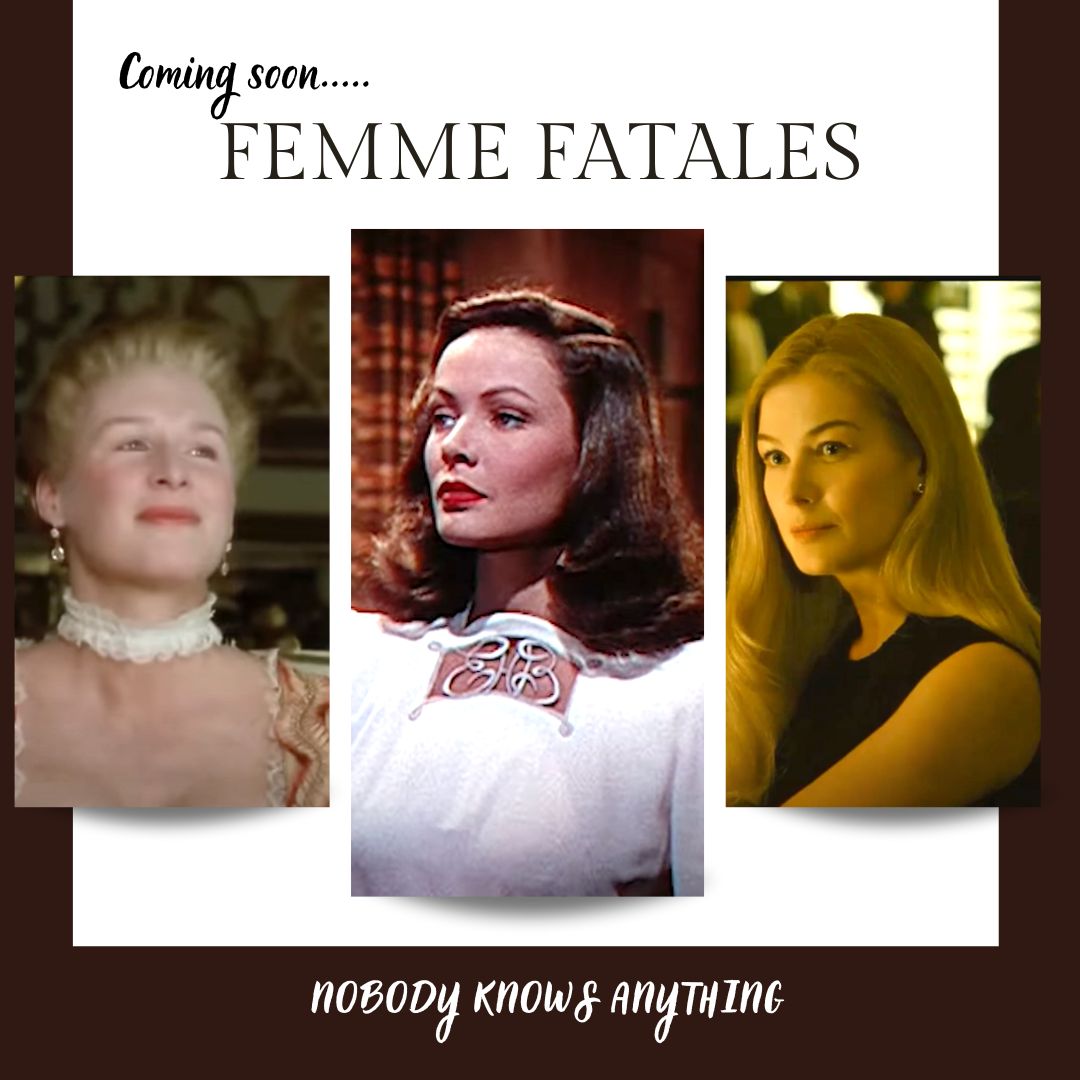
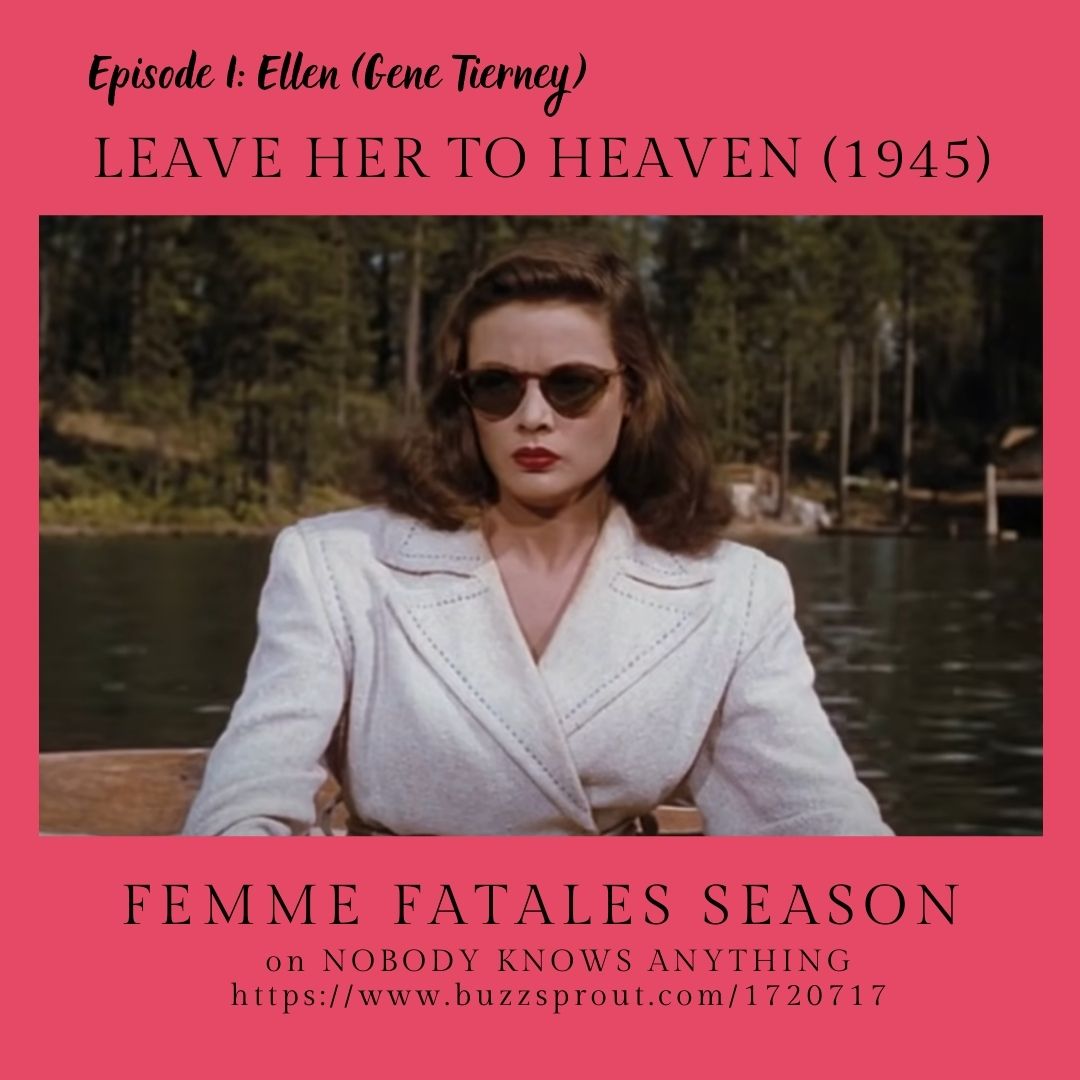
My new podcast season on femme fatales with Brian Wilkins and Michael Gutierrez releases today, and we begin with one of my favorite films, Leave Her to Heaven.

We chat about the strange canoe launch that begins the film, Tierney’s impossible beauty, the unfathomable hero–who wanted to marry this brilliant, fascinating beauty but never share her bed–and her troubling response to that marital issue. Join us here!

Share
Posted in: 1940s films, Feminism, Femme fatales, Film Noir/Crime/Thriller & Mystery Tagged: ahead-of-their-time films, feminism, femme fatales, Gene Tierney, Leave Her to Heaven, podcast

Femme Fatales Podcast Series….

07/01/2024 by leah@carygrantwonteatyou.com Leave a Comment

Nobody Knows Anything, returning soon!

Share
Posted in: Uncategorized Tagged: Dangerous Liaisons, femme fatales, Gene Tierney, Glenn Close, Gone Girl, Leave Her to Heaven, Nobody Knows Anything, podcast, Rosamund Pike

The File on Thelma Jordan

10/06/2023 by leah@carygrantwonteatyou.com 2 Comments


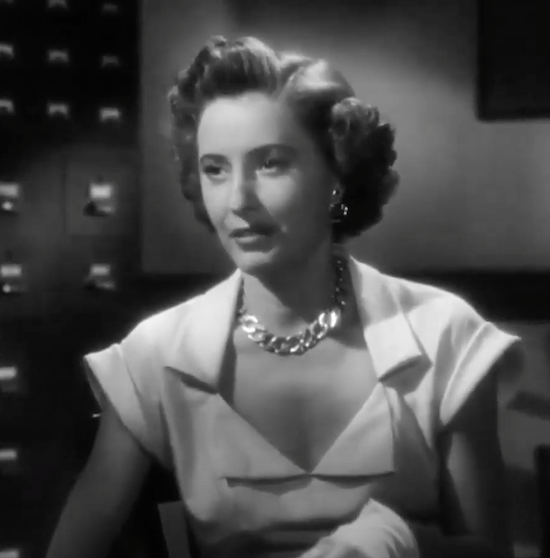
The File on Thelma Jordan isn’t a noir of the same caliber as Barbara Stanwyck’s more famous films. It’s not Double Indemnity, or Sorry, Wrong Number or even The Strange Love of Martha Ivers. But with Stanwyck as a femme fatale, you know you’re going to enjoy yourself.

***Slight spoilers, but far fewer than in the trailer.

Of the 1,00000000 things I love about Stanwyck, one is how adult she always is. She doesn’t play twee or girly–even on the rare occasions she uses baby talk to get her way. She’s sensual and knowing, fiercely intelligent and wry. You can never discount her. And you know–even if you don’t admit it to yourself–that she has the upper hand–or will soon.

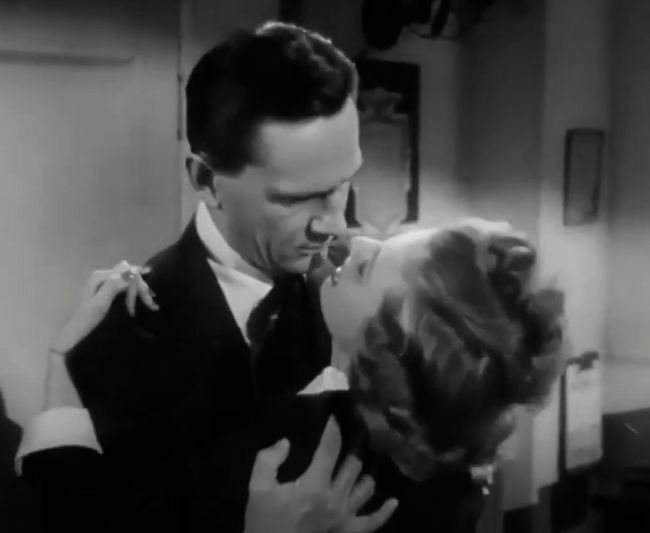
In The File on Thelma Jordan, she finds herself an easy fall guy, Assistant District Attorney Cleve (Wendell Corey). Cleve has a lot going for him: a loving family, a beautiful wife. But his wife is a daddy’s girl, and he doesn’t like that daddy. It doesn’t help that his father-in-law has all the wealth and power Cleve doesn’t–or that Cleve owes him.

That’s why Cleve drinks and feels sorry for himself, and he’s doing just that when Thelma (Stanwyck) happens upon him in his office while seeking his boss. She wants to report attempted burglaries to her wealthy Aunt Vera’s home, but instead agrees to get a drink with Cleve. She’s game, agreeing to be his buddy during his troubles. Of course, a sexy, sympathetic buddy is what every Cleve desires.


You can guess what happens: a secret affair, the aunt’s house being broken into, a murder. With Thelma, there’s no question of innocence. The question is HOW guilty is she? Did she commit the murder, did her shady ex, or did some third involved party? Whoever did it, poor Cleve is complicit, and ends up having to prosecute Thelma in a not-so-effective, likely-career-killing kind of way.

I don’t find Wendell Corey that appealing in the role, but there’s a sincerity to him; you believe this is a good, usually bright guy doing dumb things. Cleve is a smarter version of Henry Fonda in The Lady Eve. He’s not all that wary, but he’s intelligent enough to know he’s been had.

But of course, who cares about Corey, or anyone else in this film noir? This is Stanwyck’s show. And though the storytelling never rises to her abilities, every minute with her on the screen is a joy. Whether she’s acting as Cleve’s relaxed buddy, his maybe-smitten love, a wary defendant, or a hardbitten woman of the world, Thelma is riveting. Don’t miss her in action.

Share
Posted in: 1950s films, Femme fatales, Film Noir/Crime/Thriller & Mystery Tagged: Barbara Stanwyck, femme fatales, film noir, The File on Thelma Jordan, Wendell Corey

Rebecca Got a Bad Rep

06/29/2019 by leah@carygrantwonteatyou.com 8 Comments

**Spoilers abound**

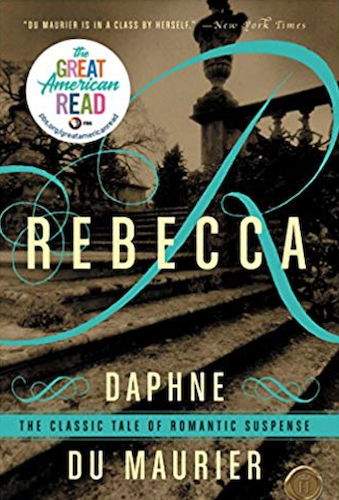
Of all the femme fatales on film and in print, Rebecca may top them all. The woman isn’t even alive at the start of the book or the Hitchcock film that resulted from it, yet the narrator of the story is so haunted by her husband’s previous wife (and Du Maurier is so skilled at freaking readers out) that Rebecca’s reputation as the evil femme fatale endures.

But when we look at Rebecca’s life a little closer, it’s hard to ignore just how much of our impressions of this woman are based on her former husband’s hatred and his second wife’s jealousy. Although I was totally with the narrator in fearing and loathing Rebecca on my first reading of Daphne Du Maurier’s classic gothic novel/thriller/mystery, my opinion of Rebecca has radically shifted in time, and the blame moved from her to the much more questionable Max de Winter.

Since the film sanitizes the hero due to the Production Code, I’m sticking with the book as I ask all of you Du Maurier lovers this question: Who is worse, Rebecca or her husband Max?

Let’s count it down trait by trait, shall we?

Behavior toward Friends & Acquaintances. Rebecca. Tries to suit others’ moods and appeal to their interests—this according to her detractor, Max. Everyone loves her, Maxim admits, including all of her employees. He claims she is fake, a backstabber. It’s easy to discount the tales of her insincerity altogether, given those blunt admissions to Max at the start of their marriage and his own dubious motives in smearing her. But we do hear Ben describing her cruelty toward him, a serious count against her.

Max: Rude to and arrogant toward: his sister, his brother-in-law, attorneys, party guests, servants, Mrs. Van Hopper, his second wife. He does seem to usually treat Frank well, and perhaps the dog. He expects to be thought above the law despite his suspicious actions and has no compunction about the boat maker’s profit losses thanks to his lies. Why? Presumably his class and status.

Personality Points: Rebecca 1; Max 0
Villain Points: Max 1; Rebecca 1

Social Skills. Max is the very definition of prim, spending his days abstaining from most people and food (while strangely expecting an untouched feast on a daily basis). And, there’s that slight issue with his temper and moods. Good company? I think not.

Rebecca’s style intimidates the narrator; she has garnered Manderley fame with her exquisite taste and the elegance, creativity, and humor she exhibits as a hostess. Even the “R” of her name is written with panache.

Personality Points: Rebecca: 1; Max: 0

Treatment of Spouse. Let’s admit from the start that these two are hardly an altruistic pair. A tight race!
Max: Wife 1. Marries Rebecca without loving her but planning to be faithful. Keeps the secret of her affairs, but for his own pride. Does tolerate her behavior within limits. (It was a different age.) Seemingly polite to her in public but based on his general actions (see above), I’m guessing she needed to find affection elsewhere. Wife 2. Marries the narrator because she’s chaste and has no relatives (Mrs. Van Hopper isn’t far wrong there). Shows little passion for her, most of that passion being extended to his house. Treats her like a daughter/servant/enemy, depending on the day. Marries her knowing that his limelight-averse spouse will be destroyed if his crime is revealed and the scandal rags come a-knocking while her protector is in jail. Exposes her to Mrs. Danvers, the suicide pusher.

Rebecca: Marries Max for his money and status, planning to cheat on him from the start and admitting as much. Seemingly has multiple affairs. Apparently enjoys some “unspeakable” behavior (though given prim Max’s ways, I’m guessing we’re not talking Roman orgies). May, if the love of Mrs. Danvers is any indication, indulge in affairs with women as well as men, which in this time period would have harmed her husband’s reputation. Shaming her husband with alcohol and drug consumption? Perhaps in private. Meanwhile, spends her days being delightful to all and making his treasured house the talk of the country.

I’m going to leave out Max’s crime for this one, as it deserves its own category. But in terms of behavior up to their final night together, Rebecca’s is worse since Max’s biggest fear is public shame, and she doesn’t seem to care much that he’s a bore and has no fidelity impulses/regard for his pride whatsoever. However, his behavior to his second wife is appalling.

Villain Points: Rebecca 1; Max 1

The Murder. Max shot his wife because she suggested she might be pregnant with another man’s baby. Max demonizes her, calling her not even “human,” to (a) justify his action, (b) keep his wife’s love, and (c) be considered a civilized member of society. The narrator, so pleased he didn’t ever love Rebecca, actually goes along with his version of events, even though he’s not exactly trustworthy because he’s a killer who murdered his last wife, idiot. RUN!!!!

Rebecca. Enjoys her husband’s distress at her infidelity and taunts him. He now says she wanted him to kill her (given her health). Kinda convenient, right?

Personality Points: Rebecca, 1—some considerable moxie revealed in this last fight; Max, 0. Villain Points: Max, a gazillion; Rebecca, 0.

And the Verdict Is….
Personality Points: Rebecca 3; Max 0
Villain Points: Max, a gazillion and 2; Rebecca, 1.

Like I said, Rebecca might not be an angel, but a femme fatale? Not so much. And is Max, the cold-blooded murderer and awful husband a homme fatale? You better believe it.

This post is part of the Calls of Cornwall blogathon by Pale Writer on Du Maurier’s work. Check out the other entries!

Share
Posted in: 1940s films, Blogathons, Feminism, Femme fatales, Film Noir/Crime/Thriller & Mystery, Humor, Romance (films), Uncategorized Tagged: Daphne du Maurier, femme fatales, Max de Winter, Rebecca, romances, thrillers, unfair reputation, unnamed narrator

Recent Posts

  • 100 Years Later, Still Scary: Dr. Caligari
  • Escaping Out of the Past (1947)
  • A Weeper for Those Who Love Jerks
  • Thank You, Academy, for Not Infuriating Me
  • Challengers (2024) Is a Bad Movie

Subscribe to Blog via Email

Enter your email address to subscribe to this blog and receive notifications of new posts by email.

Categories

  • 1920s films
  • 1930s films
  • 1940s films
  • 1950s films
  • 1960s films
  • 1970s films
  • 1980s films
  • 1990-current films
  • 2020s films
  • Action & Sports Films
  • Anti-Romance films
  • Blogathons
  • Childfree
  • Comedies (film)
  • Drama (film)
  • Feminism
  • Femme fatales
  • Film Noir/Crime/Thriller & Mystery
  • Gloriously Silly Scenes
  • Horror
  • Humor
  • Mae West Moments
  • Musicals and dancing films
  • Oscars
  • Random
  • Romance (films)
  • Romantic Comedies (film)
  • The Moment I Fell for
  • Turn My Sister into Classic Movie Fan
  • TV & Pop Culture
  • Uncategorized
Share
Classic Movie Blog Hub Member

Recent Comments

  • leah@carygrantwonteatyou.com on Meg Ryan’s Fate Foretold in Joe Versus the Volcano
  • Ryan on Meg Ryan’s Fate Foretold in Joe Versus the Volcano
  • leah@carygrantwonteatyou.com on 100 Years Later, Still Scary: Dr. Caligari
  • The Classic Movie Muse on 100 Years Later, Still Scary: Dr. Caligari
  • leah@carygrantwonteatyou.com on 100 Years Later, Still Scary: Dr. Caligari

Archives

  • November 2025
  • September 2025
  • May 2025
  • March 2025
  • January 2025
  • November 2024
  • August 2024
  • July 2024
  • May 2024
  • March 2024
  • February 2024
  • December 2023
  • November 2023
  • October 2023
  • September 2023
  • August 2023
  • July 2023
  • May 2023
  • April 2023
  • March 2023
  • January 2023
  • December 2022
  • November 2022
  • September 2022
  • July 2022
  • May 2022
  • April 2022
  • March 2022
  • February 2022
  • October 2021
  • September 2021
  • April 2021
  • March 2021
  • February 2021
  • December 2020
  • October 2020
  • September 2020
  • July 2020
  • May 2020
  • April 2020
  • March 2020
  • February 2020
  • December 2019
  • October 2019
  • September 2019
  • June 2019
  • May 2019
  • April 2019
  • February 2019
  • January 2019
  • November 2018
  • September 2018
  • July 2018
  • June 2018
  • May 2018
  • April 2018
  • March 2018
  • February 2018
  • January 2018
  • November 2017
  • September 2017
  • August 2017
  • July 2017
  • June 2017
  • May 2017
  • April 2017
  • March 2017
  • February 2017
  • January 2017
  • December 2016
  • November 2016
  • October 2016
  • August 2016
  • July 2016
  • June 2016
  • May 2016
  • April 2016
  • March 2016
  • February 2016
  • January 2016
  • December 2015
  • November 2015
  • October 2015
  • September 2015
  • August 2015
  • July 2015
  • June 2015
  • May 2015
  • April 2015
  • March 2015
  • February 2015
  • January 2015
  • December 2014
  • November 2014
  • October 2014
  • September 2014
  • August 2014
  • July 2014
  • June 2014
  • May 2014
  • April 2014
  • March 2014
  • February 2014
  • January 2014

Meta

  • Log in
  • Entries feed
  • Comments feed
  • WordPress.org

Copyright © 2025 Cary Grant Won't Eat You.

Church WordPress Theme by themehall.com