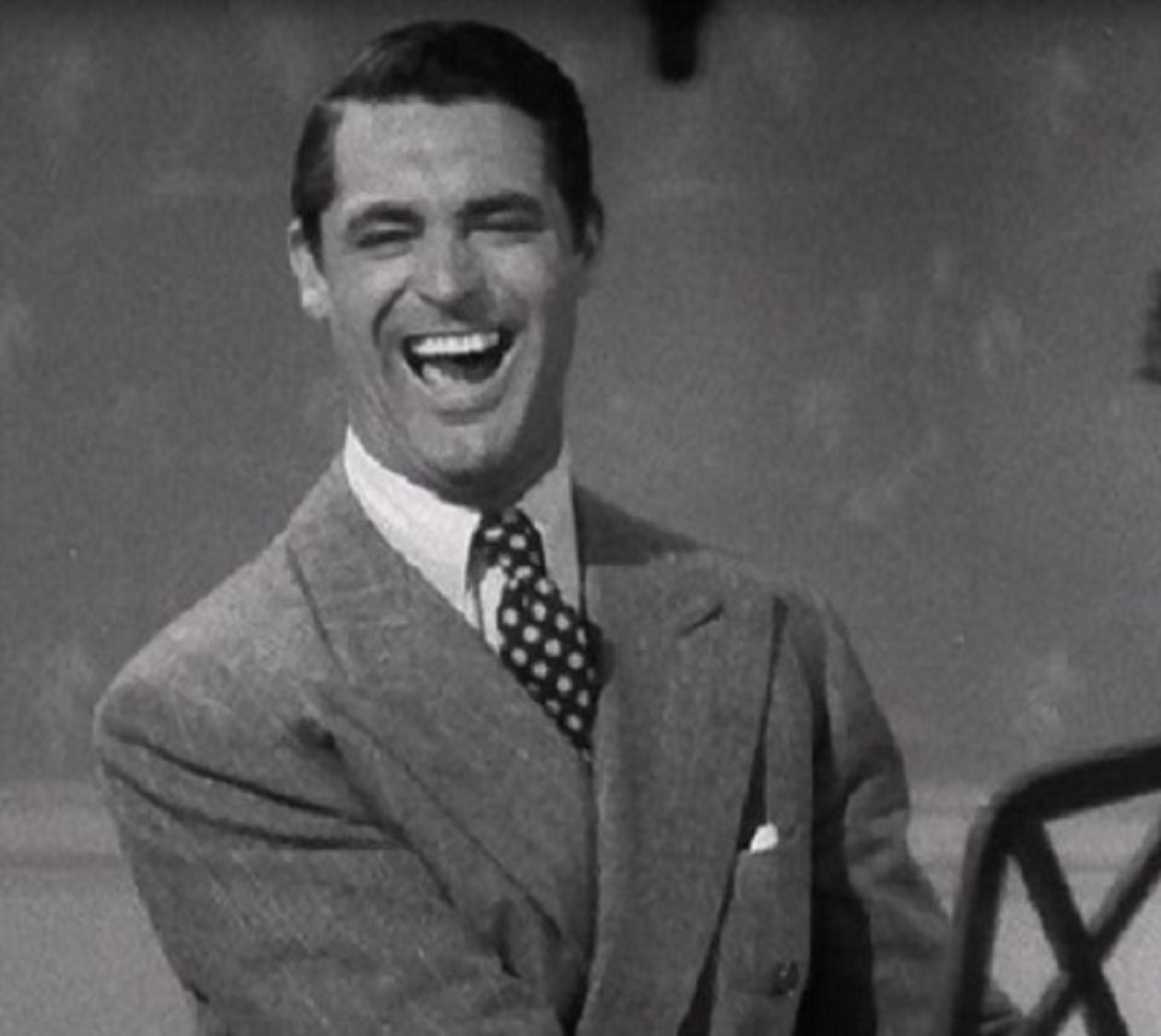
A Weeper for Those Who Love Jerks

Back Street (1932), directed by John Stahl, announces itself early on as belonging in the wronged illicit woman tearjerker canon. Charming Ray (Irene Dunne) enjoys befriending traveling salesmen at a beer hall in Cincinnati before the turn of the twentieth century, but all they do in return is try to bed her. Ray laughs at their efforts, expecting little else, but never giving in.
Spoilers ahead.
That is, until she meets Walter (John Boles), a flirt who steals her heart despite neon red flags, including:
- Dispensing cheesy pickup lines during their meet-cute.
- Suggesting she meet him at 10 pm on a random street for a date.
- Announcing he’s a mama’s boy.
- Admitting he’s engaged.
Ray sleeps with this worthless banker anyway, making the audience wonder just how little game those traveling salesmen had. Walter suggests she meet his mommy at the park one day. He’s hoping that said mommy will agree he should drop his fiancée if exposed to Ray’s considerable charm. (Apparently, he can’t break up without mama’s say-so.)
Unfortunately, Ray gets waylaid because her lovesick half-sister needs her help (because of course she does). Ray then wonders for the rest of her days what would have happened had she had made it to the park on time.
Walter’s response to her no-show is a red flag of its own: angry petulance. Instead of considering herself well rid of him, Ray is again smitten when she runs into him five years later in New York. She’s now a success at her firm, and he’s married to that fiancée and a father. He’s still obsessed with Ray, so they begin an affair. Without her permission, he gets her an apartment for their rendezvous.
As a kept woman, our bar-hopping extrovert resigns herself to solitaire and phone watching. We witness Ray helping her worthless lover with speeches and bank matters. Since he doesn’t want her considerable intelligence occupied with anything but him, she’s unemployed. He also doesn’t want her going out with friends; then she’d be unavailable for his stop-bys. In return, he misses their engagements and forgets to call her, mail her, or put any money in her bank for weeks on end.
We see Ray bemoaning her life to a neighbor in similar straits. Still, back she keeps going to this selfish jerk whose most discernible quality is neediness. She even turns down a chance to marry a sweet, successful former neighbor who loves her. What Ray needs, of course, is a good therapist. Too bad that isn’t really an option for her in this time.
Instead, we see her decades later, still lovely (it’s Irene Dunne, after all), still a mistress. She’s still beloved by Walter, but scorned by his adult children. When he has a stroke, she can only hear his voice on the phone. She can’t be by his side. When the stroke ends in death, his chastened son, finally realizing her true love for his father, offers to financially care for her.
Irene Dunne, who is amazing in this role, can make you weepy despite the unworthiness of her lover. We feel for her pain, even if we are mystified by its source. She looks at Walter’s photo at the end of the film, tells him she’s on her way, and dies. In her last moments, she wonders again if she would have had a better life if she’d shown up at the park.
Which leads me to wonder this: Would being the cheated-on wife (with kids) of this dolt be better? I mean, sure, it was a grim time for kept women. At least she wouldn’t be destitute or outcast if wedded to him. She’d also have the children she wanted.
Still, she’d be married to Walter, which means much more of her time with Walter. Why that doesn’t sound like a penance, I have no idea. Also, why wasn’t Ray regretting turning down her kindly neighbor in her last moments?
There are several curious things about this film. It’s pre-code, so it’s more sympathetic about her choices than the remakes (and there are several) probably are. There are moments (as at the end) the director, John Stahl, seems to give in to the soapy, romantic Romeo and Juliet of it all. But the director also gets the true tragedy: not only did Ray sacrifice a much happier fate to live in the “back streets” of a wealthy man’s life, but she did so for a singularly uninspiring man-boy played by John Boles.
If you’re gonna sacrifice everything, honey, at least let your lover be sexy. Who’d have guessed that Adolphe Menjou (in unacknowledged remake Forbidden) would come out the more attractive of the two leading men?
This is how Ray feels about her life:

Oh, Ray. Imagine if you’d never slept with Walter. Maybe you’d have still turned down your neighbor. Maybe you’d have never married. Still, you’d be hanging out in the beer hall with salesmen, which means you’d at least have had some fun. If there’s a moral lesson in here, it seems to be not to avoid premarital sex, but to avoid letting your first lover be a Walter. That’s the kind of judgment-clouding decision that can topple the worthiest women.
Interestingly, the novelist who wrote the story (and Imitation of Life), Fannie Hurst, had her own illicit thing going: a secret marriage, with she and her spouse living in separate homes, and she too (seemingly) mourned him desperately after his death.
Let’s hope he was more worth it than the character she created.
See all the other entries in the Classic Movie Blog Association’s Cry Me a River: Tearjerkers Blogathon.
