Cary Grant Won't Eat You

Classic movies for phobics

  • About
  • eBooks
  • Previous Blogathons
Classic movies for phobics

Uncategorized

In Praise of USA Up All Night

04/12/2022 by leah@carygrantwonteatyou.com 10 Comments

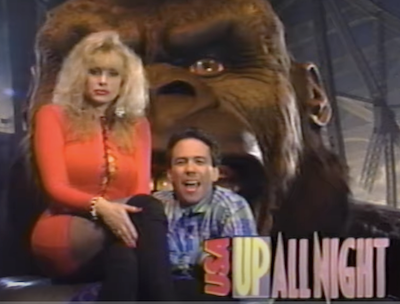
Today I felt a pang on hearing about Gilbert Gottfried’s death. Of course I found him annoying, but I also loved him. He–and Rhonda Shear–gave me USA Up All Night just when I needed it, a show that taught me valuable lessons that have stayed with me ever since. Here’s what I learned from that weekend stalwart, which, for the uninitiated, basically consisted of terrible, terrible movies playing from 11 pm /12 am till the wee hours on Fridays and Saturdays, with interludes of jokes, skits, and commentaries from the hosts.

  1. You Can Find Amusement in So Many Things. Camp was always appreciated in my family: my Uncle Ed’s running commentary on Slugs was a family reunion highlight. But in between those beloved family visits, I had Gottfried and Rhonda, poking fun of absurdly terrible B movies that no other channel would even play. Even Rhonda’s ridiculously perky enunciation of UP could make me laugh. To this day, I find enjoyment in so much pop culture that others don’t, and that’s partly thanks to USA Up All Night.
  2. Don’t Take Your Job Too Seriously. True, it’s hard to not laugh about your job when you’re commenting on Cheerleaders Beach Party. But Gottfried’s constant amusement (you could definitely see “This is my job?” in his expression) reminded me that every job doesn’t have to be a forever-career or vocation. Sometimes, you pay the bills doing something silly, and that’s OK. (And most of us do have absurd tasks even in the most serious of jobs.)
  3. Binging Movies Is Fun. Oh, you poor souls who didn’t learn this fact until Netflix. Gottfried and Rhonda (and the earlier host I never watched, Caroline Schlitt) taught us Gen Xers this back in the early 90s. Think of all the years of joy you missed!
  4. Embrace Your Awkward Self. Gottfried and Rhonda were never cool. They were goofy and absurd and nerdy and silly. But because they clearly didn’t care WHAT they were, they reminded me, an awkward teenage girl, that I didn’t have to be cool to have fun.
  5. Make Solitary Friday Nights an Occasion. In my twenties and early thirties, I moved states several times, each time alone. I was always either single or dating someone long distance, so Friday nights were rough on me. I hated the time it took to be moved from new friends’ weekday to their weekend rituals. To stave off the loneliness, I’d splurge on Fridays: wine, chocolate, good bread, and cheese. Maybe even takeout. I’d grab that remote and begin my movies, and all was right with the world. Sometimes, my preparations led to unhelpful comments by store clerks. (“Oooh-hoooh, honey, you’re having a romantic night tonight, huh?”) But in time, these Fridays became so peaceful and cathartic that I missed them when I had plans. (A bit of a foretaste of middle age, huh?) Would I have known to make an occasion of movie binging each Friday, without Gottfried and Rhonda’s example?
  6. You Never Know What Your Impact Will Be. I don’t think Gottfried could have anticipated that he’d be celebrated by a writer for USA Up All Night when he died thirty years later, do you? You just never know.

Share
Posted in: 1970s films, 1980s films, 1990-current films, Comedies (film), Humor, Random, TV & Pop Culture, Uncategorized Tagged: camp movies, Gilbert Gottfried, in memoriam, Rhonda Shear, USA Up All Night

A Tribute to Paddy, Cheerleader

03/09/2022 by leah@carygrantwonteatyou.com 13 Comments

As a new blogger, you often feel as if you’re just sending content into the ether, content no one will ever see or remark upon.

Why do I do it? you ask yourself. After all, you get no comments. You can see from your stats that only bots have viewed your posts. Why bother? you ask yourself. I should just give this up.

Until suddenly someone begins to post comments—and that someone isn’t your mom or English teacher. That someone is a stranger.

And she comes back—again and again. And her comments are wise and funny and generous and thought provoking, and they mean something to you not just because she’s a stranger, but because she’s GOOD. A great writer. Far more knowledgeable about the subject matter than you are. A frequent blog award winner.

And she still thinks YOU have something to say.

So you gain confidence. And you post more. Until you get the hang of it, get into the routine. Of course, it’s inevitable that you’ll slip. For months you won’t post. But when you do, there she is, as if to remind you, I care. I really do. Keep writing. And she makes you believe that there are others out there, not as confident as she perhaps, who are reading too.

And as you participate in blogathons, you notice that she’s doing this for others—many others. That her comments accompany so many posts, and that they’re never generic comments. They’re always specific, always thoughtful. How you smile to see her name! And you know that you should do the same, help others keep going. But you never manage to set the bar as high as she does.

That’s who Paddy of Caftan Woman was to me. I just learned of her death, and like many people who’d never met her, I mourned. I’ll never get to read any new posts from her—her funny, insightful, interesting pieces that taught me so much about classic films and film history. I’ll never get to see her name in my comments again, or experience her sympathy for my struggles in trying to convince my classic-movie-intolerant siblings. And neither will all the others she supported.

So I want to say thank you belatedly to Paddy, and to the virtual supporters like her who help writers keep going when we want to give up, when we wonder what the point is, when we feel like no one cares.

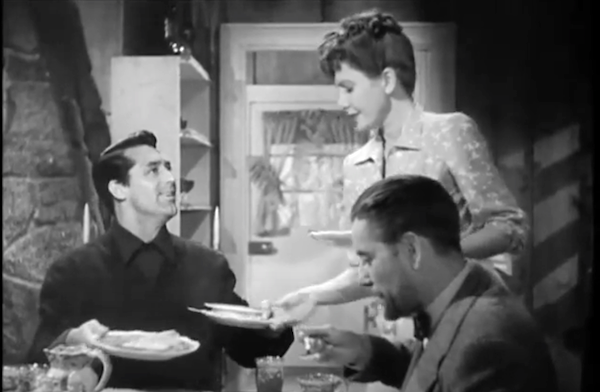
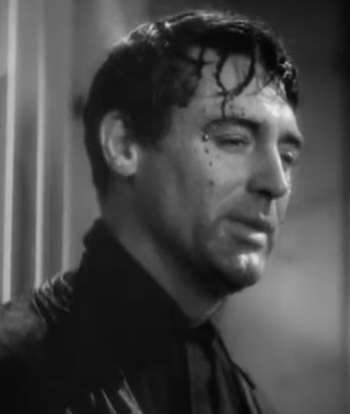
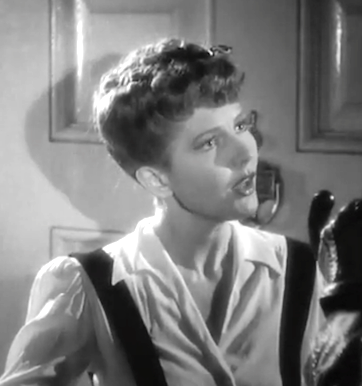
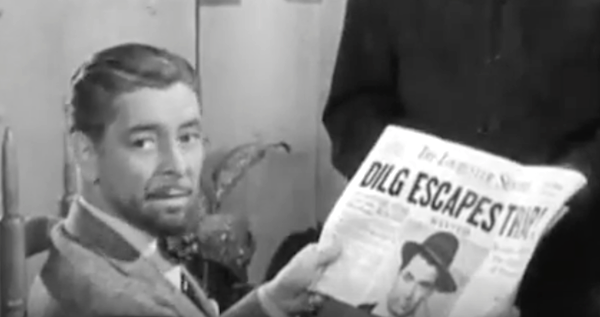
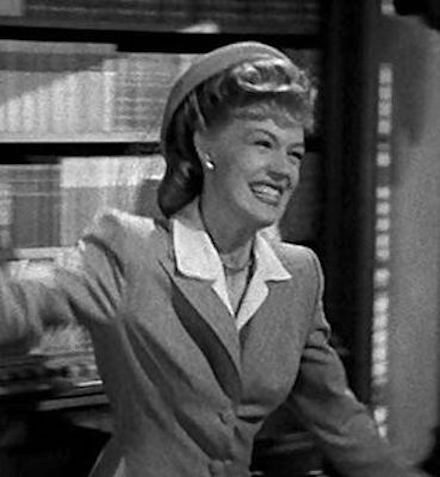
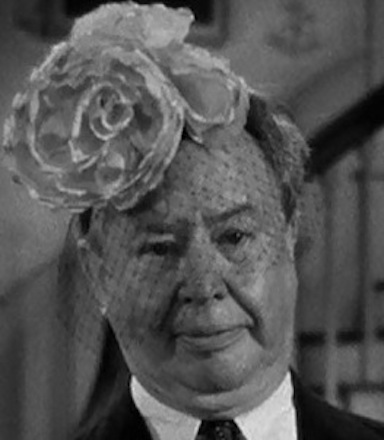
Today I’d like to post some images from classic film that remind me of Paddy and what she meant to me—and to so many others.

This is how I imagine Paddy wrangling me to keep writing:

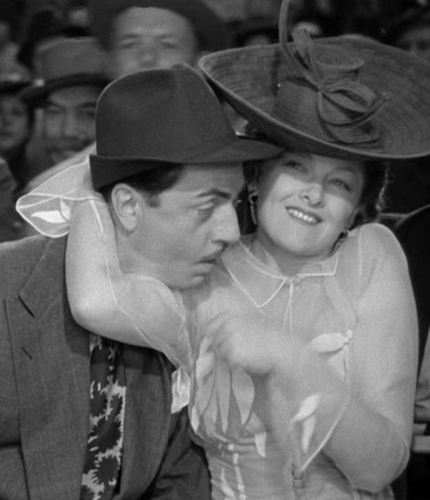
Here’s the joy I felt when I saw her name in my comments:

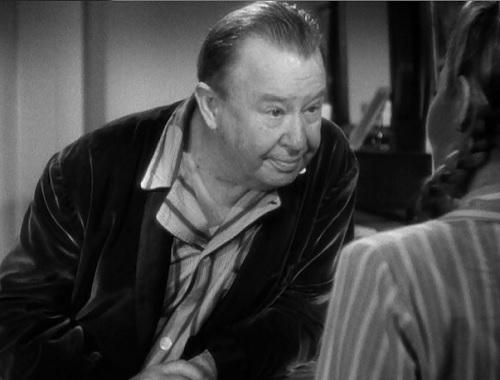
And most of all, I think of this character when I envision Paddy: the wise one who knows how to be silly, to balance warmth and honesty with wit, to say just what’s needed, and to do what will always make you smile.

I miss you, Paddy.

Share
Posted in: Uncategorized Tagged: blogging, blogging community support, Caftan Woman, Paddy

Mae West: The Unchanging Heroine

10/20/2021 by leah@carygrantwonteatyou.com 12 Comments

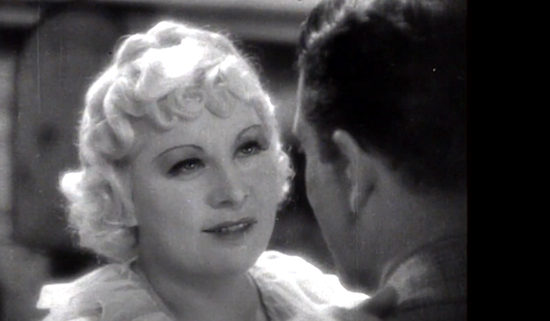
I grew up resenting a lot of the rom-com fare on television and film. Always, it felt, the woman had to change to find love. Sandy in Grease was just the start: Learn to strut. Show that cleavage. Pull your hair out of the bun! Relax! Be feminine! Learn to bake or something.

Maybe that’s why I love Mae West so much: In her films, she’s the only one who never has to change. Anyone who doesn’t get her? They better start, if they want Mae’s company. (And they ALWAYS want Mae’s company.)

Mae’s unrepentant, very human, hilarious heroines are perfect, just as they are. Cleo from Goin’ to Town (1935) is just one example.

Cleo decides she wants a particular upper-crust guy. After her (literal) lassoing of him doesn’t win him, she decides to change herself over into a classy lady. Which pretty much means she convinces everyone she already is one.

**Some spoilers**

Oh sure, Cleo picks up some new hobbies: horse betting, husband collecting, and opera performances. But Cleo is Cleo. When she plots her rise, we all know she’s going to get there.

Favorite Moments

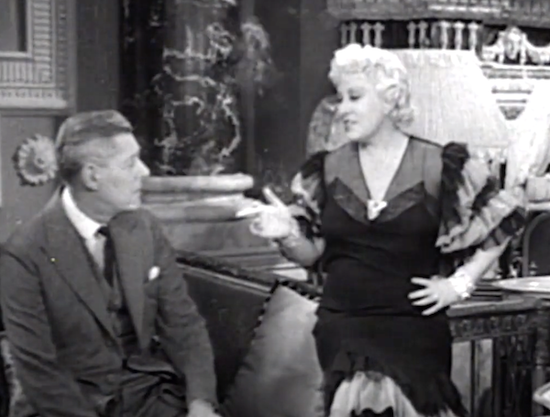
The fashionable ladies visit her after her fashionable marriage. Trying to insult her, they press her about her lineage:

Socialite: “Speaking of relatives, Mrs. Colton, have your ancestors ever been traced?”

Cleo: “Well, yes, but they were too smart, they couldn’t catch ’em.”

She says this, mind you, while intent on cracking nuts.

And, of course, who can forget the scene when Cleo plays Delilah? (Her description of Delilah is “one lady barber who made good.”)

While she sings in a high register (therefore, I assume, proving she has the pedigree to pull off opera), she does her va-voom hip shimmies between notes, proving that she’ll always be a dance hall girl.

And in a Mae West movie? There’s nothing better to be.

I’ve written before about how Mae can always pull me out of a bad mood. That’s why I chose to re-watch one of her films for the Classic Movie Blog Association’s fall blogathon, Laughter Is the Best Medicine. Don’t miss the other entries from my talented peers!

Share
Posted in: 1930s films, Blogathons, Childfree, Comedies (film), Romantic Comedies (film), Uncategorized Tagged: best rom-coms, class comedies, comedies, Goin to Town (1935), Mae West

Talking about Clerks

09/23/2021 by leah@carygrantwonteatyou.com Leave a Comment

My friends Brian Wilkins and Mike Gutierrez and I chat about that classic cult film and workplace comedy. Listen in!

Share
Posted in: 1990-current films, Comedies (film), Uncategorized Tagged: black and white modern films, indie films, Kevin Smith films, workplace comedies

Reality Bites: Podcast Episode

09/20/2021 by leah@carygrantwonteatyou.com Leave a Comment
Share
Posted in: 1990-current films, Uncategorized Tagged: Ben Stiller director, Ethan Hawke, Janeane Garofalo, Reality Bites, Winona Ryder

90s Films

09/13/2021 by leah@carygrantwonteatyou.com Leave a Comment

Have you ever wondered why Winona Ryder’s character in Reality Bites has friends? Or why Julia Delpy doesn’t have legions of men following her off the train in Before Sunrise? Or why every person in customer service doesn’t watch Clerks? So have we. Join my friends’ and me for our second series on our podcast, Nobody Knows Anything.

Share
Posted in: 1990-current films, Comedies (film), Drama (film), Oscars, Romance (films), Romantic Comedies (film), Uncategorized Tagged: 90s, Before Sunrise, Bottle Rocket, Clerks, coming of age films, Reality Bites, Romeo + Juliet

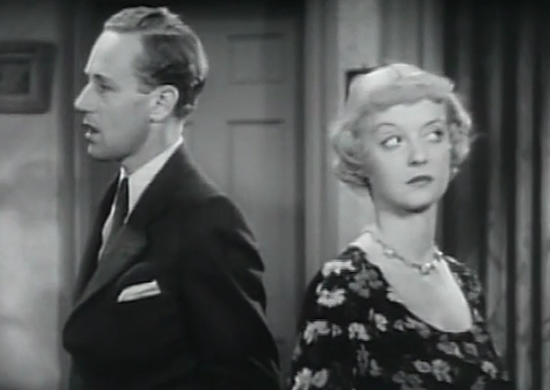
Bette Davis Crushes Leslie Howard

04/04/2021 by leah@carygrantwonteatyou.com 7 Comments

I read Of Human Bondage as a preteen/teen and was moved by the story of a would-be artist who eventually discovered that a simpler life of helping others was his route to happiness. As a wannabe artist myself, Philip’s journey was meaningful, even enlightening. His time practicing medicine for a poor community won the respect of his patients and his gruff superior—even crushed the snootiness that had marred the rest of his life. While Philip’s extreme sensitivity (related to his club foot) was what drew me as an angsty young girl, it wasn’t his only trait. He was funny, self-aware, compassionate—a fully rounded character.

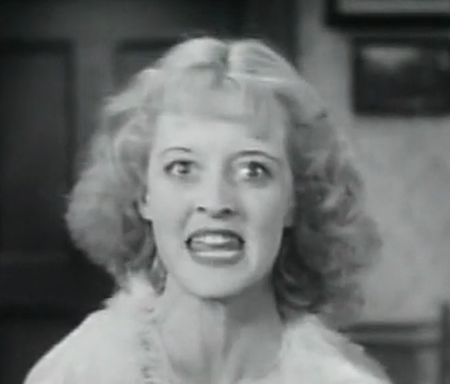
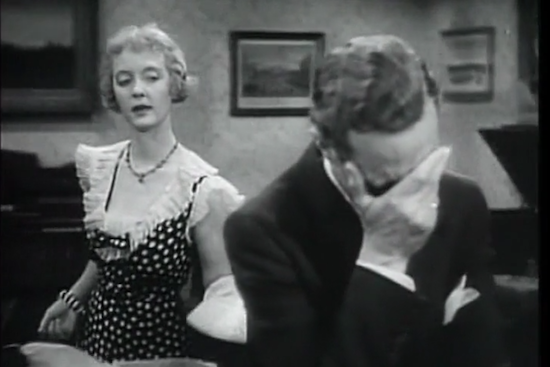
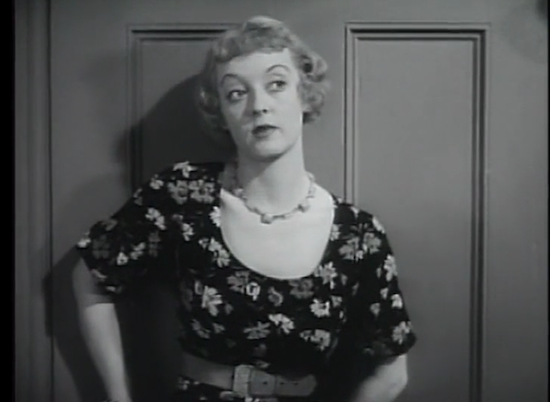
What Hollywood would do to William Somerset Maugham’s reflective character I had a right to fear, especially since the 1934 version was known as Bette Davis’s breakout role. She played the extremely unlikable Mildred, a mean-spirited waitress who detours Philip on his journey. Mildred traps him in his lust for her, but never pretends to like or be faithful to him. She sucks away his time, energy, and money, and he’s too weak to resist.

She is, in short, one of Maugham’s complex female characters: fascinating, headstrong, real—the kind of role actresses are craving now, almost a hundred years later. And with an ambitious young Davis at the helm, sick of her milksop roles and ready for something meaty, what chance did Leslie Howard have for any attention (his starring role notwithstanding)?

No one can stand up to Davis in full chewing-the-scenery mode.

She doesn’t nail the accent, but Davis does fully personify this selfish woman, particularly her flirtatious nature and prickly pride. She shows how Mildred’s self-interest–her primary trait–can’t stand up to her destructive passions. Except for her trademark burning magnetism, Davis is nearly unrecognizable in the role: she BECOMES Mildred.

She famously only got a write-in nomination that year, but won the Oscar the next, most say in compensation for the MIldred loss. Bette’s (Cockney?) accent is regrettable, but everything else about her characterization is perfect.

I’m not sure if writer Lester Cohen decided the movie would be the Philip-Mildred show, given that part of the book’s high drama, or if director John Cromwell saw what he had in Davis and switched it accordingly. But poor Philip’s spiritual journey is reduced to a few scenes, with conversations with Mildred and his later love Sally (Frances Dee) meant to explain his transformation.

Basically, fans of the book can enjoy the fine sensitivity of Philip on screen, which Howard carries off. But Philip’s growing devotion to his career is off the screen. Somerset Maugham was a genius at empathy, and his semi-autobiographical masterpiece shows how Philip’s extreme sensitivity, such a burden as a child, led to his success and happiness as a humble doctor (just as Maugham’s sensitivity to his stutter may have made him a great writer). That theme is totally lost in the don’t-date-women-like-Mildred messaging of the film.

So as far as capturing the book, this film fails. But the movie does nail William Somerset Maugham’s trend of giving female characters their due. I’ve written before about how frequently actresses in his stories are nominated for (and often win) Oscars once his films are screened—including Annette Bening, who should have won for Being Julia.

Look at Davis: wins her Oscar for Dangerous because of her performance as Mildred, then gets nominated for The Letter, another of Maugham’s most famous stories, just six years later.

If that isn’t an advertisement for the continual reading of William Somerset Maugham’s body of work, I don’t know what is. And that–in my eyes–is what makes for a successful film adaptation.

Check out Silver Screen Classics‘s Classic Literature on Film blogathon for more adaptations of your favorite books!

Share
Posted in: 1930s films, Anti-Romance films, Blogathons, Drama (film), Feminism, Uncategorized Tagged: Bette Davis, great female roles, Leslie Howard, Of Human Bondage, William Somerset Maugham

New Podcast on Conspiracy Films!

03/18/2021 by leah@carygrantwonteatyou.com Leave a Comment

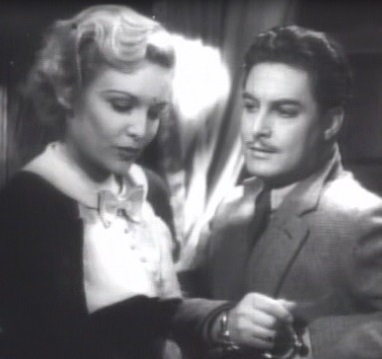
Join my friends and me as we talk about conspiracy films in this conspiracy-laden moment in history! It’s such fun talking film with my witty partners, Michael Keenan Gutierrez and Brian Wilkins. And I think you’ll enjoy our strange journey–from an early Hitchcock to the present moment. The 39 Steps and Dr. Strangelove start us off. Check out our podcast, Nobody Knows Anything, or go directly to Spotify or Apple Podcasts to find us. We’ll be posting more in the coming days on our Twitter and Instagram accounts. We begin by thinking about the important things, like how attractive you have to be in order to seduce an international spy with haddock. (Answer: Robert-Donat-with-a-mustache attractive.) For excerpts from our conversation, click below!

Here’s a clip of our 39 Steps talk!
And here’s a clip of our Dr. Strangelove chat.
Share
Posted in: 1930s films, 1960s films, 1970s films, 1980s films, 1990-current films, Uncategorized Tagged: Bourne Identity, Captain America: The Winter Soldier, conspiracy movies, Dr. Strangelove, film reviews, films, podcast, The 39 Steps, They Live, Three Days of the Condor

The Dude Versus Hitchcock

02/13/2021 by leah@carygrantwonteatyou.com 4 Comments

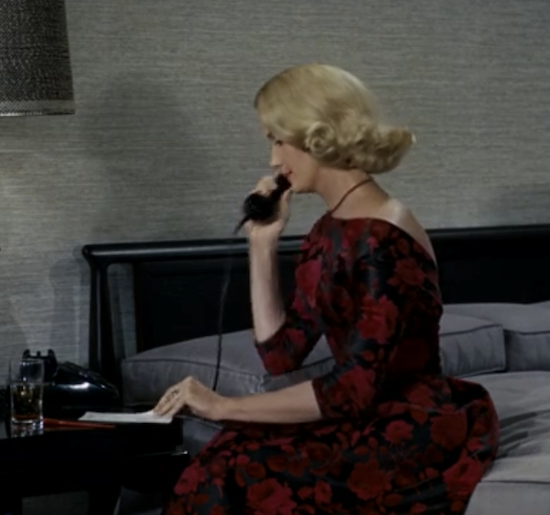
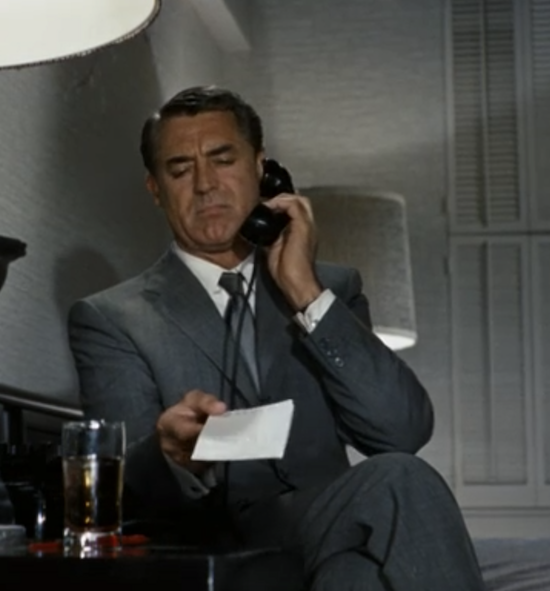
So the devious, sexy spy of North by Northwest, Eve Kendall (Eva Marie Saint), is trying to elude dupe Roger Thornhill (Cary Grant). She gets a secret call from her evil lover, Phillip Vandamm (James Mason), while she and Roger are together and writes down an address for their rendezvous.

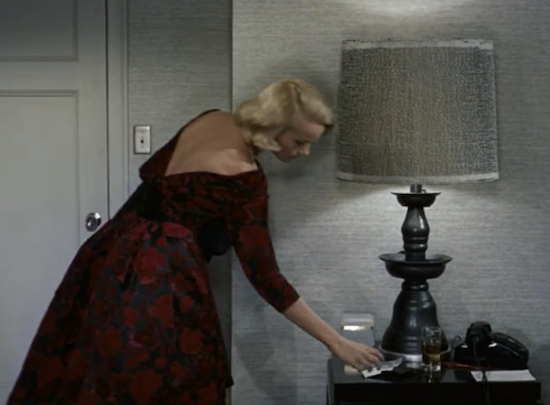
She carefully tears off the paper with the address, places it in her purse, and then—ready for this?—walks away without the notepad.

There’s that notepad, just a pencil trick away from exposing that address. Will she remember to bring it with her? Roger is watching!

Alas. She walks away.

Will she remember before she sneaks away? Of course, right? It was just a momentary oversight, her wits clouded by the sexiness of her target, Roger.

We see her pick up several other things.

(Oh, that sly Hitchcock.)

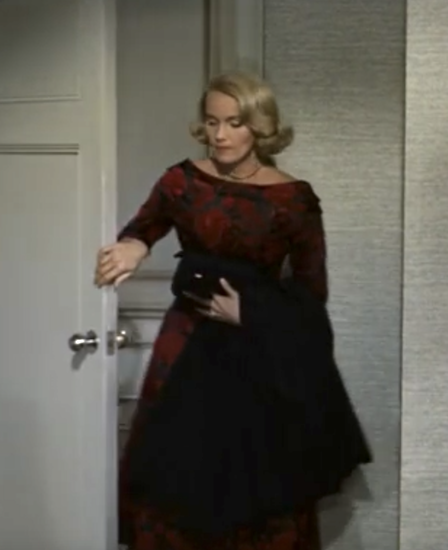
Then she leaves the room, SANS NOTEPAD.

Roger, having watched five minutes of television/film in his life, of course knows the pencil trick. He holds the paper this way and that….(Why? What does he think he’ll see?)

Cary Grant holds notepad with clue, North by Northwest

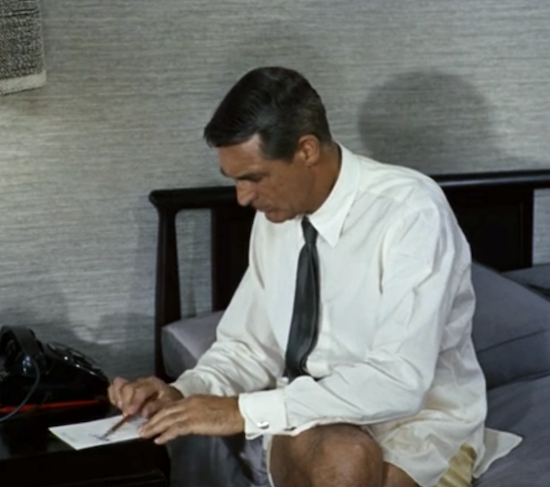
He takes out his pencil. He does the trick pant-less (in a kind gesture of Hitchcock’s, who knows his female fans).

Cary Grant does the pencil trick with his clue.

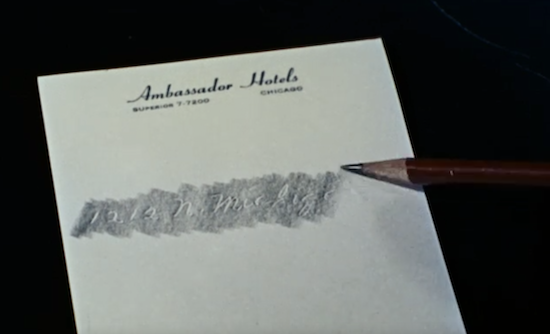
There the address is. The super-secret address Eve was so anxious to hide.

Invisible address exposed thanks to pencil.

How long have you known this trick?  Were you six? Maybe seven? I’m pretty sure Encyclopedia Brown taught me. It’s the kind of spy craft a child can understand and appears in every detective/noir/suspense film or TV episode that assumes its audience is young/dumb/abysmally ignorant of pop culture. Frankly, I would have thought such a plot device beneath Hitchcock. But he never did like giving his heroines much credit, so of course, this spy who has supposedly fooled JAMES MASON must be outsmarted by a different man. Who has a background in….advertising. And lives with his mother.

Yes, our sexy spy was outfoxed by a trick that Micky Mouse might have taught me in the 80s, back when Disney was hawking his image on magic trick books, and I thought that a wand that lifted a playing card with a hidden piece of string was really something.

True, the pencil maneuver wasn’t QUITE as old of a trick when Hitchcock used it, but it wasn’t exactly fresh in 1959. (Though, as my friend points out, today it might become new again, with so few people using pencils.)

I used to roll my eyes when I saw this pencil-and-notepad trick, annoyed by the lazy writing. But now I laugh. Because the Coens offered a send-up of this trite scenario in their—appropriately enough—satire of/tribute to The Big Sleep, The Big Lebowski. The Dude tries to outsmart a villain using the pencil trick. His excitement is intense at his own cleverness. But alas for the Dude, the “secret” isn’t what he expected. If you are of delicate sensibility, I wouldn’t advise it, but if you don’t mind some crude humor, enjoy this film clip and Jeff Bridges’ brilliance in it. (Watch that loopy run of his! And his “just acting natural” look at the end!)

There are many, many jokes about detectives in The Big Lebowksi. One of the most evident is that unlike those brilliant sleuths who with scant clues manage to figure out everything, the Dude can’t figure out anything—the mystery, which people are manipulating him, where his rug is. And unlike the driven fictional detectives who will sacrifice anything for the job, the Dude is pathologically lazy, sharing with them only some loose sense of ethics, questionable associates, and a love for alcohol (but with the Dude, of course, it’s not a hardboiled choice like whisky, but instead White Russians).

Yes, the Dude is not a good detective, and would be an even worse spy. But guess what, Hitchcock?

Even the Dude knows the pencil trick.

Share
Posted in: 1950s films, 1990-current films, Drama (film), Femme fatales, Film Noir/Crime/Thriller & Mystery, Humor, TV & Pop Culture, Uncategorized Tagged: Hitchcock, noir, North by Northwest, pencil trick, The BIg Lebowski, The Dude

5 Reasons to Watch Christmas in Connecticut

12/12/2020 by leah@carygrantwonteatyou.com 4 Comments

I can’t be bothered to root for a romance between anyone and Dennis Morgan, the heartthrob of Christmas in Connecticut. He always strikes me as smug, and his acting is pretty basic.  His character in this famous xmas film doesn’t help: As Jefferson Jones, he’s entitled, dishonest, and smarmy—from promising an engagement to get steak, to seducing a married woman.

Not that Elizabeth Lane (Barbara Stanwyck) is a pinnacle of honesty. And she’s tempting Jefferson every step of the way. But were it for the romance, I would have ignored this perennial Christmas choice in favor of other films, especially for the far sweeter relationship between Stanwyck and Fred MacMurray in Remember the Night.

But this film gets serious props for all of its non-romantic elements, and that’s what keeps me coming back to it, year after year. In order of increasing importance, here’s why I love this film:

Reason 5: Elizabeth Lane’s (Barbara Stanwyck’s) hilarious ignorance about and disinterest in children. From not being able to remember the gender of her baby (calling the baby “it”), to her surprise that swallowing a big watch could be fatal, this woman takes on the men’s typical role when it comes to baby knowledge in romcoms—and it’s rare to see that even today.

I particularly love when she just throws the diaper after she puts it on wrong.

Reason 4: Watching Barbara Stanwyck flipping pancakes. The scene when Uncle Felix (S. Z. Sakall) is trying to teach Elizabeth to prepare pancakes is hilarious.

That pleased look when she unexpectedly succeeds at flipping her flapjack later on is so beloved that you’ll see it in almost any Stanwyck documentary.

Reason 3: Elizabeth buying a fur coat for herself. Sure, I wish it weren’t fur, but her decision to buy a luxurious present for herself and not wait for a man to do so is the top reason this movie is well loved by my aunt, and I can see her point. Elizabeth is an accomplished writer and has earned the right to show off her successes, without waiting for anyone else to give her her due.

Reason 2: Uncle Felix, as played by Sakall (better known as Cuddles). I could listen to him say “catastrophe” all day long. What a joy this man is to watch, in every film. (I just wish I could track down his autobiography–still trying to get ahold of it!)

Reason 1: Barbara Stanwyck. Classic movie fans are obsessed with Stanwyck, but she’s often forgotten in the wider community–with the exception of this film. Since I think she was among the, if not the, most gifted film actresses ever, I’m so glad that at least one performance keeps her on people’s radar—even if they never realize her comic timing, charm, and talent are what make them want to keep watching this film again and again and again.

I hope you’ll watch this great film this Christmas—or for the first time if you haven’t yet. Just forget about the “rom” of the rom-com, and you’ll love it.

This is part of the Happy Holidays Blogathon! Check out the great entries here.

Share
Posted in: 1940s films, Blogathons, Childfree, Romantic Comedies (film), Uncategorized Tagged: Barbara Stanwyck, best Christmas films, best classic xmas movies, Cuddles, pancake scene
« Previous 1 2 3 4 5 6 Next »

Recent Posts

  • 100 Years Later, Still Scary: Dr. Caligari
  • Escaping Out of the Past (1947)
  • A Weeper for Those Who Love Jerks
  • Thank You, Academy, for Not Infuriating Me
  • Challengers (2024) Is a Bad Movie

Subscribe to Blog via Email

Enter your email address to subscribe to this blog and receive notifications of new posts by email.

Categories

  • 1920s films
  • 1930s films
  • 1940s films
  • 1950s films
  • 1960s films
  • 1970s films
  • 1980s films
  • 1990-current films
  • 2020s films
  • Action & Sports Films
  • Anti-Romance films
  • Blogathons
  • Childfree
  • Comedies (film)
  • Drama (film)
  • Feminism
  • Femme fatales
  • Film Noir/Crime/Thriller & Mystery
  • Gloriously Silly Scenes
  • Horror
  • Humor
  • Mae West Moments
  • Musicals and dancing films
  • Oscars
  • Random
  • Romance (films)
  • Romantic Comedies (film)
  • The Moment I Fell for
  • Turn My Sister into Classic Movie Fan
  • TV & Pop Culture
  • Uncategorized
Share
Classic Movie Blog Hub Member

Recent Comments

  • leah@carygrantwonteatyou.com on Meg Ryan’s Fate Foretold in Joe Versus the Volcano
  • Ryan on Meg Ryan’s Fate Foretold in Joe Versus the Volcano
  • leah@carygrantwonteatyou.com on 100 Years Later, Still Scary: Dr. Caligari
  • The Classic Movie Muse on 100 Years Later, Still Scary: Dr. Caligari
  • leah@carygrantwonteatyou.com on 100 Years Later, Still Scary: Dr. Caligari

Archives

  • November 2025
  • September 2025
  • May 2025
  • March 2025
  • January 2025
  • November 2024
  • August 2024
  • July 2024
  • May 2024
  • March 2024
  • February 2024
  • December 2023
  • November 2023
  • October 2023
  • September 2023
  • August 2023
  • July 2023
  • May 2023
  • April 2023
  • March 2023
  • January 2023
  • December 2022
  • November 2022
  • September 2022
  • July 2022
  • May 2022
  • April 2022
  • March 2022
  • February 2022
  • October 2021
  • September 2021
  • April 2021
  • March 2021
  • February 2021
  • December 2020
  • October 2020
  • September 2020
  • July 2020
  • May 2020
  • April 2020
  • March 2020
  • February 2020
  • December 2019
  • October 2019
  • September 2019
  • June 2019
  • May 2019
  • April 2019
  • February 2019
  • January 2019
  • November 2018
  • September 2018
  • July 2018
  • June 2018
  • May 2018
  • April 2018
  • March 2018
  • February 2018
  • January 2018
  • November 2017
  • September 2017
  • August 2017
  • July 2017
  • June 2017
  • May 2017
  • April 2017
  • March 2017
  • February 2017
  • January 2017
  • December 2016
  • November 2016
  • October 2016
  • August 2016
  • July 2016
  • June 2016
  • May 2016
  • April 2016
  • March 2016
  • February 2016
  • January 2016
  • December 2015
  • November 2015
  • October 2015
  • September 2015
  • August 2015
  • July 2015
  • June 2015
  • May 2015
  • April 2015
  • March 2015
  • February 2015
  • January 2015
  • December 2014
  • November 2014
  • October 2014
  • September 2014
  • August 2014
  • July 2014
  • June 2014
  • May 2014
  • April 2014
  • March 2014
  • February 2014
  • January 2014

Meta

  • Log in
  • Entries feed
  • Comments feed
  • WordPress.org

Copyright © 2025 Cary Grant Won't Eat You.

Church WordPress Theme by themehall.com