Cary Grant Won't Eat You

Classic movies for phobics

  • About
  • eBooks
  • Previous Blogathons
Classic movies for phobics

The Moment I Fell for

Falling for Charles Coburn, Matchmaker Extraordinaire

09/27/2015 by leah@carygrantwonteatyou.com 6 Comments

Coburnadvice
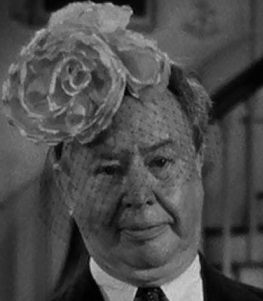
Has there ever been a Cupid more charming than Charles Coburn?

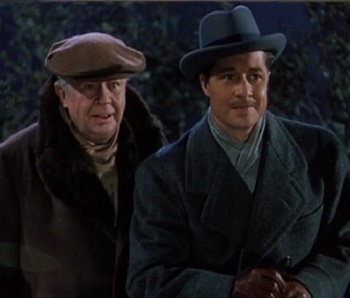
He smartens up the debonair Henry Van Cleve (Don Ameche), ensuring he doesn’t lose his lovely wife, Martha (Gene Tierney) in Heaven Can Wait (1943).

CharlesCoburnwithDonAmeche
He pushes his widowed daughter-in-law (Irene Dunne) into frivolity and a new chance at love with sculptor George Corday (Charles Boyer) in Together Again (1944).


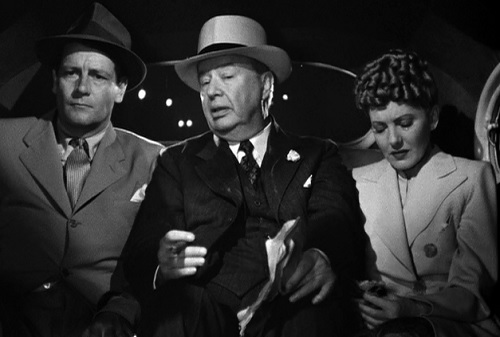
And in The More the Merrier (1943) he unites conservative Connie (Jean Arthur) and Joe (Joel McCrea), with machinations so wonderful and so amusing that they almost distract from his costars’ considerable chemistry.

McCreaCoburnArthur
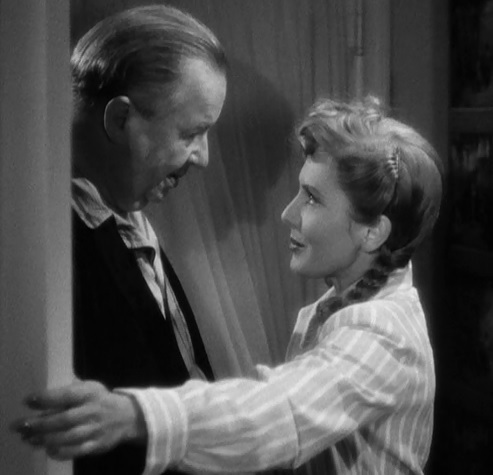
There was a moment when I was watching him bustle around, trying to follow Connie’s morning schedule, that I realized I truly loved this man, was terribly envious of everyone encountering him. Connie may ultimately fall for Joe, but I think we all can see that those arrows have hit more than one target.

ArthurandCoburn
I defy anyone to spend time with someone this wise, this funny, this blunt–every time, in every film–and be able to resist him. No wonder he matches up so many couples, so many times. They fall for him first, and then even those most resistant to love begin to listen….

Share
Posted in: 1940s films, Comedies (film), Romantic Comedies (film), The Moment I Fell for Tagged: Charles Coburn, Heaven Can Wait (1943), The More the Merrier (1943), Together Again (1944)

The Moment I Fell for Claudette Colbert

09/13/2015 by leah@carygrantwonteatyou.com 12 Comments

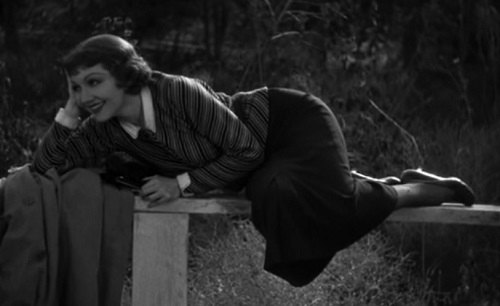
ClaudetteColbert-Ithappenedonenightlying
Today I’m reflecting on that tiny woman with the deep, sexy voice who managed to develop fully realized characters even in the smallest of roles. And in her greatest ones, set the bar so high for future comediennes that few have managed to approach, much less equal, her performances since.

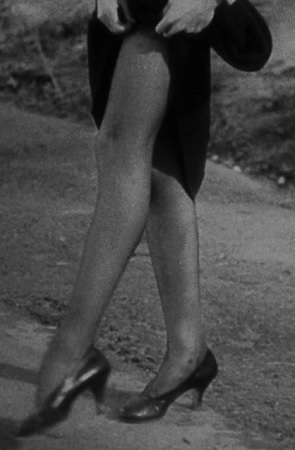
Like many of us out there, I knew Claudette Colbert’s legs first, as she starred in one of the most iconic scenes in American film, proving “once and for all” that when it comes to hitchhiking, “the limb is mightier than the thumb.”

ClaudetteColbertlegs
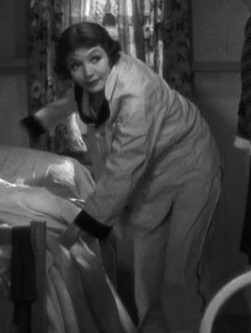
It took several years after seeing the image of her legs that I actually got around to It Happened One Night, which I’ve watched at least 30 times since. In her Academy-winning role as Ellen Andrews, she first perfects a chilly posture and refined voice as the stuck-up heiress. But slowly, Colbert reveals Ellen’s vulnerabilities and inexperience through expressions, gestures, stance, and tone. When Ellen and soon-to-be love interest Peter Warne (Clark Gable) stop at a motel en route to New York, she is ill at ease with the arrangement he makes to keep the room platonic–strapping a blanket between their beds. While she’s technically married, she has never been with a man. When she oversleeps the next morning, Peter threatens to come get her, and her clumsy, embarrassed fumbling to ensure he doesn’t makes me laugh every time I see it.

ClaudetteColbert-ItHappenedOneNight
That winning performance made me a fan. Without it, I never would have sought out The Palm Beach Story, Midnight, and so many other wonderful movies since. Although I appreciate Colbert’s dramatic abilities, her skill with romantic comedy is what wows me. Here are just a few of the megastars she managed to upstage, in spite of the camera’s deep love for them (and theirs for it): Miriam Hopkins in The Smiling Lieutenant (1931), Clark Gable in It Happened One Night (1934), John Barrymore in Midnight (1939) and John Wayne in Without Reservations (1946).

So on her birthday, I’d like to say thank you to the actress who has lightened my mood again, and again and again: the mesmerizing Claudette Colbert.

Share
Posted in: 1930s films, 1940s films, Feminism, Romantic Comedies (film), The Moment I Fell for Tagged: Claudette Colbert, Frank Capra, It Happened One Night

The Moment I Fell for Eve Arden

12/18/2014 by leah@carygrantwonteatyou.com 4 Comments

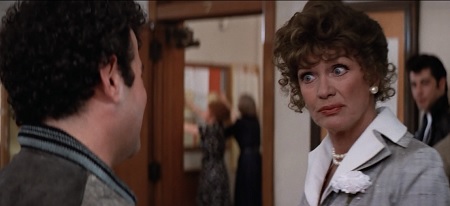
McGee Announcements Grease
In the early eighties, all the girls I knew pined for large hoop earrings, curly hair, and tight pants just like the changed Sandy in Grease. We piped “You’re the One that I Want,” with its requisite “oooh, oooh, ooohs,” imagining we could lure Danny into the sky with us.

Grease
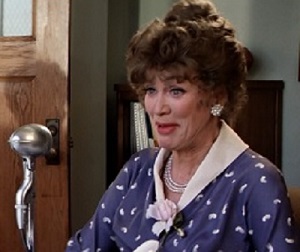
Grease had a staying power thanks to the number of times it was replayed on TV. Although my attention was drawn to all of the figures who rocked leather, one of the administrators made an impression too. Something about those ringing tones of Principal McGee’s (Eve Arden’s) reached me. Her combination of idealism, exasperation, and cynicism echoed adults I knew as she alternately disciplined and inspired Rydell High’s seniors. In a throwaway part, this actress had developed a fully realized character, one for whom I could imagine a history of victories and frustrations with students. She made an impact even on the beauty-enthralled kid that I was.

I didn’t make the connection years later when I listened to Eve Arden’s verbal wizardry in Mildred Pierce (1945). But I looked her up on IMDB, hoping to find her elsewhere, and knew then why Principal McGee had affected me. This was Eve Arden, people, the master of the one liner, the woman who could annihilate a victim with one breath of her scathing tongue. Of course she could match wits with teenagers. Of course they couldn’t fool her and thus convert her into another of the anonymous adults in teen flicks. She was humoring them. She was holding back. She was—dare I say it—so much cooler than they were.

Take the scene when Sonny (Michael Tucci) decides he’s going to stand up to her when he inevitably lands back in her office. “This year she’s gonna wish she’s never seen me,” he tells his buddy. “I just ain’t gonna take any of her crap, that’s all, I don’t take no crap from nobody.”

“Sonny?” she interrupts.

“Hello, ma’am,” he says, all bluster gone.

“Aren’t you supposed to be in homeroom right now?”

“I was just going for a walk.”

“You were just dawdling, weren’t you?”

“Yes, ma’am.”

EveArden-PrincipalMcGee
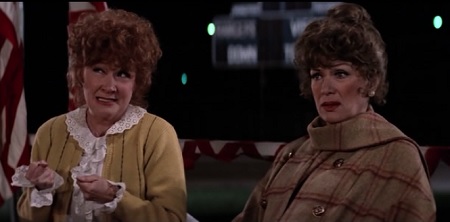
Even funnier are her remarks and reactions to her incompetent and slightly insane assistant, Blanche (Dody Goodman). Her resignation when Blanche overreacts to the coach’s pre-game enthusiasm is just one example of her understated genius.

BlancheandMcGee
Like any good comedian, Arden knows just how to give words emphasis, just how to raise that eyebrow, just how to make what could have been a passing moment snap. Oh, how I love the woman.

I think I fell for her from the start of Mildred Pierce, but I didn’t realize I had until near the end of the film.

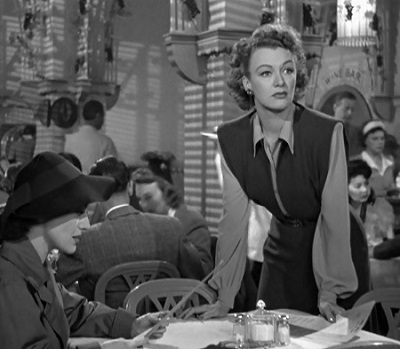
IdaMeetsMildred
She plays Ida, the business manager for the restaurant owner (Joan Crawford) who repeatedly sacrifices all of her money, time, and hope for her spawn-of-Satan daughter, Veda (Ann Blyth).

Ida’s humor is evident from the start, as when she agrees to give Mildred a job as a waitress just after she separates from her husband. “Kind of a nervous gal, aren’t you?” Ida observes. “Well, you wanna watch that, it’s tough on dishes.”

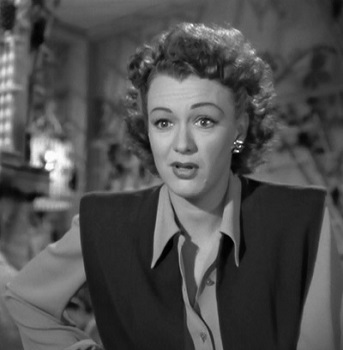
Ida is the ultimate sarcastic sidekick; her dry delivery is a great foil to Crawford’s sentimental, feminine performance. “When men get around me, they get allergic to wedding rings,” Ida explains when asked about her single status. “You know, big sister type. Good old Ida, you can talk it over with her man to man.”

EveArdenMildredPierce
“I hate all women,” Mildred’s business partner, Wally (Jack Carson), says to Ida after Mildred rejects his romantic overtures. “Thank goodness you’re not one of them.”

Ida smirks. “Laughing boy seems slightly burned at the edges,” she observes to Mildred. “What’s eating him?” In fact, every scene between Carson and Arden makes me wish for more, as when Ida gives Wally orchids to put away, saying, “Here, muscle.”

Ida’s critiques of Mildred’s boyfriend, Monty, are always amusing too, even though the man (and actor) is no match for her. When the aristocratic Monty says, “Oh, I wish I could get that interested in work,” Ida drawls, “You were probably frightened by a callus at an early age.” Later, after he’s been milking Mildred and expresses surprise that she might have business problems, Ida retorts, “Don’t look now, but you’ve got canary feathers all over your face.”

MontyIdaVeda
But she reserves her greatest slam for Mildred’s parasitic daughter. “Why don’t you forget about her?” she asks Mildred after watching the abusive pattern between the two for years.

IdaMildred-EveArden
Mildred babbles about what a daughter means to a mother, leading Ida to this classic response: “Personally, Veda’s convinced me that alligators have the right idea. They eat their young.”

I’m not sure why it took me that long, but that’s when I knew for sure I’d found an actress I’d never tire of watching—and more importantly, hearing. I think we can all be thankful Arden was never a huge star, as it meant she would wring everything she could from each line, each expression, and never stop making us laugh.

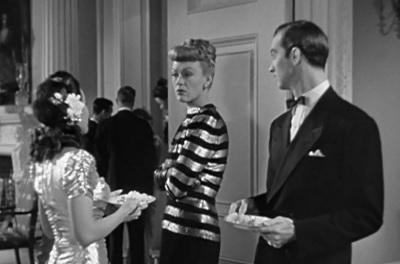
Arden and Ball wow in Stage Door

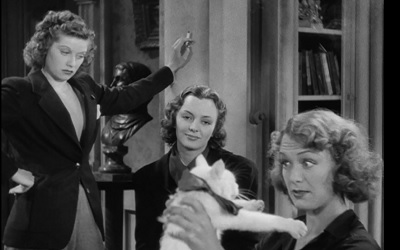
Lucille Ball and Arden hilarious in Stage Door

Share
Posted in: 1940s films, 1970s films, Comedies (film), Drama (film), Feminism, The Moment I Fell for Tagged: comedic sidekicks, Eve Arden, Grease, Ida, Mildred Pierce, Principal McGee

The Moment I Fell For: Alice Brady

10/31/2014 by leah@carygrantwonteatyou.com 14 Comments

This is part of the Classic Movie Blog Association’s Forgotten Stars blogathon. Check out the other entries!

AliceBrady-top
When you type Alice Brady into a Google search, a flood of entries appear—but not for the talented actress who won over My Man Godfrey audiences in her role as the flighty head of the Bullock clan. Instead, the character of Alice (Ann B. Davis) from the Brady Bunch pops up. I enjoy my 70s kitsch as much as the next gal, but I find it troubling that the lasting fame of Brady, an actress who already was granted too few years (she died at 46), should be shortchanged as a result of everyone’s favorite cheesy housekeeper. Here are a few reasons why Alice Brady needs to be remembered:

She Could Outdazzle Ginger Rogers
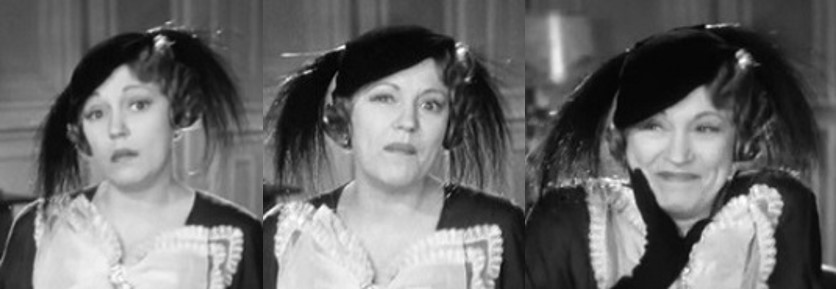
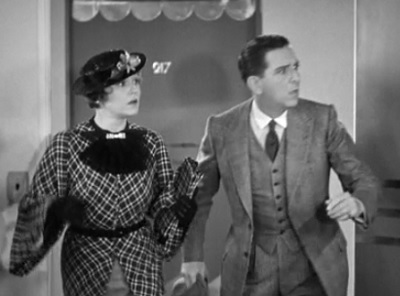
In The Gay Divorcee Aunt Hortense (Alice Brady) hires her former fiancé Egbert (Edward Everett Horton) to help her niece (Ginger Rogers) attain a divorce. While I am amused by Mimi’s (Rogers’s) attempts to divorce her husband and her suitor’s (Fred Astaire) confusion over the hijinks that ensue, their romance is completely outdone by the duo of Horton and Brady, who vie each other for who can be the most foolish. Hortense interprets any of Egbert’s idiotic actions—agreeing with her that geometrists are synonymous with geologists, wearing a finger puppet while conducting business—as signs of his continued love for her. When leaving his office, Hortense becomes weepy, saying, “You know, divorces make me so sentimental. Don’t you wish it was ours?”

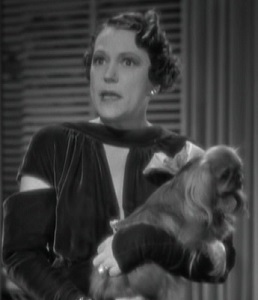
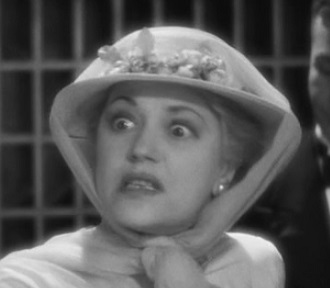
This exchange would have been funny with almost any actress. But this is Alice Brady. A few images should give you the idea of just how fun this moment—and their whole romance—is, and just why from that moment forward, I sought out Brady films. Just check out how expressive she can be in one short scene, and this without the delightfully funny trill of her amazing voice:

AliceBradyGayDivorceecom
As a fervent Astaire-Rogers fan, I’m usually annoyed by the subplots that take away from dance number time. But in this case, I was eager to see Hortense again, even becoming impatient with the dancing. Who wouldn’t smile to see the amazing Horton and Brady together?

Egbert andhortense-BradyandHorton
She Could Do Everything—Drama, Comedy; Film, Stage
Despite her producer dad’s strong objections, Brady, born in 1892, followed the family business by becoming a Broadway actress, and spent her youth alternating between screen and stage, mainly in dramatic roles, including as Lavinia in the first performance of Mourning Becomes Electra.

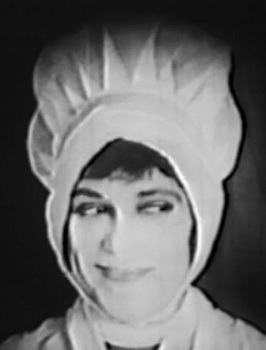
While I’ve only tracked down one of her many silents, Betsy Ross (1917), its absurd, overdramatic plot is worth viewing if only for this great line: “Thee is too spicy for a Quakeress, Betsy! I fear for thee.” Does any word suit this wonderful actress more?

Brady as Ross

Brady as Ross

Brady left the screen for a decade, focusing on the stage as Hollywood revolutionized its production. She returned in the sound era with perfect comic timing and delivery, no doubt honed in Broadway roles in such comedies as The Pirates of Penzance.

AliceBradyIndignant
In typical Oscar fashion, the Academy nominated her for the romantic comedy My Man Godfrey, but only granted her the award when she starred in a drama. She played an Irish mother (Molly O’Leary, owner of the famous arsonist cow) beset by her children’s squabbles in In Old Chicago. What’s fascinating about the film is how understated her performance is, even for the stereotypical tough Irish mom she’s playing. For a woman who verged toward the theatrical in her comic roles, it’s interesting to find her often going for a quiet harrumph rather than a shout.

She Could Spar with William Powell
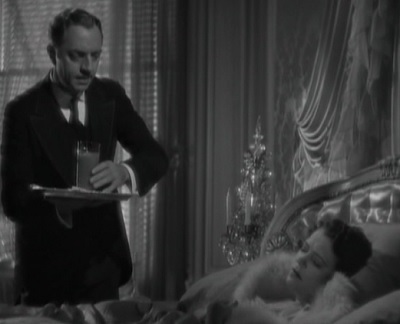
She’s good in the O’Leary role, but it pales in comparison to her comic gems. I’m not even a fan of My Man Godfrey, which feels a bit preachy to me and relies on too many sets of Carole Lombard hysterics. But I could watch her hangover scene with William Powell all day long.

PowellandBrady
Her near-comatose presence is so funny given her later zaniness, as is her conviction that pixies are haunting her. When her new butler (Powell) tells her the tomato juice he’s serving is pixie remover, her flat delivery is priceless:

“Oh, then you see them too,” she drones.

“They’re old friends,” he responds.

“Yes, but you mustn’t step on them,” she explains calmly. “I don’t like them. But I don’t like to see them stepped on.”

She may not be remembered as much as she should be, but we classic film buffs would be the poorer without this “spicy” actress.

AliceBradyGoldDiggers
Random Facts:
A man claimed her Oscar at the Academy Awards when she was too sick to be present; apparently, no one ever had a clue who he was, including Brady.

Brady tried to get massages as a deduction on her income tax, claiming looks essential to her role as an actress, but, as her New York Times obituary writer wryly noted, “The government remained unmoved.”

Share
Posted in: 1930s films, Blogathons, Comedies (film), The Moment I Fell for Tagged: Alice Brady, Classic Film Blog Association, In Old Chicago, My Man Godfrey, The Gay Divorcee

The Moment I Fell for Van Heflin

09/23/2014 by leah@carygrantwonteatyou.com 13 Comments

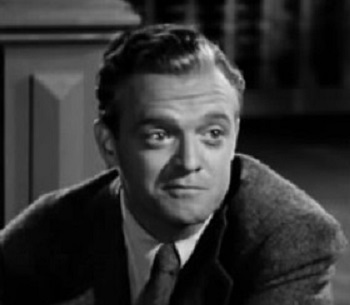
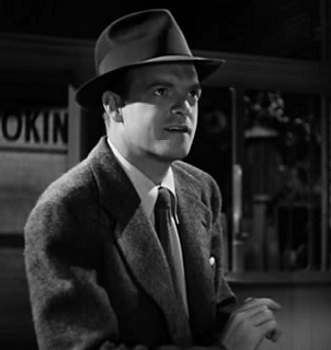
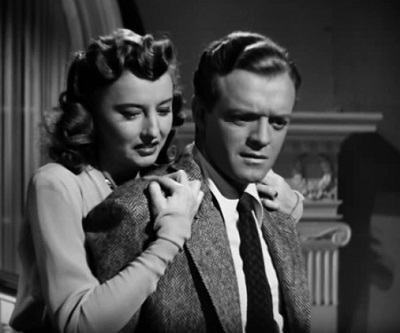
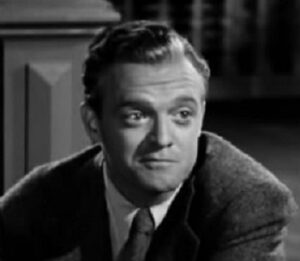
Heflincurious
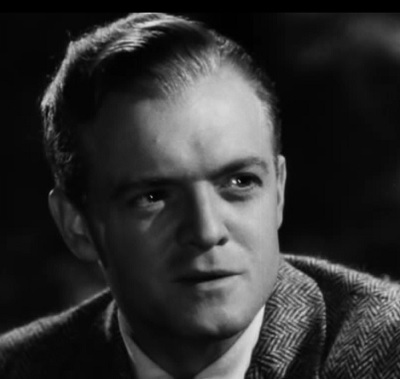
I didn’t know a thing about Van Heflin when I saw The Strange Love of Martha Ivers (1946). I picked the movie because of my love for Barbara Stanwyck, whom I assumed from the title would be the star of the film; I didn’t realize she wouldn’t appear until half an hour into it.
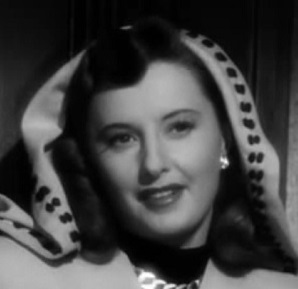
Stanwyck, the versatile actress

Stanwyck in The Strange Love of Martha Ivers

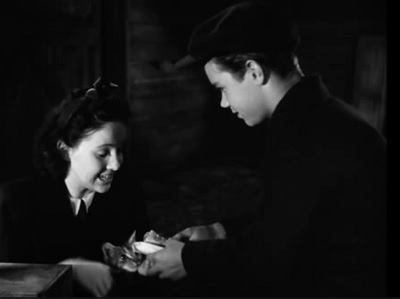
The story begins in 1928. Young Sam Masterson (Darryl Hickman) is trying to convince his crush, Martha Ivers (Janis Wilson), to run off to the circus with him. Sam is always evading the police thanks to Martha’s aunt (Judith Anderson), Mrs. Ivers, the wealthy woman who owns the town. Only if they run away can they be together. Unfortunately, their initial efforts are foiled by tattletale Walter, who likes Martha too.
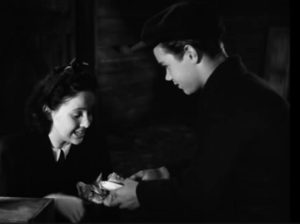
YoungSamandMartha
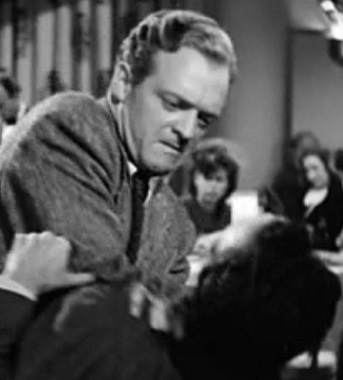
Sam does run away, but just before Martha flees to join him, Mrs. Ivers beats her beloved cat to death, and Martha retaliates by striking her aunt with the same cane. We see Sam riding a train just as his crush is concealing the murder with the aid of her greedy tutor and Walter, his son.

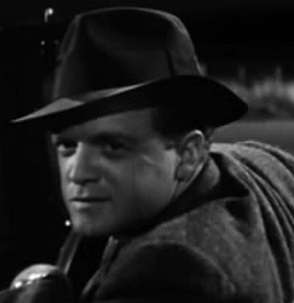
The film jumps to 1946. Sam has grown up to become an easygoing professional gambler (Van Heflin). In his car with a hitchhiking sailor, Sam catches sight of a “Welcome to Iverstown” sign.

“Well, whaddya know?” he says. “….Leave a place when you’re a kid, maybe seventeen, eighteen years ago, and you forget all about it, and all of a sudden you’re driving along and smacko, your own hometown up and hits you right in the face.”

He’s so surprised that he turns around to see the sign again and crashes his car.
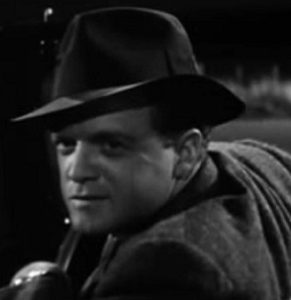
Heflin-driving
Laughing at himself, he explains to his befuddled companion, “The road curved, but I didn’t.”

“Welcome to Iverstown,” he says to himself as he heads there for repairs. “Well, maybe this time, they mean it.”

I had expected to be disappointed by Stanwyck’s costar, as I usually am. Even actors good in other films come across as flat or artificial next to an actress this natural, and as downright stilted if unskilled to begin with (i.e., Herbert Marshall).

Captivated by the self-deprecation of Heflin’s character and his unexpectedly casual responses to conflicts, I soon forgot Stanwyck was even in the movie. I think I’d fallen for Van Heflin before he got out of the car.
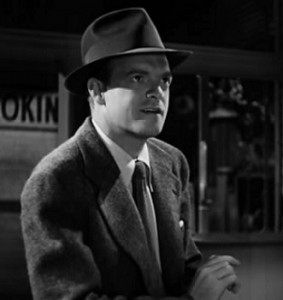
Discovering that “scared little boy” Walter is now a DA

Discovering that “scared little boy,” Walter, is now a DA

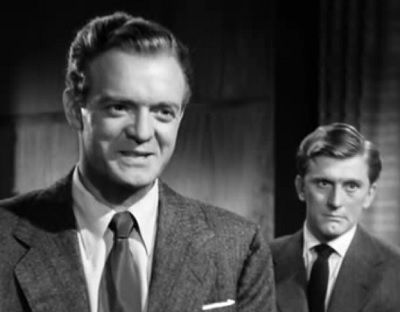
Heflin is an excellent foil for the scheming adult Martha (Stanwyck) and her alcoholic, tortured husband, Walter (Kirk Douglas). Sam’s relaxed, freewheeling persona acts as a kind of tonic to his tightly wound former love and a poison to her jealous and fearful husband, who assumes this childhood friend is back to blackmail them. Like Mrs. Ivers before him, Walter tries to drive Sam away. But Sam is no longer as powerless as he once was.

Heflin is every bit as comfortable in his role as Stanwyck is in hers, and the naturalness I would soon discover to be a hallmark of his acting works perfectly here, contrasting with the duplicitous couple’s double dealing. What makes Heflin so attractive as an actor is that same ease of movement Stanwyck possesses; it wasn’t surprising to discover this man spent much of his life as a sailor. Clearly, he finds his sea legs in every part quickly, and that comfort in his skin and in his environment is seductive to watch. By the time he meets Martha again, even the usually compelling Kirk Douglas is hopeless against him (Douglas plays an atypical part here, and is wonderful in it).
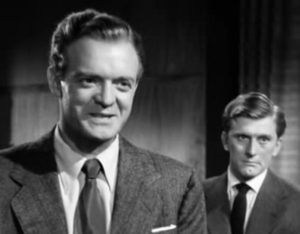
Seeing Martha again

Seeing Martha again

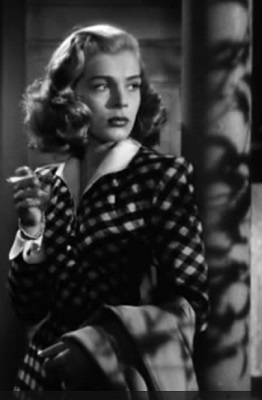
Heflin was not a traditionally attractive man, and famously remarked that “Louis B. Mayer once looked at me and said, ‘You will never get the girl at the end.’ So I worked on my acting.” Whatever he did worked: He’s so riveting to watch that I never questioned any woman Heflin won, even one as jaw-droppingly sexy as parolee Tony (Lizabeth Scott), who falls for Sam as he’s wandering around Iverstown.

Gorgeous Scott as Tony
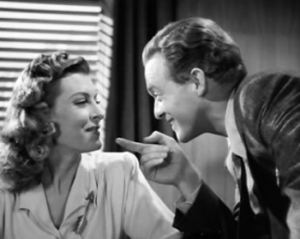
Gorgeous Scott as Tony

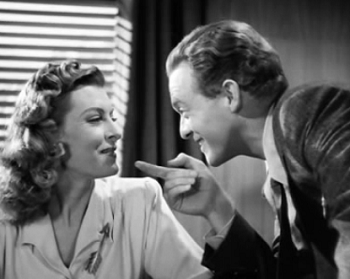
Flirting with Walter's secretary to get an appointment

Flirting with Walter’s secretary

In fact, I’m more likely to question when Heflin doesn’t get the girl, as when Jean Arthur starts to fall for pretty-boy Alan Ladd in Shane over her tough husband (Heflin), or when Lana Turner prefers boring Richard Hart in Green Dolphin Street (to be fair, the character’s choices were just as baffling in the book). Even when Heflin plays a less courageous part than he usually does, as in 3:10 to Yuma, he’s always got some kind of hard, immovable core of strength to him. In The Strange Love of Martha Ivers, where I saw it first, this mental and physical strength appears when Walter starts to mess with him—and worse, with Tony.
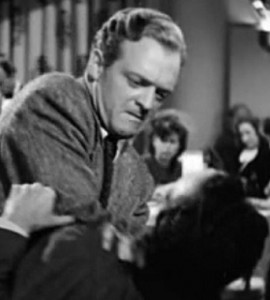
Fighting the detectives who stooge for Walter

Fighting Walter’s detectives

Yet Heflin is just as adept at playing kindness as brawn, as when Tony (Scott) betrays Sam out of weakness and then asks him to hit her because of it. Of course, he refuses to hurt her, but he does more than that: he shows compassion for her behavior. “The only thing you got coming, kid, is a break,” Sam says, the simplicity of his delivery conveying his conviction.

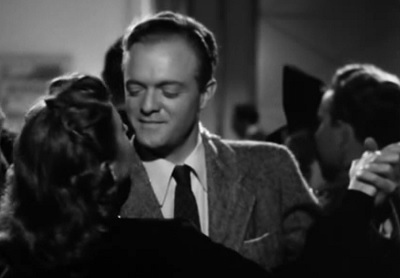
And it is a joy to see Heflin in scenes with Stanwyck. Sam suspects he’s in love with Martha, and even though the audience knows he should steer clear, it’s hard not to root for them, since it means more scenes with these two brilliant actors, and fewer with the less talented Scott.
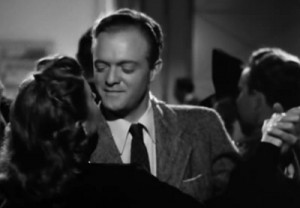
HeflinandStanwyckdance
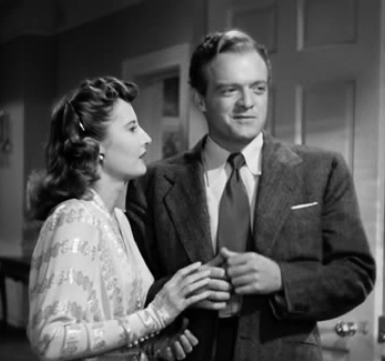
The chemistry between the two is strong. It’s wonderful to witness Stanwyck unable to dominate an actor, to see in him an equal.
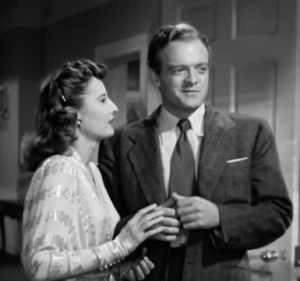
HeflinandStanwycktogether
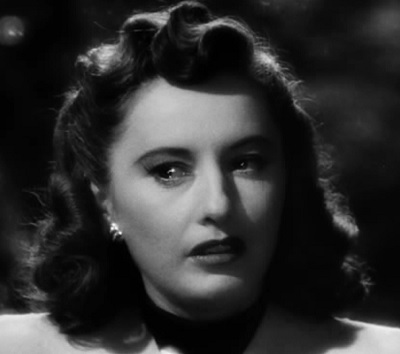
Aware that she can’t manipulate Sam, Martha panics after she reveals her secret to him. Of course, Stanwyck conveys that fear in one look, as only she can:
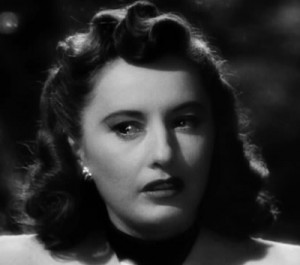
MarthascaredStanwyck
And Heflin’s understated response portrays his excitement about her honesty, his understanding of her distress, and his disgust at what’s happened:
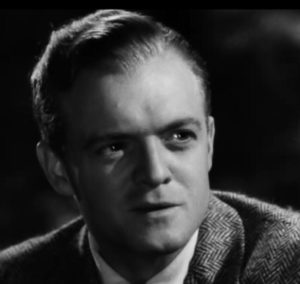
Heflin-discovery
Before long, of course, Sam must confront Walter about his feelings for Martha:
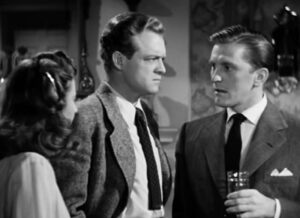
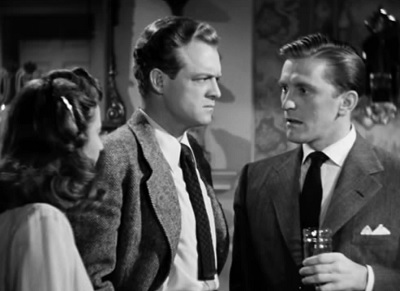
Three-HeflinDouglasStanwyck
And Martha must stop characterizing herself as a victim, instead seducing Sam with money, power, and lust:
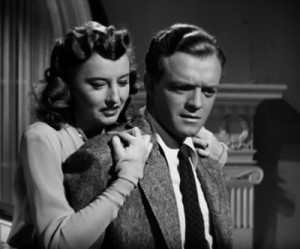
HeflinandStanwyck
The role of Sam Masterson requires that Van Heflin have a great deal of range—that he express assurance, wonder, sympathy, violence, love, anger, fear, revulsion. Heflin’s performance carries the film, and he plays each emotion so perfectly that you feel like you know this man, and wish him far away from his destructive former playmates. I won’t spoil what happens, as the movie is well worth viewing, with excellent acting, an intriguing story, and a great script. But be warned: Heflin’ll get to you, just as he did to me.

This is the fourth in a monthly series of The Moment I Fell for posts…Hope you’ll share some of the moments that drew you to your favorite actors and actresses….
Share
Posted in: 1940s films, Drama (film), Femme fatales, Film Noir/Crime/Thriller & Mystery, The Moment I Fell for Tagged: Barbara Stanwyck, The Strange Love of Martha Ivers, Van Heflin

The Moment I Fell for Robin Williams

08/20/2014 by leah@carygrantwonteatyou.com 4 Comments

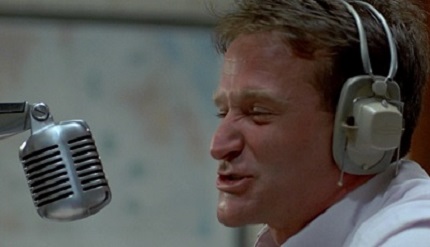
Last week, while I was seeking Lauren Bacall tributes online, I avoided my TV because I didn’t want to see any Robin Williams ones. The loss was simply too raw, too big for me to watch some summary of a man who slipped through any easy definitions. After all, it was this breathtaking versatility; best demonstrated in Good Morning, Vietnam; that I couldn’t face losing.

GoodMorningVietnam-RobinWilliams
While I’m usually quick to attack the Academy for their humorlessness, I agreed with them that dramas displayed Williams’s most remarkable work. Who else could be so manic in humor, and then so quiet in pathos? So riveting in his energy, and even more so (perhaps because of it) in his stillness?

The actor’s sad scenes were the more so because you could feel the good humor bubbling beneath, the fact that this man was capable of very great joy. The first word that comes to mind with Williams is not funny, but empathetic. This man understood human nature like no comic I’ve ever witnessed, and any humor writer will tell you that truth is at the root of all good comedy.

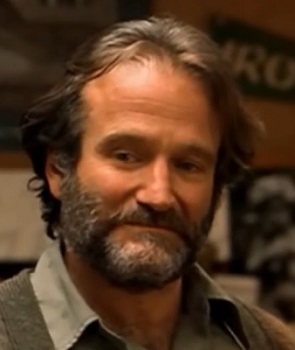
RobinWilliams-GoodWillHunting
The surprise of finally seeing the actor win an Oscar for Good Will Hunting was not at the Academy having snored through Good Morning, Vietnam (how else to explain Michael Douglas winning instead for his one-dimensional performance in Wall Street?). The shock was in recognizing that this guy should have been playing therapists all along.

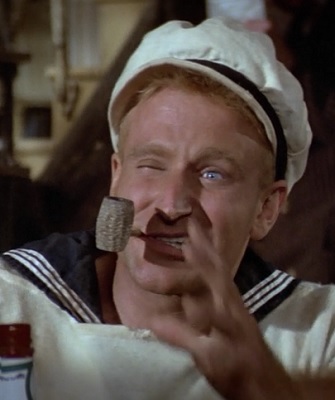
My favorite Williams performance was probably in Awakenings. But I fell for him much, much earlier. It wasn’t in Mork & Mindy, in which his fevered  acting was exhausting to watch, even for a little kid. I couldn’t take the show very often, even though I always did laugh. No. I fell for Williams in Popeye, the first film he starred in.

Popeye-Williams
Now hear me out. I am not going to argue that this flop is a good film, that it’s under-appreciated or even tolerable. Oh no. It’s so much worse than you remember.

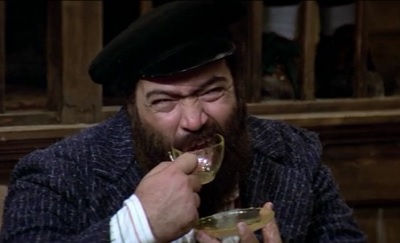
Paul L. Smith as villain Bluto

Paul L. Smith as villain Bluto

Williams is not very good in it either. But I fell hard for him for agreeing to take the role at all, and for having so much fun with it once he did. This spinach-eating cartoon character was always my favorite, and though I’ll admit to a vague horror on first hearing a human would be playing it, and in a musical, I was impressed with how completely Williams embraced the role. Such an unsuccessful campy movie I could easily dismiss, but for Williams as Popeye, even in a shaky performance, I felt a kind of awe.

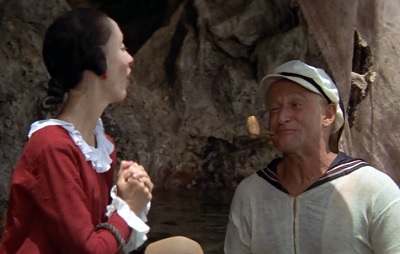
Olive Oyl (Shelley Duvall) with Popeye

Olive Oyl (Shelley Duvall) with Popeye

One could argue that the actor was just beginning, that this was a role he could get. But that wouldn’t explain all of Williams’s baffling choices over the years, that sense that he sometimes took parts simply to avoid taking his career, or himself, too seriously. How else can anyone explain Hook? And as I mourn Williams, I don’t want to see his best work; it’s too easy to imagine in his depiction of every emotion the darkness that would take him from us. So instead, I’m gonna stick with his silliness for a while. I’ll rewatch The World according to Garp, perhaps The Birdcage, maybe even the batshit-crazy Shakes the Clown. And yes, I’m going to spend some time with the ever-mumbling, ever-smiling, greens-loving sailor man.

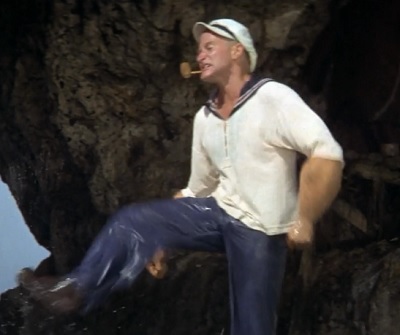
Popeye-kicking-RobinWilliams

Share
Posted in: 1980s films, Comedies (film), Drama (film), Humor, The Moment I Fell for Tagged: Popeye, Robin Williams

The Moment I Fell for Jean Harlow

07/16/2014 by leah@carygrantwonteatyou.com 8 Comments

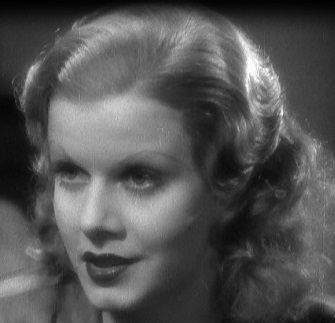
Jean Harlow
I’ll admit that I didn’t get the appeal of Jean Harlow initially. I originally saw her in a portion of the film Bombshell, and thought it dull and her annoying. I couldn’t understand why she was a sex symbol, the Marilyn Monroe of the 30s.  It took a lackluster movie in which she was riveting to change my mind.

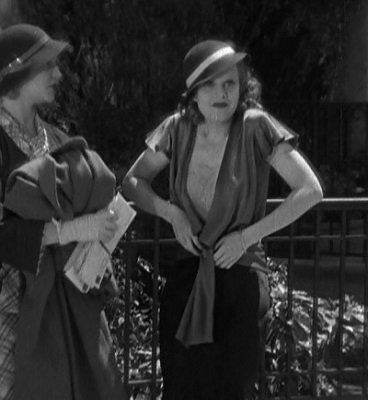
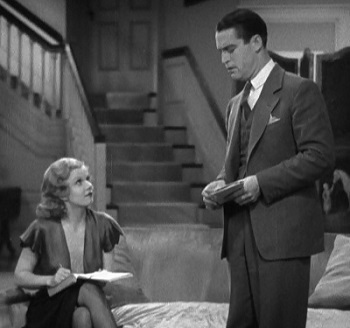
Red-Headed Woman (1932) is one of those pre-code films in which a loose woman doesn’t pay the penalty for her behavior. Harlow is Lil (also known as Red), a secretary who seduces her married boss, Bill Legendre Jr. (Chester Morris), to make her way up in the world. His wife, Irene (Leila Hyams), is given the tired you-should-have-forgiven-him-instead-of-leaving-him-the-prey-of-that-hussy argument when she divorces him. Usually, this argument infuriates me, but in this case, I had some sympathy for it: Bill is such a sucker that it’s hard not to pity him. How could he succeed in business when he falls so easily for a woman’s wiles? (In today’s corporate world, he’d be bankrupt in a week.)

After the divorce, Lil (Harlow) marries Bill and then trades him in for a richer model, just as she dropped her bootlegger boyfriend at the start of the film to pursue Bill. It’s this single-minded self-interest that makes Lil such a wonderful anti-heroine, and Harlow so good at playing her. The actress is just so hilarious when conveying a conniving mind in action.

The story begins with Lil’s bold plan to go over to Bill’s house in a revealing outfit while his wife is away. She’s pretending to help with his dictation, but obviously planning on sex.

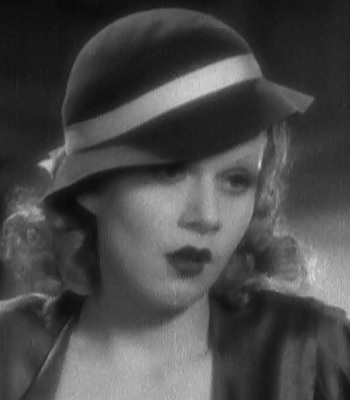
First, she gussies herself up in readiness for her scheme.

Harlowgettingready
Her pal, Sally (Una Merkel), is so convinced the plot will fail that she says she’ll wait outside Bill’s door for Lil; the first sign that Lil’s plans have succeeded is when we see Sally still outside in the dark, uncomfortably rising from her seat.

Lil has many seduction methods at her disposal, all of which she needs, since her boss is in love with his wife. Something about the transparency of her attempts, and lack of any hesitation, cracked me up so much that Harlow had won me just a minute into this routine, long before her Lil got to Bill.

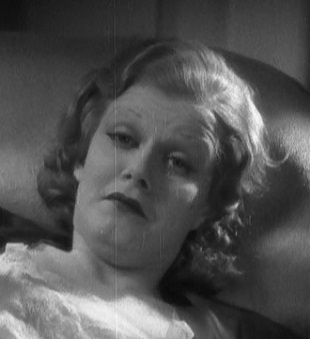
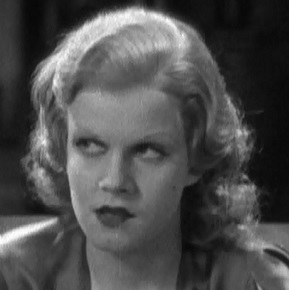
Lil tries some pouting…

Harlowpouting
Shows a little leg….
harlowshowingleg
Sobs a bit…

Harlowfakesobs
Pretends she will take his initial rebuffs in stride…

Harlowandhersap
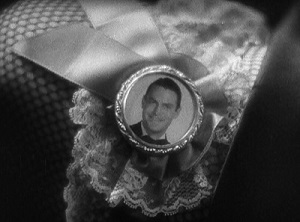
Feigns a longstanding affection for him, even going so far as to pin a photo of him to her garter (Her words when she was planning this ruse: “Well, it’ll get me more there than it will hanging on the wall”).
Harlowleg
Reveals her scheming ways when he’s not looking…

Harlowscheming
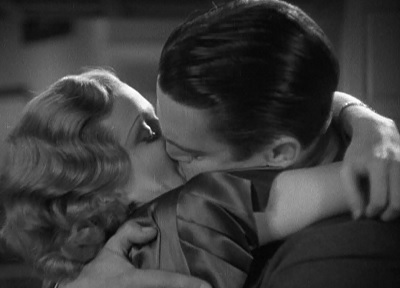
And finally, in just going for the direct approach, gets what she wants:

Harlowsuccess
Throughout the film, Harlow repeats a cycle of the techniques in Lil’s repertoire: baby talk, tears, denials, lies, threats, kisses. The character’s faux sweet veneer is so easily discarded for her brassy, true self; as in other Harlow roles; and it’s so much fun to watch the transition. Who wouldn’t want to see this shift again, and again, and again, especially in much finer films, with better-written parts? (My favorite may be the put-upon fiancée in Libeled Lady—I could watch Harlow marching toward jilter Spencer Tracy in that wedding dress all day long.)

As for the sex symbol status I didn’t understand? Ummm, I don’t know what to say for myself there. It’s about as hard to miss Harlow’s blazing sensuality as this predecessor’s. All you have to do is watch her posing, walking, or smiling for a few minutes, and you understand. There’s a reason Lil is confident she’ll win Bill and every other man she encounters. She just never seems to understand why her irresistibility doesn’t translate into success at the country club, a naiveté Harlow would repeat in other film roles as well–as if other wives would want her anywhere near their husbands.

As for Lil, once she decides Bill, the country club, and the town are too small for her, she moves on to richer grounds, ultimately hooking an old French sugar daddy.

Harolwclosefilm
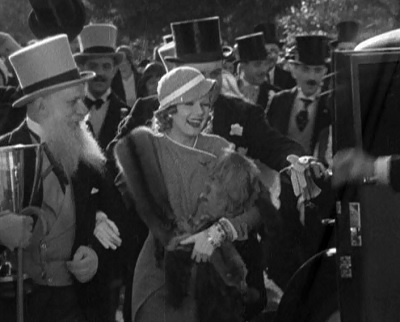
She’s won a trophy for her thoroughbred, is flooded by admirers, and is still holding onto her young lover in full view of her meal ticket at the movie’s close. Of course. How else could this film possibly end?

This is the third in a monthly series of The Moment I Fell for posts…Hope you’ll share some of your favorites!

Share
Posted in: 1930s films, Feminism, Femme fatales, Romantic Comedies (film), The Moment I Fell for Tagged: Jean Harlow

The Moment I Fell for Thelma Ritter

06/12/2014 by leah@carygrantwonteatyou.com 6 Comments

I feel comfortable with those who are generous with sarcasm. My dad is a smartass, my sisters, my aunts, my best friend, my husband. Not surprisingly, most of my favorite female performers share this trait in their films, including flawless character actress Thelma Ritter.

ThelmaRitter-Eve
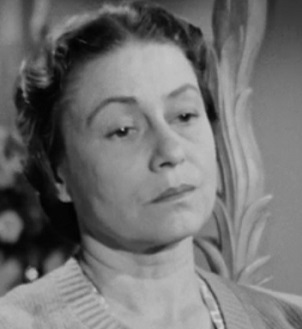
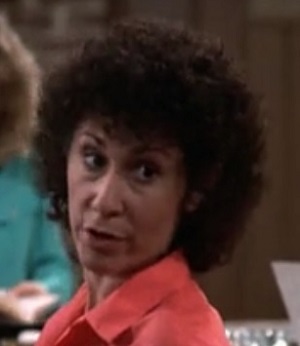
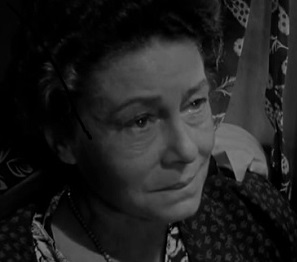
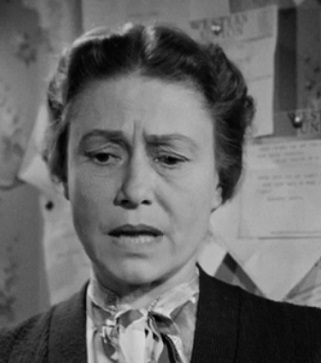
Ritter was nominated for six supporting actress Oscars, four of which were in succession; she elevated the quality of any film she was in with her seemingly effortless realism and deadpan humor. She reminds me, in fact, of an old favorite of mine, Rhea Perlman, aka Carla in Cheers, who shares Ritter’s understated style and tendency of deflating the egos and pretensions of the characters around her.

Perlman as Carla

Perlman as Carla

Once I fell for Ritter, I picked out films just because she was in them, including Pickup on South Street, in which she plays the finest of the roles I’ve managed to catch: a haunting turn as lovable police informant Moe Williams.

Moe Williams (Ritter)

Moe Williams (Ritter)

But it’s Ritter’s more lighthearted role as Birdie in All about Eve that first captivated me. Stage star Margo Channing (Bette Davis) has just met her biggest fan, Eve Harrington (Anne Baxter). Asked to share her story, Eve gives a litany of sad, intimate details about her life. Baxter’s delivery is stagey, and I find myself flinching every time I see the scene. The actress’s melodramatic style throughout the film is what my sisters always accuse classic film stars of practicing, and while theatrics make sense for her character, that doesn’t mean they’re easy to witness.

But it’s not just Baxter’s acting that makes me uncomfortable. While I know not everyone would find Eve’s hard-luck tale emotionally manipulative, I tend to believe one’s biggest traumas should not be shared on first acquaintance. (Don’t believe me? How much did you enjoy that oversharer on your first date with him/her?)

The usually cynical Margo (Davis) feels differently. She’s moved in spite of herself by Eve’s narrative, and pulls out a handkerchief to wipe tears away. Her assistant, Birdie (Ritter) looks pensive, seemingly ready to utter sympathy as well. “What a story,” she says. “Everything but the bloodhounds snapping at her rear end.”

ThelmaRiver-hounds
Ritter draws out the line rather than expressing it as a quick rejoinder, as other comedians/comediennes would have. The result is that Birdie seems to be thinking through her slam as she says it. Hysterical. This unexpected but natural delivery is typical of every performance of Ritter’s I’ve seen.

Her character’s no-nonsense approach to life in the film makes viewers suspect that her instincts are the ones to trust. Everyone else loves Eve. Everyone else trusts Eve. But we audience members have already seen that the other characters are taken in by flattery, and thus are more gullible than they initially seem.

But Birdie? Birdie we can trust.

And that’s how I feel about Ritter, why I fell so hard for her after this line delivery, and in every movie I’ve seen her in since. I don’t know in advance how other actors/actresses will perform in films with her. I can’t be certain whether they’ll impress or disappoint. But Ritter’s is the kind of excellence I can always expect.

(This is part of my series on moments that led me to fall for a performer. I hope you’ll share some of yours!)

Share
Posted in: 1950s films, Comedies (film), Drama (film), The Moment I Fell for, TV & Pop Culture Tagged: All about Eve, Carla, Cheers, sarcasm, Thelma Ritter

The Moment I Fell for Humphrey Bogart

05/14/2014 by leah@carygrantwonteatyou.com 6 Comments

I was contemplating that moment in a film when an actor wows me, when I realize I need to see all of his/her work and possibly start decorating my rooms in fan posters à la a kid with a Teen Beat subscription. And the first actor to come to mind was Humphrey Bogart.

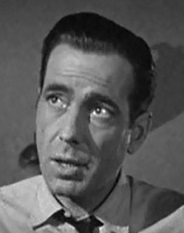
Bogart in Maltese Falcon

Bogart in The Maltese Falcon

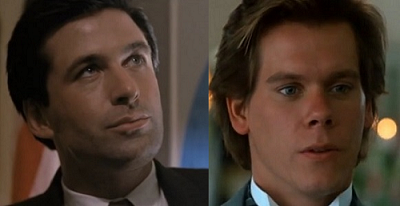
I was unmoved initially by Casablanca, arguably Bogart’s most famous film. A friend and I had decided we needed to acquire some culture and had learned in When Harry Met Sally that this was a love story for the ages. We were confused as we watched. What was all of this stuff about war? Where the hell was Casablanca? Why waste time with all of these confusing minor characters, especially that weird dude (Peter Lorre), when we could be watching Wings or Dr. Quinn, Medicine Woman? Was I seriously supposed to think this Rick guy was attractive? He looked nothing like my high school crushes, Alec Baldwin and Kevin Bacon.

Teenage heartthrobs

My teenage heartthrobs

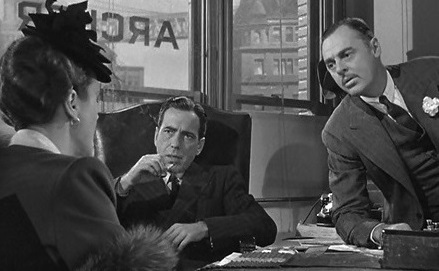
Due to this uninspiring beginning, it was years before I watched another Bogie flick, this time The Maltese Falcon, the mystery about a private detective, Sam Spade (Bogart), investigating the murder of his partner. I was enthralled. The script was breathtaking: “My guess might be excellent or it might be crummy, but Mrs. Spade didn’t raise any children dippy enough to make guesses in front of a district attorney, an assistant district attorney, and a stenographer.”

Spade, his partner, and his client

Spade, his partner, and the mysterious client

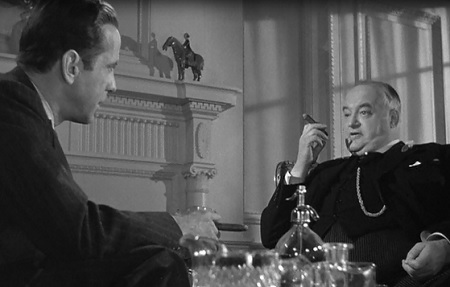
My favorite moment (the moment) occurs shortly after Spade meets Kasper Gutman (Sydney Greenstreet), the ringleader behind the crimes in the film. Spade has found him by confronting his gunsel (Elisha Cook Jr.), the lackey who has been trailing him. Spade asks about the “black bird” that has caused a killing spree, with his partner among the victims. “You know what it is,” he tells Gutman. “I know where it is, that’s why I’m here.”

Gutman assessing Spade

Gutman assessing Spade

Gutman’s wordy style contrasts with Spade’s brevity. Right away, the former admits he’s a chatterbox: “I’m a man who likes talking to a man who likes to talk.” He stalls when Spade tries to make a deal for the bird, causing Spade to hurl the cigar and glass he’s holding and shout at Gutman: “What are you wasting my time for? I can get along without you. And another thing. Keep that gunsel out of my way while you’re making up your mind. I’ll kill ’im if you don’t, I’ll kill ’im.”

Spade throwing his cigar

Spade throwing his cigar

Spade’s passion shocks the viewer. Since he’s remained so calm the entire film, the burst of violence alerts the audience to a fact that should have been obvious all along: the hero is fully as dangerous as his foes. I have always been in awe of the kind of efficiency of movement Bogart displays in this scene, something I admire in the dancing of Fred Astaire and brutal fights of Daniel Craig as 007 and Matt Damon as Jason Bourne.

But as the camera follows Spade charging out of the room, yelling about a 5:00 deadline, we witness his anger swiftly transform into an engaging grin.

Spade's trick

Spade’s trick

That’s what did it for me—that quick, convincing rage, followed by a satisfied smile that reveals his action to be a ploy. In a moment, Bogart had excited me, fooled me, made me laugh. He had drawn me in with that seductive confidence, and thus sold me on his role as a leading man and sex symbol. I soon gobbled up The Big Sleep and so many of his other brilliant films. (Casablanca on a second viewing appeared to be a masterpiece.)

Bogart’s skill with The Maltese Falcon’s dialogue also steered me toward the beautifully written detective fiction of the 1930s-50s, to Dashiell Hammett’s dialogue, Raymond Chandler’s metaphors, and Ross Macdonald’s character development. And, of course, it led me to the amazing world of film noir.

So many thrilling performances. So much good writing. So much wonderful viewing. And all thanks to that 15-second shot of Humphrey Bogart’s grin.

I’m planning to do a The Moment I Fell for…blog once a month, with Thelma Ritter up next. I’d love to hear some of yours…..

Share
Posted in: 1940s films, Film Noir/Crime/Thriller & Mystery, The Moment I Fell for, TV & Pop Culture Tagged: Bogie, Fan, heartthrob, Humphrey Bogart

Recent Posts

  • 100 Years Later, Still Scary: Dr. Caligari
  • Escaping Out of the Past (1947)
  • A Weeper for Those Who Love Jerks
  • Thank You, Academy, for Not Infuriating Me
  • Challengers (2024) Is a Bad Movie

Subscribe to Blog via Email

Enter your email address to subscribe to this blog and receive notifications of new posts by email.

Categories

  • 1920s films
  • 1930s films
  • 1940s films
  • 1950s films
  • 1960s films
  • 1970s films
  • 1980s films
  • 1990-current films
  • 2020s films
  • Action & Sports Films
  • Anti-Romance films
  • Blogathons
  • Childfree
  • Comedies (film)
  • Drama (film)
  • Feminism
  • Femme fatales
  • Film Noir/Crime/Thriller & Mystery
  • Gloriously Silly Scenes
  • Horror
  • Humor
  • Mae West Moments
  • Musicals and dancing films
  • Oscars
  • Random
  • Romance (films)
  • Romantic Comedies (film)
  • The Moment I Fell for
  • Turn My Sister into Classic Movie Fan
  • TV & Pop Culture
  • Uncategorized
Share
Classic Movie Blog Hub Member

Recent Comments

  • leah@carygrantwonteatyou.com on Meg Ryan’s Fate Foretold in Joe Versus the Volcano
  • Ryan on Meg Ryan’s Fate Foretold in Joe Versus the Volcano
  • leah@carygrantwonteatyou.com on 100 Years Later, Still Scary: Dr. Caligari
  • The Classic Movie Muse on 100 Years Later, Still Scary: Dr. Caligari
  • leah@carygrantwonteatyou.com on 100 Years Later, Still Scary: Dr. Caligari

Archives

  • November 2025
  • September 2025
  • May 2025
  • March 2025
  • January 2025
  • November 2024
  • August 2024
  • July 2024
  • May 2024
  • March 2024
  • February 2024
  • December 2023
  • November 2023
  • October 2023
  • September 2023
  • August 2023
  • July 2023
  • May 2023
  • April 2023
  • March 2023
  • January 2023
  • December 2022
  • November 2022
  • September 2022
  • July 2022
  • May 2022
  • April 2022
  • March 2022
  • February 2022
  • October 2021
  • September 2021
  • April 2021
  • March 2021
  • February 2021
  • December 2020
  • October 2020
  • September 2020
  • July 2020
  • May 2020
  • April 2020
  • March 2020
  • February 2020
  • December 2019
  • October 2019
  • September 2019
  • June 2019
  • May 2019
  • April 2019
  • February 2019
  • January 2019
  • November 2018
  • September 2018
  • July 2018
  • June 2018
  • May 2018
  • April 2018
  • March 2018
  • February 2018
  • January 2018
  • November 2017
  • September 2017
  • August 2017
  • July 2017
  • June 2017
  • May 2017
  • April 2017
  • March 2017
  • February 2017
  • January 2017
  • December 2016
  • November 2016
  • October 2016
  • August 2016
  • July 2016
  • June 2016
  • May 2016
  • April 2016
  • March 2016
  • February 2016
  • January 2016
  • December 2015
  • November 2015
  • October 2015
  • September 2015
  • August 2015
  • July 2015
  • June 2015
  • May 2015
  • April 2015
  • March 2015
  • February 2015
  • January 2015
  • December 2014
  • November 2014
  • October 2014
  • September 2014
  • August 2014
  • July 2014
  • June 2014
  • May 2014
  • April 2014
  • March 2014
  • February 2014
  • January 2014

Meta

  • Log in
  • Entries feed
  • Comments feed
  • WordPress.org

Copyright © 2025 Cary Grant Won't Eat You.

Church WordPress Theme by themehall.com