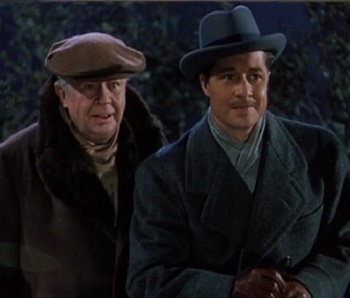
Cary Grant Won't Eat You

Classic movies for phobics

  • About
  • eBooks
  • Previous Blogathons
Classic movies for phobics

Romantic Comedies (film)

Pre-Code Fun: The Jewel Robbery (1932)

04/03/2015 by leah@carygrantwonteatyou.com 19 Comments

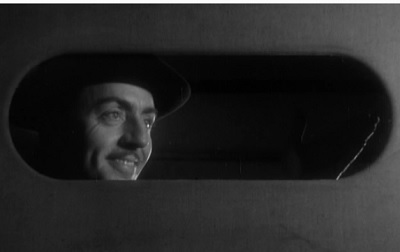
JewelRobbery-OpeningShot
This post is part of the Pre-Code blogathon hosted by Pre-Code and Shadows and Satin. Click here to see the other entries!

Jewel Robbery has much to recommend it: a debonair thief; a bored, beautiful housewife; marijuana cigarettes adding comic relief; and of course, a host of diamonds. Along the way, we witness a faux kidnapping, a baked police chief, and a rooftop escape. And, of course, we get to hear some killer lines.

This is a pre-Code film—in other words, the kind of film you didn’t think your grandmother watched, but then, you didn’t know her all that well, did you? In the few years before censorship, there was a lot of scandalous footage on the screen, and much rooting for those engaged in immoral behavior. In this film, we are, of course, meant to root for the affair between the wife and thief, but I confess that this time I felt for the wronged husband, probably because the poor guy had so much stacked against him. First of all, Baron Franz (Henry Kolker) is not a looker:

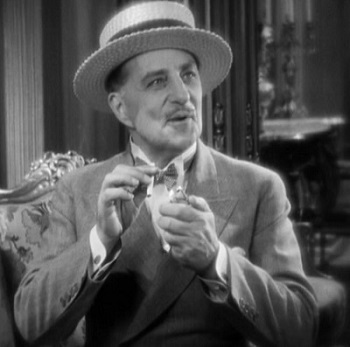
Henry Kolker
He already has a friend, Paul, making assignations with his wife, Baroness Teri (Kay Francis), and then calling her a “coquette” when she doesn’t keep them. Luckily, most of his fellow politicians are too intimidated by Franz’s position to seduce her, but clearly, an undersecretary or two will slip through the cracks when a wife is as tired of her pampered, quiet life as Teri is. And then, of all weapons aimed against him, it just had to be with one:

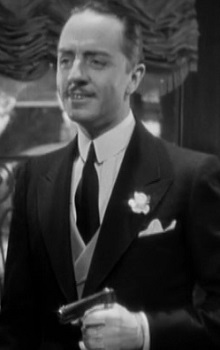
WilliamPowellthief
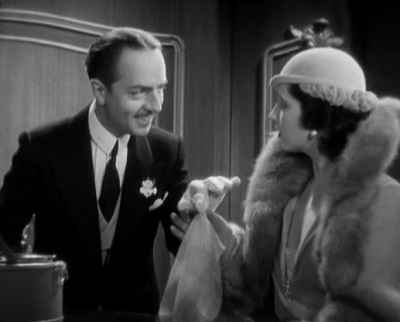
I think you’ll agree that the gun is not the threat here. This is not any thief. This is a robber played by William Powell with the grace, sophistication, and wit that would immortalize him two years later in The Thin Man. Describing his stealing method as a “drawing room style,” the robber plays music and converses with Teri as he and his henchmen snatch every trinket in the store she’s visiting after hours with her husband. He even explains his methods in great detail, including positioning a “very alluring blonde on each corner” to distract policemen.

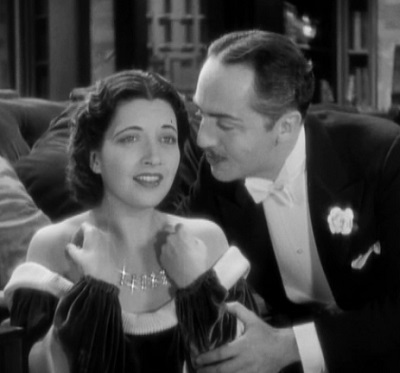
flirtationPowellandFrancis
To keep the atmosphere light (and prevent retaliation), the thief compliments the shop owner’s taste and hands him a marijuana cigarette, which keeps him laughing through the trauma.

marijuanaprecode-JewelRobbery
After such a thrilling experience, the fickle wife is quickly in love, refusing to be locked up in the safe with either her husband or Paul, as she’d rather continue to be charmed by the thief. With such a man in her sights, what hope does a bureaucrat have to keep her interested?

The one weapon Franz has in his arsenal is Teri’s love for sparkling beauties like this one:

Diamondnecklace
The couple is in the shop to purchase a 28-carat whopper, the Excelsior diamond, a ring Teri literally worships.

KayFrancis-Ring
“What wouldn’t a woman do for such a treasure?” she says when she sees it.

“Anything. I’d deceive my husband, with pleasure,” her sidekick Marianne (Helen Vinson) answers.

“A woman would do much more than that,” Terry explains. “She would tolerate her husband.”

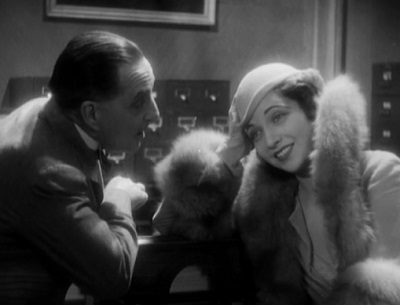
But all such motivation is gone when the handsome distraction in question steals jewels for a living, can give her far more than even her multimillionaire spouse can. Franz tries to convince his “incurably romantic” wife out of her lust, but her expression really says it all:

dreamingKayFrancis
The thief’s attraction dims a bit once he catches sight of—and steals—her new treasure. But he returns it to her house while her husband is out. Teri’s friend Marianne is initially thrilled by the prospect of the robber on the premises.

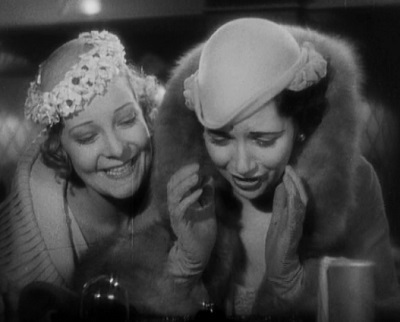
VinsonandFrancis
But when Teri declares her intention to keep the ring in spite of its risks to her (given that she reported it stolen), Marianne is so spooked she announces her intention to leave to avoid being implicated in a scandal, declaring, “This is one night I shall be very glad to be with my husband.”

**Spoilers ahead**

Of course, this departure gives the besotted thief a chance to ask Teri to flee with him to Nice. He begins his seduction by taking her to his place. When she claims he should be more forceful (to match her romantic images of this moment), he carries her to the bed. She doesn’t deny him, only asking that they not hurry, with “so many pleasant intervening steps” before they get there.

BedKayFrancis
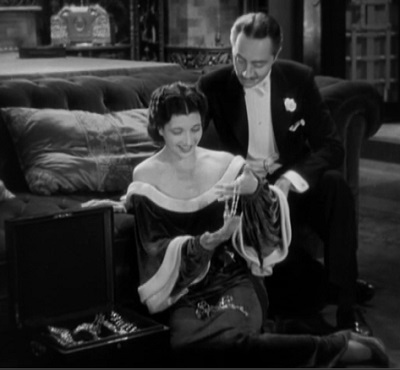
The thief reveals just how well he’s gotten to know her next. Could any foreplay work better on a woman who claims a diamond’s purity made her rethink her frivolous life than this display of riches?

foreplayPowellandFrancis
In spite of her feelings for him, Teri waffles on whether to leave the comforts of her position for a dangerous future. Unfortunately, she has no time for indecision, as the police have arrived. The robber ties her up to save her reputation, employing his usual panache in his daring exit across the roofs and into a waiting cop car his buddy has stolen.

WilliamPowellgbye
Teri tells her husband she needs to take a long rest in Nice to recover from the trauma of the kidnapping. She approaches the camera with one final gesture to ensure we are in no doubt about her intent:

KayFrancisforcamera
If this plot doesn’t convince you to watch the film, there are other gems: Helen Vinson is hilarious throughout the film, there’s a subplot about a guard who is both comically gullible and quickly becoming a fan of marijuana, and some nice rooftop action. Give it a try! And while you’re at it, read about many other funny, scandalous, fascinating pre-Code films.

Share
Posted in: 1930s films, Blogathons, Romantic Comedies (film), Uncategorized Tagged: Kay Francis, Pre-Code, robber, Romance, William Powell

Parenting Advice from Heaven Can Wait (1943)

03/26/2015 by leah@carygrantwonteatyou.com 2 Comments

Ernst Lubitsch was known for his sexual farces. Heaven Can Wait is just one of his many movies spoofing marriage, and in the process illustrating a number of truths about what it means to say “I do.” But I was primarily engaged by the supporting characters in this film. Perhaps that’s why the parenting lessons Lubitsch liberally supplied struck me so much more this time than his marital wisdom. Here are a few lessons from the cynical director:

Expose Your Child to the Opposite Sex Early
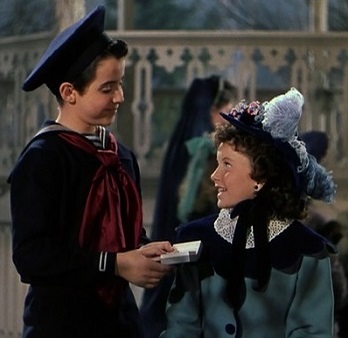
A boy who falls for the ladies in his pre-teens will learn ambition early. He’ll discover, according to Lubitsch and screenwriter Samson Raphaelson, that gifts earn him affection, and the greater the number of gifts, the greater the love. This early training will motivate him to make a name for himself—and, of course, earn the big bucks.

BeetlesHeavenCanWait
You can build on this valuable training by hiring a comely French tutor to teach him more than one new language when he reaches his teens.

frenchtutorHeavenCanWait
This hire will solidify his conviction that life is but a long seduction.

Spoil Your Child
You might fear giving your kid endless funds and no responsibilities. You might assume that he will become a hopeless waster, lying around and expecting others to cater to him. But if you’ve given him ambition via the ladies, you don’t need to fear. Indulge away.

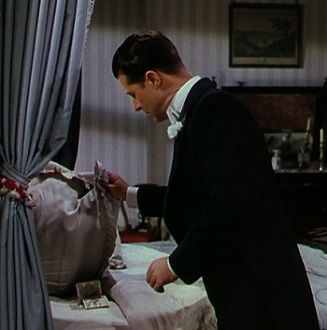
DonAmeche-spoiled
If you instead raise him with rules and standards, he’ll grow up to become such a prudish dullard that he’ll actually compare himself to a suit, admitting, as cousin Albert does, that he’s not “flashy” or of a “stylish cut” but “sewed together carefully.” In Ernst Lubitsch’s world, a man like Albert (Allyn Joslyn), who brags that his “lining is good,” is never going to win the affections of a woman as vivacious and beautiful as Martha (Gene Tierney). He’ll get this bored response to his heartfelt wooing instead:

SuitDescription-HeavenCanWait
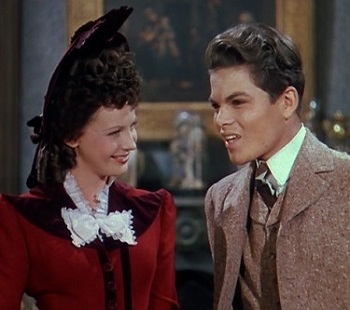
And the wooing by his spoiled cousin? Yeah, that’s a bit more successful:

TierneyandAmeche
Do Not Outcast Your Kid—Unless You Like Your Spouse
In her day, Martha’s elopement may have led to quite a scandal, innocent as it may appear now. But her parents’ decision to boot her out for life means they spend their days fighting over who gets the comics first. You know your life has reached a sad pitch when you can become this inflamed over the plight of the Katzenjammer Kids:

PalletteandMain
Spare yourself the misery of too much alone time with your spouse. Forgive your kid.

Keep Your Own Dad Around; He’ll Be Needed
If you were raised in a more structured household, you may be a little innocent about the facts of life, such as what your son has been up to with the French tutor you hired. At 43, you may need your father to enlighten you that your son is both drunk and debauched.

Coburnandfamily-HeavenCanWait
And when that son makes a wreck of his life after one too many dalliances, you may not be able to save his marriage for him (if you’re still around). But his wiser grandpa might just pull it off, especially if he’s hilarious and savvy and anything like Charles Coburn (who supplies at least 50 percent of the film’s best lines).

CharlesCoburnwithDonAmeche
And there you have it. Valuable advice for the worldly parent, courtesy of Lubitsch. I hope you were reading carefully. You may need it one day.

Share
Posted in: 1940s films, Humor, Romantic Comedies (film) Tagged: Charles Coburn, Don Ameche, Ernst Lubitsch, Eugene Pallette, Gene Tierney, Heaven Can Wait, Marjorie Main

4 Movies Downton Abbey’s Lady Mary Would Watch

03/01/2015 by leah@carygrantwonteatyou.com Leave a Comment

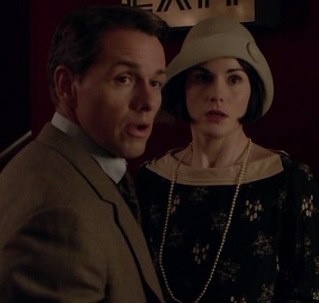
LadyMaryandCharlesBlake
It’s 1924 at Downton Abbey. We’ve just seen Lady Mary (Michelle Dockery) canoodling with one guy in a London theater (Charles Blake) to ward off another (Lord Gillingham) who had mistaken intimacy for love. Mary barely protested when forced to leave Beau Brummel early to disenchant Gillingham. But here are four films out that year that might have distracted the vixen from her flirtations, at least temporarily…

The Marriage Circle

The MarriageCircle
Mizzi (Marie Prevost), a dissatisfied wife, plots to seduce her friend’s husband. And that’s just the beginning of the marital and extramarital scheming in Ernst Lubitsch’s classic comedy of manners. Mizzi could give Lady Mary tips on undermining her frenemy Mabel Lane Fox’s attractions. (The daring Lubitsch would obviously become Mary’s favorite director; two of my four are his films.)

Her Night of Romance

HerNightofRomance
Dorothy (Constance Talmadge) winds up with a guy she barely knows (Ronald Colman) in her bedroom, and goes to extreme measures to protect her reputation. Sound familiar, Lady Mary?

Monsieur Beaucaire
Mary likes the pretty boys, and she couldn’t have missed heartthrob Rudolph Valentino starring in The Sheik three years before.

RudolphValentino-TheSheik
With Valentino featured AND a character named Lady Mary, Monsieur Beaucaire would lure the Downton heroine to the theater, even though her namesake in the film has too much pride to hold onto the guy (I have no illusions Mary would recognize the similarities).

Forbidden Paradise
Lady Mary has been subjected to Russian refugees she doesn’t care to meet, but a powerful czarina in full control of her posse of lovers? That could give Mary some interest in international politics.

Pola Negri, in her best Lady Mary pose

Pola Negri, in a Lady Mary pose

Maybe the film would even grant Mary some insight into her grandma’s (the Dowager Countess’s) almost-fling. Here’s hoping.

There you have it. Four films with enough skin, calculation, and female triumph to please the headstrong Lady Mary, maybe even give her some ideas for next season…

Share
Posted in: 1920s films, Drama (film), Feminism, Humor, Romance (films), Romantic Comedies (film), TV & Pop Culture Tagged: 1924 films, Charles Blake kiss, Downton Abbey, Downton Season 6, Film, finale, Kemal Pamuk, Lady Mary

Unexpectedly Romantic: The Mistress Giving the Wife Advice in The Smiling Lieutenant

02/12/2015 by leah@carygrantwonteatyou.com 4 Comments

ColbertHopkins-SmilingLieutenant
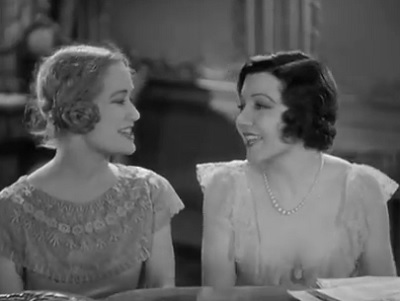
There’s something both charming and shocking about the song between Franzi (Claudette Colbert) and Princess Anna (Miriam Hopkins) in The Smiling Lieutenant. The two are unexpected friends in this moment, after all; the film begins with Franzi’s passionate love affair with Niki (Maurice Chevalier), which is interrupted by Anna’s royal prerogative in choosing spouses. Once married to Anna against his will, Niki continues to see Franzi, but when they’re discovered, the latter makes the surprising decision to help Anna win his regard.

An alliance between a mistress and a wife usually involves plots against the erring husband. The Other Woman with Cameron Diaz is simply the latest example. Since Niki was there first, and no marriage would have taken place had Anna been less public in her regal affection, we feel for both women, and appreciate Franzi’s sacrifice for the happiness of these two who are now bound together. (And honestly, why fight for the guy? I’ve never found Chevalier bearable. The man mugged from his twenties to his Gigi days.)

A wonderful union forms between the two women when Franzi goes through Anna’s music (including “Cloister Bells” and “Maiden’s Prayer”). Franzi’s disdain in evident as she pronounces each song’s name, and her next comment illustrates the indecent train of her thought: “Let me see your underwear.”

ColbertandHopkins-underwearrequest
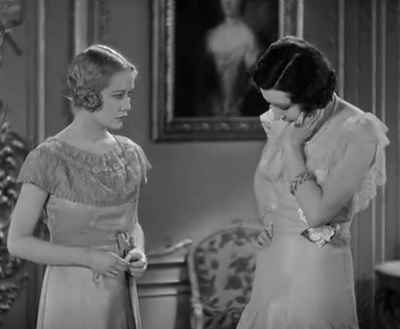
Meekly, Anna complies:

HopkinsunderwearSmilingLieutenant
“Cloister bells,” responds Franzi; she then shows her own:

ColbertunderwearSmilingLieutenant
And says, “That’s the kind of music you should play.”

Franzi goes to the piano and begins to sing her advice, with words that could have come from the front page of Cosmo. Wanna win your man? Franzi has the answer: “Jazz Up Your Lingerie.” In fact, I checked. Sure enough, Cosmo’s Valentine’s-inspired photo gallery last spring: “Sexy Lingerie Your Guy Will Love.”

Thankfully, this is a pre-Code Ernst Lubitsch film, and we know that, funny as this start may be, we have much more suggestion in store. First, we see Anna in her formal everyday clothing and stance.

StraightlacedAnna-SmilingLieutenant
Then we see her loosening up.

MiriamHopkins-hairtwirling
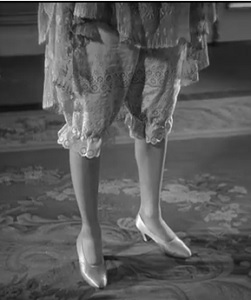
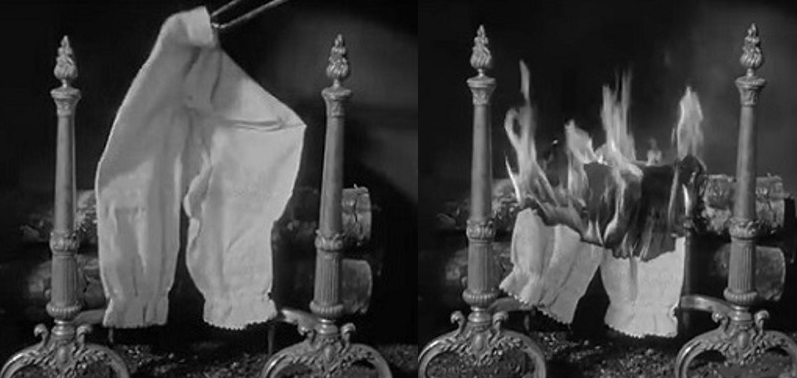
Bits of her old-fashioned hair pile up in a basket just before we’re treated to this wonderful depiction of what’s become of her prudish underwear:

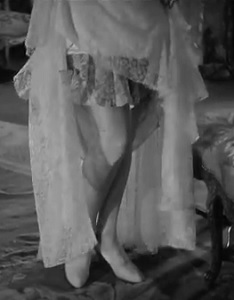
LingerieFireMiriamHopkinsSL
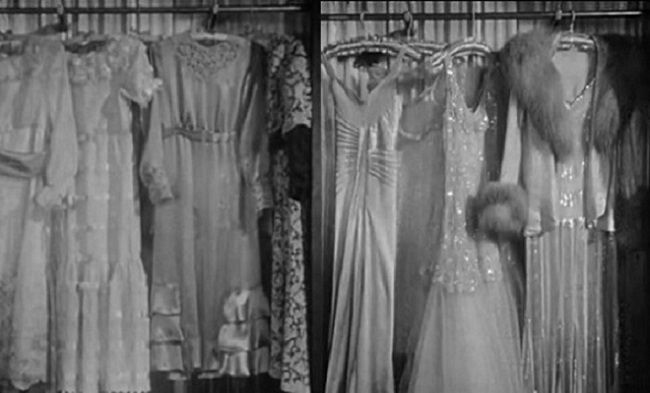
Her frumpy nightgown then dissolves into barely-there lingerie, her ugly shoes into fetching heels. And just look at the change in her wardrobe!

Closet-SmilingLieutenantGowns
I don’t think I have to tell you what happens next. Where else can Anna’s love life go but up, with sexy Franzi as her guide? Honestly, with the kind of chemistry these two women have together, it’s a shame they don’t hook up and leave annoying Niki behind. But improving her ex’s love life—and bringing happiness to his wife—are what this mistress does instead. Kind of romantic, isn’t it?  (You can see the whole clip here.)

Share
Posted in: 1930s films, Feminism, Humor, Romantic Comedies (film) Tagged: Claudette Colbert, Lubitsch, Miriam Hopkins, Musical, Pre-Code, Romance, sexy lingerie, Valentine's

The Depression Satire, Gold Diggers of 1933

01/11/2015 by leah@carygrantwonteatyou.com 6 Comments

GoldDiggersof1933
What does the term gold digger really mean, in the context of the Depression? Today we think of Kanye’s gold digger; buying gold and liposuction, maybe holding a lap dog and wearing furs; not a showgirl escaping destitution. For a musical, Gold Diggers of 1933 is surprisingly earnest, managing to both entertain and make us empathize with the plight of its subjects—and by extension, its audience. As a producer in the movie assures his performers, “I’ll make ’em laugh at you starving to death….”

The film begins with showgirls performing in gold-coin bedecked, barely-there costumes. They’re singing the famous, “We’re in the Money,” led by Fay (Ginger Rogers).

WereintheMoney
We suspect there’s irony at play; after all, Fay sings a verse of it in Pig Latin.

Rogers's language play

Rogers’s language play

And of course, we’re right to be skeptical about those claims: before the song ends, the creditors bust in, close the show, and guarantee not a soul singing will be anything but broke.

Clearly, this isn’t the slight film the title, or its greatly inferior sequel, might lead a modern viewer to expect. I was just reading about Girls, wondering if I could handle another season of Lena Dunham’s show about over-privileged, under-motivated friends in the city. I kept thinking of that show when the camera panned from the closed show to a small posting illustrating these singers’ (dissimilar) lack of options:

TheaterSign-GoldDiggers
The camera then turned to a letter beneath the flat door of three of the performers, a rent demand from their landlady.

All three are sharing a bed. They wake up late, with nowhere to go. “Come on, let’s get up and look for work. I hate starving in bed,” gripes Polly (Ruby Keeler).

“Name me a better place to starve,” replies Trixie (Aline MacMahon). The famished roommates steal milk from the neighbors. Trixie reassures the others it’s okay because the milk company “stole it from a cow.”

I know that there’s a place for anyone’s woes; that life (and the films and shows depicting it) is not a comparison game. But the scene reminded me of why Girls so often, despite its cleverness, has left me flat. I’m just not very engaged by women without ambition or integrity. But women who can manage wit when they’re living on bread and snatched milk? Yes, please. Give me more.

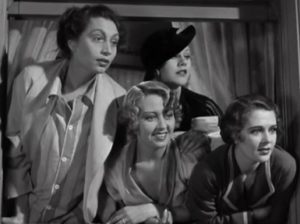
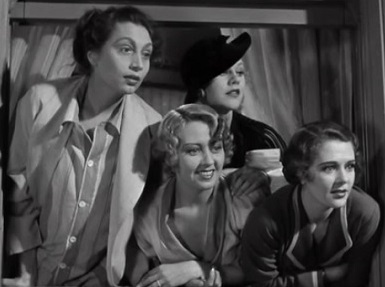
When Fay arrives to announce a new show, the women band together to give one of them—Carol (Joan Blondell)—a complete outfit to impress the producer. They’ve hocked too many stockings and dresses to do anything else.
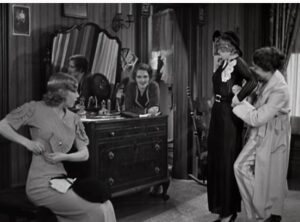
DressingCarol-GoldDiggers
A tearful Carol calls to tell them it’s true that there’s work and that the producer, Barney (Ned Sparks), is on his way; however, he soon confesses he has no funds to start the musical. As eloquent as Carol’s response is to his trickery, her expression is even more so:

JoanBlondell-GoldDiggers
Luckily, the women’s singer-and-composer neighbor, Brad (Dick Powell) is available. He impresses Barney with his music, especially the tune which best fits the producer’s Depression theme. More importantly, Brad offers the money to put on the show.

(Just an early spoiler) Brad is secretly a member of a wealthy family, and his proud brother, Lawrence, is not pleased to see his sibling in a musical, and even less pleased the boy is in love with Polly (Keeler). Lawrence’s (Warren William’s) banker, Faneuil H. Peabody (Guy Kibbee), convinces his client all showgirls are gold diggers, and Lawrence therefore rushes to quash the romance.

The two men go to the girls’ apartment to pay off Polly, but mistake Carol for her. Enraged by their condescension, Trixie and Carol decide to pretend Carol is Polly and take the two haughty men for all they’re worth to teach them better manners (and teach us that the title of this film is as ironic as its opening song).

MacMahon as Trixie can occasionally grate, but Guy Kibbee is wonderful as the elderly, lascivious lawyer, the man whom Trixie feels is “the kind of man I’ve been looking for. Lots of money and no resistance.”
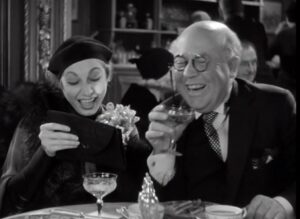
BankerandTrixie-Aline MacMahon
Trixie plans to marry the banker in spite of her lack of attraction for him (“You’re as light as a heifer,” she says when she dances with him). She just needs to fend off Kay (Rogers), who wants a meal ticket too.

Carol has no such plans. She’s just angry. The film wants us to understand that Kay and Trixie are just desperate—but understandable—exceptions to the rule. Most of the showgirls, far from being the “parasites” Lawrence assumes, are as ethical and proud as Carol and Polly are. Slowly, though, Carol, in spite of herself, begins to fall for the handsome snob.

The women’s antics are entertaining, especially when they fool the men into buying them pricey hats. But the men’s conviction they’re hanging out with these lovelies just to do Brad good is even funnier. Since this is a pre-Code film, there’s no dearth of skimpy clothing and sexual references. Lawrence soon passes out drunk after confessing love for Carol, and she and Trixie move him to their bed, knowing he’ll assume he’s had sex with faux-Polly and will be too compromised to object to Brad marrying the real one.

Sexual innuendo is evident throughout the musical numbers in the show, especially since this is a Busby Berkeley film. One of my favorite acts is about couples “Pettin’ in the Park.” When it rains, the women retreat to change, returning to their men in metal dresses.

Berkeleynumber-parkdressing
The men are frustrated and outraged they can’t access their partners’ bodies.

PowellandKeeler-PettinginthePark
Luckily for them, a peeping toddler (yes, you read that right) gives the star (Powell) a tool to break through his love’s (Keeler’s) metal, which he’ll presumably pass to the others.

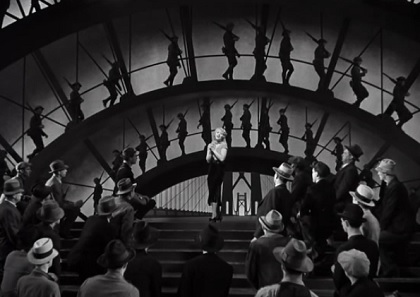
But Berkeley doesn’t keep with this light tone for all of his numbers. The film ends with the Depression tune that Barney promised, with Carol singing, “Remember My Forgotten Man.”

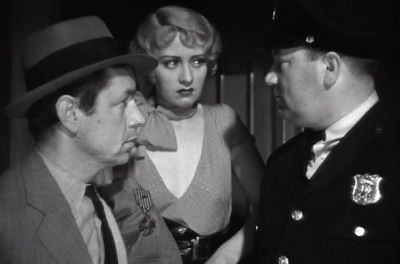
Alone on a street in seductive attire, she first talks, then sings, “Remember my forgotten man?/You put a rifle in his hand./You sent him far away./ You shouted, ‘Hip hooray,’ but look at him today.”

Showing the cop the homeless man a veteran

Carol defending a forgotten man

The song moves from one woman, to another, then builds into an anthem of men and women attacking the government for not doing more to help the veterans and farmers who’ve worked hard for their country, only to end homeless in breadlines, unable to support the women who love them.

ForgottenMan-GoldDiggers1933
Their women are left not only witnessing their men’s suffering, but with children to support as well as themselves–alone. Carol’s provocative attire and presence on the street are no accident, of course. There is one type of work she can get without her man.

The song is heartbreaking. How rare to find a movie, a musical, that captures the national plight like this, especially after such light fare. But of course, the song is also a reminder that there was nothing truly light about the whole film. Is Trixie a greedy gold digger for wanting a rich husband rather than starving as she waits for a show not to be canceled? The oldest and least attractive of the bunch, she knows she must beat Fay to the lawyer’s libido, or she’s probably headed for the streets. The relatively happy unions of these women don’t blind the audience to the fact that there are a lot of girls in that show, a lot of women without secretly-rich neighbor-lovers, without pliable elderly bankers, but with landlady’s notes waiting for them under the door.


Share
Posted in: 1930s films, Comedies (film), Romantic Comedies (film), TV & Pop Culture, Uncategorized Tagged: Busby Berkeley musical, Depression, Dick Powell, Ginger Rogers, Girls, Gold Diggers of 1933, Joan Blondell, Lena Dunham

A Film Celebrating Bad Cooks: Christmas in Connecticut

12/13/2014 by leah@carygrantwonteatyou.com 2 Comments

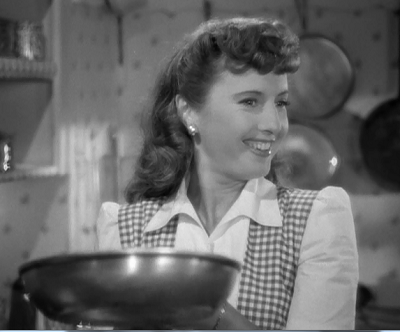
Stanwyckcooking
I come from a long line of bad cooks. My mother was way ahead of her peers with the natural foods craze, but, like a new vegan, she never learned to substitute anything for the bacon grease she’d been raised with; everything she made was bland. When we visited my maternal grandmother’s, all of our cousins would drop by with food. I remember the day I discovered why, when I witnessed Grandmother putting mayonnaise in macaroni and cheese. My fraternal grandmother supposedly was a good baker before her illness set in, but the only real meal I remember from the Williams family recipes was courtesy of an in-law.

For some women, this deficiency would be a source of shame, but it wasn’t for my grandmother, who bragged about her recipes as she put ketchup in her ratatouille, knowing no one was bold enough to contradict her. As for my mom, she took Greek salad to every holiday potluck, shrugged at all the better fare, and returned to her studies afterward. Who cared about culinary proficiency, when she could be mastering Aristotle? I’ve followed my family’s example, neither worrying about my lack of ability, nor feeling an impulse to remedy it.

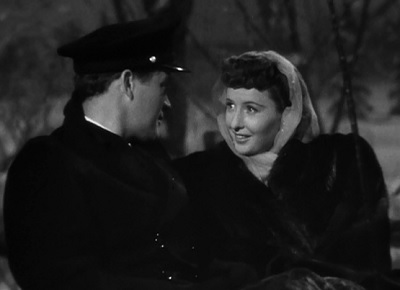
With these tendencies and antecedents, it’s perhaps unsurprising that one of the few domestic comedies I find relatable is Christmas in Connecticut (1945), starring Barbara Stanwyck as Elizabeth Lane, a food writer who can’t cook. The publisher of her magazine (Sydney Greenstreet) wants to please a hero who craves good eating and satisfy his own stomach in the bargain. He invites the sailor—and himself—to Christmas dinner at the columnist’s country home, forcing her to quickly accede to a friend’s proposal and thus be able to pretend owning the home—and baby—she’s been writing about for years instead of the actual tiny New York apartment she lives in as she spins stories about rocking chairs and fireplaces and pet cows.

A view Lane pretends to be “the broad front lawns of our farm, like a lovely picture postcard of wintry New England”

A view Lane pretends to be “the…front lawns of our farm”

The premise is absurd, of course, but with Stanywck as the faux-Martha Stewart, Greenstreet as the busybody, and S.Z. Sakall as Felix (the enterprising buddy whose recipes she’s been using for her articles), this film is a lot of fun. When Lane falls for the sailor (Dennis Morgan), she plots to avoid the promised marriage to her stuffy friend, John Sloan (Reginald Gardiner). She boldly flirts with the handsome hero, Jefferson Jones (Morgan), freed by his engagement and her own supposed marriage.

LaneFlirtingxmasConnect
Even more entertaining than their flirtation is the treatment of Lane’s poor cooking as she pretends to be Mrs. Sloan. When he hears Felix will be handling dinner, the publisher complains, “…I won’t feel quite the same as if you’d cooked it, Mrs. Sloan.”

“Believe me,” quips Felix, “you will feel much better.”

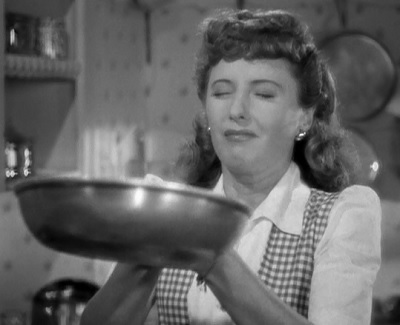
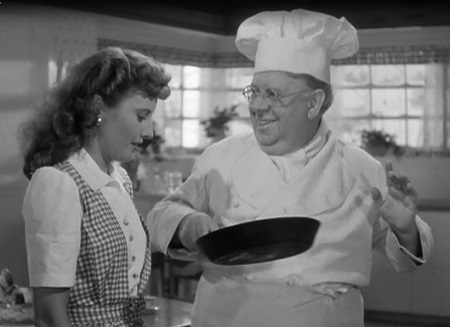
In a famous scene, Felix teaches Lane to flip a flapjack, which she’s described in great detail in her writing. Repeatedly, she screws up, hitting the ceiling with the batter.

Lane, viewing the pan like it’s a tarantula

Lane, viewing the pan like it’s a tarantula

While she dodges having to display her bad aim at first, she’s finally put on the spot, and her shocked face when she succeeds—by a sheer fluke—is priceless.

ElizabethLaneSuccess
**spoilers below, for anyone who still thinks it’s possible to spoil a predictable romantic comedy***

She may be a poor pancake maker, but Lane’s courage and quick wit are worth witnessing when she finally confronts her bullying publisher, who tries to convince her and her faux-husband Sloan that they should reproduce again for the good of the magazine’s circulation. Once he discovers the deception, the publisher urges her to marry the “bore” (Sloan) and proceed quickly to child bearing. Even though she’ll likely lose her job and a promised raise, Lane still decides to have her say: “Listen to me. I’m tired of being pushed around, tired of being told what to do, tired of writing your galldarned articles, tired of dancing to everybody else’s tune, tired of being told whom to marry. In short, I’m tired.”

StanwyckandGreenstreet
Of course, this exchange sets Lane up for becoming the housewife she’s been pretending to be, but in feminist fashion, it’s a choice, not a default—and quitting is in her case an act of liberation. I like to think of her using that big imagination to write the next great American novel while Jones, who already likes washing babies, tends to the children. (She knows what she’s doing, falling for this sensitive type.)

Surprisingly, the film is no more judgmental about her culinary failures than I would be. “Well, young man, I spose you know what you’re doing,” the publisher says to Jones once it’s clear the two are altar bound. “But I warn you, she can’t cook.”

Jones asks her if it’s true. “No, I can’t cook,” Lane admits, without a trace of embarrassment.

“She can’t cook,” Felix repeats. Then he adds for all of us who’ve fallen for her during the film, “But what a wife!”

Sakall

Share
Posted in: 1940s films, Feminism, Humor, Romantic Comedies (film), Uncategorized Tagged: bad cooking movies, Barbara Stanwyck, Christmas in Connecticut, Christmas movies, S.Z. Sakall, Sydney Greenstreet

Breakfast at Tiffany’s: Why the Movie Blew It

10/23/2014 by leah@carygrantwonteatyou.com 2 Comments

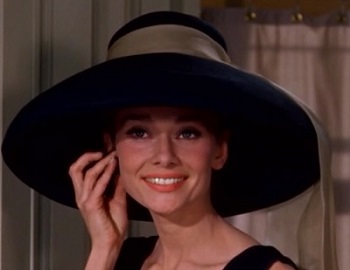
Let me be clear: Nothing is wrong with Audrey Hepburn’s sparkling portrayal of Holly Golightly. It’s the only reason to watch Breakfast at Tiffany’s, witnessing this character’s charms (besides the obvious joys of the fashion). And though certainly a tamer version than the book’s Holly, she is every bit as interesting.

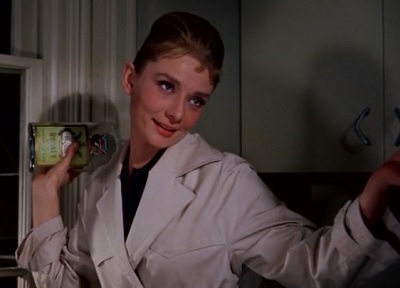
AudreyasHollyGolightly
That said, fans of Truman Capote’s book have many pains in store as well as pleasures. It is truly a masochistic act to watch what becomes of favorite novels on the big screen, much like our drive-bys of houses where we once lived, when we go to see what they’ve DONE to them: a purple paint job, a favorite Oak felled.

In the case of Breakfast at Tiffany’s, it isn’t the racist cameo that most strikes me, painful as it is. It’s the way the film took the sensitive, interesting, platonic-toward-Holly narrator, and chose this to portray him:

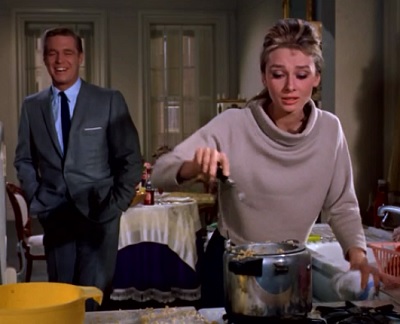
GeorgePeppard
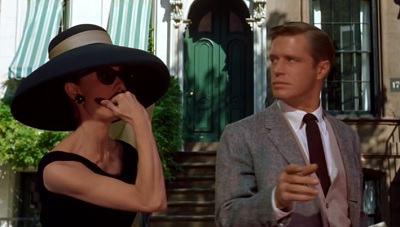
Now, I enjoyed Col. John “Hannibal” Smith and his band of A-Teamers as much as the next 10-year old. But in terms of personality, it’s difficult to imagine a bigger dud than George Peppard as Paul/Fred in Breakfast at Tiffany’s. I’m supposed to like this smug kept man who has memorized his book reviews and barks about his talent? To see in him the sensitive narrator from the novella, who is torn up by Holly’s critique of his writing? The man who is proud of the little apartment he’s obviously scraped together to afford?

I shiver to think of Holly’s twinkling self reduced to trying to prepare this dud the right flavor of chicken wings. As I watch him interact with her, I imagine William H. Macy screaming, “Where’s my dinner?!” in Pleasantville and wonder why Hollywood thinks I should root for them as a couple, why I should somehow imagine this union as right for her, as I’m clearly intended to do. That flat voice and judgmental attitude would squash her spirit within six months. True, he does laugh when she screws up a dinner for him:

MealHollyGolightly
But it’s still courting time, and Holly knows him well enough to be concerned about her mistake. Paul/Fred is only likeable when he’s acting as a friend to her and others, not as a would-be lover. Romantically, he’s far too conventional to suit her.

Paul/Fred, aka Col. Smith, assists Doc, aka, the Man Named Jed

Paul/Fred, aka Col. Smith, assists Doc, aka, the Man Named Jed 

I know I shouldn’t be surprised at this dreadful botching of the story. Hollywood loves a romantic comedy (as long as it’s between young, single, heterosexual characters), and, just as now, they don’t trust us to storm the theaters to watch a friendship. Yet when people recall this film, it’s Holly at the window of Tiffany’s they remember.

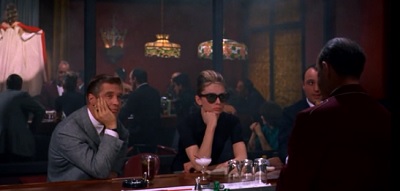
Breakfast-Holly
Why? Because this story was never meant to be about love—or really even friendship. It’s about the charms a big city represents to those of us from less thrilling hometowns, and how an insider—in this case, Holly—can show us how to make the most of the place, to be a part of it, to belong.

Here’s a favorite passage from the book: “Once a visiting relative took me to ’21,’ and there, at a superior table…was Miss Golightly, idly, publicly combing her hair; and her expression, an unrealized yawn, put, by example, a dampener on the excitement I felt over dining at so swanky a place.”

Holly has already arrived, while Paul/Fred is always seeking social acceptance. In the film, she upstages him from the start, with a powerful whistle for a cab, the kind he never could master.

UpstagingPaul-Holly
Near the start of the book, the narrator (Paul/Fred) spots Holly dancing in front of a saloon in a “happy group of whisky-eyed Australian army officers baritoning, ‘Waltzing Matilda.’ As they sang they took turns spin-dancing a girl over the cobbles under the El; and the girl, Miss Golightly, to be sure, floated round in their arms light as a scarf.”

What I felt reading both of these passages was recognition: that first heady gush of love that comes to so many of us even walking down the streets of a city we (unbelievably) can call home. For me that city was San Francisco; even the sad little shops of junk, the catcalling loafers, the dirty steps of the subway could give me a rush of joy. I actually lived here. I was sometimes even asked directions. I remember admiring those girls who had the city figured out: who knew the quickest subway routes, the quirky former-salon bars, the mystery to achieving urban-chic. Those girls who hosted and were invited to the best parties, gatherings held in wineries and with themes….Oh, what magical girls they were.

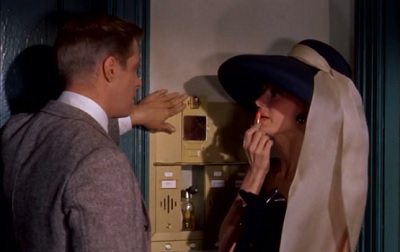
A city-ready girl: mailbox tricked up with a mirror and perfume…

A city-ready girl: mailbox tricked up with a mirror

For Holly, of course, the thrill of the city is represented by a beautiful jewelry shop. But for Paul/Fred—and for so many of the rest of us—it’s captured in Holly herself. She is that woman who actually does all the impulsive, New-Yorky things, who represents life in the city for the rest of us (much as Carrie Bradshaw still does for tourists today).

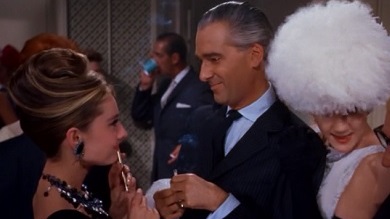
Hollysparty

Breakfast-Hollyinbar

MasksBreakfastatTiffanys
And by being initially an outsider herself, she gives everyone hope that they too could be like Holly one day. In the beginning of the book, she’s disappeared from the narrator’s life, but been maybe spotted by others, and to me, that opening, the desire to see her again (or maybe the time in his life she recalls), captures the allure of passing friendships.

An older, more mature Holly couldn’t possibly have the same impact. She’s charming in part because all of her affectations are intact, because she’s young enough to believe that tri-colored hair and a lack of furniture make her special, interesting. And those beliefs—not her traits or behaviors themselves—make her so.

StylishHollyGolightly
She’s as much of an ideal creation as Gatsby ever was, and lovely, like him, because, as her former agent says, “She isn’t a phony because she’s a real phony. She believes all this crap she believes. You can’t talk her out of it.” If Paul/Fred married her or otherwise knew her for the rest of his life, many of those beautiful illusions would disappear, and everyday humdrum qualities and cynicism would surface. But he doesn’t (in the novella), so they don’t, and so forever Holly will represent to him—and to us—being young in the city.

Which is why you should skip over the first twenty-five minutes of the film to get to the party, and right when it’s starting to look like these two might actually get together, shut it off. It’s like Carrie Bradshaw moving to Connecticut and complaining to her husband about the kids’ laundry piling up. We don’t need it. We don’t want it. Let us keep remembering Holly taking in the city, as she knows so well how to do…

Hollytakingincity-Breakfast
And, of course, eating breakfast at Tiffany’s….

Share
Posted in: 1960s films, Romantic Comedies (film) Tagged: A-Team, Audrey Hepburn, Beverly Hillbillies, Breakfast at Tiffany's, Carrie Bradshaw, George Peppard, Truman Capote

Being a Princess Would Suck: Roman Holiday

09/18/2014 by leah@carygrantwonteatyou.com 6 Comments

Like most girls, I was born wanting to be a princess, though I preferred Belinda from The Practical Princess to helpless Cinderella. Unlike for many of my peers, this desire ended quite early for me. The wedding of Princess Di lasted far too long for my attention span, and what was up with that poofy dress and that decidedly not Barbie-like haircut?

Even had Diana worn the kind of clothes I preferred at six, I knew her kind of life wasn’t for me. For a shy kid who dodged from view, that much limelight looked terrifying and—even worse—dull.

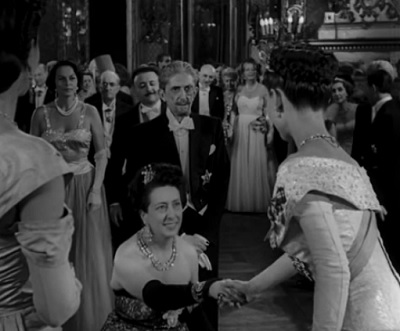
linesAudrey
It’s hard to ignore the tedium of official duties when you’re the daughter of a principal. “Are we going to be last AGAIN?” I used to whisper to my sisters at the high school concert’s or play’s conclusion as I shuttled between the mothers talking kids and fathers spinning funny stories and finally glared at that last soul who hadn’t noticed that my family and he had been the only ones there for the past hour.

Perhaps that’s why whenever Kate Middleton is shot in another gorgeous dress or chic hat, I always look past it to the caption, to see what tiresome event she wore it for. I like viewing the pretty dresses in princess films still today, but I’m far more interested in the conflicts the heroine has to endure.
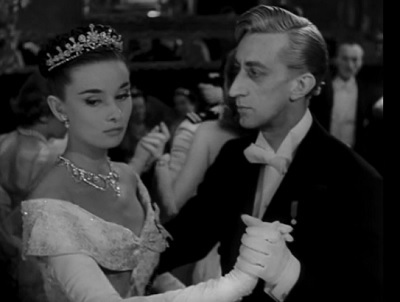
Audreydancing
In The Prince and Me, when Paige, Julia Stiles’s character, balks at the many rules of royalty, the queen claims jewels are compensations, and the camera rests on a feast of diamond and emerald. “Yeah,” I remember thinking when I saw it, “maybe for the first twenty minutes.” Because after enduring the 200th ribbon-cutting ceremony in honor of something I’d never heard of; choking through fussy, elaborate dinners while wearing Spanx; watching yet another stream of dull important people approaching me I’d have to pretend were interesting, like some sick replay of my worst date; I’d be handing that tiara to the gal next to me and high-tailing it to Vegas.

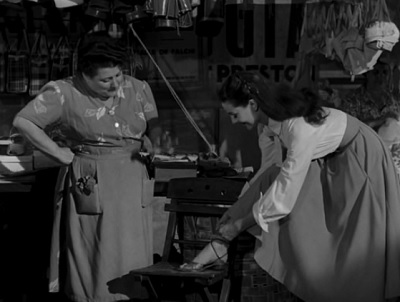
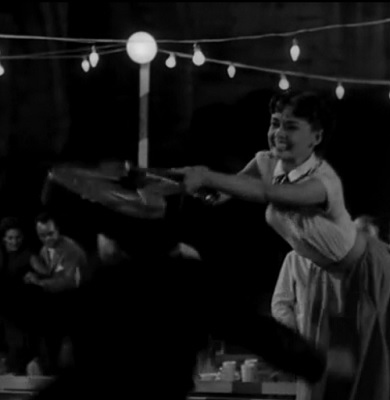
Perhaps that’s why Roman Holiday is my favorite of all princess films, a story about the glamour of everyday joys rather than balls, the excitement of the release from royalty. The film begins with Princess Ann (Audrey Hepburn) trying not to yawn through yet another official ceremony on her goodwill tour, and scandalously kicking off her tight heel, which her retinue quickly finds a way to conceal.

In response to her schedule for the next day, Ann rehearses her answers, her boredom coming through in every line: “Thank you, no thank you.” And which speech she’ll have to give, such as one of her regulars, “Youth and Progress.” Her frustration with all the routine soon leads to a nervous attack, a sedative, and her escape to play hooky in Rome, sans her identity or attendants. She meets handsome reporter Joe Bradley (Gregory Peck) as she wanders. He soon discovers her identity and plans for a scoop on the princess’s “holiday.” Oblivious to his discovery, she simply enjoys herself, and he, of course (this is Audrey Hepburn, after all) does too.

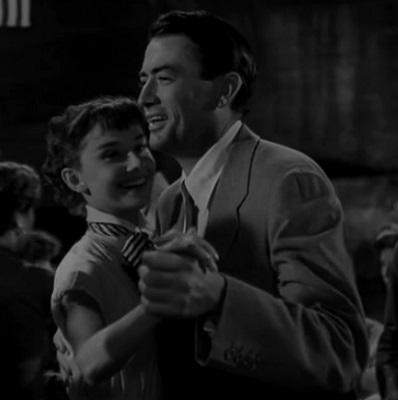
Everyday joys soon elevate the princess’s spirits from frustration to exuberance. Just look at that smile as she goes about the city…

Meeting a guy in nonofficial capacity...in PJs

Meeting a guy while in PJs

Shopping for sandals

Shopping for sandals

Getting a haircut

Getting a haircut

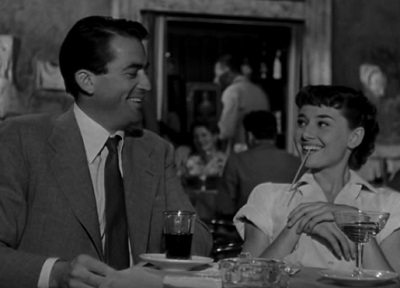
Drinking champaign for breakfast (Hepburn with Peck)

Drinking champaign for breakfast (Hepburn with Peck)

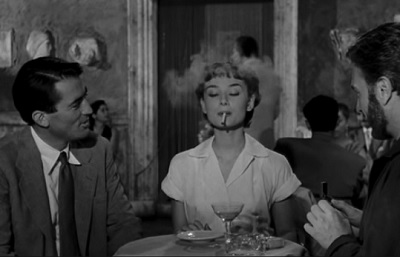
Trying what's forbidden... (with Peck and Eddie Albert as the adorable photographer)

Trying what’s forbidden (with Peck and Eddie Albert as the photographer)

Driving around....

Driving around….

Falling for a regular guy (if you can call Peck that)

Falling for a regular guy (if you can call Peck that)

Causing a ruckus

Causing a ruckus

Compared to such pleasures, what are designer gowns and crown jewels?

Share
Posted in: 1950s films, 1990-current films, Humor, Romantic Comedies (film), TV & Pop Culture Tagged: Audrey Hepburn, Gregory Peck, Kate Middleton, princess films, Roman Holiday, The Prince and Me

Say Anything Fan? Holiday (1938) Is the Classic Film for You

09/06/2014 by leah@carygrantwonteatyou.com 2 Comments

A hero who reveals his vulnerability, yet retains his pride; the kind of man devoted enough to lift a jukebox above his head blaring Peter Gabriel’s “In Your Eyes” to woo the girl who dumped him, yet still grounded enough to enjoy relaxing with his friends; a boy with few prospects who is seeking a “dare-to-be-great” situation.

Lloyd-Cusack
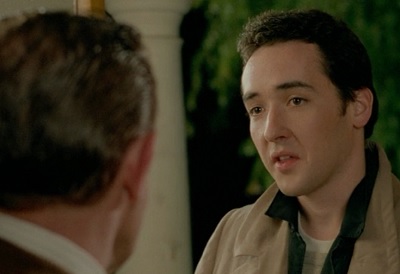
There’s a reason Say Anything (1989) and its hero, Lloyd Dobler (John Cusack), were nearly universally worshipped by every middle and high school girl I knew. Cusack quickly became the heartthrob of my generation, just as Cary Grant was to his. In Holiday, Grant played a role much like Cusack’s in Say Anything. That’s why if you’re a diehard lover of Lloyd Dobler, I think you should check out this 1938 film and see for yourself the many similarities:

Lightheartedness
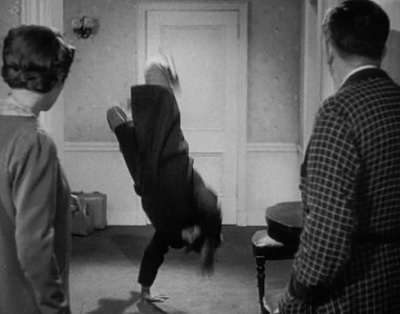
Those accustomed to seeing Grant’s suave persona on display in clips and photos might not realize how fun it is to witness him being the opposite—silly, playful, with that same uneasily expressed, coltish confidence in himself that makes Lloyd Dobler so appealing. In Holiday, Johnny (Grant) likes to do flips to cheer himself out of tough times or worries, just as Lloyd chides his sister for not being able to pull out of hers.

SolutiontoWorry-CaryGrant
Romancing the Daddy’s Girl—and Daddy Ain’t So Great
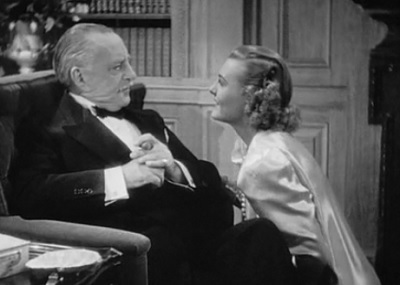
Both films feature heroines who are too close to fathers who don’t deserve such adulation. In Say Anything, Diane’s dad (John Mahoney) winds up being a crook; in Holiday, Julia’s (Henry Kolker) is so obsessed with money and status that he verges on caricature.

Johnny's fiancée and her father

Johnny’s fiancée and her father

Much of Holiday focuses on Johnny’s discovery that Julia (Doris Nolan) is much closer to her father’s character than he realized, just as Say Anything shows Diane (Ione Skye) slowly recognizing that her father is not the moral center of her universe. Luckily, we have both of Julia’s siblings, Linda (Katharine Hepburn) and Ned (Lew Ayres), mocking their dad the whole time in Holiday, which is way funnier than the whole Diane-Dad snooze fest.

Unconventional Ambitions
Both heroes have unpopular dreams. Lloyd’s is beautifully expressed when Diane’s dad opens the door and he tries to sell himself as a trustworthy date: “I’m an athlete, so I rarely drink. You heard of kickboxing, sport of the future?”*

DoblerSportoftheFuture
Lloyd responds to a question about his career plans with “Spend as much time as possible with Diane before she leaves” and proceeds to give an amusing description of his hopes: “Considering what’s waiting out there for me, I don’t want to sell anything, buy anything, or process anything as a career….So what I’ve been doing lately is kickboxing….”

Grant’s plan, captured in the film’s title, is to take a vacation from employment. He’s worked since the age of ten, and isn’t sure what he’s doing it for: “I want to know how I stand, where I fit in the picture, what it’s all gonna mean to me. I can’t find that out sitting behind some desk in an office, so as soon as I get enough money together, I’m going to knock off for a while….I want to save part of my life for myself….You know, retire young, work old, come back and work when I know what I’m working for, does that make sense to you?”

Johnny, like Lloyd, makes fun of the idea of needing familial or professional connections: “When I find myself in a position like this, I ask myself what would General Motors do? And then I do the opposite.”

And like Lloyd, Johnny thinks his love should be enough for Julia’s father: After offering a character reference, he adds, “I’m quite decent and fairly civilized. I love your daughter very much, which isn’t a bit hard. She seems to like me a lot too. And uh, well, that’s about all that can be said for me, except that I think we have a grand chance of being awfully happy.”

A Marvelous Support Network
Both men are backed by funny friends who provide much of the comic relief of their films. Edward Everett Horton plays a professor and Jean Dixon his wife, Susan; they are friends of Johnny’s who gravitate toward Linda rather than Johnny’s fiancée. When they arrive at the fussy engagement party for the couple, Susan says, “Don’t tell anyone, but I’ve got a run in my stocking.” “Good heavens, we’re ruined,” answers her husband. “Not a word of this to a soul,” he warns the butler.
GrantandHorton
Among Lloyd’s many entertaining friends, Corey (Lili Taylor) is the obvious standout, with her 63 songs about her ex and classic line in response to Lloyd’s “…I’m a guy. I have pride”: “You’re not a guy…The world is full of guys. Be a man.”
LiliTaylor
In Johnny’s case, Julia proves to be remarkably dull, and soon is outshone by her supportive sister, Linda (Hepburn). Linda can be quite amusing, though at times she’s a bit melodramatic about the family woes.

GrantandHepburn-Holiday
In Say Anything, we’re stuck with Ione Skye as the romantic interest the whole film, with that terrible acting doing nothing for any of us. When Diane dumps Cusack, all the viewers may protest, but it was a relief not to hear Skye talk for a bit and listen to Lloyd’s friends instead.

Rising Above…
Both Johnny and Lloyd display a remarkable level of emotional maturity—Lloyd, in his continued efforts to unite Diane and her father once they become estranged in spite of the latter’s hostility toward him.

CusackandMahoney
And Johnny, in his attention to his fiancée’s needs and sensitivity to her family despite her father’s rudeness toward him.

GrantandKolker
After asking many not-so-subtle questions about Johnny’s connections, Julia’s father expresses zero interest in her suitor’s obvious resourcefulness, the loss of his mother, and his pride in who he is. Johnny freely discusses his background: his dad’s grocery ownership and debts, an alcoholic uncle, and his own work as a steel mill worker, garbage truck driver, and laundry worker while earning his degree at Harvard. While he isn’t exactly trying to provoke the father’s snobbery, he clearly is amused by it.

“Admirable,” the father says after hearing Johnny’s answers about his life, with no sincerity whatsoever.

“Anything else, sir?” Johnny finally asks.

“I beg your pardon?” the father replies.

“I should think you would,” snaps Linda.

Luckily, fun-loving Linda is the one Johnny will eventually be falling for. If my description doesn’t win you, hopefully this image of the former acrobat (Grant) in action will.

acrobatCaryGrantKatharineHepburn
*When I mentioned this quote on kickboxing, my husband pointed out that Lloyd was one prescient guy given the success of UFC….

Share
Posted in: 1930s films, 1980s films, Comedies (film), Romantic Comedies (film), TV & Pop Culture Tagged: Cary Grant, Holiday, John Cusack, Lloyd Dobler, Say Anything

The Moment I Fell for Jean Harlow

07/16/2014 by leah@carygrantwonteatyou.com 8 Comments

Jean Harlow
I’ll admit that I didn’t get the appeal of Jean Harlow initially. I originally saw her in a portion of the film Bombshell, and thought it dull and her annoying. I couldn’t understand why she was a sex symbol, the Marilyn Monroe of the 30s.  It took a lackluster movie in which she was riveting to change my mind.

Red-Headed Woman (1932) is one of those pre-code films in which a loose woman doesn’t pay the penalty for her behavior. Harlow is Lil (also known as Red), a secretary who seduces her married boss, Bill Legendre Jr. (Chester Morris), to make her way up in the world. His wife, Irene (Leila Hyams), is given the tired you-should-have-forgiven-him-instead-of-leaving-him-the-prey-of-that-hussy argument when she divorces him. Usually, this argument infuriates me, but in this case, I had some sympathy for it: Bill is such a sucker that it’s hard not to pity him. How could he succeed in business when he falls so easily for a woman’s wiles? (In today’s corporate world, he’d be bankrupt in a week.)

After the divorce, Lil (Harlow) marries Bill and then trades him in for a richer model, just as she dropped her bootlegger boyfriend at the start of the film to pursue Bill. It’s this single-minded self-interest that makes Lil such a wonderful anti-heroine, and Harlow so good at playing her. The actress is just so hilarious when conveying a conniving mind in action.

The story begins with Lil’s bold plan to go over to Bill’s house in a revealing outfit while his wife is away. She’s pretending to help with his dictation, but obviously planning on sex.

First, she gussies herself up in readiness for her scheme.

Harlowgettingready
Her pal, Sally (Una Merkel), is so convinced the plot will fail that she says she’ll wait outside Bill’s door for Lil; the first sign that Lil’s plans have succeeded is when we see Sally still outside in the dark, uncomfortably rising from her seat.

Lil has many seduction methods at her disposal, all of which she needs, since her boss is in love with his wife. Something about the transparency of her attempts, and lack of any hesitation, cracked me up so much that Harlow had won me just a minute into this routine, long before her Lil got to Bill.

Lil tries some pouting…

Harlowpouting
Shows a little leg….

harlowshowingleg
Sobs a bit…

Harlowfakesobs
Pretends she will take his initial rebuffs in stride…

Harlowandhersap
Feigns a longstanding affection for him, even going so far as to pin a photo of him to her garter (Her words when she was planning this ruse: “Well, it’ll get me more there than it will hanging on the wall”).

Harlowleg
Reveals her scheming ways when he’s not looking…

Harlowscheming
And finally, in just going for the direct approach, gets what she wants:

Harlowsuccess
Throughout the film, Harlow repeats a cycle of the techniques in Lil’s repertoire: baby talk, tears, denials, lies, threats, kisses. The character’s faux sweet veneer is so easily discarded for her brassy, true self; as in other Harlow roles; and it’s so much fun to watch the transition. Who wouldn’t want to see this shift again, and again, and again, especially in much finer films, with better-written parts? (My favorite may be the put-upon fiancée in Libeled Lady—I could watch Harlow marching toward jilter Spencer Tracy in that wedding dress all day long.)

As for the sex symbol status I didn’t understand? Ummm, I don’t know what to say for myself there. It’s about as hard to miss Harlow’s blazing sensuality as this predecessor’s. All you have to do is watch her posing, walking, or smiling for a few minutes, and you understand. There’s a reason Lil is confident she’ll win Bill and every other man she encounters. She just never seems to understand why her irresistibility doesn’t translate into success at the country club, a naiveté Harlow would repeat in other film roles as well–as if other wives would want her anywhere near their husbands.

As for Lil, once she decides Bill, the country club, and the town are too small for her, she moves on to richer grounds, ultimately hooking an old French sugar daddy.

Harolwclosefilm
She’s won a trophy for her thoroughbred, is flooded by admirers, and is still holding onto her young lover in full view of her meal ticket at the movie’s close. Of course. How else could this film possibly end?

This is the third in a monthly series of The Moment I Fell for posts…Hope you’ll share some of your favorites!

Share
Posted in: 1930s films, Feminism, Femme fatales, Romantic Comedies (film), The Moment I Fell for Tagged: Jean Harlow
« Previous 1 2 3 4 5 6 7 Next »

Recent Posts

  • 100 Years Later, Still Scary: Dr. Caligari
  • Escaping Out of the Past (1947)
  • A Weeper for Those Who Love Jerks
  • Thank You, Academy, for Not Infuriating Me
  • Challengers (2024) Is a Bad Movie

Subscribe to Blog via Email

Enter your email address to subscribe to this blog and receive notifications of new posts by email.

Categories

  • 1920s films
  • 1930s films
  • 1940s films
  • 1950s films
  • 1960s films
  • 1970s films
  • 1980s films
  • 1990-current films
  • 2020s films
  • Action & Sports Films
  • Anti-Romance films
  • Blogathons
  • Childfree
  • Comedies (film)
  • Drama (film)
  • Feminism
  • Femme fatales
  • Film Noir/Crime/Thriller & Mystery
  • Gloriously Silly Scenes
  • Horror
  • Humor
  • Mae West Moments
  • Musicals and dancing films
  • Oscars
  • Random
  • Romance (films)
  • Romantic Comedies (film)
  • The Moment I Fell for
  • Turn My Sister into Classic Movie Fan
  • TV & Pop Culture
  • Uncategorized
Share
Classic Movie Blog Hub Member

Recent Comments

  • leah@carygrantwonteatyou.com on Meg Ryan’s Fate Foretold in Joe Versus the Volcano
  • Ryan on Meg Ryan’s Fate Foretold in Joe Versus the Volcano
  • leah@carygrantwonteatyou.com on 100 Years Later, Still Scary: Dr. Caligari
  • The Classic Movie Muse on 100 Years Later, Still Scary: Dr. Caligari
  • leah@carygrantwonteatyou.com on 100 Years Later, Still Scary: Dr. Caligari

Archives

  • November 2025
  • September 2025
  • May 2025
  • March 2025
  • January 2025
  • November 2024
  • August 2024
  • July 2024
  • May 2024
  • March 2024
  • February 2024
  • December 2023
  • November 2023
  • October 2023
  • September 2023
  • August 2023
  • July 2023
  • May 2023
  • April 2023
  • March 2023
  • January 2023
  • December 2022
  • November 2022
  • September 2022
  • July 2022
  • May 2022
  • April 2022
  • March 2022
  • February 2022
  • October 2021
  • September 2021
  • April 2021
  • March 2021
  • February 2021
  • December 2020
  • October 2020
  • September 2020
  • July 2020
  • May 2020
  • April 2020
  • March 2020
  • February 2020
  • December 2019
  • October 2019
  • September 2019
  • June 2019
  • May 2019
  • April 2019
  • February 2019
  • January 2019
  • November 2018
  • September 2018
  • July 2018
  • June 2018
  • May 2018
  • April 2018
  • March 2018
  • February 2018
  • January 2018
  • November 2017
  • September 2017
  • August 2017
  • July 2017
  • June 2017
  • May 2017
  • April 2017
  • March 2017
  • February 2017
  • January 2017
  • December 2016
  • November 2016
  • October 2016
  • August 2016
  • July 2016
  • June 2016
  • May 2016
  • April 2016
  • March 2016
  • February 2016
  • January 2016
  • December 2015
  • November 2015
  • October 2015
  • September 2015
  • August 2015
  • July 2015
  • June 2015
  • May 2015
  • April 2015
  • March 2015
  • February 2015
  • January 2015
  • December 2014
  • November 2014
  • October 2014
  • September 2014
  • August 2014
  • July 2014
  • June 2014
  • May 2014
  • April 2014
  • March 2014
  • February 2014
  • January 2014

Meta

  • Log in
  • Entries feed
  • Comments feed
  • WordPress.org

Copyright © 2025 Cary Grant Won't Eat You.

Church WordPress Theme by themehall.com