Cary Grant Won't Eat You

Classic movies for phobics

  • About
  • eBooks
  • Previous Blogathons
Classic movies for phobics

Romance (films)

They Live by Night: The Romeo & Juliet of Noir

08/09/2015 by leah@carygrantwonteatyou.com Leave a Comment

TheyLiveByNight-romance
When I see a movie described as Bonnie and Clyde-like, I’m expecting an adrenaline-junkie couple, exciting escapes, violence. Imagine then my surprise to find They Live by Night is a surprisingly sweet tale of young newlyweds who long to–wait for it–go out to dinner together.

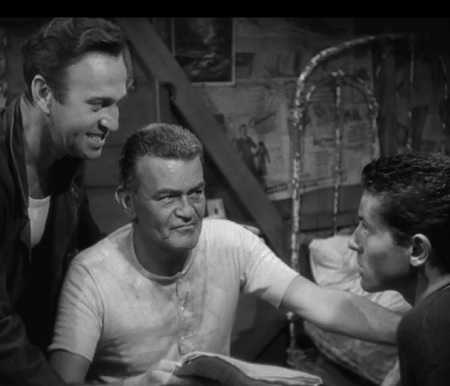
It’s true that initially, this film seems a typical noir. Bowie (Farley Granger) is an escaped convict, sprung by fellow criminals Chickamaw (Howard Da Silva) and T-Dub (Jay Flippen) so that he’ll be the getaway driver for their bank robberies.

DaSilvaGrangerFlippen
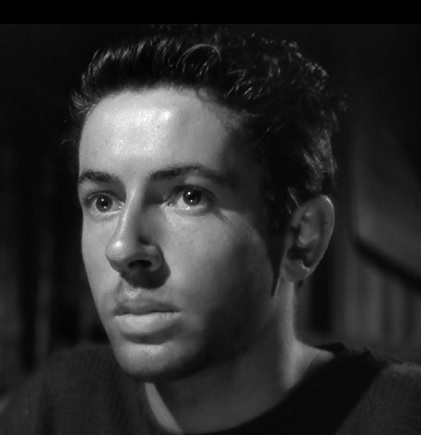
Jailed seven years for a murder he didn’t commit, Bowie goes along with their plans, thinking the loot will help him pay for a lawyer to prove his innocence. (Yes, that’s how naïve he is.) This supposedly scary criminal looks like this when he’s afraid a girl will disapprove of him:

Bowie, looking like a scared Ralph Macchio.

Resembling a scared Ralph Macchio….

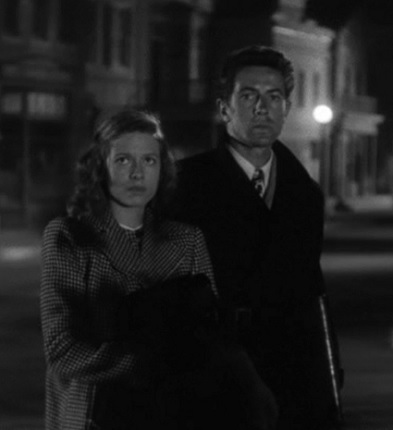
But innocence is the theme of this movie–and not the corrupting of that innocence (as a noir might lead us to expect). While he does commit robberies, Bowie doesn’t seem very interested in them. He’s loyal to his partners, but ready to quit at any time. In fact, we see very little of his robberies in the film, and very much of his quiet time with his love. What makes it a noir is simple: he’s trapped by his past actions, and escape isn’t looking likely. His hopes for getting out of the mess he’s caused are sad to hear, even if they do endear him to Keechie (Cathy O’Donnell).

GrangerO'Donnell
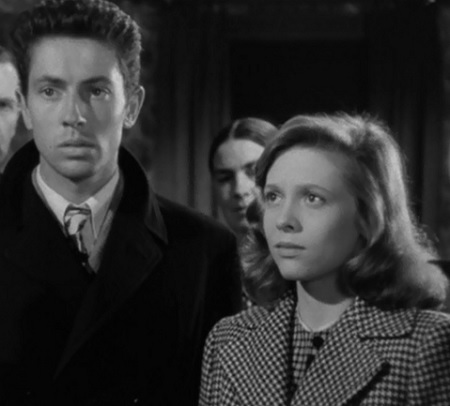
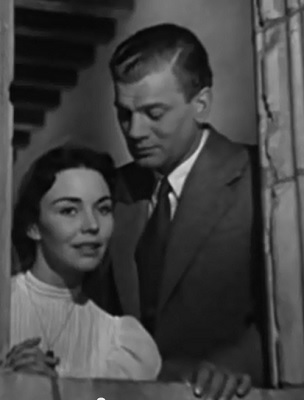
Keechie, whose drunken father hides the escapees, falls for  Bowie after his fumbling attempt to talk to her (she seems to be the first girl he’s met). When they spend time together after an injury and his partner Chickamaw’s bloody response to it given Bowie an undeserved reputation for villainy, the two become even closer. Their impulse decision to marry after she runs away with him shows them fearful, hesitant as they approach the altar–like the kids they are.

KeechieandBowieTheyLiveByNight

TerrifiedofMarriageBowieKeechie
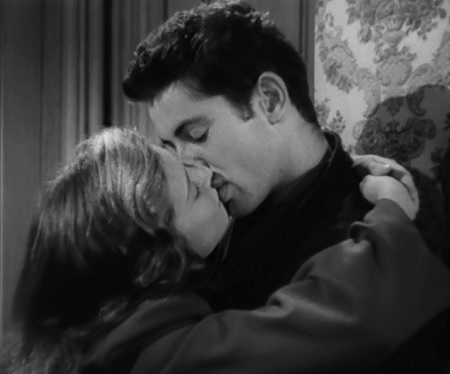
These two are so innocent I kept wondering if they were even going to kiss.

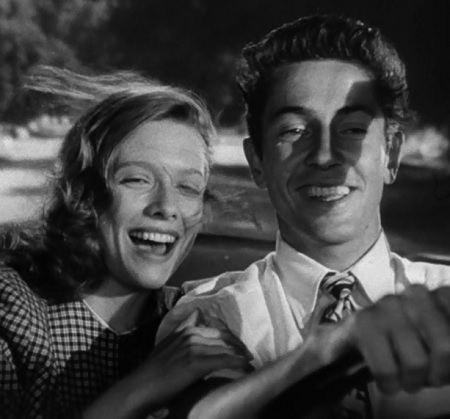
At points, there’s so much giddiness when they smile at each other it’s easy to forget that these dark shadows on the screen portend something, that their romance probably isn’t headed anywhere better than Shakespeare’s famed lovers.’

BowieKeechieTheyLivebyNight
(I should mention, by the way, that I’ve never found Rome & Juliet romantic; I regard it as the tragedy of teenage-think-gone-wrong, when a new crush means forever-love, and a life without him/her is THE END. It’s difficult for me to fathom that others find fickle Romeo–who was in love with Rosaline the day before–romantic.)

While there’s no feud between the couple’s families in They Live by Night, Keechie’s father helps the police catch Bowie, and the latter’s partners refuse to let him go straight, giving us a bit of that lovely, narcissistic Capulet-Montague spirit.

Despite the odds, Keechie and Bowie do manage to escape the patent absurdity of their names and the triteness of their situation, making us root against others hunting them. O’Donnell plays that same almost-too-sugary supporter as she did when portraying Wilma in The Best Years of Our Lives, but with enough toughness and grit to make us like her. Granger perfectly captures the blustering young lover trying to do the right thing, but kind of clueless about how to pull it off.

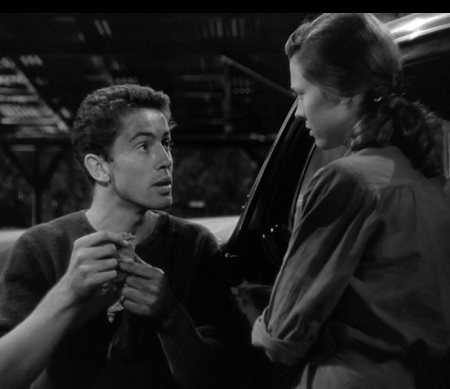
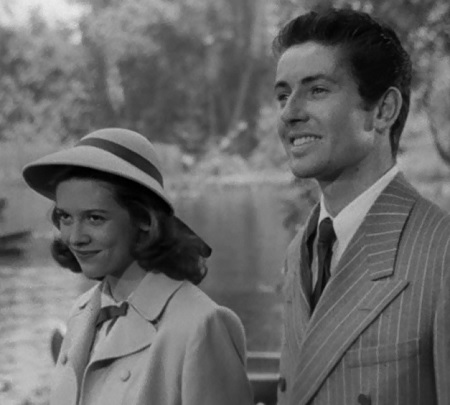
While the criminal partners of Bowie’s are fairly stereotypical, others the couple meet are not; the strange, quirky hotel proprietors and marriage officiants seem to promise sympathy and add interest to the story–though no one deserves as much trust as these two are willing to shell out. You just keep wondering how this kid could survive 7 years in prison and STILL be this childlike, or a girl could have a corrupt, alcoholic father; a criminal for an uncle; and remain such an optimist. And yet, they come across as real on the screen, and the freshness they bring to their experiences is enchanting, as with this scene of them ecstatic about going out for dinner.

TheyLiveByNight-smalljoysmarriage
I won’t reveal how it ends, but the film is suspenseful enough in spite of many slow interludes, and the characters compelling enough, to keep you watching, and hoping….

Share
Posted in: 1940s films, Film Noir/Crime/Thriller & Mystery, Romance (films) Tagged: Cathy O'Donnell, Farley Granger, film noir, Romance, Romeo and Juliet, They Live By Night

The Anti-Disney Marital Treatment: Funny Girl

07/12/2015 by leah@carygrantwonteatyou.com 2 Comments

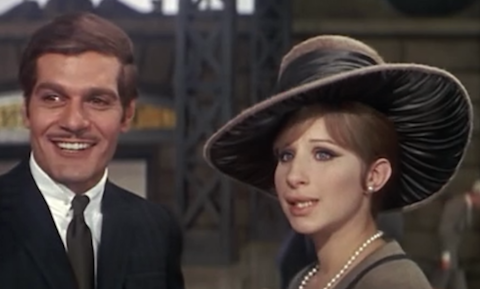
StreisandandSharif
“Oh he was SO handsome,” said my mother-in-law when I mentioned Omar Sharif’s death. My mother did the same when she introduced him to me: his eyes, his style, his tall-dark-handsome persona.

Despite his undeniable looks, that wasn’t the impression he left on me, not exactly. He was handsome, yes. He was charismatic, yes. But the word I’d use if thinking of him was disquieting. Why?  Because of his performance of Nick Arnstein in Funny Girl, a performance so suave, so  heartbreaking, and so believable I could never fully imagine him apart from that role afterward.

Up to then, I think I must have seen only Disney marriages onscreen: You love each other; therefore, happily ever after is guaranteed, as long as you’re not a fool enough to fall for a jerk. But here was a marriage torn apart by pride, by a man’s reluctance to see his wife out-earn him, by a love for a profession–gambling–which wasn’t exactly reputable, but was all he had to bolster his confidence. (Part of Sharif’s believability might have resulted from his well-known skill at it.) Could a woman’s success poison her relationships? Could separate passions so totally separate such an affectionate couple?

My reason and sympathy might have been with Fanny Brice (Barbra Streisand), but I had an uneasy feeling that marriage wasn’t quite as simple as I’d been led to believe. That this story, in spite of the Hollywood gloss on real events, was saying something I wasn’t old enough to accept about what it took for a union to make it, whether romantic or platonic. I comforted myself that it wasn’t EXACTLY true, but there was an authenticity to the portrayal I couldn’t deny.

I’ve thought of Sharif’s role in the years since, when I witnessed in so many friendships and unwise romances* how much charm can mask incompatibility, and selfishness too. Perhaps the film should be required viewing for women on the cusp of adulthood: It might not be the kind of heartwarming story you want to watch before you curl off to sleep, but you might pass fewer sleepless nights if you do.

*luckily for me, few of my own

Share
Posted in: 1960s films, Anti-Romance films, Feminism, Romance (films) Tagged: Barbra Streisand, Fanny Brice, Funny Girl, Omar Sharif

Mad Men Meets Sex and the City: The Best of Everything

06/28/2015 by leah@carygrantwonteatyou.com 16 Comments

Baker-BestofEverything
This post is part of the Modern Era portion of the Classic Movie History Project Blogathon, sponsored by Aurora of Once Upon A Screen, Ruth of Silver Screenings and Fritzi of Movies, Silently. Previous days are covered here: Silent Era and Golden Age. Thanks to Flicker Alley for sponsoring and promoting this event.

Ever since Mad Men ended, I’ve been wondering about Peggy’s real-life equivalents, from the woman who coined “A Diamond Is Forever,” to those who paid a far greater cost for their romantic missteps than Peggy did. I’ve been curious about ’50s and ’60s movie versions of the career girl as well. Films covered single women in the city from the silent era on, but naturally, I viewed the movie based on the book Don Draper was reading at the start of the show, Rona Jaffe’s The Best of Everything.

Jaffe is an interesting figure in herself; her characters are based on her own experience in publishing, and her friends within it. She earnestly explained to Hugh Hefner (what a choice!) that her goal in writing the book was to normalize and destigmatize the experience of those girls who felt ashamed and alone in their mistakes: their dalliances with married men, the children they bore (or didn’t) as a result.

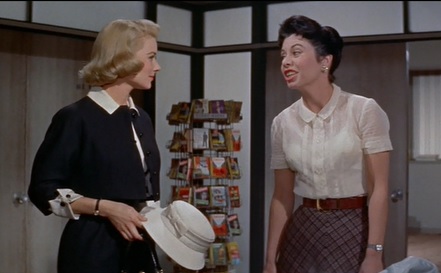
The controversial film version (1959) quickly lands us in the center of the action in a publishing company, and I was instantly hooked by the drama: the boss (Brian Aherne) who casually pinches his workers’ rears, the secretaries trying to balance social lives and unreasonable work demands, the crowded shared apartments and crammed lunch spots. (The film is given props for fashion, and deserves it. It’s a visual feast throughout.) Right away, we get a sense of what women had to put up with just to get paid, and not well.

First day on the job

First day on the job

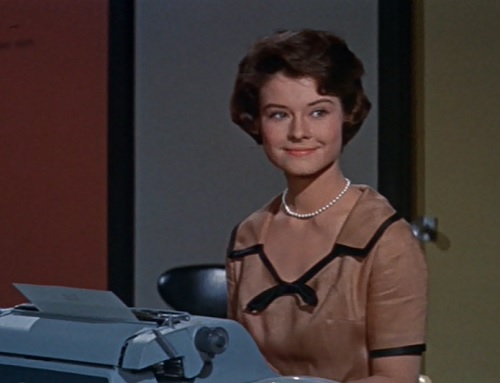
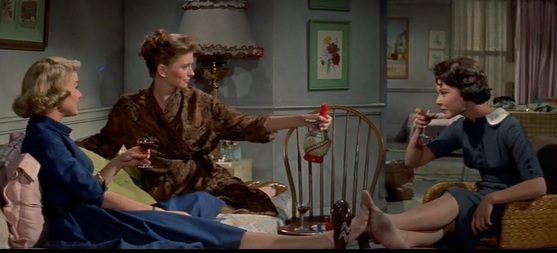
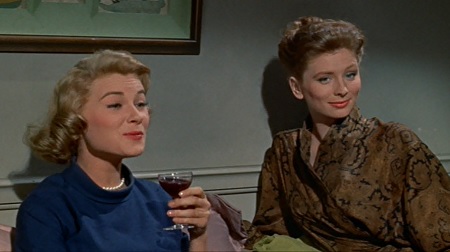
Newcomer to  the city Caroline (Hope Lange) rooms with coworkers Gregg (supermodel Suzy Parker) and April (Diane Baker) in a miniscule apartment, and the three instantly become tight friends despite having little in common: Gregg is the adventurous bombshell/aspiring actress, April the innocent, and Caroline, the sophisticate who is trying out work until her fiancé returns to the U.S. and marries her.

Single roommates in the city

Single roommates celebrating

Caroline and Gregg talk about lovers with April

Caroline and Gregg talk about lovers with April

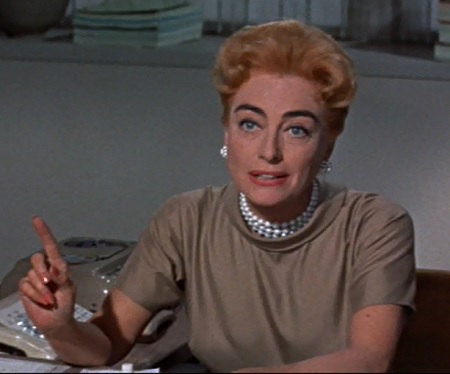
The three unite in hatred of Amanda Farrow, the harsh editor who has chosen success over marriage, and scorns the secretaries who didn’t have to go through as much as she did to advance.

JoanCrawford-Farrow
She has a smidgen of Miranda Priestly of The Devil Wears Prada in her, but there’s pathos and empathy to Farrow too. She may fail to support her many secretaries’ ambitions, but she tries to save them from her romantic fate, from awful men. And The Best of Everything is full of them.

The Sex and the City ladies might have faced a lot of freaks, but at least they had some personality; the men of The Best of Everything are as interchangeable as the vice presidents in American Psycho. A recent play of the book even used cardboard cutouts of men to emphasize the point.

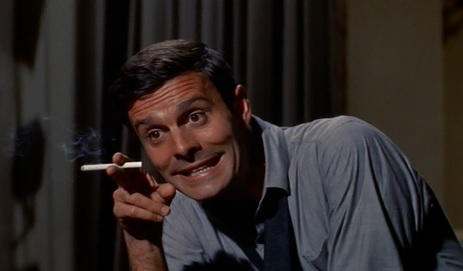
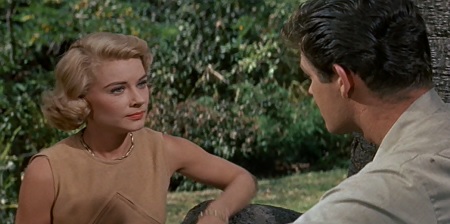
What’s puzzling is what these interesting women see in these duds. Effervescent April (Baker) falls for a guy who is so obviously a sleaze he might as well be wearing a signboard to announce it. Hope’s fiancé announces he’s married a rich girl instead of her—over the phone—and then expects her to sleep with him afterward. And get this: dazzling Gregg (Parker) falls so hard for a director (Louis Jourdan) that she goes into a crazy, stalking tailspin when he dumps her. (Yes, nothing inspires sexual obsession so much as heartthrob Gigi‘s Gaston. What??)

JourdanBestofEverything
Since the men are so patently lacking in any redeeming qualities but sleep inducement, the film’s attention to them rather than the workplace and roommate dynamics is disappointing, as the latter, when they’re the focus, are well developed and fascinating. Caroline advances quickly to the rung above secretary (a reader), but is accused by an alcoholic friend, Mike (Stephen Boyd), of faux ambition, just to avoid her romantic life (by the way, this is the love interest we’re rooting for).

Ambitions attacked

Ambitions attacked

Yet between the romantic interludes (and their sad repercussions) are intriguing signs of the second wave of feminism to come: Farrow (Crawford) leaves the marriage she impulsively makes with an old flame, returning to work, and we have the sense that she’s better for it. Caroline is promoted again. Abortion is presented as the fault of men who are careless with the hearts (and bodies) of naïve women—not the deserved end for loose ones. Female solidarity* prevails throughout, as when one of our heroines slaps a faithless boyfriend of the other. (*In one brief, funny exception, the secretaries all try to pass off work on one another.) The workplace even has moments of startling modernity, as with the hilariously painful bonding “picnic,” with its forced fun and workers getting drunk in self-defense. There’s enough worth watching in the film, in short, to get viewers through the unearned suds of these worthless romances.

Single women have fled to New York for all kinds of reasons, in all kinds of ages: post-Civil War belles, without men or funds; rural women leaving farms for factories; aspiring starlets, hoping for a berth at the glamour-girl dorm, The Barbizon Hotel (an upscale Footlights Club, a la Stage Door). These women certainly didn’t find the “best of everything.” But they still managed to live out enough of the excitement of the big city to keep other women coming, to keep dreamers hankering for if not the best of everything, the thrill of aspiring for it.

Share
Posted in: 1950s films, Blogathons, Drama (film), Feminism, Romance (films) Tagged: city, Joan Crawford, Mad Men, Sex and the City, single girls

Bette Davis & Sibling Bonds: The Sisters (1938)

04/09/2015 by leah@carygrantwonteatyou.com 4 Comments

TheSisters-1938
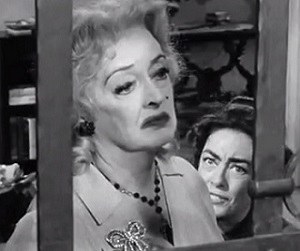
April 10th is National Siblings Day. If the holiday makes you cranky about being an only child, watch Whatever Happened to Baby Jane? That should cure you of longing for a sister.

WhateverHappenedtoBabyJane
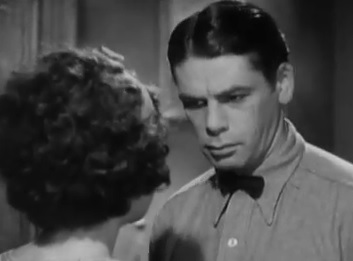
Or spend some time with the creepy antihero of Scarface (1932). You’ll never want a brother again.

Scarface
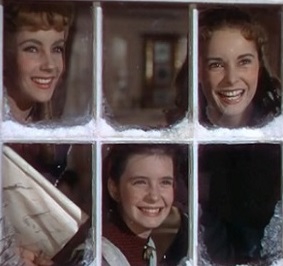
But if you insist on the delight of being a sibling, there’s always the classic sisterly bonding tale, Little Women. The March sisters will satisfy all your sentimental cravings.

LittleWomen
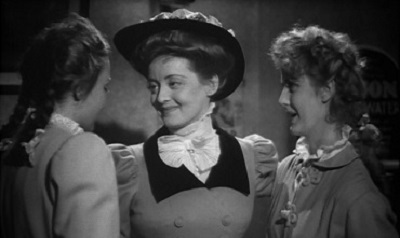
And if you want a more adult version of sisterly unity, check out The Sisters, a period drama set in 1904 in Silver Bow, Montana. Grace, Helen, and Louise Elliott all marry and experience varying degrees of unhappiness as a result. But the bond between them holds firm even when sorrow, tragedy, and distance separate them.

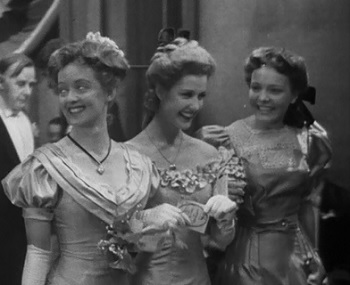
The story begins at a ball celebrating Teddy Roosevelt’s inauguration, where the three girls are in high demand.

Louise, Helen, and Grace

Louise, Helen, and Grace

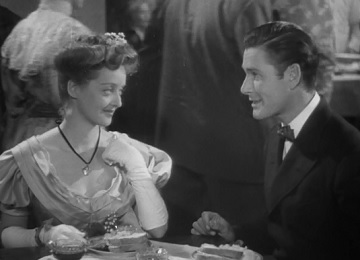
Helen (Anita Louise) is the loveliest, Grace (Jane Bryan) the steadiest, and Louise (Bette Davis) the most confident. Louise is on the verge of engagement to a banker’s son, Tom (Dick Foran), until she encounters Frank (Errol Flynn), a flashy visiting newspaper reporter.

BetteDavisandErrolFlynn
He has few prospects, and her parents don’t like him. He talks too much about freedom and drinking. But she’s in love, so she elopes with him to San Francisco. Her sisters, who seem to have a sixth sense about one another’s movements, anticipate her actions, and say goodbye before she can sneak away.

While Louise is busy grasping at contentment in San Francisco with her increasingly worthless husband, Grace marries Louise’s ex, Tom, and has a son. Meanwhile, Helen cozies up to her long-time admirer, Sam (Alan Hale), who is twice her age but can give her a life of glamour away from Silver Bow. At first, only Louise’s life is turning sour, with her mother adding the word “poor” to her name whenever she says it. Frank, a heavy drinker, avoids home and complains about his lack of freedom and talent, which makes him a general joy to be around. Finally, Louise gets a job so that they can pay the bills, giving him yet another reason to feel sorry for himself. Just before the famous 1906 earthquake, he flirts with the idea of leaving her.

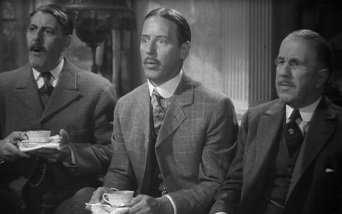
Helen, predictably, is faithless to her husband, whose health proves precarious. And when Grace discovers her husband isn’t as loyal as she thought, her sisters rush home to help her, scaring a group of philandering husbands into aiding their cause: outcasting the woman who seduced him.

MenConfrontedbySiblings
I won’t reveal what happens to each of their marriages, or the ending that promises happiness the audience has no reason to trust. I will say the movie is engrossing throughout, with comic relief from their parents (character actors Henry Travers and Beulah Bondi), convincing chemistry between Flynn and Davis, and lovely dresses by Orry George Kelly.

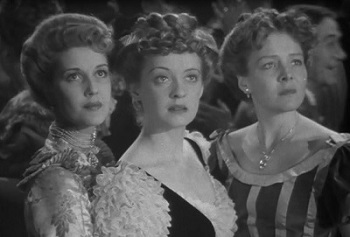
But what most intrigued me about the film occurred in the final minutes. Grace and Helen both sense that Louise is in need during the final inaugural ball of the film (this time for Taft), and each leaves her man to seek her. Together, the three sisters hold one another in a final, empowering image, their expressions declaring that whatever others will do—or won’t—these three will fiercely protect one another. And that is an image that will be on my mind on National Siblings Day.

BetteDavisandTheSisters

Share
Posted in: 1930s films, Drama (film), Romance (films), Uncategorized Tagged: Bette Davis, Errol Flynn, movies, National Siblings Day, sibling movies, Sisters

4 Movies Downton Abbey’s Lady Mary Would Watch

03/01/2015 by leah@carygrantwonteatyou.com Leave a Comment

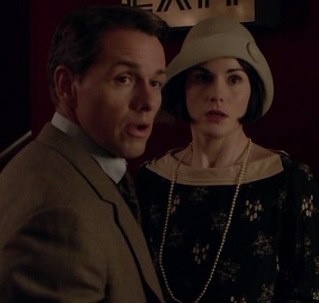
LadyMaryandCharlesBlake
It’s 1924 at Downton Abbey. We’ve just seen Lady Mary (Michelle Dockery) canoodling with one guy in a London theater (Charles Blake) to ward off another (Lord Gillingham) who had mistaken intimacy for love. Mary barely protested when forced to leave Beau Brummel early to disenchant Gillingham. But here are four films out that year that might have distracted the vixen from her flirtations, at least temporarily…

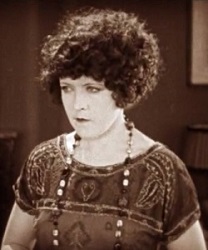
The Marriage Circle

The MarriageCircle
Mizzi (Marie Prevost), a dissatisfied wife, plots to seduce her friend’s husband. And that’s just the beginning of the marital and extramarital scheming in Ernst Lubitsch’s classic comedy of manners. Mizzi could give Lady Mary tips on undermining her frenemy Mabel Lane Fox’s attractions. (The daring Lubitsch would obviously become Mary’s favorite director; two of my four are his films.)

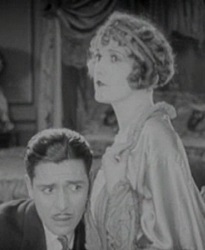
Her Night of Romance

HerNightofRomance
Dorothy (Constance Talmadge) winds up with a guy she barely knows (Ronald Colman) in her bedroom, and goes to extreme measures to protect her reputation. Sound familiar, Lady Mary?

Monsieur Beaucaire
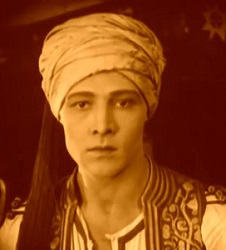
Mary likes the pretty boys, and she couldn’t have missed heartthrob Rudolph Valentino starring in The Sheik three years before.

RudolphValentino-TheSheik
With Valentino featured AND a character named Lady Mary, Monsieur Beaucaire would lure the Downton heroine to the theater, even though her namesake in the film has too much pride to hold onto the guy (I have no illusions Mary would recognize the similarities).

Forbidden Paradise
Lady Mary has been subjected to Russian refugees she doesn’t care to meet, but a powerful czarina in full control of her posse of lovers? That could give Mary some interest in international politics.

Pola Negri, in her best Lady Mary pose

Pola Negri, in a Lady Mary pose

Maybe the film would even grant Mary some insight into her grandma’s (the Dowager Countess’s) almost-fling. Here’s hoping.

There you have it. Four films with enough skin, calculation, and female triumph to please the headstrong Lady Mary, maybe even give her some ideas for next season…

Share
Posted in: 1920s films, Drama (film), Feminism, Humor, Romance (films), Romantic Comedies (film), TV & Pop Culture Tagged: 1924 films, Charles Blake kiss, Downton Abbey, Downton Season 6, Film, finale, Kemal Pamuk, Lady Mary

The Novels? No. But Still Worth Viewing: Outlander (2014) and Portrait of Jennie (1948)

08/13/2014 by leah@carygrantwonteatyou.com 1 Comment

I’ve always been a sucker for time-travel narratives, from Somewhere in Time and Back to the Future to 2012’s Looper and Safety Not Guaranteed. Not surprisingly, I quickly devoured Diana Gabaldon’s first four Outlander novels, and was excited to hear that Starz had picked up the series. One episode into the network’s translation of the books may be too early to compare the series to its source. But given how few of us subscribe to Starz, the question must be an early one: is the TV show playing it close enough to Diana Gabaldon’s beloved novels to be worth the investment?

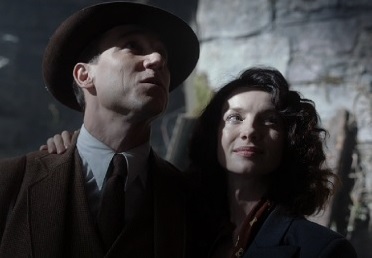
For those who haven’t read it, the first Outlander book’s premise is this: Swept from the 1940s to the 1740s through a magical stone circle, nurse Claire Randall keeps attempting to return to her husband Frank.

FrankandClaire
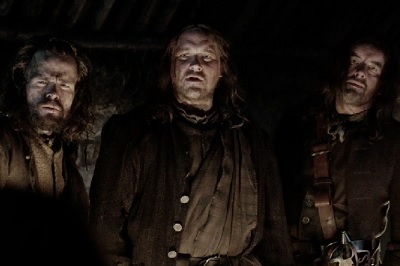
As she plots her homecoming, Claire becomes increasingly caught up in the lives of the MacKenzie clan.

ClairemeetsScots
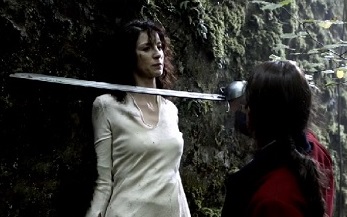
The book is an impressive amalgam of sci-fi, fantasy, romance, and Scottish historical and medical history, with Claire’s role as a healer contributing to her being mistaken for a witch and a spy by Scots and Brits alike. Unfortunately, Claire soon forms an enemy she can’t harm, Frank’s ancestor.

ClaireandJackRandall
And she runs into a complication she can’t resolve, an increasing attraction and debt to protector Jamie Fraser.

JamieandClaire
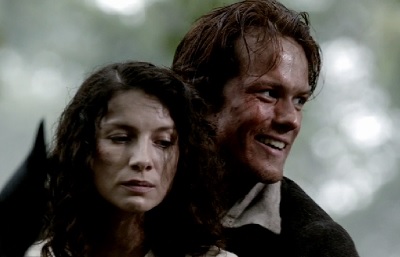
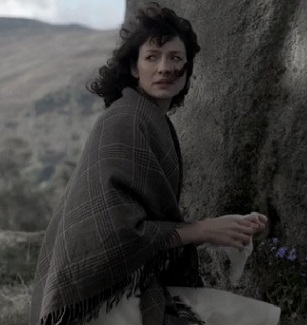
Like any reader, I watched the pilot of Outlander expecting to be disappointed by the casting. But Starz has done an astonishingly good job with its selections, particularly of lead Jamie (Sam Heughan). I still remain skeptical about actress Caitriona Balfe as Claire, but my doubts may be the result of the exposition she was forced to relay in voiceover, probably a necessity due to the complicated plot.

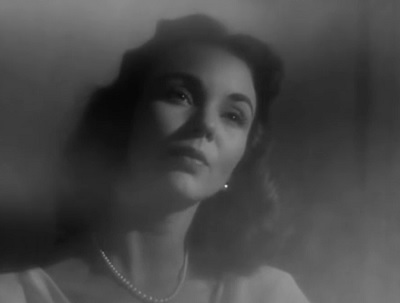
What surprised me is how nostalgic the pilot made me for a movie from my childhood, Portrait of Jennie (1948), and how much my concerns about Claire’s casting echoed my irritation with the choice of Jennifer Jones (the future wife of its producer, David O. Selznick) for its heroine.

JenniferJones-asJennie
To compare the complex story of Outlander to this simple romance might be a stretch, but hear me out. Both productions began with well-regarded novels. (Admittedly, Gabaldon has a substantial following, while enough time has passed since Robert Nathan’s glory days that his 1940 book now sits in that Kindle-Nook limbo, with new paperbacks less easy to come by.)

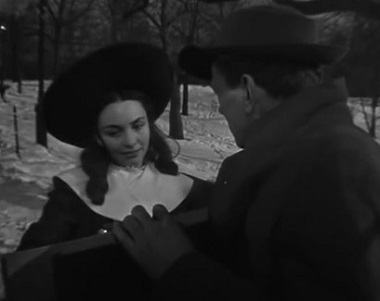
Nathan’s bittersweet fantasy is fairly simple, and the film follows it somewhat closely: Struggling painter Eben Adams (Joseph Cotten) runs into a girl in the park. She is dressed in old-fashioned clothes and has a timeless quality about her. He doesn’t know yet that she’s from the past.

JennieasChild-JenniferJones
Only when she continues to visit him, having aged considerably each time, does he discover that her time is out of joint with his. Mysteriously (we never learn how), she’s able to slowly catch up with his age, hopeful that if she does, they can be together.

In the meantime, Eben begins to sketch Jennie, and his portrait of her soon leads him to the success his landscapes never afforded him.

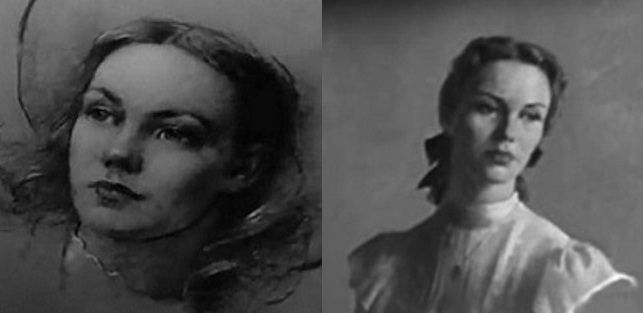
A sketch and a later portrait of Jennie (the latter by artist Robert Brackman)

A sketch and a later portrait of Jennie (the latter by artist Robert Brackman)

Eben’s professional life is on the rise, but his future with Jennie is uncertain: will she be able to make it to and stay in his future, or will time/the elements pull these lovers apart?

JonesandCotten
The book is so whimsical, yet so straightforwardly written, that it has a charm and mystery about it that the less subtle film never manages to master. My bias against Jones, which had its root in having only seen her as a saint, may have tainted my first evaluation of the movie (as did my childhood skepticism about classic film). But I think it didn’t help that, as in The Major and the Minor, the film tried to pass off an adult woman as a girl instead of hiring a child who resembled Jones.

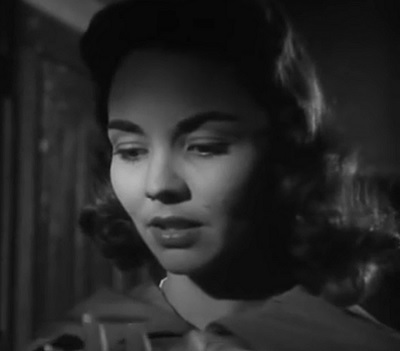
While I may nitpick about details still, I neglected to consider as a kid just how much the camera work DID capture the lovely, haunting mood of the book; how perfectly Ethel Barrymore (grand-aunt to Drew) portrays Eben’s patron; and how beautifully Jones expresses the terror and pathos of this young woman, who has lost her family in a tragic accident, and longs for a man she may never attain. It may be true, as one could easily charge, that Selznick was too enamored with his love (Jones) to judge the film clearly, but after all, she was his muse in the same way Jennie was Eben’s, and the soft focus on Jones’ features does convey the level of obsession and love Eben feels for this timeslipping girl. I find myself liking it more every time I see it. (Warning: Do not read about it online before viewing it; spoilers abound.)

JenniferJones
The fear Jennie faces is what The Outlander pilot gets so right about Claire. The show will inevitably have to reduce and simplify some of that book’s (and its sequels’) rich complexity, and will lose much in the process. But it will gain in shots of the landscape, in period details the reader can’t quite imagine, and most of all, in helping us experience the terror of being lost in time, and not sure, as with Jennie, of ever getting to the moment where we feel we belong.

Claire

Share
Posted in: 1940s films, Drama (film), Romance (films), TV & Pop Culture Tagged: Caitriona Balfe, Claire Randall, Diana Gabaldon, Jamie Fraser, Jennifer Jones, Portrait of Jennie, Sam Heughan, The Outlander

Ruined by Romance: Drive (2011) and The Hustler (1961)

08/07/2014 by leah@carygrantwonteatyou.com 4 Comments

I was excited when Drive came out: finally, I thought, a new Bourne. An action flick with intelligence and fine acting, starring a man who had bypassed romantic leads after The Notebook to refine his skills in indies. And the promo! It looked exciting and moody, with the kind of premise that meant my car enthusiast husband and I would be carrying the popcorn to our seats with equal enthusiasm.

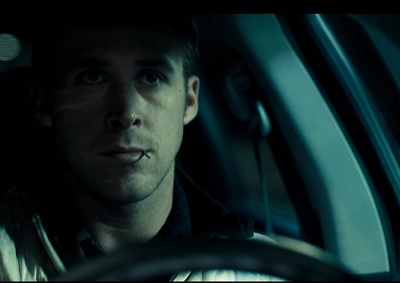
GoslinginDrive
Of course I had neglected to consider the amazing skills of this woman, who would later manage to portray one of the most self-centered characters in American fiction as a victim:

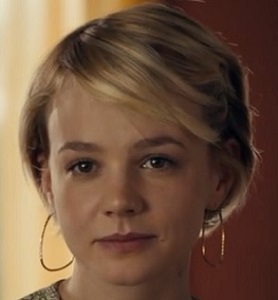
Mulligan as a vulnerable waif—again

Mulligan as a vulnerable waif—again

So instead of racing cars, instead of truly exploring the depths of his character’s moral confusion and darkness, Ryan Gosling gets to spend most of the film destroying his life for a mother (Carey Mulligan) who is (a) hopelessly fragile (b) already married and (c) unutterably dull.

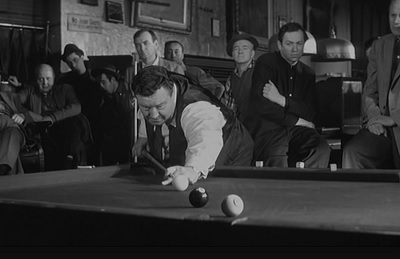
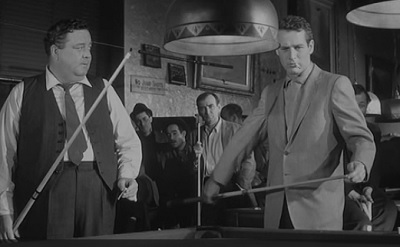
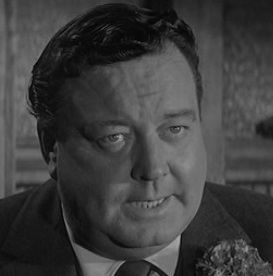
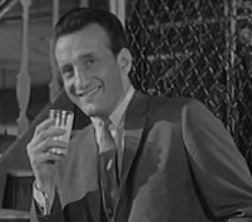
I wouldn’t say that The Hustler (1961) was ruined as completely as Drive was by a bad romance, but I was more appalled by its mistakes. Because this is a film I’d thought to be a classic, with George C. Scott as the money man and the brilliant Jackie Gleason playing Minnesota Fats, the reigning master of pool.

FatsinActionTheHustler
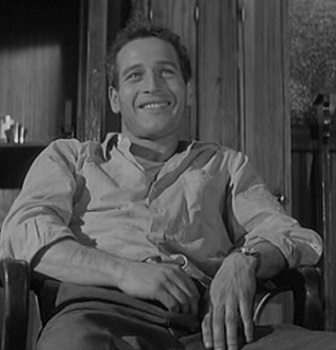
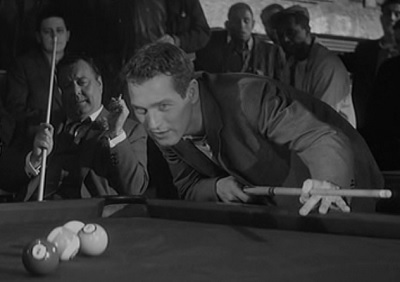
The master’s challenger is cocky young upstart Fast Eddie (Paul Newman), who struggles with confidence in spite of his successes hustling on the road. (Yes, the same character from The Color of Money).

FastEddieTheHustler
Imagine my surprise then to find that after the wonderful battle between Fats and Eddie ends with the latter deflated and broke, pool disappears for a long stretch of the film, to be replaced by a romance as inadvisable as it is boring to watch.

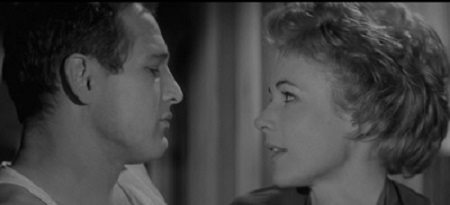
EddieandSarahTheHustler
Sarah (Piper Laurie) is a more interesting character than Mulligan’s Irene. She is depressed, moody, and drunk most of the time, but she is also compassionate and prickly with pride, and though I might have asked for more range and nuance from Laurie, others disagreed; she received an Oscar nomination for the role.

But whatever you think of Laurie’s performance, the romance itself is based on co-dependence. The two drink and have sex, and that’s about it; she even starts to write a story about their supposed depravity. When money-man Bert (Scott) accuses Newman of being a talented loser, the audience has to agree. It’s understandable that Eddie would align himself with Bert to lift up his career, even that he’d bring Sarah with him on the road since she can’t handle being left alone for a week (or more likely, doesn’t trust him to return). Sure, we know Bert is a bad guy, but Eddie isn’t exactly full of either options or patience.

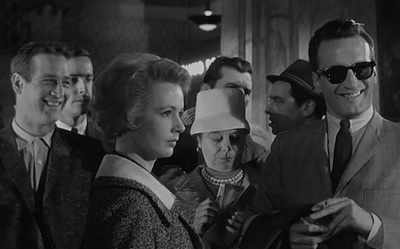
Sarah losing her way at the Derby

Sarah with Bert (Scott), her nemesis

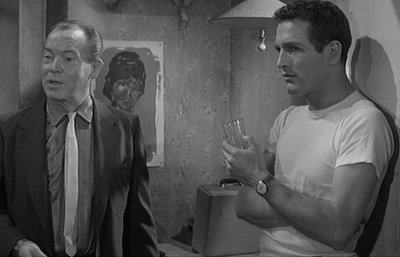
But to link Newman’s increased character and confidence to his remorse at his treatment of Sarah? Really? Eddie didn’t seem to mind leaving his long-time buddy and manager, Charlie (Myron McCormick), in the lurch.

Charlie (Myron McCormick) trying to win Eddie back

Charlie (McCormick) appealing to Eddie

His treatment of Charlie is far worse than his neglect of Sarah. The problem isn’t what Eddie did during his travels with Sarah and Bert; the problem is whom he chose to do it to: you don’t get involved with someone this fragile unless you’re in it for good, especially with a predator like Bert in your company. What Eddie should have done is drive the poor woman straight to rehab, not to the Derby.

Are you bored yet? Yeah, me too. I didn’t sign up for a movie about a doomed love affair—and if I had, I could have found a far better one than this. Here’s what I wanted to see, and finally did at the end of the film:

EddieandFats
Note the vulnerability on Fats’ face as Eddie begins a streak:

EddieonstreakTheHustler
Or his insistence that Eddie stop getting distracted and focus on the game, the defeat on his face clearly showing that he’s sold himself to Bert too:

FatsadviceTheHustler
Watch Bert’s celebration of his power over both men:

BerttauntingTheHustler
And most of all, witness the beautiful pool shots throughout–while you can get them. For a film called The Hustler, I didn’t get to see much hustling. Luckily, I did get to see this: Fats dressing up to rejuvenate himself during a losing streak:

GleasondressedupasFats
I could watch the pool passages in the film again and again and again.

Why do Hollywood films always use romance as a replacement for self-struggle? I haven’t read Walter Tevis’s novel, which may have managed the matter better, but the best films I know about competition don’t rely on gimmicky stand-ins as substitutes for the practice scenes (with pool!) they should have included. Even if a love affair is involved, it’s one that forces the hero/heroine to confront weaknesses. And it’s Bert—not Sarah—who tells Eddie the truth in The Hustler. If anything, I would think remorse would lead Eddie right back to the aimless life he and Sarah had been leading.

Did I enjoy the film? Yes. Would I fast forward through the Laurie-Newman scenes next time? Oh yes. Do I think at the end of the day The Cutting Edge was more convincing? Absolutely.

Share
Posted in: 1960s films, 1990-current films, Action & Sports Films, Femme fatales, Romance (films) Tagged: Carey Mulligan, Drive, Jackie Gleason, Paul Newman, Piper Laurie, Ryan Gosling, The Hustler

The Red Shoes, Pied Piper to Aspiring Ballerinas

08/03/2014 by leah@carygrantwonteatyou.com 14 Comments

This post is part of A Shroud of Thoughts’ The British Invaders Blogathon. Check out all the great entries! 
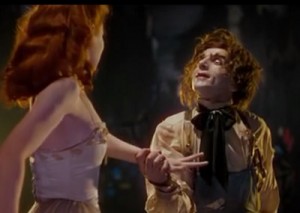
Vickyandshoemaker
Why did this film about the terrible choices a woman must make for her art inspire generations of ballerinas? Every little girl raised on Hans Christian Anderson knows that Karen, the red shoe-shod girl, doesn’t fare well: as punishment for her vanity in choosing red shoes for her confirmation (and similar sins), Karen can’t stop the shoes from dancing, can’t take them off, can’t go to church, can’t even prevent her detached legs from dancing when they’re cut off and replaced with wooden ones. Only when she truly feels remorse does she find peace—in death.

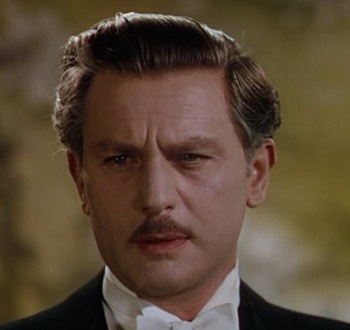
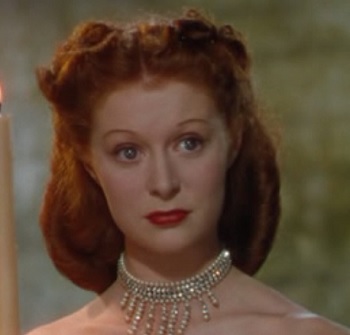
Surely then, a film about these shoes won’t bode well for the heroine, Vicky Page (Moira Shearer), as indeed, proves to be the case. The aspiring ballerina’s fierce impresario, Boris Lermontov (Anton Walbrook), expects unwavering commitment to dance. Vicky arrests his attention and is allowed into his troupe mainly because she seems to possess it:

“Why do you want to dance?” Lermontov asks when he meets her.
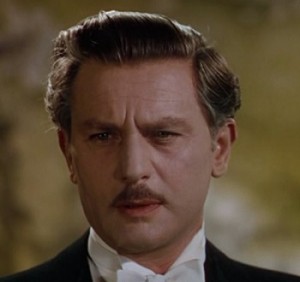
WhyDanceLermontov
“Why do you want to live?” Vicky answers.
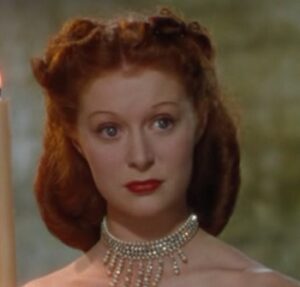
VickyWhyDance
“I don’t know exactly why, but I must,” he admits.

“That’s my answer too,” Vicky answers.

His prima ballerina’s nuptials lead the fiery director to boot her out, and usher Vicky in. He’s not interested in any dancer “imbecile enough to get married.” “You cannot have it both ways,” he explains to his choreographer. “A dancer who relies upon the doubtful comforts of human love will never be a great dancer, never.” Vicky is soon in training for Lermontov’s new ballet, which is based on the Hans Christian Anderson tale, with a company skeptical about her abilities and self-doubt growing under everyone’s exacting standards.

She relaxes when The Red Shoes becomes a spectacular smash, but conflict soon arises in the form of the ballet’s young composer, Julian Craster (Marius Goring), who has fallen for Vicky, and she for him. At this point, we viewers are still happy: she’s gotten her role, as has Julian, whom we’re also rooting for; she’s a hit, as is he; they’re in love, and have earned the respect and affection of the rest of the troupe. But then Lermontov finds out, and she has to choose: greatness with him, or mediocrity with Julian (only minor roles, minor ballets for her). And like every woman before her, this choice between love and ambition will not be an easy one, and she will be tortured either way.
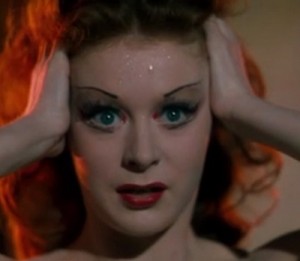
VickytorturedRedShoes
Why then, did this tragic film result in so many enthusiastic young ballerinas? I have a few theories on that, having been in ballet from ages 5-12 myself, and seen this movie when I was gobbling up Noel Streatfeild’s Ballet Shoes series.

For Young Girls, It Wouldn’t Have Been a Tough Choice
Julian is a likeable guy (for most of the film). He’s ambitious, cocky, devoted to his art, smart. He stands up for himself when he’s cheated; he’s supportive, sweet, and appreciative of Vicky as an artist, as he demonstrates during their loveliest moment together, when he envisions a time when a child will ask him as an old man where he was most happy, and he’ll answer this moment with Vicky: “‘What?’ [the girl] will say. ‘Do you mean the famous dancer?’ I will nod. ‘Yes, my dear, I do….We were, I remember, very much in love.’”

But let’s be frank here: Aside from the romantic streak, these are the types of traits women long on the dating scene may appreciate, but are not the type to win over pre-pubescent girls. This is not the kind of face girls’ dreams are made of:
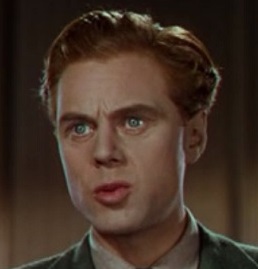
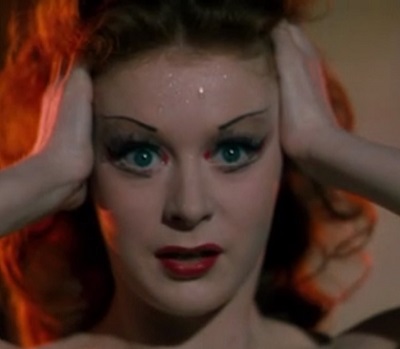
JulianTheRedShoes
Without the conflict, no tragedy. And after all, even those girls who dream of perfect love and great achievement know a ballerina’s career is short. Their gossiping friends in the dance company will tell them so (if they’ve made it that far). And if they’re still beginning, well, they will learn as much after a day with some dance flicks: The Turning Point, Center Stage. Is it so impossible for the young dreamer to think she’ll simply fall in love later, as the actress (Moira Shearer) herself did in her mid-twenties after her greatest dancing successes?

The Caliber of the Dancing
The pet peeve of dancing enthusiasts is when films substitute allegedly good actors for good dancers—because Jennifer Beals, my friends, sure did have acting chops. Perhaps I would understand this choice if any of the actors and actresses selected were talented.

Take, for example, Center Stage (2000), which played it both ways, inserting a few actors among real-life ballet dancers to elevate the film’s quality. While the result is good dancing, but an array of poor acting performances, the worst among the bunch are Zoe Saldana and Susan May Pratt, who were chosen for their supposed dramatic skills; the latter can’t even manage graceful walking. People, no dancer has ever regretted watching a Fred Astaire film, and the man was at best a passable actor. No dancer says, “I would have enjoyed that movie if he could act,” even if an occasional person among the general audience does.

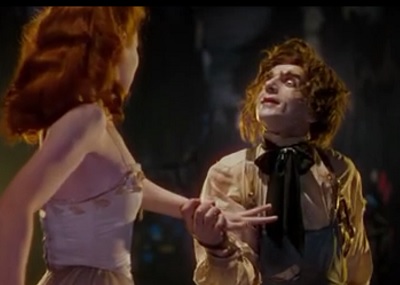
The Red Shoes, like the Rogers-Astaire films before it, did something more than highlight amateur beginners. It featured world-renowned ballet dancers and choreographers. Léonide Massine, who plays the choreographer (Ljubov) in the film, was a choreographer of nearly the status as George Balanchine. He created and acted the part of the shoemaker in the ballet. The replaced prima ballerina, Boronskaja (Ludmilla Tcherina), was in real life a prima ballerina in France.

And Moira Shearer? She danced for both Balanchine and Massine as a principal in the Sadler’s Wells (later the Royal Ballet), along with, you guessed it, that little-known ballerina Margot Fonteyn, whose costar in the company choreographed and played the male lead in the ballet within the film, Robert Helpmann.
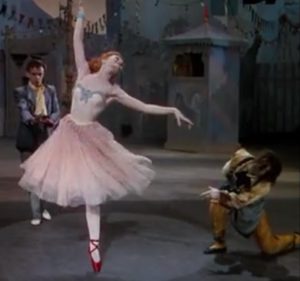
Helpmann, Shearer, and Massine.

Helpmann, Shearer, and Massine

Choosing such ballet luminaries didn’t hurt directors/writers Emeric Pressburger and Michael Powell’s movie; they were even lucky enough to find in these stars acting skills as well (which we rather expect in our greatest ballet dancers).

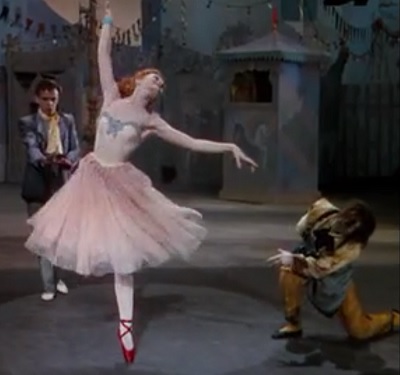
The Red Shoes’ most famous ballet itself is stunning, surreal, inventive and truly impossible to put into words, capturing the darkness of the fairy tale and all of its creepy, moralistic, vaguely misogynistic undertones, and giving Shearer the chance to demonstrate just why she was considered by some to be Fonteyn’s equal. It probably didn’t hurt that the film was scored by the Royal Philharmonic Orchestra.

The Realism
The movie is known for its surreal use of color and special effects and for a riveting performance by Walbrook as Lermontov.

surrealTheRedShoes
It’s recognized now as ridiculously ahead of its time; one shivers to think what an American studio would have done with the same material in 1948: the starlets they would have chosen, the bizarre beauty they would have stamped out.

But by any standards, this film captures ballet as it is lived as well: the punishing practices, the demand for perfection, the colorful personalities, the scary choreographers and directors. I didn’t even make it into the company in my school, but I was terrified of the man who was our head. I’ll never forget his sharp eyes on me when I missed a move in The Nutcracker, nor his poise, which was every bit as still and intimidating as Lermontov’s. And this was a director of a small company in a minor city.
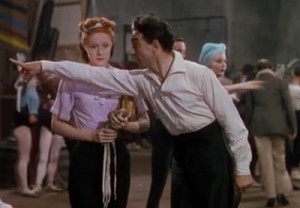
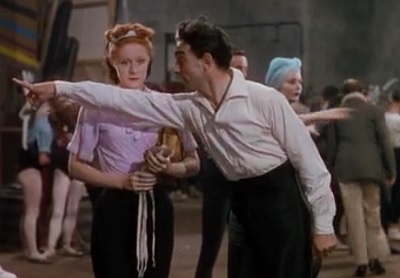
Vicky (Shearer) rebuffed by Ljubov (Massine), Vicky's (Shearer's) movie and real-life choreographer.

Vicky (Shearer) rebuffed by Ljubov (Massine)

The film, however, captures more than the tribulations of a dancer’s life. It conveys too the joy of the right move, of building toward something creative together, of earning not just the admiration of a crowd, but of those whose judgment you know to value.
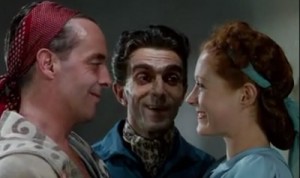
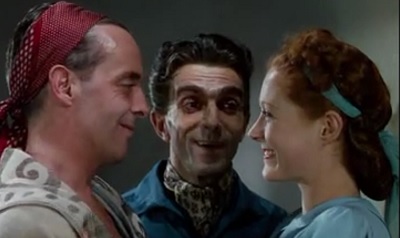
Vicky (Shearer) with her fellow lead (Helpmann) and choreographer (Massine); all three were involved with Sadler's Wells ballets.

Colleagues in film and on the stage: Helpmann, Massine, and Shearer

And it portrays the thrill of those impossibly lovely gestures, pirouettes, and leaps too, which no other experience can quite replicate.

Shearer believed the film injured her classical dance career because critics assumed she was riding on her fame from it rather than technical talent. If that’s true, I want to thank her for the sacrifice (admittedly too late). For it meant many young aspiring ballerinas like me, who would never go very far in dance, would understand in watching and re-watching The Red Shoes just what had made those hours in the studio worth it for us. Yes, it was literally a pain to practice (I feel a cramp in the arch of my foot just remembering those pointe shoes). And it hurt even more when it was time to let ballet go. But look! Just watch Vicky.
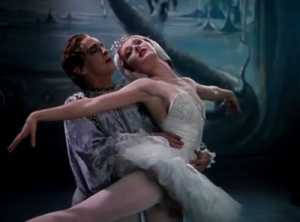
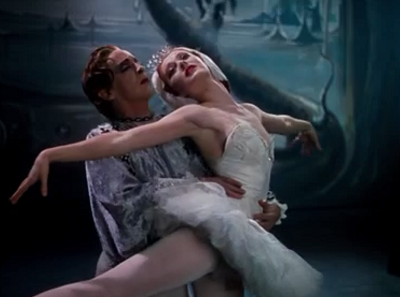
VickydancingTheRedShoes
Why wouldn’t you want to be a part of that, even for a little while?
Share
Posted in: 1940s films, Blogathons, Drama (film), Musicals and dancing films, Romance (films) Tagged: ballet, dancing, Moira Shearer, The Red Shoes, tragedy

The Amnesia Romance Before Vows and Notebooks: Random Harvest (1942)

06/26/2014 by leah@carygrantwonteatyou.com 2 Comments
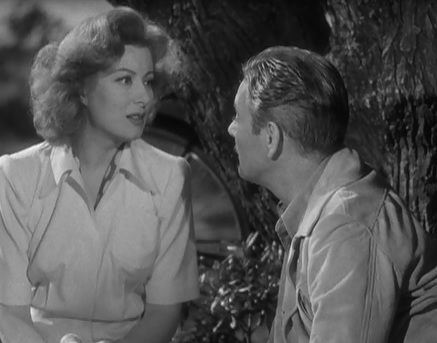
Greer Garson and Ronald Colman in Random Harvest

Greer Garson and Ronald Colman in Random Harvest

I wouldn’t usually confess to liking a romance—not the pure, unabashed kind, with brooding heroes; loyal, plucky heroines; and never-ending love. This is not, mind you, that I never watch or like them—it’s just rare for me to admit it. Did I swallow up every minute of North and South (2004 Gaskell version)? Oh yes I did. Did I, in fact, neglect to try out for cross country in high school because I was watching a bad period romance instead? Ummm. Maybe. (I’m luckily a little hazy on the details, even if my best friend claims she isn’t.)

I’m not sure then what it is about Random Harvest that makes me wiling to fess up to loving it. On the surface, this film is every bit as sentimental as the ones I supposedly (and sometimes actually) despise: I mean, it centers on AMNESIA. AMNESIA!! (Even Downton Abbey, which is about as soapy as it gets, knew to nix that Patrick Gordon/Crawley storyline.) But suspend your disbelief just briefly as I explain….

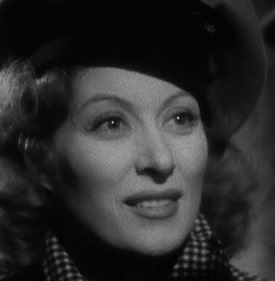
Charles Rainier (Ronald Colman), shell-shocked and without his memory after WWI, escapes from the asylum where he’s recovering when peace is declared. He happens into music hall performer Paula (Greer Garson), who pities and then falls for this man she dubs Smithy. She steals him away from his pursuers, giving up her job to help him.

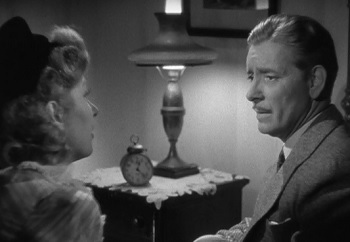
Smithy at the thought of losing Paula

Smithy at the thought of losing Paula

They have years of a happy marriage together, but an accident brings back his long-term memory, while knocking out the time with Paula. All he has is a memory of a strong love that prevents him from moving on romantically.

Smithy catching sight of his bride

Smithy catching sight of his bride

Are you rolling your eyes yet? I know how it sounds, as cheesy and manipulative as romances often are. But somehow, it’s not. The film is sentimental. But it takes a good forty minutes even for these two to admit to loving one another, and along the way, Colman’s heartbreaking performance captures so well his fragility as this lost man striving for dignity, and Greer’s warmth and exuberance and naiveté make her such a good foil for him, that you’ve begun to root for them before you realize you’re in their thrall. Of course, you’re terribly frustrated by his inability to see this charmer in front of him as the love he’s been mourning, even as you admire the loyalty he doesn’t know is to her.

Paula

Paula

Given Smithy’s/Charles’ continued memory loss, you want Paula to move on, know she should, and yet….There’s something so simple and right about the relationship they shared, about the generosity of spirit that made her help him, and about his wholehearted affection for her. After all, their love has nothing to do with anything but chemistry and affection, a bond with no social trappings of any kind.

If you’re a romantic, obviously, this film is right in line with The Notebook and The Vow and other similar films about love surviving great odds. I would argue this is a much finer film than either, and its seven Oscar nominations back me up. But I have to admit that the Academy isn’t much kinder to romances than it is to comedies, and a so-called “women’s picture” like this one, focused on loyalty to one’s man, would be unlikely to do as well now as it did then in the rush of patriotism that would give Greer her Oscar for Mrs. Miniver (also 1942).

Still, it would take a film this whimsical, this sweet to make me admit—in public!—just how much a romance took me in.


Share
Posted in: 1940s films, 1990-current films, Romance (films) Tagged: amnesia, Greer Garson, Random Harvest, Ronald Colman, The Notebook, The Vow

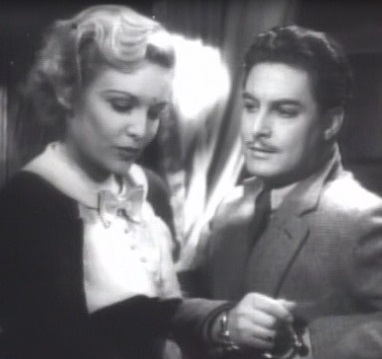
The 39 Steps (1935): The Charming Film You’ve Already Seen

06/19/2014 by leah@carygrantwonteatyou.com Leave a Comment
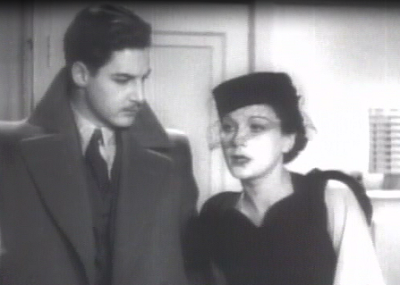
Hannay (Robert Donat) and the spy

Hannay (Robert Donat) and the spy

Like most of us, I’m not fond of clichés, of dark and stormy nights and ladies in distress, of hearts described as broken, or stomachs filled with butterflies. But when watching classic films, I sometimes find that what was then original has today become commonplace. The 39 Steps includes many of the types of plots and characters I’ve read/viewed too many times before: the mysterious spy, the man on the run from the authorities, state secrets, even a villain with a missing digit (six-fingered man, any of you Princess Bride fans?) By all logic, the sheer thought of the film should start me napping. But this is Hitchcock, and as always, he manages to lure me in. Just how does he do it?

Deflation of the Cliché
The general rule of cliché use is confession: if you must use it, at least admit to it instead of pretending you came up with “happy as a clam” on your own. The hero of the film, Richard Hannay (Robert Donat), dismisses the warnings of a lovely secret agent as just one of those spy novel clichés—much as we do. And then, even better, he offers this melodramatic oddball who has asked him for shelter some haddock. (Could there be a less glamorous response to a tale of secret agents?) When the agent is suddenly killed and Hannay is forced to flee to avoid being framed and to save England from a terrible plot, the passengers on the train where he hides talk about the murder, but cannot long be waylaid from their lingerie sales pitches. How brilliant is this? To use the cliché, and simultaneously make fun of it?

Vivid Characters
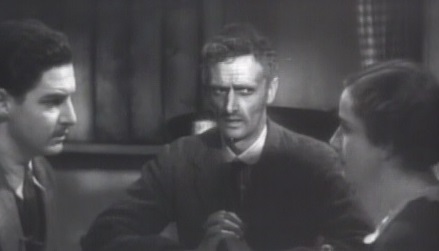
I can tolerate stock situations and phrases much more than generic personalities—the clown, the ditz, etc. Hitchcock and his writers infuse more life into minor characters than many filmmakers do their main players. Take just one brief interaction with a couple during Hannay’s flight. Early in the movie, the hero has escaped to a crofter’s (John Laurie’s) house. There, he charms the man’s wife (Peggy Ashcroft) with his cultured ways and solicits her help when she discovers his identify. Although the crofter is rough and stern, speaking of sin with an eye toward his wife, it’s hard not to pity as well as judge him: What kind of hope does this guy have of retaining his much younger spouse’s affections, with this charmer in his home? Or even when the handsome interloper departs?
Donatandcrofter
We flinch when the crofter slaps his wife for giving the fugitive his coat. But we know that while his action was unjustified, his anger was earned. We know that she would have done far more than that for and with Hannay, given the chance.

Suspense
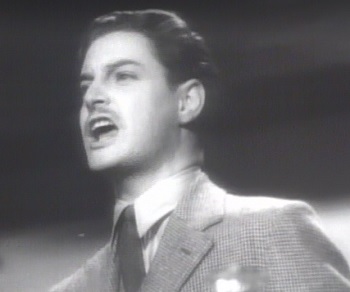
The dark lighting, the creepy villain, and the barren Scottish setting all contribute to our fright at Hannay’s situation. But there’s more to it. Mary Stewart once wrote that the “chief and terrible miracle” of the novel the film is based upon is “the unceasing and intelligence vigilance of every member of the population.” And it’s true. Everyone seems to be aware there’s a killer on the loose, and everyone seems eager to assist the police in capturing him. Therefore, we viewers doubt Hannay’s ability to escape. One very brief respite from the threat of strangers is when he is mistaken for a speaker at a political rally and (as in Fletch) gives a rousing talk. His subject is the “idle rich.” The eyes watching him, his recognition that he’s going to have to make something up, his forgetfulness about the handcuffs he’s wearing—all of it is terribly funny.

Donatspeech2
Here, as elsewhere, we’re with the crofter’s wife. This hero is just so compelling. How could everyone not trust him?

There’s so much more to enjoy: an adult version of Encyclopedia Brown, a strategic use of a train whistle, sheep blocking Hannay’s captor’s car, the creepy uncovering of a villain, and an attractive stranger (Madeleine Carroll) bent on delivering Hannay to the police, with whom he shares an amusing night in handcuffs.

DonatandCarroll
And above all, there’s Hannay’s significant moxie in dealing with the obstacles in his way.

Have we seen this film before? Yes. Have we witnessed heroes like this one? Oh yes. (Richard Kimble, John McClane, Nick Charles—this list goes on.) Will these factors stop anyone from enjoying the film?

Not a bit.

Share
Posted in: 1930s films, Film Noir/Crime/Thriller & Mystery, Romance (films) Tagged: 39 Steps, Hitchcock, Robert Donat
« Previous 1 2 3 4 Next »

Recent Posts

  • 100 Years Later, Still Scary: Dr. Caligari
  • Escaping Out of the Past (1947)
  • A Weeper for Those Who Love Jerks
  • Thank You, Academy, for Not Infuriating Me
  • Challengers (2024) Is a Bad Movie

Subscribe to Blog via Email

Enter your email address to subscribe to this blog and receive notifications of new posts by email.

Categories

  • 1920s films
  • 1930s films
  • 1940s films
  • 1950s films
  • 1960s films
  • 1970s films
  • 1980s films
  • 1990-current films
  • 2020s films
  • Action & Sports Films
  • Anti-Romance films
  • Blogathons
  • Childfree
  • Comedies (film)
  • Drama (film)
  • Feminism
  • Femme fatales
  • Film Noir/Crime/Thriller & Mystery
  • Gloriously Silly Scenes
  • Horror
  • Humor
  • Mae West Moments
  • Musicals and dancing films
  • Oscars
  • Random
  • Romance (films)
  • Romantic Comedies (film)
  • The Moment I Fell for
  • Turn My Sister into Classic Movie Fan
  • TV & Pop Culture
  • Uncategorized
Share
Classic Movie Blog Hub Member

Recent Comments

  • leah@carygrantwonteatyou.com on Meg Ryan’s Fate Foretold in Joe Versus the Volcano
  • Ryan on Meg Ryan’s Fate Foretold in Joe Versus the Volcano
  • leah@carygrantwonteatyou.com on 100 Years Later, Still Scary: Dr. Caligari
  • The Classic Movie Muse on 100 Years Later, Still Scary: Dr. Caligari
  • leah@carygrantwonteatyou.com on 100 Years Later, Still Scary: Dr. Caligari

Archives

  • November 2025
  • September 2025
  • May 2025
  • March 2025
  • January 2025
  • November 2024
  • August 2024
  • July 2024
  • May 2024
  • March 2024
  • February 2024
  • December 2023
  • November 2023
  • October 2023
  • September 2023
  • August 2023
  • July 2023
  • May 2023
  • April 2023
  • March 2023
  • January 2023
  • December 2022
  • November 2022
  • September 2022
  • July 2022
  • May 2022
  • April 2022
  • March 2022
  • February 2022
  • October 2021
  • September 2021
  • April 2021
  • March 2021
  • February 2021
  • December 2020
  • October 2020
  • September 2020
  • July 2020
  • May 2020
  • April 2020
  • March 2020
  • February 2020
  • December 2019
  • October 2019
  • September 2019
  • June 2019
  • May 2019
  • April 2019
  • February 2019
  • January 2019
  • November 2018
  • September 2018
  • July 2018
  • June 2018
  • May 2018
  • April 2018
  • March 2018
  • February 2018
  • January 2018
  • November 2017
  • September 2017
  • August 2017
  • July 2017
  • June 2017
  • May 2017
  • April 2017
  • March 2017
  • February 2017
  • January 2017
  • December 2016
  • November 2016
  • October 2016
  • August 2016
  • July 2016
  • June 2016
  • May 2016
  • April 2016
  • March 2016
  • February 2016
  • January 2016
  • December 2015
  • November 2015
  • October 2015
  • September 2015
  • August 2015
  • July 2015
  • June 2015
  • May 2015
  • April 2015
  • March 2015
  • February 2015
  • January 2015
  • December 2014
  • November 2014
  • October 2014
  • September 2014
  • August 2014
  • July 2014
  • June 2014
  • May 2014
  • April 2014
  • March 2014
  • February 2014
  • January 2014

Meta

  • Log in
  • Entries feed
  • Comments feed
  • WordPress.org

Copyright © 2025 Cary Grant Won't Eat You.

Church WordPress Theme by themehall.com