Cary Grant Won't Eat You

Classic movies for phobics

  • About
  • eBooks
  • Previous Blogathons
Classic movies for phobics

Romance (films)

A Weeper for Those Who Love Jerks

05/13/2025 by leah@carygrantwonteatyou.com 18 Comments
John Boles and Irene Dunne in Back Street (1932)


Back Street (1932), directed by John Stahl, announces itself early on as belonging in the wronged illicit woman tearjerker canon. Charming Ray (Irene Dunne) enjoys befriending traveling salesmen at a beer hall in Cincinnati before the turn of the twentieth century, but all they do in return is try to bed her. Ray laughs at their efforts, expecting little else, but never giving in.

Spoilers ahead.

That is, until she meets Walter (John Boles), a flirt who steals her heart despite neon red flags, including:

  1. Dispensing cheesy pickup lines during their meet-cute.
  2. Suggesting she meet him at 10 pm on a random street for a date.
  3. Announcing he’s a mama’s boy.
  4. Admitting he’s engaged.

Ray sleeps with this worthless banker anyway, making the audience wonder just how little game those traveling salesmen had. Walter suggests she meet his mommy at the park one day. He’s hoping that said mommy will agree he should drop his fiancée if exposed to Ray’s considerable charm. (Apparently, he can’t break up without mama’s say-so.)

Unfortunately, Ray gets waylaid because her lovesick half-sister needs her help (because of course she does). Ray then wonders for the rest of her days what would have happened had she had made it to the park on time.

Walter’s response to her no-show is a red flag of its own: angry petulance. Instead of considering herself well rid of him, Ray is again smitten when she runs into him five years later in New York. She’s now a success at her firm, and he’s married to that fiancée and a father. He’s still obsessed with Ray, so they begin an affair. Without her permission, he gets her an apartment for their rendezvous.

As a kept woman, our bar-hopping extrovert resigns herself to solitaire and phone watching. We witness Ray helping her worthless lover with speeches and bank matters. Since he doesn’t want her considerable intelligence occupied with anything but him, she’s unemployed. He also doesn’t want her going out with friends; then she’d be unavailable for his stop-bys. In return, he misses their engagements and forgets to call her, mail her, or put any money in her bank for weeks on end.

We see Ray bemoaning her life to a neighbor in similar straits. Still, back she keeps going to this selfish jerk whose most discernible quality is neediness. She even turns down a chance to marry a sweet, successful former neighbor who loves her. What Ray needs, of course, is a good therapist. Too bad that isn’t really an option for her in this time.

Instead, we see her decades later, still lovely (it’s Irene Dunne, after all), still a mistress. She’s still beloved by Walter, but scorned by his adult children. When he has a stroke, she can only hear his voice on the phone. She can’t be by his side. When the stroke ends in death, his chastened son, finally realizing her true love for his father, offers to financially care for her.

Irene Dunne, who is amazing in this role, can make you weepy despite the unworthiness of her lover. We feel for her pain, even if we are mystified by its source. She looks at Walter’s photo at the end of the film, tells him she’s on her way, and dies. In her last moments, she wonders again if she would have had a better life if she’d shown up at the park.

Which leads me to wonder this: Would being the cheated-on wife (with kids) of this dolt be better? I mean, sure, it was a grim time for kept women. At least she wouldn’t be destitute or outcast if wedded to him. She’d also have the children she wanted.

Still, she’d be married to Walter, which means much more of her time with Walter. Why that doesn’t sound like a penance, I have no idea. Also, why wasn’t Ray regretting turning down her kindly neighbor in her last moments?

There are several curious things about this film. It’s pre-code, so it’s more sympathetic about her choices than the remakes (and there are several) probably are. There are moments (as at the end) the director, John Stahl, seems to give in to the soapy, romantic Romeo and Juliet of it all. But the director also gets the true tragedy: not only did Ray sacrifice a much happier fate to live in the “back streets” of a wealthy man’s life, but she did so for a singularly uninspiring man-boy played by John Boles.

If you’re gonna sacrifice everything, honey, at least let your lover be sexy. Who’d have guessed that Adolphe Menjou (in unacknowledged remake Forbidden) would come out the more attractive of the two leading men?

This is how Ray feels about her life:

Irene Dunne in Back Street (1932), looking devastated.


Oh, Ray. Imagine if you’d never slept with Walter. Maybe you’d have still turned down your neighbor. Maybe you’d have never married. Still, you’d be hanging out in the beer hall with salesmen, which means you’d at least have had some fun. If there’s a moral lesson in here, it seems to be not to avoid premarital sex, but to avoid letting your first lover be a Walter. That’s the kind of judgment-clouding decision that can topple the worthiest women.

Interestingly, the novelist who wrote the story (and Imitation of Life), Fannie Hurst, had her own illicit thing going: a secret marriage, with she and her spouse living in separate homes, and she too (seemingly) mourned him desperately after his death.

Let’s hope he was more worth it than the character she created.

See all the other entries in the Classic Movie Blog Association’s Cry Me a River: Tearjerkers Blogathon.

Share
Posted in: 1930s films, Anti-Romance films, Blogathons, Drama (film), Feminism, Romance (films) Tagged: Back Streets (1932), bad romance films, Irene Dunne films, John Boles, tearjerker films, tragedies, weeper films

Challengers (2024) Is a Bad Movie

01/23/2025 by leah@carygrantwonteatyou.com 2 Comments
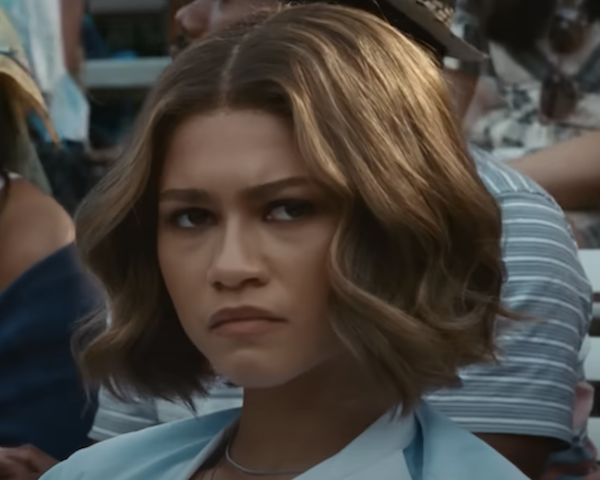
Zendaya in Challengers (2024)

Sometimes you see an Oscars list, and you’re happy to see not what IS on it, but what isn’t. Some idealistic prognosticators theorized that this buzzy little tennis film called Challengers (2024) would get a bid. After all, its music had won a Golden Globe.

The only thing more annoying than the film, I can safely say, is that music.

I watched the movie out of lethargy. Anora (2024) had just completed, and Challengers started playing. I watched for a bit, idly thinking, “This has to get more interesting.”

Forty-five minutes in, I thought, “No, it really doesn’t” and turned it off.

I turned the movie on again a week later, committed to discovering what others saw in it, and can now say I liked it–the last five minutes, that is. I yawned through every minute of the rest.

So here’s what I saw:

There are some scenes of tennis, in which I had no stake.

There were some characters, so thinly developed I felt nothing for them–not even dislike. They reminded me of the fly that got into my home the other day after surviving the cold. It buzzed here. It buzzed there. No one could say why. I did watch it. I watched Zendaya too. She’s pretty. I liked her clothes. She flitted here; she flitted there. She frowned a lot, sometimes in sunglasses.

There are two other characters. There’s some implication they all want to have sex. The preview suggests that, as does the brief scene it captures. Actually, they don’t. They don’t seem to like anything, including sex. A sandwich is eaten with more relish than they gaze at each other. The sandwich was my second favorite part.

The tennis was at least more active than the characters’ faces. Right when I would wonder, “What is the point of this?” some loud, abrupt, terrible music would come in, but only after a very awkward pause, kind of like an angry teenager turning on speakers full blast to drown out parents, but a teenager unaccustomed to how speakers work. Then the music would go away for no reason, and then come back. Much like my fly. EDM is bad enough at any time, but I’ve never experienced a less artful use of music in any film, at any time. Apparently, this is what wins an original score award at the Golden Globes these days.

And besides the last five minutes, which I did enjoy?

I preferred my fly.

Share
Posted in: 2020s films, Action & Sports Films, Anti-Romance films, Drama (film), Oscars, Romance (films) Tagged: bad films, Challengers, Overrated films, Razzie potential, tennis films, Zendaya

Laura (1944): Haunted by Dopes

11/11/2024 by leah@carygrantwonteatyou.com 18 Comments

**Spoilers coming**

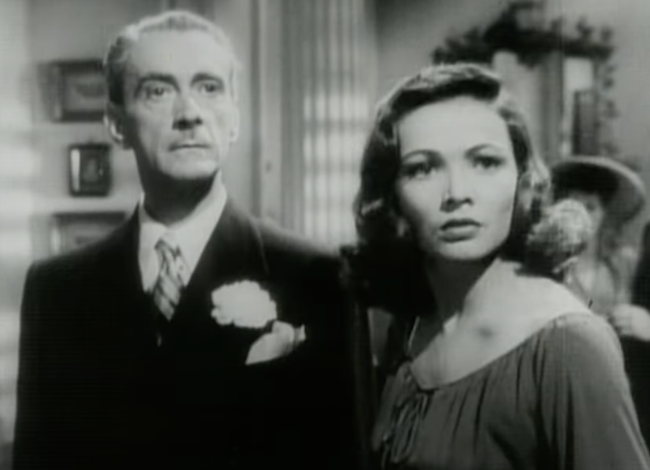
Clifton Webb and Gene Tierney in Laura (1944).


Laura is a curious film. I always think of it as the male gaze on steroids, as we know so little of the heroine apart from the versions we get from the men who surround her: the portrait artist, the boyfriend, the best friend and the cop. All are obsessed with her, and all want their version of the murdered heroine to supersede the others.’

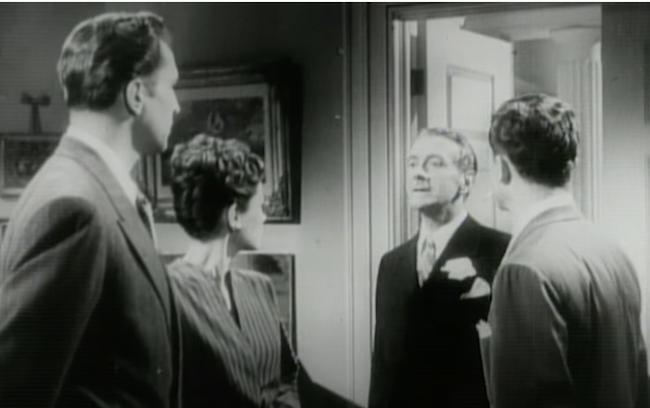
Laura's (Gene Tierney's) admirers, played by Vincent Price, Clifton Webb and Dana Andrews.


That’s why I chose the film for A Haunting Blogathon: In the Afterlife, hosted by the Classic Movie Blog Association. Crime writer James Ellroy once said something about Laura being the ultimate film for cops, and I think he’s right: the victim you only learn of from diaries, from photos, from others’ words. You never quite know who she was.

Surely, it would be easy for those driven to solve a homicide (especially one that remains out of reach) to become possessive about what they know and haunted by what they don’t. (Ellroy, whose mother was murdered, explores his own haunting in My Dark Places, a fascinating read, as is the book that inspired him: Joseph Wambaugh’s true-crime masterpiece, The Onion Field.)

It’s not hard to imagine becoming enamored with and fascinated by a victim who looks like Gene Tierney. In this particular story, however, the hauntings turn from reasonable to pathological.

What I love about the film is that the versions of Laura these men (and one woman) tell don’t quite add up. Her housekeeper, Bessie (Dorothy Adams), describes Laura as the sweetest lady on earth, and certainly Gene Tierney’s perfect face and that sentimental theme song seem to confirm those impressions.

But would such an angel be best friends with Waldo Lydecker, enjoying his poisonous remarks about her admirer and fellow party guests, as we see her do (in his version of her story, of course)?

Is she really a woman who, as fiancé Shelby Carpenter (Vincent Price) claims, will indulge any visitor, day or night? He has treated his bride-to-be like a doormat. Since he wants to continue to do so, this tenderhearted version of Laura is convenient for him. But Laura does, in fact, dump him, and despite occasional remarks seems little affected by the poor woman (cheater or not) who got killed in her doorway. Not exactly the heart-on-her-sleeve, always-forgiving softie he takes her for.

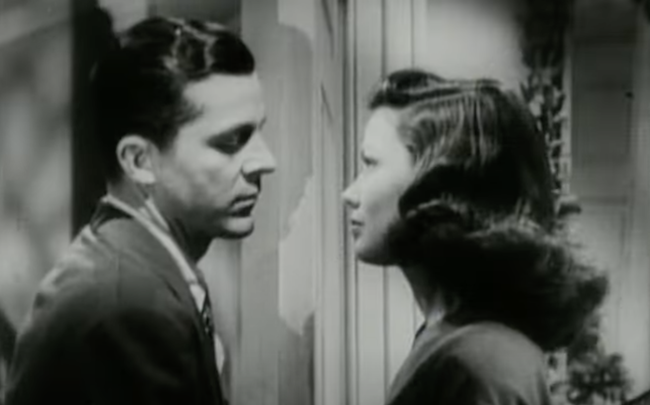
Of course, Lydecker isn’t wrong in accusing Det. Lt. Mark McPherson (Dana Andrews), Laura’s most recent admirer, of being a creep. McPherson wants to buy a portrait of her when she’s dead and becomes instantly possessive of her after she returns to life.

Who instantly hits on a stranger (worse than that, assumes she’s already his) while she’s still in shock?

Dana Andrews and Gene Tierney in Laura

Even if she is vulnerable enough to think she’s in love too, it would be wise and kind to wait–I dunno–48 hours? He also chooses for the moment of his wooing a party during which the following things are happening to his new love:

  • Her fiancé has basically just said to her, “Yeah, I know you killed my lover, and that’s cool,” after inviting said lover into Laura’s home and into her clothes during the latter’s wedding week.
  • Someone has just been murdered in Laura’s home, and this cop/admirer has invited people over to it for a gathering before she’d had time to sage it, obsessively clean it, or call a real estate agent to put it on the market.
  • Her aunt, Ann Treadwell (Judith Anderson), has confessed–casually, I might add–that she’s toyed with murdering Laura herself.
  • And oh yeah, our heroine is still in grave danger from the best friend who tried to off her.

Our infatuated cop follows up this uproariously fun party by pretending he’s arresting her, ruining her reputation in front of her friends, because he can’t control his feelings without taking her into the police station. Ummm, what?

McPherson is right that Laura has surrounded herself by “dopes”–if by dopes he means a heartless group of friends and lovers, with some sociopathy in the mix. He’s just wrong not to include himself in the description. Andrews is quite handsome and feigns calm (with his trusty toy), so it’s easy to think of this detective as the hero in the beginning, but that impression soon wanes.

Right after returning home and shocking Bessie, Laura says gently, “I’m not a ghost, really,” and then jokes, “Have you ever heard a ghost ask for eggs?” But her claims ring hollow. Though she’s physically in the room, I would argue Laura still is a ghost through no fault of her own. Real/imagined impressions of her haunt her admirers and herself.

Actual men are also looming in her life, refusing to let her be who she wants to be, love whom she wants to love, or take five minutes to recover from life-altering trauma. And then there’s the method her best friend chose to kill her with: buckshot (interesting that Waldo doesn’t even reconsider that method during his second attempt). It’s not bad enough he wants to kill her. He wants to obliterate her.

If I were Laura’s true friend (or her therapist), I’d say, “Hey, honey. It time to hightail it out of town. A transfer overseas would be ideal. Also, you may want to keep that phone number unlisted.”

For more on the haunters and haunted, visit my peers’ excellent posts by going here: A Haunting Blogathon: In the Afterlife.

Share
Posted in: 1940s films, Anti-Romance films, Blogathons, Drama (film), Femme fatales, Film Noir/Crime/Thriller & Mystery, Romance (films) Tagged: Clifton Webb, femme fatales, film noir, Gene Tierney, hauntings, Laura, obsession, Vincent Price

Glenn Close’s Most Stunning Role

07/25/2024 by leah@carygrantwonteatyou.com Leave a Comment


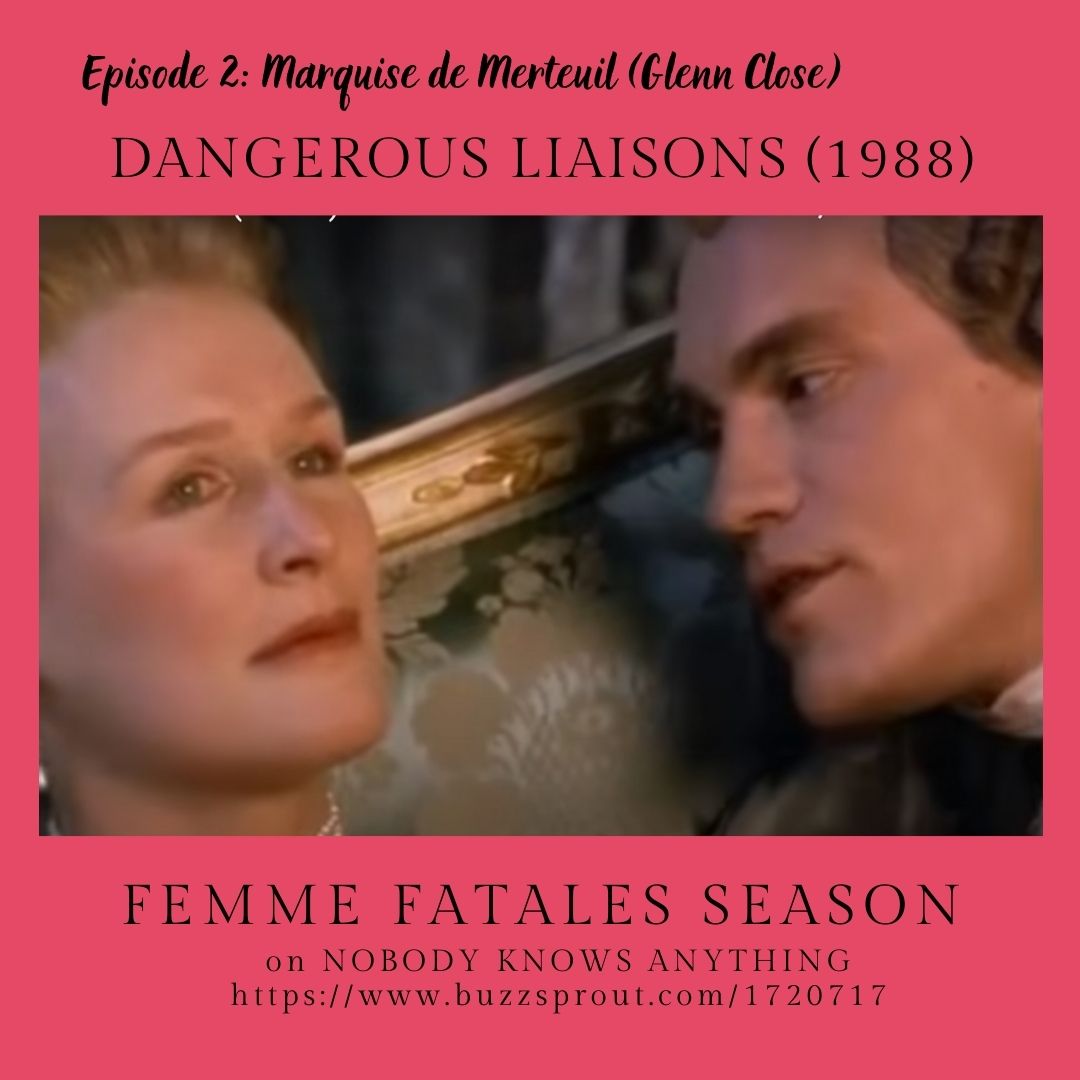
Episode 2 of the femme fatales season of Nobody Knows Anything is up!! Dangerous Liaisons, a film that pits the dueling wits of Glenn Close and John Malkovitch against each other in a fight over love and power . . . . and also, Keanu Reeves is there, being strangely perfect in eighteenth-century dress. We ask this critical question: Can the femme fatale ever win? (Just why Close didn’t get the Oscar for this is a big mystery.)

See the link in the image above!

Share
Posted in: 1980s films, Anti-Romance films, Drama (film), Feminism, Femme fatales, Film Noir/Crime/Thriller & Mystery, Humor, Romance (films), Romantic Comedies (film) Tagged: Dangerous Liaisons, Glenn Close, Glenn Close's best roles, great leading roles for women, John Malkovitch, Keanu Reeves, Michelle Pfeiffer, Oscar snubs

Van Heflin’s Surprising First Role

05/19/2024 by leah@carygrantwonteatyou.com 12 Comments


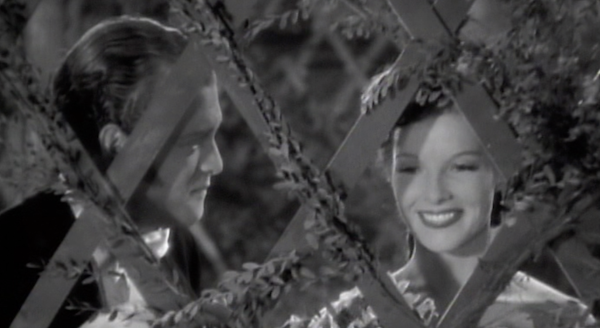
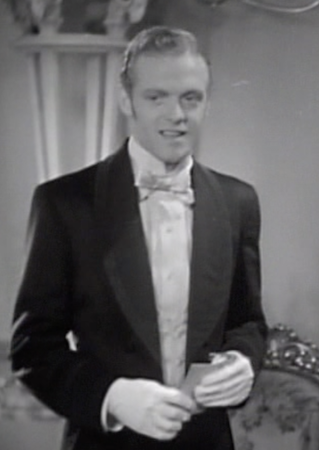
The first time you see Van Heflin (Lord Gerald Waring Gaythorne) in A Woman Rebels (1936), his debut role, you do a double take.


I had to look closer, to make sure it was indeed Van Heflin and not Leslie Howard. A word I never thought I’d apply to him is slight. He’s quite slender in it, but it’s not so much his form as his lack of presence–such a strange first impression of a gravely-voiced, burly sailor-turned actor who is riveting as a farmer in Shane, a suffering family man in 3:10 to Yuma, a powerful adventurer in Green Dolphin Street and hero in The Three Musketeers. The actor who would later fairly sing with physicality and gravitas seems so forgettable in his first moments onscreen, even timid. Luckily, he has a promising second act late in the film.

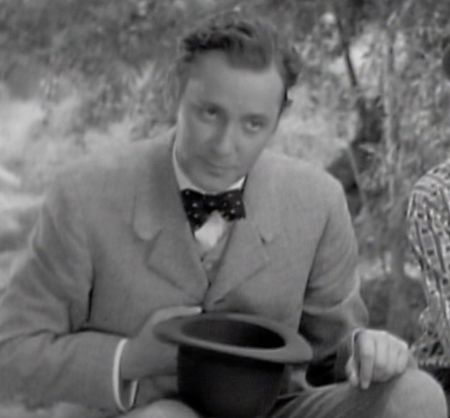
The story begins with Heflin playing the rake who tempts a Victorian heroine, Pamela Thistlewaite (Katharine Hepburn). We don’t see the charm and sex appeal that are so seductive and sinister in The Prowler and charming in The Strange Love of Martha Ivers. (It seemed fitting that the repeat scene of his seductions is literally Madame Tussauds wax museum.) Later love interest Thomas Lane (Herbert Marshall) comes across as more attractive than Heflin. Read that sentence again. Yeah, that bad.

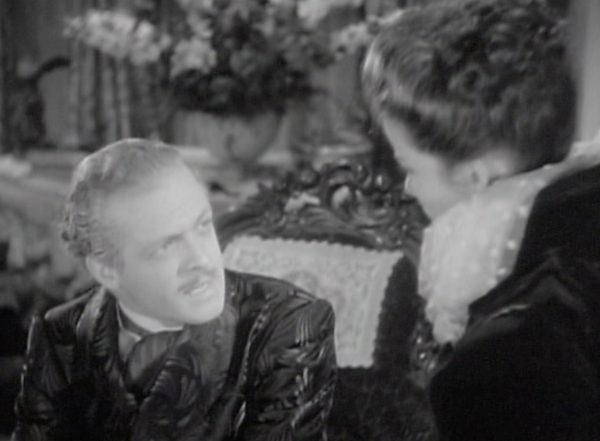
But late in the film, Lord Gaythorne returns as a bitter middle-aged man who despises his wife (who is not Pamela). And suddenly, in a lounging jacket of all things, you see it: THERE HE IS.


The slow confidence of Heflin’s stroll. HIs measured way of speaking. His intensity as he describes his hatred of his spouse. There is the compelling actor I fell hard for in The Strange Love of Martha Ivers. The always naturalistic performer whose moments onscreen are so believable, visceral and real. The man who isn’t conventionally attractive, yet is so sensual because he’s so confident and alive. The kind of actor he will be is not fully on the screen yet, but you see his promise.

The film itself is not great but ahead of its time, based on a 1930 novel by brave feminist Netta Syrett, who also had feminist artist sisters–or, as they were called then, “new women.” And while everyone around her is lackluster, Katharine Hepburn nails the role.

Pamela has a child out of wedlock, passes it for her sister’s, and then has a stunning career as an outspoken writer/editor speaking out for women’s rights and other issues. In between, she has a funny meet-cute scene with Thomas.

The film and many of the characters (I won’t reveal which) refuse to shame Pamela for her actions, even when her secret threatens her and her daughter’s happiness. The movie falls in the same camp as Hepburn’s other intriguing feminist roles from the 30s, such as Christopher Strong.

The story is unevenly told with some weird plot holes, and you have to suffer through some weak female performances and the aforementioned drags-down-everything Marshall. He doesn’t have quite as sleep-inducing of an effect as George Brent, but close. Sadly, this may be his most charming performance, and yet–look at this expression and tell me you don’t feel like you took a sedative.


You have to wonder with some smoother plotting and better acting around her whether the film could have really been something, as fascinating and unconventional as it was, instead of yet another bomb that got her in box-office-poison trouble. It doesn’t help that Hepburn has zero chemistry with either of her love interests.

Luckily, there’s enough in Hepburn’s performance and the surprises of the story to keep you watching. And to see that beginning of Heflin’s allure is quite fun. You have to love Hepburn recommending Heflin’s casting after seeing him in a play. (And how much would you have liked to have seen them perform on stage together with his version of the Jimmy Stewart character in The Philadelphia Story?) She knew even in the mid-30s what he had in him. Yet another of the thousand reasons to adore the great Kate.

Check out other striking debuts and final acting performances in the Classic Movie Blog Association’s Screen Debuts and Last Hurrahs blogathon this week!

Share
Posted in: 1930s films, Drama (film), Feminism, Romance (films), Romantic Comedies (film) Tagged: feminist films, Katharine Hepburn early roles, Van Heflin

Oscar Rant, Part II: Barbie

02/26/2024 by leah@carygrantwonteatyou.com 2 Comments


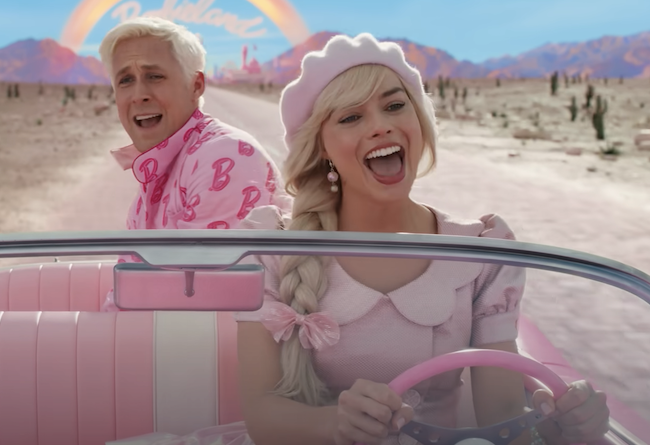
I walked into Barbie with sky-high expectations. I had been tracking the career of its co-screenwriter (and Greta Gerwig’s spouse) Noah Baumbach since 1995’s Kicking and Screaming played on my VCR in college. My roommates and I–and my sister–had fallen deeply and completely into lifelong loyalty with him the moment we pressed play. Baumbach GOT us.

Far more than Reality Bites or other Gen X standards, Kicking and Screaming captured my life and my friends’ and siblings’–not in a literal sense, of course, most of us being female and at large state schools. We were certainly not young, privileged men at a small New England college. But in spirit. He got our reluctance to move on with our lives, our fear of door-to-door salespeople, our reluctance to complain to servers, our laziness (putting a sign stating “broken glass” on the floor instead of cleaning a mess up), all our ridiculous rituals we couldn’t break.

I remember the year I paid roommates for their time if I told a bad story or joke, thanks to the film’s influence. I recall my excitement when The Squid and the Whale (2005) finally showed me others had recognized the writer-director’s brilliance. (Though I don’t think he’s equaled either of those films since; I’m not a huge fan of Marriage Story, for example, and thought Margot at the Wedding cold and half-baked.)

Gerwig won my admiration–though to a lesser extent–with Ladybird and by capturing Little Women‘s Jo so well. She pictured the heroine’s future as Louisa May Alcott would have, had the times she’d lived in been less sexist than they were.

To have THESE TWO creating a funny Barbie movie? I was in–especially with Ryan Gosling starring. I admit I had some apprehension, given Baumbach’s caving to Wes Anderson in The Life Aquatic with Steve Zissou. (Where WAS he in that?)

There is A LOT to like about Barbie: The opening scene is brilliant–& the first half is so funny. “Beach” as Ken’s theme for life and his joy at realizing he’s the beneficiary of the patriarchy are so amazing. The costumes and production design are so well done, and Kate McKinnon’s Weird Barbie is an inspiration.

But then, there’s that by-the-book speech delivered by America Ferrara and the muddled second half. Until the ending, which I loved, the film lost its focus.

I don’t question the lack of an Oscar nomination for Margot Robbie. Best actor/actress awards rarely go to men or women in comedies. (It’s all about supporting with comedy nods; this year’s two best actor comedy nods are the exception, not the rule, and both men are starring in dramedies, not comedies, like Barbie.) In addition, the male characters in this film are better written and thus the men have better roles, which is hardly surprising, since Noah Baumbach, the better writer of the pair, has been perfecting this kind of arrested-development male (aka, Ken) since Skippy of Kicking and Screaming. (Actually, arrested-development male describes nearly every character in that film.)

I do think–given its innovative spirit and how much it had to offer–Barbie deserved to be in the best picture mix, especially with undeserving films like The Holdovers, Past Lives, and Oppenheimer on the roster.

Did Gerwig deserve an Oscar nomination for director? It depends on how you look at it. If I ask, “Do I think this film, with its muddled second half, deserves a directing Oscar nomination?” I would answer no. But does she deserve it MORE than Christopher Nolan for his poorly developed, uninspiring borefest? You better believe it.

In the end, I realize Gerwig just tried to please too many audiences with Barbie. And given that, I’m grateful for what I got, and for the joy I felt in wearing pink with Barbie-loving peers at the theater (my first theater return post-COVID). But I hope she and her spouse streamline their styles a bit more because what amazing potential that duo has. We’ve seen what they can do (in Barbie) if they get it half-right. Can you imagine what they can accomplish, once they get it right?

Share
Posted in: 1990-current films, Anti-Romance films, Comedies (film), Oscars, Romance (films), Romantic Comedies (film) Tagged: Barbie, Greta Gerwig, Kicking and Screaming (1995), Little Women, Margot Robbie, Noah Baumbach, Oscar snubs, Ryan Gosling, The Squid and The Whale

Better as a Remake? The Thomas Crown Affair

04/06/2023 by leah@carygrantwonteatyou.com 14 Comments

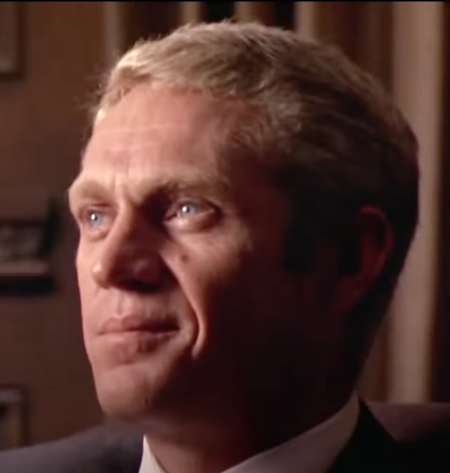
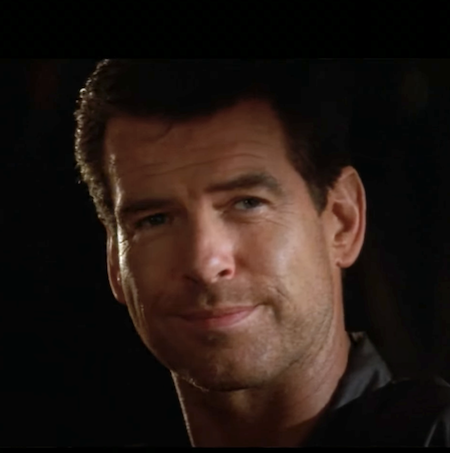
For those of you who love both versions of The Thomas Crown Affair (and why wouldn’t you?), it can be tough to determine which of these slick, funny, seductive films is superior. But today I’ll make an attempt. I’d love to hear your opinions in the comments–1999, or 1968?

The crime. This may be an unfair one, as there have been too many good bank robbery movies between 1968 and 1999 for me to give 1968’s crime its due. Still, I preferred the 1999 one–the heaters were such a nifty trick. But both films’ clever capers hold up.

Male leads: Pierce Brosnan is not as attractive as Steve McQueen (who is?). But Brosnan is more convincing as a rich dude who pulls a crime because he’s bored. Also, McQueen’s lack of affect starts to grate after a while. Brosnan oozes charm. That said, McQueen’s laugh when he pulls off his caper is phenomenal.

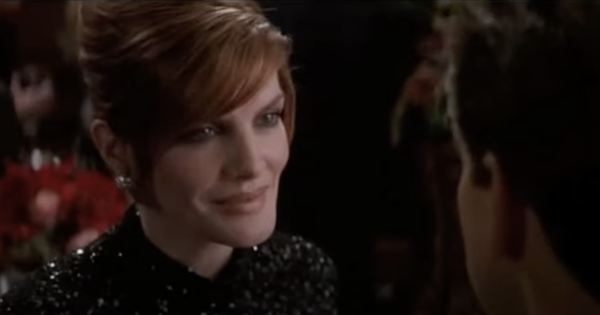
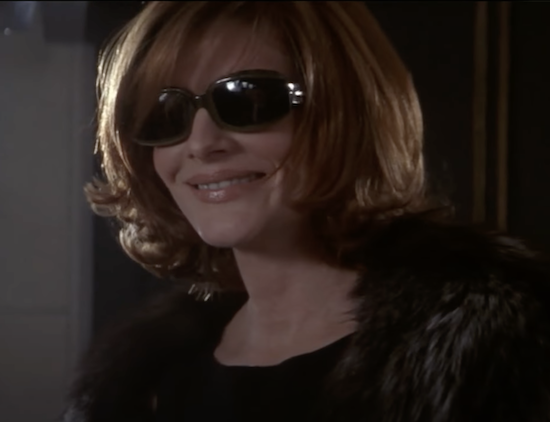
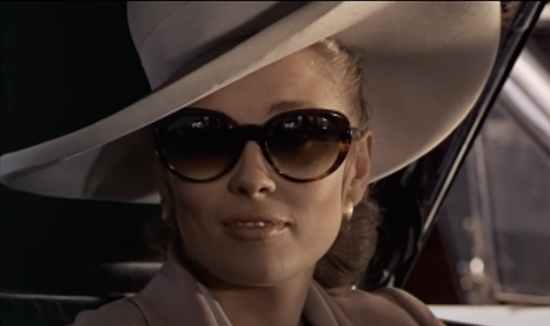
Female leads: I am a lukewarm Dunaway fan. I like her style, confidence, charisma. I found her mesmerizing in Network and Bonnie and Clyde. I loved her in Columbo. But I disliked her performance in Three Days of the Condor and thought her histrionics in Mommy Dearest insufferable. She fits this role, but Rene Russo just owns her film, and her range is fantastic in it. Russo is also really, really funny. Dunaway has a hard time pulling off humor that isn’t smug.

Music? Love “The Windmills of your Mind” song In both. 10/10.

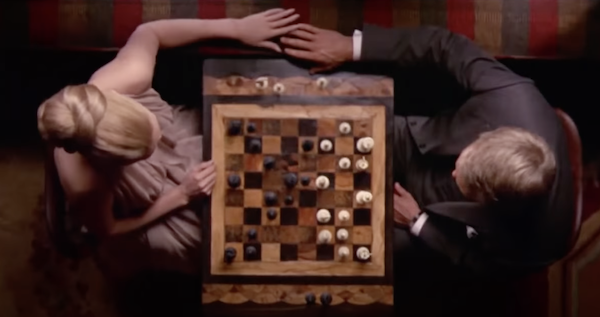
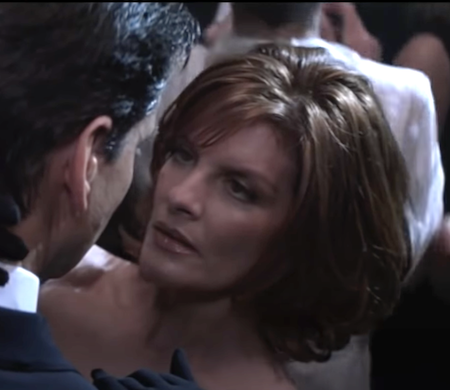
Sexiest scene: Dance scene (1999) vs. chess scene (1968).

It’s a close one. Generally, I think Russo is sexier than Dunaway–plus thrilling music–and that dress!

That said, I’m not exactly on solid ground saying Russo is sexier in hers.

In terms of male leads, though, I know I’m right: McQueen out-cools Brosnan in every way, and is smoking hot in every scene.

However, I would still argue it’s Brosnan’s sexiest performance.

All told, I have to give it to 1968’s version for sexiest scene. First, because it deserves extra points for making chess seductive. Second, because Brosnan’s delivery of “Do you wanna dance, or do you wanna dance?” hurts me.

Other Characters. No one in the 1968 version is as fun as Dennis Leary or Frankie Faison. But Jack Weston is great at playing a sap.

The Fashion. A tie, I’d say. I prefer Russo’s impossibly luxe wardrobe and killer sunglasses.

I’m not a fan of fur, but that leather outfit in her break-in scene kills me.

Dunaway’s fashion is fantastic in The Thomas Crown Affair too, and those hats are amazing. Plus, the actress always looks like she was born in whatever she wears.

The Script. The writing is better in the 1999 film–though I will admit that many of the best lines are pulled straight from the original. But the characters are more likable and nuanced in the 1999 version. The inclusion of the sailboat crash scene nails Crown’s excesses. The 1999 film is funnier (which I prefer). And Russo’s Catherine is a more powerful feminist (with her smarts and savvy and outplaying everyone) than Dunaway’s Vicki is, though I think they make Catherine too vulnerable in the end.

Editing. I love the clever transitions and cuts in the 1999 remake, but the 1968 version is more streamlined. The 1999 one could use some trimming in the second half.

In-Jokes. Loved Dunaway as the snarky psychiatrist for Brosnan’s Crown. We assume her commentary on porcupines to be from her own experience (from her 1968 caper), right? That’s SUCH a fun twist.

The Ending. 1968 does it for me. It’s poignant, and far more probable than 1999’s.

Because of the script and Russo’s performance, I’d give it to 1999, but it’s a tight one! How about you?

Share
Posted in: 1960s films, 1990-current films, Film Noir/Crime/Thriller & Mystery, Romance (films) Tagged: The Thomas Crown Affair (1968); The Thomas Crown Affair (1999); Rene Russo; Pierce Brosnan; Faye Dunaway; Steve McQueen; good remakes

5 Awful Romances We’re Supposed to Like

02/13/2022 by leah@carygrantwonteatyou.com 4 Comments
  1. Romeo & Juliet. This guy was in love with another gal last week. This is not a romance for the ages; this is a guy who can’t handle being without a girlfriend. Juliet, why didn’t you hold out for something better?
  2. The Teens of Say Anything. Diane (Ione Skye), I’m sure you’re going to have a great time on your British adventure while your boyfriend, Lloyd Dobler (John Cusack), is hanging out in your apartment watching kickboxing videos all day. I know your daddy, the embezzler, set the bar for men low, but come on.
  3. The Cheaters of Something Borrowed. Hollywood has such a low opinion of us really. We’re asked to get behind Rachel (Ginnifer Goodwin), who had sex with her best friend’s fiancé, Dex (Colin Egglesfield). We’re supposed to root for the cheaters’ love to prevail because the betrayed friend, Darcy (Kate Hudson), is vain, and Dex used to like Rachel. Ummm, what??
  4. Heathcliff & Catherine of Wuthering Heights. Ahhh, the sociopath and the narcissist. Now that’s a coupling that we all want to see, right?
  5. The Unnamed Heroine & Maxim de Winter of Rebecca. So, when you find out your husband killed his ex in a rage, the proper reaction is NOT to feel better (because now you know he didn’t love her). That makes you almost as creepy as he is. I’ve never rooted so hard for a (dead) villain of a story.

Those are five of the least ideal couples that novels, plays, and movies would have us celebrate. I can come up with ten more without trying. Which couples do you find the most laughably awful?

Share
Posted in: 1980s films, 1990-current films, Anti-Romance films, Comedies (film), Drama (film), Romance (films), Romantic Comedies (film) Tagged: bad couples, Lloyd Dobler, overrated couples, Rebecca, Romeo and Juliet, Say Anything, Something Borrowed, Wuthering Heights

90s Films

09/13/2021 by leah@carygrantwonteatyou.com Leave a Comment

Have you ever wondered why Winona Ryder’s character in Reality Bites has friends? Or why Julia Delpy doesn’t have legions of men following her off the train in Before Sunrise? Or why every person in customer service doesn’t watch Clerks? So have we. Join my friends’ and me for our second series on our podcast, Nobody Knows Anything.

Share
Posted in: 1990-current films, Comedies (film), Drama (film), Oscars, Romance (films), Romantic Comedies (film), Uncategorized Tagged: 90s, Before Sunrise, Bottle Rocket, Clerks, coming of age films, Reality Bites, Romeo + Juliet

Beyond Melanie: Olivia de Havilland

07/27/2020 by leah@carygrantwonteatyou.com 6 Comments
Olivia de Havilland in My Cousin Rachel

It’s always bothered me that Olivia de Havilland; the passionate, strong-minded, long-lived Hollywood star; is best known for a meek maternal role.

Did she perform it well? Oh yes. She imbued Melanie with incredible strength, empathy, and grit. But to be best known for Gone with the Wind in your obituary isn’t exactly a selling point in 2020. The mawkishness of the role has always annoyed me, especially because Olivia de Havilland is most riveting when she’s hard boiled. (She would have been great in noir.)

This was, after all, not a meek woman, convincingly as she nailed that famous steel magnolia part. This is the actress who sued her studio for extending her contract—and won. (A stupefying victory, given the long list of actresses whose studio fights got them nowhere and killed their careers.) And so I’d like to highlight a few of my favorite roles, which bear no resemblance to Melanie.

The Heiress (1949). I’m not alone here. This film won her an Oscar, an award she richly deserved. She plays a shy, undervalued, vulnerable “spinster” wooed by a handsome man (Montgomery Clift) who is likely after her wealth. Her growing strength as she begins to suspect him and question her father is something to see. Wow.

My Cousin Rachel (1952). A sexually and socially confident, cosmopolitan widow (de Havilland) meets the naïve young cousin/heir (Richard Burton) of her dead husband. At first, he suspects her of murdering her husband, then he falls for her, and then he suspects her again. Did she, or didn’t she? The book version leaves the answer open, the movies less so. The 1952 film itself is a mixed bag, but when it comes to embodying a fascinating heroine, de Havilland knows what she’s doing. (You know I think so when I say Rachel Weisz, whom I love in everything, couldn’t hold a candle to her in the remake.)

Hush … Hush, Sweet Charlotte (1964). I love some bonkers Bette Davis-de Havilland banter. Is it as fun as Whatever Happened to Baby Jane? No, what could be? But it’s still a blast to watch, thanks in large part to de Havilland’s scheming character.

The Adventures of Robinhood (1938). OK, this is a bit of a sentimental choice, but de Havilland doesn’t play a weakling version of Maid Marian. She’s got some serious spirit, especially for the time this film was made. de Havilland’s stunning beauty in it explains the string of hearts she left in her Hollywood wake. And Errol Flynn’s and her dazzling chemistry, not to mention their ridiculously good looks, reveal why they were paired together so frequently. Plus, the film is just a hoot, with the cast clearly having Ocean’s 11-level fun on the set.

There’s much more to say about de Havilland. This list alone shows her incredible range as an actress. I don’t have the expertise to discuss her recent lawsuit, sister feud, or any of the myriad other topics that make her a compelling subject. I strongly recommend you check out some of my peers’ posts on The Classic Movie Blog Association’s blog roll (see right column). de Havilland has never been one of the stars I follow. Frankly, I find her a bit scary. Intimidating. Hard to know. (About as far from Melanie as it’s possible to be.) But you can’t ever discount her. And when she’s on the screen, you don’t want to watch anyone else.

Share
Posted in: 1930s films, 1940s films, 1950s films, 1960s films, Drama (film), Feminism, Romance (films), Romantic Comedies (film) Tagged: Olivia de Havilland, roles beyond Melanie, strong female roles, The Heiress, tribute
1 2 3 4 Next »

Recent Posts

  • 100 Years Later, Still Scary: Dr. Caligari
  • Escaping Out of the Past (1947)
  • A Weeper for Those Who Love Jerks
  • Thank You, Academy, for Not Infuriating Me
  • Challengers (2024) Is a Bad Movie

Subscribe to Blog via Email

Enter your email address to subscribe to this blog and receive notifications of new posts by email.

Categories

  • 1920s films
  • 1930s films
  • 1940s films
  • 1950s films
  • 1960s films
  • 1970s films
  • 1980s films
  • 1990-current films
  • 2020s films
  • Action & Sports Films
  • Anti-Romance films
  • Blogathons
  • Childfree
  • Comedies (film)
  • Drama (film)
  • Feminism
  • Femme fatales
  • Film Noir/Crime/Thriller & Mystery
  • Gloriously Silly Scenes
  • Horror
  • Humor
  • Mae West Moments
  • Musicals and dancing films
  • Oscars
  • Random
  • Romance (films)
  • Romantic Comedies (film)
  • The Moment I Fell for
  • Turn My Sister into Classic Movie Fan
  • TV & Pop Culture
  • Uncategorized
Share
Classic Movie Blog Hub Member

Recent Comments

  • leah@carygrantwonteatyou.com on Meg Ryan’s Fate Foretold in Joe Versus the Volcano
  • Ryan on Meg Ryan’s Fate Foretold in Joe Versus the Volcano
  • leah@carygrantwonteatyou.com on 100 Years Later, Still Scary: Dr. Caligari
  • The Classic Movie Muse on 100 Years Later, Still Scary: Dr. Caligari
  • leah@carygrantwonteatyou.com on 100 Years Later, Still Scary: Dr. Caligari

Archives

  • November 2025
  • September 2025
  • May 2025
  • March 2025
  • January 2025
  • November 2024
  • August 2024
  • July 2024
  • May 2024
  • March 2024
  • February 2024
  • December 2023
  • November 2023
  • October 2023
  • September 2023
  • August 2023
  • July 2023
  • May 2023
  • April 2023
  • March 2023
  • January 2023
  • December 2022
  • November 2022
  • September 2022
  • July 2022
  • May 2022
  • April 2022
  • March 2022
  • February 2022
  • October 2021
  • September 2021
  • April 2021
  • March 2021
  • February 2021
  • December 2020
  • October 2020
  • September 2020
  • July 2020
  • May 2020
  • April 2020
  • March 2020
  • February 2020
  • December 2019
  • October 2019
  • September 2019
  • June 2019
  • May 2019
  • April 2019
  • February 2019
  • January 2019
  • November 2018
  • September 2018
  • July 2018
  • June 2018
  • May 2018
  • April 2018
  • March 2018
  • February 2018
  • January 2018
  • November 2017
  • September 2017
  • August 2017
  • July 2017
  • June 2017
  • May 2017
  • April 2017
  • March 2017
  • February 2017
  • January 2017
  • December 2016
  • November 2016
  • October 2016
  • August 2016
  • July 2016
  • June 2016
  • May 2016
  • April 2016
  • March 2016
  • February 2016
  • January 2016
  • December 2015
  • November 2015
  • October 2015
  • September 2015
  • August 2015
  • July 2015
  • June 2015
  • May 2015
  • April 2015
  • March 2015
  • February 2015
  • January 2015
  • December 2014
  • November 2014
  • October 2014
  • September 2014
  • August 2014
  • July 2014
  • June 2014
  • May 2014
  • April 2014
  • March 2014
  • February 2014
  • January 2014

Meta

  • Log in
  • Entries feed
  • Comments feed
  • WordPress.org

Copyright © 2025 Cary Grant Won't Eat You.

Church WordPress Theme by themehall.com