Cary Grant Won't Eat You

Classic movies for phobics

  • About
  • eBooks
  • Previous Blogathons
Classic movies for phobics

Oscars

The Academy Loves Directors Who Play It Safe

02/03/2020 by leah@carygrantwonteatyou.com 2 Comments

I watched Marriage Story with excitement. I’ve been following Noah Baumbach’s career since Kicking and Screaming (1995), a hilarious movie about East Coast college men’s arrested development and how their romantic immaturity interferes with their happiness.

The déjà vu happened immediately: This new, supposedly innovative film was about a New Yorker’s arrested development and how his romantic immaturity interferes with his happiness.

Sigh.

Had I seen growth in the treatment of this subject matter, I wouldn’t have been so troubled, but the earlier film, though rough around the edges, was twice as entertaining and unique as Marriage Story, which felt like a weak combination of Baumbach’s old themes and Kramer versus Kramer. Yet the Academy awarded Baumbach for this water treading with a Best Picture nod. They then gave a Supporting Actress nom to Laura Dern for the worst caricature of a woman I’ve seen outside of an action flick in years, a Rush Limbaugh characterization of a female divorce lawyer if ever I saw one. That nod alone says a lot about Academy voters.

This worrying backward movement extended to The Irishman as well. Academy voters rewarded Martin Scorsese for returning to mob territory, even though he made no attempt to switch the perspective away from the mobsters, or to include one female character whose personality existed outside of men’s treatment of her. True, there are some changes—he replaced the flashy narrator of Goodfellas with a quiet, suffering cog, who supposedly played a pivotal role in Hoffa’s death in real life as well as in the film. Only he didn’t: his involvement in Hoffa’s death was a fabrication, which was the most interesting thing about him. What would cause a man to lie about such a thing, knowing his family would condemn him for it? THAT’s a topic for a movie! Instead the film presents his lie as true; the plot focuses on how the hero has gotten himself caught up in this miserable mob life, which is a story line expressed in a much more interesting way in Goodfellas.

Now let’s turn to Quentin Tarantino. His material is always imaginative, violent, unique. His films are exciting to watch, but typically, he treats his characters as paper dolls rather than humans. In Jackie Brown, he turned down his jets and humanized his middle-aged hero and heroine. He gave them regrets and nostalgia, which imbued that film with insight as well as style. For the adolescent Tarantino, that’s some serious growth. So why is anyone impressed with his depiction of Sharon Tate as a wide-eyed viewer of her own movies, a woman who loves nothing more than sexy dancing at the Playboy Mansion, who throws her hair flowing behind her before riding in an open-topped car?* Why, in a film about opportunity cut short, pretend that Tate’s real opportunity loss was that of continuing to be a schoolboy’s fantasy, and not a mature mother? Do we honestly find it good storytelling to continue to pretend that the sexual playground of the 60s was so very fun for the women who didn’t have the biological option of being so carefree?

I don’t know how we can expect male directors (let alone female, who have so few opportunities) to be innovative, to embrace perspectives beyond their own, when they’re rewarded with nominations for circling and re-circling the same tired subject matter and stereotyped characterizations while their finer, fresher films go unnoticed.

This year Clint Eastwood was the director with a real breakthrough. His career was founded on celebrating renegade men with authority. To have him suddenly turn the tables on that legacy in Richard Jewell was groundbreaking. What happens, he asks in the film, if the man who grew up revering lawmen as heroes is suddenly victimized by them? In other words, Jewell could have been, probably was, a fan of Dirty Harry—and that very love destroyed his life. For all this talk of the Oscars and male rage, the real-life Richard Jewell EARNED his rage, and yet his film, the most interesting exploration of white male anger this year, was left out of the running.

Usually, I dislike Eastwood’s films, finding his sexist heroes annoying and his overwrought storytelling verging on silly. But in Richard Jewell, Eastwood even toned down his considerable love for melodrama and sky-high messaging. The result is a brilliant, affecting, subtle film. (One scene—Kathy Bates sadly rubbing her Tupperware after a police warrant destroys it—is more affecting than almost every moment in the Oscar-nominated films; the diner scene beats them all.) This is what great filmmakers do: they surprise us with what they have to say about life, with technical and storytelling techniques that have some kind of direction or point beyond divorce sucks or mobsters’ lives are bad.

I enjoyed all of the Oscar-nominated films I’ve seen, but I’ve been disappointed in most of them as well. With this kind of talent, why play it so safe? Why not fully humanize Tate, as Tarantino did the fictional Jackie Brown? Greta Gerwig didn’t play it safe; she tampered with a beloved story and came up with something truer to Louisa May Alcott’s vision and intent than any previous cinematic version of Little Women. (If you don’t think that’s risky, you haven’t met any fans of classic novels.)

What if Scorsese had called into question his own legacy of celebrating violent men, as Eastwood did with lawmen? What a brilliant film The Irishman could have been!

Unfortunately, there’s an answer to why these directors didn’t make their films more innovative, nuanced, surprising—especially Scorsese. He knew his Academy too well. He anticipated what would happen to Gerwig, to Eastwood. (Only directors the Academy doesn’t know are allowed to take those types of chances.) So he put his head down and gave the voters what they wanted of him, same-old, same-old. And he got his nomination.

*I think we all know from Bridget Jones how well that turns out, but not in Tarantino’s world, where all sexy women can throw their hair back without any falling into their eyes.

Share
Posted in: 1990-current films, Oscars, Uncategorized Tagged: #whitemalerage, Clint Eastwood, Greta Gerwig, Martin Scorsese, Noah Baumbach, Oscars for playing it safe, Quentin Tarantino

Richard Jewell’s Awful Snub…and Other Golden Globe Gaffes

12/27/2019 by leah@carygrantwonteatyou.com 7 Comments


Richard Jewell is taking a hit at the box office, due in large part to an angry campaign by the Atlanta newspaper who employed reporter Kathy Scruggs, the real-life journalist in the film who broke the story that Jewell was a suspect in the Olympic bombing. I agree that besmirching a real person—in this case, suggesting that Scruggs traded sex for information—is unacceptable. But it’s hard not to see the hypocrisy here, as the paper who helped destroy Jewell’s life is besmirching a belated tribute to his character.

I watched this film with reluctance. I worried about supporting it after reading about its treatment of Scruggs. I dislike Clint Eastwood and most of the films he directs, which I find heavy handed and troubling in their messaging. But after all, this film was about Jewell, and I admired Eastwood’s choice to tell his story.

To my surprise, I barely noticed the reporter’s sex favor scene (which I would have assumed to be Hollywood exaggeration anyway, had I read nothing beforehand). I wish the reviews had focused instead on Scrugg’s quiet regret in the film when she discovers the impossibility of Jewell’s involvement in the bombing. The real-life Scruggs didn’t do anything that unusual: reporting that Jewell was a suspect before investigating the likelihood of his guilt or the bias of her source/s. She serves as a stand-in for any reporter rushing to get the story out; that rush carries with it significant risk to others, as any viewer of Absence of Malice (or really, anyone who has lived through the twentieth century) will remember.

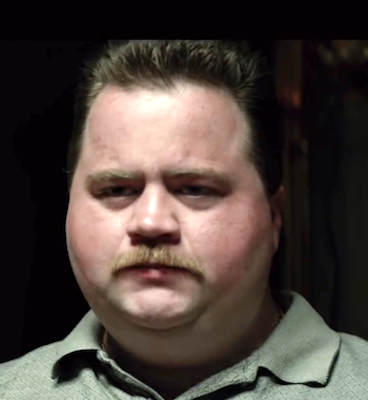
Used to Eastwood’s usual loud themes, I was struck by this movie’s quiet grace. It’s a rare film, one that relies on understated eloquence, realistic performances, and a stirring portrayal by Paul Walter Hauser. The film slowly reveals how Jewell’s admiration for authority helped contribute to his undoing. Hauser’s performance is nuanced, powerful, and ultimately heartbreaking. While at first, we viewers wonder if he’s simply a dupe, we soon discover he’s more self-aware than he seems, and the betrayal he feels at his idols treating him as a terrorist—even after they know better—is devastating. The way society (led by the media) went along with this faulty judgment—generalizing him as an overweight, friendless guy living with his mom, and therefore sketchy—didn’t even jibe with his real-life actions or social personality. I read a number of articles after watching the film and was struck by the accuracy of the movie’s characterizations and storytelling. The Scruggs sex claim (which apparently was also in the book that was the film’s source) was an anomaly in a film that otherwise hewed surprisingly close to the true events and characters, including Scrugg’s.

The skill of the man portraying Jewell isn’t being touted, any more than the film is. Why nominate someone who is playing an everyman, real-life hero with pitch-perfect realism and heart, when you can nominate folks playing popes or super-villains? Why pay attention to an actor who has played minor roles when you can celebrate the movie stars you always celebrate? He may have made an impression as an exceedingly dumb criminal in I, Tonya, but Hauser barely registered in Late Night, given the stereotypical nature of his role, and he lacks the glamour of the well-known figures who were nominated. So no one will say anything when you leave him off your nomination roster, right, HFPA? Sigh.

I would have given nods to Eastwood, the film, Hauser, Sam Rockwell (charming and very likable here), and the always-wonderful Kathy Bates, but only the latter has received any credit from the Hollywood Foreign Press Association. I could see the organization thinking the film too controversial and backing away from it, but that doesn’t explain all the nods for The Irishman, which is based on the confessions of a man whose claims have been universally condemned as false by mob authorities-–and by logic. I guess the nominators thought real-life mobsters and teamsters didn’t deserve fair treatment. Or that entertainment was a good value in a film, a bar The Irishman clearly failed to meet. (Only Al Pacino succeeded in stifling my snores during that tedious endurance test.) And it’s hard to believe an association who yet again nominated no female film directors had concerns about a faulty portrayal of a woman in Richard Jewell.

Alas, the Hollywood Foreign Press seems to be on a roll this year in dismissing creative content and good acting. There are the shut-outs of The Good Place and Schitt’s Creek and the group’s admiration for the bland The Kominsky Method. The gutting, visceral When They See Us and its director and largely unknown actors are ignored, but superstar Jennifer Lopez gets a nod. Killing Eve was very weak this year, but it and the star-laden Big Little Lies (which I couldn’t even get through this season) are up on their nomination lists, while Veep is ignored for its weakest season (which is still better than these shows’ best). At least Unbelievable is getting its due.

I hope that some of you will ignore the nominators’ seriously questionable taste and celebrity pandering, and watch Richard Jewell. After viewing it, I stayed in the theater’s tight seats as others filed out, taking it in. I kept thinking of another favorite film, Searching for Bobby Fischer, and how its subtle messages stayed with me for years to come. I kept pondering the dangers of small assumptions, and how pernicious they could become. I wondered what kind of faith could sustain what Jewell had gone through. I looked at my sister, another disliker of Eastwood’s, who was also failing to stir; she was as surprised and moved as I was. 

I don’t think these kinds of films often get much credit, even when they lack controversy. They’re not splashy enough. They don’t involve mob hits or distinctive villains; they don’t feature many actors who look like supermodels. But they stick to you, change you, sometimes make you wiser than you were before. I regret every minute I put into The Irishman. I am ready to watch Richard Jewell again and again, if only to bring others along.  

Share
Posted in: 1990-current films, Oscars, Uncategorized Tagged: Richard Jewell, snubs, The Irishman

The Director of Kingpin Just Won Best Pic

02/25/2019 by leah@carygrantwonteatyou.com 2 Comments

Let’s review:
Best film Oscar for the director of Kingpin and Dumb and Dumber? 1
Best film Oscar for the director of Do the Right Thing: 0
1990: Do the Right Thing: No Oscar; Driving Miss Daisy: Oscar.
2019: We have two strong films up for best picture by black directors about what it means to be black, Black Panther and BlacKkKlansman–one director a promising newcomer who even made a deep-into-the-Rocky-franchise film memorable, the other one of the most original and gifted directors of our time. And who beats them? A white Farrelly brother, who once directed Kingpin (a film so stupefyingly gross even a dumb-humor fan like me was appalled). And what was this winning film about? Being black in America, a film starring, of course, a white man.

Yeah, I’m going to bed now.

Share
Posted in: 1990-current films, Oscars, Uncategorized Tagged: worst Oscar decisions

Give the Oscar to Glenn Close Already!

02/18/2019 by leah@carygrantwonteatyou.com 6 Comments

So it’s time again, time to clench my teeth, hoping you don’t screw up, Academy. Don’t blow it, like you did with Thelma Ritter. Don’t blow it, like you did with Barbara Stanwyck. Don’t blow it, like you did with Cary FRICKIN Grant, the only classic movie star so many non-black-and-white film buffs even know. Don’t make her the Academy’s biggest loser, and add to that inexcusable 7 noms and 0 current wins record. GIVE GLENN CLOSE HER OSCAR ALREADY!

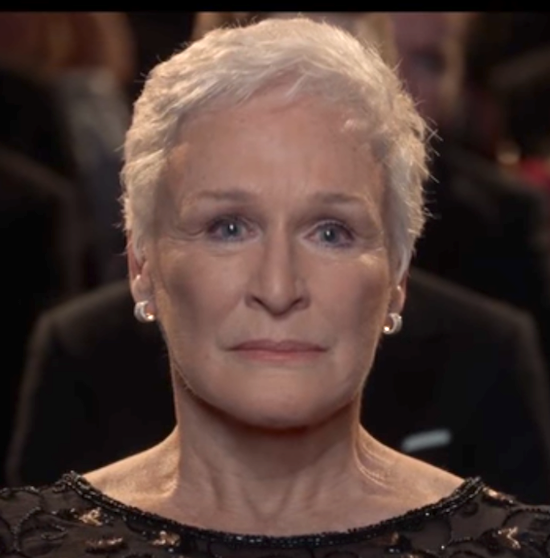
Would it be a consolation prize? No. She’s stunning in The Wife, mesmerizing in a deeply human performance of repression and silence and pent-up rage. This role depends on subtlety. Not many actresses of any age, of any time period, could make such a seemingly resigned, still woman look riveting. But Glenn Close? Let’s think about that for a moment…..

Did she fascinate you with her evil machinations in Dangerous Liaisons? Scare the hell out of you in Fatal Attraction? Did you love her in the criminally underrated The Paper? Were you touched by her sweetness in The Natural and The Big Chill? Did you fear for her in The Jagged Edge? Did you enjoy her bitter, yet resigned take-down of her former lover in Le Divorce? (And yes, even in a bit part, you can’t take your eyes off of her.)

I like Olivia Colman, but her weird, histrionic role in The Favourite is not the kind of part that deserves your Oscar. I adore Lady Gaga. But this was a good freshman performance, not an award-winning one. Melissa McCarthy should be your number two, with her deeply funny, deeply sad performance of a woman at the end of her resources. (I admit I have yet to see Yalitza Aparicio’s performance, but I know she’s not one of your frontrunners). But the only living actress besides Close who can show the full range of human experience with a few expressions, gestures, and lines–Meryl Streep–has been showered with THREE of your Oscars. Close? Not a one.

Here’s the thing: The Wife wasn’t watched by nearly as many people as some of the other films whose actresses are up there on the list. And yet, still nominated. WHY?

Because she’s GLENN CLOSE, Academy! The badass actress who OWNS every role she takes, who can make you watch (and yes, just try to resist it) seasons of a show you barely like just to catch her expressions, who can convince you into viewing a movie about dalmatians—dalmatians!–just to catch her take on Cruella de Ville.

Academy, don’t shame yourself, as you did with Close’s partner in non-winning Oscar noms, the wonderful Thelma Ritter (she, like Deborah Kerr, of the 6-0 record). You’ve got a chance not to wait till that lifetime oops-we-screwed-up prize. It’s an easy choice, Academy.

Just give Close the Oscar already.

Share
Posted in: 1990-current films, Oscars Tagged: Deserve, Gaga, Glenn Close, Oscar, The Wife

2018 Best Pic Reaction

03/05/2018 by leah@carygrantwonteatyou.com 4 Comments

Seriously?

Share
Posted in: 1990-current films, Oscars Tagged: Embarrassing Oscar pics, Get Out and Three Billboards vs. hamfisted fairytale, headscratcher Oscar pics, The Shape of Water terrible

2018 Oscar Best Pics Ranked (of the Five I’ve Seen)

02/25/2018 by leah@carygrantwonteatyou.com Leave a Comment

It’s that time again, time to get irritable with the Academy and argue with their choices. This year I thought they did pretty well. Though I haven’t seen Dunkirk yet, I’m glad they’re finally giving Christopher Nolan credit; his ability to capture a place (real as well as fictional) is extraordinary. And the Get Out choice is particularly merited (and surprising given their history). I was too annoyed by There Will be Blood to watch Phantom Thread, but will catch Call Me by Your Name. (Unfortunately, the flat previews didn’t drum up the motivation to watch it in advance.) Everyone who has viewed it has told me Darkest Hour doesn’t deserve the nomination, and I’m annoyed that it and Phantom Thread shut out the deserving I, Tonya. Of those up, here are my rankings:

Tied for 1: Get Out & Three Billboards:

Get Out. Of all those I’ve seen this year, this film entertains the most. What a joy to see a horror movie that is also a satire on racism. The film works on so many levels. I don’t like horror, but the previews hooked me, and as a long-time Jordan Peele fan, I had to check it out. It should be required viewing for everyone in this country, as it beautifully captures how a surface liberalism enables people to ignore their own privilege. Peele has managed to bring mainstream the message Peggy McIntosh gave to academics. Few would be able to deliver such a crucial theme without heavy-handedness. Peele manages to do so with humor.

Three Bilboards Outside of Ebbing, Missouri. It’s difficult for me to choose between this film and Get Out, as Three Billboards reflects on grief and revenge in such an insightful, interesting way, and the plot keeps me guessing throughout. The characters are all shades of gray, and Frances McDormand embodies the most simultaneously badass and complex female lead since Thelma and Louise. (That she deserves the Oscar is so obvious I feel no need to write about it). Actually, I would have given Peele the best film and Martin McDonagh the best director, but that’s impossible since he’s been shut out. (I’ve been intrigued by his strange ability to blend religion, compassion, strangeness and humor since In Bruges, and this is his finest film.) Both this movie and Get Out have stayed with me since I viewed them, and both are remarkable for what they’re saying about grief and justice, and for their extreme level of originality. And unlike the last film on my list, both are beautifully edited, with perfect endings.

3. Ladybird. How fun to see a high school film given credit! While I don’t find it as memorable as the first two, and it’s a smidge too long with some unresolved threads, it’s a strong, character-driven film, with a great turn by Laurie Metcalf as the loving but difficult mother. Both prickly and heartwarming, as a teenage angsty film should be.

4. The Post. I’ve already gone on about this film at length. I enjoyed it. It’s inspiring and informative. It features strong performances. But it falls into the Spielberg ending trap, which undoes some of its effectiveness. And as someone who doesn’t live in one of the few cities where it actually arrived in December, I resent that a big-budget movie I can’t watch until January counts as a 2017 film.

1055. The Shape of Water. Here’s a question for you: Why is acknowledging some humanity in a bigoted cop racist (in Three Bilboards) according to critics, but it’s perfectly acceptable to equate racism, homophobia, and resistance to amphibian-human sex? Comparing animals to people of color is a favorite racist pastime. The most offensive homophobes claim bestiality is next in line after homosexuality; this film comes along and suggests they’re right, and no one minds. It’ll probably get the Oscar. So much for the Academy getting over their #Oscarssowhite shame.

I don’t think the director realized this was what he was implying, as there’s a tunnel vision to this film that suggests he wasn’t thinking much at all (unlike my number 1s). As a fan of Pan’s Labyrinth, I was disappointed in the heavy-handed quality of this later film. The villain is comically evil,  without even the humanity a superhero franchise would give him (and from what I hear of Black Panther, Marvel is proving itself far more sophisticated character-wise). And the heroine is so smitten with desire that it doesn’t occur to her to drive beyond the five blocks of her home to give her love a greater chance at survival. The amphibian-man I’m supposed to root for has nearly zero traits (this is a far cry from the highly lovable ET or even Splash‘s shy mermaid). I was impressed with the creation of his form; why not give equal attention to what’s beneath?

It must be noted that I’m a fan of classic film, and resented the time allotted to celebrating them (and the longing it gave me to be watching those instead). When I’m refraining from looking at my watch because I know the end thirty minutes before it arrives, I know my verdict–a bad Splash (hardly a stellar film)–is correct. Yes, the movie is beautiful, and I know I don’t give enough credit to world building if the character development is weak. But some cleverness in that world building is required (I enjoyed the Mad Max series, which is not exactly praised for character development). In five years, no one will remember this film, unlike his haunting Labyrinth. But you know what they will remember? Three Billboards. And Get Out.

Share
Posted in: 1990-current films, Oscars Tagged: Get Out and Three Billboards deserve win, Martin McDonagh robbed, Oscar picks, Why The Shape of Water sucks

Spielberg Needs a Better Editor–or These Classic Films

01/14/2018 by leah@carygrantwonteatyou.com 16 Comments


I just watched The Post, and as usual with a Steven Spielberg film, I was thoroughly enjoying it, hoping, “Maybe he’s avoided it this time!” And then WHAM! There it is: The schmaltzy, on-the-nose scenes and/or musical selections that undo the magic he has so skillfully woven. And so again, I must wonder, Why?

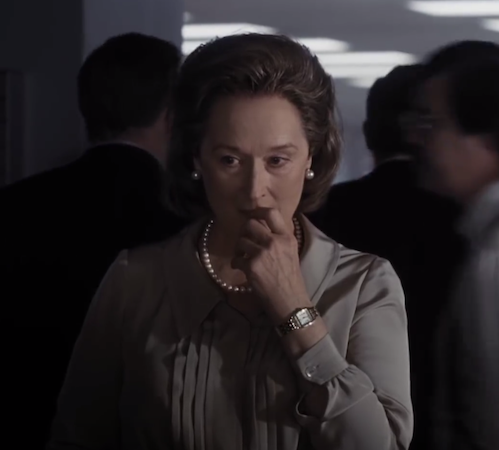
All creators have worst instincts: tendencies to overdramatize, to underdramatize, to love terrible actresses only because they’re icy blondes. If they’re wise, they find a collaborator or editor to curb their worst impulses. If they’re not, they double down, find others who encourage or exaggerate those impulses. Spielberg clearly thinks his work needs no counter-voice (like his similar editing-averse peer, Martin Scorsese), and as a result, we get scenes in The Post like Meryl Streep walking down the stairs with young women gazing at her in admiration, and a Supreme Court judgment read aloud dramatically. And then Spielberg gets folks like me, a lowly blog reviewer in a $7 matinee, grumbling to herself, “Come on, Steven. This is not Lifetime. Cut it out.” Which is not to say that I disliked The Post. That’s the problem. I love Spielberg’s work. I just wish he’d stop ruining it.

Here’s what I wish Spielberg would watch for inspiration:

The “Win One for the Gipper” Speech from Knute Rockne All American
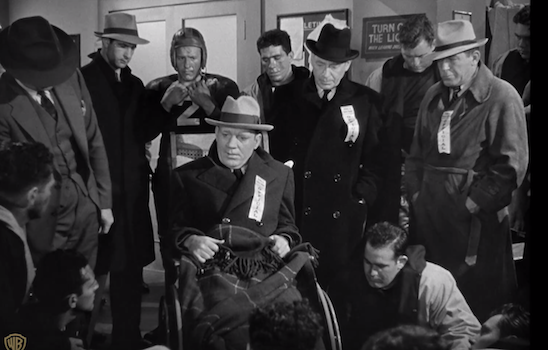

Rockne’s invocation of a previous player’s (George Gipp’s) dying wish to rev up his team would seem, on the surface, hopelessly manipulative. Onscreen at least, it’s anything but. Because it’s a highly charged moment, I was expecting some annoying inspirational music (I’m looking at you, Steven. Amistad’s ruined-by-treacle potential still haunts me.) Instead, the scene is quiet, with only background noise from the game. Pat O’Brien delivers the deathbed wish (that a losing Notre Dame team will go against the odds and pull out a win) as an obligation. He’s fulfilling a promise, nothing more. His voice is quiet; his face reserved, somber. As a result, the moment seems authentic. He’s delivered his sad charge, and it’s up to the players to make what they will of it, to win or not. The scene is, as a result of these decisions, deeply moving. And inspirational.

It’s an elementary writing practice: heightened moments require understatement. Why then must we viewers be subjected to John Williams overplaying the score in every dramatic Spielberg scene? (I don’t doubt Williams’s talent, but he too likes melodrama, doubling the bad impulse.*) Why show us a row of young women fawning over Graham instead of a single smile of a single person? I don’t get it. Nor should Steven.

Meet John Doe & Mr. Smith Goes to Washington
Critics often reference Spielberg’s emulations of/similarities to Frank Capra. I see what they mean. There’s an optimism to Capra’s work, a hope in government and humanity, that is echoed in Spielberg’s films. And in the Capra movie I dislike most, You Can’t Take It With You, I see the same lack of subtlety and complexity Spielberg is sometimes prone to. But there’s a darkness and cynicism to Capra’s work that enriches and tempers his idealism, which is beautifully rendered in Meet John Doe and even in It’s a Wonderful Life. In Capra’s best work, the hero/heroine is compromised.

Take the newspaper story, Meet John Doe. Ann Mitchell (Barbara Stanwyck) fabricates a story about a disillusioned everyman, John Doe, and then leads the campaign to lionize a man who agrees to play the part (Gary Cooper). She plies the man to give speeches repeating her father’s wholesome maxims about humanity. Her idealism–and desire to influence her society with it–blind her to how little control she’ll have over the outcome of this experiment, and the life she’s risking with her carelessness. Note that Joe, the innocent here, is NOT the hero. Why? Because he’s not as interesting to watch or as human a character as Ann.

Consider Mr. Smith Goes to Washington. Jefferson Smith (Jimmy Stewart) may be the focus of the film, but Saunders (Jean Arthur); the wised up, cynical DC staffer; is our lens on the story, a woman who is complicit in a culture that destroys naive idealists like Jefferson.
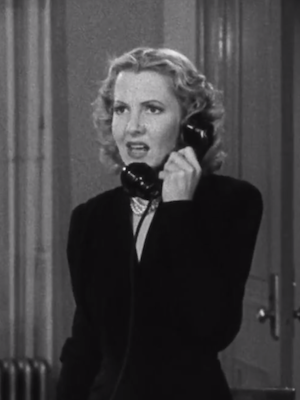

Spotlight understood this necessity for compromised heroes. It derived its energy from the guilt The Boston Globe reporters felt about the coverup of priests’ sexual crimes. Obviously, the paper was not responsible for the child abuse, but they felt they fell short in their watchdog duties by not connecting the dots/seeing the extent of the issue earlier. Without this guilt, the movie would just be bad priests versus noble reporters, the kind of simplistic storytelling we expect out of Superman, not Oscar winners.

Unfortunately, The Post includes no such complexity. While we see that Katherine Graham (Meryl Streep) worries about losing her paper and betraying a friend should she publish the Pentagon Papers, we don’t care about her kids/her family’s legacy/the other stories that might never get told without her paper if it folds. Nixon and his White House are portrayed in comically bad terms, which obviously resonates with those of us who feel the White House is in similar peril now. But we’re talking film making. And while in life there are clear right-versus-wrong conflicts, they don’t make for good cinema. If we at least got what it cost her just to carry on with that paper in the face of her husband’s loss, we’d understand more of Graham’s potential sacrifice. But Spielberg relies on Meryl Streep to deliver too much of this import, and a few throwaway lines don’t cut it.

Perhaps there IS no way to tell this specific story without it appearing so black and white, or at least it seems so in 2018. But I think the key was to let us see more of Graham’s history or even guilt–even if that guilt was considering NOT publishing, however briefly. By acting as if all of her concerns weigh on her equally (the revenue of the publication, her friendship with McNamara, her family’s legacy, soldiers in Vietnam dying), Spielberg may play up the drama of the decision, but he cheapens her thought process, doesn’t allow us to see the struggle against self-interest and rationalization. We therefore see her as more of cypher, and her decision as waffling and random.

That said, it’s a tribute to Spielberg that he still makes the film–and her–so fun to watch. But with a little more Capra viewing, maybe he’d make his heroes and heroines just a little less glowing, just a little more like the rest of us: rusty people, with great potential for more.

The Ending of Casablanca
Typically, Spielberg has a beautiful ending about a half hour before the actual conclusion of his movies, and instead of stopping there, he just keeps going. The peak excitement in The Post is in the decision to print, not in the aftermath, so why does the film continue? A few lines on the screen would have worked better. (Although the VERY end of The Post is too on point, I do appreciate the humor.)

I wish Spielberg would rewatch Casablanca: The hero says his final words; the heroine expresses hers.
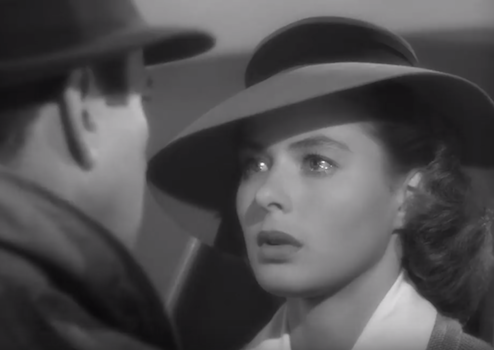

The heroine gets on the plane, it takes off, and the hero gets a funny final line. Done. Bows are unnecessary.

Why can’t Spielberg trust his viewers to get it, as director Michael Curtiz did? Why must Spielberg underline, add exclamation points? I don’t need extreme subtlety, but I don’t need words across the sky either.

The Post is still so good–fascinating, rousing, entertaining, a great history lesson, beautifully acted. I loved both Tom Hanks and Meryl Streep in it. I wanted to dwell longer in this world, wanted more time with Ben Bradlee (Hanks) in particular. I loved the mechanics of the press, the feel of the newsroom. The film is a pleasure to watch, and so meaningful in its message. Yes, it’s good. But with Spielberg at the helm, with a harsher red pen, it could have been so much more.

The Color Purple
Before I conclude, there is one final film I’d like Spielberg to view, if I got my wish.
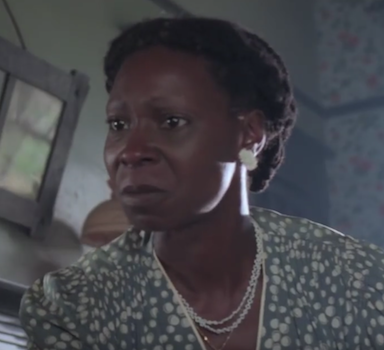

The Color Purple is perfect. No false notes. All complexity (even the bad guy has some heart, and redemption). No extra half hour of cheesiness. (And talk about #MeToo!) Please, Steven. Watch it. See what you got right when you directed it. Replicate.

*I should say that The Post is an unusually restrained film for Spielberg music-wise, for which I’m grateful.

Share
Posted in: 1930s films, 1940s films, 1980s films, 1990-current films, Drama (film), Oscars Tagged: Casablanca, Knute Rockne: All American, Meet John Doe, Meryl Streep, Mr. Smith Goes to Washington, newspaper movies, potential Oscar nominees, The Post, Tom Hanks

Kimmel & the Great Gaffe: Why Comedians MUST Host the Oscars

02/28/2017 by leah@carygrantwonteatyou.com 10 Comments

Here’s the typical Oscar hosting scenario:

Year 1: A comedian hosts, performs well and with confidence, then is trashed in the press.

Year 2: The Academy chooses an actor/actors for the hosting gig. The script fails; the actor (not being a writer) panics and keeps trying the script anyway/hides backstage/whoops. We all flinch in sympathy, long for the ceremony to end.

Year 3: One of the previous comedian hosts is asked back, and is trashed a little less.

Year 4: The Academy chooses an actor/actors…..

Strangely, the Academy fails to recognize exactly why comedians perform better. Not being comedians themselves, Academy members mistake comedic actors for comics, assume song-and-dance types can roll with the inevitable botched entrances and exits. They’re forgetting the obvious: comedians IMPROVISE; actors PERFORM THE SCRIPT. And last night, the difference was written out so plainly I’m hopeful that they will finally, finally get it.

Let’s review:

Something unexpected happens (say a wrong card is given out):

  1. Actor’s response: panic, stare at the other actor next to you, read out/let your partner read out something you suspect is wrong, cast blame, ruin the Oscars for the mistaken winners and the real ones.
  2. Comedian’s response: riff on a another comic’s similar mistake, cast all blame on yourself in such a way that it diminishes the gaffe, makes the audience (and comic) laugh, and earns you thanks from the company that blew it in the first place.

Kinda obvious, isn’t it? A host needs to respond to the crowd, alter/rip on jokes if they don’t work, recover from mistakes by oneself and others, and relax. Comedians have suffered through brutal NYC stand-up crowds; Oscar crowd judgment? Easy. That’s why comedian hosts will often return to the gig even if unfairly attacked the first time around.

Let me be clear: I’m not saying what happened is Beatty’s fault; I’m saying it’s to be expected. Improvising is simply not a required skill for an actor (though arguably, more so for a stage performer). But let’s envision if instead of Kimmel, Neil Patrick Harris or James Franco were hosting. Imagine how much MORE botched that conclusion to the night would have been.

Jimmy Kimmel nailed it last night. As usual, the critics are already nitpicking, as they are wont to do. Were The Lion King bit or the name jokes the best calls? No. Though they weren’t nearly as offensive as some claimed (he’s no Seth MacFarlane), they were ill conceived. Comedians always struggle with that sensitivity vs. humor pull, especially when improvising. But the humorist who tries too hard to be PC is never going to make us laugh. (Would someone remind the critics please just how often they have attacked every previous host for being potentially offensive in one/more of his/her jokes?) No one will remember those comments/bits anyway; they weren’t funny.* But his Meryl Streep-talentless-Trump reference? His conscientious objector Mel Gibson slam? The Matt Damon attacks? Oh yes. We’ll remember those.

Kimmel was sarcastic and charming: the snark of Jon Stewart or Chris Rock with Billy Crystal’s crowd-pleasing style. And so confident. The crowd there and the audience at home both seemed to enjoy themselves, even during that halftime lull. Kimmel can be the host we’ve been waiting for, if the Academy just gives him the chance. Hopefully, they’ll beg him back despite his hilarious parting promise never to return. For those of us still vainly attempting to have faith in a show that so often blows it, let’s hope Oscar planners catch on.

*For a great spoof on white people’s mispronunciation of minority names, check out Key and Peele’s brilliant role reversal clip.

Share
Posted in: Humor, Oscars, TV & Pop Culture Tagged: Faye Dunaway, Great Oscar Gaffe, Jimmy Kimmel great Oscar host, Jimmy Kimmel kills it at Oscars, rank Oscar host, Warren Beatty

Never Considered: Jake Gyllenhaal’s Repeated Oscar Snubs

02/18/2017 by leah@carygrantwonteatyou.com 6 Comments

I’m tired of the assumption that there must be buzz about a star before he/she can be considered “snubbed” by the Academy. Let’s look at the term, shall we?

Oxford Dictionary: snub: ” rebuff, ignore, or spurn disdainfully.”

“Ignore disdainfully” includes not noticing one’s performance at all, doesn’t it? In fact, wouldn’t that be a more insulting snub? As in, we don’t even consider you worthy of DISCUSSION?

Take Jake Gyllenhaal, whom The Verge describes as the “best actor alive.” His performance in Nocturnal Animals was riveting. He played two vastly different characters in one film. The one is a study in innocence and naiveté.


The other is a subtle take on suffering, the weight apparent in limbs, gesture, look—a role that most others would play with histrionics. In every frame, you can feel the way the character’s combating his own weakness in trying to be strong.

Both of these parts required versatility, and does Gyllenhaal have that skill down: In End of Watch, a headstrong young cop; in Nightcrawler, an animalistic creep; in Zodiac, an obsessive; in Brokeback Mountain, a romantic. (Uproxx‘s Steven Hyden called his Nightcrawler snub the worst of the decade; I know I’ve seen few performances to compete with it). Each time, Gyllenhaal moves beyond the stereotype, managing to imbue each character with such a singular, unique presence that you can’t look away, even when (as so often with Gyllenhaal’s choices) you want to.

I haven’t seen all the nominated performances this year, but I know Ryan Gosling’s part demanded a fraction of the skills of Gyllenhaal’s this year (much as I love the guy), and this is Denzel Washington’s worst performance since The Book of Eli. 

Of course, I could offer the usual bromide–that the best actors are so seldom recognized. Take my beloved Cary Grant, and all of those perfect, Oscarless performances. (And yet if I asked 100 people who know nothing of classic films to name one classic film star, which name do you think they know?)

My sister suspects a possible family bias, as neither Gyllenhaal’s sister, nor brother-in-law (Peter Sarsgaard) ever get their due either. Yet BAFTA values him. Catch up, Academy. Listen to the way Jake talks about his work–and how modest, funny, fascinating he can be. Pay attention to the complex vulnerability in his characters, the intensity, the quietness and the strength. Each of the men he plays are fully human, weird and disturbing as they so often are. Watch him pushing himself, over and over again, in roles other actors with his looks would avoid. Risk taking, funny, odd, so talented, Jake Gyllenhaal deserves some Oscar love. (The man himself, with typical modesty, actually claimed it was Ryan Reynolds who shouldn’t have been overlooked this year.)

But all you commentators out there, even if the Academy does keep snubbing him, let’s call it what it is. We have enough folks trying to deny reality this year, and change the definitions of basic words. Let’s all try some honesty instead: A snub by any other name still sucks.

This post is part of the 31 Days of Oscar blogathon, hosted by Aurora of Once Upon a Screen, Kellee of Outspoken & Freckled and Paula of Paula’s Cinema Club. Check out the first day of entries here.

Share
Posted in: 1990-current films, Blogathons, Drama (film), Oscars Tagged: Jake Gyllenhaal, Nightcrawler, Nocturnal Animals, Oscars, snubs

Gut Reactions to the Oscar Noms: The Good, the Bad, and the Ugly

01/24/2017 by leah@carygrantwonteatyou.com 2 Comments

Oscar nominations are out, and as usual, my first reaction is outrage. But there are some good choices in the supporting category, so I’ll tone down some initial snark, and try to give credit where it’s due. So far, I’ve seen only four of the nominated films, so I’ll wait till I’ve seen more for additional commentary. Here we go:

Best Picture (of those I’ve seen):

The Good

Hell or High Water: Deserves the nomination, and the win (of the nominees I’ve seen). Understated, nuanced, beautifully written and acted.

La La Land: Deserves the nomination, not the win. Charming, creative, fun. A blast for those of us who love the classics. I’m glad it’s getting so much credit. But ultimately, no musical deserves the top prize with such forgettable songs. Crazy Ex-Girlfriend has more memorable tunes in each episode than this film in its whole running time.

Moonlight: Deserves the nomination, possibly the win. Focused, touching story of one boy and his struggles with his sexuality and family. Points for subtlety. An unexpectedly nuanced depiction of a sensitive, quiet kid. Great acting too.

Thank you, Academy, for passing on the execrable Jackie, which was so wretched I almost left the theater 20 minutes in. Aside from jarring music, awful plotting, and a cruel portrayal of its heroine, its sum insight was this: Jackie O liked history, and losing her husband so tragically really sucked. Yeah, I kinda got that.

The Ugly

GLARING OMISSION: Where is Nocturnal Animals? Tightly edited, riveting, meaningful, beautifully acted, memorable, each frame relevant. Best film I’ve seen in years, and not even a nod.

Fences: I challenge a first-year film student to do a worse job converting a play to a film than Denzel in this unwatchable turkey. Gabriel and a literal horn? Are you kidding me? Clichés writ large, full earnestness, awkward closeups, dialogue that translates poorly to film, and histrionic acting almost all round. Larry McMurty, in a funny, humble essay, wrote that Hud would have been better if the filmmakers had diverged more from his original story. Denzel needed that lesson.

Lead Actor

The Good
Ryan Gosling anchors La La Land, which wouldn’t have been nominated without him. The man has comic skills; it’s good to see a role requiring both drama and comedy chops get some credit.

The Bad
Where is Jake? Jake Gyllenhaal, who gets (unlike Denzel did in this year’s film) that sadness can be about weighty limbs and haunted eyes, not screeching?

Where is Joel Edgerton? I’m wondering if the Academy hadn’t seen enough of his work to know what a departure this role was for him. Watching his restraint, the pain he shows in every limb at being unable to protect his wife, is powerful.

The Ugly
Instead, we get one of the best actors of our generation in his hammiest performance ever. Worst I’ve seen since The Book of Eli. You’re not in a theater, Denzel! Stop shouting down the house, making unfunny jokes, and smirking. It’s not the role. It’s you. You’re so, so much better than this.

Lead Actress

The Good and Bad
I suspect Annette Bening deserved the award this year, but I haven’t seen her film yet, and The Academy would probably just have passed her over for inferior performances, as they usually do. Emma Stone was very good, not great, and Ruth Negga just solid in Loving. But where is Amy Adams? She was memorable in Nocturnal Animals, and apparently even better in Arrival. But she’s a subtle actress, and the Academy likes to wait until the mid-golden years to award that quality (I’m looking at you, Jeff Bridges). Bring it on, Natalie. Shouts and painful closeups win.

The Ugly
Oh, Natalie. It’s funny that comics get no nominations for mimicry, and the Academy falls over itself to nominate dramatic performances for the same skill. Portman does imitate Jackie’s voice well, but in a distracting way (especially when she slips), and her histrionic, Black Swanish take on the first lady was disturbing, one-note and insulting. Weirdest of all was her awkward, hands stiffly held penguin walk. I guess when she was observing footage of her subject she missed the poise and grace. Cause you know, those don’t come up that often when we’re talking about Jackie….

Supporting Actor and Actress:

The Good
Very happy about Mahershala Ali for Moonlight. A magnetic, yet still understated performance. Likewise Jeff Bridges deserves the nod, though I wish he’d mumbled a bit less in the role. Had to watch it twice to catch all of his great dialogue. I think I was one of the few who preferred Michael Shannon’s performance in Nocturnal Animals to Aaron Taylor-Johnson’s.

Naomie Harris was very convincing in a small, but pivotal role. I hate to give credit to anything in Fences, but Viola Davis was tremendous, and unlike her costar, modulated her performance to suit the film. Give this woman an Oscar already, even if it should have been for best actress.

The Bad
I’m upset about the lack of love for Ben Foster in Hell or High Water. Even the reviews credit Chris Pine more, but Foster enlivens and gives depth to a role that in lesser hands could have been cartoonish. He sells the bond between the brothers, which keeps us hooked on this rather slowly spooling story. And he adds comedy as well as pathos.

OK, that’s it for now. When I’ve seen more, I’m sure I’ll gripe some more…:) (I’m posting more fully about Jake later this month for an Oscar blogathon, and will, of course, want to discuss the screenplays soon….)

Share
Posted in: 1990-current films, Comedies (film), Drama (film), Oscars Tagged: #OscarsSoWrong, Amy Adams snub, Ben Foster snub, Denzel undeserved nomination, Fences sucked, Jake Gyllenhaal snub, Joel Edgerton snub, Nocturnal Animals snub, Oscar snubs
« Previous 1 2 3 Next »

Recent Posts

  • 100 Years Later, Still Scary: Dr. Caligari
  • Escaping Out of the Past (1947)
  • A Weeper for Those Who Love Jerks
  • Thank You, Academy, for Not Infuriating Me
  • Challengers (2024) Is a Bad Movie

Subscribe to Blog via Email

Enter your email address to subscribe to this blog and receive notifications of new posts by email.

Categories

  • 1920s films
  • 1930s films
  • 1940s films
  • 1950s films
  • 1960s films
  • 1970s films
  • 1980s films
  • 1990-current films
  • 2020s films
  • Action & Sports Films
  • Anti-Romance films
  • Blogathons
  • Childfree
  • Comedies (film)
  • Drama (film)
  • Feminism
  • Femme fatales
  • Film Noir/Crime/Thriller & Mystery
  • Gloriously Silly Scenes
  • Horror
  • Humor
  • Mae West Moments
  • Musicals and dancing films
  • Oscars
  • Random
  • Romance (films)
  • Romantic Comedies (film)
  • The Moment I Fell for
  • Turn My Sister into Classic Movie Fan
  • TV & Pop Culture
  • Uncategorized
Share
Classic Movie Blog Hub Member

Recent Comments

  • leah@carygrantwonteatyou.com on Meg Ryan’s Fate Foretold in Joe Versus the Volcano
  • Ryan on Meg Ryan’s Fate Foretold in Joe Versus the Volcano
  • leah@carygrantwonteatyou.com on 100 Years Later, Still Scary: Dr. Caligari
  • The Classic Movie Muse on 100 Years Later, Still Scary: Dr. Caligari
  • leah@carygrantwonteatyou.com on 100 Years Later, Still Scary: Dr. Caligari

Archives

  • November 2025
  • September 2025
  • May 2025
  • March 2025
  • January 2025
  • November 2024
  • August 2024
  • July 2024
  • May 2024
  • March 2024
  • February 2024
  • December 2023
  • November 2023
  • October 2023
  • September 2023
  • August 2023
  • July 2023
  • May 2023
  • April 2023
  • March 2023
  • January 2023
  • December 2022
  • November 2022
  • September 2022
  • July 2022
  • May 2022
  • April 2022
  • March 2022
  • February 2022
  • October 2021
  • September 2021
  • April 2021
  • March 2021
  • February 2021
  • December 2020
  • October 2020
  • September 2020
  • July 2020
  • May 2020
  • April 2020
  • March 2020
  • February 2020
  • December 2019
  • October 2019
  • September 2019
  • June 2019
  • May 2019
  • April 2019
  • February 2019
  • January 2019
  • November 2018
  • September 2018
  • July 2018
  • June 2018
  • May 2018
  • April 2018
  • March 2018
  • February 2018
  • January 2018
  • November 2017
  • September 2017
  • August 2017
  • July 2017
  • June 2017
  • May 2017
  • April 2017
  • March 2017
  • February 2017
  • January 2017
  • December 2016
  • November 2016
  • October 2016
  • August 2016
  • July 2016
  • June 2016
  • May 2016
  • April 2016
  • March 2016
  • February 2016
  • January 2016
  • December 2015
  • November 2015
  • October 2015
  • September 2015
  • August 2015
  • July 2015
  • June 2015
  • May 2015
  • April 2015
  • March 2015
  • February 2015
  • January 2015
  • December 2014
  • November 2014
  • October 2014
  • September 2014
  • August 2014
  • July 2014
  • June 2014
  • May 2014
  • April 2014
  • March 2014
  • February 2014
  • January 2014

Meta

  • Log in
  • Entries feed
  • Comments feed
  • WordPress.org

Copyright © 2025 Cary Grant Won't Eat You.

Church WordPress Theme by themehall.com