Cary Grant Won't Eat You

Classic movies for phobics

  • About
  • eBooks
  • Previous Blogathons
Classic movies for phobics

Film Noir/Crime/Thriller & Mystery

Face It: We’d All Be Lousy Detectives

05/21/2014 by leah@carygrantwonteatyou.com Leave a Comment

When I was a kid, I thought the word “amateur” meant talented. Nancy Drew was an “amateur detective,” and she outsmarted everyone around her, so what else could the word mean? Shows like Murder, She Wrote confirmed this impression: the everyday woman could outwit private detectives, criminals, the police. To be a hero like Nancy, I just needed observation skills. And a little knowledge picked up from mysteries. Then my latent brilliance would appear, dazzling all in my orbit.

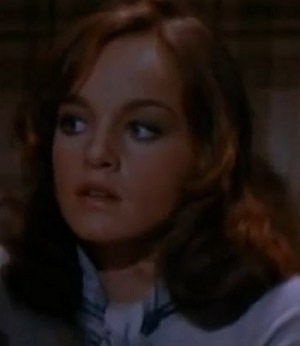
Pamela Sue Martin as Nancy Drew

Pamela Sue Martin as Nancy Drew

I read every one of Carolyn Keene’s books until I had four Nancy Drews left, then picked one of the last up, tried to read it, and couldn’t. A few novels shy of my completion goal, I had finally realized that my favorite detective was, well, not terribly gifted. All the bad guys in the stories were mean, all the innocent characters nice. Of course Nancy could solve the mysteries. So could an eleven-year-old girl who didn’t know the meaning of amateur.

And yet these types of stories persist in Hollywood: the novice saves the day, while the jaded/stupid authorities look the wrong direction. It’s an alluring premise that allows us to imagine ourselves in the novice’s place, an undiscovered genius beating professionals. Yet reason would tell us that we newbies would be about as useless at being detectives as we are in our first days at any job—that what an amateur sleuth would likely do is exactly what those supposedly wrong-headed authorities predict: bungle everything up and possibly get him/herself and/or others killed. Perhaps that’s why The Third Man is so unexpected and so appealing: it features one of the worst amateur detectives ever to appear on film, Holly Martins (Joseph Cotten).

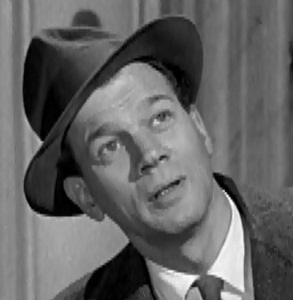
Martins (Cotten) after arriving in Vienna

Martins (Cotten)

Martins travels to post-war Vienna because he’s been promised a job by his buddy, Harry Lime (Orson Welles). He’s soon told that Lime has been killed in a car accident, but the details sound fishy, and Martins, like the cowboys he writes about, decides to find the truth. Others have written about Martins’ role as an ugly American, and it’s true that his behavior toward those around him reveals an appalling sense of cultural superiority. But what strikes me most about Martins’ whole campaign for justice is just how dangerous a naïve sleuth can be. Martins knows nothing about the country he’s in, how desperate its citizens are just to survive. To them, Lime’s death is one of so very many, and if solving the mystery will endanger them, well, they’ll just get back to their black market schemes and leave the foolish interloper to his own devices, thank you very much.

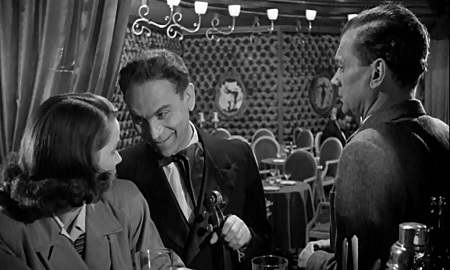
Martins (far right) and Lime's lover and friend

Martins (far right) and Lime’s friends

I always begin the film by siding with Martins against the supposedly sinister locals. I am amused by the hero’s blunt ways in a terrain that’s murky in every sense of the word. The city shots, the architecture, the crazy camera angles, and the shifty looks of the neighbors all suggest that Martins should be suspicious, and far more frightened than he is.

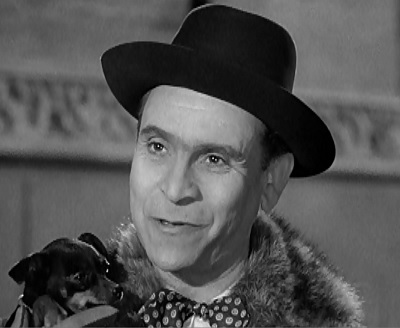
Ernst Deutsch as Lime’s shady friend, Kurtz

Ernst Deutsch as Lime’s shady associate

But as this hero continues to march into the bee farm, slamming his bat against the hives, I begin to think, Uh, Martins? Maybe you should step a bit more gingerly, huh? And if you must blunder about, perhaps let everyone else get inside first? There’s a reason why this movie always makes best-of thrillers lists: Picture Nancy Drew in the midst of The Usual Suspects, frustrated not to find Keyser Söze wearing a Hello My Name Is sticker and casually asking everyone in sight to identify him. Forget Lime’s possible murderers: the people of Vienna need to watch out with Martins on the loose.

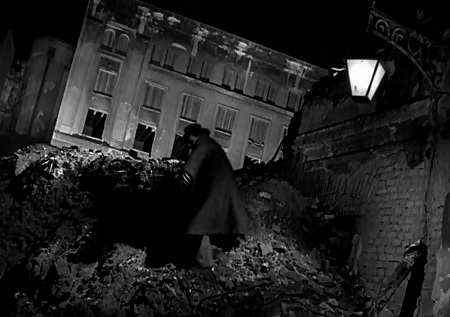
Martins on the run

Martins, the public’s enemy, on the run

I can’t describe much more without revealing some of the mystery—and it’s too good for me to do that. So just watch The Third Man. It’s menacing mood, its striking soundtrack, its lack of moral foundations all would make it fascinating even if it didn’t revolve around an intriguing mystery. And the next time you imagine yourself solving crimes, you’ll remember Holly Martins. And you’ll know just why such dreams are best left to eleven-year-olds.

Share
Posted in: 1940s films, Film Noir/Crime/Thriller & Mystery, Humor Tagged: Bad detectives, Joseph Cotten, Keyser Söze, Nancy Drew, Orson Welles, The Third Man

The Moment I Fell for Humphrey Bogart

05/14/2014 by leah@carygrantwonteatyou.com 6 Comments

I was contemplating that moment in a film when an actor wows me, when I realize I need to see all of his/her work and possibly start decorating my rooms in fan posters à la a kid with a Teen Beat subscription. And the first actor to come to mind was Humphrey Bogart.

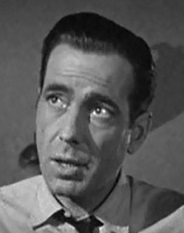
Bogart in Maltese Falcon

Bogart in The Maltese Falcon

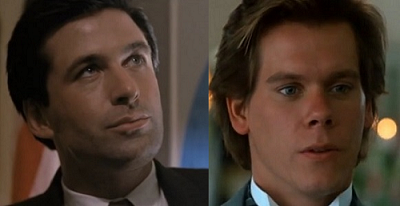
I was unmoved initially by Casablanca, arguably Bogart’s most famous film. A friend and I had decided we needed to acquire some culture and had learned in When Harry Met Sally that this was a love story for the ages. We were confused as we watched. What was all of this stuff about war? Where the hell was Casablanca? Why waste time with all of these confusing minor characters, especially that weird dude (Peter Lorre), when we could be watching Wings or Dr. Quinn, Medicine Woman? Was I seriously supposed to think this Rick guy was attractive? He looked nothing like my high school crushes, Alec Baldwin and Kevin Bacon.

Teenage heartthrobs

My teenage heartthrobs

Due to this uninspiring beginning, it was years before I watched another Bogie flick, this time The Maltese Falcon, the mystery about a private detective, Sam Spade (Bogart), investigating the murder of his partner. I was enthralled. The script was breathtaking: “My guess might be excellent or it might be crummy, but Mrs. Spade didn’t raise any children dippy enough to make guesses in front of a district attorney, an assistant district attorney, and a stenographer.”

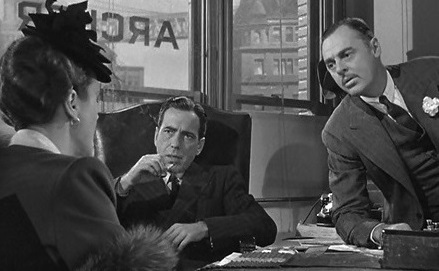
Spade, his partner, and his client

Spade, his partner, and the mysterious client

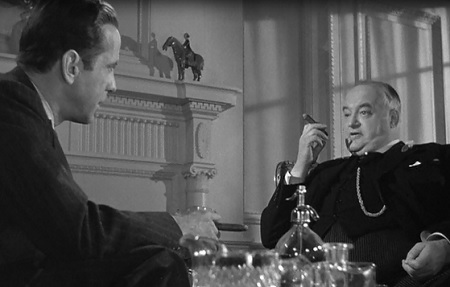
My favorite moment (the moment) occurs shortly after Spade meets Kasper Gutman (Sydney Greenstreet), the ringleader behind the crimes in the film. Spade has found him by confronting his gunsel (Elisha Cook Jr.), the lackey who has been trailing him. Spade asks about the “black bird” that has caused a killing spree, with his partner among the victims. “You know what it is,” he tells Gutman. “I know where it is, that’s why I’m here.”

Gutman assessing Spade

Gutman assessing Spade

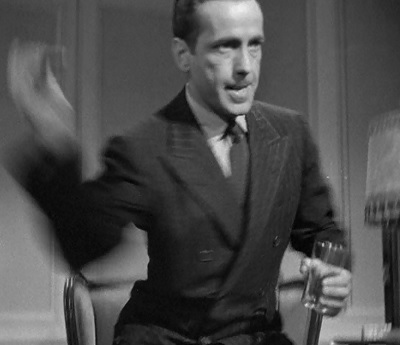
Gutman’s wordy style contrasts with Spade’s brevity. Right away, the former admits he’s a chatterbox: “I’m a man who likes talking to a man who likes to talk.” He stalls when Spade tries to make a deal for the bird, causing Spade to hurl the cigar and glass he’s holding and shout at Gutman: “What are you wasting my time for? I can get along without you. And another thing. Keep that gunsel out of my way while you’re making up your mind. I’ll kill ’im if you don’t, I’ll kill ’im.”

Spade throwing his cigar

Spade throwing his cigar

Spade’s passion shocks the viewer. Since he’s remained so calm the entire film, the burst of violence alerts the audience to a fact that should have been obvious all along: the hero is fully as dangerous as his foes. I have always been in awe of the kind of efficiency of movement Bogart displays in this scene, something I admire in the dancing of Fred Astaire and brutal fights of Daniel Craig as 007 and Matt Damon as Jason Bourne.

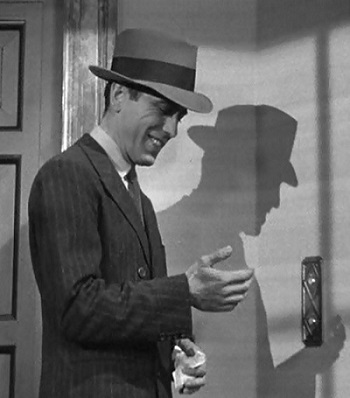
But as the camera follows Spade charging out of the room, yelling about a 5:00 deadline, we witness his anger swiftly transform into an engaging grin.

Spade's trick

Spade’s trick

That’s what did it for me—that quick, convincing rage, followed by a satisfied smile that reveals his action to be a ploy. In a moment, Bogart had excited me, fooled me, made me laugh. He had drawn me in with that seductive confidence, and thus sold me on his role as a leading man and sex symbol. I soon gobbled up The Big Sleep and so many of his other brilliant films. (Casablanca on a second viewing appeared to be a masterpiece.)

Bogart’s skill with The Maltese Falcon’s dialogue also steered me toward the beautifully written detective fiction of the 1930s-50s, to Dashiell Hammett’s dialogue, Raymond Chandler’s metaphors, and Ross Macdonald’s character development. And, of course, it led me to the amazing world of film noir.

So many thrilling performances. So much good writing. So much wonderful viewing. And all thanks to that 15-second shot of Humphrey Bogart’s grin.

I’m planning to do a The Moment I Fell for…blog once a month, with Thelma Ritter up next. I’d love to hear some of yours…..

Share
Posted in: 1940s films, Film Noir/Crime/Thriller & Mystery, The Moment I Fell for, TV & Pop Culture Tagged: Bogie, Fan, heartthrob, Humphrey Bogart

The Sadistic Spouse: Charles Boyer in Gaslight

04/23/2014 by leah@carygrantwonteatyou.com 22 Comments

This post is part of the Great Villain Blogathon cohosted by Speakeasy, Shadows and Satin, and Silver Screenings. Check out other entries on one of their sites!

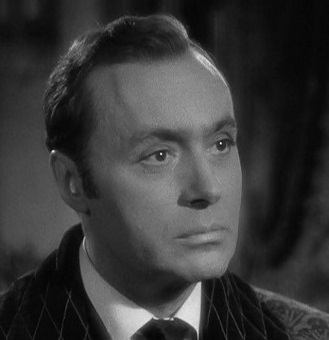
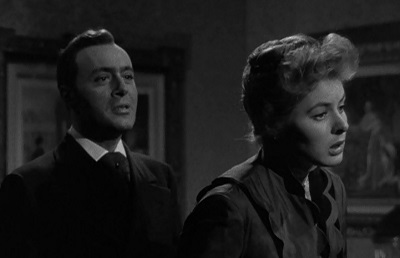
When it comes to villains, Gregory Anton in Gaslight lacks the theatricality of The Joker or Lecter. He wants the presence of Harry Lime or the narcissism of Ellen Harland. He doesn’t chill the viewer as do Maleficent and Mrs. Danvers. On the surface, therefore, Gregory might not seem a villain worthy of comment. As played by Charles Boyer, the role is so two-dimensional as to approach camp. You can almost hear Boyer saying to himself, “Time for the faux-loving face—wait, too long on that one, stern face time.”

Boyer's stern face

Boyer’s stern face

Yes, Gregory seems as commonplace a villain as his name would suggest. But in terms of his effect on his victim, Gregory is a master among villains. Having convinced his new wife, Paula (Ingrid Bergman), to move back to the house where her aunt was murdered, he creates a series of sounds and sights he pretends not to notice. He expresses concern at Paula’s supposedly imaginary observations; he chides her for forgetfulness when items disappear (due to his own actions). She believes him because she loves him. The term “gaslighting,” which originated with this story, refers to Gregory’s sinister brand of psychological abuse: trying to convince his wife she’s going insane. While the motives of his actions are not immediately apparent, he clearly feels no remorse for his cruelty.

Convincing his wife she's crazy

Gregory, celebrating his victory over his wife

So often, we side with the criminal in a plot like this one: with a wife this gullible, it’s easy to go for the laugh rather than the shiver. It would be common too to dismiss Paula as stupid, to fail to sympathize due to her blindness and fragility. But the nineteenth-century timeline of the story counters our usual impulses, making us uneasy and fearful from the start. (Just what were those stories about men committing their wives to asylums on questionable grounds again?) And Paula is not just any victim: She is a victim played by Ingrid Bergman.

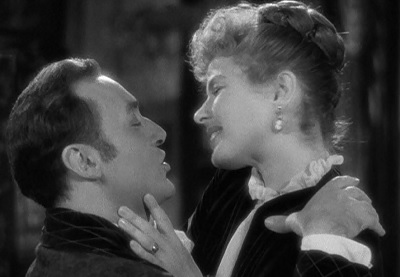
Bergman beautifully illustrates the extent of her heroine’s downfall at Gregory’s hands. She is incandescent as a woman in love before his plot takes off.

Gregory's pretense of love

Paula in love

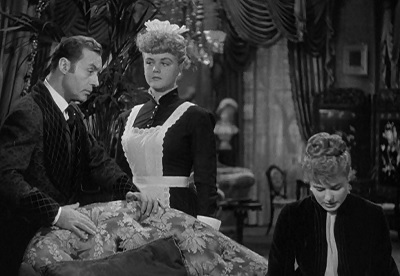
Her fears about her sanity, which first dim, and then blot out any semblance of happiness or reason, are terrifying to watch. Just when she thinks she can trust in his love for her and have faith in herself again, Gregory cuts off her giddiness with a chilling expression, claims she’s unwell, forgetful, unworthy, childish. Her jealousy of a cruel maid (Angela Lansbury) he flirts with in her own home is nothing, he suggests, but a sign of her sickness.

Using the maid to torture his wife

Using the maid to torture his wife

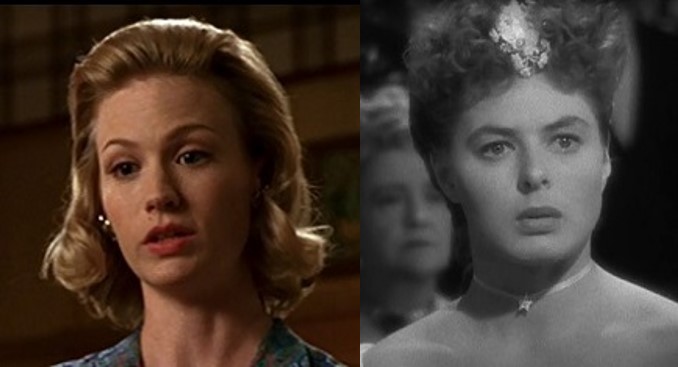
Think of Betty Draper in the first season of Mad Men, then quadruple the vulnerability, make Don evil rather than sick, take away his love, and remove any right Betty has to defend herself against his duplicity, and you have poor Paula in Gaslight.

Season 1 Betty Draper a powerhouse compared to Paula

Season 1 Betty Draper a powerhouse compared to Paula

Paula’s weakness is her love for her husband; without it to prey upon, Gregory would have no chance of winning this psychological battle against her. And it’s just this level of cruelty she can’t accept. Of course she finds her own forgetfulness more believable. Not content with the damage he’s done, Gregory shuts her away from others, guaranteeing she spends most of her time obsessing over whether she’s mad–hardly a healthy pastime. How long, we wonder, CAN Paula stay sane, trapped in a loveless marriage, a frightening house, and fears she can no longer control? While there’s hope in the form of a suspicious detective (Joseph Cotten), even if Paula escapes, can anyone recover from this kind of treatment?

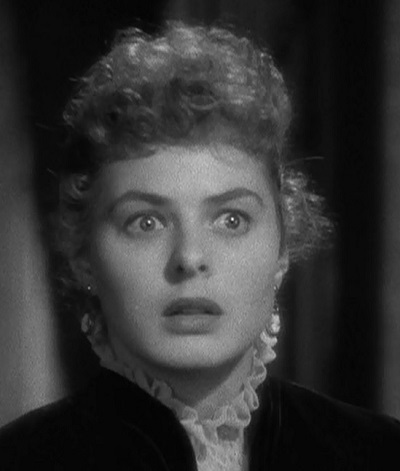
Despite a largely passive performance, Bergman is stunning to watch in Gaslight. I can think of no actress but Meryl Streep who could accomplish so much with just expressions, who could deliver enough pain and fear to carry the film and beat out Barbara Stanwyck, Bette Davis, Claudette Colbert, and Greer Garson for the Oscar.

Bergman as situation worsens

Paula as her situation worsens

Just a few years after Gaslight, Bergman would fall for Roberto Rossellini and become involved in an affair with him so scandalous Congress and many of her American fans would condemn her. But she would make a Hollywood comeback less than a decade later, and her union with the famous director would result in a daughter, Isabella, who, in a curious twist, would make a splash of her own as a victim in another famous film, Blue Velvet. Who could forget torch singer Dorothy Vallens, the target of creepy villain Frank Booth (Dennis Hopper)?

Like mother, like daughter

Like mother, like daughter

 Be sure to check out the other villains in the blogathon!

Share
Posted in: 1940s films, Anti-Romance films, Blogathons, Drama (film), Film Noir/Crime/Thriller & Mystery, TV & Pop Culture Tagged: Betty Draper, Charles Boyer, Gaslight, Ingrid Bergman, Mad Men, marriage, villain

Sherlock Holmes Meets Paris Hilton: The Mad Miss Manton (1938)

03/16/2014 by leah@carygrantwonteatyou.com 12 Comments

This post is part of Movies Silently’s Sleuthathon. Check out other entries on her site!

Imagine pitching this story idea: a Paris Hilton type with a pack of tiny dogs solves a crime New York cops can’t. It sounds like a Beyond Balderdash card, doesn’t it? That couldn’t possibly be a real movie plot. Luckily for us, it is. The Mad Miss Manton stars Henry Fonda and Barbara Stanwyck, but as you might guess, it’s not of the same caliber as their later pairing.  The mystery is ridiculous, the plot convoluted, and the character development all over the place. But who cares? Just let the film be what it wants to be: crazy fun.
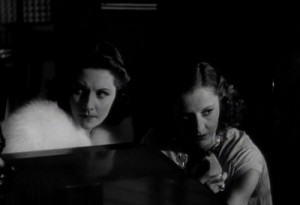
The Mad Miss Manton

The Mad Miss Manton

Melsa Manton is a society girl known for “pranks” she claims are in the name of charity. She and her bevy of like-minded friends are suspected of constant mischief, and when Manton finds a body that disappears before help arrives, the police and newspaper editor Peter Ames (Henry Fonda) cry foul. Manton sets out to solve the crime to redeem the reputation of her crew, and along the way, Ames falls in love with her. As you might expect, this loopy story leads to some sticky problems for the filmmakers, but never fear: Philip Epstein is the primary writer, so some of those problems end up being hysterical to watch, including….

The Heroine with the Vanishing Trait—and Pets
Barbara Stanwyck is my favorite actress. She can portray a character who is terrified (Sorry, Wrong Number), sinister (The Strange Love of Martha Ivers), funny (Ball of Fire), or heartbroken (Stella Dallas). But there’s one thing this tough Brooklyn-born actress could not do, and that’s act like a flake. The problem is, without that trait, the beginning of the film is incomprehensible, even in screwball land. You simply can’t buy this woman with a bunch of precious dogs, prancing around the city on pranks or building mansions for her pooches, as Paris Hilton did.

To make the “madness” of Manton plausible, you would need an actress who could play naïve, who could be as trusting as Carole Lombard’s character in My Man Godfrey or Goldie Hawn’s in Seems Like Old Times. Only an actress like that could have pulled off a heroine who is not lacking in intelligence, but is lacking in cynicism. At first, therefore, I thought Stanwyck miscast.

Clearly, I underestimated the audacity of Epstein and his uncredited cowriters as they developed Wilson Collison’s story. Fewer than 10 minutes into the film, Epstein conveniently erases the airhead tendencies that he created in the opening scenes. Now, it seems, Manton is simply misunderstood (forget the film’s title). From the moment she’s on the case, Stanwyck is in familiar territory, fast-acting and thinking, with the assurance she’ll bring to her reporters in Meet John Doe and Christmas in Connecticut.  To illustrate this change in Manton’s character, the screenwriters eliminate all of her dogs. Poof! No Fifis in her apartment. No Fidos tracking her along her crime-solving path.
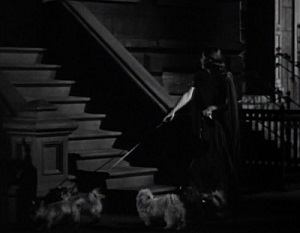
The dogs in one of their last appearances

The dogs in one of their last appearances

I think I fell for this movie when they vanished. It reminded me of the kind of bravado later soap opera writers would emulate in developing their narratives, with conveniently erased back stories and children growing up at Chia Pet speed.

A Bewildering Plot
The Mad Miss Manton is only 80 minutes long, yet I could have sworn it ended twice before it actually did. I felt a little like I used to reading Agatha Christie novels, when she conveniently left out information I needed to solve the crime myself. Who are all these suspects? Why do some of them appear on the screen for a few minutes, then reappear twenty minutes later, without my understanding anything new about them? There are multiple crime scenes, attempts on Manton’s life, ranting scenes by the police lieutenant, a hospital visit, an effort to lure in the killer, and much clue following. And, of course, multiple clips of the suspects that are meant to be illuminating/mysterious. But every time the chaos begins to overwhelm viewers, Manton’s friends rush in and save the film, which brings me to….

An Amazing Crew
I love the “Park Avenue pranksters,” the group of women whose help Manton enlists to solve the crime. My favorite is Pat (Whitney Bourne), who keeps stopping to snack at the crime scenes, à la Shawn Spencer.

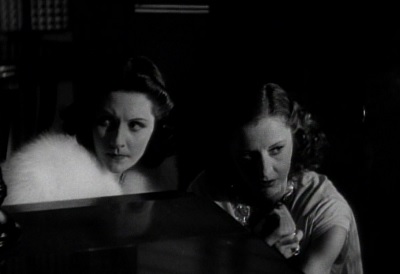
Who can beat a troop of friends, armed with flashlights and ermine, creeping through the window of a house the cops have inconveniently locked?

“I found a blood stain,” says one woman, perching on the floor.

“Oh, how can it be blood? It’s blue,” replies Manton.

“Maybe they shot Mrs. Astor,” retorts her friend.
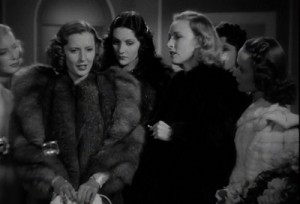
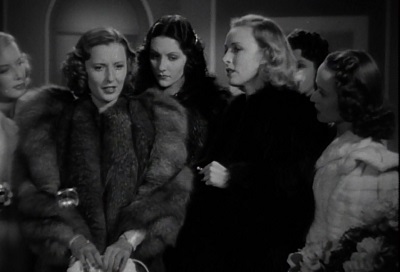
Manton and her "pranksters"

Manton and her “pranksters”

Most of these accomplices are clever, and all are fun and fabulous company. They seem to live an endless string of parties and sleepovers. Unlike Blair Waldorf’s Gossip Girl minions, however, these women are sweet-natured without sacrificing their blistering wit, as when they mock their ringleader for starting to like Ames:

“You know psychiatrists say hate’s just a step away from love,” says one.

“Yeah, but it’s the lull in between that drives you crazy,” replies another.

The film suffers every time the crew leaves the screen.

Distracting Minor Characters
I did not feel the same delight in encountering Manton’s maid, Hilda (Hattie McDaniel). While her sassy replies to her employer are sometimes amusing, it’s difficult to view McDaniel in a maid costume without picturing Mammy from Gone with the Wind, the part she’d win an Oscar for a year later. While this is not the type of servile performance the actress would later be asked to defend, the role is not as progressive (and therefore her part less funny) than we might have hoped.
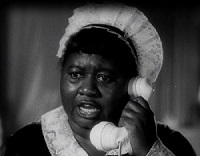
Hilda (Hattie McDaniel)

Hilda (Hattie McDaniel)

The police lieutenant (Sam Levene) sometimes distracts from the story as well. Like one of the suspects (Penny Singleton), Levene is stolen straight from After the Thin Man (which tells you how seriously the director, Leigh Jason, and his writers take the crime itself).

Unfortunately, Levene can’t turn off the beleaguered, badgering tone he used in the earlier film. While his attitude toward Manton initially adds to the humor, his grumbling soon becomes tiresome. Nick Charles could be just as withholding with clues as Manton, but never was treated with such disrespect. Wouldn’t the lieutenant’s opinion of her alter when he discovered her sleuthing skills, even with their class and gender differences?
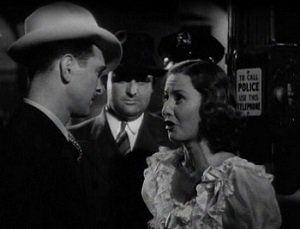
The lieutenant (Levene) dismissing Manton

The lieutenant (Levene) dismissing Manton

Henry Fonda in Screwball Mode
The only actor who surprised me in this film was Henry Fonda. I’ll admit that I’ve never been a fan; I’d usually rather see someone else in his place: John Garfield in The Grapes of Wrath, Joel McCrea in The Lady Eve.  But Fonda is exuberant in The Mad Miss Manton, so at home with the one liners and silly antics that I kept checking the credits to make sure it was the same man. (Interestingly, Fonda himself disliked the part.) He’s surprisingly confident and attractive as Peter Ames, the editor in love with Manton, and it’s hilarious to watch him trying to romance her, while admitting that he’s enough of a pragmatist to appreciate that she’s rolling in it.
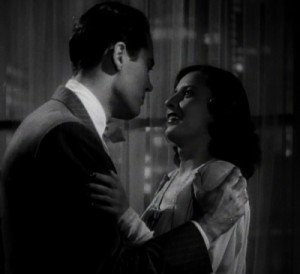
Manton (Stanwyck) and Ames (Fonda)

Ames (Fonda) and Manton (Stanwyck)

The relationship begins in hostility. He’s written an editorial dismissing Manton’s supposedly nonexistent body discovery as one of her group’s “escapades.” She slaps him with her hand and a libel suit on their first meeting. Of course, they start to fall in love from there.

The two take turns outwitting one another in His Girl Friday style (though at a less frantic pace). After Manton agrees to pretend they’re engaged to dupe a suspect, Ames comes to her apartment with champagne to celebrate. “Well, if I want to marry a fortune hunter,” she answers, “I can go to Europe and marry a professional one.”

“I’m determined to make you happy if I have to drag your name through the breach-of-promise courts to do it,” he answers.

It’s startling how suggestive the film is. The two are in her bedroom as she smokes in her nightgown and he gets flustered. She ties him up regularly, and once she even takes off his pants. The love/hate battle between them is exhilarating, and while much of the credit goes to Stanwyck, for once she has an equal sparring partner in Fonda.

As you can tell from my review, this is a far from perfect film. But I would encourage you to embrace it just the same: the disappearing dogs, the ever-changing heroine, the unlikely romance, the bizarre crew, even the occasional joke about communism.  It’s a bit “mad,” but it’s a lot of fun.
Share
Posted in: 1930s films, Blogathons, Film Noir/Crime/Thriller & Mystery, Romantic Comedies (film) Tagged: Barbara Stanwyck, blogathon, Henry Fonda, Paris Hilton, screwball comedy, The Madd Miss Manton

3 Classic Anti-Valentine’s Films for Sex and the City Fans

02/13/2014 by leah@carygrantwonteatyou.com 6 Comments

Single or attached, I’ve always loathed Valentine’s Day. When single, I’ve wondered why our couples-obsessed culture needs a day devoted to twosomes. When attached, I’ve pondered why I should celebrate en masse what’s supposed to be intimate. Therefore, my three recs today are for those who share my distaste for the day:

Female Bonding: Stage Door
For those who’d rather split a few bottles of wine with pals than brave pink-and-red-bedecked nightclubs this Friday, I recommend Stage Door, a film centered on women who live in an all-female boarding house as they try to make their big breaks on the stage.

The heroines’ choice to remain single (and have casual boyfriends only) is celebrated rather than reviled by the film. If anything, the film mocks marriage. But don’t just view Stage Door (1937) for its politics; watch it to see the phenomenal cast interact: Ginger Rogers, Katharine Hepburn, Lucille Ball, Eve Arden. (The latter you may recognize as the principal in Grease; in her youth, she was always the smart-talking sidekick.)
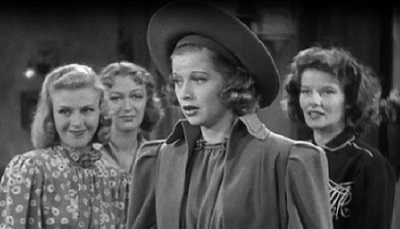
Rogers, Arden, Ball, and Hepburn

Rogers, Arden, Ball, and Hepburn

The dialogue is so slick and cynical and quick that you’ll have a hard time keeping up with the one-liners, as when wealthy Terry’s (Katharine Hepburn’s) haughty tone annoys her impoverished fellow residents. Jean (Ginger Rogers) is not one to let an insult slide. When Terry snootily states, “Unfortunately, I learned to speak English correctly,” Jean fires back, “That won’t be of much use to you here. We all talk pig Latin.”
While the more famous classic movie about female friendships, The Women (1939), favors marriage with unfaithful partners over relationships with backbiting friends, this feminist flick celebrates the humor and loyalty between single women. In fact, I would argue that Stage Door’s women are in some ways more liberated than those in Sex and the City. Watch and see if you agree.

More of a feminist: Jean Maitland or Carrie Bradshaw? (Ginger Rogers & Sarah Jessica Parker)

More of a feminist: Jean or Carrie?


Revenge as Art:  Gilda
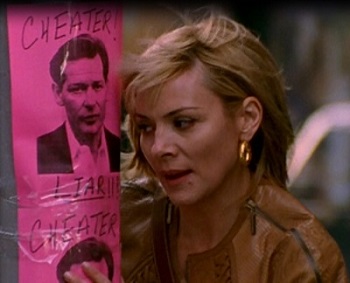
I enjoyed Samantha Jones’s (Kim Cattrall’s) revenge on boyfriend Richard Wright for his infidelity in Sex and the City: the dirty martini in his face, the papering of the city with posters describing his behavior.

Samantha in revenge mode

Samantha in revenge mode

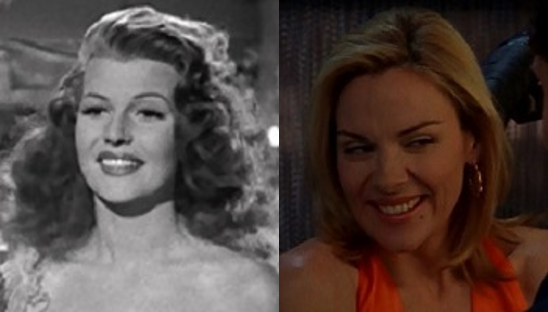
But this kind of takedown is kitten play compared to the work of Rita Hayworth in Gilda.

Gilda, who calls herself the "Bar Nothing," and her spiritual descendant, Samantha Jones

Gilda, the “Bar Nothing,” and her spiritual descendant, Sam

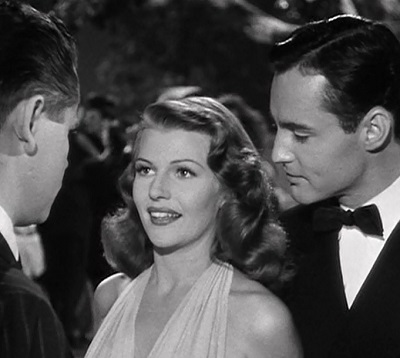
Like Samantha, Gilda (Hayworth) is in full command of her sexuality; it’s not difficult to discover why this WW II pinup was dubbed “The Love Goddess.” But her treatment of her ex, Johnny, is far more ruthless than her modern counterpart’s. First, she marries Johnny’s boss; then, she flaunts her affairs with other men to torment him further.

Gilda (Hayworth) torturing her ex

Gilda (Hayworth) torturing her ex

Gilda is so skillful a manipulator that you root for her to get what she wants, even if the ex she desires is no prize (and no mean manipulator himself).

Here’s an anti-Valentine’s Day conversation if ever there were one:

Gilda: “Would it interest you to know how much I hate you, Johnny?”
Johnny: “Very much.”
Gilda: “I hate you so much I would destroy myself to take you down with me.”

I think Samantha would be impressed.

Exploiting Men: Baby Face
In an early episode of Sex and the City, “The Power of Female Sex,” Carrie’s fling has left a tip on her bedside table and she’s feeling ill at ease with the implications. The four friends discuss whether it’s ever acceptable to use your sexuality to get ahead. Barbara Stanwyck’s character in Baby Face (1933) has no such qualms: She leaves her hometown for NYC with the aim of doing just that.

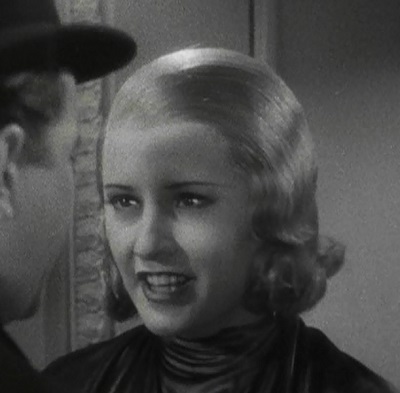
The shocks accumulate quickly as you watch Baby Face: Lily’s (Stanwyck’s) father has been prostituting her since she was fourteen. A grandfatherly figure in her dad’s speakeasy recommends she leave home to sexually exploit men for personal gain, quoting Nietzsche to back his case.  Once in New York, Lily takes quick steps to follow his advice, seducing the HR assistant in a bank to get a job, and then sleeping her way floor by floor to the top. (The camera helpfully pans up to highlight each floor as she ascends.)

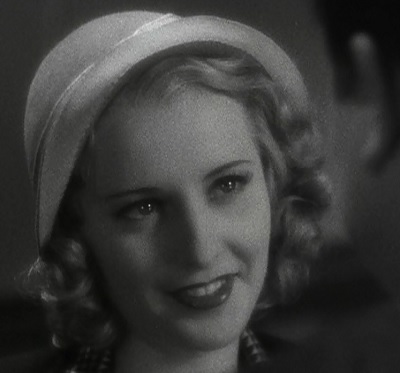
Lily (Stanwyck) on the make

Lily (Stanwyck) on the make

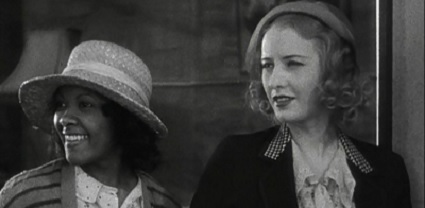
You might expect the movie to make the heroine suffer for her behavior, given the date of this film, but she is unmoved by the heartbreak and eventual tragedy she leaves in her wake (among her victims is a smitten John Wayne). Men have used her all her life. Lily figures it’s her turn, and the film clearly sympathizes with her reasoning. She calmly goes about her business of seducing men, accumulating jewels and bonds, and sharing her successes with her best friend, Chico (Theresa Harris).

Chico and Lily admiring another woman’s wealth before Lily starts to advance

Chico and Lily scheming

Here’s a typical exchange with a discarded lover who stops by Lily’s apartment:

Ex-Lover: “It’s been brutal not seeing you.”
Lily: “Yeah, well you better get used to it.”

When he returns and offers marriage, Lily answers, “So you want to marry me, huh? Isn’t that beautiful. Get out of here….”

Lily's reaction to a marriage proposal from a discarded lover

Lily’s reaction to a marriage proposal from a discarded lover

This is a strange film with a number of flaws, but you won’t care; it’s too much fun to watch this predator in action. (Be sure to watch the pre-release version; it’s much better.)

What are your favorite anti-Valentine’s films?

Share
Posted in: 1930s films, 1940s films, Anti-Romance films, Comedies (film), Drama (film), Feminism, Film Noir/Crime/Thriller & Mystery, Humor, TV & Pop Culture Tagged: Carrie Bradshaw, Gilda, Samantha Jones, Sarah Jessica Parker, Sex and the City, Stage Door

Unhealthy Obsessions: Laura and Her

02/06/2014 by leah@carygrantwonteatyou.com 6 Comments

Her (2013) starts with an unoriginal premise: guy falls for an inappropriate thing, his society doesn’t judge him for it, and the audience is left to (a) reconsider their understanding of relationships and/or (b) fear a future in which falling for an operating system is acceptable.  (Substitute an android or doll for the operating system and you’ll find you’ve seen this film before.)

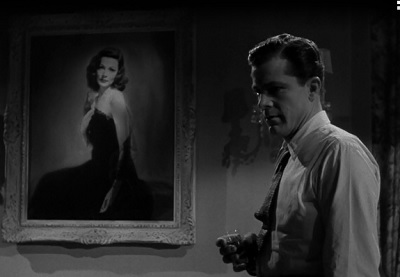
Her asks that you support this odd love, but the only time that has worked for me is with Laura (1944), in which detective Mark McPherson (Dana Andrews) becomes so enamored by others’ descriptions of and a portrait of a murder victim that he can barely function. The trick of the film is that it seduces the audience so completely that we cease to find this love creepy at all, something that never happened to me in the 126 minutes of Her.

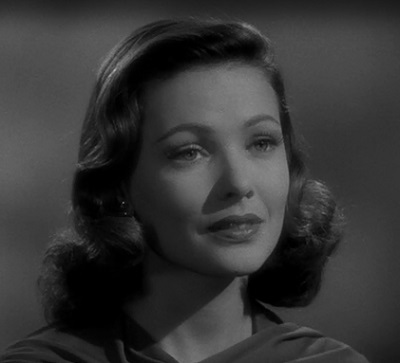
Both Her and Laura benefit from the wise casting of their heroines. Scarlett Johansson’s voice is so sexy and Gene Tierney’s face so perfect that the audience’s first reaction is Of course! Who wouldn’t fall for her?

LauraTierney

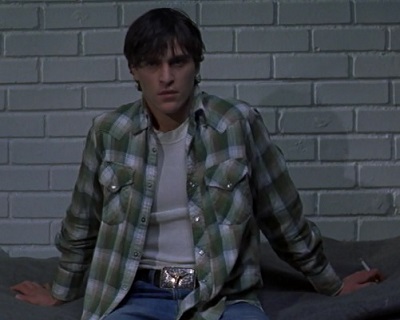
It’s in the development of the hero that Laura succeeds and Her stumbles. There’s nothing wrong with Joaquin Phoenix’s open, touching performance. But the level of Theodore’s (Phoenix’s) romanticism is so extreme (he actually FEELS every word of the cheesy cards he writes for a living) and his enjoyment of his world so intense that you can’t help thinking this guy would fall for a Milk Dud.  We might like Theodore, but how could we possibly relate to him?

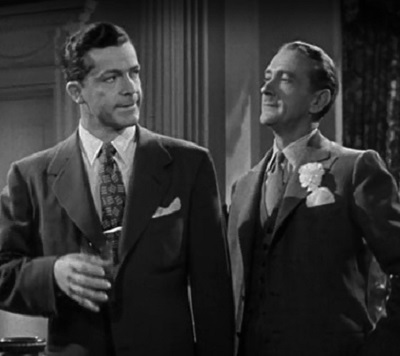
McPherson, on the other hand, is guarded in Laura, a much more common condition for those who’ve been burned by past relationships, as Her’s Theodore has been. When asked whether he’s ever been in love, McPherson quips, “A doll in Washington Heights once got a fox fur outta me.” As his passion for the murder victim, Laura (Tierney), increases, McPherson resists and denies it, trying to keep his professionalism intact. The audience can therefore empathize with his struggle, especially since some types of police work can demand obsession (mystery writer James Ellroy once claimed Laura was a favorite film of cops he knew).

DanaAndrews

Almost as problematic as the characterization of Her’s Theodore are the impressionistic scenes critics are applauding. Are they beautiful? Yes. But their lengthiness gave me too much time to think: Why would someone so outgoing primarily socialize with video games? Am I meant to believe people like those awful cards he writes? WHO SMILES THIS MUCH? Laura, at 88 minutes total, fits in the detective’s love AND the solution to the whodunit. It speeds along with such rapidity that the audience forgets that McPherson’s love is just as, if not more, disturbing than the affections of Laura’s former admirers.

It’s in depicting these former admirers/suspects that Laura really excels, especially with cynical Waldo Lydecker (Clifton Webb), whose one-liners keep the audience alternately laughing and cringing, often at the hero’s expense: “You’d better watch out, McPherson, or you’ll end up in a psychiatric ward. I don’t think they’ve ever had a patient who fell in love with a corpse.” Jonze’s film desperately needs a Lydecker, as its cloying mood soon becomes monotonous, and Amy Adams does nothing but bolster her friend’s feelings for the operating system. (Does Spike Jonze require screenwriter Charles Kaufman to avoid taking himself too seriously? Where is the light touch of Being John Malkovich?)

AndrewsandWebb

As it drifts along in its dreamy way, Her demands that you continue to contemplate its hero’s unhealthy love. Laura simply expects you to accept its. As a result, I felt drained by Her and intrigued by Laura. Unless you want sugar shock, I suggest you stick with the older film too.

Random thoughts:

The high-waisted pants on men have pained me in Laura and other 40s films. Could future fashion designers be so cruel as to bring back such an unflattering style and combine it with melon shades, as we see in Her? And if not, why did Jonze make me suffer through it? It takes a lot to make this man look unattractive:

JoaquinPhoenixJ

But Jonze certainly succeeded.

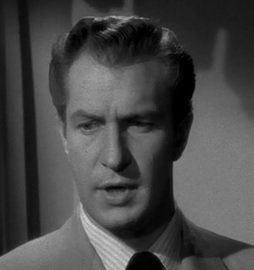
Vincent Price (the murder victim’s former fiancé) is such a wimp in Laura that it’s shocking to realize he scared whole generations of moviegoers and Michael Jackson fans.

VincentPrice

Apparently, fans of Philip Seymour Hoffman, Phoenix’s costar in The Master, also noticed Her’s dire need for sarcasm and did a fake promo for the film with Hoffman’s voice instead of Johansson’s. Listening to it was one of the few joys possible after hearing about Hoffman’s death (not PG rated, for you parents out there).

What are your thoughts on Laura and Her? (Please avoid bringing up anything in the second half of Laura, as I’d like to avoid spoilers.)

Share
Posted in: 1940s films, Drama (film), Femme fatales, Film Noir/Crime/Thriller & Mystery, Romance (films) Tagged: Gene Tierney, Her, Joaquin Phoenix, Laura, Vincent Price, Waldo Lydecker

Slacker Detectives: Psych and The Thin Man

01/30/2014 by leah@carygrantwonteatyou.com 1 Comment

Years ago, I tried without success to get my sisters into the TV show Psych.

“The mysteries are stupid,” they said.

“The mysteries aren’t the point,” I replied.

“You can’t ignore them!” they claimed.

But I have, and I do, and so did the viewers of The Thin Man series starring William Powell and Myrna Loy, in which the detective always has to be forced onto a case because he’d rather be partying or vegging out. Sound familiar, Psych fans?

The witty repartee between the starring couple, Nick and Nora Charles, is what so many writers have tried to imitate since—not the mysteries’ quality, or the sometimes painfully melodramatic performances of the minor characters. Likewise, the interaction between the detective pair on Psych is so much the focus that commercials give no hint about the actual content of the episodes, as in the characters’ classic Hall & Oates  spoof.

Compare:

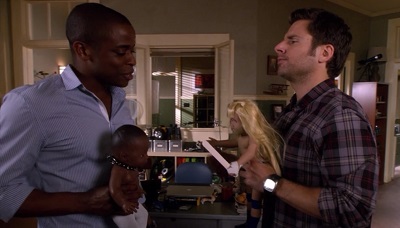
Psych episode (“Let’s Get Hairy,” Season 4, Episode 8): Partners Shawn and Gus are dressing dolls up as their favorite 1980s WWF wrestlers before a match rather than drumming up detecting business.

Gus and Shawn (Dulé Hill and James Roday) playing before the rumble.

Gus and Shawn (Dulé Hill and James Roday) playing before the rumble

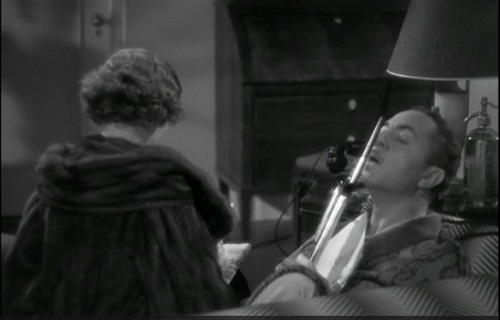
The first Thin Man:  Nora is trying to convince Nick into taking a case as he shoots balloons (and eventually a window) with a play gun she gave him for Christmas.

“Aw Nicky, take the case,” she says.

“You take it,” he answers. “I’m too busy.”

Nick and Nora (Powell and Loy) bantering in The Thin Man

Nick and Nora (Powell and Loy) bantering in The Thin Man

Pleasure before business? Check.
Adults acting like kids? Check.
Clever references? Check.
Perfect repartee? Check.

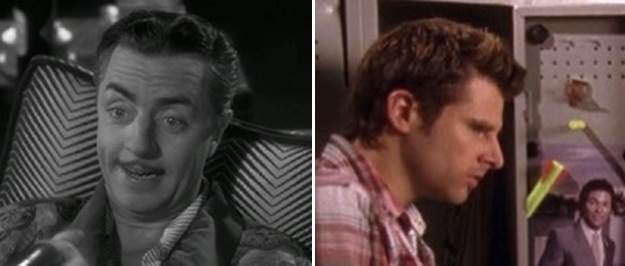
Nick proud of a bull’s eye; Shawn feeling suave thanks to his Miami Vice poster.

Nick proud of a bull’s eye; Shawn feeling suave thanks to his Miami Vice poster

I know some classic movie fans will find my comparison insulting to the more sophisticated films and the brilliant book that inspired them.  But such critics should give more credit to Psych’s dialogue, such as this exchange, which captures the show’s attitude toward the mysteries:

Shawn: “We came to investigate, catch bad guys and eat pie.”

Gus: “Not necessarily in that order.”

Shawn: “And it hasn’t been.”

Gus: “No.”

Shawn: “We started with the pie.”

Gus: “Always.” (Season 5, Episode 12, “Dual Spires”)

Even if you dislike Psych, don’t miss out on Nick and Nora.  Eighty years of fans. Five sequels (the last over a decade after the first). Scores of imitators. Observe the publication date on this NPR story discussing upcoming novellas of The Thin Man sequels. Sequels, mind you, which most of us try to forget, not commemorate decades later.

What are your thoughts on Psych and The Thin Man? Would you rather party with Nick and Nora, or Shawn and Gus? Did you like the first Thin Man best, or did the scene with Nick and the snoozers in the second make it your favorite? What other Nick and Shawn similarities have you noticed?


Share
Posted in: 1930s films, 1940s films, Comedies (film), Film Noir/Crime/Thriller & Mystery, Humor, TV & Pop Culture Tagged: Burton Guster, Nick & Nora Charles, Psych, Shawn and Gus, Shawn Spencer

Want to View a Hitchcock? Try Notorious.

01/23/2014 by leah@carygrantwonteatyou.com 1 Comment

Vertigo was recently crowned the best film of all time, but the objectification of its heroine is hard to take on an empty stomach. Rear Window, also beloved by critics, is slow paced and clever rather than frightening, known for being groundbreaking in style. For the slow-burning suspense the master does so well, I’d begin with Notorious.

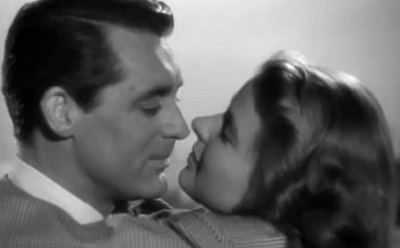
Grant and Bergman in Notorious

Grant and Bergman in Notorious

Technically, this is a film about a spy tracking down a Nazi plot. Actually, it’s about highly dysfunctional relationships, including the romance between stars Ingrid Bergman and Cary Grant, which you would find disturbing if the relationships between Bergman and the Nazi and the latter (Claude Rains) and his mother weren’t so much worse.

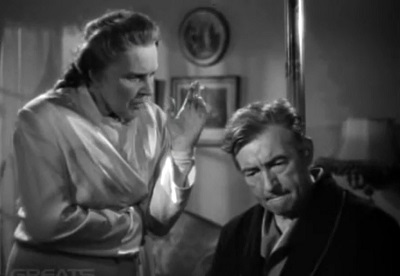
The spy (Rains) and his mother (Leopoldine Konstantin) making plans

The Nazi (Rains) and his mother (Leopoldine Konstantin) plotting

Bergman is in peril as the spy who marries the Nazi, and Grant’s hurt feelings get in the way of his assistance.  Watch it for the stars’ performances, your increasing fear about Bergman’s fate, and one of the creepiest mother-son relationships you’ll ever encounter. I haven’t been this horrified since I watched wholesome Angela Lansbury’s dangerous games with her son in The Manchurian Candidate (1962) or Lucille playing dress-up with hers in Arrested Development.

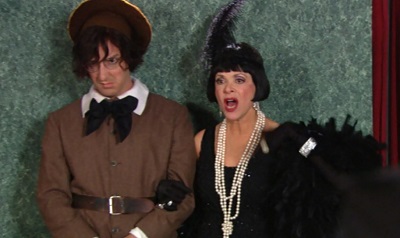
Buster (Tony Hale) and Lucille (Jessica Walter) in the “Motherboy XXX” episode

Buster (Tony Hale) and Lucille (Jessica Walter) in the “Motherboy XXX” episode

Share
Posted in: 1940s films, Film Noir/Crime/Thriller & Mystery, Romance (films) Tagged: Alfred Hitchcock, Arrested Development, Lucille Bluth, Motherboy
« Previous 1 2 3 4 5 6

Recent Posts

  • 100 Years Later, Still Scary: Dr. Caligari
  • Escaping Out of the Past (1947)
  • A Weeper for Those Who Love Jerks
  • Thank You, Academy, for Not Infuriating Me
  • Challengers (2024) Is a Bad Movie

Subscribe to Blog via Email

Enter your email address to subscribe to this blog and receive notifications of new posts by email.

Categories

  • 1920s films
  • 1930s films
  • 1940s films
  • 1950s films
  • 1960s films
  • 1970s films
  • 1980s films
  • 1990-current films
  • 2020s films
  • Action & Sports Films
  • Anti-Romance films
  • Blogathons
  • Childfree
  • Comedies (film)
  • Drama (film)
  • Feminism
  • Femme fatales
  • Film Noir/Crime/Thriller & Mystery
  • Gloriously Silly Scenes
  • Horror
  • Humor
  • Mae West Moments
  • Musicals and dancing films
  • Oscars
  • Random
  • Romance (films)
  • Romantic Comedies (film)
  • The Moment I Fell for
  • Turn My Sister into Classic Movie Fan
  • TV & Pop Culture
  • Uncategorized
Share
Classic Movie Blog Hub Member

Recent Comments

  • leah@carygrantwonteatyou.com on Meg Ryan’s Fate Foretold in Joe Versus the Volcano
  • Ryan on Meg Ryan’s Fate Foretold in Joe Versus the Volcano
  • leah@carygrantwonteatyou.com on 100 Years Later, Still Scary: Dr. Caligari
  • The Classic Movie Muse on 100 Years Later, Still Scary: Dr. Caligari
  • leah@carygrantwonteatyou.com on 100 Years Later, Still Scary: Dr. Caligari

Archives

  • November 2025
  • September 2025
  • May 2025
  • March 2025
  • January 2025
  • November 2024
  • August 2024
  • July 2024
  • May 2024
  • March 2024
  • February 2024
  • December 2023
  • November 2023
  • October 2023
  • September 2023
  • August 2023
  • July 2023
  • May 2023
  • April 2023
  • March 2023
  • January 2023
  • December 2022
  • November 2022
  • September 2022
  • July 2022
  • May 2022
  • April 2022
  • March 2022
  • February 2022
  • October 2021
  • September 2021
  • April 2021
  • March 2021
  • February 2021
  • December 2020
  • October 2020
  • September 2020
  • July 2020
  • May 2020
  • April 2020
  • March 2020
  • February 2020
  • December 2019
  • October 2019
  • September 2019
  • June 2019
  • May 2019
  • April 2019
  • February 2019
  • January 2019
  • November 2018
  • September 2018
  • July 2018
  • June 2018
  • May 2018
  • April 2018
  • March 2018
  • February 2018
  • January 2018
  • November 2017
  • September 2017
  • August 2017
  • July 2017
  • June 2017
  • May 2017
  • April 2017
  • March 2017
  • February 2017
  • January 2017
  • December 2016
  • November 2016
  • October 2016
  • August 2016
  • July 2016
  • June 2016
  • May 2016
  • April 2016
  • March 2016
  • February 2016
  • January 2016
  • December 2015
  • November 2015
  • October 2015
  • September 2015
  • August 2015
  • July 2015
  • June 2015
  • May 2015
  • April 2015
  • March 2015
  • February 2015
  • January 2015
  • December 2014
  • November 2014
  • October 2014
  • September 2014
  • August 2014
  • July 2014
  • June 2014
  • May 2014
  • April 2014
  • March 2014
  • February 2014
  • January 2014

Meta

  • Log in
  • Entries feed
  • Comments feed
  • WordPress.org

Copyright © 2025 Cary Grant Won't Eat You.

Church WordPress Theme by themehall.com