Cary Grant Won't Eat You

Classic movies for phobics

  • About
  • eBooks
  • Previous Blogathons
Classic movies for phobics

Drama (film)

Hitchcock Didn’t Get Jamaica Inn; Vince Gilligan Would

04/10/2016 by leah@carygrantwonteatyou.com 4 Comments

LaughtonandOHara-JamaicaInn2
**Warning: Some spoilers (though I don’t reveal the mastermind in the novel; Hitchcock alters the story enough for it still to be a mystery).

I just finished watching Breaking Bad, and was struck by the thematic similarities between it and Jamaica Inn, one of my favorite novels as a teen. Both involve major characters refusing to own the horrific nature of what they’ve set in motion, both include a slow-burning menace that frequently breaks into sudden violence, and both demonstrate the moral costs of greed–and the many innocent victims left in its wake.

While Walter White is the leader of a meth empire, the villain of Jamaica Inn is the mastermind behind a group of wreckers, who lure ships with false lights and then kill everyone aboard to get the loot without hanging for their crimes. While Joss, the rough-talking inn owner, initially seems to be the head of the operation, we soon learn that there’s a much colder and smarter man working above him.

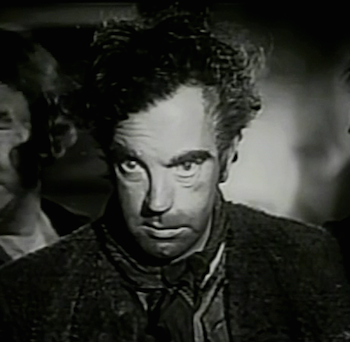
Joss (Leslie Banks)

Joss (Leslie Banks)

And though Joss has sympathetic qualities and weaknesses, the mastermind–whose identity we don’t learn until late in the story–cares for no one. Joss is terrified of him.

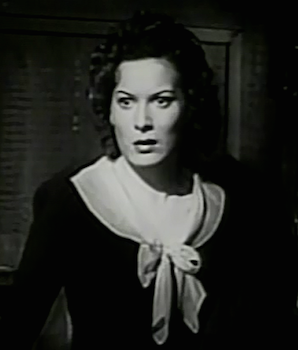
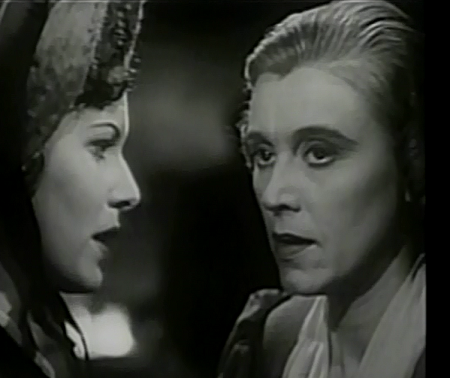
The heroine of the story is Mary (Maureen O’Hara in the film), who comes to Jamaica Inn completely unaware of the criminality of its keeper, her uncle.

MaureenOHara-JamaicaInn
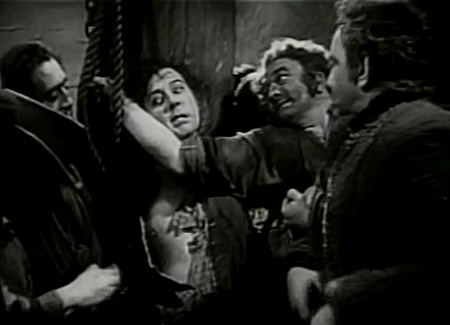
She soon discovers that something is off. The coachman doesn’t want to drop her off there. The inn doesn’t have any inhabitants besides the owners. The bar is full of shady characters.

Bar inhabitants

Bar inhabitants

There are odd noises at night. And then there’s her uncle’s warning: “There’ll be nights sometimes when you’ll hear wheels on the road…and those wheels will not pass on, but they’ll stop outside Jamaica Inn. And you’ll hear footsteps in the yard, and voices beneath your window. When that happens, you’ll stay in your bed, Mary Yellan, and cover your head with the blankets. Do you understand?”

Our fear as readers is slowly discovering what is going on. That mixture of unease and hope that things will improve keeps us engaged. And yet in the film adaptation, the director cuts that fear instantly by starting with the wreckers destroying a ship. Who, you ask, would make such a critical error? Ummm. Hitchcock?

Two of Alfred Hitchcock’s best known films–Rebecca and The Birds–originated in the writing of Daphne Du Maurier. In both cases, he displayed a sharp understanding of her intent, carefully reproducing the psychology of the narrator in the former and quietly building on the creepiness of the birds in the latter. That’s why his failure with Jamaica Inn (1939) is so baffling. The book is brilliant, the movie mediocre. The master of suspense completely botches the book’s beautifully crafted, slow-burning sense of menace with his timeline. He gives away Jamaica Inn’s mystery in the first scene. He reveals the mastermind (whose identity is uncovered late in the novel, when Mary mistakenly runs to him for help) within the first twenty-five minutes. As a result, I found the movie full of some nicely done set pieces, but very little suspense.

Similarly, Hitchcock just doesn’t get the characters. Jamaica Inn is terrifying because the characters feel powerless. Patience (Marie Ney) may love her husband, Joss (Leslie Banks), but it’s her fear that keeps her submissive to him–her fear of his violence toward her, of the violence he inflicts on others, and worst of all, of her moral corruption in enabling him.

Patience (Marie Ney)

Patience (Marie Ney)

She has become a flitting, barely there woman, purposely dwelling in a fantasy world to avoid facing what he and she have become. She can’t leave him because she’s been beaten down by psychological abuse. Mary (Maureen O’Hara) is terrified for her, must stay with her, because Patience’s utterly unable to act for herself. Basically, Patience is Season 5’s Skyler White without the will or resilience. The stand-by-her-man character Hitchcock has given her instead makes no sense (though Skyler White haters might have approved).

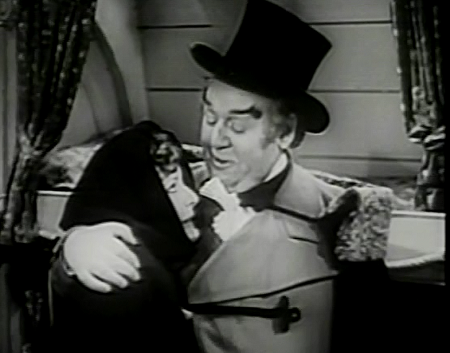
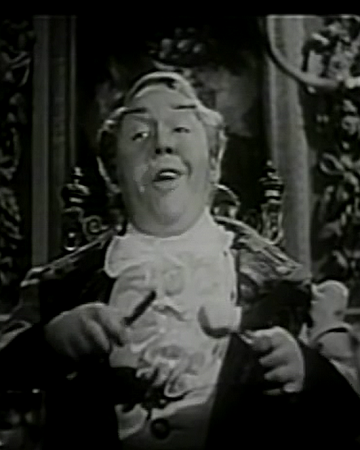
Even odder is the characterization of Mary. In the novel, she’s independent, sassy, and quick tempered, particularly when it comes to male arrogance and unwelcome handling. Yet there she is in the film, letting Sir Humphrey (Charles Laughton) paw her as he did his horse. She smiles; she claims he’s a gentleman. WHAT? Mary is no fan of the upper classes in the novel, nor is she easily charmed or manipulated.

Her enforced trip with the wreckers is terrifying in the book because she keeps witnessing–and is unable to prevent–the murders that enfold in front of her. What we witness in the novel is the annihilation of what was left of her innocence, and we feel how we do when we watch Breaking Bad‘s Jesse’s wrenching reactions to a child’s death. Yet in the movie version of Jamaica Inn, there Mary is, conveniently preventing the wreck, as if one woman could accomplish that when surrounded by men trying to force themselves on her. This is the work of a cheap action director, not a Hitchcock.

Clearly, the director got carried away by his desire to let Charles Laughton, a minor character in the book, dominate the film.

Eyebrows alone unforgivable

The eyebrows alone are unforgivable

Laughton also co-produced, so his elevation isn’t surprising. Because he is Laughton, mugging and having a field day with the material, the movie contains a number of funny moments, and a picturesque conclusion. Much can be forgiven, of course, since the film debuted O’Hara, gave us striking action scenes, and included understated humor (via the servants of Sir Humphrey). But so much is missed by turning this film into camp: that suspicion Mary feels when she hears but never sees a man alone in a room in the inn (the mastermind), or finds the rope hanging from a beam but can’t be certain it implies a hanging.

What a film it would have been with just a few glimpses into Patience’s fear, or her equally frightening resignation: “…if you came to guess but half of what I know, your hair would go grey, Mary, as mine has done, and you would tremble in your speech and weep by night, and all that lovely careless youth of yours would die, Mary, as mine has died.” Or for one scene like Mary’s eerie walk into her uncle’s house after an absence, when she sees the collapsed clock, hears the silence, and senses what’s happened. A fragment of fear, a suspicion, is so much more sinister than outright knowledge. Hitchcock knew this. As a New York Times reviewer wisely put it, “Having set his own standards, Alfred Hitchcock must be judged by them….” And by Hitchcock standards, Jamaica Inn is a failure. Too bad he chose such an excellent book to butcher. I see that just a few years ago, a miniseries attempted the story. I’m sure it’s better. But wouldn’t you like to see what Vince Gilligan could do with it?

This post is part of the Beyond the Covers blogathon, hosted by Speakeasy and Now Voyaging. Check out the wonderful entries here.

Share
Posted in: 1930s films, Drama (film), Film Noir/Crime/Thriller & Mystery, TV & Pop Culture Tagged: Alfred Hitchcock, bomb, Breaking Bad, Charles Laughton, Daphne du Maurier, Jamaica Inn, Maureen O'Hara, Skyler White, suspense film, Vince Gilligan

Kate Beckinsale: A Lousy Ava Gardner

03/19/2016 by leah@carygrantwonteatyou.com 6 Comments

KateBeckinsale-Ava-TheAviator
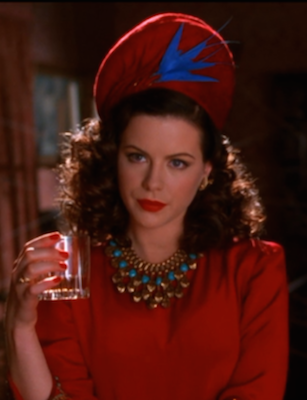
Thanks to the stunning turns of Leonard DiCaprio, Alec Baldwin, Cate Blanchett, and Alan Alda, The Aviator (2004) was nominated for a SAG award, Outstanding Performance by a Cast in a Motion Picture. Unfortunately, this meant Razzie-nominated Kate Beckinsale was included in the honor for portraying Ava Gardner in the biopic. Unfortunately because I’ve seen better acting from beauty contestants in Toddlers and Tiaras. Watch the film on Netflix this month, and see if you can disagree.

Embarrassing Poses Do Not Equal Sensuality
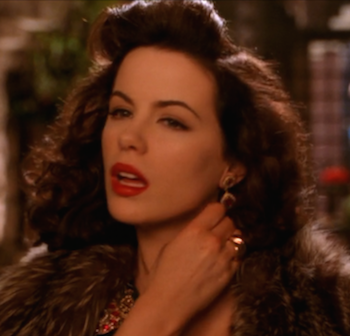
Let’s try to forget that this lean actress only resembles the curvaceous screen siren in terms of hair coloring. But any frustration at the lack of resemblance is soon lost in concern over Beckinsale’s acting. Have you ever seen a little girl posing as a sexy movie star for the camera? Yeah? Does it look kind of like this?

KateBeckinsale-terribleAva
Perhaps Beckinsale prepared for her performance by watching Showgirls’ Elizabeth Berkley, who also mistook exaggerated gestures for seduction. Look, I understand that it’s intimidating to play one of the sexiest women of all time. How do you live up to a woman with that form?

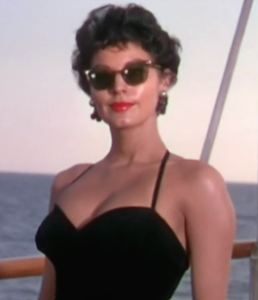
AvaGardnerbathingBarefootContessa
And that face?

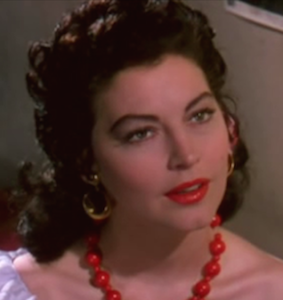
AvaGardnerbeauty
And how do you convey her magnetism, especially when your biggest role is in Underworld and your only good performances are as a no-nonsense matchmaker in Cold Comfort Farm and a scheming wannabe in The Last Days of Disco?

Beckinsale’s challenge was a big one, I admit. But her solution was so embarrassing. Could anyone find the self-conscious poses the actress adopts in The Aviator alluring? Past the age of 11, I mean, when tweens believe their primping a match for that of Britney Spears or Beyoncé or Margot Robbie or the current siren of the month?

Whatever Beckinsale was thinking, the result for viewers is painful; there’s such a jarring contrast between Leonardo DiCaprio’s honest, Oscar-worthy portrayal and her amateurism. Gardner might not have been a great actress, but she was riveting onscreen, with the kind of sensuality that simply can’t be faked. Was it really so hard for Martin Scorsese to find a sexually exciting, competent actress—in Hollywood?

Marilyn Monroe’s Purr + WHAT?
No one who has actually listened to Ava Gardner’s deep tones could mistake them for Marilyn Monroe’s kittenish simpering. But Beckinsale does–for a few minutes. Then she suddenly drops this girly inflection–for no apparent reason–and takes on a Southern drawl for a word or two. She then moves on to a highly affected faux-voice that has only been heard in bad screen tests. I’m not sure if Beckinsale’s ability to drop her British accent only takes her so far, or if she actually thinks this is how people talked in the old days. Most alarmingly, she apparently did listen to Gardner’s real voice, so perhaps her hearing should have been checked.

Does Gardner’s voice occasionally seem affected onscreen? Oh yes. Gardner herself admitted she could come across as unconvincing (though never close to as wretched as her 21st century imitator). But this is supposed to be Beckinsale playing Gardner in her real life. The fun-loving, broad, frank, boozing, matador-seducing Gardner was reckless in love, and careless with her career. But she was–if nothing else–authentic and funny and bawdy, not stilted and fake.

You might ask why I still care 12 years after the film’s premiere. Maybe because it’s difficult to witness such a bad misstep in an otherwise impressive film. Maybe because I’ve always admired Ava Gardner for her spirit, for a brand of feminism and bold living that wasn’t easy to sustain in the sexist age in which she lived. Maybe because in her rawest roles, as in The Night of the Iguana, there’s something breathtakingly real and honest about Gardner onscreen that seems to echo the kind of life she lived. Maybe because Scorsese himself, an appreciator of the classics, should have known better than to portray one of its legends so poorly. But I think my biggest irritation is this: Beckinsale’s tepid, false performance may mean that moviegoers first exposed to Gardner in this movie had no desire to look further. And that is something worth griping about.

Share
Posted in: 1990-current films, Drama (film), Feminism, Random Tagged: Ava Gardner, bad performances, Kate Beckinsale, The Aviator

To Kill a Mockingbird–the Film that Spread the Word

02/20/2016 by leah@carygrantwonteatyou.com Leave a Comment

“In surveys asking what one book every civilized person should read, Mockingbird routinely finishes second to the Bible, and in one (if I may go a bit Maycomb on you here) it up and finished first.”  —Charles Leerhsen, Smithsonian

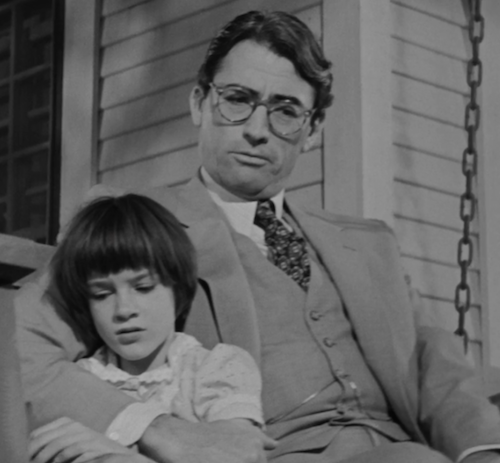
ToKillaMockingbird-Peck
I don’t know how to put into words how thankful I feel to Harper Lee, the day after learning of her death. I doubt many of us can. But I want to express my quieter gratitude for the film. When I first saw it, I was disappointed it didn’t capture as much of the novel as I’d hoped. But I’ve grown increasingly impressed with it in time; not just because it is, indeed, a very good movie; but because it popularized a novel most of us agree “every civilized person should read.” Three Oscars, a mostly faithful rendering of the moving story and a beautifully understated turn by Gregory Peck can do that.

I recognize that the price for the book’s popularity (in part due to that film) was the shy Harper Lee’s withering under our gaze (I once read she compared herself to Boo, rather than Scout). And it’s hard to believe, given the timing of her newest novel’s emergence, right after her sister-protector’s death, that she wanted what was an early draft printed–or the subsequent attention it aroused.

No, Lee wasn’t ready for the degree of our attention, 54 years ago, or today. But she approved the movie anyway, helping so many more of us learn of and then be haunted and changed by her novel. Lee was delighted with Peck’s performance, according to his biographer, even made sure he met her father. So in the beginning of expressing my gratitude to Lee, let me just thank her for approving the film, for putting us all before her own needs, and helping make possible the saving of many other mockingbirds, just as fragile, but likely far less brave than she.

Share
Posted in: 1960s films, Drama (film) Tagged: Boo Radley, Gregory Peck, Harper Lee, Scout, To Kill a Mockingbird

Big Fish: A Kettle of Oscar Snubs

02/13/2016 by leah@carygrantwonteatyou.com 4 Comments

EdwardandgiantBigFish
Director Tim Burton’s beautiful Big Fish was shut out of all Oscar nominations in 2004 but for original score (which it didn’t win). The director’s work is often dismissed as creative, but too weird, or lovely, but lacking in feeling. The same critiques, by the way, the Coen brothers and Wes Anderson hear often. Yet in Big Fish, Burton vividly renders the elusive, big-hearted whimsy of Daniel Wallace’s book, telling a father-son story that is sad, wise, and funny all at once.

Let’s discuss the many nominations it should have received, starting with the most egregious omission:

Best Actor in a Supporting Role
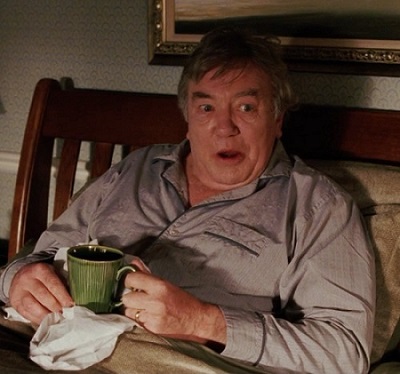
AlbertFinneyBigFish
Billy Crudup, not Albert Finney, is the star of the film. Will (Crudup) resents his father, Edward (Finney), for always traveling away from home while he was a kid, even suspects he had a second family. The yarn-telling skills that endear others to Edward annoy his son, who considers his father a liar. “You’re like Santa Claus and the Easter bunny combined,” Will says, “just as charming and just as fake.” The two haven’t spoken in several years, until Edward’s final illness draws his son home to resolve their issues. Edward prickles at his son’s anger: “I’ve been nothing but myself since the day I was born, and if you can’t see that, it’s your failing, not mine.”

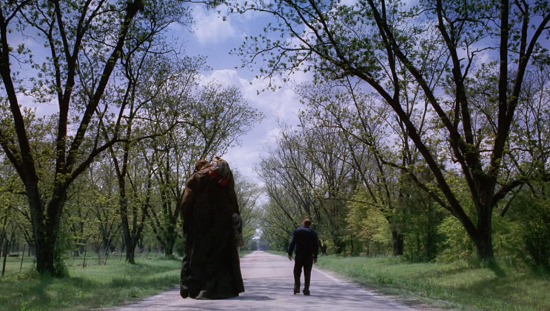
Finney’s performance is magical. There’s no other word for it. How much personality and spirit he’s able to convey, even though he spends most of the film in bed! And Ewan McGregor exudes his usual charm, as he captures Edward as a youth, full of outsized ambition and enthusiasm. Burton lets us see Edward’s young adulthood not through the actual events, but through the imaginative way he recounts them: the boy spits out of his mother’s body like a cannonball when born, he sees his death in a witch’s eye, saves his town from a giant. When Edward leaves home and travels down a forsaken road, he spots a sign: Warning: Jumping Spiders. Edward’s description of this obstacle illustrates both the amusing cadence of his language, and his indomitable spirit: “Now there comes a point when a reasonable man will swallow his pride and admit that he’s made a terrible mistake,” narrates McGregor. “The truth is, I was never a reasonable man.”

In 2004’s Academy Awards, the supporting actors were Benicio Del Toro (21 Grams), Alec Baldwin (The Cooler), Djimon Hounsou (In America), Ken Watanabe (The Last Samurai), and Tim Robbins (Mystic River). I admire all of these actors, and have seen all but 21 Grams. I’d put Finney over them all, and Ewan McGregor (also supporting) over most. Baldwin was very good, but it’s not his most nuanced performance. Hounsou played a very one-dimensional role (as he typically does despite his skills), and I barely recall either Ken Watanabe’s or Tim Robbins’ performances.

But Finney’s? I’ve never been able to get it out of my head. As Edward, he is haunting and lovable, resentful and stubborn and inexpressibly sweet.

Had he been mistakenly chosen for a Best Actor nomination, Finney still should have been in the list, which included Sean Penn (Mystic River), Jude Law (Cold Mountain), Ben Kingsley (House of Sand and Fog), Bill Murray (Lost in Translation), and Johnny Depp (Pirates of the Caribbean). I would have been torn between him and Murray as deserving of the win.

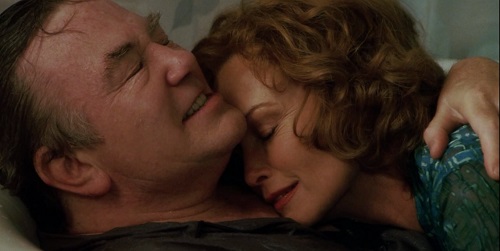
By the way, Jessica Lange plays Edward’s wife. She wasn’t in the film enough to earn a nomination, I suspect, but what an impact she makes in her few lovely moments, capturing the endurance of the love affair that is at the root of 90 percent of his stories. (No wonder she doesn’t share her son’s anger.) Here are the sweethearts in a tub together, fully clothed:
LangeandFinney

Best Director, Best Picture
Nominees, Best Picture: The Lord of the Rings: The Return of the King (winner), Lost in Translation, Master and Commander: The Far Side of the World, Mystic River, and Seabiscuit.

Nominees, Best Director: Winner Peter Jackson (The Lord of the Rings: The Return of the King), Fernando Meirelles (City of God), Sofia Coppola (Lost in Translation), Peter Weir (Master and Commander), and Clint Eastwood (Mystic River)

Jackson and his film probably deserved the win among those nominees, as the weight of translating Tolkien to film was so daunting that the man deserved a medal simply for attempting it, much less succeeding. And Meirelles created one of the most riveting and best edited films I’ve ever seen. It must be the foreign language that knocked it out of best-pic contention, to the Academy’s shame (as it definitely deserved the win).

But I do quibble with the other best picture and director nominees. Lost in Translation was a creative film, but without Bill Murray at the helm, would have been forgettable. The unspeakably dull Master and Commander proved to me once and for all that male voters dominate the Academy. If “chick flicks” can’t be nominated, why do I have to put up with something that’s one step up from a video game? Seabiscuit was a winning story, but a bit too saccharine, and Mystic River, like everything Eastwood does, was overwrought and completely lacking in subtlety.

It’s hard to imagine many of the voters bothered to watch Big Fish, as surely it outranks Seabiscuit in sentiment, and manages to say something meaningful about the power of story, its capacity to help us not only overcome obstacles, but survive loss. Surely storytellers—i.e., those involved in film—would have gravitated to such a theme?

Best Writing, Adapted Screenplay
Nominees: The Lord of the Rings: The Return of the King (Fran Walsh, Philippa Boyens, Peter Jackson, winners), American Splendor (Shari Springer Berman, Robert Pulcini), City of God (Bráulio Mantovani), Mystic River (Brian Helgeland), and Seabiscuit (Gary Ross)

This category was tough in 2004, but it’s clear that few voters read the novel, understood the challenge of translating it to film. Unlike Seabiscuit, for example, this was not a traditional narrative. It’s a recursive, poetic recounting of moments. It’s even divided into fragments rather than chapters. The book intentionally circles, the author explaining in interviews that myth does as well. And in truth, so do our lives: so many moments in our existence recall others. Our bodies may decline in a chronological fashion, but our minds, our experiences, don’t work that way at all. As the film’s script explains, “Fate has a way of circling back on a man, and taking him by surprise.”

The scene of Edward’s death, for example, is repeated multiple times throughout the book, each version telling readers something different. John August distilled the story, threaded enough of the moments together to form a comprehensible narrative, and yet retained the recursive, fanciful spirit of the original. His achievement, quite simply, is a triumph. And though I would leave those first three films on the list, I think Mystic River or Seabiscuit should have been bumped to include August’s work.

Best Art Direction-Set Decoration; Best Cinematography
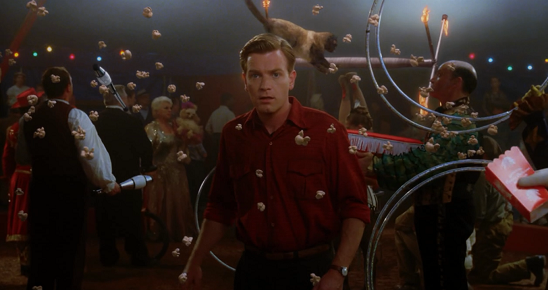
I’ll confess that I feel in deepest water when I discuss the visuals of a film. I don’t think, however, that many would dispute that the enchantment of Big Fish is largely a result of its execution of Burton’s vision; it’s rare that I am so enthralled by what I see that I long to take a snapshot of every moment. I’m curious why this film wasn’t considered worthy of awards based on artistic merit, if nothing else for the images’ perfect cohesiveness with the storytelling. Edward complains that his son doesn’t tell stories well, that he gives “all of the facts, none of the flavor.” That certainly cannot be said of the art direction of this film. In parting, I’ll just leave you with a few of my favorite visuals:

JennycrushBigFish

Timestandingstill-BigFish

carintreeBigFish

daffodilsBigFish
This post is part of The 31 Days of Oscar blogathon, hosted by Aurora of Once Upon a Screen (@CitizenScreen), Kellee (@IrishJayHawk66) of Outspoken & Freckled, and Paula (@Paula_Guthat) of Paula’s Cinema Club. Visit their sites for all of the wonderful entries. Kellee is hosting the snubs.
Share
Posted in: 1990-current films, Blogathons, Comedies (film), Drama (film), Humor, Oscars, Romance (films), Romantic Comedies (film) Tagged: Albert Finney, Big Fish, Daniel Wallace, Ewan McGregor, John August, Oscar snubs, Tim Burton

Canada Lee: Blacklisted Actor, Civil Rights Activist, Benefactor

02/06/2016 by leah@carygrantwonteatyou.com

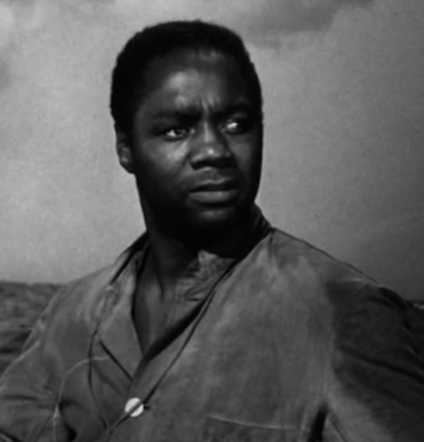
CanadaLee-Lifeboat
In 1940, a white kid shows up at actor Canada Lee’s door in Harlem. Lee knows him, met the lonely teenager backstage while starring in Broadway’s Native Son.

The kid asks to stay; Lee says yes, lets him remain a year. Introduces the kid to the lights of the Harlem Renaissance, loans him money for college. Later, the kid becomes a Civil Rights activist, goes on to found Physicians for Human Rights, creates the first US community health center, eventually leading to 1000 in America alone.

It’s the kind of story that baffles comprehension, but then, so does Lee’s whole life: jockey, boxer, musician, Broadway producer and star, groundbreaking film & radio actor, Civil Rights leader. He played Banquo as part of an all-black cast in Orson Welles’ famous production of Macbeth. Helped his generation empathize with black men’s plight in a racist culture through his smash performance of Bigger Thomas onstage. Even played whiteface.

His most famous film role, that of Joe in Lifeboat, is a complex one. The moral center of the story, Joe fails to succumb to mob violence, as the white passengers do. And though his companions have racist moments (the names they use, their shock at his having a wife), they respect him. It would be easy to just credit the characterization to Alfred Hitchcock. But much of the credit goes to Lee himself. He convinced Hitchcock into changing a belittling part into a fascinating one.

Lee’s insistence on dignified roles, paired with his blacklisting, may have given us too few of his films to appreciate (his early death is often attributed to the ban). But what performances they are. The viewers of Body and Soul, Lost Boundaries, Lifeboat, and Cry, the Beloved Country can thank him for selecting and affecting the development of roles that not only revealed the force of his talent, but his integrity in the face of unspeakable odds.
And despite his unjustly forgotten contributions to film, Lee’s influence is still felt in our communities today. Just ask those who’ve benefited from former runaway Jack Geiger’s medical and human rights work. All 17 million of them.
***

For more on Lee’s life, check out this well-written Wikipedia entry, a This American Life tribute to his kindness, the biography (Becoming Something: The Story of Canada Lee) by Mona Z. Smith and the following reviews of her text: Blue
, Howard. Rev. of Becoming Something: The Story Of Canada Lee, by Mona Smith. The Black Scholar 35.2 (2005): 65. Print; Gautier
, Amina. Rev. of Becoming Something: The Story Of Canada Lee, by Mona Smith. African American Review 40.2 (2006): 387-389. Print; and McGilligan, Patrick. Rev. of Becoming Something: The Story Of Canada Lee, by Mona Smith. Cinéaste 30.4 (2005): 73-74. Print. Geiger just posted about the situation in Flint.

Share
Posted in: 1940s films, 1950s films, Drama (film), Uncategorized Tagged: Canada Lee, forgotten black actors, groundbreaking black actors, Hollywood Blacklist, inspiring stories, Jack Geiger, Lifeboat, Trumbo film

Joel McCrea: Stalling Director Preston Sturges

01/23/2016 by leah@carygrantwonteatyou.com 16 Comments

McCreaPalmBeachStory
This essay is part of Cinema Maven’s Symbiotic Collaborations blogathon, featuring wonderful director/star pairings. Click here for all the great entries.

When I was a kid, my sisters and I used to play with the record player. We loved to speed it up to make it sound like Mickey Mouse. I mention it because when I watch Preston Sturges’ films, I feel like the record player has become stuck on Mickey Mouse mode: everyone is running, shouting, falling, frantic. There are actors whose characteristics are uniquely suited to Sturges’ pace: Eddie Bracken’s exaggerated physicality, for example. Barbara Stanywck’s rapid speech.

Much of the humor of writer/director Sturges’ worlds is when someone slower enters the stage, and can’t keep up. Henry Fonda in The Lady Eve is so out of place that Sturges felt the need to underline it by having him reach the ship full of con artists and gold diggers in a small boat that’s been “up the Amazon.”

But certain actors do more than act as foils to Sturges’ frantic pace. They change the terms, slow things down, act as resistors to his electric current. They are part of the Sturges world, and wise about their companions, not naive, like Fonda’s Charles. We don’t laugh at them, but with them as they, like older siblings, view The Miracle of Morgan’s Creek-type mania around them, and urge everyone to settle down. Joel McCrea was the perfect Sturges resistor.

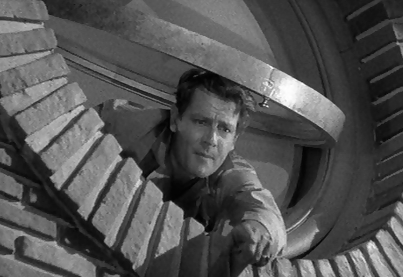
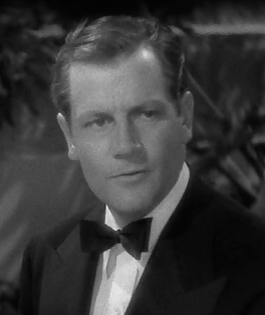
McCrea
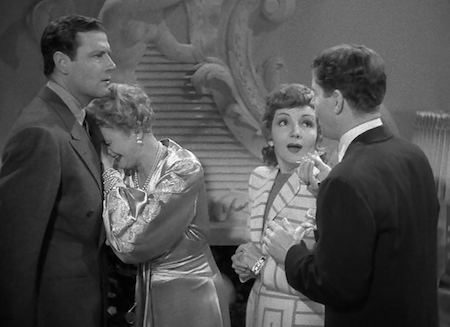
In The Palm Beach Story, he arrives in Florida to discover his wife Gerry (Claudette Colbert) flirting with J.D. Hackensacker III (Rudy Valee), scheming to apply the millionaire’s funds to her husband’s projects. As he tries to reason with her, Tom (McCrea) finds the dizzy chatterbox The Princess Centimillia (Mary Astor) flitting about his handsome form, and his own competition so woefully naive that he serenades Gerry. On McCrea’s face you can see as well as hear the sigh, the “Now this,” the years of putting up with his wife’s silliness, and now these idiots, and you can’t help but laugh.

McCreaPalmBeachStory-scene
Without grandstanding, without chewing the scenery, McCrea has stolen our attention from the mesmerizing Colbert with a few perfect expressions and the solidity of his presence. Suddenly, we’re rooting for him, for them, not for her success. Given the amount of his screen time, it’s a remarkable achievement, and makes you realize why Sturges would nab him for three of his films.

McCrea was even more essential, of course, to Sullivan’s Travels, which came out the year before. Consider the challenge: The lead must act as a stand-in for Sturges, pronouncing the need for comedy in times of trouble. Sullivan (McCrea) is, like Sturges, a director, who thinks he should experience poverty so that he can direct meaningful dramas instead of his usual farces. If the star of Sullivan’s Travels preaches the final lines or overplays his insights (in the theater with the convicts) about the value of comedy, the film becomes hokey. If the character comes across as stupid in not realizing humor’s importance earlier, the ending will feel forced. The actor must, in short, act naive/be deluded at the start of the film, but not be naive. An intelligent, understated performance is essential to delivering Sturges’ message, which is really an endorsement of his entire career (and thus not something he could have taken lightly). And so Sturges chose McCrea.

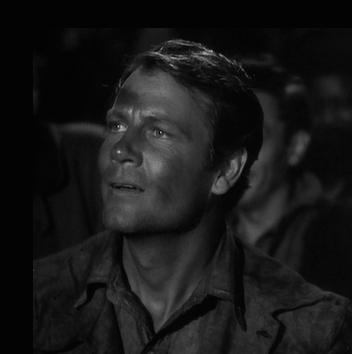
McCreaSullivansTravels
When we talk about comic timing, we often think of rapidity. But McCrea’s calming presence is part of what makes him so funny. While others around him continue their frantic scrambling, he walks and talks fairly slowly, his deliberation in sharp contrast to their quicker motions and thoughts. He underscores their rush, and makes us laugh. As Sullivan, he is very observant, as a comedic director should be, and gives us just enough of a pause to witness, to understand as he does. As in The More the Merrier, a brilliant comedy Sturges didn’t direct, McCrea gives us the space to recognize the layers of his personality, with Sturges’ regular troop (in this case, following their director in a motor home) left to be the screwball types who summon the simpler laughs.

Although I think most would call Sullivan’s Travels the perfect Sturges-McCrea pairing, I wish fewer people would dismiss The Great Moment. Because it’s not a comedy, of course, it flopped. (A drama? From Sturges?) But it’s truly a remarkable biopic. A dentist, Dr. W. T. Morgan (McCrea), publicly demonstrated the use of ether in an operation in 1846, and therefore helped make all of our surgeries since less painful. But it seems Morgan displayed less admirable behavior afterward, was more intent on getting credit than in the useful application of his discovery. Sturges highlights something beautiful about the man’s life by beginning after his death (after a short scene celebrating his biggest success), and ending the movie with Morgan’s decision to expose his discovery in this public demonstration (thus making unlikely his success in patenting).

The movie isn’t about the main character at all, but instead about an idea: Does an “incandescent” moment, a moment of self-sacrifice for others, make up for the pettiness of one’s life? It’s this rising above the history of events that I so rarely see in biopics, this understanding that recording events isn’t enough; you have to be saying something about them. McCrea’s measured timing lends a kind of gravity and dignity to the role, lets us see the heaviness and pain of Morgan’s decision to sacrifice for others.

McCreaTheGreatMoment
And because McCrea is so likeable, we’re able to acknowledge the character’s usual selfishness (at least as Sturges saw it), and understand it too. I can’t say it’s my favorite film of Sturges’, but it has stuck with me; I find it haunting, which is surprising given Sturges’ light touch. I wish more aspiring directors would learn from it.

Joel McCrea was in three of Preston Sturges’ films, two of his most famous. I know I should be grateful to have that many, but oh! How I wish there were more.

Don’t forget to check out the other entries in the blogathon!

Share
Posted in: 1940s films, Blogathons, Comedies (film), Drama (film), Romantic Comedies (film) Tagged: biopics, Cinema Maven, Joel McCrea, Preston Sturges, Sullivan's Travels, The Great Moment, The Palm Beach Story

A Classic Film for Media Critics: Ace in the Hole

12/06/2015 by leah@carygrantwonteatyou.com 19 Comments

AceintheHole
This fall, the media is a top-trending topic (surprising in a season when we’ve lost Jon Stewart’s acerbic touch): Ted Cruz won applause for attacking the media, Spotlight accolades for celebrating them. For the second year in a row, news-centered movies have garnered Oscar buzz; this year, it’s the biopic about a Pulitzer-winning investigative reporting team; last year, it was the scathing Nightcrawler, which satirized junk TV news with its sadly accurate refrain: “if it bleeds, it leads.”

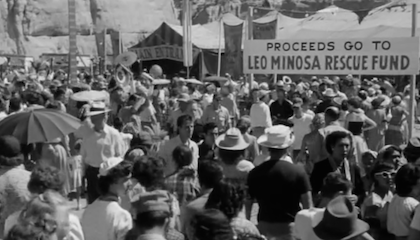
Maybe these movies and headlines are why Ace in the Hole (1951) sprung to my mind when film bloggers Sister Celluloid and Movies Silently asked for posts on gateway films to lure the classic-movie-hesitant. Surely, the film that coined the term “circus” to capture a media-driven extravaganza should be viewed by both news cynics and fans.

MediaCircusAceintheHole
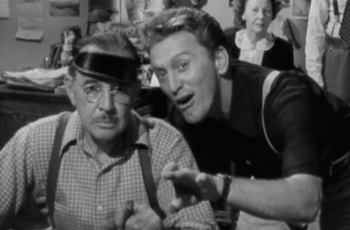
Before Network and Absence of Malice unsettled notions of the media’s integrity, and long before Jake Gyllenhaal creeped viewers out with his road to tabloid success, Billy Wilder asked: How far would a reporter go to get a story? His dark answer might have hurt box offices returns in his day, but in ours, Kirk Douglas’ turn as the ruthless, immoral newspaperman is mesmerizing.

KirkDouglas
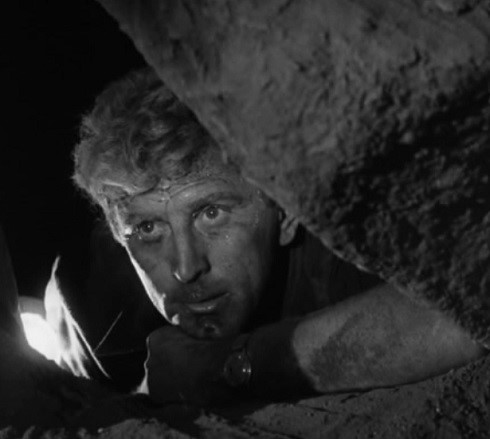
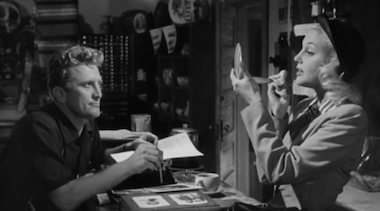
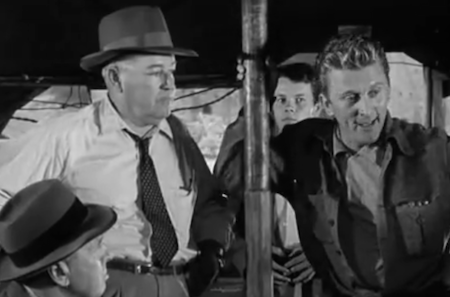
If you avoid old movies because you consider them cheesy or overly optimistic, Ace in the Hole is quite a cure. Here’s the scenario: Down-on-his-luck reporter Chuck Tatum (Kirk Douglas) happens into a small town in New Mexico, where a foolish hunter of Indian burial site treasures, Leo (Richard Benedict), has become trapped under a mountain, blocked by rocks that will cave in on him if he moves. Inspired by a similar scenario that earned writer William Burke Miller a Pulitzer, Tatum decides he’ll be the victim’s sole contact, and bilk the accident for all it’s worth. When his cub reporter companion questions Tatum’s wish for a prolonged rescue, Tatum snaps, “I don’t make things happen. All I do is write about it.”

Of course, Tatum immediately proves the lie of his words, sweet talking an engineer and sheriff into the long route to Leo. A rescue that should only take hours stretches for days, with hyped-up tourists and aspiring entrepreneurs and newspaper staffs quick to follow. Eventually, a carnival even arrives.

The only potential obstacle to all this hoopla–Leo’s wife–is not exactly distraught.

DouglasSterling
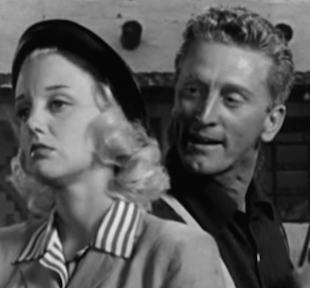
How’s this for spousal support: Lorraine (Jan Sterling) figures with Leo stuck, she can take off on him without interference; when Tatum attacks her betrayal, she throws his motives back at him: “Honey, you like those rocks just as much as I do.” Since Tatum needs the lovely, worried wife for his stories, he convinces her to stay—by pointing out all the money the media vultures will bring with them, and by seducing her now and then.

KirkDouglasseducesSterling
Tatum fully enjoys the maelstrom he’s created. He has become the hero who takes the dangerous trek to give Leo comfort daily. He even enjoys Leo’s friendship–with no real guilt. Tatum is so shameless he even agrees to the “honor” of Leo’s father loaning him his own room, even if it means dodging Leo’s silent mother, who spends the entire film praying. But when the trapped man’s health starts to decline, with hours still to reach him, the reporter’s long-dormant conscience starts to emerge. The question, of course, is whether it’s too late.

The role of Tatum is ideal for Douglas, who is never better than when he plays a character like this: oily, smart, cynical, smug, self-assured, and sexy. Despite Tatum’s cruelty, it’s hard not to root for an anti-hero so lacking in illusions, especially about himself.

KirkDouglaspressAceintheHole
When Lorraine quotes his writing to him, praising its eloquence, Tatum snaps back, “Tomorrow this will be yesterday’s paper, and they’ll wrap a fish in it.”

Lorraine’s right, of course: This film boasts some of writer/director Wilder’s (and his coworkers’) finest lines. Although not his most celebrated film, it’s clearly one of the master’s best. Any media lover/hater is a fool to miss it.

This post is part of the “Try It, You’ll Like It!” Blogathon, hosted by Sister Celluloid and Movies Silently. For more movies that might bring non-classic-film lovers into the fold, click here!

sis-tryityoulllikeit-blogathon-2

Share
Posted in: 1950s films, Drama (film) Tagged: Ace in the Hole, Kirk Douglas, media critique, newspaper movies, satire

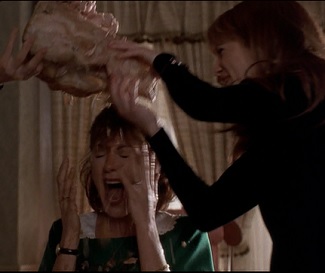
5 Holiday Meal Planning Fears on Film (aka, It Could Be Much Worse)

11/26/2015 by leah@carygrantwonteatyou.com Leave a Comment

5. The Meal Scars Your Company: Better Off Dead (1985)
Take comfort in the quality of your cooking after watching (a) Lane’s (John Cusack’s) mother boil bacon just days before her holiday feast and (b) Lane accidentally passing a guest primer instead of liquor.

BetterOffDead
4. Your Guests Never Show: Dinner at 8 (1933)

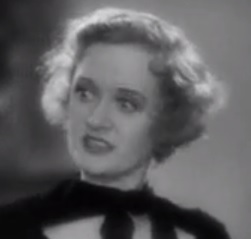
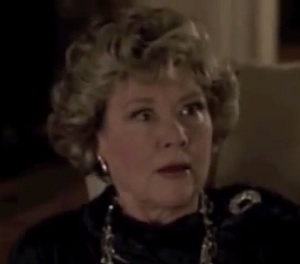
Your guests will never be as distracted as those invited to Millicent’s (Billie Burke’s) pretentious dinner party. Watching their disastrous lives unfold the day of the event makes you question (a) why she’d want to see them and (b) what could make all this stress worthwhile. It’s not a holiday film, but Burke’s nervous fluttering and what-was-I-thinking speech reminded me of all the times I unwisely agreed to plan a social event.

Hostess Flipping Out

3. The Oven/Power Goes Out: Pieces of April (2003)
I live in New England, where power is never a certainty, so watching April (Katie Holmes) improvise when her oven fails her is inspiring in this sweet, funny, and frequently heartbreaking film with Holmes as a sweet daughter who can never satisfy her mom (Patricia Clarkson).

KatieHolmesPiecesofApril
(In fact, my power went out yesterday, and last year at Thanksgiving too, in a cruel joke against my neighbors with stacked fridges and visitors en route.)

2. Old Family Wounds Fester: Home for the Holidays (1995)

HomeforHolidays
Three siblings squabble in this hilarious Thanksgiving delight. Holly Hunter is charming; Robert Downey, Jr. hilarious, moving, and annoying in equal measures; and Cynthia Stevenson both cruel and empathetic in her disconnection to her more lighthearted siblings. Add Anne Bancroft as the mother and Henry Larson as the father, and you’ll wonder how you missed this howlingly funny, yet poignant tribute to family.

1. The Mother from Hell Arrives: The Ref (1994)
In my favorite holiday movie, thief Denis Leary runs interference with a divorce-bound couple, played by Judy Davis and Kevin Spacey, in performances that rival those in War of the Roses (1989). You will think no two people can be more comically cruel to one another, until Spacey’s mother (Glynis Johns) arrives.

Glynis Johns-TheRef
There you have it: Cinematic proof that no matter how awful your Thanksgiving turns out, it could have been much, much worse.

Share
Posted in: 1930s films, 1980s films, 1990-current films, Comedies (film), Drama (film), Humor Tagged: disastrous dinners, family squabbling, Film, holiday dinners, Thanksgiving fears

An Unabashedly Romantic Pirate Tale: Frenchman’s Creek (1944)

11/07/2015 by leah@carygrantwonteatyou.com 16 Comments

FrenchmansCreek-top

Daphne Du Maurier’s Frenchman’s Creek was my favorite romance as a kid, and when I found a copy of it in a bookstore in my twenties, became enthralled with it all over again. Du Maurier excelled at atmospheric suspense, and what girl wouldn’t love a period drama featuring a heroine running away from London society (and her dumb husband) with her kids to luxuriate in freedom and nature in Cornwall, and falling for a pirate as independent and daring as she? I hoped the movie would capture much, if not all, of the book’s magic–and it really does.

FrenchmansCreek-Arturo de CórdovaJoanFontaine
I know the story sounds like the clichést of clichés, an overimaginative girl’s fantasy. And of course, it is.

FrenchmansCreekFontaineinlove
But it’s more than that. A biographer claimed the story was based on the novelist’s own romance, and I always believed there was truth to it. There’s something authentic in the chemistry between the two characters, in their vulnerability with and to each other, and in both their passion for each other and acknowledgement that theirs shouldn’t be anything but a temporary affair. I feared the movie would follow the outlines but miss that authenticity, but it didn’t, largely because large portions of the dialogue are lifted straight from the book. The actors have some chemistry, too, which helps sell the romance.

Even the beginning of the story is absorbing: The heroine’s flight from London, her discovery of a pirate’s ship as she ventures in the woods near her manor…

Frenchman's Creekboatspotted
The story picks up speed and romance with her awkward midnight feast with the pirate, her joining into his theft of a countryman’s ship, her husband’s arrival, and her efforts to foil the hanging plot against her now-lover by attempting to flirt with her guests just long enough for the ship to escape.

FrenchmansCreek-flirting
Some of the suggestive lines do make it into the film, as when Jean, the pirate, notices the spread at dinner, but looks straight at his beautiful hostess as he says, “Is it wise of you to place all this temptation before a pirate?”

Joan Fontaine captures Dona; the spirited, smart heroine; even managing her voice.

FrenchmansCreek-JoanFontaine
All she really gets wrong is a tendency to pose now and then, and a lack of attention to Dona’s wit; Fontaine can be arch, but she misses the irritability with Cornish high society that was one of the character’s greatest charms. Fontaine plays Dona as a little too sweet, a little too filtered. The heroine is less interesting without her shocking double entendres, or the comic timing Fontaine never attempts (of course, this absence is partially the censors’ fault). But this is a book lover’s quibble; I doubt a viewer unacquainted with the novel would find fault with her character, as she’s still brash, proud, romantic, adventurous, intelligent–all the qualities we would hope for in a pirate-loving gal.

Arturo de Córdova’s ethnicity might make him a peculiar choice in a strictly French-versus-the-English tale. (Don’t you love that about Hollywood? Need a French dude? Any guy with an accent will do.)

FrenchmansCreekArturo de Córdova
Overall, de Córdova manages the role with only slight piratey exaggeration. He catches the hero’s sense of humor, and an independence so extreme he hesitates to make any decisions for his love–probably a quality unique in pirate characterizations, but one that has always made him seem real to me. If not a pirate, surely this man would have been an obsessive in some political movement or another, unwilling to compromise his ideals.

Cecil Kellaway as William, the matchmaking servant, is delightful, and Basil Rathbone as Lord Rockingham, Dona’s nemesis, is perfection.

FrenchmansCreekBasilRathbone
Any fan of Du Maurier’s work will enjoy time in her world again; lovers of romance will root for these two. Swordplay aficionados might crave more fencing time, but they’ll enjoy the devilry of Jean, his resemblance to their Errol Flynn favorites. Women can relish a strong-minded heroine who weighs her obligations against her passions, her annoyance with society, against her safety within it. (The lighting of the film accentuates her power of choice: he is shadowed, and she lit.)

Frenchman's Creekdilemna
Costume drama fans can drool over Fontaine’s lovely gowns. And any fans of a good yarn will wonder just how they missed this one before.

This post is part of Movies Silently’s wonderful Swashaton. Click here for more pirating adventures!

Share
Posted in: 1940s films, Action & Sports Films, Drama (film), Feminism, Romance (films) Tagged: classic, Daphne du Maurier, Frenchman's Creek, Joan Fontaine, pirate movies, Pirates of the Caribbean

5 Classic Film Costume Ideas–& What They’ll Be Mistaken for

10/27/2015 by leah@carygrantwonteatyou.com 2 Comments

Inspired a fashion blogger’s posts on Halloween options, I started thinking about potential costumes from classic film. I have recs for those of you stuck for ideas. Sure, your peers who don’t know the classics will mistake the character you’re playing, but if the costume is sharp, fun, or clever, who cares? Here are five suggestions:

Gilda‘s Carnivàle Outfit

RitaCarnivaleoutfit-Gilda
The heroine’s (Rita Hayworth’s) stylish get-up has two major advantages:

  1. It’s fabulous.
  2. It has wonderful accessories:

GildaCarnivaleaccessories
You’ll Likely Be Mistaken for:
Zorro’s love interest

Jezebel‘s Red Dress

Jezebel-BetteDavis
Who hasn’t wanted to wear the dress that stops everyone short? And what gown in film had more impact than the one that branded Julie (Bette Davis) a fallen woman in front of her whole society? Plus, the dress is gorgeous.

You’ll Likely Be Mistaken for: A devil without her pitchfork, a bad angel sans wings, or just a gal who wants an excuse to wear an Oscars dress

The Disastrous Dress from Rebecca

RebeccaJoanFontaine
The gown is a bit frilly, but putting on Rebecca’s character for the creepiest night of the year? Yeah, you could get into that. Of course, you could play it meek too, acting as the narrator, since both pick the same dress for the masquerade. Up to you. Some crinoline, a hat, some flowery details–you’ll have it.

You’ll Likely Be Mistaken for: Scarlett O’Hara (It’s a poofy dress. Who else could you be?)

Phyllis Dietrichson from Double Indemnity

PhyllisDoubleIndemnity-Stanywck1
This is the budget option. As any smart Halloween shopper will tell you, you should skip the all-in-one packages in the costume store, and take a tour down the accessory aisle. Anyone can discover a sweater set or fussy dress at home or in the vintage shop. And it isn’t hard to find a wretchedly, embarrassingly bad blonde wig for less than twenty bucks, or some gloriously tacky jewelry. You might even have some from last year’s festivities. Just don’t forget those crazy feminine shoes–and, of course, the anklet:

PhyllisankletDoubleIndemnity
The best part? If you wear a wig–any wig–on Halloween, you really can’t go wrong.

You’ll Likely Be Mistaken for: George Washington or his wife Martha in modern gear (as was Barbara Stanwyck).

Shanghai Lily

ShanghaiExpress
If you don’t gush over the fashions in Shanghai Express, head straight to the optometrist. Prostitutes in ’30s Shanghai had quite the budget, if Lily (Marlene Dietrich) is any indication. She’s costumed to the hilt in boas, feathered caps, furs, long gloves, and silk. For any woman who wants glamour in her life, Lily’s style is salivation material.

You’ll Likely Be Mistaken for: A generic femme fatale (close!)

There you have it. Five options for those seeking Halloween inspiration. What are favorites of yours?

Share
Posted in: 1930s films, 1940s films, Comedies (film), Drama (film), Humor, Random Tagged: classic film, costume ideas, Halloween
« Previous 1 2 3 4 5 6 7 8 9 10 Next »

Recent Posts

  • 100 Years Later, Still Scary: Dr. Caligari
  • Escaping Out of the Past (1947)
  • A Weeper for Those Who Love Jerks
  • Thank You, Academy, for Not Infuriating Me
  • Challengers (2024) Is a Bad Movie

Subscribe to Blog via Email

Enter your email address to subscribe to this blog and receive notifications of new posts by email.

Categories

  • 1920s films
  • 1930s films
  • 1940s films
  • 1950s films
  • 1960s films
  • 1970s films
  • 1980s films
  • 1990-current films
  • 2020s films
  • Action & Sports Films
  • Anti-Romance films
  • Blogathons
  • Childfree
  • Comedies (film)
  • Drama (film)
  • Feminism
  • Femme fatales
  • Film Noir/Crime/Thriller & Mystery
  • Gloriously Silly Scenes
  • Horror
  • Humor
  • Mae West Moments
  • Musicals and dancing films
  • Oscars
  • Random
  • Romance (films)
  • Romantic Comedies (film)
  • The Moment I Fell for
  • Turn My Sister into Classic Movie Fan
  • TV & Pop Culture
  • Uncategorized
Share
Classic Movie Blog Hub Member

Recent Comments

  • leah@carygrantwonteatyou.com on Meg Ryan’s Fate Foretold in Joe Versus the Volcano
  • Ryan on Meg Ryan’s Fate Foretold in Joe Versus the Volcano
  • leah@carygrantwonteatyou.com on 100 Years Later, Still Scary: Dr. Caligari
  • The Classic Movie Muse on 100 Years Later, Still Scary: Dr. Caligari
  • leah@carygrantwonteatyou.com on 100 Years Later, Still Scary: Dr. Caligari

Archives

  • November 2025
  • September 2025
  • May 2025
  • March 2025
  • January 2025
  • November 2024
  • August 2024
  • July 2024
  • May 2024
  • March 2024
  • February 2024
  • December 2023
  • November 2023
  • October 2023
  • September 2023
  • August 2023
  • July 2023
  • May 2023
  • April 2023
  • March 2023
  • January 2023
  • December 2022
  • November 2022
  • September 2022
  • July 2022
  • May 2022
  • April 2022
  • March 2022
  • February 2022
  • October 2021
  • September 2021
  • April 2021
  • March 2021
  • February 2021
  • December 2020
  • October 2020
  • September 2020
  • July 2020
  • May 2020
  • April 2020
  • March 2020
  • February 2020
  • December 2019
  • October 2019
  • September 2019
  • June 2019
  • May 2019
  • April 2019
  • February 2019
  • January 2019
  • November 2018
  • September 2018
  • July 2018
  • June 2018
  • May 2018
  • April 2018
  • March 2018
  • February 2018
  • January 2018
  • November 2017
  • September 2017
  • August 2017
  • July 2017
  • June 2017
  • May 2017
  • April 2017
  • March 2017
  • February 2017
  • January 2017
  • December 2016
  • November 2016
  • October 2016
  • August 2016
  • July 2016
  • June 2016
  • May 2016
  • April 2016
  • March 2016
  • February 2016
  • January 2016
  • December 2015
  • November 2015
  • October 2015
  • September 2015
  • August 2015
  • July 2015
  • June 2015
  • May 2015
  • April 2015
  • March 2015
  • February 2015
  • January 2015
  • December 2014
  • November 2014
  • October 2014
  • September 2014
  • August 2014
  • July 2014
  • June 2014
  • May 2014
  • April 2014
  • March 2014
  • February 2014
  • January 2014

Meta

  • Log in
  • Entries feed
  • Comments feed
  • WordPress.org

Copyright © 2025 Cary Grant Won't Eat You.

Church WordPress Theme by themehall.com