Cary Grant Won't Eat You

Classic movies for phobics

  • About
  • eBooks
  • Previous Blogathons
Classic movies for phobics

1950s films

A Beauty After All: Katharine Hepburn

05/10/2015 by leah@carygrantwonteatyou.com 17 Comments

KatharineHepburn-beautyGoldenPond
This is an entry in the Great Katharine Hepburn blogathon. Check out the marvelous posts on her work.

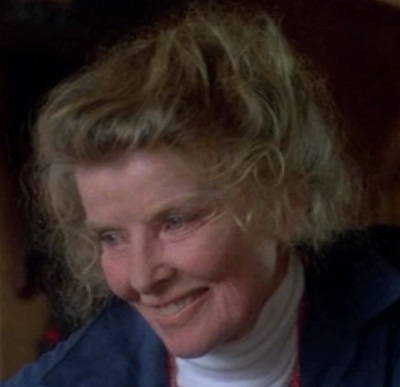
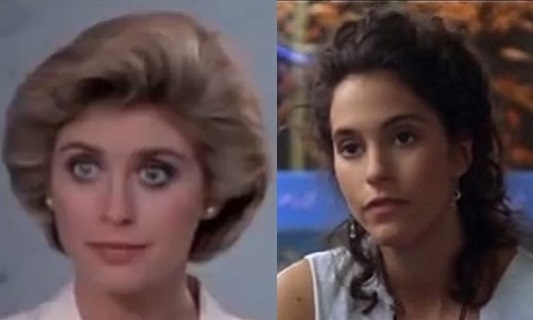
“I’d rather look like Katharine Hepburn at 80,” Aunt Betty said, looking at the screen, “than myself at 30.” I looked at the old lady on the TV, then back at my aunt, confused. Maybe Betty was ripping on her own looks, as she often did. She couldn’t possibly be serious. As a fourteen-year-old who longed to resemble Helen Slater or Jamie Gertz, I found wanting to look thirty incomprehensible. Eighty?

My teenage definition of beauty

My teenage definition of beauty

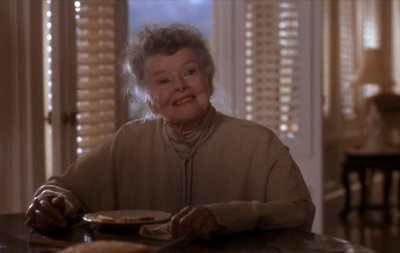
My aunt smiled at my bafflement. “Just look at that bone structure,” she explained, pointing at Hepburn. “She’s beautiful.”

Bone structure? That wasn’t on my list of attractive characteristics. I examined Hepburn’s face closely to discover what my aunt saw in it, but those wrinkles distracted me. I felt uneasy, as I always did when adults said something I couldn’t understand. I changed the subject.

I didn’t forget it though. Every time I saw Hepburn, the comment returned. She had always looked old to me. Having seen her first in Guess Who’s Coming to Dinner? I could never view her earlier films without seeing the imprint of her older self. Besides, Hepburn was angular, not soft and feminine, like Helen Slater or my earlier womanly ideal, Lynda Carter.

I wasn’t alone, of course, in devaluing Hepburn’s looks. Her employer David O. Selznick had been famous for it. Others, of course, appreciated that bone structure, hence that line about her cheekbones: “The greatest calcium deposits since the White Cliffs of Dover.”

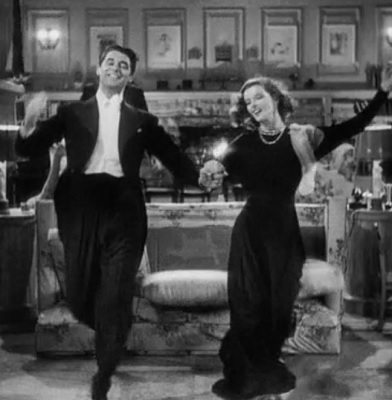
I think I was past thirty myself before I started to understand Betty’s words. Of course, my definition of beauty had expanded by then, but my changing assessment of the actress’s looks was always more complicated than answering pretty or not? First, I noticed Hepburn’s breathless confidence of movement.

GrantandHepburn-Holiday-a
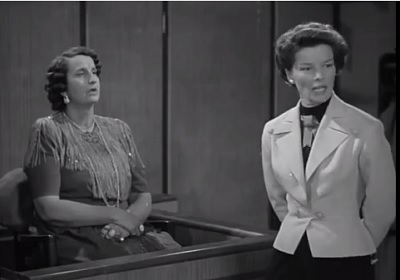
Then there were the clothes that suited her, rather than following any passing fashions. And the parts she chose, roles that could inspire women like me, and like my aunt: athletes, business leaders, pioneers, advocates for women.

HepburnAdamsRib
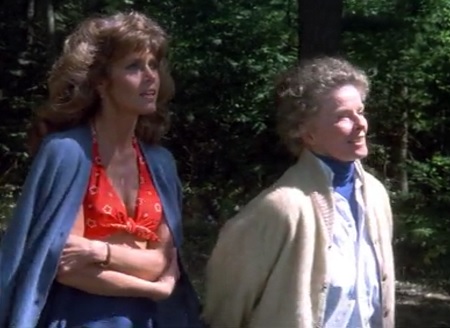
She always imbued these characters with vulnerability as well as strength, helping viewers see powerful females as fully rounded human beings.

Hepburn’s real-life actions demonstrated the same moxie she expressed in film: fighting back after the box office poison label, establishing her own terms with The Philadelphia Story, and then using her new power to ensure good salaries for her Woman of the Year screenwriters.

In her private life, Hepburn managed to say what she wanted, avoid whom she wished, have a long-time affair with a married man without compromising her career. With her spirit, it’s not surprising that she continued to star as a romantic lead even in her forties.

Now I see in that erect posture of hers in her final years, those fierce expressions, her pride in a life well lived.

KatharineHepburn-LoveAffair
How many of us can follow our own standards consistently, passionately, for as many years as she did? No wonder my aunt found Katharine Hepburn so breathtaking at 80. I look at her later performances now, and see the same. Imprinted on Katharine’s Hepburn’s face, her carriage, and even her voice is the caliber of life she lived.

Look at her. Isn’t she beautiful?

KatharineHepburn-posturewFonda

Share
Posted in: 1930s films, 1940s films, 1950s films, 1980s films, Blogathons, Feminism, Humor, TV & Pop Culture Tagged: beautiful actresses, Katharine Hepburn, spirit

Some Like It Hot: Only for Men?

01/18/2015 by leah@carygrantwonteatyou.com 19 Comments

I know that the field of comedy has always been dominated by men. It’s no surprise that when humorous films are ranked, those most amusing to men lead the pack. But I still find it disturbing that the film the AFI considers the funniest of all time is one that gives me just a few laughs in its two hours of running time.

I’m willing to admit that I might be missing something in Some Like It Hot; after all, many women whose judgment I respect are fans of it, and I am an enthusiastic viewer of most of Billy Wilder’s work. But for what it’s worth, I’d like to vent a bit about why (for mainly gender-related reasons) I find this film that sounds so promising—two male musicians acting like women in order to travel with an all-female band—so annoying.

Daphne/Jerry (Jack Lemmon’s character): By Turns Annoying & Creepy
The script doesn’t help, but Lemmon is largely to blame for a very unfunny portrayal of a man turned on by his fellow female band members. His suggestive comments range from grating to disturbing, and his hyena laugh is Jim Carrey-annoying.

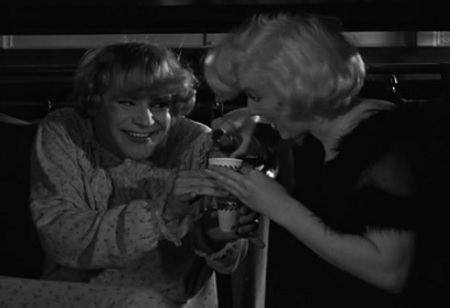
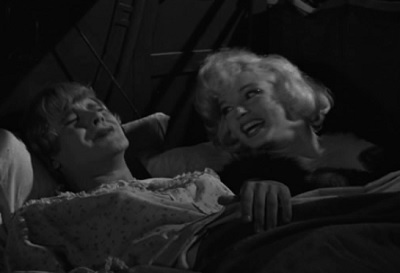
Take this scene: Jerry is in bed in his cross-dressing gear (i.e., as Daphne), when Sugar Kane (Marilyn Monroe) visits his train berth to thank him for a favor.

After the two get some drinks, Jerry says, “This may even turn out to be a surprise party.”
“What’s a surprise?” she answers.
“Not yet.”
“When?”
“Better have a drink first.”
“That’ll put hair on your chest.”
“No fair guessing.”

He then protests other women crashing his party, as it’ll ruin his surprise. I tried not to examine the logic of this scene too closely, but unfortunately, Lemmon’s delivery added to my initial reaction. Does this face look like seduction to you?
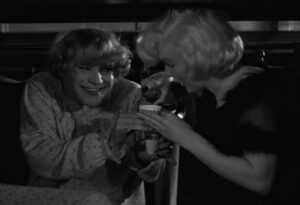
LemmonandMonroe-trainberth
If there were any hint of self-deprecation here, any understatement, the scene might have played as lighthearted, with a hint of, I don’t know, possible participation from Monroe. But with Lemmon’s high-pitched, broad delivery and leer, I felt uncomfortable, not amused. Look, this isn’t It’s Always Sunny in Philadelphia, in which the humor is based on the immorality of its leads. We’re supposed to empathize with this man, not wish to warn Sugar Kane there’s a pervert on the loose.

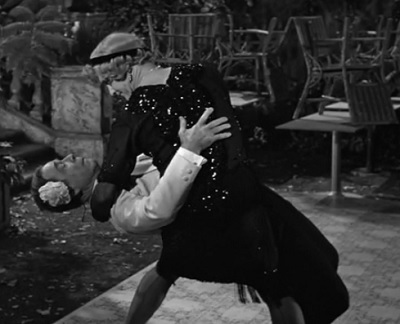
Once Lemmon is being courted by a man and his energy dissipates into snarly comments and stiff movements, he’s quite amusing. I particularly enjoyed when he starts to really get into his gender ambiguity as he dances.
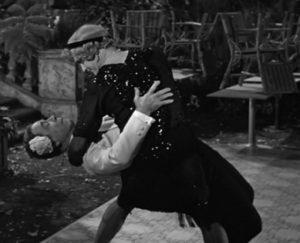
LemmontangoingSomeLikeItHot
I just wish we could have had more of that and less of his flirtatious mood with Sugar and the other band members.

Joe/Josephine (Tony Curtis) a Bore—Until He Becomes a Pseudo-Millionaire
I’m not a fan of Tony Curtis’s. With the exception of Sweet Smell of Success, I tend to dislike his films, finding him too smugly pleased with himself, too much the “Matthew McConaughey of his generation,” as my sister puts it. While his low-key portrayal in Some Like It Hot is a welcome break from Lemmon’s energy, he takes his lethargy too far. It seems watching Lemmon’s hypercaffeinated performance caused Curtis to nap his way through the script.

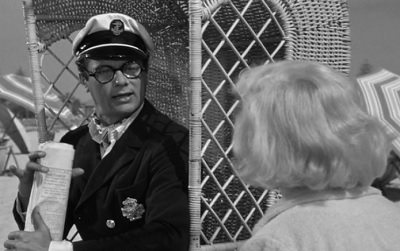
But once Curtis (as Joe) ditches the dress and takes on a different costume, he is quite amusing. He has dressed himself in what he deems sophisticated clothing, complete with a cap and metal buttons. He wants to convince Sugar he’s from old money.
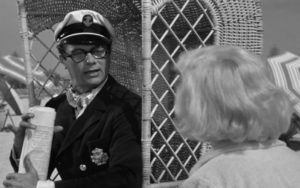
CurtisandMonroe
When he speaks, it’s with Cary Grant’s accent. I like the layers of jokes here, even if they’re anachronistic given the movie’s 1929 timeline: Joe is so unfamiliar with well-born men that he mimics a movie star’s imitation of one. (Admittedly, this wasn’t a bad choice: Grant was so convincing in his own portrayal of a blue blood that he probably convinced 90 percent of us.)

As the Shell millionaire he’s aping, Joe can be quite funny. I like when he mistakes a stuffed swordfish for a member of the “herring family.” Curtis is far more animated in these scenes, and the script so much stronger than in the rest of the movie. Joe’s description of his love’s death is funny, and his details about his family’s attempts at a cure for his heartache—a French maid, a troupe of Balinese dancers—are hilarious.

Male Fantasy Scenes Played as Realistic
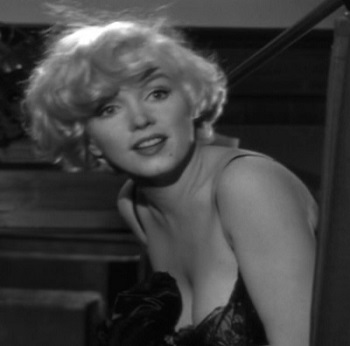
I don’t know about you, but when I’m traveling with a bunch of female friends, I tend to relax in lingerie like this:
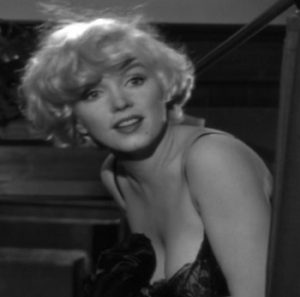
Marilynlingerie
I prefer to cuddle up to my companions, especially ones I’ve just met, to get as much skin-on-skin contact as possible.
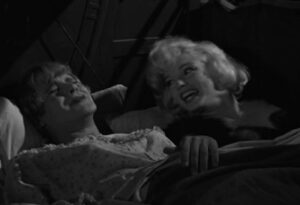
MarilyncuddlingwithLemmon
And on the beach, I like to spend my time tossing a ball to my pals in a provocative fashion.

If this kind of scenario is played as fantasy, I find it funny. But when I’m supposed to take it as a given, with the humor to be found elsewhere, I’m so busy rolling my eyes that I miss the action. Look, I understand that Hollywood wants to show some skin, especially in a film featuring Marilyn Monroe. And I’ll admit I’m jaded from one too many sorority house/girls’ locker room scenes of a similar nature. Admittedly, I have seen much worse in other movies; at least all of the women in the band aren’t dressed like this (just the most attractive ones, as they always eschew comfort for sexiness, right?)

If they’re played as campy, how funny scenes like these can be! But if they aren’t, I tend to look up the screenwriters and confirm my suspicion—yep, written by men, probably ones who’ve spent too much time on adult-only channels/sites. Am I the only one who thinks humor works best when it’s based on actual human behavior, not teen boys’ daydreams?

Missed Opportunities in the Script
Cross dressing is almost always funny in film, and Curtis and Lemmon are so unattractive as women, and so obviously male, that it makes the gullibility of those around them funny in itself. Initially, their disgust at the casual chauvinism of the other hotel guests is entertaining too, as when Daphne gets pinched and Josephine is propositioned by the bellboy. Pity that there’s no accompanying recognition of their own chauvinism, as without it, we’re left mainly with tired gags about breasts, high heels, etc. While occasionally both of the men (and the script) give a fun twist to their adoption of female clothing and mannerisms, in most scenes, I didn’t see anything new.

Of course, I know that this territory is much better canvassed today than in 1959, when it would have been far more scandalous. Still, the stars’ parents would have found the film tame; it’s impossible to be shocked by men in tights and Marilyn’s walk when earlier (pre-Code) movies portrayed women sleeping to the top and cheating on their husbands to get even—without judgment. Let’s not forget that Mae West had drag queens in her 1927 play, and planned to feature them in her next before the censors stepped in.

I know there are times when repetition of references, as we often see in Some Like It Hot, is funny. I still laugh every time I hear the name Mr. Bigglesworth. But those references only continue to be amusing if they were particularly funny—and ideally fresh—to begin with. I was disappointed to find that a writer/director who in an earlier film (with Charles Brackett) defined craziness as giving an engagement gift of a “roller skate…covered with Thousand Island dressing” would (with I.A.L. Diamond) resort to lines as flat as these: “I’ve got a funny sensation in my toes, like someone was barbequing them over a slow flame.”/ “Let’s throw another log on the fire.”

One Reason to Watch: Sugar Kane
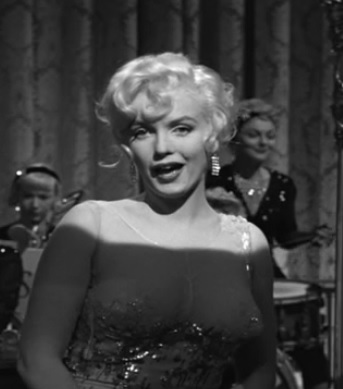
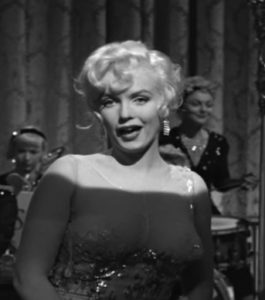
Monroe is mesmerizing as Sugar Kane. She is, of course, unbelievably attractive in the movie.
Marilynsinging
And she manages to turn what could have been a brainless blonde stereotype into something believable, even touching. I particularly enjoyed her effort to convince Joe-as-Shell-millionaire that she has a sophisticated background. While he comes across as conniving and silly in his con, her performance is moving and honest and funny in spite of her lies. While she fabricates a Bryn Mawr education, she conceals nothing else, and her openness makes her deceptions so obvious they might as well not be deceptions at all.

It might seem that I hated this movie. I didn’t. In fact, I enjoyed the first 25 minutes or so, after which I just kept hoping it would improve in the interludes between Monroe’s perfect delivery of her lines. But the film’s undeserved reputation infuriates me. I can’t help wondering if I were a woman new to classic comedies and started with this one, would I have kept watching?

This post is part of the Contrary to Popular Opinion Blogathon, where we set the consensus on its head by defending a maligned film, performer or director or toppling a beloved one! Check out the other entries.

contrary-blogathon-7

Share
Posted in: 1950s films, Blogathons, Comedies (film), Feminism Tagged: Billy Wilder, It's Always Sunny, Mae West, Marilyn Monroe, Matthew McConaughey, Mr. Bigglesworth, Some Like It Hot, Tony Curtis

A Showcase for Garfield, Neal, and Hernandez: The Breaking Point (1950)

01/07/2015 by leah@carygrantwonteatyou.com Leave a Comment

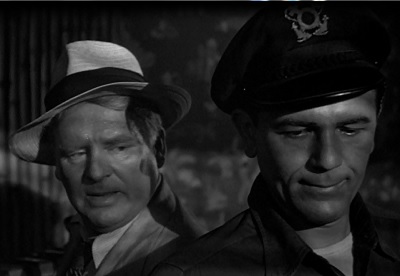
Juano HernandezJohnGarfield
The Breaking Point
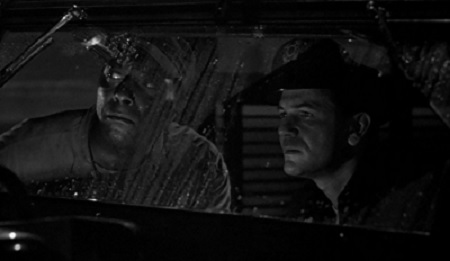
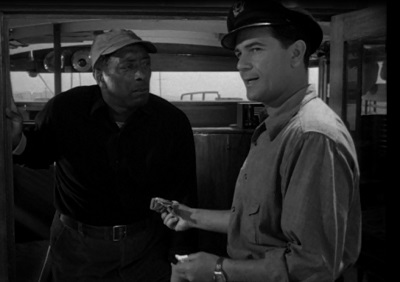
is tense from its first scene, with fishing boat captain Harry (John Garfield) arriving on dock to find that his credit is no longer good enough for the gas he needs for his next trip. Money troubles mean he can’t feed his wife and kids, can’t pay his partner, Wesley (Juano Hernandez), can’t keep his boat, and likely can’t avoid a humble future of working for his father-in-law.

Unfortunately, that’s the peak of Harry’s fortune. After a couple sails to Mexico with him, the man skips out on his romantic partner and the fare. The woman he’s left behind, Leona (Patricia Neal), asks Harry for a ride home, causing the captain to snap, “Who’s going back? I need 100 bucks to clear the port and I got 80 cents toward it. If I can’t scrabble up some dough, we all better learn Spanish.”

Harry agrees to smuggle Chinese men into America with the help of fixer Duncan, a slimy attorney (Wallace Ford) whose mantra is “Relax, let it happen.” Harry tries to steer Leona and Wesley ashore and away from his criminal acts, but the former is too flippant and the latter too loyal to listen. As might be expected, Harry’s moral compass and prospects unhinge from then on out.

According to the Self-Styled Siren, Hernandez’s role was greater than it would have been thanks to Garfield’s intercession. Once you watch the film, you know how right Garfield was.

TheBreakingPoint-HernandezGarfield
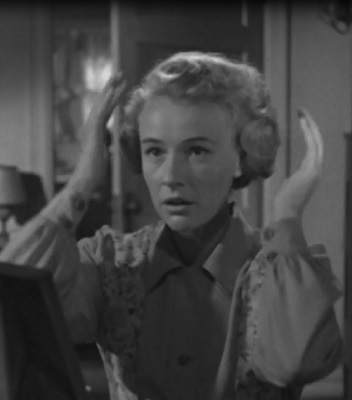
The heart of the film is in the relationship between these two men struggling to make it. Honestly, I cared little for Harry’s every-wife, the long-suffering Lucy (Phyllis Thaxter). She’s sympathetic in theory, yes, but she’s so devoid of individuality I felt no connection to her, except in a brief moment she dyes her hair to look as sexy as Leona, paining her guilty husband and embarrassing her kids.

Thaxter-TheBreakingPoint
One of the issues with the film is the disconnect between the director’s choices and the caliber of the acting. Much time is spent showing that Harry is hovering closer and closer to the title’s breaking point. But with a man as expressive as Garfield, why spend so long establishing it? Why not instead put more energy into the exciting smuggling scene, into his intriguing relationship with temptress Leona (Patricia Neal), and into developing the chemistry between these partners? It’s amazing that even with so few scenes, the pathos of Wesley’s situation comes through so much more clearly and vividly than that of Harry’s whole family, who get so much more screen time. I suspect that’s because Hernandez’s acting is just that good, and because the family really only serve to explain Harry’s stress and motivation.

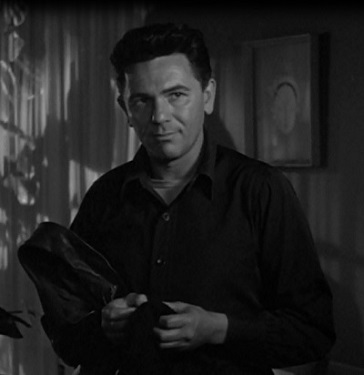
Of course, the film thankfully gives a lot of screen time to Garfield, who plays the stubborn, ex-war hero to perfection, and makes us root for him even as we see him putting his pride over ethics and loyalty to others.

JohnGarfield
As always, Garfield’s understated style is fascinating to watch, as in a moody scene between him and the lawyer who has helped him ruin his life. Duncan has realized he’s too embroiled in the crimes of the gangsters Harry’s about to provide transport for to play the distant—but safe—role he’s accustomed to in his sketchy dealings.

WallaceFordandGarfield
“We’re in it. Let’s hope we get out of it,” Harry replies to Duncan’s worries, and then, recalling the number of times the glib lawyer has told him to take it easy, he snarls, “Roll with it. Relax, let it happen.”

Although lured by Leona’s attractions, Harry doesn’t hesitate to turn his temper on her either, especially when she mocks his earlier admission, when he fell into the usual routine of “I-love-my-wife-but….”

“You women,” he returns. “You remember everything a guy says and then you hit him with it.”

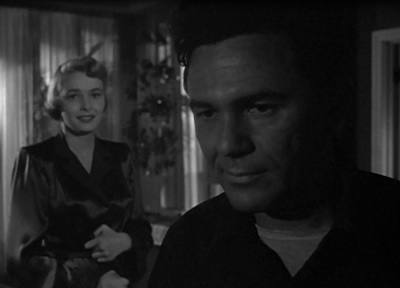
PatriciaNealJohnGarfield
Leona’s (Patricia Neal’s) party-girl attitude and unfailing good mood make her fun to watch in spite of her clichéd role as a siren. Neal’s superior performance and cool presence make the audience feel torn: we want Harry to stay with his beloved wife, but we find Leona as alluring as Harry does. She is so real and alive, and so attracted to the guts, recklessness, and sex appeal that are becoming Harry’s most noticeable traits. In a surprisingly modern take on love, she explains how she looks at her casual romances: “You don’t let it mean anything, it won’t mean anything.” But we don’t ever see the degree of temptation we could have between the two, even if he never did succumb.

This film ultimately seems like it’s about a man’s battle with his own courage, to the exclusion of others’ worries, as Harry admits shortly before the climactic sail, “All I got left to peddle is guts. I’m not sure I got any. I have to find out.”

The Breaking Point, with a shift of emphasis, could have explored the full tragedy of these three flawed characters. But in spite of these defects, it’s impossible not to be caught up in our anxiety for them all, and the film has one of those ending shots so full of understated tragedy I couldn’t get it out of my head. The film’s not easy to get access to (I had to use interlibrary loan), but it’s worth the effort.

*I will post again this weekend due to my holiday-driven lapse last week.*

Share
Posted in: 1950s films, Action & Sports Films, Drama (film), Film Noir/Crime/Thriller & Mystery Tagged: John Garfield, Juano Hernandez, noir, Patricia Neal, The Breaking Point, To Have and Have Not adaptations

Is Something Rotten in Mayberry?: Andy Griffith, Bill Cosby, and Our Instinct to Idolize

11/29/2014 by leah@carygrantwonteatyou.com 4 Comments

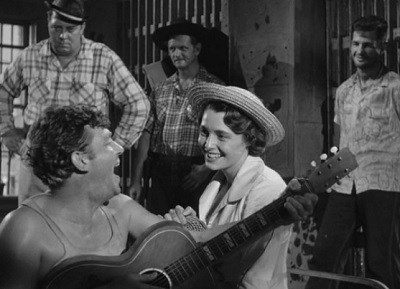
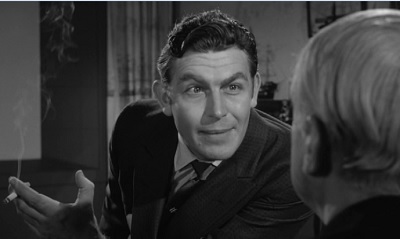
I’d heard that Andy Griffith’s performance in A Face in the Crowd (1957) was something to see. But years of believing him the representative of small-town wholesomeness made his first appearance in the film as the target of the law rather than the enforcer of it instantly off-putting. My first instinct was denial. “It must be a mistake,” I thought to myself when he began the movie in jail. “Andy’s innocent.”

RhodesDiscoveryFace-Griffith
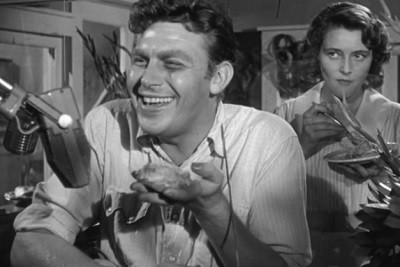
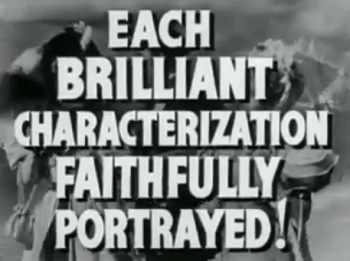
But innocent is one thing this character is not. At the start of the film, Larry ‘Lonesome’ Rhodes (Griffith) seems merely a ham, the kind of man who is a perfect subject for Marcia Jeffries’s (Patricia Neal’s) Arkansas radio program featuring interesting personalities. Most of all, this guy loves to laugh—and what a strong, compelling honk it is.
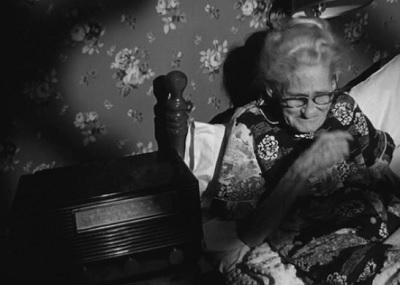
LonesomeRhodes-GriffithNeal
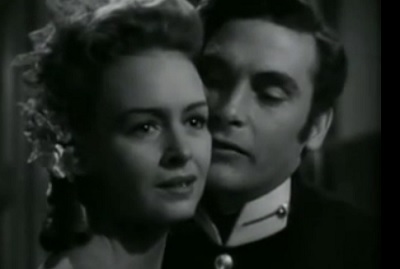
He sings, he jokes, he spins folksy tales about his relatives, like some undiscovered Will Rogers. And he gets people. He has little old ladies giggling over his good ol’ boy hijinks. He describes the pains of housekeeping, and we witness wives stopping to listen to him, hearing perhaps in his telling the first acknowledgement of their woes.
Listeners-Rhodes
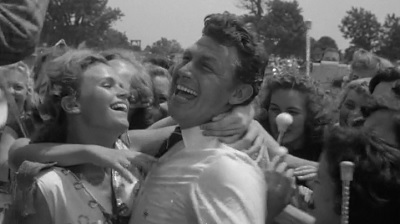
But even from the start, we don’t picture Larry as ‘Lonesome,’ a representative of the little guy his radio listeners imagine. We watch the casual cruelty of Larry’s womanizing ways, his drinking, his avarice and disgust toward the fools he’s impressing. Most of all, we’re disturbed by his treatment of the smart, ambitious woman who discovered him, Marcia (Neal), who is so caught up in his charms and success that she puts up with—well, pretty much everything he does, including dropping her for teen baton twirler Betty Lou (Lee Remick).

Lonesome and Betty Lou

Lonesome and Betty Lou

Marcia escaping after discovering Larry's betrayal

Marcia escaping after witnessing Larry’s betrayal

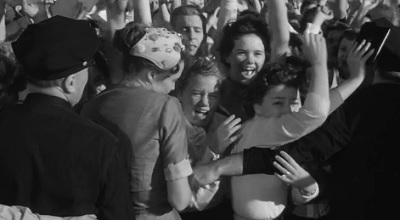
Lonesome soon acquires a big—and enormously loyal—following, especially among women, and as he moves from local to national broadcasts, and from radio to TV, he uses that popularity to wield influence.

At first, he does so in funny ways, making jokes on his sponsors and others who annoy him, as when he convinces listeners to send mutts to a mayoral candidate’s house to test out his ability to lead.

SheriffDogs-FaceintheCrowd
But as Lonesome’s numbers grow, and he begins to be courted by politicians eager to tap into his appeal, his ambition and power become menacing rather than funny.

GriffithasRhodes-ExplainingPower
Perhaps because I grew up watching others amused by Rush Limbaugh’s disturbing takes on feminism (feminazis), my trust in Griffith as Larry ‘Lonesome’ Rhodes soon eroded. I kept waiting for his behavior to worsen, but even so, the shock of his betrayals, his arrogance, and his corruption was difficult to experience. While he had other evil roles, Griffith was just so convincing as the loveable sheriff of Mayberry that I didn’t want to picture him in any other way.

I kept thinking of this performance of Griffith’s over the past couple weeks as the reports of Bill Cosby’s alleged crimes kept multiplying. Local radio personalities repeatedly played Cosby’s pudding commercials, creating eerie disjunctions between his fatherly role and the rape accusations. I realized then how wholeheartedly I’d believed Cosby was the character I’d admired in his famous show: a good man, a loving father, a feminist.
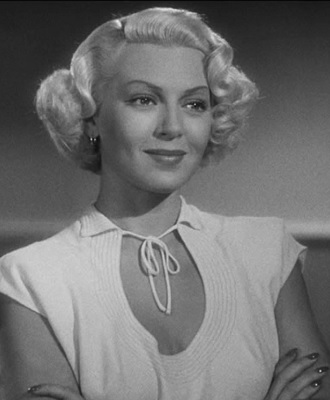
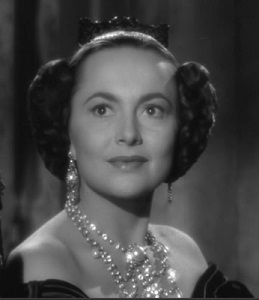
I don’t know if the allegations are true. I know it’s important not to jump to conclusions, even when the case against someone looks grim, perhaps especially then. I’ve read too many stories about innocent people destroyed by public opinion even when they were ultimately exonerated, have witnessed the ugly remains of false accusations firsthand. But whether or not these particular allegations are true, this story, and movies like A Face in the Crowd, are reminders to me of how often charm is mistaken for goodness, how closely and carefully we need to examine the figures we choose to revere.

Share
Posted in: 1950s films, Drama (film), TV & Pop Culture Tagged: A Face in the Crowd, allegations, Andy Griffith, Bill Cosby, Mayberry, role models

Actors Too Pretty for Their Parts

11/21/2014 by leah@carygrantwonteatyou.com 4 Comments

I would like to say that an actor’s performance always trumps any preconceptions of mine about a character from a book I’ve read, that I can set aside my firm conviction that a character was blonde or tall or curvy. But the truth is, sometimes my assumptions ruin a performance for me, no matter how adept and nuanced the acting, no matter how much that performer captured, even enhanced the essence of a character. And for some reason, I am most frustrated when an average-looking book character suddenly becomes a knockout in the movie.

Sometimes, I know this reaction is foolish. But in other cases, the character’s looks were essential to the character/story. Hollywood often mistakes delicacy for sex appeal, or assumes we’re all afraid to see someone onscreen who isn’t dazzling. Here’s my list of the most annoying casting choices in terms of beauty, from least to most irritating:

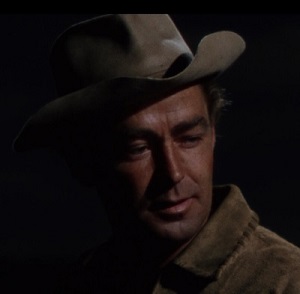
Fourth Runner Up: Alan Ladd as Shane (1953)

LaddCowboy-Shane
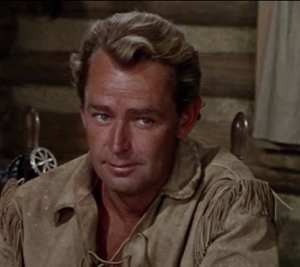
Shane is meant to be dark and mysterious. Alan Ladd could be a disturbing, haunted character, and he nails the cowboy’s reticence, humility, reserve. But I couldn’t see in him the forbidding man who managed to overcome my eighth-grade reluctance to read a western. When the teacher showed the film in class, I remember my fury: Come on. We’re not casting for New Kids on the Block here! (i.e., One Direction for you youngsters). Admittedly, the hairstyle and clothing designers didn’t help:

LaddasShane
In the battle between him and the bad guy, played by Jack Palance, I am so distracted by that pretty face that I’m sure the gunman would be too.

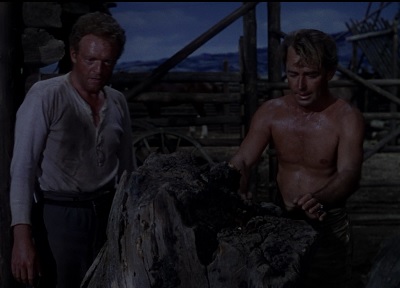
This casting decision also tainted the almost-romance between him and Marian (Jean Arthur). In the book, she is so drawn by his strength of character that she can’t help developing feelings for him. But in this film, it was hard not to believe Marian just found him hotter than her husband, Joe (Van Heflin).

HeflinandLadd-Shane

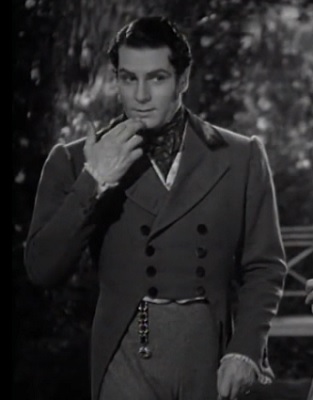
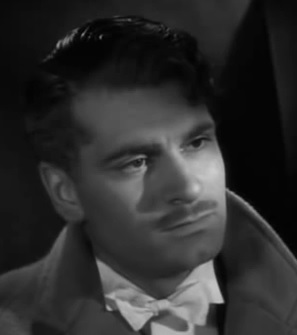
Third Runner Up: Lawrence Olivier as Darcy in Pride and Prejudice (1940)

OlivierasDarcy
Lawrence Olivier is a good Maxim de Winter in Rebecca. The character is described as aristocratic and cold, like a painting of a fourteenth-century nobleman: “His face was arresting, sensitive, medieval in some strange explicable way….Could one but rob him of his English tweeds, and put him in black, with lace at his throat and wrists, he would stare down at us in our new world from a long distant past…” Olivier fits this description perfectly; in fact, he always seems most at home in period dramas.

OlivierRebecca
But when it comes to bringing to life the imposing Fitzwilliam Darcy, this short Englishman looks too much like a toy soldier to me. I don’t see him as gathering all eyes due to his “fine, tall person, handsome features, noble mien.” There needs to be some rugged in Darcy’s handsome, and delicate Olivier doesn’t cut it. I see this actor as the snob cutting down a girl for wearing thrift store clothes, not a man whose very presence could intimidate a woman as sassy as Elizabeth Bennett.

 Second and First Runners Up: Joan Fontaine as Mrs. de Winter in Rebecca (1940) and Jane Eyre (1943)
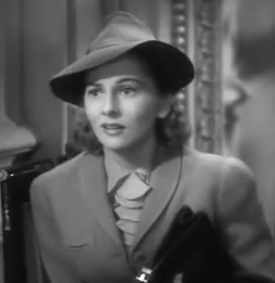
Given, the narrator in Rebecca is a very humble sort, unlikely to recognize her own charms. And Fontaine’s looks are less sexy than those of the striking Anjelica Huston type I always imagined Rebecca to be. But she certainly doesn’t appear to be the mousy, flat-haired woman she’s described as in the book:

FontaineinRebecca
A girl this lovely surely would have gotten more attention from Mrs. Van Hopper’s friends. For the story to work, she needs to have been belittled and underestimated throughout her life, and I’m just not buying it. Does Fontaine capture the hesitancy and insecurity of the wife? Absolutely. Did the filmmakers try to tone down her considerable looks through makeup and hair style? Yes. Did I ever forget those looks enough to believe her as Mrs. de Winter? Not at all.

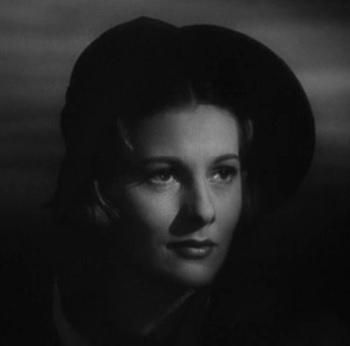
While the choice of Fontaine for Rebecca was a poor one, the decision to make her Jane Eyre was far worse. There’s no way a woman this ravishing would ever utter these famous lines to her love (bolding mine): “Do you think, because I am poor, obscure, plain and little, I am soulless and heartless? You think wrong! – I have as much soul as you, – and full as much heart! And if God had gifted me with some beauty and much wealth, I should have made it as hard for you to leave me, as it is now for me to leave you!”

Yeah, this woman looks plain:

FontaineJaneEyre
All of us less-than-beautiful little readers out there were thrilled to discover in Jane a heroine who wasn’t gorgeous but was strong-willed, proud, passionate. Too bad Hollywood doesn’t get that ordinary girls like their heroines to look like they do…..

Winner: Lana Turner as Marianne in Green Dolphin Street
Of all the silly selections I’ve listed, the most ludicrous by far is this one, especially since the film’s preview made a bold claim that it had not altered the source material:

TitleSlideGreenDolphin
Let’s see if you agree with MGM’s statement. In the novel, two sisters, Marianne and Marguerite, fall for the same guy, William (Richard Hart). He adores Marguerite, the sweet, gentle beauty (Donna Reed).

DonnaReedandRichardHart
After moving to New Zealand, he sends for the sister he wants for his bride, but instead of writing the name of his girlfriend, Marguerite, in his proposal letter, he writes Marianne instead because he’s drunk and kind of an idiot. To his shock and dismay, he’s stuck with marrying his love’s prickly, smart, unattractive sibling, portrayed by this actress:

LanaTurnerinPostman2
’Cause when I’m trying to come up with the gal all the boys choose girls-next-door over, Lana Turner is first on my list. Of course, the movie changed the plot a bit to make this casting choice look a bit less ridiculous. But since the reader likes Marianne in part because she’s so much more than she seems to outsiders, this va-va-voom choice doesn’t exactly convey novelist Elizabeth Goudge’s meaning.

And there you have it. My choices for actors and actresses far too pretty for their roles. What are yours?

Share
Posted in: 1940s films, 1950s films, Drama (film), Humor Tagged: Alan Ladd, Green Dolphin Street, Jane Eyre, Joan Fontaine, Lana Turner, Lawrence Olivier, Rebecca, Shane

For Gone Girl Fans, A Fascinating She-Did, She-Didn’t Thriller

10/06/2014 by leah@carygrantwonteatyou.com 2 Comments

I’ve been wanting to see Gone Girl, but the laryngitis-respiratory infection cocktail I’ve got right now means that I would be an object of fear and distraction to fellow film goers, so I had to settle for an alternative. What film, I wondered, might employ a similar ambiguity about whether or not a spouse is a murderer? What other film might tell a tale of an unhealthy romance that might or might not have sinister roots or results? The answer: Daphne Du Maurier’s My Cousin Rachel. The film, starring Olivia de Havilland and a very young Richard Burton, never reached the fame of The Birds or Rebecca, but has a similar eerie draw, and (for me at least) lingers longer than either.

Young Philip has been raised by his cousin, Ambrose (John Sutton), and the two are comfortable together in their picturesque Cornish town until Ambrose’s illness leads to their first separation—a trip to Italy. There, Ambrose discovers and falls for their distant cousin, Rachel. Before Philip can adjust to this change in his life, a more somber situation develops: Ambrose is nearing death, and blames his wife for it, claiming she’s trying to do him in. Is his condition the result of a brain tumor, or is it poison?

Femme fatale, yes, but is she a murderer?

Femme fatale, yes, but is she a murderer?

A heartbroken Philip (Burton) travels to Italy to uncover the mystery after his cousin’s death. Since all of the estate goes to him, not the wife, Philip might assume things are as innocent as those in Italy suggest, but the circumstances seem shady, and he’s ready to turn Rachel over to the hangman—that is, until he meets her.

IntroMyCousinRachel
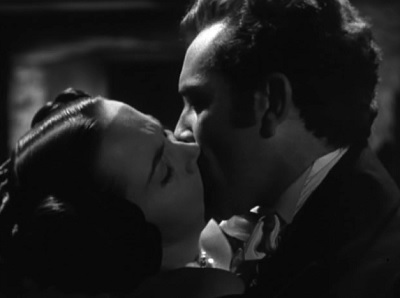
Of course, she’s charming, affectionate, worldly, and experienced, and within no time, is hosting gatherings at Philip’s place and then, well, what repressed English boy could resist this cougar?

KissingMyCousinRachel
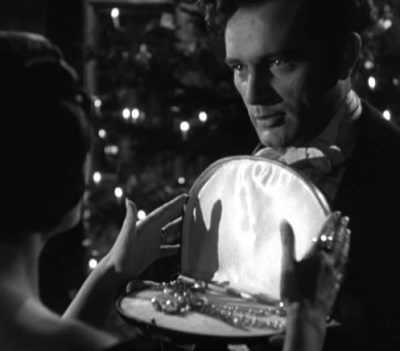
Before long, Philip’s giving her the family jewels from the vault—which aren’t his yet, as he doesn’t get the estate till he’s 25, his guardian reminds him.

GiftsMyCousinRachel
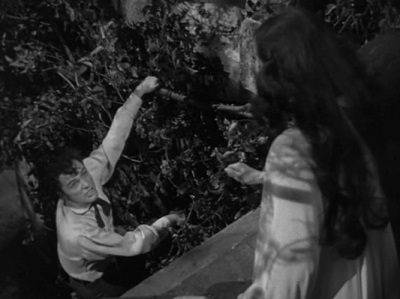
Also, a generous allowance he’s given Rachel? Yes, she’s overdrawing it—by a lot. Philip doesn’t worry. He’s in love! She deserves everything that’s his. He’ll just give his whole estate to her, announcing it Romeo-style on his birthday.

BalconyMyCousinRachel
She, in thanks, gives him more than kisses. In Philip’s world, this means she’s going to be his wife. In Rachel’s? Not so much. Philip, whose stupidity and naiveté know no bounds, doesn’t take this well, even starts strangling her. She ends their romance, whether because of his actions, or because with the money, she has no motive to seduce him any longer.

Soon after, Philip falls dangerously ill and finds some seeds that may have been the cause of his brother’s illness—and his.

What happens next I won’t reveal, but let’s just say that the evidence for and against Rachel’s guilt about even out, leaving the viewer to wonder the whole film (and book).

This was my first viewing of the film, and it stays quite true to what I remember of the novel. But viewing it as an adult, I noticed some details I’d missed before. Yes, she may be a murderer, or she may not be, but even if she didn’t try to kill either lover, exactly how wrong and/or inadvisable is Rachel’s behavior? I have some advice for Rachel, which, of course, comes a tad bit late:

Some spoilers ahead—though not the ending.

Never Seduce Crazy
It’s not hard to miss just how big of a dolt this Philip is, so even if she weren’t after his money, seriously, is this someone you seduce? I mean, he’s cute and all, but he’s obsessive. This is a textbook case of a stalker-in-the-making if ever I saw one. Surely a woman as confident and assured as this one knows a case of insane puppy love when she sees it. I’ll alter one of my favorite Arrested Development lines– “Never promise crazy a baby”—to Never seduce crazy. I kept wanting to warn Rachel away: Don’t kiss this fool. He’ll be sending out your wedding invitations next.

Remember: Virginal Boys Don’t Understand Samantha Jones Ways
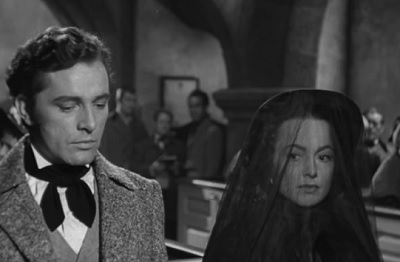
If Rachel just kinda forgot that those in repressed English villages don’t act like her cosmopolitan friends, shouldn’t that church moment when she arrived late have given her a clue?

ChurchRepressionMyCousinRachel
She’s so shocked Philip thinks they’re going to marry after they have sex, but would anyone in this community think otherwise? Remember when Samantha Jones hooked up with the inexperienced college boy on Sex and the City who shared her name?

Didn’t turn out so well, right? Filled up her answering machine with love-yous. Arrived at her door screaming through the peep-hole.

OtherSamJonesSexandCity
That’s Philip for you.

Don’t Marry the Guy Whose Regular Expression Looks Like This:

RichardBurtonfreakingout
Whatever her motives or knowledge, Rachel is absolutely right not to marry this dude. I can just see it: She tries to hang out with her friends, and he’s there, watching. She leaves the house and he’s hiring private detectives. This woman has lived on her own, experienced an unusual degree of freedom for a woman of her time, and he doesn’t even want her to return to Italy—ever. She may make some dumb mistakes, but Rachel is not that foolish.

Don’t Live with the Stalker after You Ditch Him
Why does Rachel remain in the house? Yes, I can understand for appearance’s sake, she might stay a little after the inheritance is given to her. But this is one angry guy. And, of course, dangerous as he fears she is, he’s the one going for the throat when he doesn’t get his way.

Strangling-MyCousinRachel
But….

Did she do it? Did she poison her husband?

She has suspicious ways. Rachel’s spendthrift tendencies, of course, are undeniable. This woman loves the money. Whether it’s to help her pal-maybe-lover back in Italy or not, she takes whatever anyone will give her with no regrets. It’s not hard to believe her gold-digger impulses brought her to England in the first place, and those motives seem sinister enough that she may have just killed for them.

Of course, it’s possible that she did love Ambrose, and wanted to meet his cousin. I’m not sure I buy that the one precludes the other. I don’t have to admire her greed, but I don’t have to believe that’s all there is to her either.

It’s the ambiguity I love about the film. Hopefully, Gone Girl is just as good (no spoilers on that, please!)

Share
Posted in: 1950s films, 1990-current films, Anti-Romance films, Femme fatales, Film Noir/Crime/Thriller & Mystery, TV & Pop Culture Tagged: Daphne du Maurier, Gone Girl, My Cousin Rachel, Olivia de Havilland, Richard Burton, Samantha Jones

Being a Princess Would Suck: Roman Holiday

09/18/2014 by leah@carygrantwonteatyou.com 6 Comments

Like most girls, I was born wanting to be a princess, though I preferred Belinda from The Practical Princess to helpless Cinderella. Unlike for many of my peers, this desire ended quite early for me. The wedding of Princess Di lasted far too long for my attention span, and what was up with that poofy dress and that decidedly not Barbie-like haircut?

Even had Diana worn the kind of clothes I preferred at six, I knew her kind of life wasn’t for me. For a shy kid who dodged from view, that much limelight looked terrifying and—even worse—dull.

linesAudrey
It’s hard to ignore the tedium of official duties when you’re the daughter of a principal. “Are we going to be last AGAIN?” I used to whisper to my sisters at the high school concert’s or play’s conclusion as I shuttled between the mothers talking kids and fathers spinning funny stories and finally glared at that last soul who hadn’t noticed that my family and he had been the only ones there for the past hour.

Perhaps that’s why whenever Kate Middleton is shot in another gorgeous dress or chic hat, I always look past it to the caption, to see what tiresome event she wore it for. I like viewing the pretty dresses in princess films still today, but I’m far more interested in the conflicts the heroine has to endure.

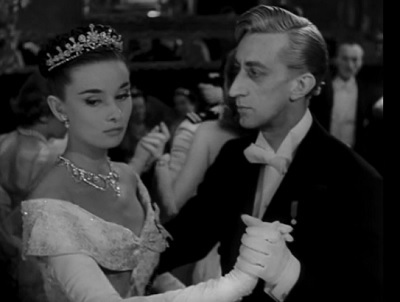
Audreydancing
In The Prince and Me, when Paige, Julia Stiles’s character, balks at the many rules of royalty, the queen claims jewels are compensations, and the camera rests on a feast of diamond and emerald. “Yeah,” I remember thinking when I saw it, “maybe for the first twenty minutes.” Because after enduring the 200th ribbon-cutting ceremony in honor of something I’d never heard of; choking through fussy, elaborate dinners while wearing Spanx; watching yet another stream of dull important people approaching me I’d have to pretend were interesting, like some sick replay of my worst date; I’d be handing that tiara to the gal next to me and high-tailing it to Vegas.

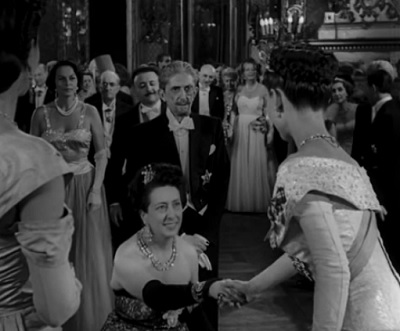
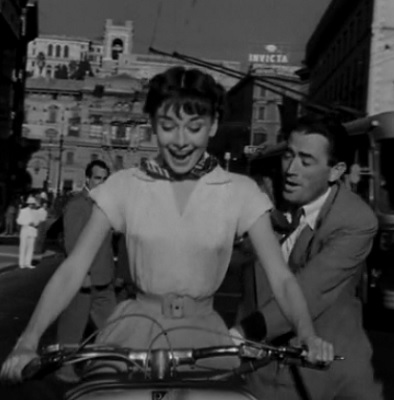
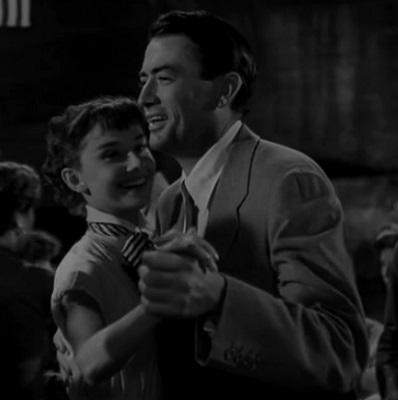
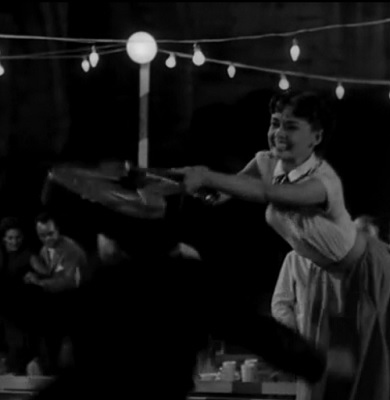
Perhaps that’s why Roman Holiday is my favorite of all princess films, a story about the glamour of everyday joys rather than balls, the excitement of the release from royalty. The film begins with Princess Ann (Audrey Hepburn) trying not to yawn through yet another official ceremony on her goodwill tour, and scandalously kicking off her tight heel, which her retinue quickly finds a way to conceal.

In response to her schedule for the next day, Ann rehearses her answers, her boredom coming through in every line: “Thank you, no thank you.” And which speech she’ll have to give, such as one of her regulars, “Youth and Progress.” Her frustration with all the routine soon leads to a nervous attack, a sedative, and her escape to play hooky in Rome, sans her identity or attendants. She meets handsome reporter Joe Bradley (Gregory Peck) as she wanders. He soon discovers her identity and plans for a scoop on the princess’s “holiday.” Oblivious to his discovery, she simply enjoys herself, and he, of course (this is Audrey Hepburn, after all) does too.

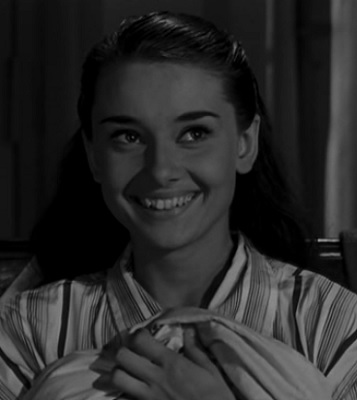
Everyday joys soon elevate the princess’s spirits from frustration to exuberance. Just look at that smile as she goes about the city…

Meeting a guy in nonofficial capacity...in PJs

Meeting a guy while in PJs

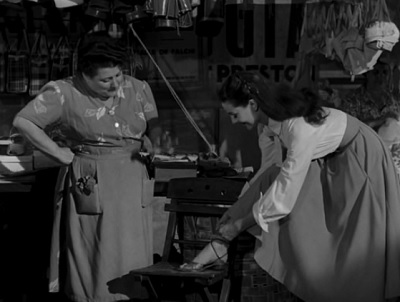
Shopping for sandals

Shopping for sandals

Getting a haircut

Getting a haircut

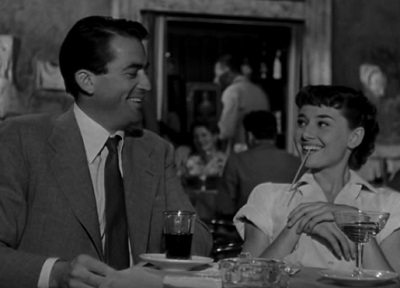
Drinking champaign for breakfast (Hepburn with Peck)

Drinking champaign for breakfast (Hepburn with Peck)

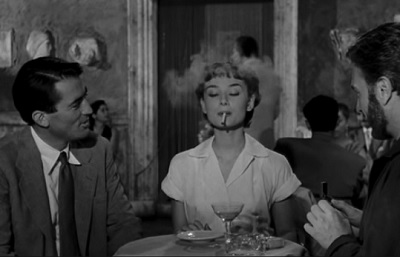
Trying what's forbidden... (with Peck and Eddie Albert as the adorable photographer)

Trying what’s forbidden (with Peck and Eddie Albert as the photographer)

Driving around....

Driving around….

Falling for a regular guy (if you can call Peck that)

Falling for a regular guy (if you can call Peck that)

Causing a ruckus

Causing a ruckus

Compared to such pleasures, what are designer gowns and crown jewels?

Share
Posted in: 1950s films, 1990-current films, Humor, Romantic Comedies (film), TV & Pop Culture Tagged: Audrey Hepburn, Gregory Peck, Kate Middleton, princess films, Roman Holiday, The Prince and Me

A Strange Mess: Mister Roberts

07/10/2014 by leah@carygrantwonteatyou.com 15 Comments

This is a contribution to the John Ford blogathon sponsored by Christianne Benedict at Krell Laboratories and Bemused and Nonplussed. Check out all the marvelous entries!

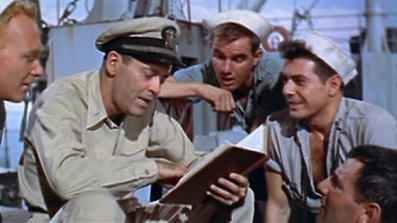
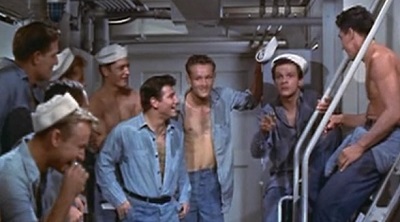
Punching his leading man. Drinking on the set. Quitting the production after being hospitalized. The tales of John Ford’s behavior on Mister Roberts aren’t pretty, and neither is the film. While some of its flaws can be blamed on its having multiple directors, the failures of Mister Roberts are largely a result of Ford’s decisions. The film is a bizarre mishmash of styles, moods, and genres, full of pointless shots and ludicrous acting. The fact that it was a success rather than a flop is likely due to the stellar performances of three of its stars, Henry Fonda, William Powell, and Jack Lemmon; if you love these three actors, as I do, watch the movie. The scenes between the three of them are compelling. If you don’t, avoid it, for the film is not quite bad enough to be camp, but comes awfully close.

Robertsandcrew
The film is about Roberts’ (Henry Fonda’s) efforts to get into combat in WWII, efforts that are squashed by his cargo ship captain, played by James Cagney. The crew love Roberts for his rebelliousness and his sympathy for their needs. The story is meant to be both moving and comic, but succeeds at neither thanks to Ford’s odd direction. Had I not known that this legend was at the helm, I would have guessed a newbie was having trouble distinguishing between stage and screen. Yes, Mister Roberts was a play, but that doesn’t explain why the crew in the film are practically shouting, or why their hamming reaches such preposterous levels that you have the feeling they’re always gathering to sing a song.

crew2
When they don’t, you feel vaguely uncomfortable, like when a stand-up comedian’s punchline falls flat. What’s even more puzzling is that you can almost see “exit left” printed on the screen because when figures leave the group, the others act as if they’re no longer in earshot. The transitions throughout the film feel forced, with odd shots of ocean and ship that neither advance the narrative, nor contribute to the mood, and the score seems slightly off the entire time.

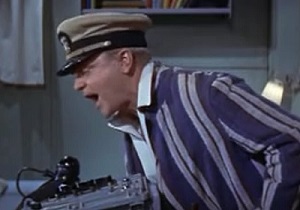
The choice to have James Cagney, who plays the villain of the film, act as if he’s starring in a camp masterpiece was also ill advised. Look, I love my camp. Brainsmasher: A Love Story is one of my favorite movies. But a film doesn’t work when half your cast is taking themselves seriously, and the other acting as if they’re auditioning for a Mystery Science Theater special. Cagney has talent, but you wouldn’t know it from this film. I kept wishing he’d disappear from the screen so that I could stop being embarrassed for him. A character can be ludicrous but still menacing, but Cagney’s bluster in Mister Roberts is merely a caricature of his earlier, meatier roles.

James Cagney as the cruel captain

James Cagney as the cruel captain

And try to forget the depiction of the islanders as soon as you see it. For a moment when I watched them approach the cargo ship in canoes, I thought, Battle!!!

Fordsislanders
I have the feeling that’s what Ford thought too, as it’s one of the few shots that worked in spite of its genre confusion and absurdity. Unfortunately, he moves from there to regular stereotypes:

islanderscloseupFord
Unfortunately, these scenes didn’t have the charms of camp portrayals, such as one of my favorites, the underappreciated parody Joe vs. the Volcano, in which the islanders are all obsessed with orange soda.

Joevsvolcano
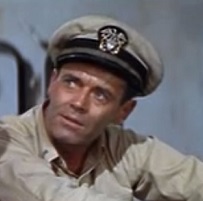
But when Fonda is on the screen, you forget how bad Mister Roberts is. Ford made many mistakes, but his stubbornness in demanding Fonda over the studio’s preferences, Marlon Brando and William Holden, almost outweighs all of his poor choices. In a better movie, this performance could have won Fonda the Oscar, just as he won the Tony for it on the stage.

Fonda
He plays Roberts with such understated dignity, humor, and pathos. Watch his easy leadership of the crew, his posture demonstrating how naturally he takes charge. Witness his subtle deflation once he sacrifices his own ambitions for the sake of that crew. I have never seen Fonda so good in anything. How hard it must have been for him, to have the role that meant so much to him undermined by his own director.

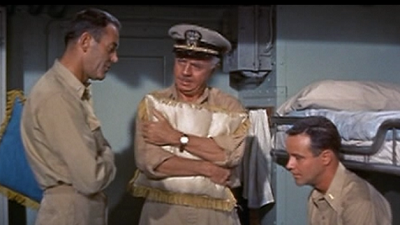
Luckily, there are multiple scenes with Fonda, Lemmon, and Powell.

Henry Fonda, William Powell, and Jack Lemmon

A perfect combination: Henry Fonda, William Powell, and Jack Lemmon

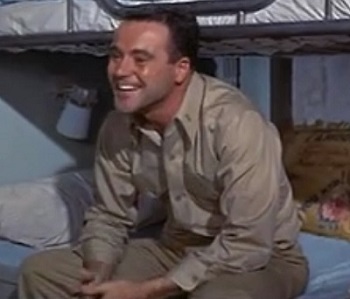
With the crew absent and only a room as background, the three show you what a film this could have been. Lemmon’s performance won him the Oscar. He’s riveting as a cowardly, lazy, sex-crazed ensign who has the potential to be so much more.

Lemmon
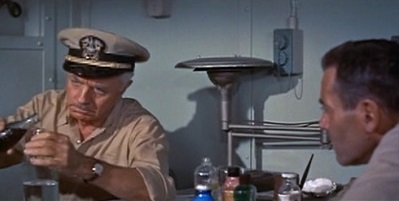
And how do you beat the joy of watching Powell create fake whiskey with utter seriousness, or recount the fake injuries of his crew when they’re avoiding work?

powellandfondawhiskey
As Doc, Powell plays the wise older man with utter perfection. While the film might not have deserved him, it’s truly a wonderful last Hollywood role, and the three have amazing chemistry.

To what extent Ford is to blame for the film’s flaws and not his co-director, Mervyn LeRoy (who was also assisted by Joshua Logan, the play’s cowriter and director), is impossible to exactly determine. But unless he ONLY directed the scenes with Powell, Lemmon, and Fonda, Ford was right to be embarrassed by it.

It’s a good thing he followed it up with one of his masterpieces.

Don’t forget to check out the other John Ford entries in the blogathon!  

Share
Posted in: 1950s films, Action & Sports Films, Blogathons, Comedies (film), Drama (film) Tagged: Henry Fonda, Jack Lemmon, Joe vs. the Volcano, John Ford, Mister Roberts, William Powell

The Moment I Fell for Thelma Ritter

06/12/2014 by leah@carygrantwonteatyou.com 6 Comments

I feel comfortable with those who are generous with sarcasm. My dad is a smartass, my sisters, my aunts, my best friend, my husband. Not surprisingly, most of my favorite female performers share this trait in their films, including flawless character actress Thelma Ritter.

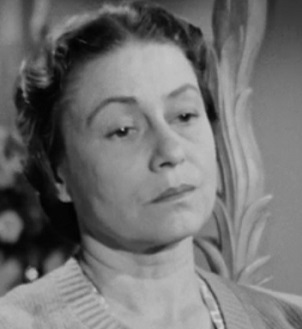
ThelmaRitter-Eve
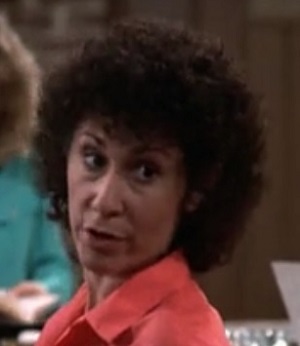
Ritter was nominated for six supporting actress Oscars, four of which were in succession; she elevated the quality of any film she was in with her seemingly effortless realism and deadpan humor. She reminds me, in fact, of an old favorite of mine, Rhea Perlman, aka Carla in Cheers, who shares Ritter’s understated style and tendency of deflating the egos and pretensions of the characters around her.

Perlman as Carla

Perlman as Carla

Once I fell for Ritter, I picked out films just because she was in them, including Pickup on South Street, in which she plays the finest of the roles I’ve managed to catch: a haunting turn as lovable police informant Moe Williams.

Moe Williams (Ritter)

Moe Williams (Ritter)

But it’s Ritter’s more lighthearted role as Birdie in All about Eve that first captivated me. Stage star Margo Channing (Bette Davis) has just met her biggest fan, Eve Harrington (Anne Baxter). Asked to share her story, Eve gives a litany of sad, intimate details about her life. Baxter’s delivery is stagey, and I find myself flinching every time I see the scene. The actress’s melodramatic style throughout the film is what my sisters always accuse classic film stars of practicing, and while theatrics make sense for her character, that doesn’t mean they’re easy to witness.

But it’s not just Baxter’s acting that makes me uncomfortable. While I know not everyone would find Eve’s hard-luck tale emotionally manipulative, I tend to believe one’s biggest traumas should not be shared on first acquaintance. (Don’t believe me? How much did you enjoy that oversharer on your first date with him/her?)

The usually cynical Margo (Davis) feels differently. She’s moved in spite of herself by Eve’s narrative, and pulls out a handkerchief to wipe tears away. Her assistant, Birdie (Ritter) looks pensive, seemingly ready to utter sympathy as well. “What a story,” she says. “Everything but the bloodhounds snapping at her rear end.”

ThelmaRiver-hounds
Ritter draws out the line rather than expressing it as a quick rejoinder, as other comedians/comediennes would have. The result is that Birdie seems to be thinking through her slam as she says it. Hysterical. This unexpected but natural delivery is typical of every performance of Ritter’s I’ve seen.

Her character’s no-nonsense approach to life in the film makes viewers suspect that her instincts are the ones to trust. Everyone else loves Eve. Everyone else trusts Eve. But we audience members have already seen that the other characters are taken in by flattery, and thus are more gullible than they initially seem.

But Birdie? Birdie we can trust.

And that’s how I feel about Ritter, why I fell so hard for her after this line delivery, and in every movie I’ve seen her in since. I don’t know in advance how other actors/actresses will perform in films with her. I can’t be certain whether they’ll impress or disappoint. But Ritter’s is the kind of excellence I can always expect.

(This is part of my series on moments that led me to fall for a performer. I hope you’ll share some of yours!)

Share
Posted in: 1950s films, Comedies (film), Drama (film), The Moment I Fell for, TV & Pop Culture Tagged: All about Eve, Carla, Cheers, sarcasm, Thelma Ritter

Like Liz Lemon’s Sugarbaker Meltdown? See Bette Davis in All about Eve

03/20/2014 by leah@carygrantwonteatyou.com Leave a Comment

I always love a comedic meltdown, and 30 Rock‘s Liz Lemon (Tina Fey) is brilliant at them. In one of my favorite episodes, The C Word (Season 1, Episode 14), Lemon tries to earn a reputation as a nice boss by spoiling her staff. Of course, her subordinates quickly exploit her kindness, resulting in an all-nighter to finish their work and one of my favorite breakdowns of all time: Lemon forces her employees to watch a Designing Women episode she taped at 5:30 a.m., hoping to channel Julia Sugarbaker’s (Dixie Carter’s)  strong-willed feminism, but succeeding only in destroying the tape and breaking into hysterics.

LizLemonenraged

Like in a later episode’s meltdown (Season 1, Episode 17), when Jack Donaghy (Alec Baldwin) says Lemon has “gone chicken killer” on him, Fey plays the moment perfectly. I am a Designing Women fan as well, but if Lemon really wanted to see histrionics for the ages, she should have put All about Eve into her VCR instead.

In the film, theater star Margo Channing (Davis) has been generous to her one-time fan, now employee, Eve (Anne Baxter), whom she finds destitute at the start of the story. But slowly, Margo begins to question Eve’s loyalty. Once she suspects Eve of flirting with her boyfriend, Bill (Gary Merrill), Margo begins insulting everyone, essentially sabotaging her own party for him, and it’s hilarious to watch. Early in the night, her friend (the gifted Thelma Ritter) asks, “And there’s a message from the bartender. Does Miss Channing know that she ordered domestic gin by mistake?”

“The only thing I ordered by mistake is the guests,” answers Margo.

And the party’s just the beginning.

BetteDavisenraged

If you want to see rage done right, you can’t do better than Bette Davis, and with a script this perfect, there’s no holding her back. As Addison DeWitt (George Sanders), the drama critic, says about Margo’s increasingly bad behavior as the party progresses, but could just as easily have characterized Davis’s entire performance in the film, “You’re maudlin and full of self-pity. You’re magnificent!”

Share
Posted in: 1950s films, Comedies (film), TV & Pop Culture Tagged: 30 Rock, Bette Davis, humor, Liz Lemon, Tina Fey
« Previous 1 2 3 4

Recent Posts

  • 100 Years Later, Still Scary: Dr. Caligari
  • Escaping Out of the Past (1947)
  • A Weeper for Those Who Love Jerks
  • Thank You, Academy, for Not Infuriating Me
  • Challengers (2024) Is a Bad Movie

Subscribe to Blog via Email

Enter your email address to subscribe to this blog and receive notifications of new posts by email.

Categories

  • 1920s films
  • 1930s films
  • 1940s films
  • 1950s films
  • 1960s films
  • 1970s films
  • 1980s films
  • 1990-current films
  • 2020s films
  • Action & Sports Films
  • Anti-Romance films
  • Blogathons
  • Childfree
  • Comedies (film)
  • Drama (film)
  • Feminism
  • Femme fatales
  • Film Noir/Crime/Thriller & Mystery
  • Gloriously Silly Scenes
  • Horror
  • Humor
  • Mae West Moments
  • Musicals and dancing films
  • Oscars
  • Random
  • Romance (films)
  • Romantic Comedies (film)
  • The Moment I Fell for
  • Turn My Sister into Classic Movie Fan
  • TV & Pop Culture
  • Uncategorized
Share
Classic Movie Blog Hub Member

Recent Comments

  • leah@carygrantwonteatyou.com on Meg Ryan’s Fate Foretold in Joe Versus the Volcano
  • Ryan on Meg Ryan’s Fate Foretold in Joe Versus the Volcano
  • leah@carygrantwonteatyou.com on 100 Years Later, Still Scary: Dr. Caligari
  • The Classic Movie Muse on 100 Years Later, Still Scary: Dr. Caligari
  • leah@carygrantwonteatyou.com on 100 Years Later, Still Scary: Dr. Caligari

Archives

  • November 2025
  • September 2025
  • May 2025
  • March 2025
  • January 2025
  • November 2024
  • August 2024
  • July 2024
  • May 2024
  • March 2024
  • February 2024
  • December 2023
  • November 2023
  • October 2023
  • September 2023
  • August 2023
  • July 2023
  • May 2023
  • April 2023
  • March 2023
  • January 2023
  • December 2022
  • November 2022
  • September 2022
  • July 2022
  • May 2022
  • April 2022
  • March 2022
  • February 2022
  • October 2021
  • September 2021
  • April 2021
  • March 2021
  • February 2021
  • December 2020
  • October 2020
  • September 2020
  • July 2020
  • May 2020
  • April 2020
  • March 2020
  • February 2020
  • December 2019
  • October 2019
  • September 2019
  • June 2019
  • May 2019
  • April 2019
  • February 2019
  • January 2019
  • November 2018
  • September 2018
  • July 2018
  • June 2018
  • May 2018
  • April 2018
  • March 2018
  • February 2018
  • January 2018
  • November 2017
  • September 2017
  • August 2017
  • July 2017
  • June 2017
  • May 2017
  • April 2017
  • March 2017
  • February 2017
  • January 2017
  • December 2016
  • November 2016
  • October 2016
  • August 2016
  • July 2016
  • June 2016
  • May 2016
  • April 2016
  • March 2016
  • February 2016
  • January 2016
  • December 2015
  • November 2015
  • October 2015
  • September 2015
  • August 2015
  • July 2015
  • June 2015
  • May 2015
  • April 2015
  • March 2015
  • February 2015
  • January 2015
  • December 2014
  • November 2014
  • October 2014
  • September 2014
  • August 2014
  • July 2014
  • June 2014
  • May 2014
  • April 2014
  • March 2014
  • February 2014
  • January 2014

Meta

  • Log in
  • Entries feed
  • Comments feed
  • WordPress.org

Copyright © 2025 Cary Grant Won't Eat You.

Church WordPress Theme by themehall.com