Cary Grant Won't Eat You

Classic movies for phobics

  • About
  • eBooks
  • Previous Blogathons
Classic movies for phobics

1950s films

Books that Make Bad Films: My Cousin Rachel
04/03/2020 by leah@carygrantwonteatyou.com 10 Comments

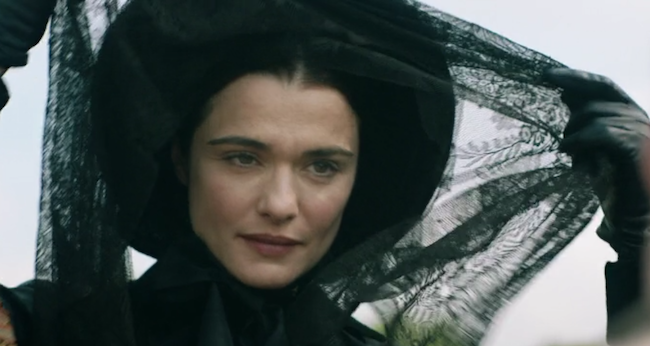
I had hopes for My Cousin Rachel (2017). I don’t know why. I’d already discovered–despite my enjoyment of the 50s version–that the book wouldn’t translate well to film without a big overhaul. I guess I hoped a director smart enough to cast Rachel Weisz in the key role would know to make such changes. (She had added complexity to Definitely, Maybe for crying out loud. Who better to take on the mysterious, unreadable Rachel?) But within minutes, it was evident this director of slight rom-coms lacked the imagination to even equal the previous film’s quality. The 2017 take is incomprehensible, just short of laughably bad. I had flashbacks of Season 3 of Bloodline. What the ksljfkjslkfj! is even going on?

***Mild spoilers–I won’t give away the end. Here’s the plot: a sheltered young man, Philip, is taught to hate women by his cousin/foster father Ambrose. He discovers his cousin has fallen in love with and married a woman while abroad in Italy. Philip’s jealous, angry, anxious. Then he receives strange letters indicating Ambrose is afraid of his wife and quite ill. On arriving in Italy to save his beloved cousin, Philip discovers him dead, with shady characters delivering the news.

Back home in England, he vows revenge on the widow, just on time for her arrival for a visit. The story takes off from there, as Philip falls for the widow and acts completely besotted right away.

Unfortunately, he can’t determine whether Ambrose died of a brain tumor (making his suspicions delusions) or by his wife’s hand. Is the widow just mercenary in this visit, trying to get her late husband’s estate by wooing Philip? Or is she an independent woman who means well but is reluctant to yoke herself to a silly boy who can’t distinguish between sex and marriage? And regardless of which she is, is that dreaded tea she’s making poisonous? And when he’s ill, will she help Philip get well, or attempt to slowly kill him off?
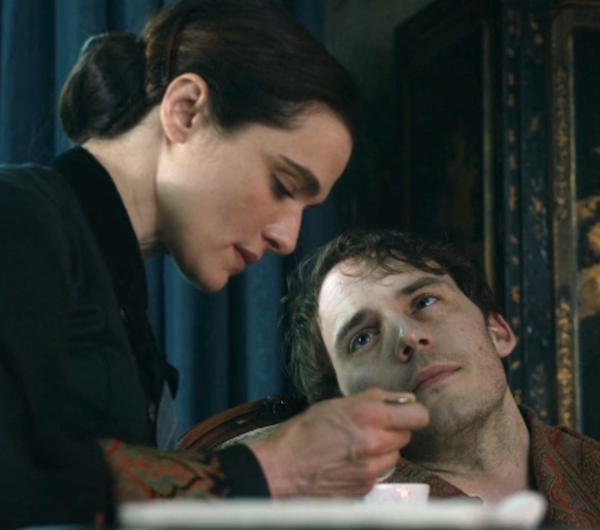
The lure of the book is the constant back and forth of the reader’s (and Philip’s) suspicions about whether she’s a killer. The did-she, didn’t she is brilliantly developed by Du Maurier. Philip, the narrator, is, by any definition, a dupe. Suspecting Rachel as he does, offering her all of his worldly possessions because she smiles at him isn’t exactly a bright move. What redeems the narrator for the reader is that he’s telling this story AFTER THE FACT, and we understand he’s not quite so foolhardy now. We also get inside his head, understanding why he trusts when he does. We also know more of the sheltered background that explains (as it turns out) his dangerous lack of experience with women. How else could we understand his dogged pursuit of a woman who is not attracted to him?

Without this context, the narrator comes across on film as not only unlikable, but unhinged. In the 1952 version, he acts like a dangerous stalker after Rachel stops allowing his seductions.
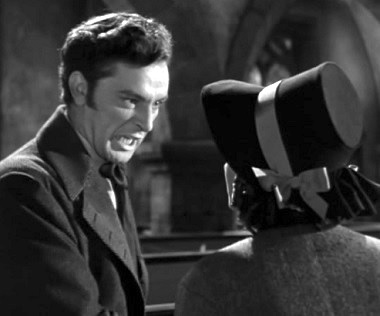
Luckily, the role is played with such relish by Richard Burton that you enjoy it even as you know the book’s intent has been completely overthrown. (Philip HAS to be the enemy, with behavior like this.) In the 2017 version, far less ably played by Sam Claflin, Philip is so pathological in his pursuit of Rachel that you see her possible poisoning of him as an act of self-defense. How else can she ensure he won’t kill her, he’s so obsessed? That attack on her throat is just the beginning!

With this upending of villain roles, the did-she, didn’t-she becomes, “Who cares what you did, lady. RUN!!” I don’t have a problem with changing a book’s focus, but as it turns out, that uncertainty about Rachel was also the narrative’s greatest appeal. Without it, we’re stuck watching an unlikable dupe turn into a psycho, which isn’t interesting viewing. I also don’t think voiceover from Philip would have worked; the story needs more nuance and he’s not intelligent enough to provide it.

As I see it, the only way of salvaging the story on film was to change the lead. What about his godfather’s daughter, who likes Philip for some unaccountable reason? We’d see Rachel’s behavior more clearly from her eyes; she may be biased, but she’s perceptive. Again, no need for voiceover, but she’d notice different details, like Rachel’s manipulative ways. (Though let’s stop the anachronisms, please, 2017 version; I can’t see this young lady frankly talking about homosexuality with Philip.) Or what about the godfather as the lead? He’s protective and smart.

Or you could go full-tilt into unreliable narrator mode, and make Rachel–the most interesting character–the lead. She could be like the riveting James Cain narrator in The Cocktail Waitress. With Rachel, I wouldn’t even mind a bit of voiceover.

It’s funny that the 2017 version completely dropped the notion that Rachel was foreign in her ways—and yet that foreignness helps explain her greater independence, her unknowability to Philip, and her tenuous status in the community (who, like Philip, are a bit entrenched in their xenophobia and rigid biases).
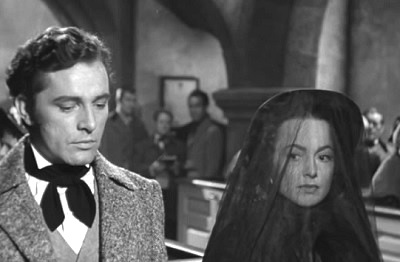
And it also helps show her confusion. She’s lived a cosmopolitan life in Italy, and Philip’s (and his community’s) rigid morals about sexuality don’t make sense to her. With more of her character unfiltered through Philip’s perspective, we viewers might come to understand her better.

As it is, the 1952 version is entertaining at least. The 2017 version, alas, is not, with Claflin making even histrionics dull to watch. Only some pretty cinematography redeems it at all. The 2017 version adds a dumb ending and strips away much of the questioning of Rachel’s motives. Rachel seems delicate rather than arch at all times and her character is so terribly underdeveloped that Weisz–for once–is tedious to watch. View the 1952 version for Burton’s high drama and Olivia de Havilland’s riveting confidence as Rachel. But if you love the book, be prepared for disappointment: your beloved psychological thriller is now a crush-gone-bad procedural.

This post is part of the Classic Literature On Film Blogathon, hosted by Silver Screen Classics. Check out all the great posts!

Share
Posted in: 1950s films, 1990-current films, Anti-Romance films, Blogathons, Femme fatales, Film Noir/Crime/Thriller & Mystery Tagged: My Cousin Rachel, Olivia de Havilland, Rachel Weisz, Richard Burton, Sam Claflin

Classic Feel-Good Movies for Shut-Ins

03/19/2020 by leah@carygrantwonteatyou.com 8 Comments

So you’re shut in and feeling glum. Watching the news isn’t good for your blood pressure. So put away those updates for few hours, cut off that cable news, and melt into these classics. They’ll make you smile.

The More the Merrier. You know what’s interesting to watch when you’re feeling isolated? A film about a city being overcrowded. Makes you appreciate the (comparative) quiet and helps you see what enterprising (OK, a bit pushy!) folks do when they’re in a tough spot. More importantly, this is THE most romantic film ever, and so funny. If Jean Arthur and Joel McCrea’s chemistry doesn’t get to you, nothing will. Bonus: Charles Coburn, in his best cupid role (of many).

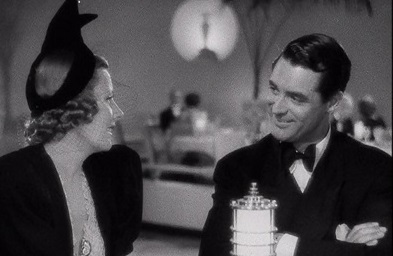
The Awful Truth. The title of my blog may clue you in that I’m a fan of Cary Grant’s. This film shows why. His perfect comic timing is matched in this outing by Irene Dunne’s. They’re marvelous together.

They’ve mastered that banter you want to hear in every rom-com. They play two smart, sophisticated adults who just need to wake up to what’s good for them. And it costars Skippy, the most gifted dog actor of all time (you may recognize him as Asta).

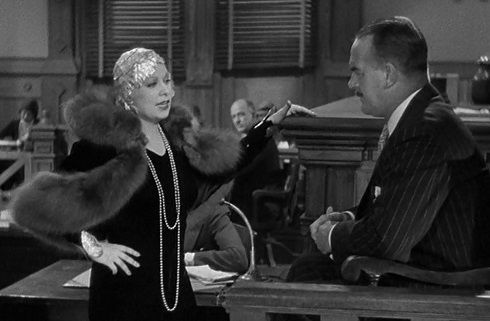
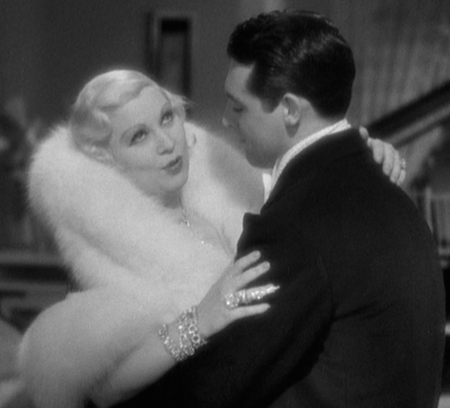
Mae West Films. Do I really need to specify a movie? I’m No Angel is my favorite. Her earliest hits are pure gold, with more good lines in 20 minutes than you’ll find in modern films in 200. And how she delivers them! Before the censors got to her, she was on fire.

But even afterward, her ingenuity in sliding in those double entendres makes up for the less witty later scripts. And in case you’re not yet a Mae West lover, don’t forget that she also wrote these scripts and had the moxie to demand—and get—a higher salary than a studio head.

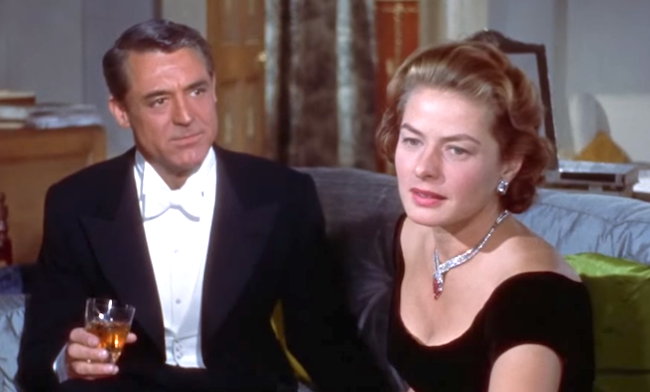
Indiscreet. A friend recently recommended this treasure. A reteaming of good friends Cary Grant and Ingrid Bergman (after the toxic romance/suspense masterpiece, Notorious).

It’s totally Bergman’s show: Just watch her commanding performance once her character gets mad and turns conniving! And there’s a classic dance sequence with Grant’s moves on full display—fantastic. As a special bonus for readers, here’s a heartwarming post about their friendship that will made you sniffle (with joy) from Sister Celluloid.

Jean Harlow Films. It doesn’t matter if everyone around her is acting out shrill caricatures (Bombshell), she still rises so far above her material that you don’t care about the rest of them at all. I watched The Girl from Missouri recently, which is a delight.  I can’t stomach Red Dust (too offensive). But skip the rest of the movie and watch her—or catch clips on YouTube. View her at her conniving best in Red-Headed Woman.

Watch her outshine the star-studded cast in Libeled Lady as an outraged bride to be. Harlow’s funny and lovable and you just want to spend your life watching her in a huff.

I’ll be back with updated recs. Hang in there, everyone. Stay safe. Spread the joy you can.

Share
Posted in: 1930s films, 1940s films, 1950s films, Mae West Moments Tagged: Indiscreet, Jean Harlow films, Skippy the dog, The Awful Truth, The More the Merrier (1943)

Top 3 Kirk Douglas Performances

02/05/2020 by leah@carygrantwonteatyou.com 6 Comments

Kirk Douglas lived a very long life, but it’s still shocking to learn of his death. He was so incredibly alive onscreen. There are few performers in Hollywood history as charismatic as Douglas. Since his effect on his viewers was physical in its impact, I want to focus on the three performances that shocked me with their force.

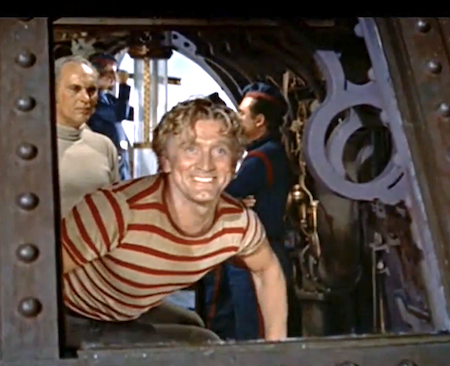
3. 20,000 Leagues Under the Sea. For some reason, I watched this in class as an adolescent. (What exactly was the purpose of that unit?) I wasn’t into classic films then, and was skeptical about the movie’s cheesy premise. But in the center of this silly, over-dramatic film leapt Kirk Douglas. Who IS this guy? I thought, shocked by the actor’s joyous energy, cockiness, and sheer confidence. It’s probably also the first time I realized a classic film star could be very sexy. It obviously wasn’t the last.

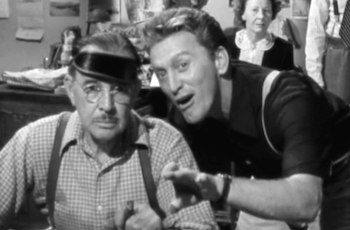
2. The Bad and the Beautiful. What a perfect casting decision, to have Douglas play the sadistic, yet gifted producer who lures others to bad fates because he cares more about his art than treating his cast humanely.

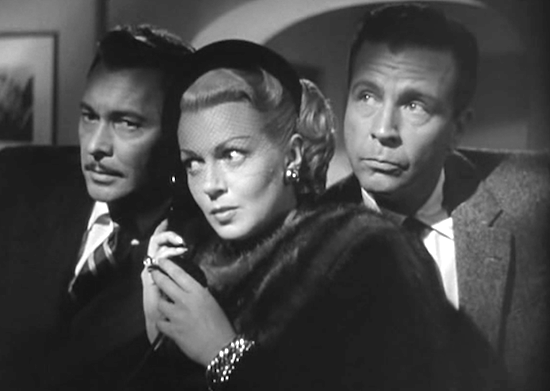
Observe the way his three victims lean in to hear his new film idea, despite his previous treatment of them.

Of course they would, with Douglas’s talent and magnetism at full wattage in the role. Even the nicest characters Douglas ever played had an edge, but in this part, Douglas revealed his skill in capturing the cruelty of a ruthless man.

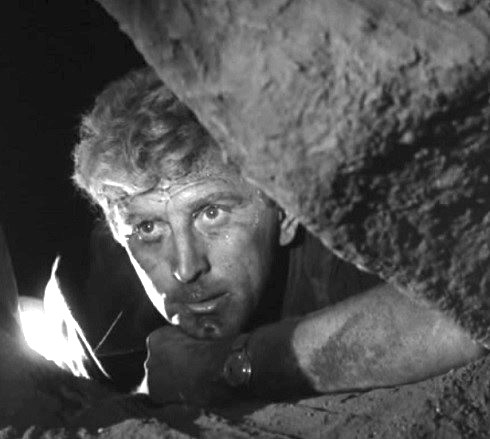
1. Ace in the Hole. What a brilliant performance as the reporter who risks a man’s life to get a big story! After watching Douglas in action, it was hard to get behind any other actor playing an ambitious reporter. Who else could show that flashing excitement about a story, that single-minded intent? And what other actor could be convincing enough to make audiences believe that one unscrupulous man could persuade a community of sensible people to make such a dangerous mistake?

Douglas owns this film. Thanks to his perfect performance, he gives Billy Wilder’s dark satire the resonance it deserved. The film is one of the greatest of its era, and is so eerily prescient it can be difficult to watch. It wouldn’t have had nearly the power it does with a different actor.

I know others would argue for Spartacus, another of his momentous roles, and certainly one that showcased Douglas’s impressive physicality. But these three were the roles that fixed me to the screen, unable to turn away.

I know there’s much more to say about the actor, particularly his part in ending the blacklist. But today I just want to say how grateful I am for his powerhouse presence onscreen. I always felt if I would just reach forward, he’d jump out to join me in my living room, that sexiest and most riveting of classic actors. No wonder it’s so hard to let him go.

Share
Posted in: 1950s films, Uncategorized Tagged: Ace in the Hole, best classic actors, Kirk Douglas, magnetic actors, The Bad and the Beautiful

The Gender Gap in Film

02/05/2020 by leah@carygrantwonteatyou.com Leave a Comment

Check out these two articles, both of which show the gap between awards for women and men in the Oscars over time in visual format.

“The Oscars’ 92-year gender gap, visualised”

“Maybe Those Are Just the Best Movies This Year”: #WhiteMan’s Oscar in Context.”

The Guardian‘s statistic about the lack of awards for female cinematographers was particularly illuminating.

In addition to showing what female-driven films could have been honored but weren’t over the years, Relatively Entertaining covers the diversity of voices in film, how we’ve regressed since a high point in the 40s in honoring women’s stories–even if told by men. The post also highlights how seldom black actresses are repeatedly honored for their work: “For that matter, it’s a strange quirk of Oscar that of the 35 times a black woman has received acting Oscar nomination, only three (Whoopi Goldberg, Viola Davis and Octavia Spencer) have been nominated more than once, and only Spencer has been nominated after winning her award.”

I wonder how long Academy voters could sustain the fiction that women’s films just haven’t been good enough yet to get awards after viewing the articles’ startling graphics. I wonder if the lack of repeat nominations for women (and women of color in particular) will finally bring home just how much has to change.

Share
Posted in: 1920s films, 1930s films, 1940s films, 1950s films, 1960s films, 1970s films, Feminism, Oscars, Uncategorized Tagged: black women and the Oscars, gender gap, representation in film

Getting Nosy about Mae & Cary

06/06/2019 by leah@carygrantwonteatyou.com Leave a Comment

Grace Collins of True Stories of Tinseltown and I chat about two stars who created the personas that made them stars, and never let those personas slip. We’re not nosy about ALL Hollywood stars’ lives, but that kind of inventive commitment is worth talking about! As usual, the two of us had a lot of fun, and Grace is a great host. (I might get a bit too enthusiastic, but in my defense, I was then reading Goodness Had Nothing to Do with It.)

Check out the podcast here or here or here.

Enjoy Grace’s other wonderful posts and podcasts on her sites or check out her Facebook page for more.

Share
Posted in: 1930s films, 1940s films, 1950s films, 1960s films, 1970s films, Mae West Moments, Uncategorized Tagged: bios, Cary Grant, fan tributes, life stories, Mae West

Doris Day and the Reaction Shot

05/13/2019 by leah@carygrantwonteatyou.com 4 Comments

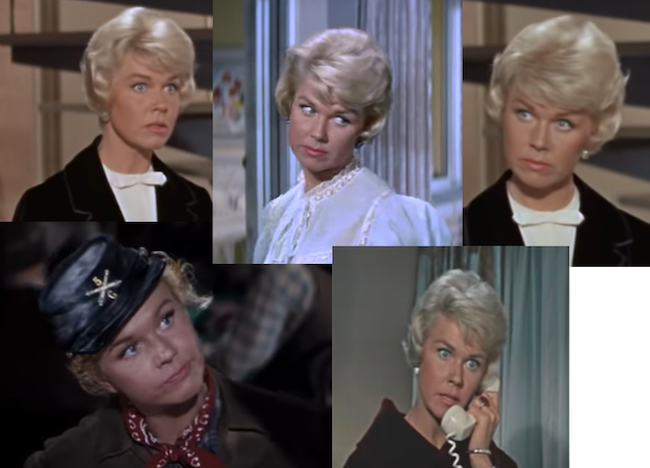
Today a man I know well surprised me, and I could tell I had one of those hilariously odd expressions on my face in response. When I heard a couple hours later that Doris Day had died, it seemed to me that I’d inadvertently paid tribute to that marvelous, strong, very funny woman. There will never be anyone who has a more entertaining or endearing response to male oddities than Doris Day. So today I want to say how lucky we are–among many, many gifts she gave us–for the hilarious reaction shots only she could deliver. Whether disdainful, amused, outraged–or best of all, all three–Day’s expression just nailed a sentiment….And so today, Doris, this feminist sends her heartfelt thank you. I couldn’t have said it better.

Share
Posted in: 1950s films, Comedies (film), Feminism, Humor, Musicals and dancing films, Uncategorized Tagged: death, Doris Day, tribute

The Femme Fatale Who Wasn’t: In a Lonely Place

04/16/2019 by leah@carygrantwonteatyou.com 25 Comments

spoilers ahead.

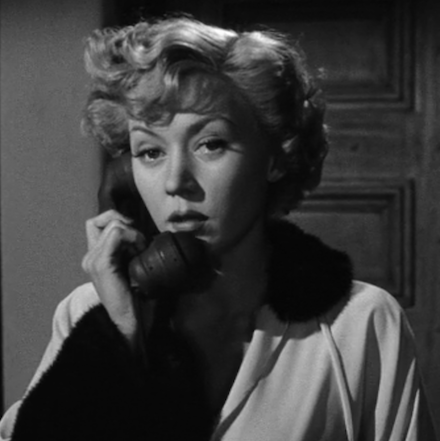
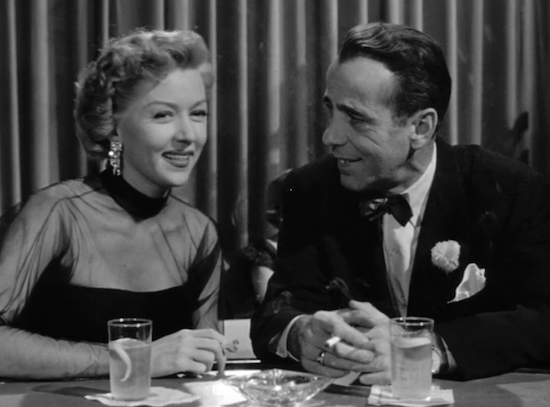
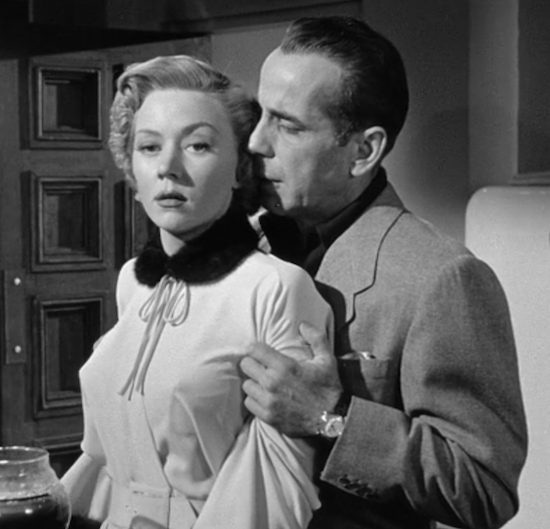
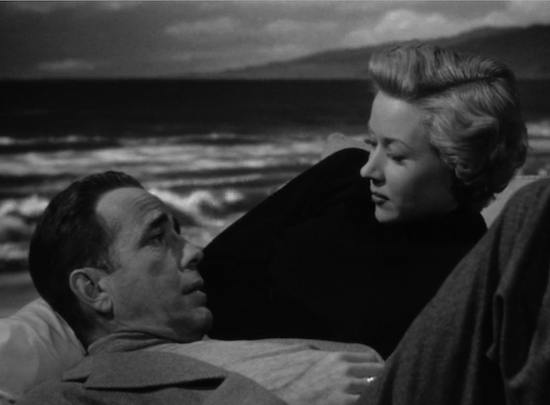
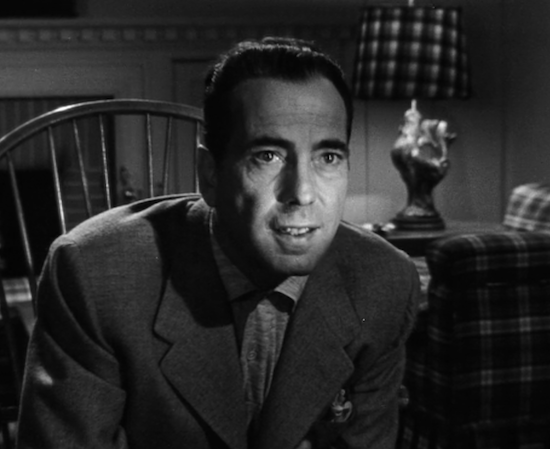
I was wowed by Nicholas Ray’s In a Lonely Place. The film, it seemed to me, was ahead of its time in its powerful portrayal of domestic abuse. On the surface, the film explores whether the hero, Dix (Humphrey Bogart), murdered an innocent woman. His girlfriend, Laurel (Gloria Grahame), begins their relationship in romantic euphoria.

But, as in Suspicion, Laurel begins to suspect he might have done it.

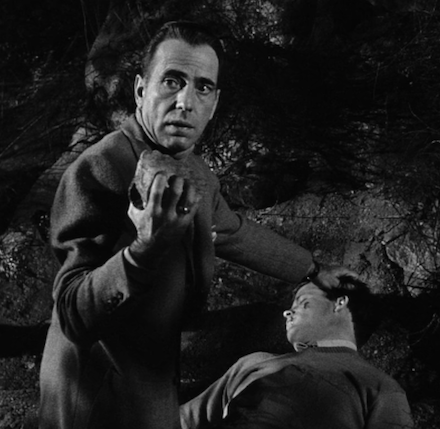
The did-he, didn’t-he soon becomes a “Don’t worry which, Lady. Run.” After all, Dix likes to act out murder scenarios and then mimics the same movements when smoking with Laurel. He won’t allow her to receive a phone call or prescription he doesn’t monitor. He keeps her economically dependent on him. He justifies beating people up and actually considers bashing heads in with rocks.

And just in case she has any doubts about how this is all going to end for her, his former girlfriend reported Dix for breaking her bones.

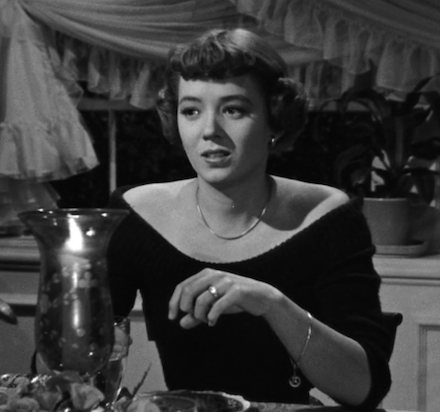
The story is cast from Laurel’s (Gloria Grahame’s) point of view, and haunts the viewer because Dix can be charming, can be loving, can be apologetic. He does come back with “armloads of gifts” after his scary behavior, not just for her, but for victims of his violence. He is sweet to an alcoholic ex-actor, shows more compassion for him than anyone else. The film sympathizes rather than judges Laurel for staying, reminding audiences that an abuser can be contrite and thus leave the woman who loves him off-balance, uncertain whether to trust he’s changed. And though Laurel’s friend cautions her against him, his friends urge her to stay, to understand, to give him a chance. Meanwhile, we get glimpses of his mind: he can only see unquestioning faith in him–which would be difficult, given his actions–as acceptable. After a near-homicide, he coins a line for a screenplay describing his love for Laurel: “I was born when she kissed me, I died when she left me, I lived a few weeks while she loved me.”

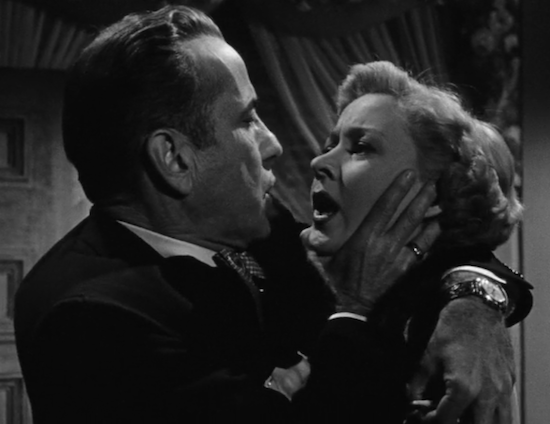
Personally, I found this line chilling. Yet the director, Nicholas Ray–who was experiencing stresses in his marriage to Grahame at the time–gives a romantic packaging to not just that line, but to the final scenes of the film. He seems to imply–even after Dix strangles Laurel and nearly kills her–that this all would have turned out well had there not been that whole did-he-murder-the-woman doubts. And more disturbing yet, both current and contemporary reviewers frequently characterize this toxic relationship movie as a “tragic love story,” and certainly many scenes in the movie would seem to back up that assumption.

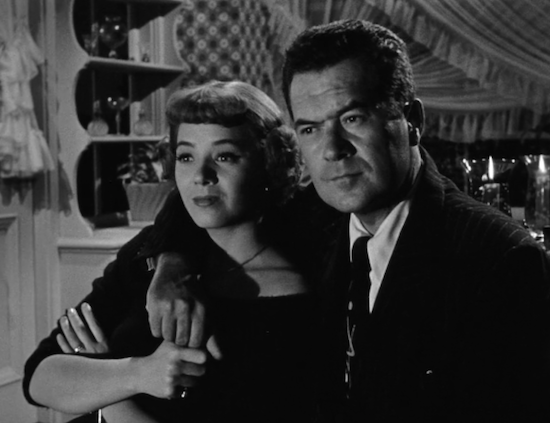
I turned to the source material to understand the confusion in tone, and was in for a shocker. Dorothy Hughes wrote In a Lonely Place as a kind of The Killer Inside Me of its time; we know from day 1 that Dix hates women, that he kills them regularly, that he thinks he’s justified because after he came back from the war, women saw through his hustling ways; they didn’t fall all over him, as they had when he was in uniform. His former Air Force friend is now a cop and has married a woman, Sylvia (Jeff Donnell), whom Dix distrusts and (we soon learn) underestimates.

She quickly sees through Dix’s veneer of humanity.

Dix hates her for it in the novel, and plots her death. Think of Dana Andrews in The Best Years of Our Lives, if on encountering his wife’s disappointment in him, he decided to go on a murderous vendetta against anyone who shared her gender.

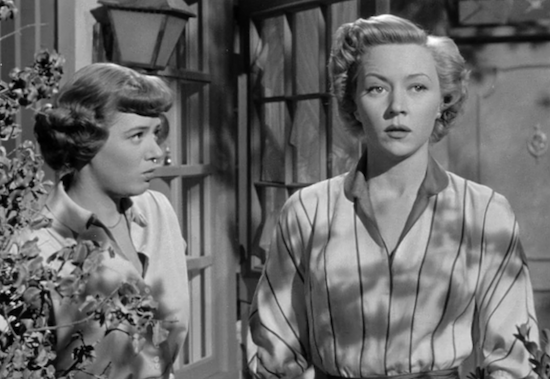
The best scenes in Ray’s film are moments that capture the stark feminism in the book, in which only the women see Dix for who he is, and only they can succeed in stopping him. In a sharply rendered scene in the film, Laurel and Sylvia are honest with one another: Laurel in her doubts about Dix’s character, Sylvia, in confirming (reluctantly) that Laurel should have them.

In the book, Dix’s demeaning treatment of women–especially Laurel–is accompanied by a conviction that Laurel is taunting him, trying to make him jealous, when she’s simply putting the brakes on a relationship that he’s taken too seriously, too quickly. As writer Megan Abbott so brilliantly put it: “After reading In a Lonely Place, you find yourself looking, with a newly gimlet eye, at every purported femme fatale, every claim of female malignancy and the burning need of noir heroes to snuff that malignancy out.”

In Dix’s eyes in the book and film, Laurel is a femme fatale. She gave her love, then she took it away–all because she didn’t trust him enough. But in our eyes, she’s just fallen for the wrong guy; calling a man you love a “madman” doesn’t usually suggest a relationship is headed for sunshine and rainbows. Whether Dix killed a woman or not, Laurel isn’t wrong to ask, “There is something strange about Dix, isn’t there?” after he bloodies a fellow driver to a pulp or “What can I say to him–I love you but I’m afraid of you?” when he looks at her in the scary fashion Bogart had mastered since The Petrified Forest.

At some point you gotta ask, Is any guy you’re relieved and surprised didn’t kill someone worth sticking around for?

I admire both the book and film because they make me look back at so many of the noir novels and movies I’ve admired, and ask that question Abbott challenges me to consider: Was this woman a femme fatale? Or was she just an independent woman who didn’t say yes?

This is part of the Classic Movie Blog Association’s Femme/Homme Fatales of Film Noir blogathon. Check out so many great entries here.


Share
Posted in: 1950s films, Anti-Romance films, Blogathons, Feminism, Femme fatales, Film Noir/Crime/Thriller & Mystery, Uncategorized Tagged: #meToo classic films, femme fatale, Gloria Grahame, homme fatale, Humphrey Bogart, In a Lonely Place

Comic Relief: A Simple Favor & Can You Ever Forgive Me?

09/29/2018 by leah@carygrantwonteatyou.com Leave a Comment

Need comic respite? I’m happy to report that two new dramedies featuring strong women are even better than you’ve heard.

Can You Ever Forgive Me?, starring national treasure Melissa McCarthy, is based on the memoir of real-life writer Lee Israel, who became a con artist to pay the vet bills (out in wide release on Oct. 19th). Unable to get anyone to care about the subject of her new biography, Fanny Brice, much less her dwindling finances, Israel turns to stealing letters of famous movie stars and writers, and soon begins penning fake ones herself. Classic movie lovers and bibliophiles will sympathize with her alienation from those who don’t spend their days reading Noël Coward and Dorothy Parker. (And you’ll enjoy a line about Louise Brooks, a nod to classic movie fans.)
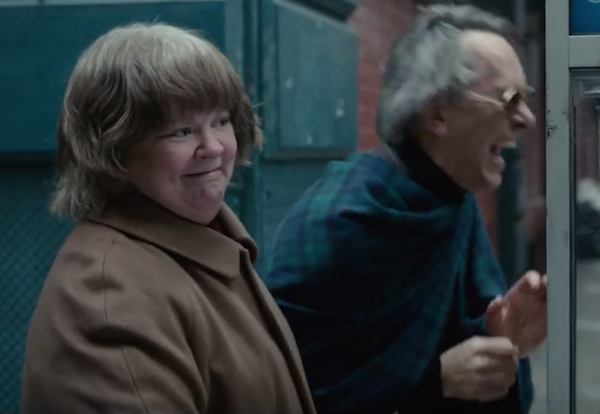

Appreciators of one-liners will ask themselves why they haven’t bought Israel’s memoir yet: this woman could WRITE. There’s a reason she was successful at mimicking Parker and Coward. Brought to caustic life by Melissa McCarthy, Israel is sympathetic even at her darkest and lowest. Despite the depth of her despair and loneliness, she is relentlessly funny in the film. Israel and her similarly lost companion (and later conspirator), Jack Hock (Richard Grant), engage in so much snarky, on-point banter that you wish the two could have had an Algonquin Round Table of their own.


These two boozy companions are simply joyful company for anyone who doesn’t mind a bit of darkness in their humor. And McCarthy deserves the awards buzz she’s getting for a riveting performance.

McCarthy’s frequent director Paul Feig has a film of his own out this month. Feig, who has a George Cukor flair for creating great vehicles for female stars, is at it again. The only question is whether Blake Lively or Anna Kendrick gets a meatier, more complex part in A Simple Favor, a story that is tonally closer to the light cynicism of Young Adult (2011) or the campiness of Serial Mom (1994) than to the darkness of Gillian Flynn’s Gone Girl (2014), to which it’s being compared. I’m hearing references to Double Indemnity from classic movie fans due to the film’s humor. Beat the Devil (1953) is more like it. Though A Simple Favor is a bit more controlled than that messy Truman Capote delight, there’s a bit of Mrs. Gwendolen Chelm (Jennifer Jones) in both of these heroines.

Feig; the director of Bridesmaids, The Heat, Spy, and Ghostbusters (the reboot); is so open about preferring female leads and so appreciative of their comedic skills that it’s unsurprising to see both stars so funny and magnetic in his film. Their profane banter is hilarious, and the casual cruelty, self-interest, and denial of these particular frenemies are a blast to watch. I won’t spoil the surprise of what becomes of Emily (Lively), whose disappearance spurs mommy blogger Stephanie (Kendrick) into amateur detective/life-stalker mode.
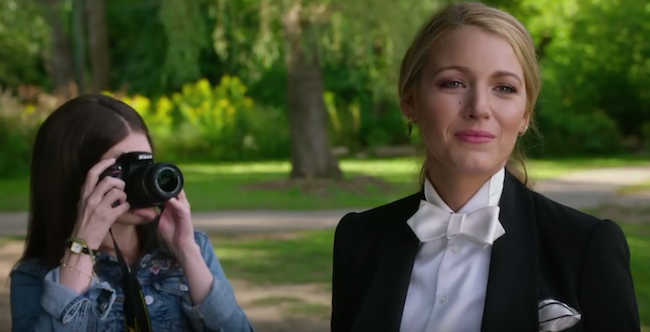
There are some seriously batty plot developments that seem more like old-school soap operas than big screen fare (again, like Beat the Devil). But anyone paying attention knows plausibility is not the point. Just sit back and enjoy this dark comedy fun. (And don’t miss the recent titles and commentary on Stephanie’s bizarrely eclectic blog.) Those of us who have been following Feig since his brilliant creation, Freaks and Geeks, will be glad to see his first female lead, Linda Cardellini, in a scene-chewing, funny bit part. Let’s hope the films to follow these two this fall are half as fun.
Share
Posted in: 1940s films, 1950s films, 1990-current films, Anti-Romance films, Drama (film), Film Noir/Crime/Thriller & Mystery, Humor Tagged: A Simple Favor, Anna Kendrick, Blake Lively, Can You Ever Forgive Me?, film review, for Beat the Devil fans, George Cukor, Louise Brooks, Melissa McCarthy, noir, Paul Feig, strong female leads

My Podcast Talk on True Stories Of Tinseltown

07/05/2018 by leah@carygrantwonteatyou.com Leave a Comment

It was a riot talking with Grace Collins of True Stories of Tinseltown about Stella Dallas, William Powell, The Blue Gardenia, and Brief Encounter. We had fun comparing loves and gripes about classic films, particularly our united dislike for the husband in Stella Dallas and the supposedly romantic male lead of Brief Encounter. You can find the podcast here. I hope you will also check out her other podcasts. The one on Mary Astor’s diary is especially brilliant! Thanks to Grace for being such a great host and for taking the time to listen to me rant:)

Share
Posted in: 1930s films, 1940s films, 1950s films, Anti-Romance films, Mae West Moments Tagged: Barbara Stanwyck, Blue Gardenia, Brief Encounter, John Boles, Stella Dallas, terrible husbands in film, terrible lovers in film, William Powell

Advice to a Fritz Lang Heroine, after Too Much Crime TV

04/13/2018 by leah@carygrantwonteatyou.com 2 Comments

Oh honey. The reporters are telling you the police are closing in. Every black and white outfit has you jumping. You’re burning your dress in an incinerator in the backyard.

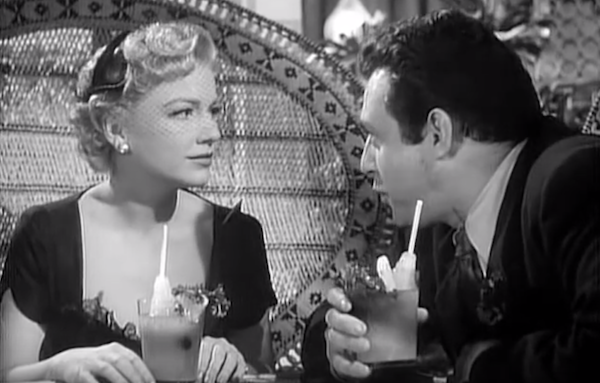
Let’s refresh why. The date is 1953. You, our heroine of The Blue Gardenia, are played by Anne Baxter. The actress, having shredded every scheming expression from three years before, is now you, the dewy fiancee of a soldier abroad who works at the phone company. As you celebrate your birthday on your own with his (absent) and hers (present) champagne, you take out your soldier’s glorious, cherished letter to find, SURPRISE: He’s fallen for a nurse.

What to do? Well, get drunk with the local cad who has just called to invite your roommate to a place called The Blue Gardenia.


Go to his place after he gets you drunk. After all, you’re too intoxicated to realize “blue gardenia” is a cheap pseudonym for “black dahlia” and therefore a sign of danger;  you’re too intoxicated to even realize there will be no “party” at his pad. (Have you seen no films? Raymond Burr is playing the cad! Run!) So of course, you get in a mess, have to fight off his  attempts to rape you by grabbing a poker, and then you black out to find him dead.

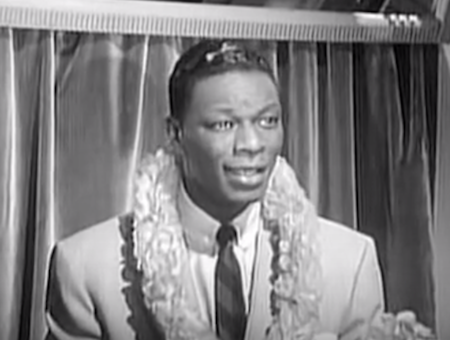
(Before we get to the rest of the plot, there’s a haunting moment in the bar when you had a chance to walk away. There’s handsome Nat King Cole singing “Blue Gardenia,” and somehow his soulful sincerity doesn’t start you sobbing OR walking away from the lying playboy before the mess starts? King’s notes sear through me, more than half a century later. How is it possible they leave you unmoved? But I digress.)


The question of the film–Did you murder the guy?–isn’t that interesting to me, as I’m not sure how anyone in this circumstance could be called a “murderess” anyway. It’s an accident IF it happened, and the need for self-defense evident. But the local crime beat reporter has you convinced your only salvation is to seek refuge in the protection of his newspaper’s arms. And he—the surely not self-interested sleaze reporter—will save you from the big bad police about to knock on your door.

What’s strange to the modern viewer, accustomed to far too much crime TV, true crime books, and novels galore, is that they have NOTHING on you, my friend. A dress. A shoe size. A hair color. Some thoughts about your mannerisms from a flower seller and waiter. All that they really have on you—besides a call to your house that wasn’t even for you (and won’t hurt your friend since she has an alibi)—is that you are a MESS. Calm down, friend. Call over your wisecracking friend, Crystal (Ann Southern); ask for help. Keep that reporter out of your thoughts; honey, heaven help you, he’s almost as gullible as you are proving to be. Instead, put on your Nancy Drew heels. This case is something even that black-and-white thinker could manage. Heck, Encyclopedia Brown would have it down in two minutes.

And then you won’t be dependent on sad sack double crossers who treat your friend like a whore because she was once married, who only like you IF you’re not someone who would defend yourself from an abusive attacker. Then you can solve the crime, put on Nat King Cole’s record, sing along as you mourn your lost love, and then dance your way back to happiness with your hilarious roommates.

Alas, it’s still 1953 for you, my friend. And so the final thoughts in the film are the new cad’s, who is soon to be your love. And all we can do is watch, and pity.

Share
Posted in: 1950s films, Anti-Romance films, TV & Pop Culture Tagged: Anne Baxter, film review, Fritz Lang, Nat King Cole, Raymond Burr, The Blue Gardenia
« Previous 1 2 3 4 Next »

Recent Posts

  • 100 Years Later, Still Scary: Dr. Caligari
  • Escaping Out of the Past (1947)
  • A Weeper for Those Who Love Jerks
  • Thank You, Academy, for Not Infuriating Me
  • Challengers (2024) Is a Bad Movie

Subscribe to Blog via Email

Enter your email address to subscribe to this blog and receive notifications of new posts by email.

Categories

  • 1920s films
  • 1930s films
  • 1940s films
  • 1950s films
  • 1960s films
  • 1970s films
  • 1980s films
  • 1990-current films
  • 2020s films
  • Action & Sports Films
  • Anti-Romance films
  • Blogathons
  • Childfree
  • Comedies (film)
  • Drama (film)
  • Feminism
  • Femme fatales
  • Film Noir/Crime/Thriller & Mystery
  • Gloriously Silly Scenes
  • Horror
  • Humor
  • Mae West Moments
  • Musicals and dancing films
  • Oscars
  • Random
  • Romance (films)
  • Romantic Comedies (film)
  • The Moment I Fell for
  • Turn My Sister into Classic Movie Fan
  • TV & Pop Culture
  • Uncategorized
Share
Classic Movie Blog Hub Member

Recent Comments

  • leah@carygrantwonteatyou.com on Meg Ryan’s Fate Foretold in Joe Versus the Volcano
  • Ryan on Meg Ryan’s Fate Foretold in Joe Versus the Volcano
  • leah@carygrantwonteatyou.com on 100 Years Later, Still Scary: Dr. Caligari
  • The Classic Movie Muse on 100 Years Later, Still Scary: Dr. Caligari
  • leah@carygrantwonteatyou.com on 100 Years Later, Still Scary: Dr. Caligari

Archives

  • November 2025
  • September 2025
  • May 2025
  • March 2025
  • January 2025
  • November 2024
  • August 2024
  • July 2024
  • May 2024
  • March 2024
  • February 2024
  • December 2023
  • November 2023
  • October 2023
  • September 2023
  • August 2023
  • July 2023
  • May 2023
  • April 2023
  • March 2023
  • January 2023
  • December 2022
  • November 2022
  • September 2022
  • July 2022
  • May 2022
  • April 2022
  • March 2022
  • February 2022
  • October 2021
  • September 2021
  • April 2021
  • March 2021
  • February 2021
  • December 2020
  • October 2020
  • September 2020
  • July 2020
  • May 2020
  • April 2020
  • March 2020
  • February 2020
  • December 2019
  • October 2019
  • September 2019
  • June 2019
  • May 2019
  • April 2019
  • February 2019
  • January 2019
  • November 2018
  • September 2018
  • July 2018
  • June 2018
  • May 2018
  • April 2018
  • March 2018
  • February 2018
  • January 2018
  • November 2017
  • September 2017
  • August 2017
  • July 2017
  • June 2017
  • May 2017
  • April 2017
  • March 2017
  • February 2017
  • January 2017
  • December 2016
  • November 2016
  • October 2016
  • August 2016
  • July 2016
  • June 2016
  • May 2016
  • April 2016
  • March 2016
  • February 2016
  • January 2016
  • December 2015
  • November 2015
  • October 2015
  • September 2015
  • August 2015
  • July 2015
  • June 2015
  • May 2015
  • April 2015
  • March 2015
  • February 2015
  • January 2015
  • December 2014
  • November 2014
  • October 2014
  • September 2014
  • August 2014
  • July 2014
  • June 2014
  • May 2014
  • April 2014
  • March 2014
  • February 2014
  • January 2014

Meta

  • Log in
  • Entries feed
  • Comments feed
  • WordPress.org

Copyright © 2025 Cary Grant Won't Eat You.

Church WordPress Theme by themehall.com