Cary Grant Won't Eat You

Classic movies for phobics

  • About
  • eBooks
  • Previous Blogathons
Classic movies for phobics

1940s films

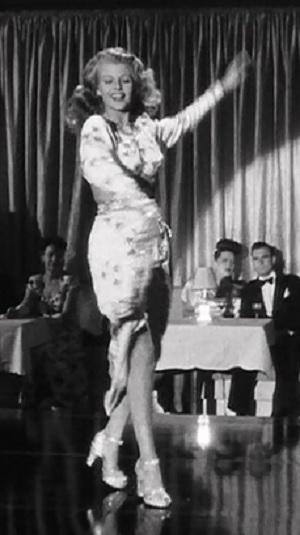
My Rita Hayworth Birthday Wish: Everybody Dance

10/17/2015 by leah@carygrantwonteatyou.com 4 Comments

RitaHayworthdance
“Whatever you write about me, don’t make it sad.” – Rita Hayworth

In honor of the Love Goddess’s birthday, I won’t write about her tempestuous love life, her sad past/final years, or her scorching appearance onscreen. I’ll keep it simple: Rita Hayworth is one of the most expressive dancers I’ve ever witnessed, and what she conveyed, over and over again, was joy: The exhilaration of movement, the thrill of twirling and leaping and tapping and sweating. Ginger Rogers showed how lovely a body could be with every twist of her torso; Fred Astaire stretched the limits of the art form, as did Eleanor Powell and Gene Kelly. But none of them made me want to jump on stage and join them like Rita does. Talented as she is, she doesn’t wow me nearly as much as she woos me. Come on! she calls. This is so much fun.

So in honor of her birthday, take a leap, do a jig, do-si-do, tap your feet, pirouette, moonwalk. Even a bit of twerking or the Macarena will do. Don’t worry about your skill–or the lack of it. Just listen to Rita, and dance.

Share
Posted in: 1940s films, Humor, Random Tagged: dancing, Film, her birthday, Rita Hayworth

Like The More the Merrier? (1943) Watch Singles (1992)

10/04/2015 by leah@carygrantwonteatyou.com 2 Comments

It’s curious what will relegate a film to “dated” status. Of the last 30 years of rom-coms, Singles (1992) would make my top five. Yet due to its grunge soundtrack and location in then-trendy Seattle, Cameron Crowe’s paean to dating has been forgotten. I wonder why The More the Merrier (1943), with a whole premise based on the WWII housing shortage in D.C., hasn’t suffered a similar fate. The two movies resemble one another in many unexpected ways, and deserve credit for being what films in their genre–despite its name–so rarely are: funny and romantic.

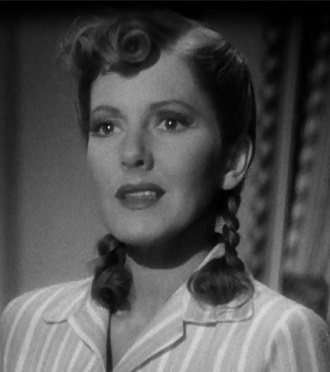
Both films are notable for their winning leading ladies. That trembling voice of Jean Arthur’s; equally able to capture passion, sense, and vulnerability; her perfectly timed delivery; and her gentle expressions all have so completely overcome audiences by the start of The More the Merrier that she remains the center of our attention despite considerable competition from her roommates: sexy Joel McCrea as Joe and adorable Charles Coburn as matchmaker Benjamin Dingle.
JeanArthur
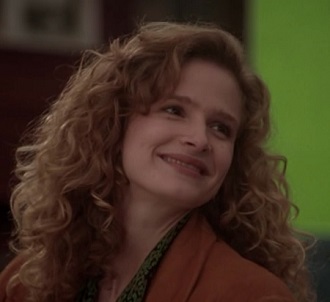
Kyra Sedgwick, the heroine of Singles, was one of those charismatic, promising starlets who gave up her career for her family (husband Kevin Bacon & kids), only to claim it back years later with The Closer. In Singles, you can see what might have been had she stuck around instead of leaving us with one-note Jennifer Aniston.
KyraSedgwickSingles
As Linda, she woos you in the first few minutes with her dismay over her broken car, reluctant acceptance of masculine help, and joy when the knight proves to not be a player. Her mobile face catches every emotion–reluctant trust, passion, joy, and ultimately, of course, despair, as she’s, of course, wrong about him, and her resolve not to let her heart be broken again sets the stage for her resistance to the film’s hero, Steve (Campbell Scott).

KyraSedgwickCampbellScott
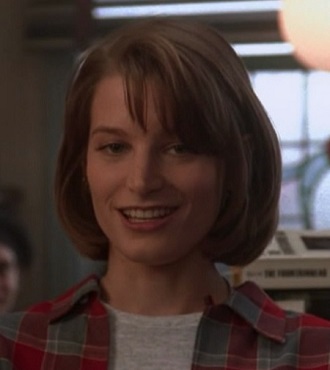
Since Singles is an ensemble film, we’re also treated to heroine Janet (Bridget Fonda), who is passionate about her hilariously untalented rocker boyfriend, Cliff (Matt Dillon). I’m not sure why Bridget Fonda never took off. She’s so endearing in this role, apparently a part written just for her. She’s funny and vulnerable and cute and tough all at once.
BridgetFonda-Singles
Her lovable fragility reminds me of Jean Arthur’s as Connie. And like Connie, Janet recognizes more about her boyfriend’s lack of commitment to her than she’s willing to admit. While he prioritizes his band over her, again and again, we watch Janet registering it, even as she supports him.
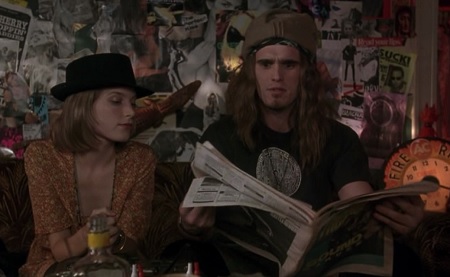
MattDillonandBridgetFonda-Singles
When the inevitable breakup comes, we’re not surprised; Janet is not as clueless as she chooses to appear at the start of the film, when she expresses faith in Cliff’s fidelity despite evidence she shouldn’t:

“Look, Janet, you know I see other people still, right? You do know that, don’t you?” says Cliff.

“You don’t fool me,” Janet answers.

“Janet, I could not be fooling you less.”

Likewise, Connie knows her fiancé’s career trumps their relationship–and her needs. She’s just so busy selling his good salary and reliability that she’s unaware just how hollow she sounds as she’s bragging. Her dismay at Dingle and Joe meeting him says it all.
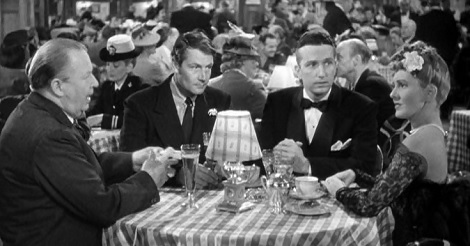
TheMoreTheMerrierensemble
Luckily, Connie has matchmaker Benjamin Dingle (Charles Coburn) forcing her to confront her future husband’s selfishness. Dingle knows a deal helping her fiance’s career will make him dump Connie for the night, leaving the path open for the far hotter and sweeter Joe (Joel McCrea). The sign for Connie that Joe’s worth her time? He could have read her diary, and didn’t. He bought her a wedding gift–no strings attached–that displays his understanding of her: a travel bag with neat compartments, for a girl so organized she’s planned out every minute of her morning.
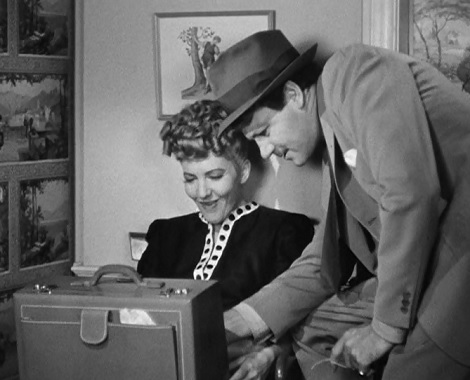
JeanArthurandJoelMcCrea
Singles
is all about paying attention to such signs: What should make you keep committing? What should make you give up? As writer/director Cameron Crowe obviously realized, it’s important to pay attention when single, or you’ll get your heart caught by someone who’s not worth it, making you less receptive to the lover actually worth your time.

For Steve (Campbell Scott), the sign is simple: a flick of the finger: Linda (Sedgwick) opens the car door lock for him, surely a sign that she likes him in spite of their prickly date.

Janet (Fonda) has been so beaten down by bad dates that such little gestures are all she’s now expecting of a guy, as captured in one of the film’s best scenes. She’s in the waiting room to get her breasts enlarged (her shortcut to Cliff’s loyalty).

“Tell me, from a girl’s point of view, what do you really want from a guy?” asks Steve, who has accompanied her for moral support.

“Well, when I first moved out here from Tucson,” Janet begins, warming to the theme, “I wanted a guy with looks, security, caring, someone with their own place, someone who said bless you or Gesundheit when I sneezed, you know? And umm, someone who liked the same things as me, but not exactly, and someone who loves me.”

“Tall order,” he answers.

“Yeah, I scaled it down a little,” she admits, her disappointment deflating both expression and voice.

“Well, what is it now?”

“Someone who says Gesundheit when I sneeze, although I prefer bless you, it’s nicer.”

As it turns out, the surgery doesn’t happen: Janet’s nerdy plastic surgeon (Bill Pullman) advises against it, suggesting she looks great now. Although no romance develops between them, his kind words make her realize how much she’s compromised for Cliff, just as in The More the Merrier, Dingle makes Connie recognize how little her fiancé values her. While Connie’s realization leads to endless tears, Janet is relieved. She gives Cliff one last chance, sneezing as he’s ranting about a poor review of his band.

“Hey babe?” he answers, handing her a tissue. “Don’t get me sick. I’m playing this weekend.”

Janet glances at the tissue box and then over at her boyfriend.
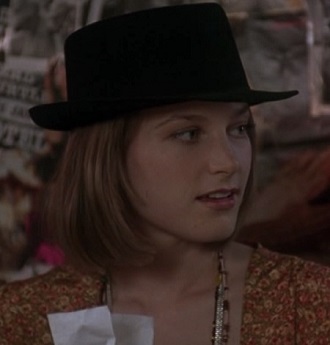
BridgetFonda-Singles-sneeze
Wait a minute,
she reflects in a voiceover. What am I doing? I don’t have to be here. I could just break up with him.
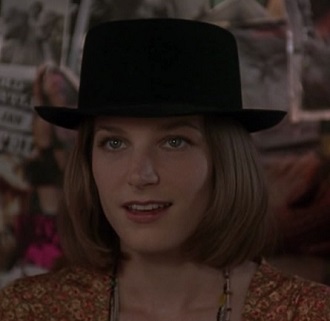
BridgetFonda-Singles-sneeze2
After dumping him, she dances alone, almost as beautifully as Connie does early in The More the Merrier. I won’t spoil where the story goes from there–for Janet, Linda, or the other quirky characters of Singles. Watch the film. Even if the love stories don’t get you, the funny sight of Pearl Jam members playing backup for Cliff will–one of many, many reasons even “chick flick” accusers can warm to this hilarious, charming rom-com.
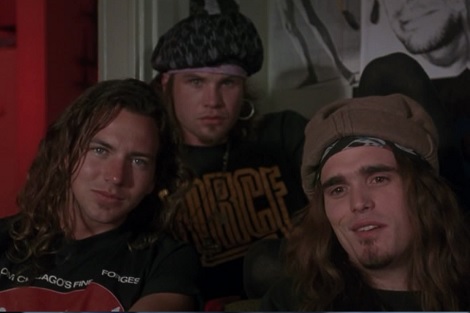
MattDillonandPearlJam

Share
Posted in: 1940s films, 1990-current films, Romantic Comedies (film) Tagged: Alice in Chains, Bridget Fonda, Pearl Jam movie, review, rom-coms, Singles film, Soundgarden, The More the Merrier

Falling for Charles Coburn, Matchmaker Extraordinaire

09/27/2015 by leah@carygrantwonteatyou.com 6 Comments

Coburnadvice
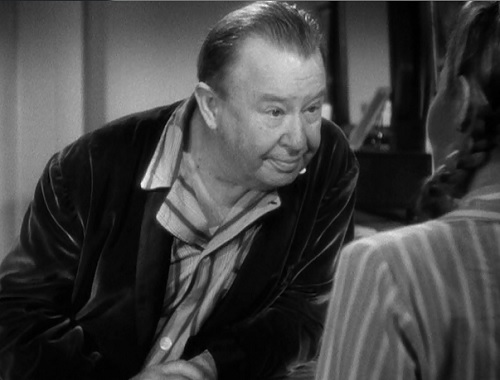
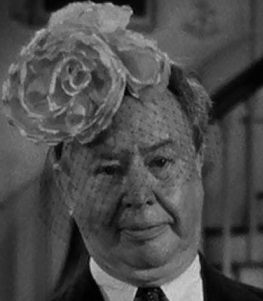
Has there ever been a Cupid more charming than Charles Coburn?

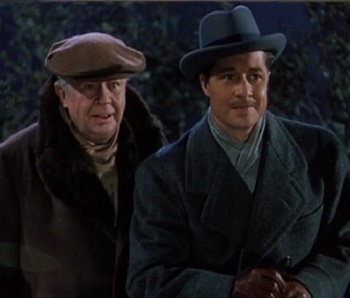
He smartens up the debonair Henry Van Cleve (Don Ameche), ensuring he doesn’t lose his lovely wife, Martha (Gene Tierney) in Heaven Can Wait (1943).

CharlesCoburnwithDonAmeche
He pushes his widowed daughter-in-law (Irene Dunne) into frivolity and a new chance at love with sculptor George Corday (Charles Boyer) in Together Again (1944).


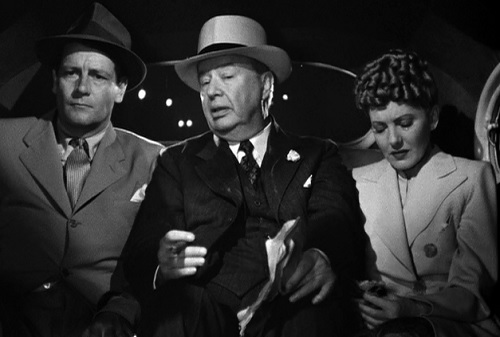
And in The More the Merrier (1943) he unites conservative Connie (Jean Arthur) and Joe (Joel McCrea), with machinations so wonderful and so amusing that they almost distract from his costars’ considerable chemistry.

McCreaCoburnArthur
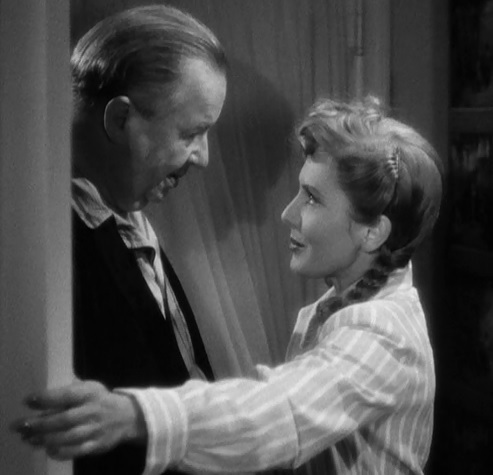
There was a moment when I was watching him bustle around, trying to follow Connie’s morning schedule, that I realized I truly loved this man, was terribly envious of everyone encountering him. Connie may ultimately fall for Joe, but I think we all can see that those arrows have hit more than one target.

ArthurandCoburn
I defy anyone to spend time with someone this wise, this funny, this blunt–every time, in every film–and be able to resist him. No wonder he matches up so many couples, so many times. They fall for him first, and then even those most resistant to love begin to listen….

Share
Posted in: 1940s films, Comedies (film), Romantic Comedies (film), The Moment I Fell for Tagged: Charles Coburn, Heaven Can Wait (1943), The More the Merrier (1943), Together Again (1944)

The Sexy Men of the Highlands: The Three Stooges?

09/20/2015 by leah@carygrantwonteatyou.com 2 Comments

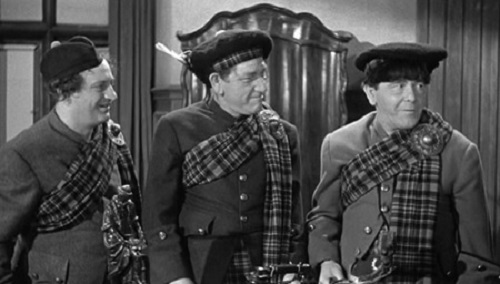
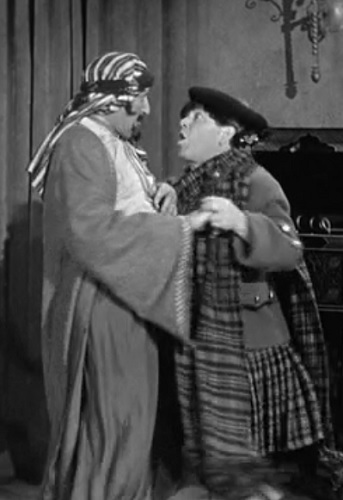
ThreeStoogesHotScots
Having spent Saturday at the New Hampshire Highland Games & Festival, I’ve got bagpipe music still ringing in my ears, and tartan on the brain. I witnessed feats of strength that included FLIPPING an 130-pound log. Some star from Game of Thrones (aka the Mountain) even set a world record throwing a weight over a high bar, apparently a repeat performance. It looked about as effortless as the rest of us tossing a ping pong ball.

Naturally, I’ve been scanning for Scottish movies in hopes of extending my memories of men in kilts, especially since I don’t have time just now to be swept into Volume 2 of Outlander (whose Jamie, naturally, had a cardboard statue at the Fraser clan tent). Encountering an entry called “Hot Scots” on Wikipedia, I assumed some early Chippendalish, Magic Mike embarrassment was to be found, only to discover that the entry was referencing an episode of The Three Stooges.

Now I don’t think “hot” when I hear the names Moe, Larry, and Shemp. I don’t think I’m alone in that. But, like Tom Petty and the Heartbreakers after them, the three sure did excel at making fun of themselves, and that made the episode worth a look.

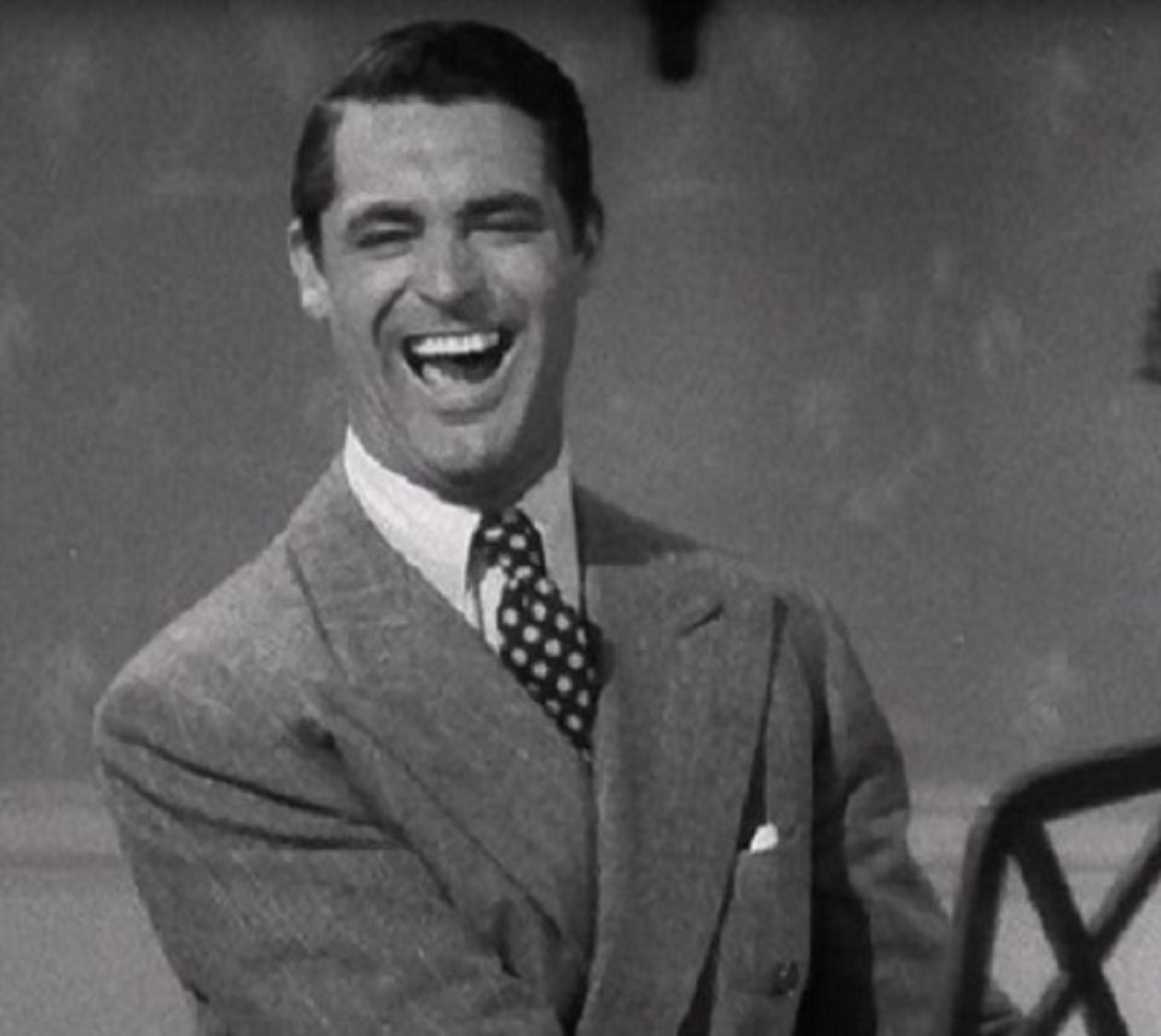
The plot of the episode is about as flimsy as you’d guess: the stooges decide they want a job at Scotland Yard, and have mistaken a garden cleanup employment ad for an investigative one. After fouling up that simple task, they discover a posting calling for detectives in Scotland, and equip themselves with kilts and Mcs in front of their names for the job. After hearing their accents, their new client inquires what part of Scotland Shemp is from. Moe explains that Shemp is from the south, “below the McMason-McDixon line.”
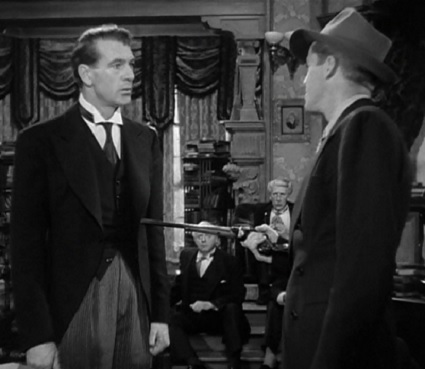
Their client wants his possessions protected as he’s off at a clan meeting, and of course, the stooges utterly fail to notice his entire staff taking everything he owns. There’s even a Scooby Doo moment when Shemp fails to notice a masked robber isn’t Larry.

ShempasScooby
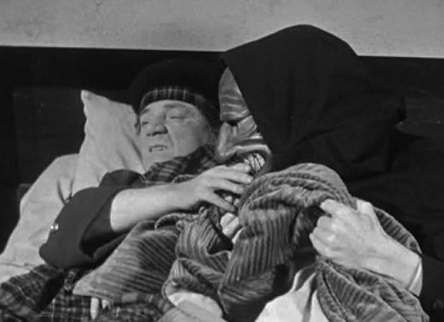
And another when Moe thinks he’s still dancing with the client’s comely assistant, and is actually doing a reel with her scary accomplice.

MoeandThief
The episode, of course, is saturated with silly sound effects and the stooges whacking each other with sticks and clubs. I’m not a huge stooges fan–their humor is a little too exclusively physical for me–but somehow, the style is so suitable for the weird way we celebrate the Scottish, and the many spills reminded me of my favorite scene from Mike Myers’ comedies: The infamous “We have a piper down!”  wedding clip from So I Married an Axe Murder.

Give “Hot Scots” a try if you want a break from work or the news this week. You can find it on Amazon Instant, The Three Stooges Collection, 1946-48, Episode 15, and of course, YouTube. I think we can all use some silliness about now…

Share
Posted in: 1940s films, Comedies (film), Humor, Random Tagged: Hot Scots, Mike Myers, Outlander, Scooby Doo moment, The Highland Games, The Mountain Game of Thrones, The Three Stooges, We have a piper down

The Moment I Fell for Claudette Colbert

09/13/2015 by leah@carygrantwonteatyou.com 12 Comments

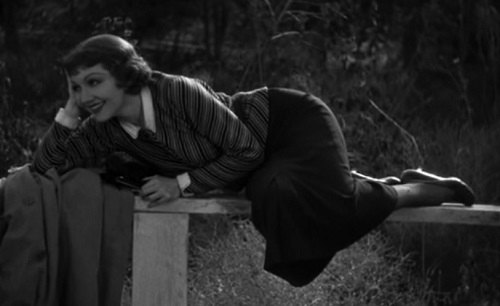
ClaudetteColbert-Ithappenedonenightlying
Today I’m reflecting on that tiny woman with the deep, sexy voice who managed to develop fully realized characters even in the smallest of roles. And in her greatest ones, set the bar so high for future comediennes that few have managed to approach, much less equal, her performances since.

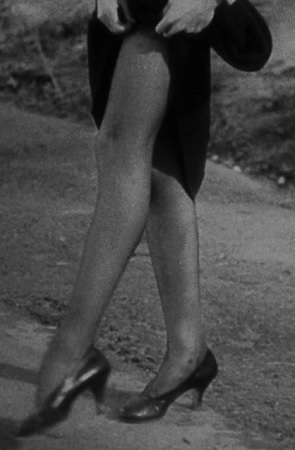
Like many of us out there, I knew Claudette Colbert’s legs first, as she starred in one of the most iconic scenes in American film, proving “once and for all” that when it comes to hitchhiking, “the limb is mightier than the thumb.”

ClaudetteColbertlegs
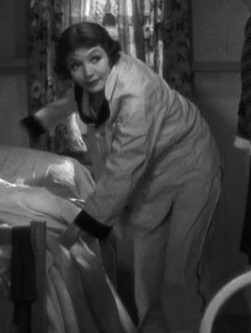
It took several years after seeing the image of her legs that I actually got around to It Happened One Night, which I’ve watched at least 30 times since. In her Academy-winning role as Ellen Andrews, she first perfects a chilly posture and refined voice as the stuck-up heiress. But slowly, Colbert reveals Ellen’s vulnerabilities and inexperience through expressions, gestures, stance, and tone. When Ellen and soon-to-be love interest Peter Warne (Clark Gable) stop at a motel en route to New York, she is ill at ease with the arrangement he makes to keep the room platonic–strapping a blanket between their beds. While she’s technically married, she has never been with a man. When she oversleeps the next morning, Peter threatens to come get her, and her clumsy, embarrassed fumbling to ensure he doesn’t makes me laugh every time I see it.

ClaudetteColbert-ItHappenedOneNight
That winning performance made me a fan. Without it, I never would have sought out The Palm Beach Story, Midnight, and so many other wonderful movies since. Although I appreciate Colbert’s dramatic abilities, her skill with romantic comedy is what wows me. Here are just a few of the megastars she managed to upstage, in spite of the camera’s deep love for them (and theirs for it): Miriam Hopkins in The Smiling Lieutenant (1931), Clark Gable in It Happened One Night (1934), John Barrymore in Midnight (1939) and John Wayne in Without Reservations (1946).

So on her birthday, I’d like to say thank you to the actress who has lightened my mood again, and again and again: the mesmerizing Claudette Colbert.

Share
Posted in: 1930s films, 1940s films, Feminism, Romantic Comedies (film), The Moment I Fell for Tagged: Claudette Colbert, Frank Capra, It Happened One Night

They Live by Night: The Romeo & Juliet of Noir

08/09/2015 by leah@carygrantwonteatyou.com Leave a Comment

TheyLiveByNight-romance
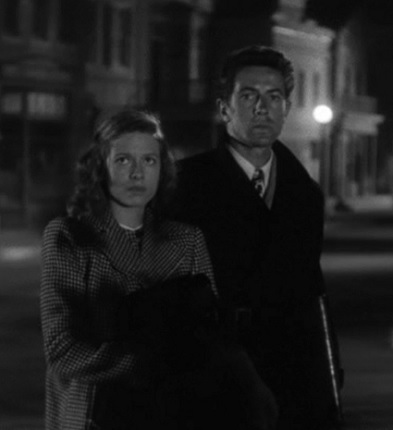
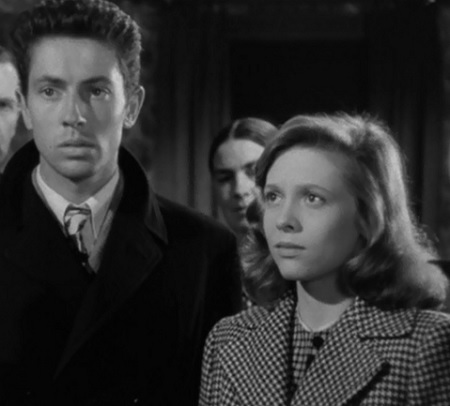
When I see a movie described as Bonnie and Clyde-like, I’m expecting an adrenaline-junkie couple, exciting escapes, violence. Imagine then my surprise to find They Live by Night is a surprisingly sweet tale of young newlyweds who long to–wait for it–go out to dinner together.

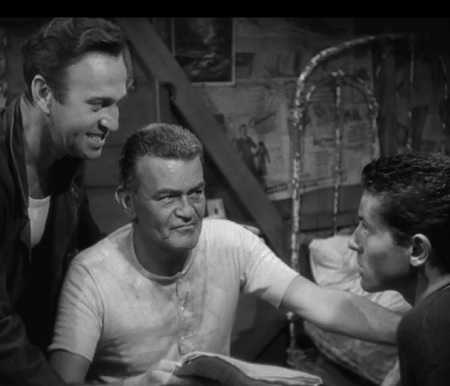
It’s true that initially, this film seems a typical noir. Bowie (Farley Granger) is an escaped convict, sprung by fellow criminals Chickamaw (Howard Da Silva) and T-Dub (Jay Flippen) so that he’ll be the getaway driver for their bank robberies.

DaSilvaGrangerFlippen
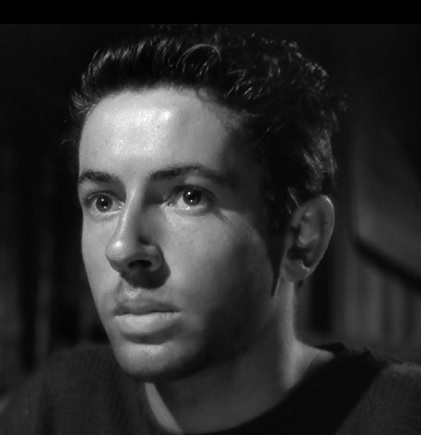
Jailed seven years for a murder he didn’t commit, Bowie goes along with their plans, thinking the loot will help him pay for a lawyer to prove his innocence. (Yes, that’s how naïve he is.) This supposedly scary criminal looks like this when he’s afraid a girl will disapprove of him:

Bowie, looking like a scared Ralph Macchio.

Resembling a scared Ralph Macchio….

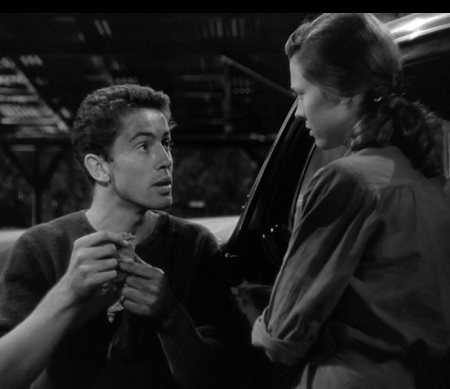
But innocence is the theme of this movie–and not the corrupting of that innocence (as a noir might lead us to expect). While he does commit robberies, Bowie doesn’t seem very interested in them. He’s loyal to his partners, but ready to quit at any time. In fact, we see very little of his robberies in the film, and very much of his quiet time with his love. What makes it a noir is simple: he’s trapped by his past actions, and escape isn’t looking likely. His hopes for getting out of the mess he’s caused are sad to hear, even if they do endear him to Keechie (Cathy O’Donnell).
GrangerO'Donnell
Keechie, whose drunken father hides the escapees, falls for  Bowie after his fumbling attempt to talk to her (she seems to be the first girl he’s met). When they spend time together after an injury and his partner Chickamaw’s bloody response to it given Bowie an undeserved reputation for villainy, the two become even closer. Their impulse decision to marry after she runs away with him shows them fearful, hesitant as they approach the altar–like the kids they are.

KeechieandBowieTheyLiveByNight

TerrifiedofMarriageBowieKeechie
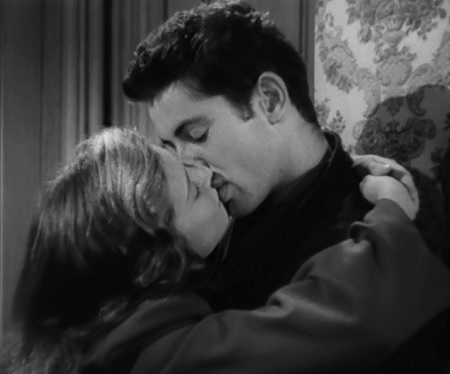
These two are so innocent I kept wondering if they were even going to kiss.

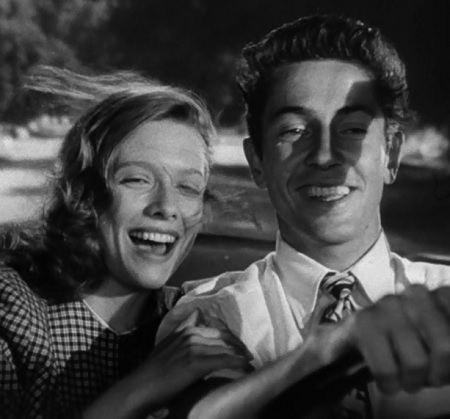
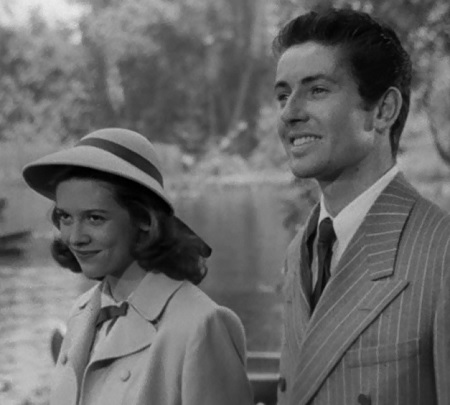
At points, there’s so much giddiness when they smile at each other it’s easy to forget that these dark shadows on the screen portend something, that their romance probably isn’t headed anywhere better than Shakespeare’s famed lovers.’

BowieKeechieTheyLivebyNight
(I should mention, by the way, that I’ve never found Rome & Juliet romantic; I regard it as the tragedy of teenage-think-gone-wrong, when a new crush means forever-love, and a life without him/her is THE END. It’s difficult for me to fathom that others find fickle Romeo–who was in love with Rosaline the day before–romantic.)

While there’s no feud between the couple’s families in They Live by Night, Keechie’s father helps the police catch Bowie, and the latter’s partners refuse to let him go straight, giving us a bit of that lovely, narcissistic Capulet-Montague spirit.

Despite the odds, Keechie and Bowie do manage to escape the patent absurdity of their names and the triteness of their situation, making us root against others hunting them. O’Donnell plays that same almost-too-sugary supporter as she did when portraying Wilma in The Best Years of Our Lives, but with enough toughness and grit to make us like her. Granger perfectly captures the blustering young lover trying to do the right thing, but kind of clueless about how to pull it off.

While the criminal partners of Bowie’s are fairly stereotypical, others the couple meet are not; the strange, quirky hotel proprietors and marriage officiants seem to promise sympathy and add interest to the story–though no one deserves as much trust as these two are willing to shell out. You just keep wondering how this kid could survive 7 years in prison and STILL be this childlike, or a girl could have a corrupt, alcoholic father; a criminal for an uncle; and remain such an optimist. And yet, they come across as real on the screen, and the freshness they bring to their experiences is enchanting, as with this scene of them ecstatic about going out for dinner.

TheyLiveByNight-smalljoysmarriage
I won’t reveal how it ends, but the film is suspenseful enough in spite of many slow interludes, and the characters compelling enough, to keep you watching, and hoping….

Share
Posted in: 1940s films, Film Noir/Crime/Thriller & Mystery, Romance (films) Tagged: Cathy O'Donnell, Farley Granger, film noir, Romance, Romeo and Juliet, They Live By Night

A Cinematic Argument for Gun Control: The Ale & Quail Club

07/05/2015 by leah@carygrantwonteatyou.com Leave a Comment

Ale&QuailClub-PalmBeachStory
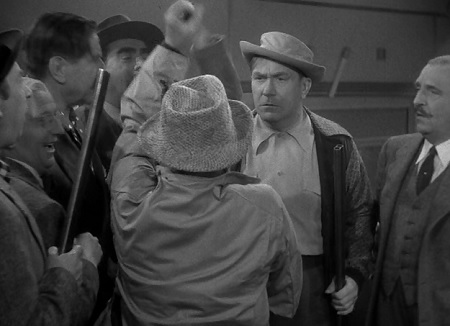
The Palm Beach Story (1942), Preston Sturges’ rom-com about love & money, features many screwball moments. But few would deny that the screwiest are with the trigger-happy Ale & Quail Club. I have heard many arguments over the years claiming we need tighter governance over gun ownership. But none have been more compelling than simply watching this hunting club in action.

Near the start of the film, Gerry (Claudette Colbert) is leaving her husband, Tom (Joel McCrea). Believing her extravagance is holding him back, she seeks a rich lover to–wait for it–help his business. She dodges Tom at the train station, and convinces a group of millionaires (the Ale & Quail Club) to buy her a ticket to Palm Beach. What she doesn’t know is just what kind of group she’s joined.

They dance with her; they sing to her, their intoxication becoming more evident by the moment. They serenade her with “Sweet Adeline,” to her evident annoyance:

ReactiontoSerenadeClaudetteColbert
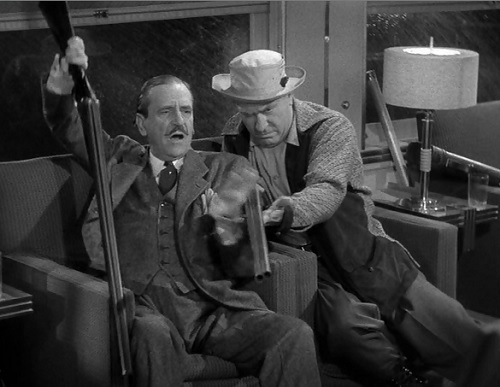
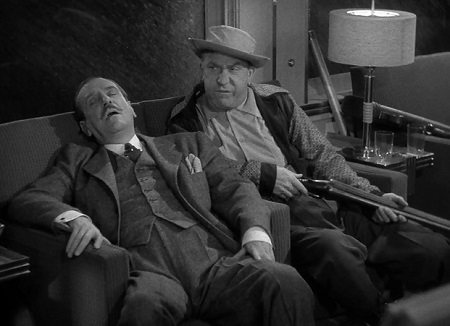
But not just hers. Two of the hunting club’s members haven’t joined the singing–one (William Demarest) because he detests such unmanly behavior, the other (Jack Norton) because his drunkenness has reached the pass-out point.

SweetAdelinereactionDemarestGordon
Demarest asks their private car’s steward, George (Ernest Anderson), to throw up crackers, and pretends to shoot them, saying, “Bang bang.”

BangBangDemarestGordon
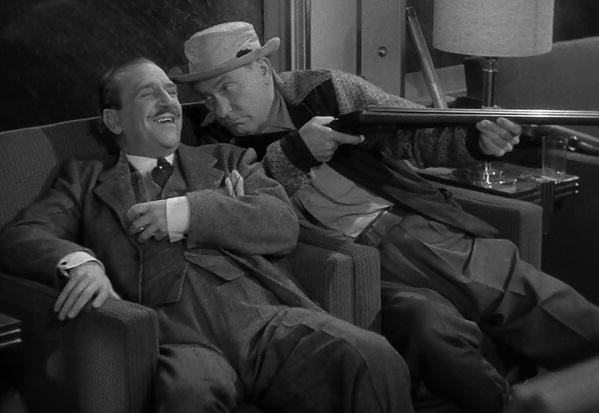
Naturally, his companion (Gordon) claims he’s missed, and the two make a $50 bet about who can make the best shot. Gordon, too drunk to be handling weapons, shatters the window.

firstcasualtywindow
Demarest is shocked, and Gordon proud of his accomplishment.

ShockatSuccessDemarestandGordon
He claims the win.

JackGordonproudofwindowshot
“Wait a minute,” says Demarest. “you’re using real shells.”

“Well, what did you think I was using,” Gordon answers, “bird seed?”

At this point, we might expect Demarest to cry foul. Instead, he loads his own weapon, and chaos ensues as they shoot up the car, with George ducking for safety. The singers in the other room, instead of trying to stop their friends, rush to join the party, calling, “Crap shooting.”

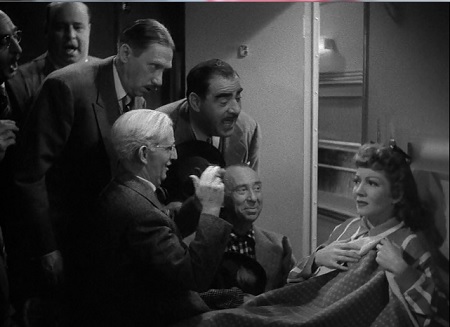
After they’ve completely busted up the car, one member realizes that Gerry, who was almost taken out when she checked to see what was happening, has disappeared.

she'sgone
Demarest suggests a posse.

PoseeledbyDemarest
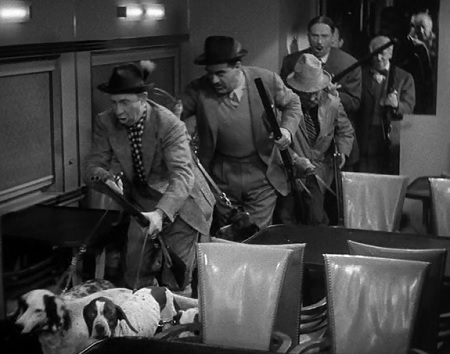
Gordon says they need their dogs, so the club gathers the canines from the other car, singing, “A Hunting We Will Go” as they stalk Gerry.

HuntingPartyAle&Quail
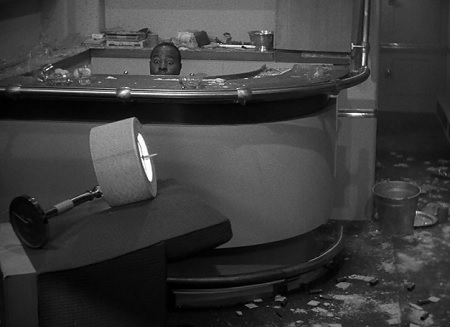
After they terrify multiple guests, the club is forced to return to their car. Naturally, they sing some more before the conductors discover what’s become of the car–and George.

George-PalmBeachStory
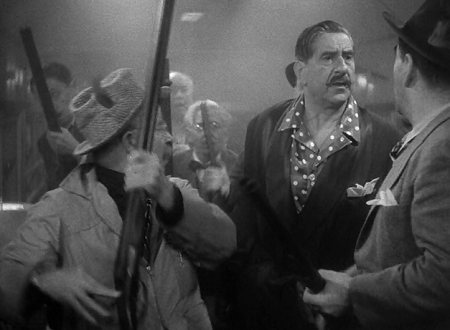
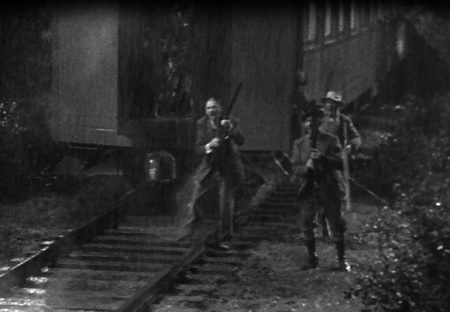
In our last view of the group, they try to protest their private car being disconnected from the train–with their weapons still in hand.

AleandQuailLastScene
If you haven’t seen it, this ridiculous scenario is, as you can imagine, hilarious. You’ll quickly remember all those Dick Cheney hunting jokes, perhaps the funny Parks and Recreation hunting trip.

But it’s also a terrifying scenario if you shift the light a little: a posse of men chasing after a woman, one black man hiding from the white men threatening him, loaded guns everywhere, a train full of potential victims, and not one person among the group sober. You will laugh–as I did–to see these goofy men, and their strange notion of partying. But you may also find yourself thinking, “You know, some of these guys would have failed a good background check….”

Share
Posted in: 1940s films, Comedies (film), Romantic Comedies (film) Tagged: Dick Cheney hunting jokes, Jack Gordon, Parks and Recreation hunting trip, Preston Sturges, Second Amendment, The Palm Beach Story, William Demarest

My Own “Awakener”: Mae West’s Writing

06/04/2015 by leah@carygrantwonteatyou.com 2 Comments

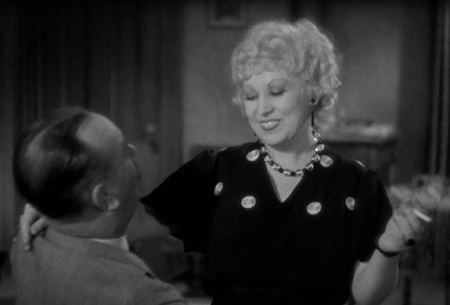
MaeWest-Awakener
As I was reading the bios of Kate Bolick’s awakeners in Spinster, writers whose independence had inspired her own, I inevitably began to consider my own awakeners. Which literary women had encouraged me to live by my own definition of womanhood?

I came up with many answers, but soon one figure nudged the others out: No costar could ever prevent being upstaged by Mae West. My brain was no different: what other woman could share my consciousness once the shimmying, voluptuous, smart-talking, smart-writing dame arrived?

Others might think of her as an actress first, but for me, it’s the writing that dominates. I grew up worshipping one-liners from Dave Barry and Jane Austen. How I love a quip that’s not only hilarious, but timeless, that captures something of human nature that’s real and honest. And West, well, we all know she had a way with the lines.

And what a pioneer she was! Her play, brazenly titled Sex, produced in 1926. Her arrival on the screen at 38, with an insistence on writing her own dialogue that ensured her place in movie history. And most of all, a sense of humor so unmatched that her words have become part of the American vernacular—whether all of us realize it or not.

I suspect Bolick never fell for West’s language, for if she had, she would have had no need for five writers to inspire her; one would have been more than sufficient. So in honor of Bolick, whose book celebrating singlehood I enjoyed, I will share two of my favorite West comments on matrimony for my monthly Mae West celebration:

First, the famous quip:

“Marriage is a fine institution, but I’m not ready for an institution.”

And second, that marvelous rejoinder from I’m No Angel:

Man: “I don’t suppose you believe in marriage, do you?”
Tira (West) “Only as a last resort.”

What I love is that a male character saying these words onscreen now would get big laughs—not to mention a female. (Of course, no one else could say them with the kind of oomph West did; she ignites the screen while current bombshells play with matches.)

And West not only says the words, she means them; she was every bit as unconventional as they imply. Of course, I know not to confuse fictional characters with their authors. Luckily, West gave me permission, stating about her racy creation, Diamond Lil, who bears a strong resemblance to Tira: “I’m her and she’s me and we’re each other.”

Like Bolick’s awakeners, West did have an encounter with matrimony, but since she was underage, denied cohabiting with the guy, and didn’t even admit to the union until it was discovered, I think we can agree that its impact on her was as negligible as she claims. (And of course, there’s also the accordion player from her vaudeville days some claim she married; she left him too.)

Which leaves us with her writing.

It would be easy to interpret West as simply of her time, as the pre-Code era certainly had some loose moral guidelines. But she acted the same AFTER the Code. Some might also suggest she was provocative for the sake of being rebellious. Or—perhaps even more dangerously—that she was condemning others’ choices in favor of her own. I’ve never thought of her that way, perhaps since her heroines are friendly with other women in her films, and only snarky when they oppose or judge her. And with a delivery that friendly and relaxed, who could take offense?

What West demands for each of her heroines is simply what we all should: the right to be who she is without regard to others’ morals and traditions. To be an individual, with all that implies.

As for West herself? Well, she never got to that last resort, instead cozying up with Paul Novak, a muscle-bound (and decades younger) man from her Vegas act. But it wasn’t a fling. The romance lasted until her death 26 years later; he’d never let her change her will in his favor, not wanting to think about her death. Early in their relationship, when Jayne Mansfield suggested she’d rescued Mickey Hargitay, another of West’s Chippendale-like chorus, from her employer, Novak responded by punching Mr. Universe.

West’s reaction was perfect: she implied they were at war over her affections. Kind of like her films–all the men longing just for her, she casually dating them all. Leave it to West to joke about her famous lack of monogamy while other women were pining for it. Leave it to her to confront a scandal with laughter, as she confronted everything.

I haven’t lived or loved like West. Who could? But oh, how her moxie inspires me.

Share
Posted in: 1930s films, 1940s films, Comedies (film), Feminism, Mae West Moments, Romantic Comedies (film) Tagged: awakener, Kate Bolick, Mae West, marriage, single, Spinster

The Nerdiest Scene Ever: Encyclopedia Writers Trumping Gangsters in Ball of Fire

05/16/2015 by leah@carygrantwonteatyou.com 28 Comments

This post is part of the My Favorite Classic Movie Blogathon in celebration of National Classic Movie Day (May 16th). Click here to view the schedule listing all the great posts.

CoopervsDuryea
Nerd alert: I used to sit in the basement, reading my parents’ World Books for fun. I think it started with A Tale of Two Cities. A few hours into the encyclopedia set’s entries on The French Revolution, and Sydney Carton was forgotten.

Now, of course, my addiction is Wikipedia, despite my warning students away from it with Colbert. The other day I attended a Renaissance Faire featuring a pirate show (yes, I know how ridiculous that is), just after reading about Blackbeard in The Smithsonian. The combination led me on a Wikipedia binge on female pirates.

Thus it should be no surprise that a film about professors writing an encyclopedia (and their unexpected romantic interlude with a gangster’s moll) would thrill me. I’ve already explained why Ball of Fire should be viewed by all English majors. Today I’m advocating it for history buffs as well, particularly due to one scene starring the professors, two gangsters, The Sword of Damocles, and the mirrors of Archimedes.

**Spoiler alert.**

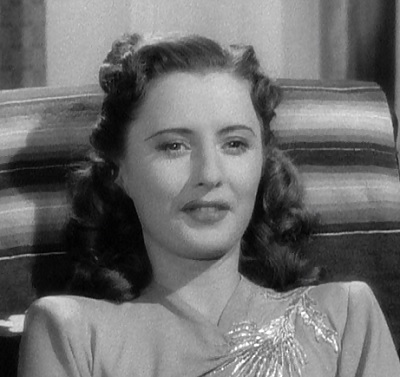
For those who’ve never seen the film, here’s the basic plot: Sugarpuss (Barbara Stanwyck), girlfriend to gangster Joe Lilac (Dana Andrews), hides out from the D.A. in the home of the encyclopedia writers, pretending she’s there to help with Professor Potts’s (Gary Cooper’s) entry on slang. Potts falls for and proposes to her, and she (to her great shock) falls for him too. But when her scheming is exposed, Potts lets her leave with Lilac, who needs her “I do” to prevent her from testifying about his crimes.

Sugarpuss knows she’s earned Potts’s disgust, but refuses to marry Lilac, instead explaining her love for the professor. She describes his poor kissing technique, his “giraffe” fashion, and other traits that have somehow inspired her love for him.

Sugarpuss-Stanwyck
“I’ll never see him again,” she tells Lilac, “but I’m not gonna marry you, not if you tie a ton of cement around my neck and throw me into the East River, like you did all the others.”

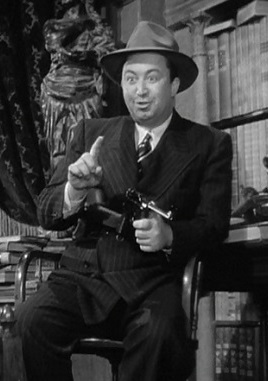
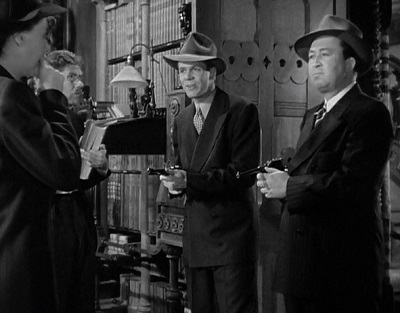
To force her, Lilac sends two of his henchmen, Pastrami (Dan Duryea) and Anderson (Ralph Peters), to take the professors hostage.

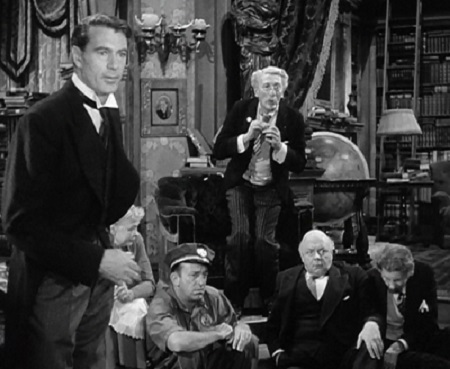
GangstersBallofFire
When Potts discovers how much Sugarpuss loves him, he wants to yodel he’s so happy. His fellow professors share in this enthusiasm, even holding down Pastrami’s gun. The gangster retorts,”Better look out, it’s gonna spit.”

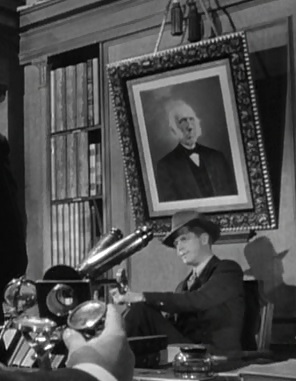
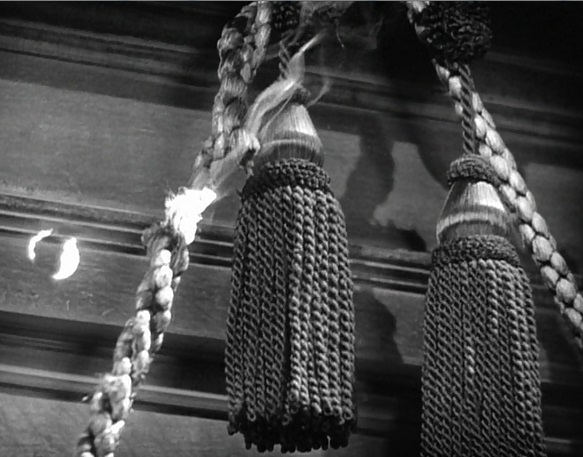
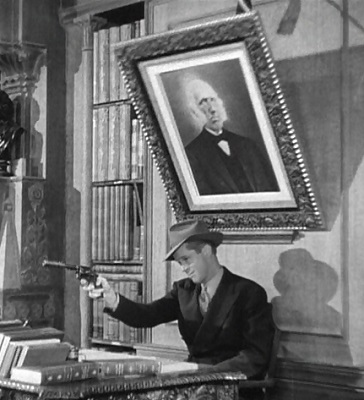
At this exciting juncture, their garbage man arrives with questions on a quiz, including one about the Sword of Damocles. Professor Jerome (Henry Travers–a.k.a., Clarence of It’s a Wonderful Life) explains the legend, realizing its pertinence to their situation: A sword is suspended above the head of Damocles by just a hair, just like the portrait above Pastrami.

SwordofDamoclesstrategy-BallofFire
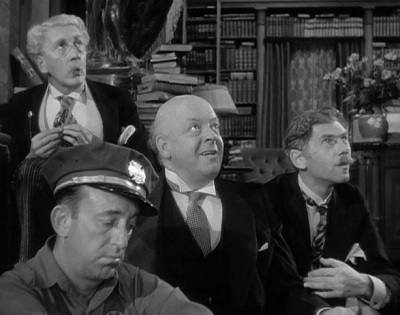
Jerome’s quick-witted colleagues soon catch the reason for his storytelling. Suddenly, they have a strategy–and perhaps as importantly, hope.

ProfessorsSeeDamoclesBallofFire
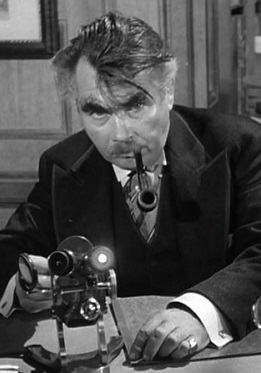
After Potts shares another story–Archimedes burning the Roman fleet with well-aimed mirrors–Professor Gurkakoff (Oscar Homolka) moves his microscope so that it’s catching the sunlight, and directs it at the rope above the portrait.

Oscar Homolka-BallofFire
Potts then notices that Anderson is pitched precariously on a high chair.

Ralph Peters-BallofFire
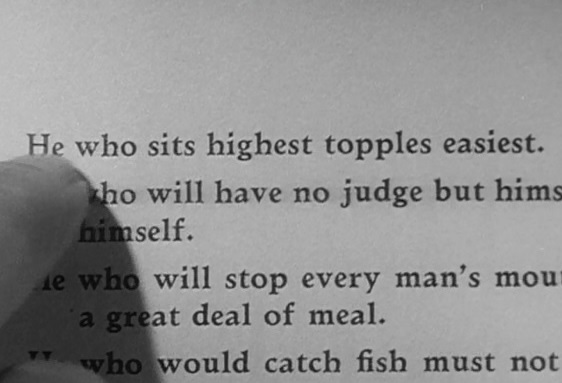
He therefore refers one of his colleagues to a passage that gives him a mission once Pastrami is handled.

Topples-BallofFire
The approach is working. Two of the professors have spotted a carpet they’re ready to pull to topple Anderson, and the fire is burning through the rope above the picture.

Reflectors-Archimedes-BallofFire
Now all the professors need to do is distract the criminals’ attention from the fire. Potts insults the gangsters in a pseudo-intellectual style, beginning a nonsensical speech with “Your inferiority is a question of the bony structure of your skulls.”

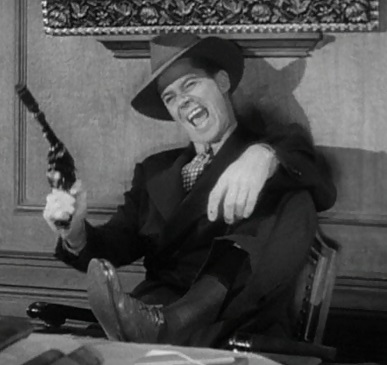
Anderson is unaware how truthfully he speaks when he complains, “This mixed-up talk is giving me a headache.” Pastrami argues that guns, not smarts, make the world go round, and proves it by shooting their globe.

Pastrami-Dan Duryea-BallofFire
While this gun play has the whole room worried, it’s Pastrami’s decision to leave his chair that leads to panic. Professor Oddly proposes that Pastrami shoot a dime out of his hand, but only if he returns to his seat. Realizing the risk he’s taking, poor Oddly switches to a quarter, then a 50-cent piece. The tension in the room has obviously reached quite a pitch.

ProfessorsFearful-BallofFire
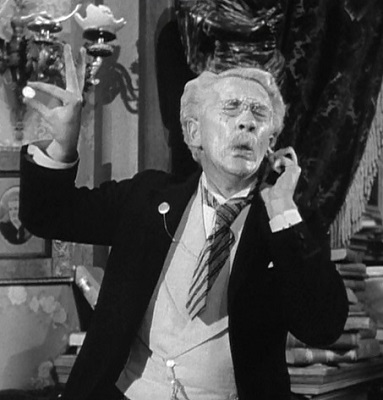
Oddly’s expression as he waits to lose his hand is priceless:

ProfOddlyRichardHaydn
Of course, Pastrami is knocked over first.

Portrait starts to fall.
And Anderson falls via the carpet move. Oddly faints–quite theatrically. And the professors rush off in a garbage truck to save Sugarpuss, with Potts studying boxing strategies to use against Lilac en route. With scenes as delightfully geeky and ridiculous as this one, it any wonder that this classic film remains my favorite?

Share
Posted in: 1940s films, Blogathons, Film Noir/Crime/Thriller & Mystery, Humor, Romantic Comedies (film) Tagged: Ball of Fire, Barbara Stanwyck, Colbert, enclopedia, films for English majors, films for history buffs, Gary Cooper

A Beauty After All: Katharine Hepburn

05/10/2015 by leah@carygrantwonteatyou.com 17 Comments

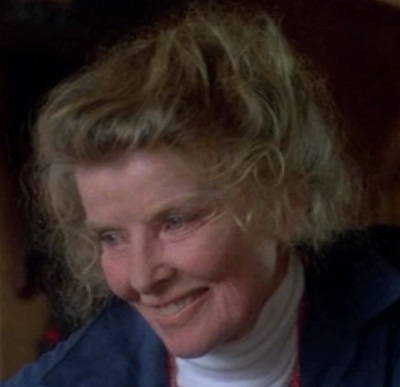
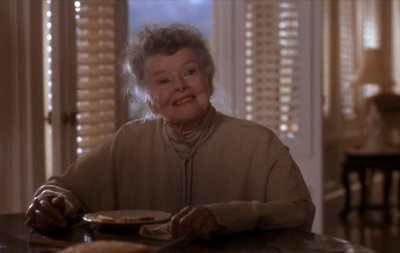
KatharineHepburn-beautyGoldenPond
This is an entry in the Great Katharine Hepburn blogathon. Check out the marvelous posts on her work.

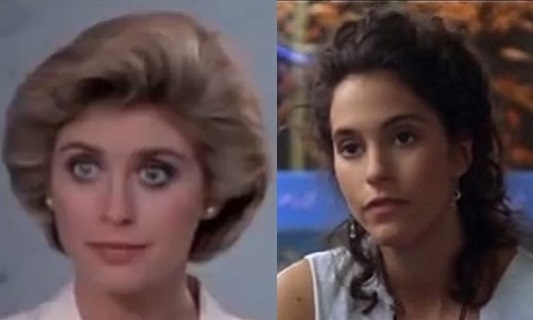
“I’d rather look like Katharine Hepburn at 80,” Aunt Betty said, looking at the screen, “than myself at 30.” I looked at the old lady on the TV, then back at my aunt, confused. Maybe Betty was ripping on her own looks, as she often did. She couldn’t possibly be serious. As a fourteen-year-old who longed to resemble Helen Slater or Jamie Gertz, I found wanting to look thirty incomprehensible. Eighty?

My teenage definition of beauty

My teenage definition of beauty

My aunt smiled at my bafflement. “Just look at that bone structure,” she explained, pointing at Hepburn. “She’s beautiful.”

Bone structure? That wasn’t on my list of attractive characteristics. I examined Hepburn’s face closely to discover what my aunt saw in it, but those wrinkles distracted me. I felt uneasy, as I always did when adults said something I couldn’t understand. I changed the subject.

I didn’t forget it though. Every time I saw Hepburn, the comment returned. She had always looked old to me. Having seen her first in Guess Who’s Coming to Dinner? I could never view her earlier films without seeing the imprint of her older self. Besides, Hepburn was angular, not soft and feminine, like Helen Slater or my earlier womanly ideal, Lynda Carter.

I wasn’t alone, of course, in devaluing Hepburn’s looks. Her employer David O. Selznick had been famous for it. Others, of course, appreciated that bone structure, hence that line about her cheekbones: “The greatest calcium deposits since the White Cliffs of Dover.”

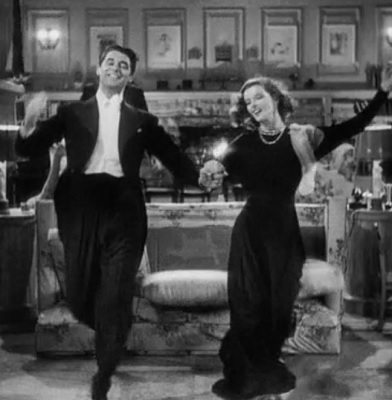
I think I was past thirty myself before I started to understand Betty’s words. Of course, my definition of beauty had expanded by then, but my changing assessment of the actress’s looks was always more complicated than answering pretty or not? First, I noticed Hepburn’s breathless confidence of movement.

GrantandHepburn-Holiday-a
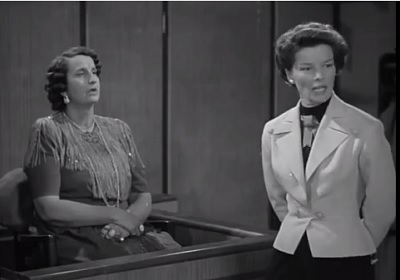
Then there were the clothes that suited her, rather than following any passing fashions. And the parts she chose, roles that could inspire women like me, and like my aunt: athletes, business leaders, pioneers, advocates for women.

HepburnAdamsRib
She always imbued these characters with vulnerability as well as strength, helping viewers see powerful females as fully rounded human beings.

Hepburn’s real-life actions demonstrated the same moxie she expressed in film: fighting back after the box office poison label, establishing her own terms with The Philadelphia Story, and then using her new power to ensure good salaries for her Woman of the Year screenwriters.

In her private life, Hepburn managed to say what she wanted, avoid whom she wished, have a long-time affair with a married man without compromising her career. With her spirit, it’s not surprising that she continued to star as a romantic lead even in her forties.

Now I see in that erect posture of hers in her final years, those fierce expressions, her pride in a life well lived.

KatharineHepburn-LoveAffair
How many of us can follow our own standards consistently, passionately, for as many years as she did? No wonder my aunt found Katharine Hepburn so breathtaking at 80. I look at her later performances now, and see the same. Imprinted on Katharine’s Hepburn’s face, her carriage, and even her voice is the caliber of life she lived.

Look at her. Isn’t she beautiful?

KatharineHepburn-posturewFonda

Share
Posted in: 1930s films, 1940s films, 1950s films, 1980s films, Blogathons, Feminism, Humor, TV & Pop Culture Tagged: beautiful actresses, Katharine Hepburn, spirit
« Previous 1 2 3 4 5 6 7 8 9 10 Next »

Recent Posts

  • 100 Years Later, Still Scary: Dr. Caligari
  • Escaping Out of the Past (1947)
  • A Weeper for Those Who Love Jerks
  • Thank You, Academy, for Not Infuriating Me
  • Challengers (2024) Is a Bad Movie

Subscribe to Blog via Email

Enter your email address to subscribe to this blog and receive notifications of new posts by email.

Categories

  • 1920s films
  • 1930s films
  • 1940s films
  • 1950s films
  • 1960s films
  • 1970s films
  • 1980s films
  • 1990-current films
  • 2020s films
  • Action & Sports Films
  • Anti-Romance films
  • Blogathons
  • Childfree
  • Comedies (film)
  • Drama (film)
  • Feminism
  • Femme fatales
  • Film Noir/Crime/Thriller & Mystery
  • Gloriously Silly Scenes
  • Horror
  • Humor
  • Mae West Moments
  • Musicals and dancing films
  • Oscars
  • Random
  • Romance (films)
  • Romantic Comedies (film)
  • The Moment I Fell for
  • Turn My Sister into Classic Movie Fan
  • TV & Pop Culture
  • Uncategorized
Share
Classic Movie Blog Hub Member

Recent Comments

  • leah@carygrantwonteatyou.com on Meg Ryan’s Fate Foretold in Joe Versus the Volcano
  • Ryan on Meg Ryan’s Fate Foretold in Joe Versus the Volcano
  • leah@carygrantwonteatyou.com on 100 Years Later, Still Scary: Dr. Caligari
  • The Classic Movie Muse on 100 Years Later, Still Scary: Dr. Caligari
  • leah@carygrantwonteatyou.com on 100 Years Later, Still Scary: Dr. Caligari

Archives

  • November 2025
  • September 2025
  • May 2025
  • March 2025
  • January 2025
  • November 2024
  • August 2024
  • July 2024
  • May 2024
  • March 2024
  • February 2024
  • December 2023
  • November 2023
  • October 2023
  • September 2023
  • August 2023
  • July 2023
  • May 2023
  • April 2023
  • March 2023
  • January 2023
  • December 2022
  • November 2022
  • September 2022
  • July 2022
  • May 2022
  • April 2022
  • March 2022
  • February 2022
  • October 2021
  • September 2021
  • April 2021
  • March 2021
  • February 2021
  • December 2020
  • October 2020
  • September 2020
  • July 2020
  • May 2020
  • April 2020
  • March 2020
  • February 2020
  • December 2019
  • October 2019
  • September 2019
  • June 2019
  • May 2019
  • April 2019
  • February 2019
  • January 2019
  • November 2018
  • September 2018
  • July 2018
  • June 2018
  • May 2018
  • April 2018
  • March 2018
  • February 2018
  • January 2018
  • November 2017
  • September 2017
  • August 2017
  • July 2017
  • June 2017
  • May 2017
  • April 2017
  • March 2017
  • February 2017
  • January 2017
  • December 2016
  • November 2016
  • October 2016
  • August 2016
  • July 2016
  • June 2016
  • May 2016
  • April 2016
  • March 2016
  • February 2016
  • January 2016
  • December 2015
  • November 2015
  • October 2015
  • September 2015
  • August 2015
  • July 2015
  • June 2015
  • May 2015
  • April 2015
  • March 2015
  • February 2015
  • January 2015
  • December 2014
  • November 2014
  • October 2014
  • September 2014
  • August 2014
  • July 2014
  • June 2014
  • May 2014
  • April 2014
  • March 2014
  • February 2014
  • January 2014

Meta

  • Log in
  • Entries feed
  • Comments feed
  • WordPress.org

Copyright © 2025 Cary Grant Won't Eat You.

Church WordPress Theme by themehall.com