Cary Grant Won't Eat You

Classic movies for phobics

  • About
  • eBooks
  • Previous Blogathons
Classic movies for phobics

1940s films

Schoolboy Fantasies: The Mannequin in Film

03/26/2016 by leah@carygrantwonteatyou.com 2 Comments

Pygmalionfilms-WalkerGardner
One Touch of Venus
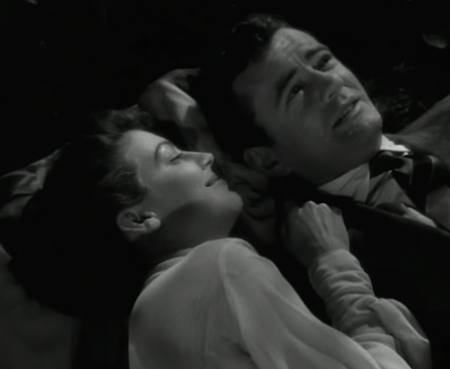
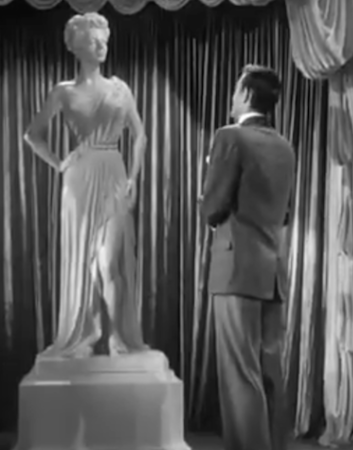
(1948) is a combination of myth and the classic Pygmalion tale: What if a window dresser kissed a statue of the love goddess, and instead of getting institutionalized, became an object of the suddenly warm-bodied immortal’s affection?

RobertWalkerAvaGardner
The execution of the film is as silly as the premise; the movie (a musical in its previous version) can’t decide what it wants to be, and a rom-com with a few singing interludes doesn’t quite cut it, nor can its star (Ava Gardner) figure out what form her acting should take (statue-like? goddess-like? human like?) (I suspect this is the film Beckinsale watched before The Aviator.)

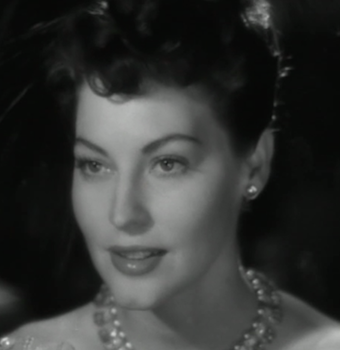
But in spite of its unevenness, there’s something strangely fascinating about the film, something very meta in its casting, for example. Just a few years later Gardner would pose for a strikingly similar statue by a different artist in The Barefoot Contessa (1954), as if to confirm just how otherworldly her beauty was.

AvaGardner-Venus
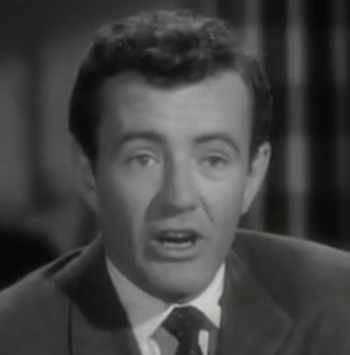
Her gorgeousness is contrasted to Eddie’s (Robert Walker’s) awkwardness. His character (unlike the versatile actor himself) has very little charisma, wit, wealth, or personality to recommend him.

RobertWalker-Venus
She’s attainable,
boys, the casting director might as well have called out. Even this geeky window dresser can get her.

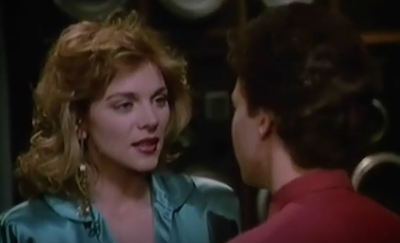
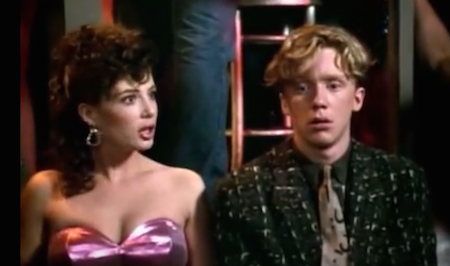
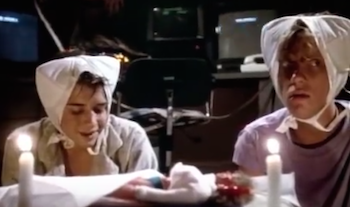
What’s odd is how frequently this statue story gets played out in film, and how similar the casting is in each case. The closest versions in terms of character dynamics came out in the 80s, Mannequin (1987) and Weird Science (1985). In each version, the unattainable beauty is not only attracted to an awkward, boyish goof, but pursues him: Venus chases Eddie when he flees, just as the mannequin-come-to-life Emmy (Kim Cattrall) seduces awkward store employee Andrew McCarthy in Mannequin (1987).

Cattrall-McCarthy-Mannequin
Lisa (supermodel Kelly LeBrock) pouts at the abandonment of her creators, socially awkward Gary (Anthony Michael Hall) and Wyatt (Ilan Mitchell-Smith), in Weird Science (1985). 

Beauty & the geek

Beauty & the geek

Sex objects?

Sex objects?

It is, in other words, a very transparent stick-it-to-the-cheerleader-who-snubbed-me schoolboy fantasy, and its pervasiveness in film culture is a testament to the power of denial.

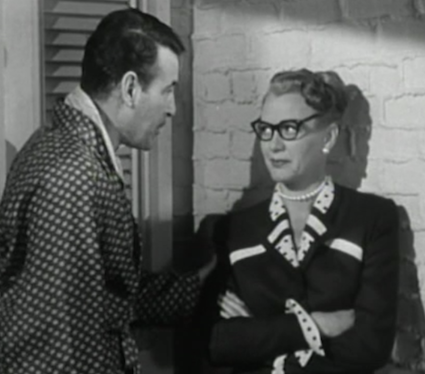
What elevates One Touch of Venus beyond unintentional camp is the presence of Eve Arden as the smart-talking secretary of the store owner (Tom Conway) who bought the statue. Her responses to the absurdity of Venus’s (and by extension, Gardner’s) beauty are hilarious: her reaction to the siren’s tiny shoes, to the impact of her presence on the male body, to the inevitable comparisons a gal must draw to her own form after encountering the goddess’s.

ArdenandConway
I also enjoyed the occasional winks to the audience, as when Eddie tries to make sense of Venus’s presence, and Gardner coos, “Now don’t ask a lot of questions, you’ll only get confused.” Or when he asks about former lovers Venus has converted to animal or inanimate form, then decides he doesn’t care: “You can turn me into a fire hydrant or a mountain goat if you want to, it’s worth it.” Such moments point to the funny parody this film could have been, with just a touch more consistency of style–and a lot less romance.

Share
Posted in: 1940s films, 1990-current films, Comedies (film), Romantic Comedies (film), TV & Pop Culture Tagged: Anthony Michael Hall, Ava Gardner, Film, Kelly LeBrock, Kim Cattrall, Mannequin, One Touch of Venus, Pygmalion, Robert Walker, sex object, teenage fantasy, Weird Science

Canada Lee: Blacklisted Actor, Civil Rights Activist, Benefactor

02/06/2016 by leah@carygrantwonteatyou.com

CanadaLee-Lifeboat
In 1940, a white kid shows up at actor Canada Lee’s door in Harlem. Lee knows him, met the lonely teenager backstage while starring in Broadway’s Native Son.

The kid asks to stay; Lee says yes, lets him remain a year. Introduces the kid to the lights of the Harlem Renaissance, loans him money for college. Later, the kid becomes a Civil Rights activist, goes on to found Physicians for Human Rights, creates the first US community health center, eventually leading to 1000 in America alone.

It’s the kind of story that baffles comprehension, but then, so does Lee’s whole life: jockey, boxer, musician, Broadway producer and star, groundbreaking film & radio actor, Civil Rights leader. He played Banquo as part of an all-black cast in Orson Welles’ famous production of Macbeth. Helped his generation empathize with black men’s plight in a racist culture through his smash performance of Bigger Thomas onstage. Even played whiteface.

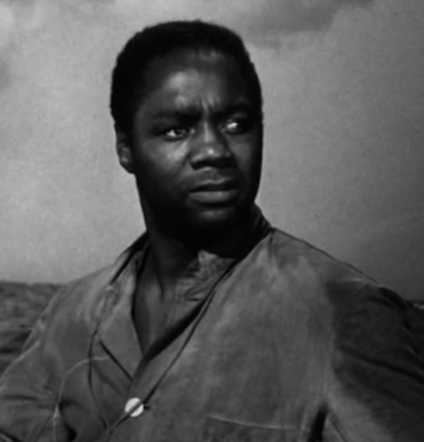
His most famous film role, that of Joe in Lifeboat, is a complex one. The moral center of the story, Joe fails to succumb to mob violence, as the white passengers do. And though his companions have racist moments (the names they use, their shock at his having a wife), they respect him. It would be easy to just credit the characterization to Alfred Hitchcock. But much of the credit goes to Lee himself. He convinced Hitchcock into changing a belittling part into a fascinating one.

Lee’s insistence on dignified roles, paired with his blacklisting, may have given us too few of his films to appreciate (his early death is often attributed to the ban). But what performances they are. The viewers of Body and Soul, Lost Boundaries, Lifeboat, and Cry, the Beloved Country can thank him for selecting and affecting the development of roles that not only revealed the force of his talent, but his integrity in the face of unspeakable odds.

And despite his unjustly forgotten contributions to film, Lee’s influence is still felt in our communities today. Just ask those who’ve benefited from former runaway Jack Geiger’s medical and human rights work. All 17 million of them.

***

For more on Lee’s life, check out this well-written Wikipedia entry, a This American Life tribute to his kindness, the biography (Becoming Something: The Story of Canada Lee) by Mona Z. Smith and the following reviews of her text: Blue
, Howard. Rev. of Becoming Something: The Story Of Canada Lee, by Mona Smith. The Black Scholar 35.2 (2005): 65. Print; Gautier
, Amina. Rev. of Becoming Something: The Story Of Canada Lee, by Mona Smith. African American Review 40.2 (2006): 387-389. Print; and McGilligan, Patrick. Rev. of Becoming Something: The Story Of Canada Lee, by Mona Smith. Cinéaste 30.4 (2005): 73-74. Print. Geiger just posted about the situation in Flint.

Share
Posted in: 1940s films, 1950s films, Drama (film), Uncategorized Tagged: Canada Lee, forgotten black actors, groundbreaking black actors, Hollywood Blacklist, inspiring stories, Jack Geiger, Lifeboat, Trumbo film

Joel McCrea: Stalling Director Preston Sturges

01/23/2016 by leah@carygrantwonteatyou.com 16 Comments

McCreaPalmBeachStory
This essay is part of Cinema Maven’s Symbiotic Collaborations blogathon, featuring wonderful director/star pairings. Click here for all the great entries.

When I was a kid, my sisters and I used to play with the record player. We loved to speed it up to make it sound like Mickey Mouse. I mention it because when I watch Preston Sturges’ films, I feel like the record player has become stuck on Mickey Mouse mode: everyone is running, shouting, falling, frantic. There are actors whose characteristics are uniquely suited to Sturges’ pace: Eddie Bracken’s exaggerated physicality, for example. Barbara Stanywck’s rapid speech.

Much of the humor of writer/director Sturges’ worlds is when someone slower enters the stage, and can’t keep up. Henry Fonda in The Lady Eve is so out of place that Sturges felt the need to underline it by having him reach the ship full of con artists and gold diggers in a small boat that’s been “up the Amazon.”

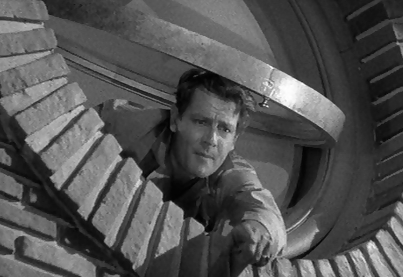
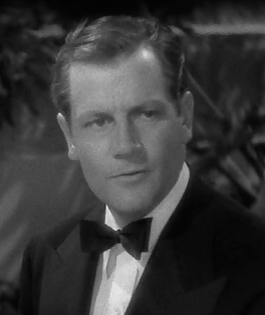
But certain actors do more than act as foils to Sturges’ frantic pace. They change the terms, slow things down, act as resistors to his electric current. They are part of the Sturges world, and wise about their companions, not naive, like Fonda’s Charles. We don’t laugh at them, but with them as they, like older siblings, view The Miracle of Morgan’s Creek-type mania around them, and urge everyone to settle down. Joel McCrea was the perfect Sturges resistor.

McCrea
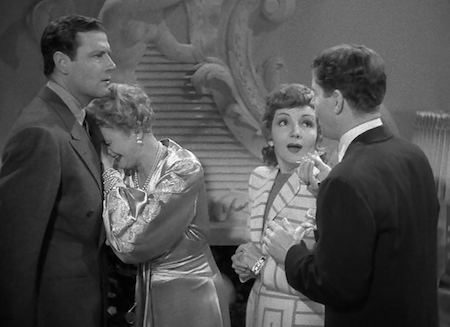
In The Palm Beach Story, he arrives in Florida to discover his wife Gerry (Claudette Colbert) flirting with J.D. Hackensacker III (Rudy Valee), scheming to apply the millionaire’s funds to her husband’s projects. As he tries to reason with her, Tom (McCrea) finds the dizzy chatterbox The Princess Centimillia (Mary Astor) flitting about his handsome form, and his own competition so woefully naive that he serenades Gerry. On McCrea’s face you can see as well as hear the sigh, the “Now this,” the years of putting up with his wife’s silliness, and now these idiots, and you can’t help but laugh.

McCreaPalmBeachStory-scene
Without grandstanding, without chewing the scenery, McCrea has stolen our attention from the mesmerizing Colbert with a few perfect expressions and the solidity of his presence. Suddenly, we’re rooting for him, for them, not for her success. Given the amount of his screen time, it’s a remarkable achievement, and makes you realize why Sturges would nab him for three of his films.

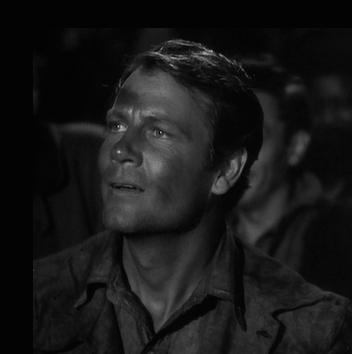
McCrea was even more essential, of course, to Sullivan’s Travels, which came out the year before. Consider the challenge: The lead must act as a stand-in for Sturges, pronouncing the need for comedy in times of trouble. Sullivan (McCrea) is, like Sturges, a director, who thinks he should experience poverty so that he can direct meaningful dramas instead of his usual farces. If the star of Sullivan’s Travels preaches the final lines or overplays his insights (in the theater with the convicts) about the value of comedy, the film becomes hokey. If the character comes across as stupid in not realizing humor’s importance earlier, the ending will feel forced. The actor must, in short, act naive/be deluded at the start of the film, but not be naive. An intelligent, understated performance is essential to delivering Sturges’ message, which is really an endorsement of his entire career (and thus not something he could have taken lightly). And so Sturges chose McCrea.

McCreaSullivansTravels
When we talk about comic timing, we often think of rapidity. But McCrea’s calming presence is part of what makes him so funny. While others around him continue their frantic scrambling, he walks and talks fairly slowly, his deliberation in sharp contrast to their quicker motions and thoughts. He underscores their rush, and makes us laugh. As Sullivan, he is very observant, as a comedic director should be, and gives us just enough of a pause to witness, to understand as he does. As in The More the Merrier, a brilliant comedy Sturges didn’t direct, McCrea gives us the space to recognize the layers of his personality, with Sturges’ regular troop (in this case, following their director in a motor home) left to be the screwball types who summon the simpler laughs.

Although I think most would call Sullivan’s Travels the perfect Sturges-McCrea pairing, I wish fewer people would dismiss The Great Moment. Because it’s not a comedy, of course, it flopped. (A drama? From Sturges?) But it’s truly a remarkable biopic. A dentist, Dr. W. T. Morgan (McCrea), publicly demonstrated the use of ether in an operation in 1846, and therefore helped make all of our surgeries since less painful. But it seems Morgan displayed less admirable behavior afterward, was more intent on getting credit than in the useful application of his discovery. Sturges highlights something beautiful about the man’s life by beginning after his death (after a short scene celebrating his biggest success), and ending the movie with Morgan’s decision to expose his discovery in this public demonstration (thus making unlikely his success in patenting).

The movie isn’t about the main character at all, but instead about an idea: Does an “incandescent” moment, a moment of self-sacrifice for others, make up for the pettiness of one’s life? It’s this rising above the history of events that I so rarely see in biopics, this understanding that recording events isn’t enough; you have to be saying something about them. McCrea’s measured timing lends a kind of gravity and dignity to the role, lets us see the heaviness and pain of Morgan’s decision to sacrifice for others.

McCreaTheGreatMoment
And because McCrea is so likeable, we’re able to acknowledge the character’s usual selfishness (at least as Sturges saw it), and understand it too. I can’t say it’s my favorite film of Sturges’, but it has stuck with me; I find it haunting, which is surprising given Sturges’ light touch. I wish more aspiring directors would learn from it.

Joel McCrea was in three of Preston Sturges’ films, two of his most famous. I know I should be grateful to have that many, but oh! How I wish there were more.

Don’t forget to check out the other entries in the blogathon!

Share
Posted in: 1940s films, Blogathons, Comedies (film), Drama (film), Romantic Comedies (film) Tagged: biopics, Cinema Maven, Joel McCrea, Preston Sturges, Sullivan's Travels, The Great Moment, The Palm Beach Story

A Classic Christmas Romance for Any Day

01/19/2016 by leah@carygrantwonteatyou.com 21 Comments

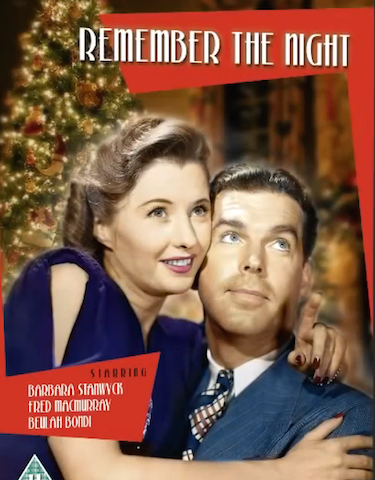
RemembertheNight
How do you create a Christmas film that is sentimental, without dripping it in eggnog? Especially when you’ve agreed to make it a romance between a shoplifter and her prosecutor, and set it in *gulp* Indiana, which is  peppered with cornpone clichés in every cinematic portrayal? Miraculously, Remember the Night (1940) not only steers through these dangers, but manages to be fresh, original, funny, even moving, thanks to four very wise decisions:

1. Trusting Screenwriter Preston Sturges

Tone is a tricky thing, and Sturges was a master at it. He knew how long he could get away with sentiment, when to cut it with humor.
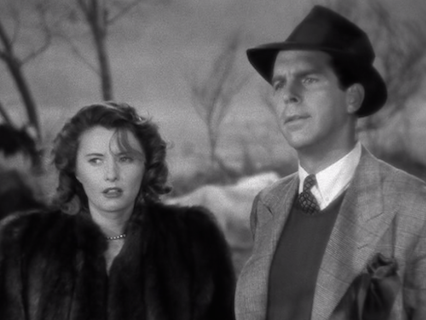
In trouble for trespassing

Caught trespassing

He developed complex leads. John, the hero (Fred MacMurray), is introduced to us as a wised-up NYC DA. He comes across as jaded and unfeeling in his treatment of the repeat shoplifter (Barbara Stanwyck). Yet we can’t help but laugh at his humorous take on the defense attorney’s silly ruses to win the trial, and admire his own tricks to postpone it. His decision to later assist Lee reveals a soft side Sturges further develops when the character is home with his relatives.

The shoplifter, Lee, is played by Stanwyck. I know I don’t really need to say anything else (see below), but during the trial, expressions–hope, disillusionment, amusement, anger–move quickly over her face, revealing that her hard life hasn’t completely hardened her. When John, feeling guilty about her jail time over the holidays, springs her until the second trial, she (thanks to the dirty mind of his bondsman) ends up at his apartment. At first, she assumes the worst. But when she discovers the mistake, she starts to enjoy John’s company, and the two end up traveling home to Indiana for Christmas–he, to see his beloved family; she, to visit the mother she hasn’t seen since she ran away.

In other hands, the plot wouldn’t have worked; I wouldn’t have even watched it had someone else written it. I am tired of portrayals of my home state, which is typically drawn as either the embodiment of (a) homespun happiness or (b) hickville. But Sturges avoids the trap by giving us a variety of Hoosiers. Stanwyck and MacMurray are both streetwise, smart, and sophisticated. While John’s mother and aunt initially appear to be simple souls, neither is a stereotype. Sturges gives each insight, making the scenes with them far more complex than they initially appear, and allowing us to enjoy the sentimentality of a homey xmas when it comes. Similarly, the scene with Lee’s cold mother, which could have played as far too maudlin, is beautifully understated and short.

True, Sturges does have some missteps. He makes the servant/helper Willie a rube (Sterling Holloway). He’s even an aspiring yodeler. Seriously? I decided that Willie was OK because he canceled out John’s simpleminded African American butler in New York, Rufus (Fred Toones, one of Sturges’ stock players). (I’ll take cinematic classism over racism any day.)

As the director, Mitchell Leisen doesn’t get enough credit for the film’s quality (nor did he get enough credit for Easy Living or Midnight). I’m particularly impressed with his choices of which look to linger upon, which face to highlight, in which moment. But more importantly, the story’s pacing–one of its chief charms–is due to Leisen choosing to cut some of Sturges’ script, according to Ella Smith. Given that there’s a breeziness to many of Leisen’s comedies, it’s hard to argue pacing is all to his writers’ credit. Surely, too, it should be seen as an asset when a director trusts his writers, as Leisen surely did. According to Smith, he even agreed to keep the title, despite having no idea what it meant.

2. Selecting Talented Actresses as the Resident Hoosiers
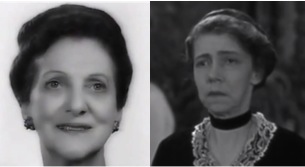
BondiPatterson-1
Character actresses Beulah Bondi (John’s mom) and Elizabeth Patterson (his aunt) would win acclaim for The Waltons and I Love Lucy, respectively, later in their careers; it’s not hard to understand why. The two, familiar faces in a number of 30s and 40s hits, mesh so beautifully it’s hard to believe they aren’t really sisters. Watch Patterson’s reaction when she shares a dress from her past with Lee, or Bondi’s worry as she watches her son’s increasing attraction to the shoplifter he’s prosecuting.

3. Casting an Understated Actor as the Hero
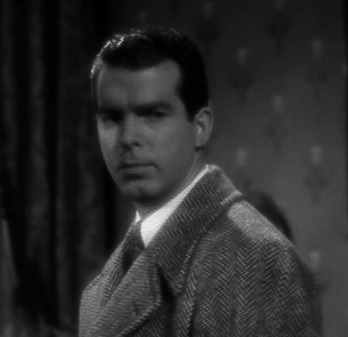
MacMurrayRemembertheNight
MacMurray is good in everything. He and Stanwyck would, of course, pair up again for the landmark noir, Double Indemnity. But this is the performance that won me over. Watch the scene when he meets Lee’s mom, how gracefully, subtly he handles it. The brevity and tone of the scene, of course, help, but another actor would surely have overplayed his reactions. Instead, MacMurray’s smooth, simple words, with just a twinge of emphasis, say just what needs to be said: this mother is a monster, and Lee’s criminality is no longer mysterious. (Spielberg would have launched a huge, weepy score; thank you, Leisen, for not doing so.)

4. Choosing Stanwyck as the Star
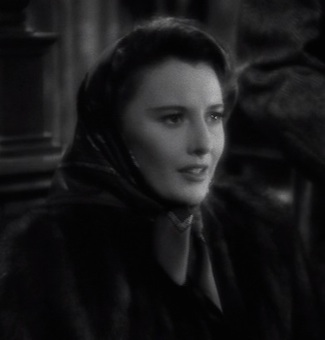
StanwyckRemembertheNight
The soul of the story is Stanwyck’s. She has to sell the moral quandary: Will she give in to romance with John, knowing it will kill his career? We have to care about her, about her struggle. We have to root both for the couple’s happiness AND for morality winning the day. We have to sympathize as John’s occasional denseness hurts her feelings, and laugh at her quick bursts of anger when it does. We have to even let some realism in (how’s that for a rom-com shock?): acknowledge that love does not, in fact, conquer all; in fact, sometimes it’s very much in the way (at least temporarily). It’s quite a balancing act Stanwyck must play; if she gives him up, the movie could become soapy very easily. If she doesn’t, how could her performance come across as real; how could we continue to root for her? Other actresses might have missed the target, but not this one. Sentiment, comedy–the woman did it all, beautifully, and as naturally as any performer I’ve ever seen. Because of her, you will love the film, December 25th or July 2nd.

At the Golden Globes the other night, Tom Hanks mentioned Stanwyck’s name in his fantastic presentation of the Cecil B. DeMille Award. He explained that the winner, Denzel Washington, was one of an elite group of great actors who “demand” our attention, who can’t be duplicated. “The history of film,” he said, “includes a record of actors who accrue a grand status through a body of work where every role, every choice is worthy of our study. You cannot copy them. You can, at best, sort of emulate them….Now it’s odd how many of these immortals of the silver screen, of the firmament, need only one name to conjure the gestalt of their great artistry. In women, it’s names like Garbo, Hepburn, Stanwyck, Loren.”

The speech, of course, justified watching the rest of the show. I’m not always a fan of Hanks’ work (he’s far better in comedy than drama), but his wisdom is evident. So was Sturges’; in his third turn as a writer-director, his first with a female lead, he would cast Stanwyck as his Eve and make movie history. The Lady Eve so impressed us all that this quieter, earlier effort has been forgotten. It shouldn’t be.

This post is part of the Barbara Stanwyck blogathon, hosted by Crystal at In the Good Old Days of Classic Hollywood. Check out the fabulous entries on my favorite star at her site.
Share
Posted in: 1940s films, Humor, Romantic Comedies (film) Tagged: Barbara Stanwyck, classic Christmas movie, Fred MacMurray, Preston Sturges, Remember the Night, underrated films

Irene Dunne’s Birthday

12/20/2015 by leah@carygrantwonteatyou.com 4 Comments

Lucy humiliating Jerry
Others may love Irene Dunne for her skill with pathos: I Remember Mama, Love Affair. Fair enough: the woman sure could summon convincing tears. But for me, Dunne admiration is all about the comedy. Not the frantically paced Theodora Goes Wild, but those sophisticated films that beautifully negotiated the line between humor and pain: Together Again, My Favorite Wife, and the incomparable The Awful Truth.

My favorite of her performances is in The Awful Truth. In a pivotal scene, her skirt flipping-up dance (years before Monroe) to humiliate her ex is hilarious in part because she’s using his fling’s regular act to carry it off. What was upsetting to her (seeing his fling in action), has now become ammunition against him. But what really sells the prank is how far her performance is from her sophisticated persona throughout the film. (In fact, she’s so put-together in the movie that she matches even Cary Grant; in the opening scenes, her friends’ satisfaction about her marital fight is palpable–and understandable: At last! The perfect couple has problems!)

So while you’re going about your day, think about the actress with timing so impeccable and an air so glamorous that she matched the man who has become the icon of gentlemanly style and wit. And if you have a bit of time, watch her strategies to humiliate her spouse in The Awful Truth. With chemistry this believable, the two may give you a method or two for embarrassing YOUR husband/wife, friend, or family member. More likely, you’ll forget about holiday shopping or deadlines or to-do lists or your partner, listen to Dunne sing about wind, and just grin.

Share
Posted in: 1930s films, 1940s films, Romantic Comedies (film) Tagged: birthday, Irene Dunne

Hitchcock Fans, Watch The Gift (2015)

12/13/2015 by leah@carygrantwonteatyou.com 2 Comments

The beauty of watching The Gift (2015) is how often our own reactions to the film are reflected in Rebecca Hall’s expressive face: compassion, fear, doubt, suspicion.

RebeccaHall-TheGift
Her character, Robyn, is in a vulnerable state when she and husband Simon (Jason Bateman) move to a new town: She’s given up her job; she’s lost a child. Perhaps that’s why when Simon’s high school acquaintance, Gordo (Joel Edgerton), stops by frequently, Robyn considers him merely sweet and socially awkward, and her husband wants to cut all ties, avoid encouraging the creep.

Gordo’s weird to assume such intimacy, her husband suggests. In fact, he’s always been weird. She shouldn’t encourage Gordo, Simon warns; the creep must have a crush on her. As viewers, we tend to agree with Simon’s instincts, and yet….Simon’s behavior to Gordo verges on cruelty. And so much hostility seems to suggest he’s lying about their past. When Gordo pens a letter in response to the end of their friendship, he writes that he was willing to let bygones be bygones. But not now…

JoelEdgerton-TheGift
When seemingly vengeful acts start occurring, Robyn is unsure: Is it Gordo? Or is her susceptible state making her paranoid? More troubling than her fears are her observations of her husband. He seems to be undermining her confidence at work and dinner parties. There’s a hint of ruthlessness about him she clearly didn’t notice before. And she starts to catch him in lies. Whom exactly has she married? And what has he done?
JasonBateman-TheGift
All three performances are stellar, with ambiguity in every shot of their faces, every word they speak. Edgerton seems sketchy from the start, but also kind and sensitive. He does triple duty as the costar, writer, and director of the film.

As Simon, Bateman appears loving toward and protective of his wife, but also condescending, and casually inconsiderate of others. Usually such a great everyman, Bateman plays this ambitious, morally questionable businessman with ease.

Robyn doesn’t know whether to trust herself at all, and so Hall’s gestures and smile are hesitant throughout. Hers is a winning, understated performance. As viewers, all we know for sure is that Robyn is far too nice, and we like her too much to be comfortable with her exposure–especially with all of those inadvisable, big glass windows in her home.

Women’s fears about the men in their lives are convincingly captured by Edgerton’s script. Others have written gorgeous pieces about Hitchcock’s similar insights. I can’t reach these authors’ eloquence, but I now always observe those traits in the latter’s films. As in Hitchcock’s Suspicion (or George Cukor’s Gaslight), The Gift is essentially about a marriage. While Edgerton has been praised for his building of suspense in the film, I like his subtle characterizations more, as when Robyn’s disgust at her husband’s callousness is echoed in the face of a neighbor, Lucy (Allison Tolman). I soon became less interested in the Should I be afraid? question, and more intrigued by another, much harder one: If my spouse treats another human being in a certain way, can I still like him? Is a momentary past cruelty just that, in the past? Or does it reflect who he is?

Joan Fontaine’s character always troubled me in Hitchcock’s film because she was too wrapped up in her own vulnerability to and love for her Johnnie (Cary Grant) to judge him as harshly as she should have for his immorality toward others. Robyn, despite her fragility, speaks up even for maybe-dangerous Gordo, and as a result never loses our investment in her–and that, Edgerton knows, is what keeps us hooked. If this is his first effort as a writer/director, I can’t wait to see what his next attempt will be.

Share
Posted in: 1930s films, 1940s films, 1990-current films, Film Noir/Crime/Thriller & Mystery Tagged: Alfred Hitchcock, Jason Bateman, Joel Edgerton, Rebecca Hall, The Gift

Elle King Wrote Mae West’s Theme Song

11/14/2015 by leah@carygrantwonteatyou.com Leave a Comment

voluptuousMaeWestImNoAngel
When my husband told me he’d heard Mae West’s theme song on the radio, I asked for an explanation; instead, he played me Elle King’s “Ex’s and Oh’s”:

“Ex’s and the oh, oh, oh’s they haunt me
Like ghosts they want me to make ’em all
They won’t let go
Ex’s and oh’s”*

And of course, I understood. Mae West could have written those very words. In every West film, and in her own descriptions of her life, all the men are after her…

MaeWestandhermenImnoAngel
And she’s not exactly clingy with them: “All discarded lovers should be given a second chance, but with somebody else.”

In “Ex’s and Oh’s”, all men want the singer because she’s “the best baby that they never gotta keep.” They “always wanna come, but they never wanna leave.” Sounds like West, huh?: “Men are like linoleum floors. Lay ’em right and you can walk all over them for years.”

Of course, when I heard the song, I instantly pictured Mae West surrounded by a throng of half-naked men. Apparently, King had the same thought when planning her video:

ElleKingandhermen
It’s hard to describe just how funny this video is: men wrestling over her, an obsessive climbing over rocks to get to her, two models on a see saw, Elle spraying nearly naked men with a hose, her kicking one out of a car because she’s done with him. I don’t think I’ve ever seen a video so blatantly objectifying men–even Madonna’s. My favorite? The underwear-clad headstanders she dances around as she plays guitar:

ElleKingandHeadstandmodels
The singer profiles certain affairs to illustrate her commitment phobia: “I had a summer lover down in New Orleans/Kept him warm in the winter, left him frozen in the spring.” The men longing for her are “climbing over mountains and a-sailing over seas.” Like West, who characterized marriage as a “last resort,” there’s no celebration of eternal love here–just of eternal lust.

King is more than just a performer. She co-wrote the song, just as West wrote her screenplays. The two temptresses even resemble each other: both voluptuous, blue-eyed blondes with lovely, pale skin:

ElleKingexes
I don’t know that West was one of King’s inspirations, but certainly, the two are united in spirit. I hope King’s enjoying West’s films right now, and that all of you West admirers check out this catchy, clever song, and the hilarious video that goes with it.

This post is part of my monthly West moment series.

*Yes, it bothers me too that a writer would think these apostrophes correct. Try to ignore them.

Share
Posted in: 1930s films, 1940s films, Feminism, Humor, Mae West Moments, Random, TV & Pop Culture Tagged: "Ex's and Oh's", Elle King, Film, Mae West, theme song, video

The Amazing Mind of Bombshell Hedy Lamarr

11/09/2015 by leah@carygrantwonteatyou.com 2 Comments

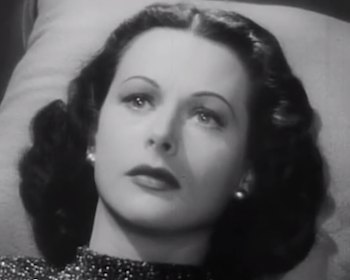
Many of you vaguely know her name from the Blazing Saddles spoof of it. (Remember Hedley, played by Harvey Korman?) Others may remember that she made a scandalous entry into film, or that she simply had one of the loveliest faces ever to appear on screen. But today Google Doodle is celebrating the gorgeous Hedy Lamarr for her WWII invention, an honor preceded, of course, by a far more notable one from the Electronic Frontier Foundation. Her ideas may have been under-appreciated in her time. (Admittedly, those rockstar looks ARE distracting.)

HedyLamarr
But today you can thank her for the WiFi you’re using to read this post. Happy Birthday to the late Lamarr, whose genius has made life easier for us all.

Share
Posted in: 1940s films, Feminism Tagged: actress, bombshell, Google Doodle, Hedy Lamarr, invention

An Unabashedly Romantic Pirate Tale: Frenchman’s Creek (1944)

11/07/2015 by leah@carygrantwonteatyou.com 16 Comments

FrenchmansCreek-top

Daphne Du Maurier’s Frenchman’s Creek was my favorite romance as a kid, and when I found a copy of it in a bookstore in my twenties, became enthralled with it all over again. Du Maurier excelled at atmospheric suspense, and what girl wouldn’t love a period drama featuring a heroine running away from London society (and her dumb husband) with her kids to luxuriate in freedom and nature in Cornwall, and falling for a pirate as independent and daring as she? I hoped the movie would capture much, if not all, of the book’s magic–and it really does.

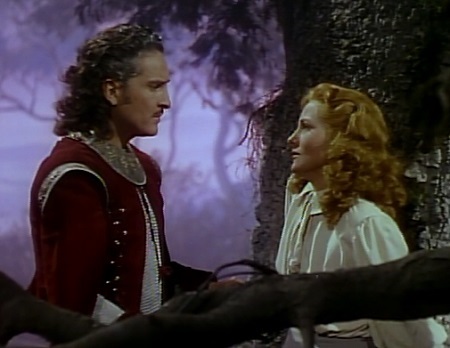
FrenchmansCreek-Arturo de CórdovaJoanFontaine
I know the story sounds like the clichést of clichés, an overimaginative girl’s fantasy. And of course, it is.

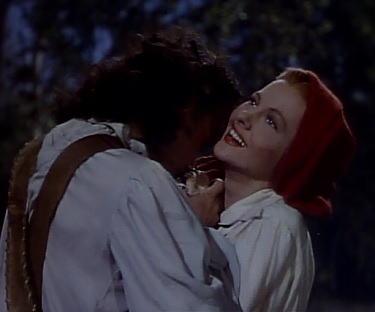
FrenchmansCreekFontaineinlove
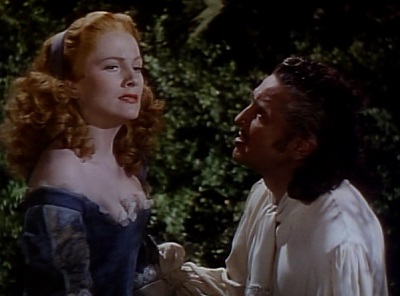
But it’s more than that. A biographer claimed the story was based on the novelist’s own romance, and I always believed there was truth to it. There’s something authentic in the chemistry between the two characters, in their vulnerability with and to each other, and in both their passion for each other and acknowledgement that theirs shouldn’t be anything but a temporary affair. I feared the movie would follow the outlines but miss that authenticity, but it didn’t, largely because large portions of the dialogue are lifted straight from the book. The actors have some chemistry, too, which helps sell the romance.

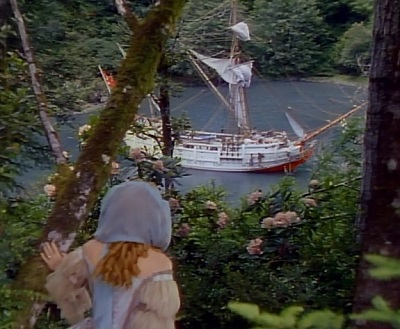
Even the beginning of the story is absorbing: The heroine’s flight from London, her discovery of a pirate’s ship as she ventures in the woods near her manor…

Frenchman's Creekboatspotted
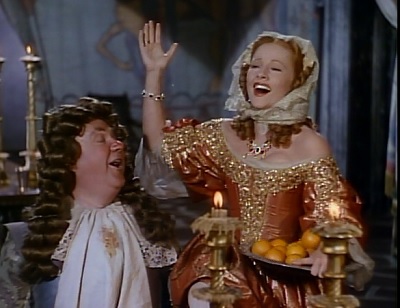
The story picks up speed and romance with her awkward midnight feast with the pirate, her joining into his theft of a countryman’s ship, her husband’s arrival, and her efforts to foil the hanging plot against her now-lover by attempting to flirt with her guests just long enough for the ship to escape.

FrenchmansCreek-flirting
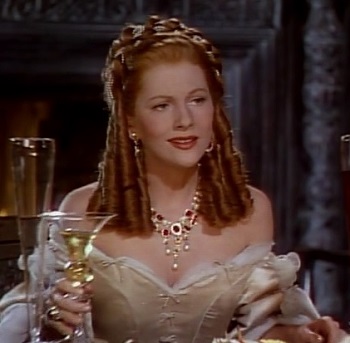
Some of the suggestive lines do make it into the film, as when Jean, the pirate, notices the spread at dinner, but looks straight at his beautiful hostess as he says, “Is it wise of you to place all this temptation before a pirate?”

Joan Fontaine captures Dona; the spirited, smart heroine; even managing her voice.

FrenchmansCreek-JoanFontaine
All she really gets wrong is a tendency to pose now and then, and a lack of attention to Dona’s wit; Fontaine can be arch, but she misses the irritability with Cornish high society that was one of the character’s greatest charms. Fontaine plays Dona as a little too sweet, a little too filtered. The heroine is less interesting without her shocking double entendres, or the comic timing Fontaine never attempts (of course, this absence is partially the censors’ fault). But this is a book lover’s quibble; I doubt a viewer unacquainted with the novel would find fault with her character, as she’s still brash, proud, romantic, adventurous, intelligent–all the qualities we would hope for in a pirate-loving gal.

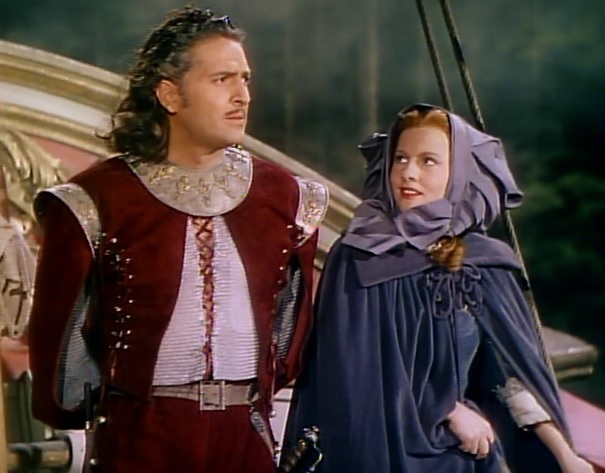
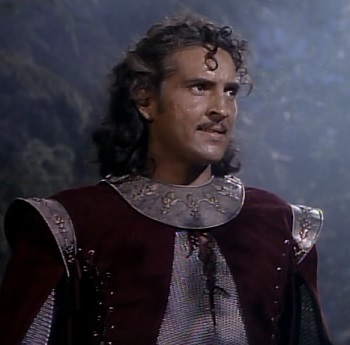
Arturo de Córdova’s ethnicity might make him a peculiar choice in a strictly French-versus-the-English tale. (Don’t you love that about Hollywood? Need a French dude? Any guy with an accent will do.)

FrenchmansCreekArturo de Córdova
Overall, de Córdova manages the role with only slight piratey exaggeration. He catches the hero’s sense of humor, and an independence so extreme he hesitates to make any decisions for his love–probably a quality unique in pirate characterizations, but one that has always made him seem real to me. If not a pirate, surely this man would have been an obsessive in some political movement or another, unwilling to compromise his ideals.

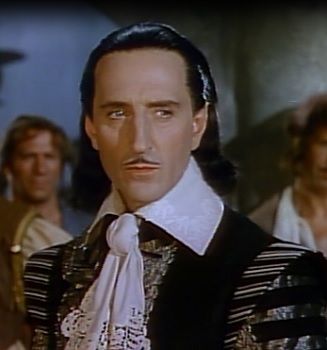
Cecil Kellaway as William, the matchmaking servant, is delightful, and Basil Rathbone as Lord Rockingham, Dona’s nemesis, is perfection.

FrenchmansCreekBasilRathbone
Any fan of Du Maurier’s work will enjoy time in her world again; lovers of romance will root for these two. Swordplay aficionados might crave more fencing time, but they’ll enjoy the devilry of Jean, his resemblance to their Errol Flynn favorites. Women can relish a strong-minded heroine who weighs her obligations against her passions, her annoyance with society, against her safety within it. (The lighting of the film accentuates her power of choice: he is shadowed, and she lit.)

Frenchman's Creekdilemna
Costume drama fans can drool over Fontaine’s lovely gowns. And any fans of a good yarn will wonder just how they missed this one before.

This post is part of Movies Silently’s wonderful Swashaton. Click here for more pirating adventures!

Share
Posted in: 1940s films, Action & Sports Films, Drama (film), Feminism, Romance (films) Tagged: classic, Daphne du Maurier, Frenchman's Creek, Joan Fontaine, pirate movies, Pirates of the Caribbean

5 Classic Film Costume Ideas–& What They’ll Be Mistaken for

10/27/2015 by leah@carygrantwonteatyou.com 2 Comments

Inspired a fashion blogger’s posts on Halloween options, I started thinking about potential costumes from classic film. I have recs for those of you stuck for ideas. Sure, your peers who don’t know the classics will mistake the character you’re playing, but if the costume is sharp, fun, or clever, who cares? Here are five suggestions:

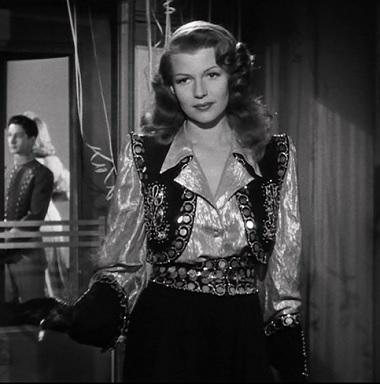
Gilda‘s Carnivàle Outfit

RitaCarnivaleoutfit-Gilda
The heroine’s (Rita Hayworth’s) stylish get-up has two major advantages:

  1. It’s fabulous.
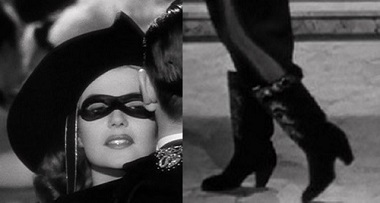
  2. It has wonderful accessories:

GildaCarnivaleaccessories
You’ll Likely Be Mistaken for:
Zorro’s love interest

Jezebel‘s Red Dress

Jezebel-BetteDavis
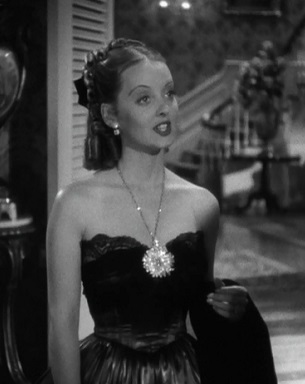
Who hasn’t wanted to wear the dress that stops everyone short? And what gown in film had more impact than the one that branded Julie (Bette Davis) a fallen woman in front of her whole society? Plus, the dress is gorgeous.

You’ll Likely Be Mistaken for: A devil without her pitchfork, a bad angel sans wings, or just a gal who wants an excuse to wear an Oscars dress

The Disastrous Dress from Rebecca

RebeccaJoanFontaine
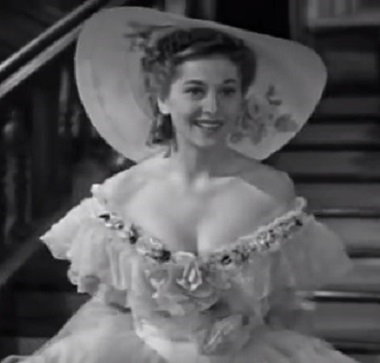
The gown is a bit frilly, but putting on Rebecca’s character for the creepiest night of the year? Yeah, you could get into that. Of course, you could play it meek too, acting as the narrator, since both pick the same dress for the masquerade. Up to you. Some crinoline, a hat, some flowery details–you’ll have it.

You’ll Likely Be Mistaken for: Scarlett O’Hara (It’s a poofy dress. Who else could you be?)

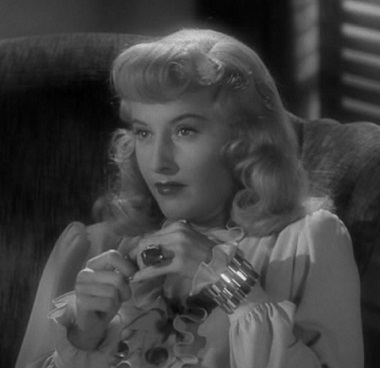
Phyllis Dietrichson from Double Indemnity

PhyllisDoubleIndemnity-Stanywck1
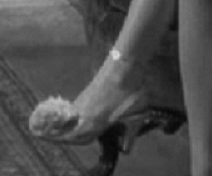
This is the budget option. As any smart Halloween shopper will tell you, you should skip the all-in-one packages in the costume store, and take a tour down the accessory aisle. Anyone can discover a sweater set or fussy dress at home or in the vintage shop. And it isn’t hard to find a wretchedly, embarrassingly bad blonde wig for less than twenty bucks, or some gloriously tacky jewelry. You might even have some from last year’s festivities. Just don’t forget those crazy feminine shoes–and, of course, the anklet:

PhyllisankletDoubleIndemnity
The best part? If you wear a wig–any wig–on Halloween, you really can’t go wrong.

You’ll Likely Be Mistaken for: George Washington or his wife Martha in modern gear (as was Barbara Stanwyck).

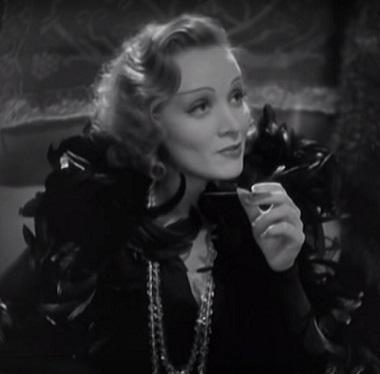
Shanghai Lily

ShanghaiExpress
If you don’t gush over the fashions in Shanghai Express, head straight to the optometrist. Prostitutes in ’30s Shanghai had quite the budget, if Lily (Marlene Dietrich) is any indication. She’s costumed to the hilt in boas, feathered caps, furs, long gloves, and silk. For any woman who wants glamour in her life, Lily’s style is salivation material.

You’ll Likely Be Mistaken for: A generic femme fatale (close!)

There you have it. Five options for those seeking Halloween inspiration. What are favorites of yours?

Share
Posted in: 1930s films, 1940s films, Comedies (film), Drama (film), Humor, Random Tagged: classic film, costume ideas, Halloween
« Previous 1 2 3 4 5 6 7 8 9 10 Next »

Recent Posts

  • 100 Years Later, Still Scary: Dr. Caligari
  • Escaping Out of the Past (1947)
  • A Weeper for Those Who Love Jerks
  • Thank You, Academy, for Not Infuriating Me
  • Challengers (2024) Is a Bad Movie

Subscribe to Blog via Email

Enter your email address to subscribe to this blog and receive notifications of new posts by email.

Categories

  • 1920s films
  • 1930s films
  • 1940s films
  • 1950s films
  • 1960s films
  • 1970s films
  • 1980s films
  • 1990-current films
  • 2020s films
  • Action & Sports Films
  • Anti-Romance films
  • Blogathons
  • Childfree
  • Comedies (film)
  • Drama (film)
  • Feminism
  • Femme fatales
  • Film Noir/Crime/Thriller & Mystery
  • Gloriously Silly Scenes
  • Horror
  • Humor
  • Mae West Moments
  • Musicals and dancing films
  • Oscars
  • Random
  • Romance (films)
  • Romantic Comedies (film)
  • The Moment I Fell for
  • Turn My Sister into Classic Movie Fan
  • TV & Pop Culture
  • Uncategorized
Share
Classic Movie Blog Hub Member

Recent Comments

  • leah@carygrantwonteatyou.com on Meg Ryan’s Fate Foretold in Joe Versus the Volcano
  • Ryan on Meg Ryan’s Fate Foretold in Joe Versus the Volcano
  • leah@carygrantwonteatyou.com on 100 Years Later, Still Scary: Dr. Caligari
  • The Classic Movie Muse on 100 Years Later, Still Scary: Dr. Caligari
  • leah@carygrantwonteatyou.com on 100 Years Later, Still Scary: Dr. Caligari

Archives

  • November 2025
  • September 2025
  • May 2025
  • March 2025
  • January 2025
  • November 2024
  • August 2024
  • July 2024
  • May 2024
  • March 2024
  • February 2024
  • December 2023
  • November 2023
  • October 2023
  • September 2023
  • August 2023
  • July 2023
  • May 2023
  • April 2023
  • March 2023
  • January 2023
  • December 2022
  • November 2022
  • September 2022
  • July 2022
  • May 2022
  • April 2022
  • March 2022
  • February 2022
  • October 2021
  • September 2021
  • April 2021
  • March 2021
  • February 2021
  • December 2020
  • October 2020
  • September 2020
  • July 2020
  • May 2020
  • April 2020
  • March 2020
  • February 2020
  • December 2019
  • October 2019
  • September 2019
  • June 2019
  • May 2019
  • April 2019
  • February 2019
  • January 2019
  • November 2018
  • September 2018
  • July 2018
  • June 2018
  • May 2018
  • April 2018
  • March 2018
  • February 2018
  • January 2018
  • November 2017
  • September 2017
  • August 2017
  • July 2017
  • June 2017
  • May 2017
  • April 2017
  • March 2017
  • February 2017
  • January 2017
  • December 2016
  • November 2016
  • October 2016
  • August 2016
  • July 2016
  • June 2016
  • May 2016
  • April 2016
  • March 2016
  • February 2016
  • January 2016
  • December 2015
  • November 2015
  • October 2015
  • September 2015
  • August 2015
  • July 2015
  • June 2015
  • May 2015
  • April 2015
  • March 2015
  • February 2015
  • January 2015
  • December 2014
  • November 2014
  • October 2014
  • September 2014
  • August 2014
  • July 2014
  • June 2014
  • May 2014
  • April 2014
  • March 2014
  • February 2014
  • January 2014

Meta

  • Log in
  • Entries feed
  • Comments feed
  • WordPress.org

Copyright © 2025 Cary Grant Won't Eat You.

Church WordPress Theme by themehall.com