Cary Grant Won't Eat You

Classic movies for phobics

  • About
  • eBooks
  • Previous Blogathons
Classic movies for phobics

1940s films

In Love with Nick Charles

06/10/2018 by leah@carygrantwonteatyou.com 21 Comments


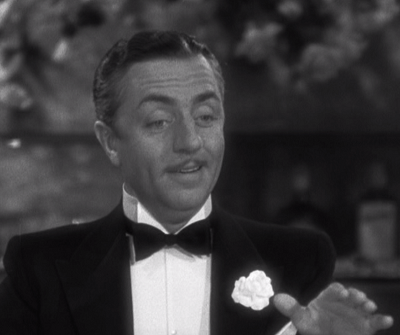
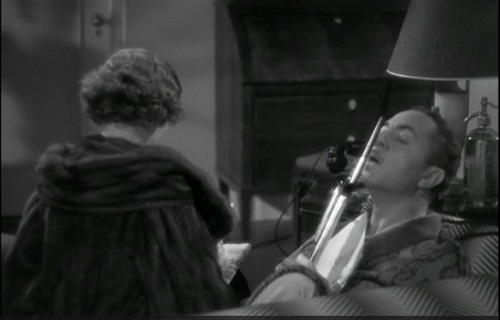
When asked to pick a swoon-worthy character for the Reel Infatuation blogathon, I assumed Nick Charles would already be taken. But this year, my fellow bloggers, you were too slow on the uptake. He’s all mine. How do I love thee, Nick? Let me count the ways. You are….

  1. Quick with a quip.
  2. The perfect mixture of man and kid.
  3. A generous host, especially to strange characters and party crashers.
  4. An excellent judge of canines.
  5. Averse to pretensions.
  6. Able to explain martini mixing via dance moves.
  7. Smarter than everyone, but without ever taking yourself seriously,
  8. Easygoing and relaxed when exposed to danger or annoying relatives.
  9. Supportive of the weaker types around you.
  10. Owner of a confident swagger and sexy voice.
  11. Appreciative of Nora’s charms, even enough to tolerate late-night breakfast requests.
  12. Entertaining–on every occasion, in every place, in every decade.

Sigh. Who could be better?

Thanks to Maedez of Font and Frock and A Small Press Life and Ruth of Silver Screenings for hosting! Check out other entries here.

Share
Posted in: 1930s films, 1940s films, Blogathons Tagged: films, Myrna Loy, Nick Charles, Nora Charles, The Thin Man, William Powell

Spielberg Needs a Better Editor–or These Classic Films

01/14/2018 by leah@carygrantwonteatyou.com 16 Comments


I just watched The Post, and as usual with a Steven Spielberg film, I was thoroughly enjoying it, hoping, “Maybe he’s avoided it this time!” And then WHAM! There it is: The schmaltzy, on-the-nose scenes and/or musical selections that undo the magic he has so skillfully woven. And so again, I must wonder, Why?

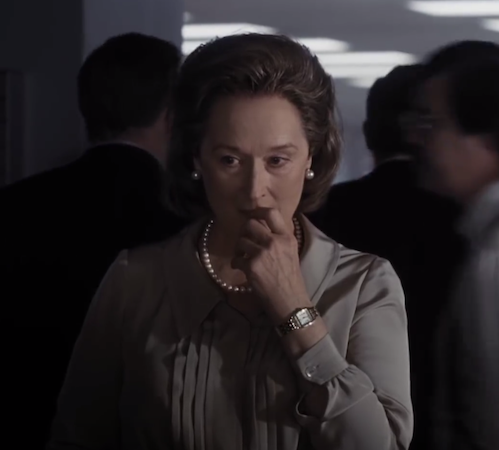
All creators have worst instincts: tendencies to overdramatize, to underdramatize, to love terrible actresses only because they’re icy blondes. If they’re wise, they find a collaborator or editor to curb their worst impulses. If they’re not, they double down, find others who encourage or exaggerate those impulses. Spielberg clearly thinks his work needs no counter-voice (like his similar editing-averse peer, Martin Scorsese), and as a result, we get scenes in The Post like Meryl Streep walking down the stairs with young women gazing at her in admiration, and a Supreme Court judgment read aloud dramatically. And then Spielberg gets folks like me, a lowly blog reviewer in a $7 matinee, grumbling to herself, “Come on, Steven. This is not Lifetime. Cut it out.” Which is not to say that I disliked The Post. That’s the problem. I love Spielberg’s work. I just wish he’d stop ruining it.

Here’s what I wish Spielberg would watch for inspiration:

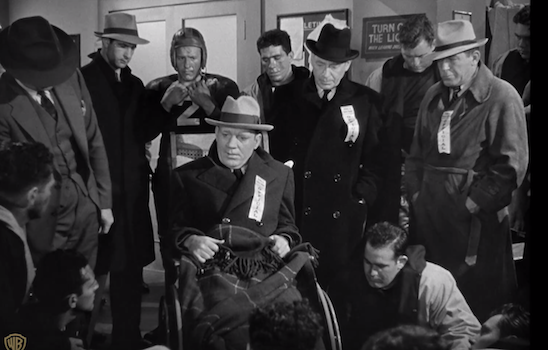
The “Win One for the Gipper” Speech from Knute Rockne All American


Rockne’s invocation of a previous player’s (George Gipp’s) dying wish to rev up his team would seem, on the surface, hopelessly manipulative. Onscreen at least, it’s anything but. Because it’s a highly charged moment, I was expecting some annoying inspirational music (I’m looking at you, Steven. Amistad’s ruined-by-treacle potential still haunts me.) Instead, the scene is quiet, with only background noise from the game. Pat O’Brien delivers the deathbed wish (that a losing Notre Dame team will go against the odds and pull out a win) as an obligation. He’s fulfilling a promise, nothing more. His voice is quiet; his face reserved, somber. As a result, the moment seems authentic. He’s delivered his sad charge, and it’s up to the players to make what they will of it, to win or not. The scene is, as a result of these decisions, deeply moving. And inspirational.

It’s an elementary writing practice: heightened moments require understatement. Why then must we viewers be subjected to John Williams overplaying the score in every dramatic Spielberg scene? (I don’t doubt Williams’s talent, but he too likes melodrama, doubling the bad impulse.*) Why show us a row of young women fawning over Graham instead of a single smile of a single person? I don’t get it. Nor should Steven.

Meet John Doe & Mr. Smith Goes to Washington
Critics often reference Spielberg’s emulations of/similarities to Frank Capra. I see what they mean. There’s an optimism to Capra’s work, a hope in government and humanity, that is echoed in Spielberg’s films. And in the Capra movie I dislike most, You Can’t Take It With You, I see the same lack of subtlety and complexity Spielberg is sometimes prone to. But there’s a darkness and cynicism to Capra’s work that enriches and tempers his idealism, which is beautifully rendered in Meet John Doe and even in It’s a Wonderful Life. In Capra’s best work, the hero/heroine is compromised.

Take the newspaper story, Meet John Doe. Ann Mitchell (Barbara Stanwyck) fabricates a story about a disillusioned everyman, John Doe, and then leads the campaign to lionize a man who agrees to play the part (Gary Cooper). She plies the man to give speeches repeating her father’s wholesome maxims about humanity. Her idealism–and desire to influence her society with it–blind her to how little control she’ll have over the outcome of this experiment, and the life she’s risking with her carelessness. Note that Joe, the innocent here, is NOT the hero. Why? Because he’s not as interesting to watch or as human a character as Ann.

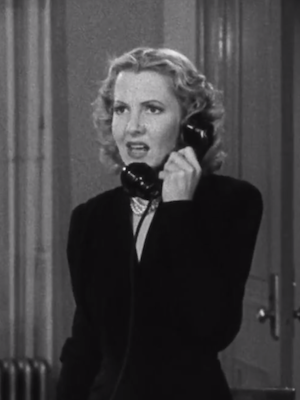
Consider Mr. Smith Goes to Washington. Jefferson Smith (Jimmy Stewart) may be the focus of the film, but Saunders (Jean Arthur); the wised up, cynical DC staffer; is our lens on the story, a woman who is complicit in a culture that destroys naive idealists like Jefferson.


Spotlight understood this necessity for compromised heroes. It derived its energy from the guilt The Boston Globe reporters felt about the coverup of priests’ sexual crimes. Obviously, the paper was not responsible for the child abuse, but they felt they fell short in their watchdog duties by not connecting the dots/seeing the extent of the issue earlier. Without this guilt, the movie would just be bad priests versus noble reporters, the kind of simplistic storytelling we expect out of Superman, not Oscar winners.

Unfortunately, The Post includes no such complexity. While we see that Katherine Graham (Meryl Streep) worries about losing her paper and betraying a friend should she publish the Pentagon Papers, we don’t care about her kids/her family’s legacy/the other stories that might never get told without her paper if it folds. Nixon and his White House are portrayed in comically bad terms, which obviously resonates with those of us who feel the White House is in similar peril now. But we’re talking film making. And while in life there are clear right-versus-wrong conflicts, they don’t make for good cinema. If we at least got what it cost her just to carry on with that paper in the face of her husband’s loss, we’d understand more of Graham’s potential sacrifice. But Spielberg relies on Meryl Streep to deliver too much of this import, and a few throwaway lines don’t cut it.

Perhaps there IS no way to tell this specific story without it appearing so black and white, or at least it seems so in 2018. But I think the key was to let us see more of Graham’s history or even guilt–even if that guilt was considering NOT publishing, however briefly. By acting as if all of her concerns weigh on her equally (the revenue of the publication, her friendship with McNamara, her family’s legacy, soldiers in Vietnam dying), Spielberg may play up the drama of the decision, but he cheapens her thought process, doesn’t allow us to see the struggle against self-interest and rationalization. We therefore see her as more of cypher, and her decision as waffling and random.

That said, it’s a tribute to Spielberg that he still makes the film–and her–so fun to watch. But with a little more Capra viewing, maybe he’d make his heroes and heroines just a little less glowing, just a little more like the rest of us: rusty people, with great potential for more.

The Ending of Casablanca
Typically, Spielberg has a beautiful ending about a half hour before the actual conclusion of his movies, and instead of stopping there, he just keeps going. The peak excitement in The Post is in the decision to print, not in the aftermath, so why does the film continue? A few lines on the screen would have worked better. (Although the VERY end of The Post is too on point, I do appreciate the humor.)

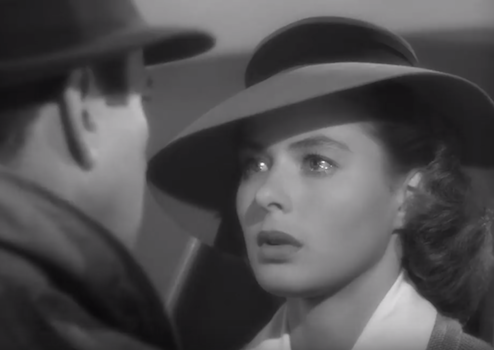
I wish Spielberg would rewatch Casablanca: The hero says his final words; the heroine expresses hers.


The heroine gets on the plane, it takes off, and the hero gets a funny final line. Done. Bows are unnecessary.

Why can’t Spielberg trust his viewers to get it, as director Michael Curtiz did? Why must Spielberg underline, add exclamation points? I don’t need extreme subtlety, but I don’t need words across the sky either.

The Post is still so good–fascinating, rousing, entertaining, a great history lesson, beautifully acted. I loved both Tom Hanks and Meryl Streep in it. I wanted to dwell longer in this world, wanted more time with Ben Bradlee (Hanks) in particular. I loved the mechanics of the press, the feel of the newsroom. The film is a pleasure to watch, and so meaningful in its message. Yes, it’s good. But with Spielberg at the helm, with a harsher red pen, it could have been so much more.

The Color Purple
Before I conclude, there is one final film I’d like Spielberg to view, if I got my wish.


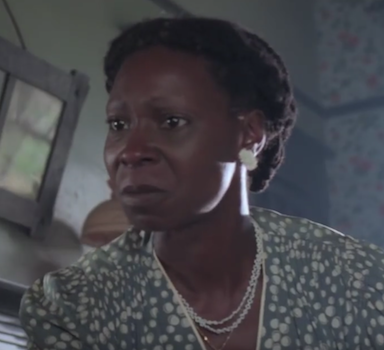
The Color Purple is perfect. No false notes. All complexity (even the bad guy has some heart, and redemption). No extra half hour of cheesiness. (And talk about #MeToo!) Please, Steven. Watch it. See what you got right when you directed it. Replicate.

*I should say that The Post is an unusually restrained film for Spielberg music-wise, for which I’m grateful.

Share
Posted in: 1930s films, 1940s films, 1980s films, 1990-current films, Drama (film), Oscars Tagged: Casablanca, Knute Rockne: All American, Meet John Doe, Meryl Streep, Mr. Smith Goes to Washington, newspaper movies, potential Oscar nominees, The Post, Tom Hanks

Can Barbara Stanwyck Make Up for George Brent?

01/12/2018 by leah@carygrantwonteatyou.com 8 Comments


I find myself reserving certain films for future viewings when I love a star. Sometimes–as with Barbara Stanwyck–I try to watch her lesser films, putting off a great one so at least one is still waiting in reserve for me, like some wonderful present under the tree.

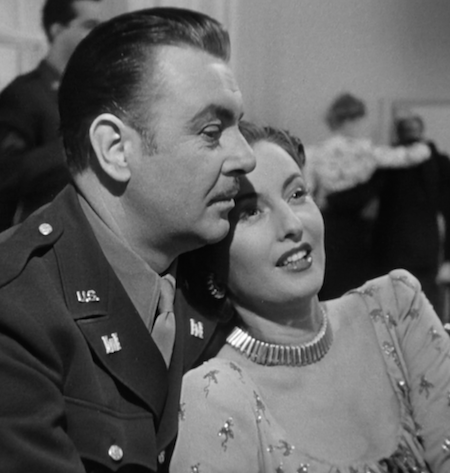
So I didn’t go into My Reputation (1946) with any illusions that it would be a masterpiece, but I thought I could enjoy a little Stanwyck magic. Alas, I neglected to look up her costar: George Brent, who somehow manages to be even duller and less charismatic onscreen than Herbert Marshall. Was his lethargy enough to destroy her energy? The answer: Yes. And no.

The premise is a simple one: Jessica Drummond (Stanwyck) has lost her husband after a long illness, and an attraction to army major Scott Landis (Brent) revives her spirit, but harms her reputation as a chaste, loyal widow.

You see the problem already, don’t you? Some serious miscasting is going on here. I can buy Brent as a restful, chill companion after say, a bad marriage to a philandering playboy. But Brent AS a playboy? Who REVIVES her? Ummmm. Exactly how old was her husband?

I don’t think I’m alone in finding Brent a sleep aid, and his looks don’t even provide eye candy that can dispel that impression. After a while, I simply stopped the film in boredom. Had anyone said, “That guy? Maybe you need some Vivarin, lady,” I would have been fine with Jessica’s choice of Landis, but it seems everyone in the film (even Eve Arden!) thinks he’s the dapper, fun lady’s man Brent may have been in real life, but sure wasn’t onscreen.

So….In his scenes with her? I’m falling asleep. And unlike in Baby Face (in which he’s slightly more tolerable), he’s on the screen a lot. Only when Jessica first enters his apartment; her every gesture displaying her discomfort, reserve, fearfulness, and lingering prudery; does Stanwyck command the screen enough to blot Brent’s presence out.

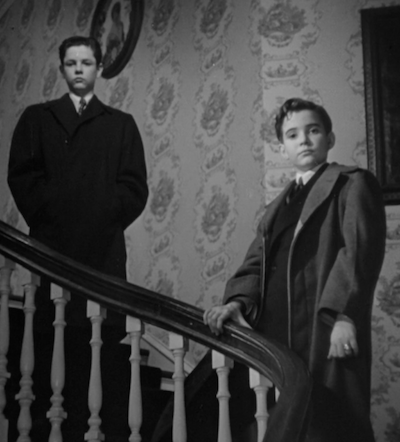
BUT when Brent’s not around, there’s interesting stuff going on, and Stanwyck nails it. Jessica’s boys’ anger at her replacing their dad is visceral.


The whole time you’ve been sympathizing with Jessica for wanting to get her groove on, as gossips and prudes (including her mother) tsk tsk at her. But then you realize that she’s told these boys nothing, has just invited Landis over for Christmas Eve, gone to fights with him, taken off on trips that last till the wee hours with him (apparently leaving the kids with the housekeeper), without so much as an “I’ll always love your dad” talk. True, it’s a different era, but a wee bit of explanation was required here, and never given. Jessica’s slow-burn realization of her screw-up is almost as riveting to watch as her takedown of a gossip queen earlier.

Most of the strong scenes, unfortunately, don’t even show up till about 30 minutes are left in the film. Way too much time is spent establishing Jessica’s already obvious infatuation, and giving her love the bedroom eyes. I’d suggest skipping around, enjoying some striking Stanwyck outfits, beautifully rendered lines, and wonderful chemistry with everyone but her leading man.

Share
Posted in: 1940s films, Drama (film), Romance (films) Tagged: Barbara Stanwyck, dull leading men, George Brent, My Reputation

Lubitsch, My Expectations Were Too High!

11/22/2017 by leah@carygrantwonteatyou.com 2 Comments


Here’s a question: Can we blame a brilliant director for films that don’t match his usual brilliance? If a film has a little of his luster, enough to make it stand out from the rest, but not enough to make us clamor for repeat viewings, is it fair to claim, “That sucked?”

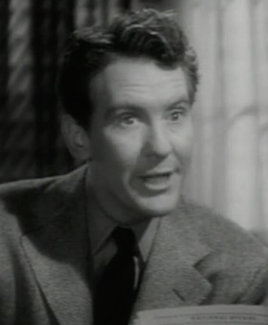
I just watched That Uncertain Feeling (1941), a comedy directed by Ernst Lubitsch, that master of the comedy of manners. At first, I was wooed: Some expected cleverness in the dialogue. A starring role for Burgess Meredith, whom I will always love for being Mickey from the Rocky franchise.


And Melvyn Douglas as the wronged husband, who brings a lighthearted energy and humor to his roles, making me like him even when I don’t enjoy his pictures.


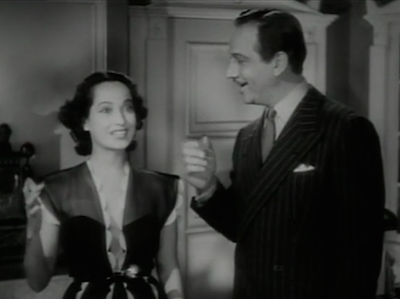
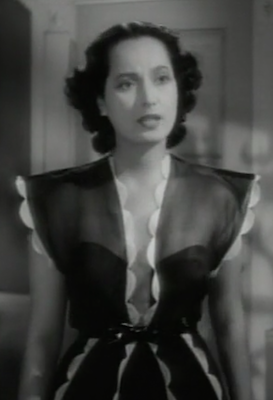
Of course, casting Merle Oberon as the lead was a baffling choice. A cardboard cutout would make more comedic impact. But flat as her acting is, Oberon is equipped to play upper-crust types, and somehow reminded me of Tahani (Jameela Jamil) in The Good Place: her refinement verges on parody, but never quite achieves it (unlike the consistently amusing Jamil). I found myself ignoring her performance and just enjoying her strange clothes:


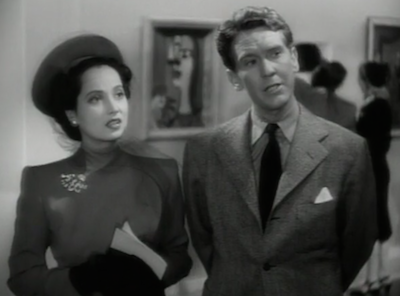
Burgess is funny as pretentious musician Alexander Sebastian, who lures bored housewife Jill Baker (Oberon) away from husband Larry (Douglas) by explaining modern art to her and otherwise displaying his supposed sophistication.


In my favorite move, Sebastian snatches an absurd amount of photos of himself from Jill’s home after she sways back to Larry; Burgess’s spoiled boy huffing as he does so is a thing of beauty. And Douglas employs Lubitsch’s air of the wised-up husband so well that you wish he were in a better film.

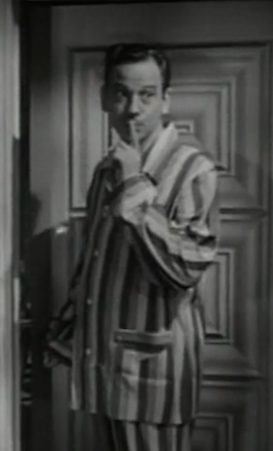
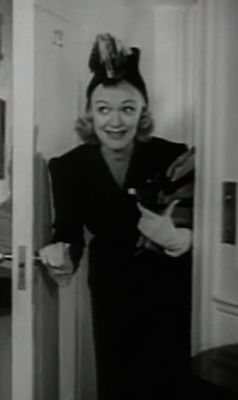
The true crime in the movie is the deployment of Eve Arden. How, Lubitsch, do you give Eve Arden NO WISECRACKS? Even in Grease, the woman is a riot, that expert sidekick with snark embedded in her DNA. Mildred Pierce and Stage Door fans, share my dismay. I found this film by seeking Arden vehicles, saw “Lubitsch,” imagined the director known for wit and actress expert at expressing it together, and found that…Oberon is given the good lines instead, with Arden left to rely on silly expressions:


Does that mean the film is bad? No. Lubitsch is Lubitsch, and frequently, we find the witty lines we’ve come to expect in his movies:

Jill, speaking of Sebastian: “He’s an individualist!”

Larry: “Is he that rich?”

And of course, we find that trademark cynical attitude toward marital fidelity that always makes me think of French films without the despondency. Larry resents his wife’s attachment to another man, but he isn’t brought low by it. Instead, he plays her, and often shows glee in doing so. He’s going to win her back, and he knows it. Whether through generosity (in giving her everything), or jealousy (in cozying up to Eve Arden’s Sally), or in nonchalance about the whole divorce process, he feeds on his knowledge of her. We know that all will turn out with the Bakers happy together in the end, even if the wife doesn’t have enough charm for us to understand all the fuss about her.

There’s also a funny framing device: the disloyalty began with Jill visiting a psychiatrist about nervous hiccups, which he manages to blame on a poor marriage. The meeting of the lovers occurs in the waiting room. This send-up of therapy is an amusing move, though I wish in the story we’d seen Sebastian’s sessions too, as hearing him drone on about the philistines around him with his expert sneer would have been so much fun.

I haven’t seen the original version of this film, Kiss Me Again, and suspect it’s better. If you have lower expectations, maybe you can get past Oberon and Arden, enjoy Burgess’s spot-on performance enough and the lines enough to forget the rest. I just wish I could.

Share
Posted in: 1940s films, Comedies (film), Romantic Comedies (film) Tagged: Burgess Meredith, Eve Arden, Lubitsch, Melvyn Douglas, Merle Oberon, Micky in Rocky, That Uncertain Feeling

Movies to Combat Moving Blues

09/16/2017 by leah@carygrantwonteatyou.com 11 Comments


**Some spoilers, but then again, this is a comedy.***

I’ve been remiss in my blogging lately, due to my second move in a year. The last apartment resounded with construction noises next door, loud and consistent and close enough to drive me to repacking. So again I’ve been drowning in UHaul boxes, unsticking packing tape from my shoes, figuring out just how little I can get away with repurchasing, and wondering how few calls I can make changing my rental address.

Films about renting typically revolve around roommates, so to find characters to commiserate with (and limit the number of real-life sufferers from my complaints), I’ve turned to stories about much bigger headaches than mine: Walter’s (Tom Hanks) and Anna’s (Shelley Long) alternately endearing and hilarious breakdowns after they buy the lemon in The Money PIt (1986). The lovable Blandings (Cary Grant and Myrna Loy) as they sink their cash into first destroying one house, then building another in its place in Mr. Blandings Builds His Dream House (1948).

I like both films so much, but today, I’m going to discuss the original: Tired of fighting over mirrors and closets and other ills of close apartment living with a spouse and two kids, Jim Blandings (Grant) convinces his wife, Muriel (Loy), to move to Connecticut with him, to a big shambling old relic that’s just about to crumble. Comedy ensues, especially when Jim’s jealousy over his lawyer (who once dated Muriel) surfaces while he’s trying to tackle falling parts and failed wells and bad bathroom locks. Of course, Jim and Muriel soon find the costs building up and the issues with first the old, then the replacement house mounting. So much to love about this film. Let’s begin with:

The Realistic Depiction of Marriage
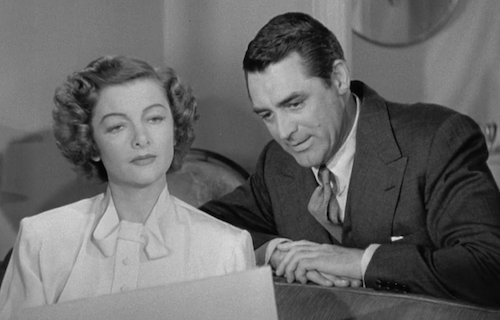
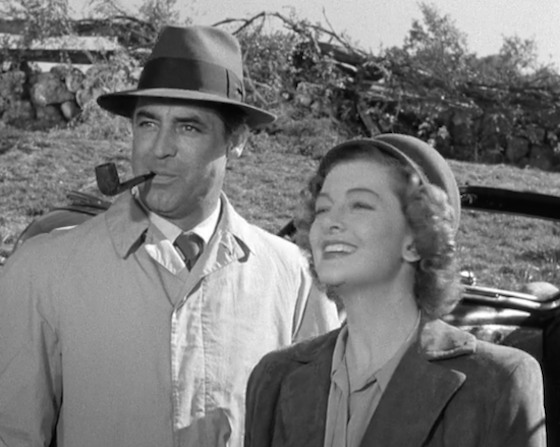
The Blandings frequently squabble about everyday annoyances, but my favorite moments are those that display patience with one another’s faults, as when Jim refuses to believe Muriel knows the directions to their new place, and she patiently waits out his acknowledgment of her correctness through multiple wrong turns, a quiet smile and gaze toward the sky revealing her amusement at how it’s all going to turn out:
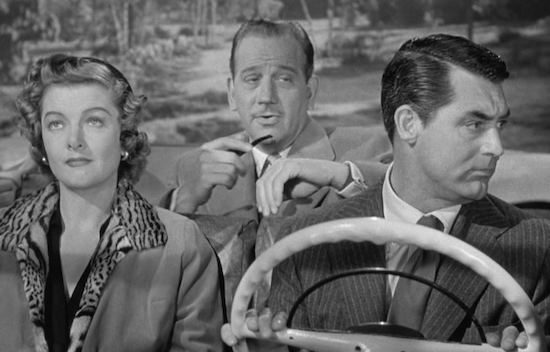

Unlike most films that depict a husband jealous of his wife’s affections, Mr. Blandings Builds His Dream House does a subtle job conveying quietly brewing suspicions. While Jim’s jealous of his lawyer, Bill (Melyvn Douglas), throughout the film, the sentiment is understated, only boiling over when his stress level does, and therefore never failing to feel authentic. Weaker comedies play such weaknesses broadly instead; the sophisticated version of jealousy here matches that in so many more marriages, and therefore is funnier.

The (Meta) Supporting Actor Casting
The actor playing Grant’s object of jealousy is Melvyn Douglas, often viewed as a second-rate replacement for Grant in romantic comedies. He’s debonair and can be charming, but he’s no Grant.
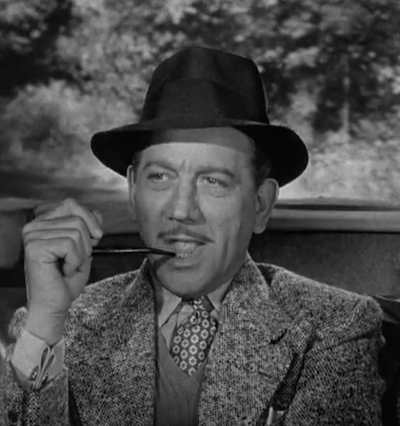

But Douglas is always better as a supporting actor than as a hero, and does great work as the foil in this film. And some may say he did get the last laugh: he, unlike Grant, his romantic lead rival, would win not one, but two Oscars later in his career.

The Inspired Acting (and Chemistry) of Grant & Loy
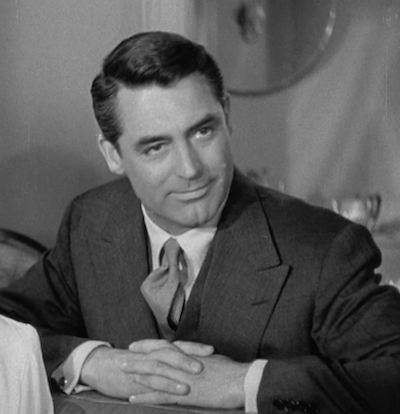
Every frame of the film conveys the joy of home ownership and the stress of building and moving so well, thanks to the stellar performances. Honestly, as mobile as these two stars’ faces are, this film could have easily been a silent. Just take these shots of Grant in smirk and self-embarrassment mode, respectively.
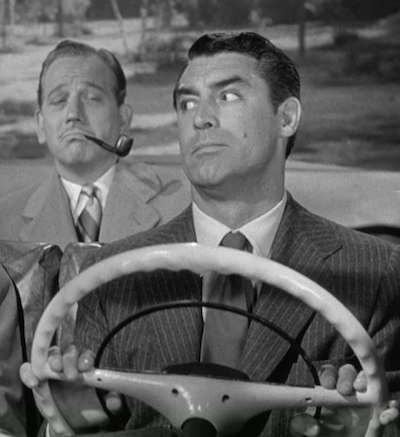
Or Loy’s face as she expresses love, mockery, and shocked anger in turn:
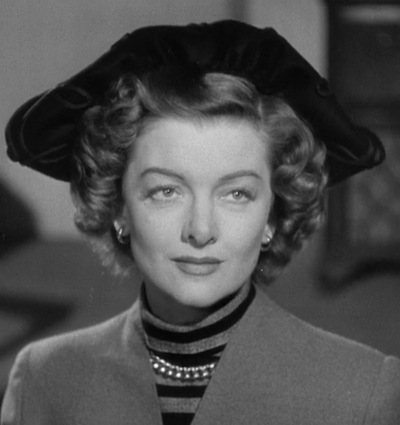
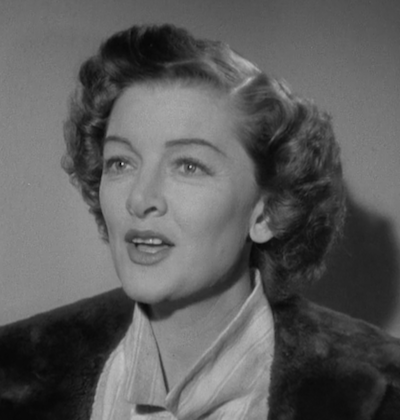
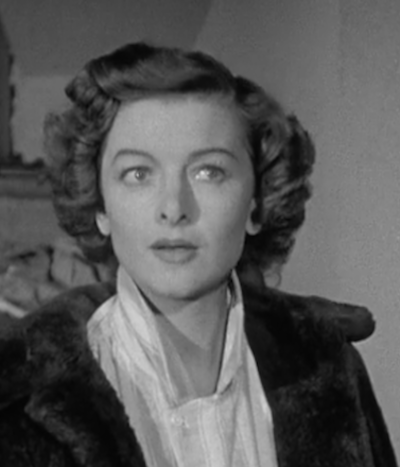
The actors’ best scene is after Jim expresses jealousy over his wife’s past relationship with Bill. His expressions–one part suspicion, one part hope, one part shame–are so nuanced and real.

When he pouts, asking why she married him, she fires back in a brilliantly worded (thanks to the script) rebuttal:

“I’m beginning to wonder….” she says. “Maybe I knew you were going to bring me out to this $38,000 icebox, with a dried-up trout stream and no windows…Or maybe I just happened to fall in love with you, but for heaven’s sake, don’t ask me why.”

The scene is pitch-perfect Loy. Only she could be so angry and endearing simultaneously.

Quibbles
Luckily, the voiceover narration, which is occasionally grating, is in short supply. It is used to great effect in the opening, which depicts decidedly unidyllic city living.

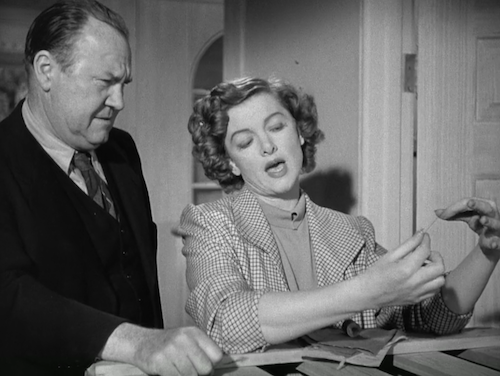
I’m not a big fan of the scene in the film most love, when Muriel gives a comic level of detail about the wall colors she wants, and the painters reduce her requirements to red, yellow, etc. as soon as she turns her back. It’s just so sexist, so “oh that silly woman” in its approach. In contrast, her sink mistake, which is also depicted as foolhardy, is treated as if it’s on the same level as Jim’s errors. But Loy is fabulous in the painting scene, sure she’ll be taken seriously and oblivious to the painters’ condescension.

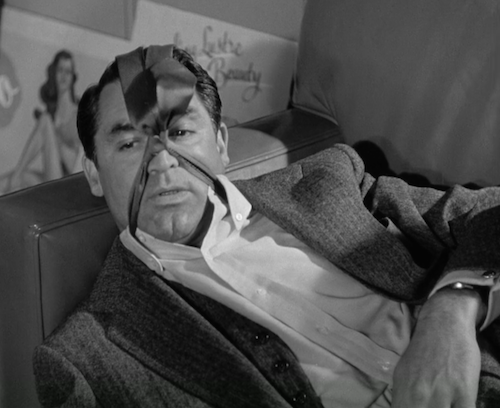
While Jim’s work stress during the building is a little undercooked plotwise, there are comic gems, as when Grant’s creative process is depicted:

But the joy of these brief work scenes is undermined by the portrayal of Gussy (Louise Beavers), the housekeeper, who will later be featured, Aunt Jemima style, in Jim’s ad about some Spam-like product. He does offer her a $10 raise for coming up with the ad idea that saves his job, and she doesn’t come across as stereotypically as some black actresses at the time did (Gussy does, after all, originate the ad). But it sure would be cool to see more for Beavers (and Gussy), especially given how progressive Loy was, and given Beavers’s earlier star-making turn in Imitation of Life.

Of course, the film’s legacy, despite these weaknesses, comes down to….

Its Comic Writing & Pacing
Wry humor sparkles throughout, especially when Grant has a breakdown near the film’s close. When the couple is first purchasing the old house, others observe that it’s junk, as when Bill looks at the Blandings and observes, “It’s a good thing there are two of you. One to love it, and one to hold it up,” or when Jim asks for a structural engineer’s analysis of the house, and the man succinctly replies, “Tear it down,” a caution two other engineers repeat, word for word.

The film is so efficiently edited, so quickly paced, that there’s little time to dwell on one change before another is brewing, accurately echoing the hectic pace of changing a home.

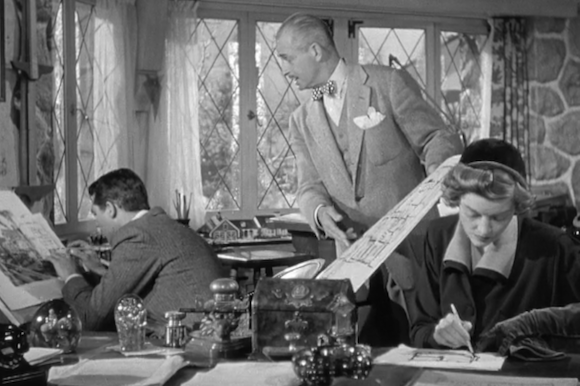
I love that so much goes wrong in the film that the move itself is briefly canvassed in order to get on to the bigger problems. Jim’s jealousy is also neatly addressed, without sidelining the story of the house. Unlike its indirect remake, Money Pit, the film doesn’t address the number of people swindling or lying to the Blandings (besides the house cost) so much, instead relying on ignorant decisions and accidents of nature. I love when the Blandings, with no knowledge of architecture, settle down to each add all their own cool features to the blueprints, as the architect looks on in dismay:

And yet, as unrealistic and financially reckless as the two prove to be, you also see why it’s worth it, to find the home they want, to set aside the troubles it took to get there. And in the moments they enjoy it, you’re proud of this idealistic couple. Proud that in spite of all their foolishness, they stubbornly hold on, and get what they wanted. It may not always be true, or even often be true, but sometimes, it’s just worth it to try for that dream home.
Share
Posted in: 1940s films, 1980s films, Comedies (film), Romantic Comedies (film) Tagged: Cary Grant and Myrna Loy, classic movie review, homebuilding movies, If you like Money Pit, moving movies, Shelley Long, Tom Hanks

Eugene Pallette’s Birthday: All Hail His Froggy Voice

07/08/2017 by leah@carygrantwonteatyou.com 8 Comments


I’m a sucker for a good voice, and no voice was as memorable and amusing as Eugene Pallette’s deep & froggy timbre. His is the kind of voice that startles you when he joins the national anthem/a church congregation’s chorus–the unmistakable, unbelievably harsh and scratchy wonder that we’d call awful if it didn’t make us laugh so much.

On others, perhaps, such a gift would be wasted, but Pallette had the impeccable comic timing and delivery to go with that glorious voice, making everything he did onscreen a wonder to behold.

I think the test of a good character actor is this: How big is your smile when he/she enters the room? Answer this: Can you watch Eugene’s mouth open without grinning?

I saw Pallette as Friar Tuck in The Adventures of Robin Hood and knew I’d love the flick. I didn’t care what happened afterward, how fun it was (and of course, it was) because once Pallette entered the picture, I was sold.

My favorite Pallette scenes are when his character is in tantrum mode. I’m not a fan of My Man Godfrey, but oh, to watch him rip on his entitled family in it! To watch him pouting for his breakfast by slamming tray lids together in The Lady Eve. To laugh over his immaturity as he battles his wife over comic strip ownership in Heaven Can Wait!

On Pallette’s birthday, I hope we’ll all celebrate the lovable curmudgeony men in our own lives. We all are the better for them.

Share
Posted in: 1930s films, 1940s films, Comedies (film) Tagged: best voices, comedies, Eugene Pallette, froggy voice, Heaven Can Wait dad, My Man Godfrey dad

Happy Birthday to Classic Film’s Cupid, Charles Coburn

06/19/2017 by leah@carygrantwonteatyou.com 6 Comments


Today you need to embrace your love, ask out that crush, comfort your lovelorn friend, or play matchmaker yourself.

Why?

Because it’s Charles Coburn’s birthday. You know: the warm uncle/grandfather/parent type who plays the part of wing man, aiding couples in love. A Coburn character is the friend/relative you’ve always wanted, his cool common sense cutting through the neuroses, doubts, and faults that jeopardize a blooming love match or hinder an existing one. With such a friend, the couples always head to matrimony, or find new reasons to appreciate the spouses they have. So be a little kinder to those you love–or hope to love–today. In Coburn’s honor.

Share
Posted in: 1940s films, Random, Romantic Comedies (film) Tagged: best wingman in film, Charles Coburn, classic movie cupid, Heaven Can Wait, review, romantic sidekick, The More the Merrier, Together Again

What’s in a Name?: Together Again (1944)

05/17/2017 by leah@carygrantwonteatyou.com 20 Comments


I have a sophisticated theory about why the Irene Dunne vehicle Together Again (1944) is never on any best-of, favorites, or romantic comedy lists despite the many joys of viewing it: the title sucks.

And when I say it sucks, I mean it’s the WORST TITLE I CAN IMAGINE. It’s so forgettable that every time I think of it, I have to look up Dunne’s IMDB site to find it. I cannot for the life of me remember it at all. And I’m a fan of the film! What does that say?

The title isn’t mysterious, as in The Natural, an aptly named, but box-office-ignorant choice. It’s not annoying, as in Mr. Deeds Goes to Town. It’s just so impossibly blah and vague. Together Again. As in a remarriage? As in partners who re-team? As in peanut butter and jelly? WHAT does it mean? I’ve seen the film and any possible answer to that question is not a good one.

Of course, if I’d had my druthers, I would have named it this way: Charles Coburn, Matchmaker. Because any classic movie fan familiar with his work would run to see it then. But as I don’t have naming rights, I can just tell you this: Ignore the title; watch the film.

Why? I’ve posted a longwinded tribute to it, with comparisons to Veep, should you have time to kill. But here, I’ll give you the brief but essential rundown of why so many of you will love it:

  1. It’s Such a Feminist Flick. A female mayor, people. Who rips on men who belittle her. Who makes fun of romance, and yet (despite herself) is itching for it after her husband’s death. Her father-in-law (Coburn) keeps trying to sway her to take things easier, to find a new man and stop worshipping his son. Hooked yet?
  2. Irene Dunne. Oh she’s great. That odd, fluttery voice dishes out sarcasm with verve. Her on-point timing and ease of movement make her mesmerizing to hear and watch.
  3. The Romance. I’m not a big fan of Charles Boyer’s, but the two actors have chemistry together. And I’ve always been a fan of the straightlaced gal and bohemian/relaxed guy meet-cute, probably because I was such a nerd as a kid.Unnecessary Aside and Spoiler of Other Films: I prefer Boyer’s & Dunne’s Love Affair (1939) to the more beloved An Affair to Remember (1957) remake, partially because Boyer & Dunne are more in sync and believable as a couple than Kerr and Grant, despite the latter’s extreme charm in his film. But mainly because Deborah Kerr seems such an inert actress to me, making the tragedy that befalls her less moving than that of the highly energetic Dunne. I mean, ask yourself: Which actress can you imagine in a gym? I rest my case. (The fact that I’m more like Kerr, gym-devotion wise, doesn’t alter my point narratively speaking.)
  4. Coburn-Dunne Magic. I love these two together. You could ditch the romance and just enjoy Dunne & Coburn sparring, and never miss a thing. These two are so witty, have such a great rhythm together. And his expression when he rips on her for a frivolous hat purchase is so good I’m going to have to post it again (I believe this is post 3):


Alas, the only reason I discovered this film at all is because it was paired with the more famous Theodora Goes Wild in a Netflix two-set; to my surprise, I was disappointed with the comparatively famous madcap film, and fell hard for Together Again. If only the smart folks who’d named the former had taken a crack at the latter.

This post is part of the Classic Movie Blog Association’s blogathon on Underseen and Underrated films. If you haven’t checked out the other entries yet, go see them now!


Share
Posted in: 1940s films, Comedies (film), Feminism, Humor, Romantic Comedies (film) Tagged: Charles Boyer, Charles Coburn, Irene Dunne, matchmaker films, underrated rom-coms

Five Favorite Classic Movie Stars

05/16/2017 by leah@carygrantwonteatyou.com 26 Comments

To celebrate National Classic Movie Day, I’m joining Rick’s Five Stars blogathon by sharing some of my favorite classic movie stars. And though I can’t quite say they’re my favorites ALL of the time (of course, that shifts), they are always on my list. Since my favorite character actors deserve their own post, I’m focusing on those who frequently star in their vehicles. Here we go. In no particular order:

1: Barbara Stanwyck


Because her acting was superlative and ageless. Because she got her scenes in one take, her emotions so visceral you always feel immersed in her characters’ lives. Because her crews loved her. Because she could be funny,  dramatic, or both at once. She was marvelous.

2: Van Heflin


Because his acting was so natural. Because he didn’t demand attention or the starring role, but the authenticity of his acting and his easy confidence made him riveting anyway. Because he singlehandedly changed my mind about westerns with his understated performance in 3:10 to Yuma. Because he never got the credit he deserved, which somehow makes me love him more.

3: Cary Grant


Because he had the all-time best smirk. Because he could be sexy or goofy, usually both at once. Because his acrobatics were truly impressive. Because in spite of his unfailing glamour, his characters were always real. Because he knew how to share the screen with a canine. Because he was adept at self-creation. Because he gave me a name for my blog.

4: William Powell


Because I wouldn’t typically consider his looks attractive, but his personality onscreen was so assured and wonderful and silly that I find him sexy just the same. Because I want to befriend most of his characters, and am sad I can’t. Because I could listen to that voice all day. Because I’ll watch anything he’s in, just to fall for him again.

5: Mae West


Because she wrote her own lines and dictated her own role–onscreen and off. Because those lines were so well written that people know them almost 100 years later, without knowing where they’re from or who she was. Because she was combustible onscreen, and always hilarious. Because she was a feminist, whether she admitted it or not. Because she had impeccable timing. Because of that walk. Because her movies are utter joy. Because there will never be another like her.

Check out other bloggers’ favorites at Five Stars blogathon!

Share
Posted in: 1930s films, 1940s films, Blogathons, Drama (film), Feminism, Mae West Moments Tagged: Barbara Stanwyck, Cary Grant, favorite classic movie stars, lists, Mae West, Van Heflin, William Powell

Airplane!: The Joy of Recognizing Classic Movie References

03/11/2017 by leah@carygrantwonteatyou.com 2 Comments

**Spoilers about George Gipp ahead**

The other day I was watching Airplane! with some friends. For the first time, I caught that the film includes a hilarious spoof of Knute Rockne’s “Win One for the Gipper” speech, that speech leaders of underdogs everywhere like to imitate. Popularized by Knute Rockne-All American (1940), the speech was given by the famous Notre Dame football coach when his team was losing against Army in 1928. In the speech he references his former player, George Gipp, the National Football Hall of Famer who died tragically in his mid-twenties. Pat O’Brien plays Rockne beautifully in the movie, capturing some of the cadence of his words, and using understated sadness where another would have gone for drama. Eight years after his famous player’s death, Rockne discusses Gipp’s last words with his losing team (in real life, and in the film):

“I’m going to tell you something I’ve kept to myself for years,” says Rockne (O’Brien). “None of you ever knew George Gipp (Ronald Reagan). It was long before your time. But you know what a tradition he is at Notre Dame… And the last thing he said to me: ‘Rock,’ he said ‘sometime, when the team is up against it — and the breaks are beating the boys — tell them to go out there with all they got and win just one for the Gipper…’ I don’t know where I’ll be then, Rock,’ he said – ‘but I’ll know about it – and I’ll be happy.'”

Of course, the team wins, and history is made.

Ronald Reagan’s deathbed scene in the film, of course, meant he was associated with the name George Gipp, as different as they were. Gipp, phenomenally talented as a football player, was very modest about his accomplishments. He was an interesting man, too: actually preferred another sport, spent time gambling with out-of-towners who thought South Bend hicks could never beat them (afterward secretly giving his winnings to charity). Always, Gipp displayed an allergy to limelight.

Once I learned Gipp’s true story, I became horrified that Reagan’s presidency had turned Gipp’s legacy into a promotion campaign. Of course, Airplane! (1980) would capitalize on the humor of this discrepancy. The movie came out before Ronald Reagan’s first White House term, but the politician had made two runs for the Republican nomination before getting it in 1980; there are digs on his acting in the film. And then the perfect parody: In a moment when Ted Striker (Robert Hays) is despairing about his poor chances of landing the plane, with death certain for all if he doesn’t, in comes Dr. Rumack-Don’t-Call-Me-Shirley (Leslie Nielsen) to give Striker a hilarious pep talk. Almost word for word, it’s Rockne’s speech. Nielsen even captures the coach’s understated style. To give a football speech in such a moment is very tacky–in even more ways that most viewers might suspect: Rockne died in a plane crash. Screenwriters Jim Abrahams, David Zucker, and Jerry Zucker capture inappropriate uses of Gipp’s name and of his coach’s tribute by using both inappropriately in their own film.

But I wasn’t thinking of any of those details as I watched. What I felt was a thrill, that delightful shock of recognition every classic film fan feels when she sees or hears a reference to an old favorite. And I didn’t think it was possible, but Airplane! is even funnier than I thought. How marvelous.

Share
Posted in: 1940s films, 1980s films, Action & Sports Films, Comedies (film), Drama (film), Humor, TV & Pop Culture Tagged: Airplane!, Film, George Gipp, Knute Rockne, Knute Rockne: All American, Leslie Nielsen, review, Ronald Reagan, Win One for the Gipper
« Previous 1 2 3 4 5 6 7 8 9 10 Next »

Recent Posts

  • 100 Years Later, Still Scary: Dr. Caligari
  • Escaping Out of the Past (1947)
  • A Weeper for Those Who Love Jerks
  • Thank You, Academy, for Not Infuriating Me
  • Challengers (2024) Is a Bad Movie

Subscribe to Blog via Email

Enter your email address to subscribe to this blog and receive notifications of new posts by email.

Categories

  • 1920s films
  • 1930s films
  • 1940s films
  • 1950s films
  • 1960s films
  • 1970s films
  • 1980s films
  • 1990-current films
  • 2020s films
  • Action & Sports Films
  • Anti-Romance films
  • Blogathons
  • Childfree
  • Comedies (film)
  • Drama (film)
  • Feminism
  • Femme fatales
  • Film Noir/Crime/Thriller & Mystery
  • Gloriously Silly Scenes
  • Horror
  • Humor
  • Mae West Moments
  • Musicals and dancing films
  • Oscars
  • Random
  • Romance (films)
  • Romantic Comedies (film)
  • The Moment I Fell for
  • Turn My Sister into Classic Movie Fan
  • TV & Pop Culture
  • Uncategorized
Share
Classic Movie Blog Hub Member

Recent Comments

  • leah@carygrantwonteatyou.com on Meg Ryan’s Fate Foretold in Joe Versus the Volcano
  • Ryan on Meg Ryan’s Fate Foretold in Joe Versus the Volcano
  • leah@carygrantwonteatyou.com on 100 Years Later, Still Scary: Dr. Caligari
  • The Classic Movie Muse on 100 Years Later, Still Scary: Dr. Caligari
  • leah@carygrantwonteatyou.com on 100 Years Later, Still Scary: Dr. Caligari

Archives

  • November 2025
  • September 2025
  • May 2025
  • March 2025
  • January 2025
  • November 2024
  • August 2024
  • July 2024
  • May 2024
  • March 2024
  • February 2024
  • December 2023
  • November 2023
  • October 2023
  • September 2023
  • August 2023
  • July 2023
  • May 2023
  • April 2023
  • March 2023
  • January 2023
  • December 2022
  • November 2022
  • September 2022
  • July 2022
  • May 2022
  • April 2022
  • March 2022
  • February 2022
  • October 2021
  • September 2021
  • April 2021
  • March 2021
  • February 2021
  • December 2020
  • October 2020
  • September 2020
  • July 2020
  • May 2020
  • April 2020
  • March 2020
  • February 2020
  • December 2019
  • October 2019
  • September 2019
  • June 2019
  • May 2019
  • April 2019
  • February 2019
  • January 2019
  • November 2018
  • September 2018
  • July 2018
  • June 2018
  • May 2018
  • April 2018
  • March 2018
  • February 2018
  • January 2018
  • November 2017
  • September 2017
  • August 2017
  • July 2017
  • June 2017
  • May 2017
  • April 2017
  • March 2017
  • February 2017
  • January 2017
  • December 2016
  • November 2016
  • October 2016
  • August 2016
  • July 2016
  • June 2016
  • May 2016
  • April 2016
  • March 2016
  • February 2016
  • January 2016
  • December 2015
  • November 2015
  • October 2015
  • September 2015
  • August 2015
  • July 2015
  • June 2015
  • May 2015
  • April 2015
  • March 2015
  • February 2015
  • January 2015
  • December 2014
  • November 2014
  • October 2014
  • September 2014
  • August 2014
  • July 2014
  • June 2014
  • May 2014
  • April 2014
  • March 2014
  • February 2014
  • January 2014

Meta

  • Log in
  • Entries feed
  • Comments feed
  • WordPress.org

Copyright © 2025 Cary Grant Won't Eat You.

Church WordPress Theme by themehall.com